Gantry Shear Technical Guide: How It Works in Heavy-Duty Metal Cutting

Technical Overview: The Mechanics of Gantry Shears
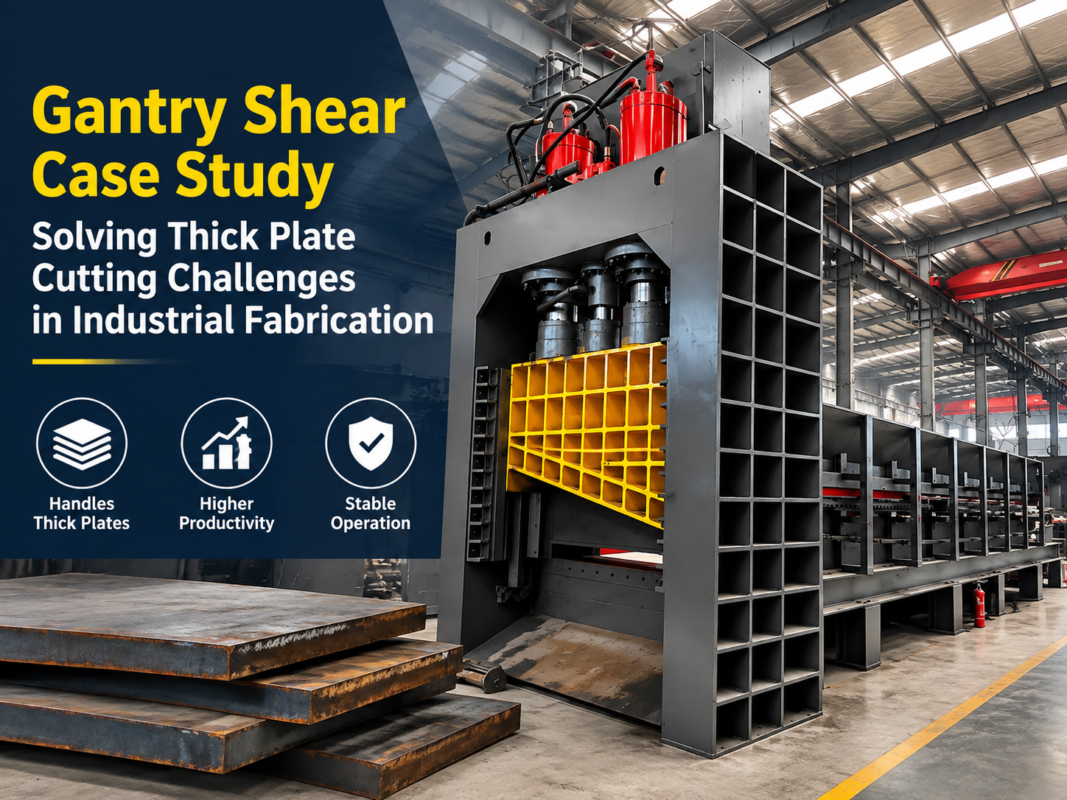
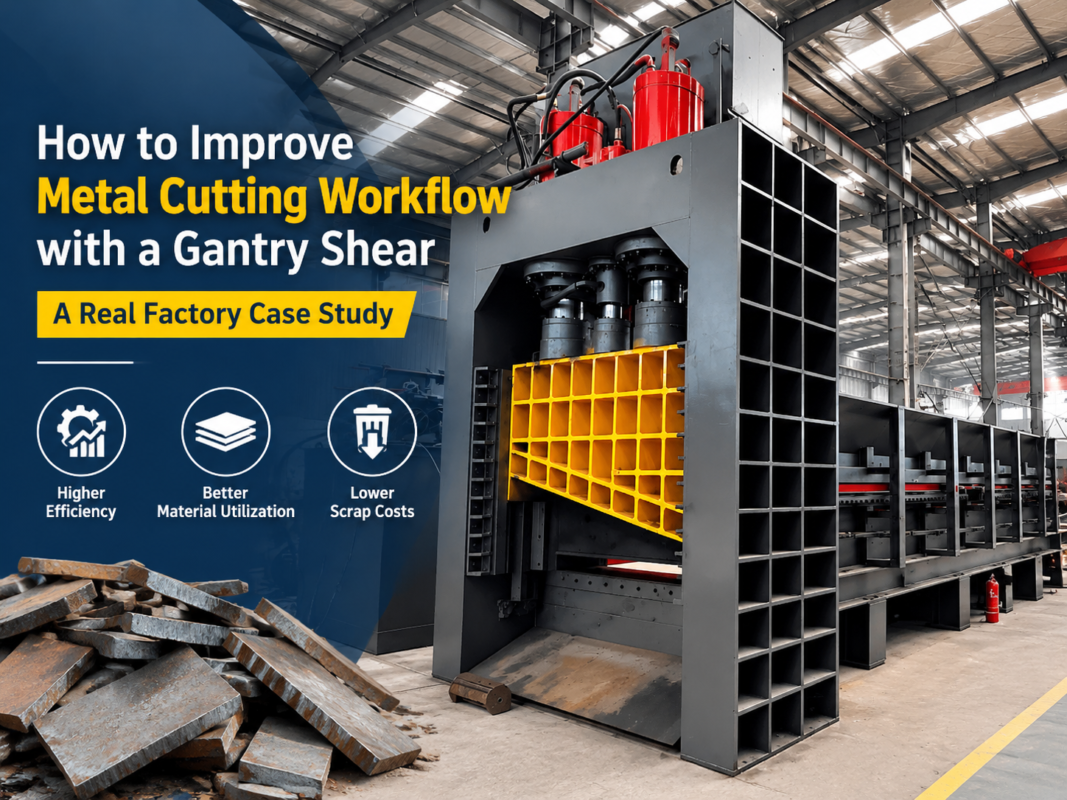
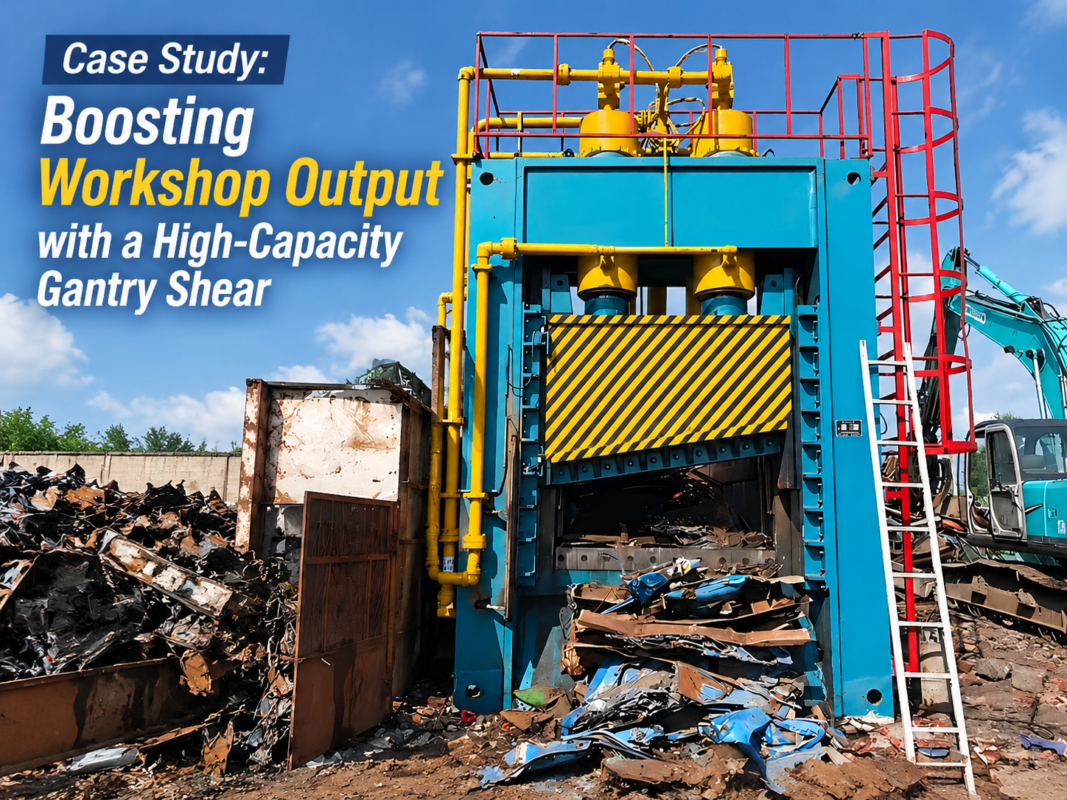
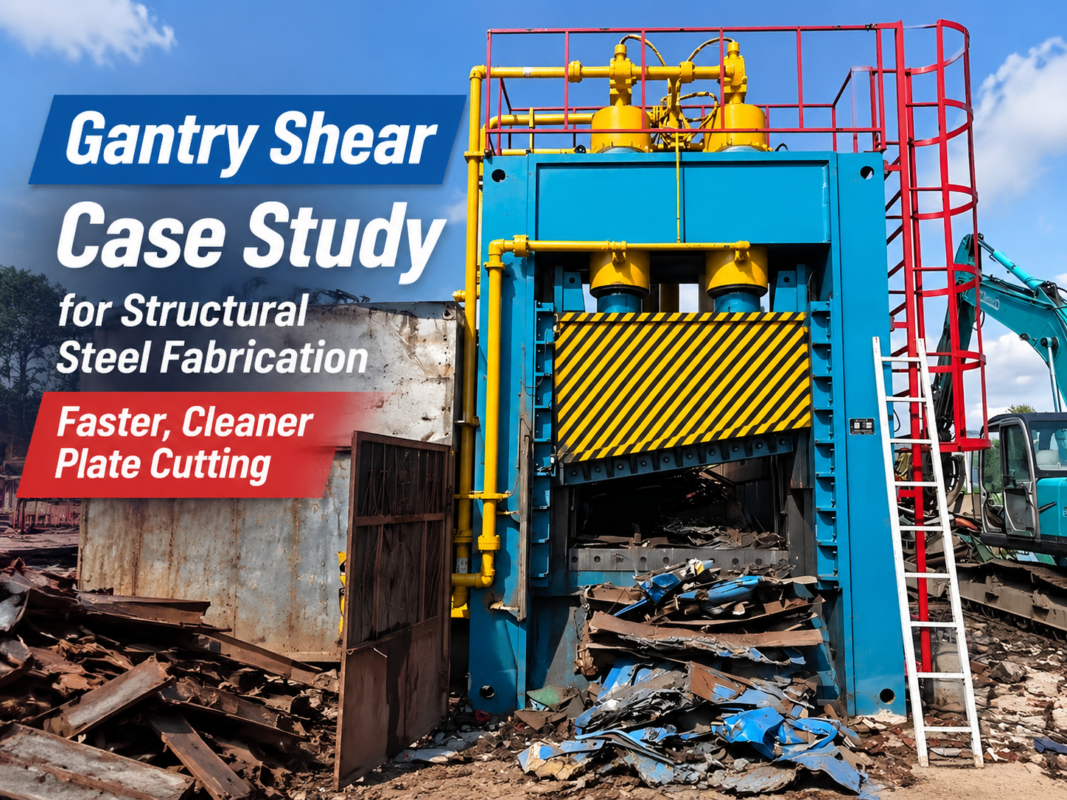
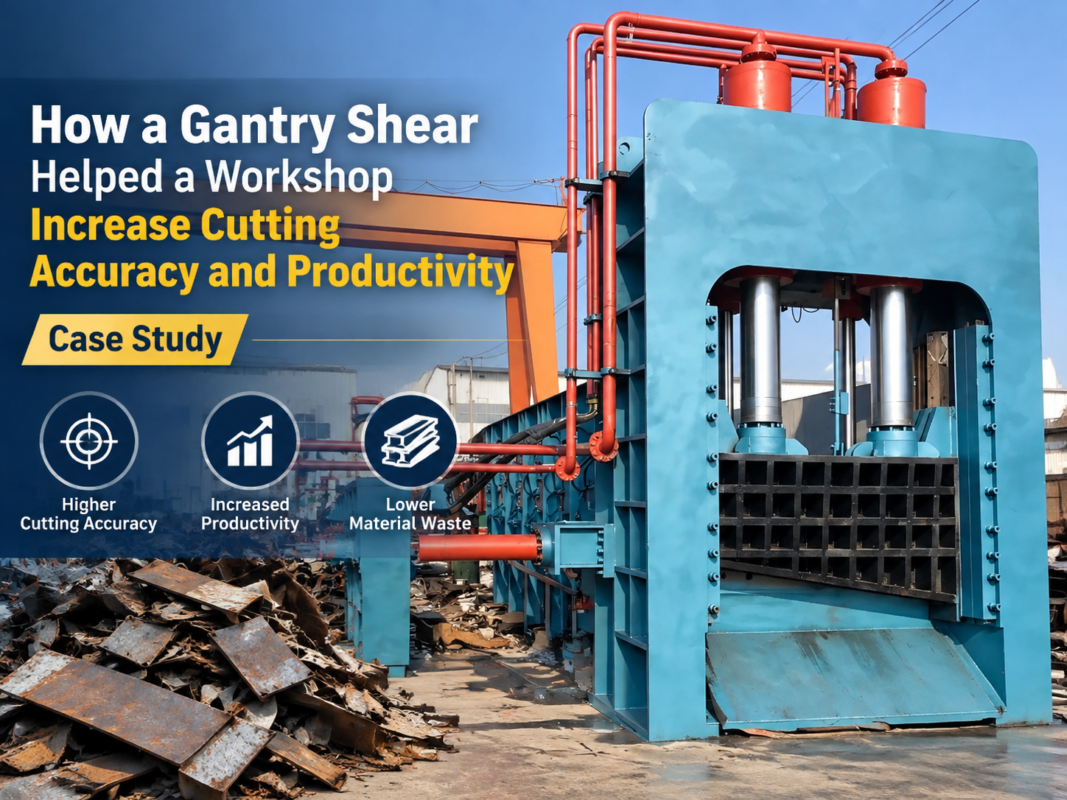
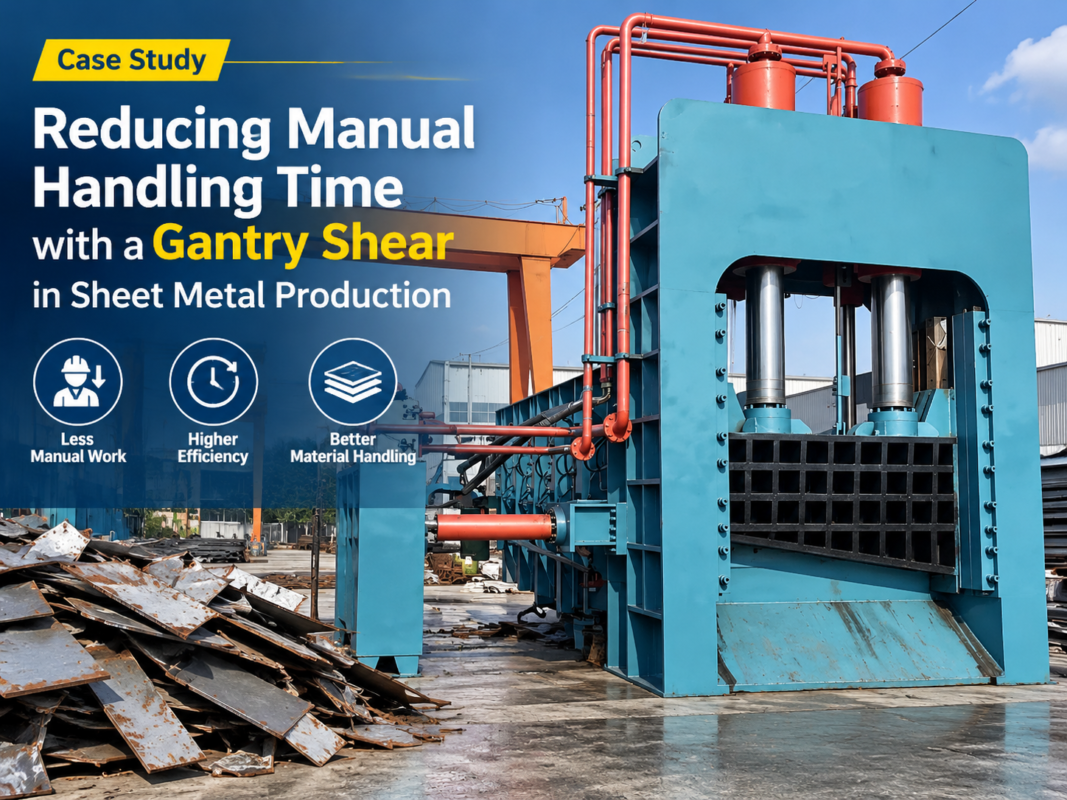
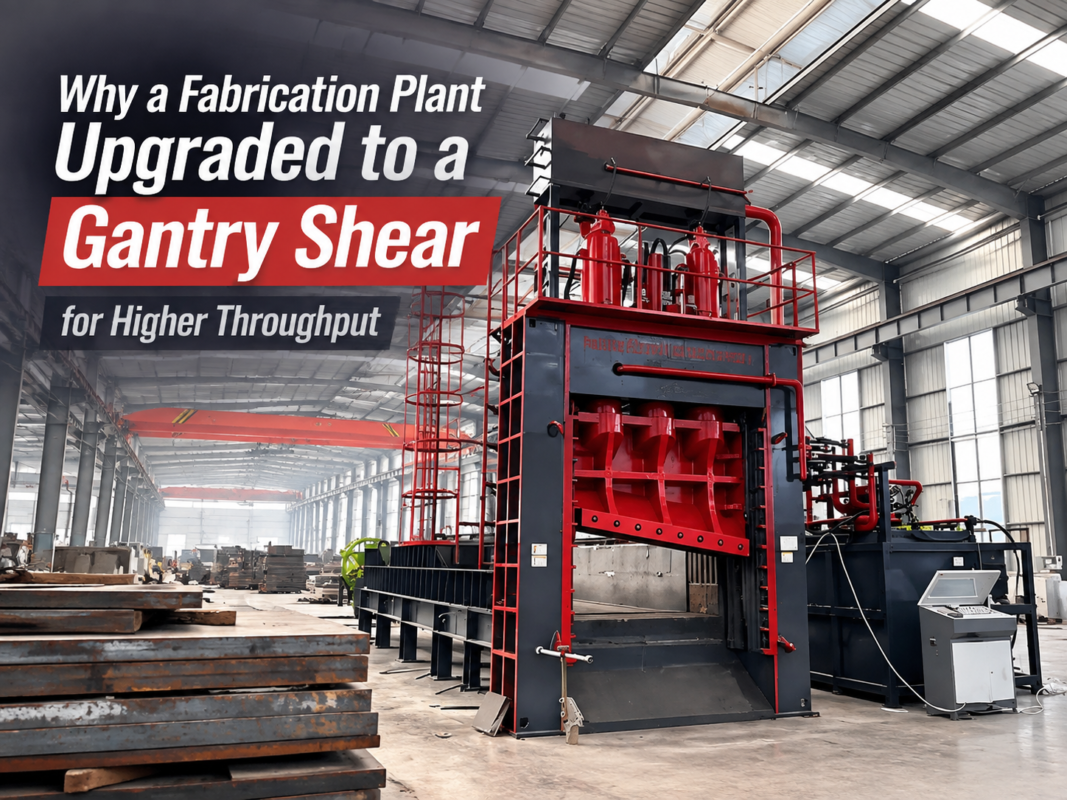
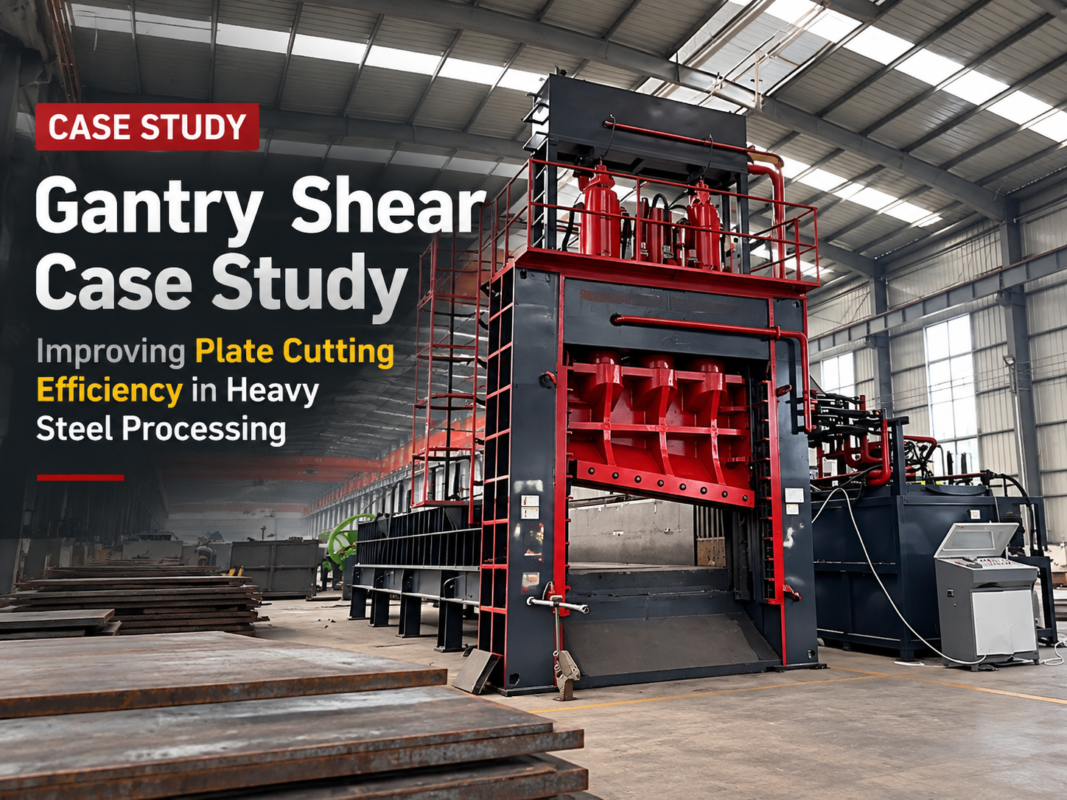
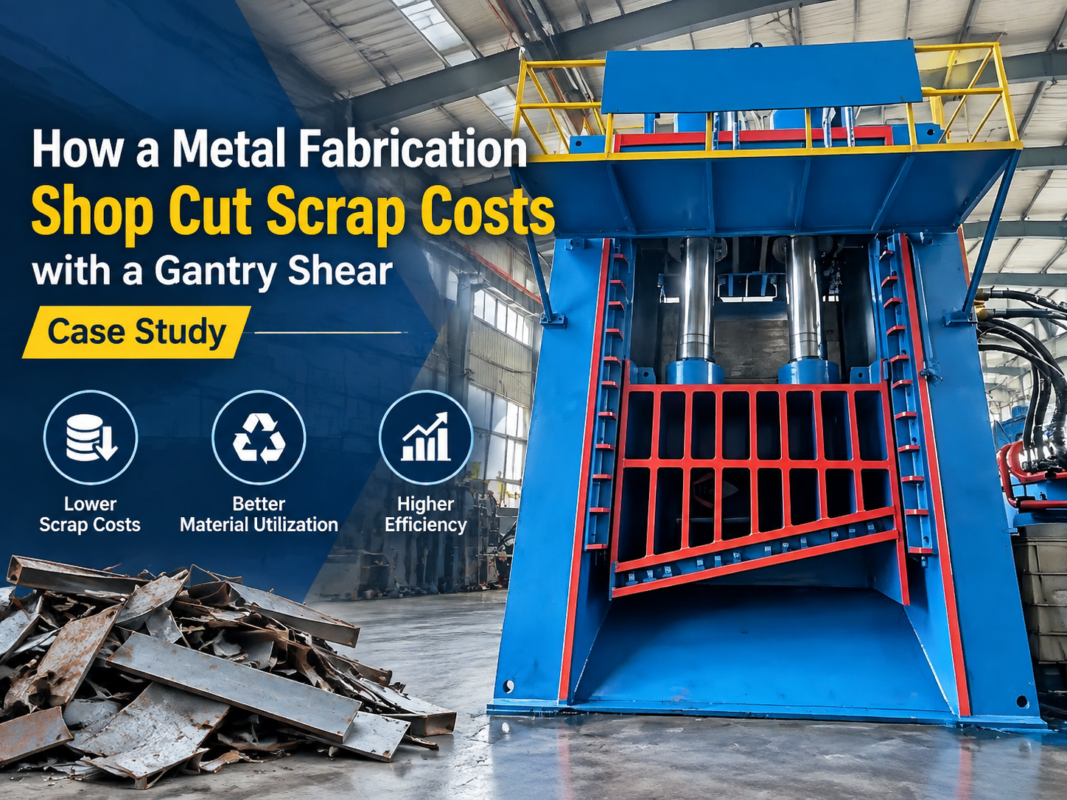
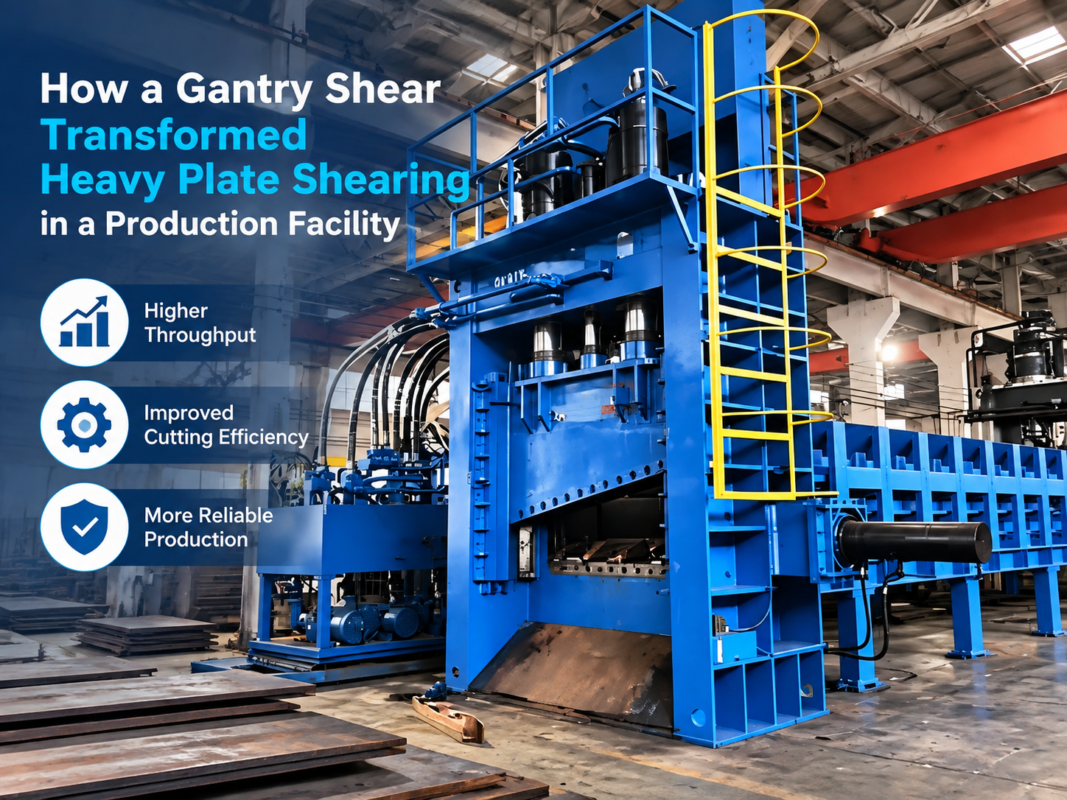
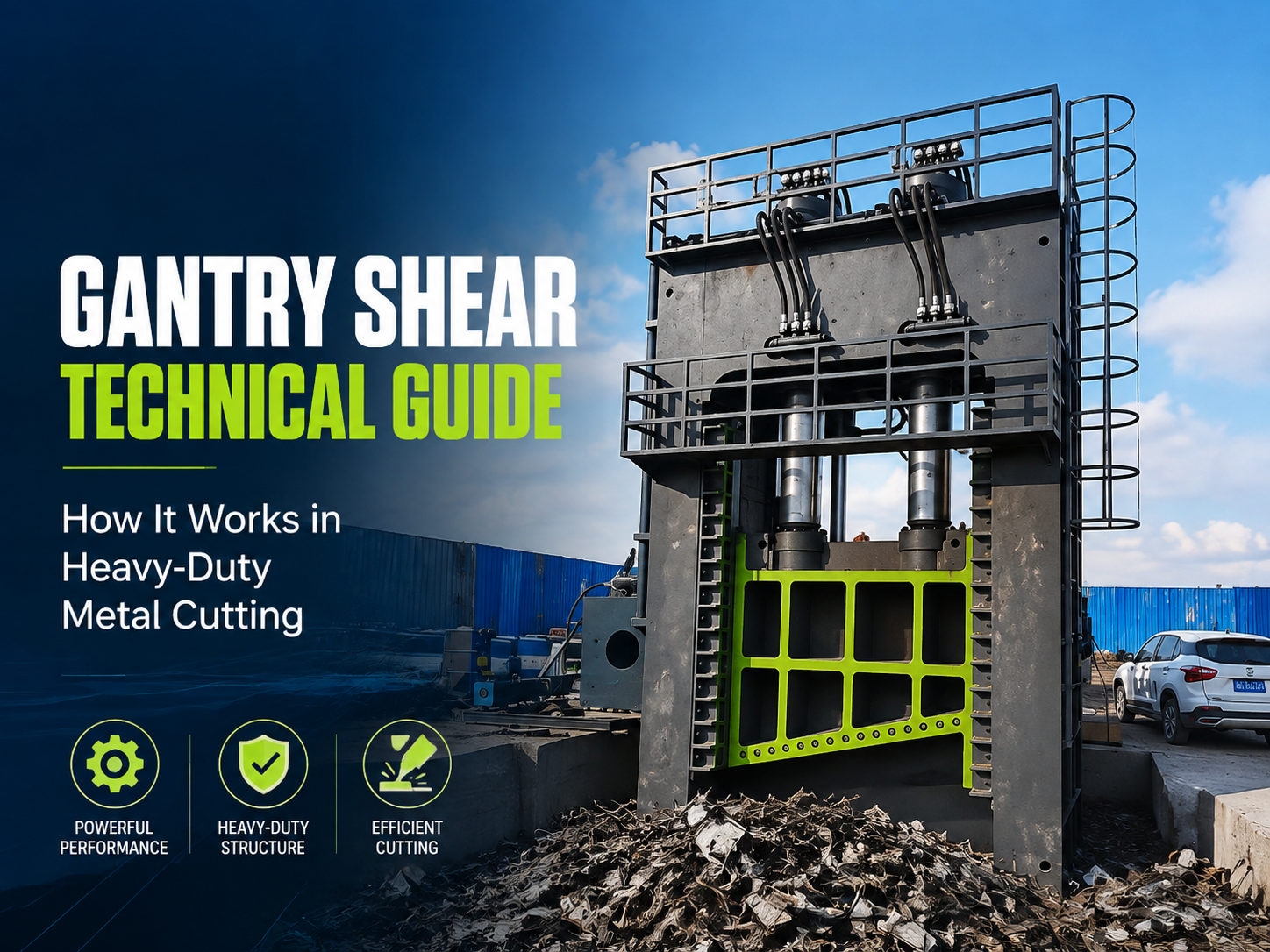
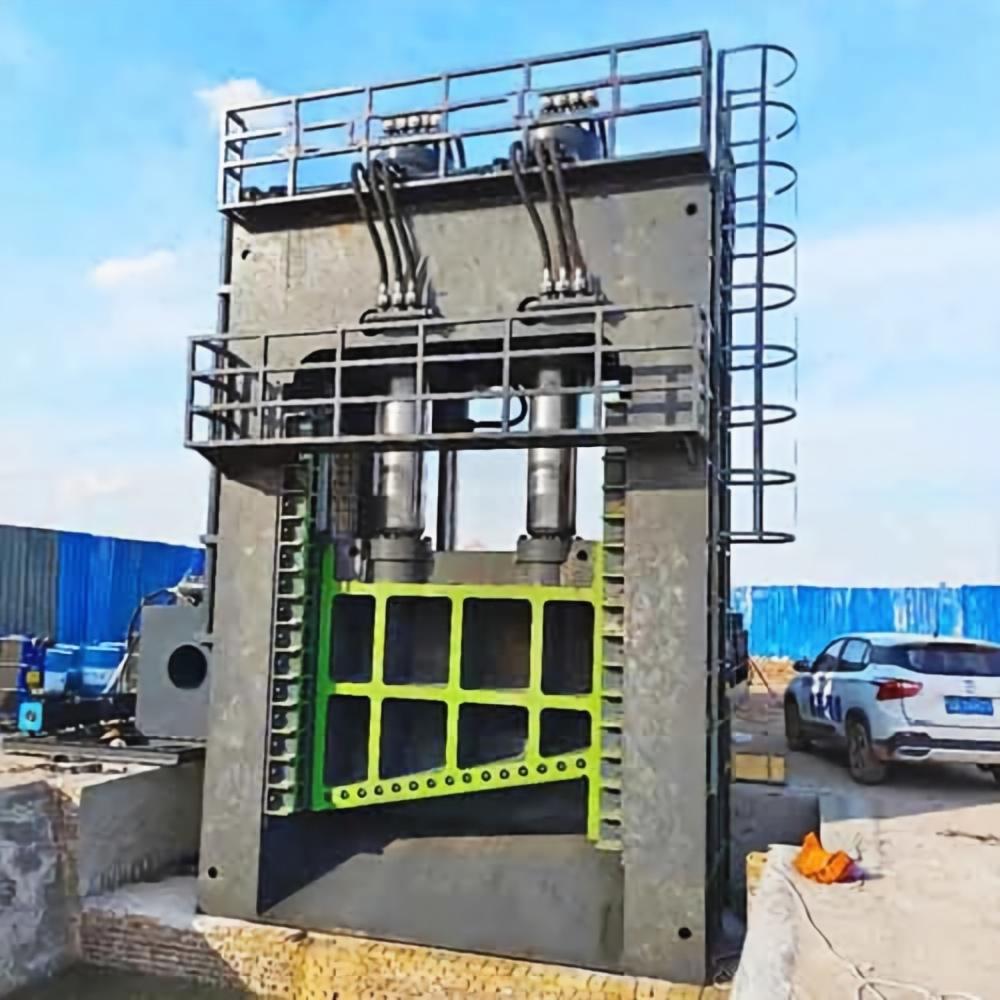
The gantry shear, often referred to as a portal shear, is a cornerstone of the heavy-duty metal recycling and fabrication industry. Unlike smaller alligator shears, the gantry shear is designed for high-volume, continuous processing of bulky scrap metal, heavy plates, and structural steel. The fundamental design utilizes a robust portal frame (the gantry) that houses a vertical shearing slide. This structure provides the necessary rigidity to withstand the immense lateral and vertical forces generated during the cutting process.
At the heart of the Gantry Shear Technical : It Works In Heavy-Duty Metal Cutting is a sophisticated hydraulic system. High-pressure pumps deliver hydraulic fluid to massive cylinders that drive the upper blade beam downward. This hydraulic approach allows for a constant force throughout the entire stroke, which is critical when dealing with varying thicknesses of scrap metal. Most modern HARSLE gantry shears incorporate a variable displacement pump system, which optimizes energy consumption by adjusting flow based on the resistance encountered during the cut.
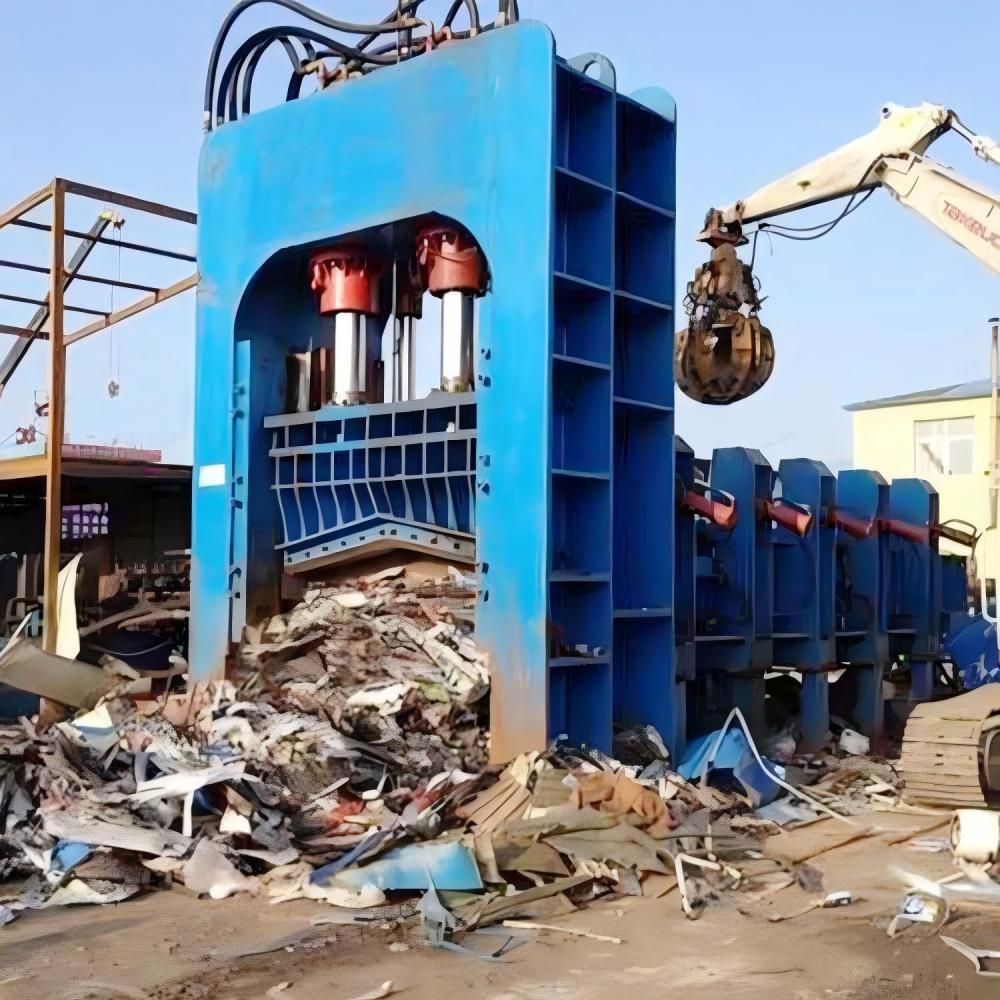
The shearing process is typically preceded by a compression stage. Before the blade descends, a hydraulic hold-down or ‘stamper’ engages the material. This serves two purposes: it flattens the scrap to ensure a cleaner cut and prevents the material from kicking up or shifting, which could damage the blades or the machine frame. In many automated systems, a side-squeeze box or a feeding hopper works in tandem with the shear, pre-compacting the scrap into a dense ‘log’ before it is pushed into the shearing zone by a hydraulic ram.
Control systems have evolved significantly. Modern gantry shears utilize Programmable Logic Controllers (PLCs) and Human-Machine Interfaces (HMIs) to monitor every aspect of the operation. Sensors track cylinder position, oil temperature, and system pressure in real-time. This level of automation ensures that the Gantry Shear Technical : It Works In Heavy-Duty Metal Cutting operates at peak efficiency while providing comprehensive diagnostic data to operators, reducing downtime and improving safety protocols.
Core Parameters of Gantry Shears
Understanding the core parameters is essential for any engineer or facility manager looking to integrate a gantry shear into their workflow. These specifications dictate the machine’s capacity, speed, and suitability for specific material types. The most critical parameter is the Nominal Shearing Force, usually measured in tons or kilonewtons (kN). This represents the maximum pressure the hydraulic cylinders can exert on the blade beam. For heavy-duty applications, this typically ranges from 400 tons to over 2000 tons.
Another vital parameter is the Blade Length. This determines the maximum width of the material that can be processed in a single stroke. While a longer blade allows for wider plates, it also requires significantly more force to maintain the same cutting pressure per inch. Therefore, blade length and shearing force must be balanced. Common lengths for industrial gantry shears range from 800mm to 2000mm, depending on the specific model and intended application.
The Shearing Frequency (strokes per minute) defines the machine’s productivity. This is influenced by the hydraulic pump’s flow rate and the stroke length. In high-production environments, rapid-return valves and accumulators are used to speed up the upward movement of the blade, minimizing the idle time between cuts. Additionally, the Maximum Opening Height determines the size of the scrap ‘charge’ that can enter the throat of the machine, which is a key factor when processing bulky structural beams or automotive scrap.
Finally, the Motor Power and System Pressure are the driving forces behind the mechanics. A higher kilowatt (kW) rating on the main motors allows the hydraulic pumps to maintain high flow rates even at peak pressures. System pressures in heavy-duty gantry shears often reach 25-31.5 MPa. Proper cooling systems are required to manage the heat generated by these high-pressure operations, ensuring the hydraulic oil maintains its viscosity and lubricating properties over long shifts.
Calculation Method for Shearing Force
To ensure the longevity of the machine and the quality of the cut, it is necessary to calculate the required shearing force for specific materials. The standard formula used in Gantry Shear Technical : It Works In Heavy-Duty Metal Cutting engineering is derived from the mechanical properties of the metal and the geometry of the shear blades. The most common formula for a guillotine-style shear with a rake angle is:
F = 0.6 * L * S² * σ / tan(α)
- F: Shearing Force (Newtons)
- L: Length of the material being cut (mm)
- S: Thickness of the material (mm)
- σ: Tensile strength of the material (N/mm²)
- α: Rake angle of the upper blade (usually between 1° and 4°)
The Rake Angle (α) is a critical variable. A higher rake angle reduces the required shearing force because only a small portion of the material is being cut at any given moment. However, a high rake angle can cause more distortion or twisting in the cut piece. Engineers must choose a rake angle that balances the force requirements with the desired quality of the finished edge. For scrap processing, where edge quality is less critical than throughput, higher rake angles are often preferred to allow for the cutting of thicker sections with less tonnage.
The Tensile Strength (σ) varies significantly between materials. For example, mild steel typically has a tensile strength of around 400-500 N/mm², while stainless steel or high-carbon alloys can exceed 700 N/mm². When calculating the capacity of a gantry shear, it is vital to use the maximum possible tensile strength of the materials expected in the scrap stream to prevent overloading the hydraulic system or fracturing the blades.
Gantry Shear Technical Parameter Table
The following table outlines typical specifications for HARSLE Gantry Shears across different capacity tiers. These values are representative of standard industrial configurations used in heavy-duty metal cutting.
| Model Series | Shear Force (Tons) | Blade Length (mm) | Max Opening (mm) | Stroke Frequency (min⁻¹) | Motor Power (kW) |
|---|---|---|---|---|---|
| Q91Y-400 | 400 | 1200 | 600 | 3-5 | 45 |
| Q91Y-630 | 630 | 1500 | 800 | 2-4 | 75 |
| Q91Y-800 | 800 | 1600 | 900 | 2-4 | 90 |
| Q91Y-1000 | 1000 | 1800 | 1000 | 1-3 | 110 |
| Q91Y-1250 | 1250 | 2000 | 1100 | 1-3 | 132 |
Note: Actual performance may vary based on material hardness, hydraulic oil temperature, and the specific configuration of the feeding system. Custom blade lengths and higher tonnage options are often available for specialized industrial requirements.
Common Engineering Mistakes in Gantry Shear Operation
One of the most frequent mistakes in Gantry Shear Technical : It Works In Heavy-Duty Metal Cutting is the improper adjustment of blade clearance. The gap between the upper and lower blades must be precisely set based on the thickness of the material. If the gap is too wide, the metal will bend or ‘fold’ between the blades rather than shearing, leading to massive lateral stress on the gantry frame. If the gap is too tight, the blades will rub against each other, causing rapid wear, chipping, and excessive heat generation.
Another common issue is neglecting hydraulic oil maintenance. In heavy-duty cutting, the hydraulic system is under constant stress. Microscopic metal particles and moisture can contaminate the oil, leading to premature wear of the pump pistons and valve seats. Failing to change filters or monitor oil acidity can result in a ‘spongy’ hydraulic response or total system failure. It is recommended to use high-quality anti-wear hydraulic oil and implement a regular sampling program to detect contaminants early.
Overloading the machine beyond its rated capacity is a recipe for structural disaster. Operators sometimes attempt to cut hardened tool steel or oversized structural beams that exceed the nominal shearing force. This can lead to the ‘stalling’ of the hydraulic cylinders, but more dangerously, it can cause fatigue cracks in the gantry uprights or the main pivot pins. Always refer to the shearing force calculation and the machine’s rating plate before processing unknown alloys.
Finally, inadequate foundation preparation often leads to operational problems. A gantry shear exerting 1000 tons of force creates significant vibration and ground pressure. If the concrete pad is not engineered to the manufacturer’s specifications, the machine can shift or tilt over time. This misalignment affects the feeding mechanism and the precision of the blade stroke, eventually leading to mechanical interference and costly repairs.
Selection Checklist for Heavy-Duty Gantry Shears
Choosing the right gantry shear requires a thorough analysis of your operational needs and material characteristics. Use the following checklist to guide your procurement process:
- Material Type and Hardness: Are you cutting mild steel, rebar, or high-alloy scrap? Ensure the shear force and blade material are rated for your toughest feedstock.
- Volume Requirements: Calculate your required tons-per-hour. This will determine the necessary stroke frequency and the level of automation (e.g., automatic conveyor feeding vs. manual crane loading).
- Maximum Material Dimensions: Measure the largest pieces of scrap you expect to receive. The throat opening and blade length must accommodate these dimensions without excessive pre-processing.
- Automation and Integration: Do you need a standalone unit or a shear that integrates with a scrap baler or a shredder line? Consider PLC compatibility for upstream and downstream synchronization.
- Maintenance Accessibility: Check how easy it is to rotate or replace the blades. Gantry shears with ‘quick-change’ blade systems significantly reduce downtime.
- Energy Efficiency: Look for machines equipped with variable frequency drives (VFDs) or accumulator-assisted hydraulics to lower operational electricity costs.
- Safety Features: Ensure the machine includes emergency stop circuits, light curtains (if applicable), and robust guarding for the hydraulic hoses and cylinders.
Frequently Asked Questions (FAQ)
How often should gantry shear blades be rotated or sharpened?
Blade life depends heavily on the material being cut. For standard mild steel scrap, blades typically need to be rotated every 40 to 80 hours of active cutting. Most gantry shear blades have four cutting edges. Once all four edges are dull, they must be professionally reground. Cutting sandy or dirty scrap will significantly accelerate wear.
What is the ideal hydraulic oil temperature for operation?
The optimal operating temperature for hydraulic oil in a gantry shear is between 35°C and 55°C (95°F to 131°F). If the temperature exceeds 60°C, the oil’s viscosity drops, leading to poor lubrication and potential seal damage. Most heavy-duty shears are equipped with air or water cooling systems to maintain these levels.
Can a gantry shear cut bundled rebar?
Yes, but it requires careful consideration of the ‘equivalent thickness.’ Cutting a bundle of rebar is different from cutting a solid plate. The voids between the bars can cause the bundle to shift during the cut. It is essential to use the hold-down stamper to compress the bundle tightly before the shearing blade engages to prevent blade damage.
What are the advantages of a gantry shear over an alligator shear?
Gantry shears offer much higher tonnage, larger throat openings, and better safety because the cutting area is often enclosed. They are designed for continuous, automated operation, whereas alligator shears are typically manual and limited to smaller, thinner materials. For any operation processing more than 5 tons of scrap per hour, a gantry shear is the more efficient choice.
How do I know if my shear is overloaded?
Signs of overloading include the hydraulic system reaching the relief valve pressure (often accompanied by a high-pitched squeal), the blade beam stopping mid-stroke, or visible flexing of the gantry frame. Modern HARSLE machines will trigger an alarm on the HMI if the pressure sensors detect a sustained over-pressure condition.