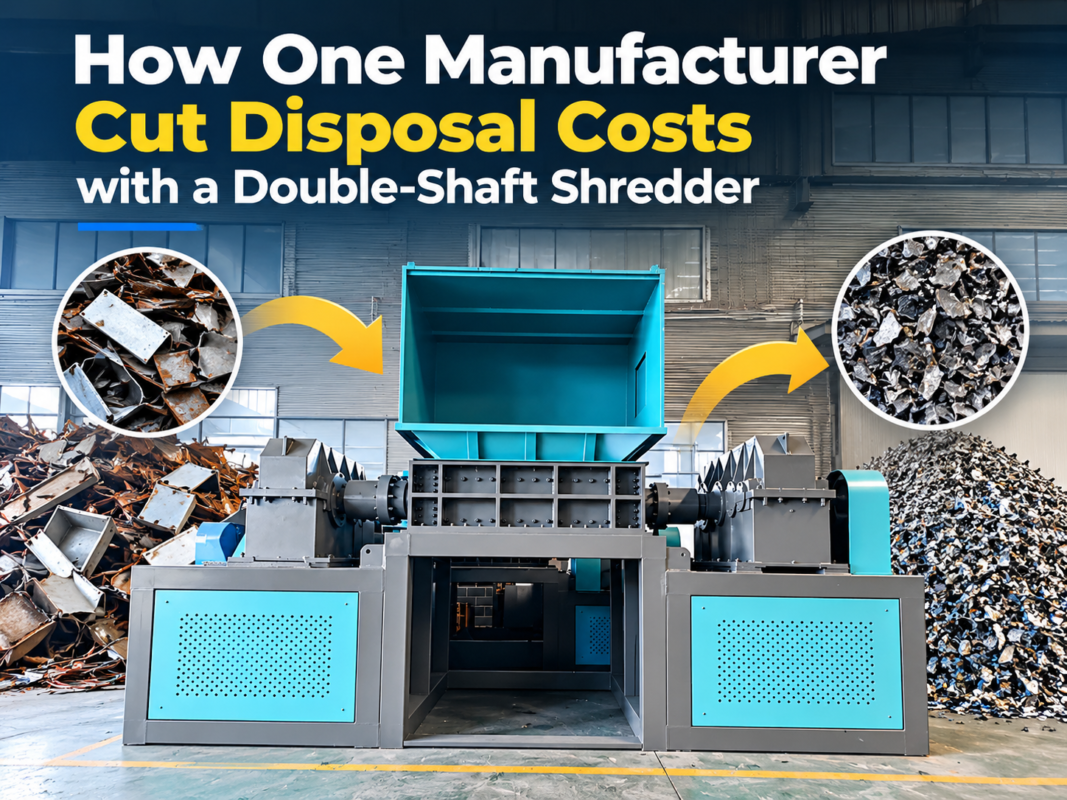
How to Choose the Right Gantry Shear for Your Fabrication Workshop

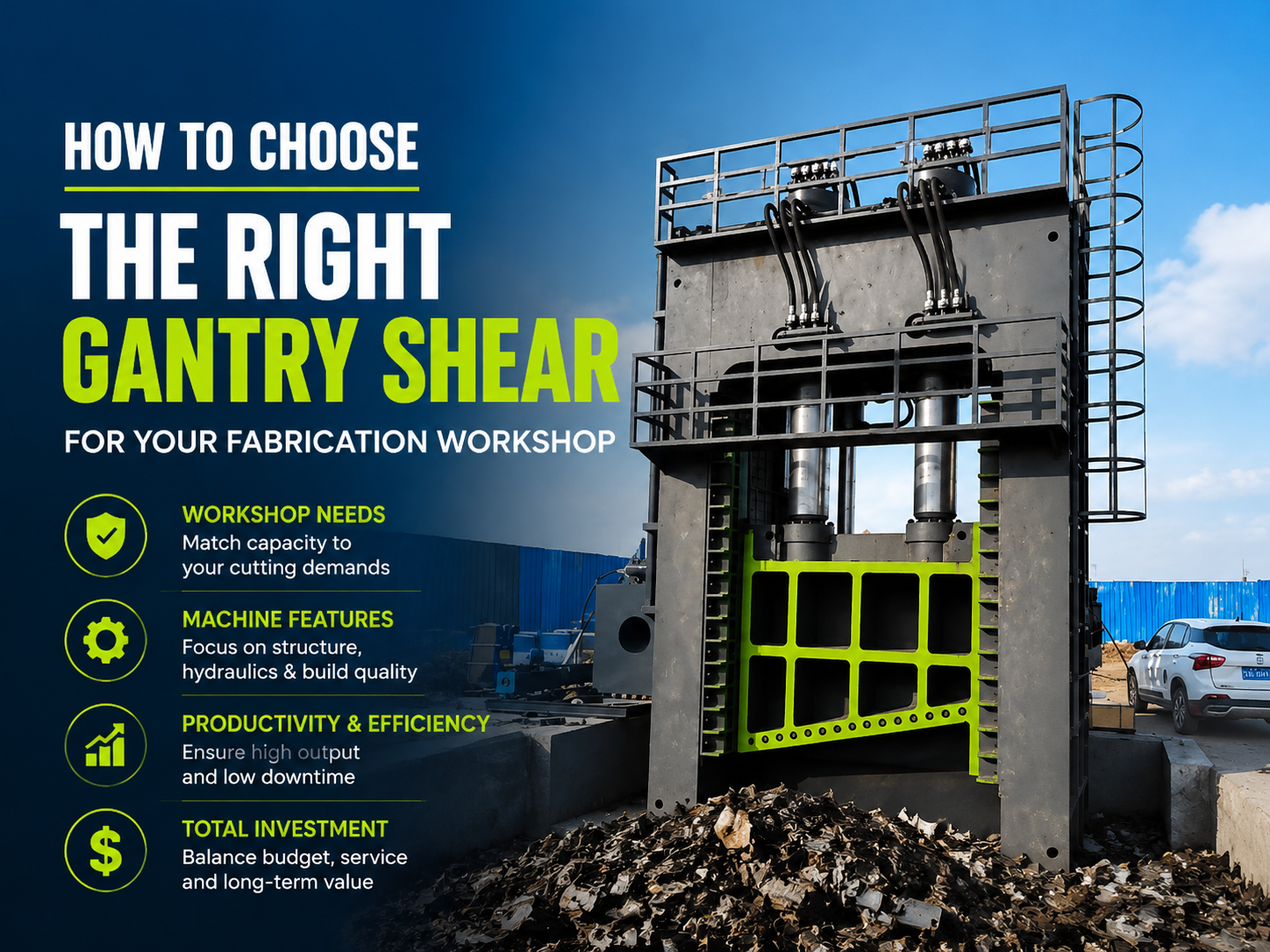
Technical Overview: The Powerhouse of Scrap Processing
In the modern industrial landscape, the ability to process large volumes of metal scrap efficiently is a cornerstone of profitable fabrication and recycling operations. When you decide to choose gantry shear fabrication workshop equipment, you are investing in a machine designed for high-tonnage, continuous cutting of heavy metal structures, plates, and profiles. Unlike smaller alligator shears, the gantry shear utilizes a vertical cutting motion within a robust frame, allowing for the processing of significantly larger and thicker materials. This technical superiority makes it the preferred choice for shipbreaking yards, steel mills, and large-scale recycling facilities.
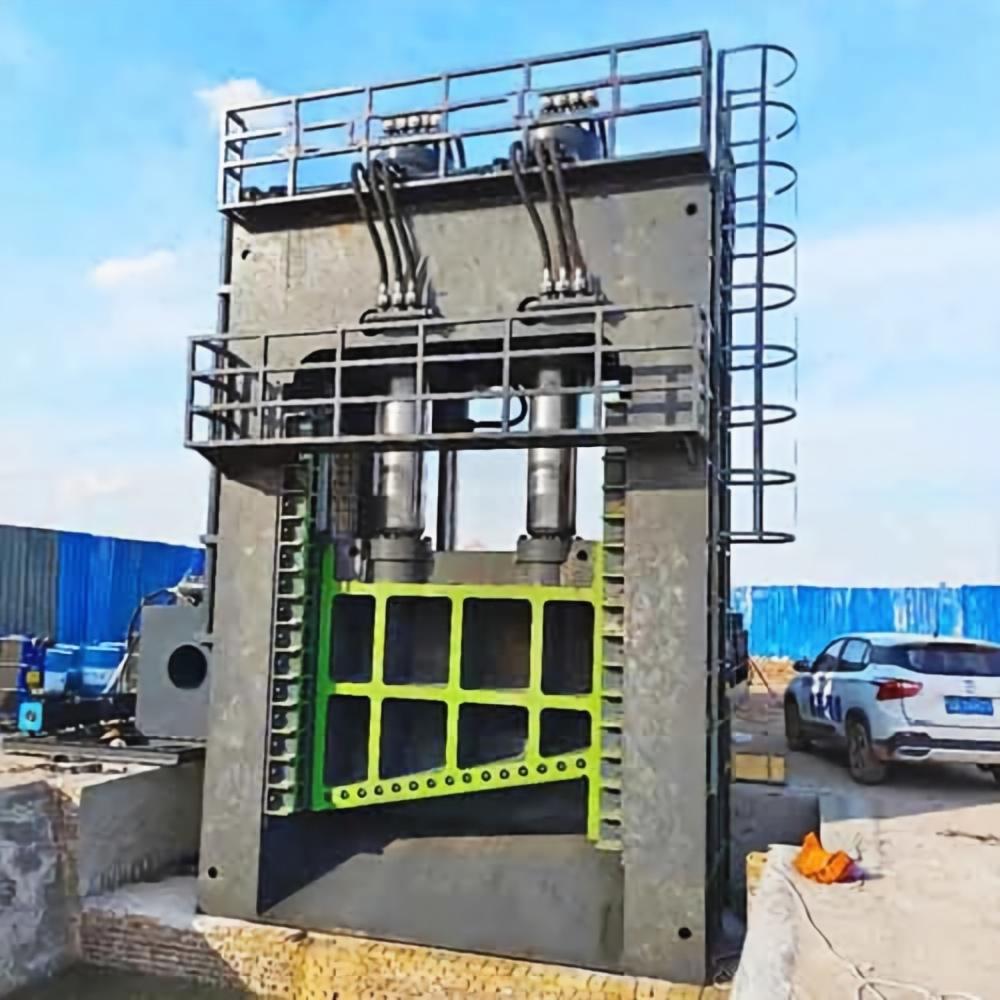
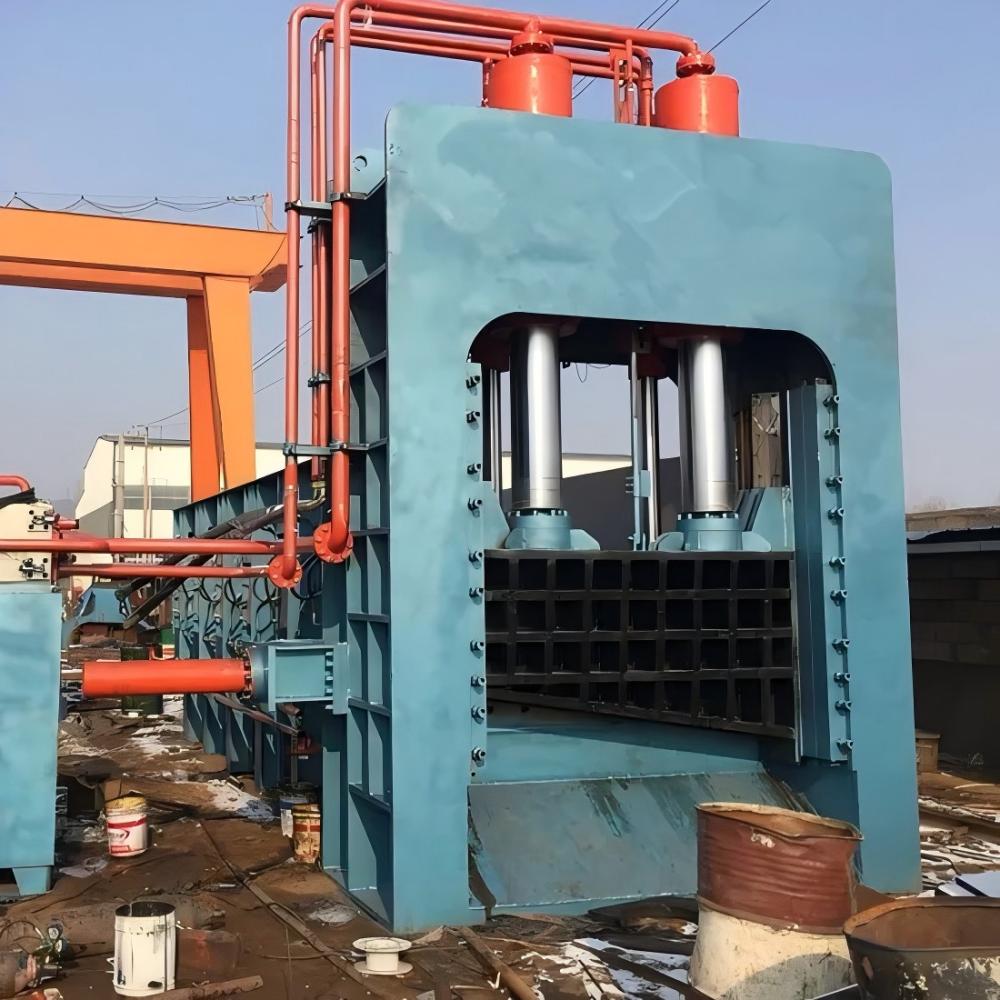
The fundamental architecture of a gantry shear consists of a heavy-duty frame, a hydraulic power unit, a feeding hopper or conveyor, and a sophisticated control system. The ‘gantry’ design provides a closed-loop structural integrity that can withstand the immense reactive forces generated during the shearing of high-tensile steel. Modern HARSLE gantry shears incorporate advanced hydraulic logic, utilizing high-pressure piston pumps and manifold blocks to ensure smooth, rapid cycles. This technical evolution has moved the industry away from simple mechanical levers to precision-controlled hydraulic force, allowing operators to adjust pressure and stroke speed based on the specific material being processed.
Furthermore, the integration of PLC (Programmable Logic Controller) systems has revolutionized how workshops manage their throughput. A high-quality gantry shear is no longer just a blunt instrument; it is a data-driven machine capable of self-diagnostics, automated feeding sequences, and energy-saving idle modes. When evaluating these machines, it is essential to look beyond the raw tonnage and consider the synergy between the structural frame and the hydraulic efficiency. A well-engineered gantry shear minimizes frame deflection, which in turn extends the life of the cutting blades and reduces maintenance downtime.
Core Parameters: Understanding the Specifications
To effectively choose gantry shear fabrication workshop assets, one must master the core technical parameters that define machine performance. The most prominent specification is the Shearing Force, typically measured in metric tons (e.g., 400T, 630T, 1000T, or 1250T). This force determines the maximum thickness and hardness of the material the machine can successfully sever. However, force alone is not the only metric; the Blade Length is equally critical. A longer blade allows for wider plates to be processed in a single stroke, but it also requires a more robust frame to prevent twisting under load.
Another vital parameter is the Stroke Frequency or cycle time. In a high-volume fabrication environment, the number of cuts per minute directly impacts the daily output and, consequently, the ROI. You must balance the speed of the shear with the capacity of your feeding system. If the shear is faster than your crane or conveyor can supply material, you are paying for capacity you cannot use. Conversely, a slow shear becomes a bottleneck in an otherwise efficient production line. Pay close attention to the ‘No-load’ speed versus the ‘Cutting’ speed, as the hydraulic system should ideally transition between these modes seamlessly to save time.
The Throat Depth and Opening Height are often overlooked but are essential for processing bulky scrap. If you are dealing with large I-beams or automotive frames, the physical dimensions of the shear’s mouth must accommodate these items without the need for extensive pre-cutting with torches. Finally, consider the Motor Power and System Pressure. Higher motor power usually indicates a more capable hydraulic pump, but efficiency is key. Look for systems that utilize variable displacement pumps which adjust flow based on demand, reducing electricity costs and hydraulic oil heating.
Calculation Method: Matching Machine to Material
Selecting the right shear requires a mathematical approach to ensure the machine is neither underpowered nor excessively oversized for your needs. The required shearing force ($F$) can be estimated using the following engineering formula: $F = L imes S imes au$, where $L$ is the length of the cut, $S$ is the thickness of the material, and $ au$ is the shear strength of the material. For example, mild steel typically has a shear strength of approximately 350-450 MPa. If you are cutting a plate that is 1000mm wide and 20mm thick, the calculation must account for the peak resistance encountered during the initial penetration of the blade.
It is important to note that the “Shear Angle” of the upper blade significantly affects the required force. A higher rake angle reduces the instantaneous force required because only a portion of the material is being cut at any given millisecond. However, a high rake angle can cause more distortion in the cut piece. For scrap processing, distortion is rarely an issue, so gantry shears often use a significant rake angle to maximize the thickness capacity of a given hydraulic tonnage. When you choose gantry shear fabrication workshop equipment, always ask the manufacturer for the force-displacement curve of the specific model.
Furthermore, consider the “Safety Factor.” In industrial engineering, it is unwise to operate a machine at 100% of its rated capacity for extended periods. A safety factor of 1.2 to 1.3 is recommended. If your calculations suggest you need 500 tons of force to cut your heaviest scrap, you should look for a machine rated for at least 630 tons. This buffer protects the hydraulic seals, the frame, and the motor from premature wear caused by constant peak-load operation. It also provides the flexibility to handle occasional batches of harder alloys or thicker sections without stalling the machine.
Parameter Table: Common Gantry Shear Specifications
The following table provides a comparative look at standard gantry shear models often found in professional fabrication environments. Use this as a baseline for your selection process.
| Model Series | Nominal Force (kN) | Blade Length (mm) | Max Opening (mm) | Cutting Frequency (min⁻¹) | Main Motor (kW) |
|---|---|---|---|---|---|
| HBS-400 | 4000 | 1200 | 600 | 3 – 5 | 37 – 45 |
| HBS-630 | 6300 | 1500 | 800 | 2 – 4 | 75 – 90 |
| HBS-800 | 8000 | 1800 | 900 | 2 – 4 | 90 – 110 |
| HBS-1000 | 10000 | 2000 | 1000 | 1.5 – 3 | 110 – 150 |
| HBS-1250 | 12500 | 2200 | 1100 | 1 – 2 | 150 – 200 |
Common Engineering Mistakes in Selection
One of the most frequent mistakes when companies choose gantry shear fabrication workshop machinery is underestimating the “Shock Loading” effect. When a thick piece of steel finally snaps during a shear, the stored elastic energy in the frame is released instantly. If the machine is built with inferior steel or poor welding techniques, these repeated shocks will lead to fatigue cracks. Many buyers focus on the price and the tonnage but fail to inspect the thickness of the side plates and the quality of the foundation bolts. A gantry shear requires a massive, reinforced concrete foundation to absorb these vibrations; ignoring the civil engineering requirements is a recipe for structural failure.
Another common error is neglecting the cooling system for the hydraulic oil. Gantry shears generate significant heat due to the high pressures and continuous cycling. In warmer climates or high-intensity shifts, the oil temperature can quickly exceed the optimal range (usually 40-55°C). When oil gets too hot, its viscosity drops, leading to internal leakage in the pumps and valves, reduced cutting force, and accelerated seal wear. Always ensure your chosen machine includes a robust air-cooled or water-cooled heat exchanger, and consider the ambient temperature of your workshop during the selection process.
Finally, many workshops fail to account for the “Feeding Efficiency.” A gantry shear is only as productive as the material handling system surrounding it. Buying a 1000-ton shear but feeding it with a small, slow skid-steer loader results in massive inefficiency. The most successful installations utilize a dedicated scrap crane with a grapple or a heavy-duty vibrating conveyor. Furthermore, the “Pre-compression” or “Side-press” feature is often ignored. A shear that can compress bulky scrap into a dense log before shearing will always outperform a simple gravity-fed machine in terms of both speed and blade life.
Selection Checklist: Finding the Perfect Match
Before finalizing your purchase, work through this comprehensive checklist to ensure the machine meets all operational requirements:
- Material Profile Analysis: What is the maximum thickness, width, and tensile strength of the scrap you process most frequently?
- Volume Requirements: How many tons of material do you need to process per shift? Does the cycle time of the machine support this?
- Blade Metallurgy: Are the blades made of high-quality tool steel (like H13 or 9CrSi)? How easy are they to rotate or sharpen?
- Hydraulic Component Brand: Does the machine use reputable valves and pumps (e.g., Rexroth, Parker, or high-end domestic equivalents) for which parts are easily available?
- Control System: Is the PLC interface user-friendly? Does it offer manual, semi-auto, and fully-auto modes?
- Safety Features: Are there emergency stops, light curtains, or physical barriers to protect operators from flying debris?
- Maintenance Access: Can technicians easily reach the main cylinders, filters, and lubrication points?
- Power Grid Compatibility: Does your workshop have the necessary electrical infrastructure to support 100kW+ motors without significant voltage drops?
- Foundation Requirements: Have you reviewed the manufacturer’s foundation drawings and accounted for the cost of installation?
Maintenance and Longevity: Protecting Your Investment
Once you choose gantry shear fabrication workshop equipment and install it, the focus must shift to maintenance. The shearing environment is inherently dirty and violent. Dust, scale, and metal shards will constantly attempt to enter the hydraulic system and the sliding guides. A rigorous daily cleaning and lubrication schedule is non-negotiable. Automatic lubrication systems are highly recommended for gantry shears, as they ensure that the main slides—which bear the brunt of the shearing force—are always coated in a fresh film of grease.
Blade management is another critical aspect of longevity. Using dull blades increases the required shearing force by up to 30%, putting unnecessary strain on the entire machine. Most gantry shear blades are rectangular and can be rotated to use all four edges before requiring regrinding. Keeping a spare set of blades on hand is essential to minimize downtime. Additionally, regular oil analysis should be performed to check for contamination and additive depletion. By treating the gantry shear as a precision instrument rather than just a scrap crusher, you can extend its service life from a few years to several decades.
FAQ: Frequently Asked Questions
1. What is the difference between a Gantry Shear and an Alligator Shear?
An alligator shear uses a jaw-like motion and is generally used for smaller, lighter scrap and non-ferrous metals. A gantry shear uses a vertical downward stroke within a frame, allowing for much higher force and the ability to cut much larger, thicker pieces of ferrous scrap.
2. How often should the blades be changed?
Blade life depends entirely on the material being cut. For clean mild steel, blades may last for several hundred hours per edge. For sandy, rusty, or high-alloy scrap, the interval will be shorter. Regular inspection for chipping or excessive rounding of the edge is key.
3. Can a gantry shear be used for precision plate cutting?
While gantry shears are powerful, they are primarily designed for scrap processing where the dimensional tolerance of the cut piece is not critical. For precision fabrication, a hydraulic guillotine shear with a backgauge and plate support system is more appropriate.
4. Is a horizontal shear better than a vertical gantry shear?
Horizontal shears (often called container shears) are excellent for portability and continuous feeding of long scrap. However, vertical gantry shears typically offer higher maximum cutting forces and are more robust for the heaviest industrial applications.
5. What kind of hydraulic oil should I use?
Most manufacturers recommend a high-quality anti-wear hydraulic oil, such as ISO VG 46 or 68, depending on your local climate. Always refer to the HARSLE manual for specific grade requirements to maintain your warranty.