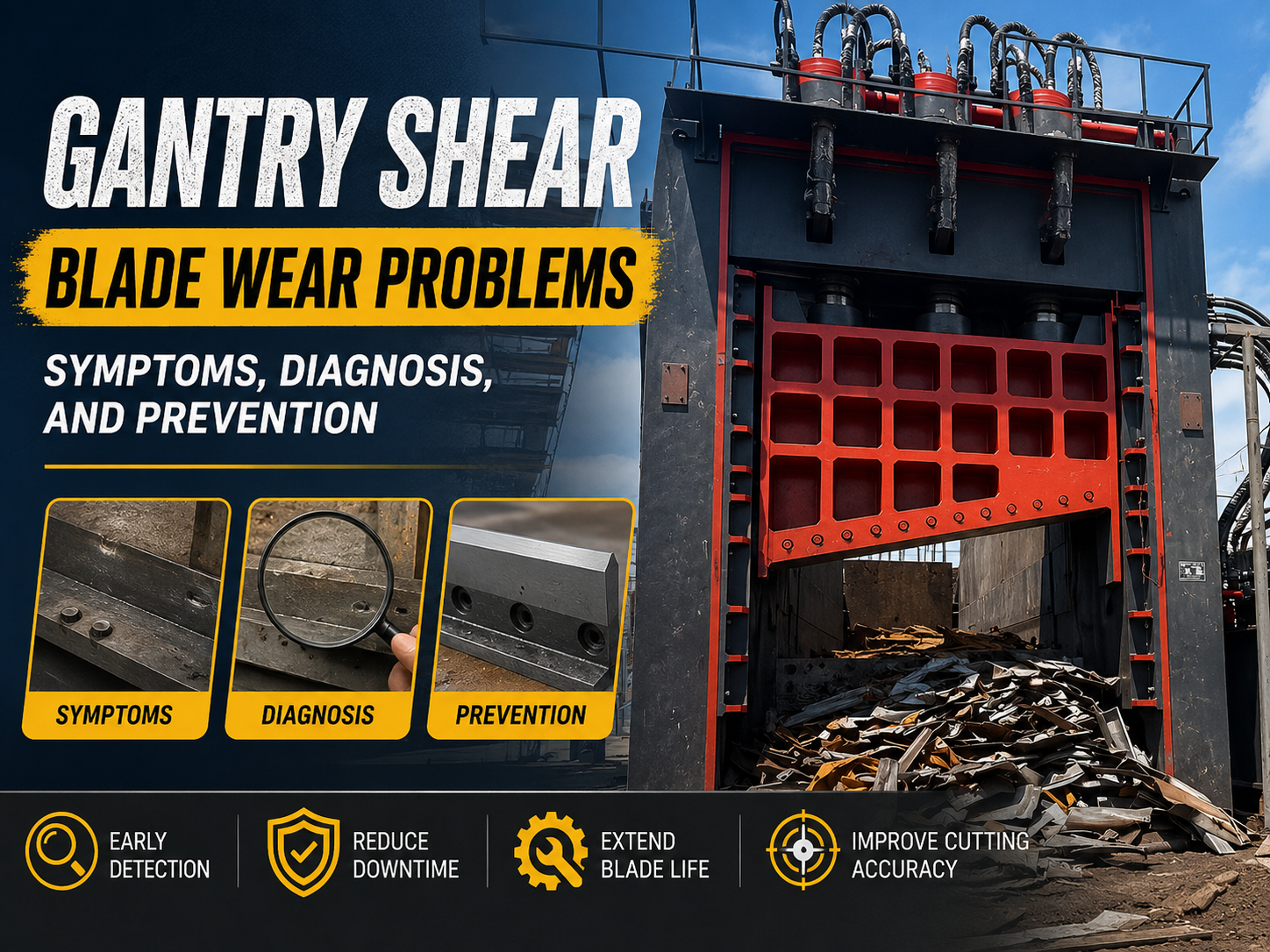
Gantry Shear Blade Wear Problems: Symptoms, Diagnosis, and Prevention

Introduction to Gantry Shear Blade Integrity
In the high-stakes environment of heavy-duty metal fabrication, the gantry shear stands as a cornerstone of production efficiency. As a critical component of HARSLE’s industrial machinery lineup, these machines are designed to process thick plates and structural steel with precision. However, the sheer force required to shear metal inevitably leads to mechanical degradation over time. Understanding Gantry Shear Blade Wear Problems: Symptoms, Diagnosis, and Prevention is not merely a maintenance task; it is a fundamental requirement for operational longevity and safety.
When a shear blade begins to lose its edge, the consequences ripple through the entire production line. From increased energy consumption to compromised cut quality and potential damage to the machine’s hydraulic system, the impact of neglected blade wear is significant. This guide explores the technical nuances of blade degradation, providing operators and maintenance managers with the knowledge to identify issues early and implement robust preventative strategies.
By prioritizing the health of your cutting tools, you ensure that your HARSLE equipment continues to deliver the high-tolerance results expected in modern manufacturing. Whether you are processing scrap metal or precision structural components, the following sections will serve as a comprehensive manual for maintaining blade integrity and maximizing the return on your capital investment.
Key Considerations for Blade Performance
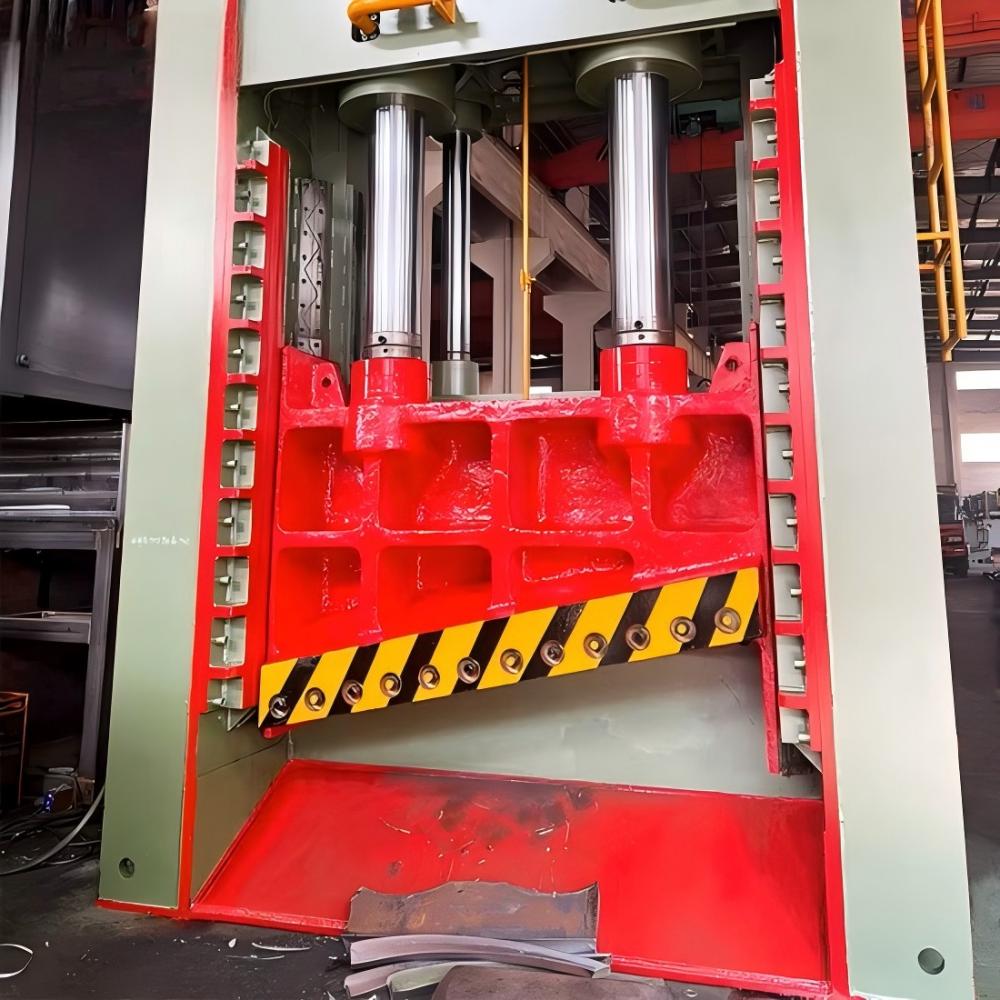
The performance of a gantry shear is inextricably linked to the clearance and sharpness of its blades. When considering Gantry Shear Blade Wear Problems: Symptoms, Diagnosis, and Prevention, one must first understand the material science involved. Blades are typically manufactured from high-carbon, high-chromium tool steels, heat-treated to achieve a specific Rockwell hardness. This hardness allows them to withstand the immense compressive forces of shearing, but it also makes them susceptible to chipping if the clearance is improperly set.
Operating conditions play a massive role in how quickly blades wear. Factors such as the tensile strength of the material being cut, the frequency of the shearing cycles, and the presence of contaminants like scale or rust all contribute to accelerated degradation. A machine that is consistently pushed to its maximum rated capacity will naturally require more frequent blade maintenance than one operating within a conservative range.
Furthermore, the lubrication and cooling systems integrated into HARSLE gantry shears are designed to mitigate friction-induced heat. When these systems are ignored, the blades can suffer from thermal softening, which drastically reduces their effective lifespan. Maintenance teams must view the blade not as a static piece of metal, but as a dynamic component that requires constant monitoring of its environmental and mechanical interactions.
Finally, the human element cannot be overlooked. Proper operator training regarding the limitations of the machine and the correct loading procedures is the first line of defense against premature wear. By establishing a culture of proactive maintenance, facilities can avoid the catastrophic downtime associated with sudden blade failure.
Technical Details: Symptoms and Diagnosis
Identifying Gantry Shear Blade Wear Problems: Symptoms, Diagnosis, and Prevention requires a keen eye for subtle changes in machine behavior. The most common symptom of a dull blade is the appearance of burrs on the cut edge of the material. If the shear is leaving a jagged or deformed edge, it is a clear indicator that the blade is no longer slicing through the metal cleanly but is instead tearing it. This not only ruins the workpiece but also places excessive stress on the shear’s frame and hydraulic cylinders.
Another diagnostic indicator is the sound of the machine during the cutting cycle. A sharp, well-maintained blade will produce a clean, consistent “snap” or “thud” as it passes through the material. If the operator notices a change in the acoustic profile—such as a prolonged grinding sound or a shuddering vibration—it often suggests that the blade is struggling to penetrate the metal, indicating significant dullness or a loss of clearance.
Visual inspection is the most reliable diagnostic tool. Maintenance personnel should regularly check the blade edge for micro-chipping, rounding, or “mushrooming.” Using a magnifying glass or a specialized edge-check gauge can reveal wear patterns that are not visible to the naked eye. Additionally, monitoring the hydraulic pressure gauge during a cut can provide data; if the pressure required to complete a cut increases over time for the same material thickness, the blades are likely dulling.
Finally, consider the clearance between the upper and lower blades. As blades wear, the gap between them may widen or become uneven. This is often caused by loose gibs or worn guide ways. If the clearance is not adjusted according to the material thickness, the blades will rub against each other, leading to rapid edge degradation and potential damage to the blade mounting surfaces. Regular measurement of this clearance is a mandatory diagnostic step.
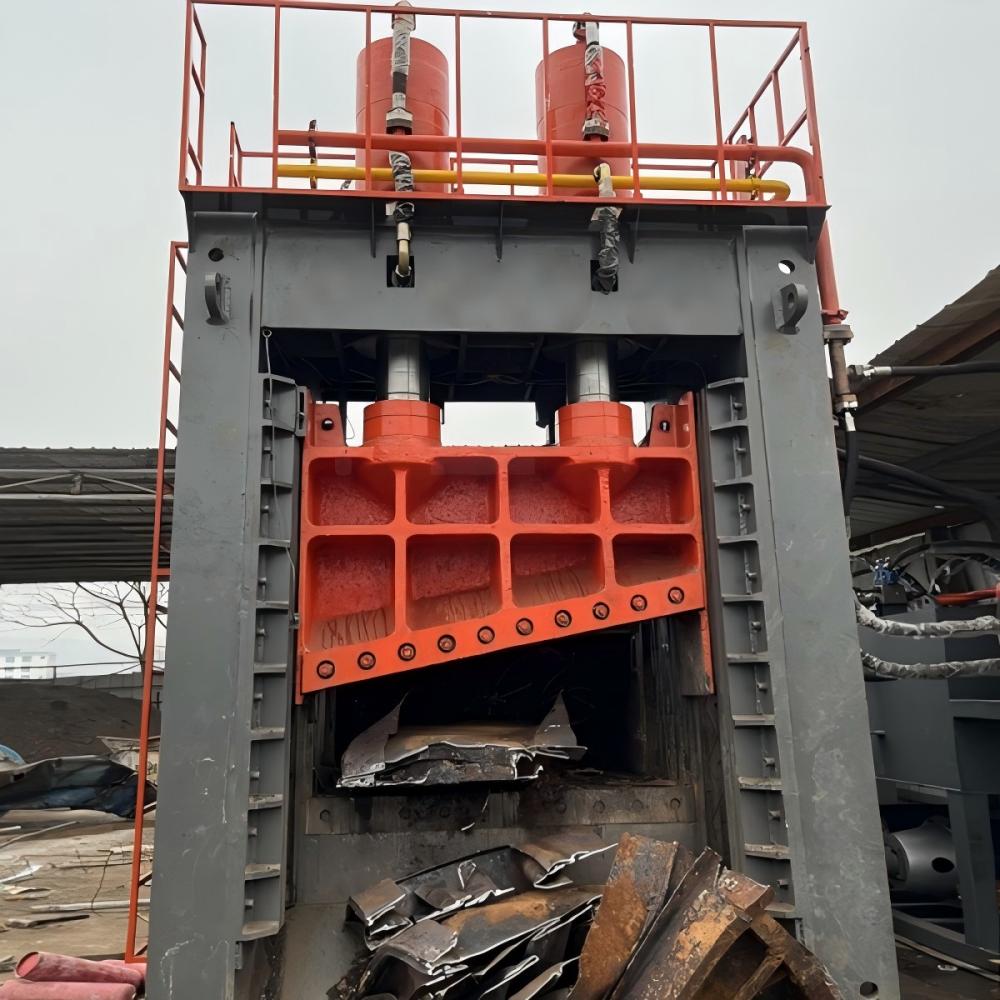
Prevention Strategies and Maintenance Protocols
Preventing Gantry Shear Blade Wear Problems: Symptoms, Diagnosis, and Prevention involves a structured maintenance schedule. The most effective strategy is the implementation of a daily inspection checklist. Before the start of every shift, operators should verify that the blade bolts are torqued to the manufacturer’s specifications and that the blade surfaces are free of debris. Even small metal shards left on the bed can cause localized stress points that lead to cracking.
Lubrication is equally vital. Ensuring that the blade guides and the slide surfaces are adequately lubricated reduces friction and heat. HARSLE machines are equipped with advanced lubrication systems, but these must be checked for flow and pressure. Using the correct grade of lubricant, as specified in the machine manual, is essential for preventing the galling of metal surfaces that can lead to blade misalignment.
Another preventative measure is the strict adherence to material thickness and hardness limits. Attempting to shear material that exceeds the machine’s rated capacity is the fastest way to destroy a set of blades. If your facility frequently processes high-strength alloys, consider investing in specialized blade materials or coatings, such as titanium nitride (TiN) coatings, which can significantly extend the time between sharpenings.
Finally, establish a professional sharpening schedule. Do not wait until the blades are completely dull to have them reground. Periodic, light sharpening removes less material than a major repair after a catastrophic failure, thereby extending the total service life of the blade. Keeping a spare set of blades in stock ensures that you can swap them out immediately, minimizing downtime and allowing the worn set to be sent for professional reconditioning.
Selection Advice for Replacement Blades
When the time comes to replace your gantry shear blades, the selection process is critical. Not all blades are created equal, and choosing the right material for your specific application is a key part of Gantry Shear Blade Wear Problems: Symptoms, Diagnosis, and Prevention. For general-purpose shearing of mild steel, standard high-carbon tool steel is often sufficient. However, for stainless steel or high-tensile materials, you should opt for blades with higher alloy content, such as D2 or H13 tool steels, which offer superior wear resistance.
Consider the geometry of the blade as well. The rake angle and the clearance angle are engineered to optimize the shearing force. If you are replacing blades, ensure that the new components match the original HARSLE specifications exactly. Deviating from these specifications can lead to improper cutting angles, which will cause the machine to work harder than necessary and lead to premature wear on the hydraulic system.
Always source your blades from reputable manufacturers or directly from HARSLE. Counterfeit or low-quality aftermarket blades often lack the uniform heat treatment required for consistent performance. A blade with soft spots or brittle sections will fail prematurely and could potentially cause damage to the shear’s bed or ram. Investing in high-quality blades is an investment in the long-term reliability of your production line.
Lastly, consider the installation process. Replacing blades is a precision task that requires proper alignment. If the blades are not shimmed correctly, they will not cut evenly across the entire length of the shear. Always follow the manufacturer’s installation guide, and use precision measuring tools to ensure that the clearance is uniform from end to end. A professional installation is the final step in preventing future wear problems.
Frequently Asked Questions (FAQ)
- How often should I check my gantry shear blades?
We recommend a visual inspection before every shift and a detailed measurement of blade clearance at least once a week, depending on usage intensity. - What causes burrs on the cut edge?
Burrs are typically caused by dull blades or excessive clearance between the upper and lower blades. Check both for signs of wear or misalignment. - Can I sharpen the blades myself?
While minor touch-ups are possible, it is highly recommended to have blades professionally reground to ensure the correct rake and clearance angles are maintained. - What is the most common mistake leading to blade wear?
The most common mistake is exceeding the machine’s rated material thickness or hardness, which causes immediate stress and edge deformation. - How do I know when it is time to replace the blades?
If you notice consistent burring, increased hydraulic pressure requirements, or visible chipping on the cutting edge, it is time to sharpen or replace the blades.
Conclusion
Mastering Gantry Shear Blade Wear Problems: Symptoms, Diagnosis, and Prevention is essential for any facility relying on HARSLE metal fabrication equipment. By understanding the early warning signs—such as burrs, increased noise, and hydraulic strain—operators can intervene before minor wear turns into a costly repair. Through consistent maintenance, proper material handling, and the use of high-quality replacement parts, you can ensure that your gantry shear remains a productive asset for years to come.
Remember that the longevity of your machine is a direct reflection of your maintenance culture. By treating blade care as a priority rather than an afterthought, you protect your investment and maintain the high standards of quality that your customers expect. For further technical support or to source genuine HARSLE replacement parts, always consult your machine’s service manual or contact our expert support team.