How to Troubleshoot Low Cutting Force in a Gantry Shear: A Comprehensive HARSLE Guide

Introduction
In the demanding world of heavy-duty metal fabrication, the gantry shear stands as a cornerstone of productivity. Designed to process large-scale scrap metal, structural steel, and thick plates, these machines rely on immense hydraulic pressure to maintain consistent cutting force. When an operator notices a decline in performance, the ability to troubleshoot low cutting force in a gantry shear becomes critical to minimizing downtime and preventing costly mechanical failures. At HARSLE, we understand that every second of machine inactivity impacts your bottom line, which is why we have compiled this technical guide to help you identify and resolve force-related issues.
Low cutting force is rarely the result of a single catastrophic failure; rather, it is often the culmination of gradual wear, hydraulic degradation, or incorrect parameter settings. Whether you are operating a high-capacity HARSLE gantry shear or similar industrial equipment, the diagnostic process remains rooted in the principles of fluid power and mechanical integrity. This article will walk you through the systematic approach required to restore your equipment to its peak operational capacity.
Understanding the anatomy of your shear is the first step in effective maintenance. A gantry shear operates by converting hydraulic energy into linear mechanical force through a series of cylinders and blades. When that force drops, the machine may struggle to penetrate thicker materials, leave jagged edges, or stall mid-cycle. By following the structured troubleshooting steps outlined below, you can isolate the root cause—be it electrical, hydraulic, or mechanical—and implement a lasting solution.
Before diving into complex repairs, it is essential to prioritize safety. Always ensure the machine is locked out and tagged out (LOTO) before inspecting hydraulic lines or internal components. With the right knowledge and a methodical approach, you can effectively troubleshoot low cutting force in a gantry shear and ensure your facility continues to operate at maximum efficiency.
Key Considerations for Gantry Shear Performance
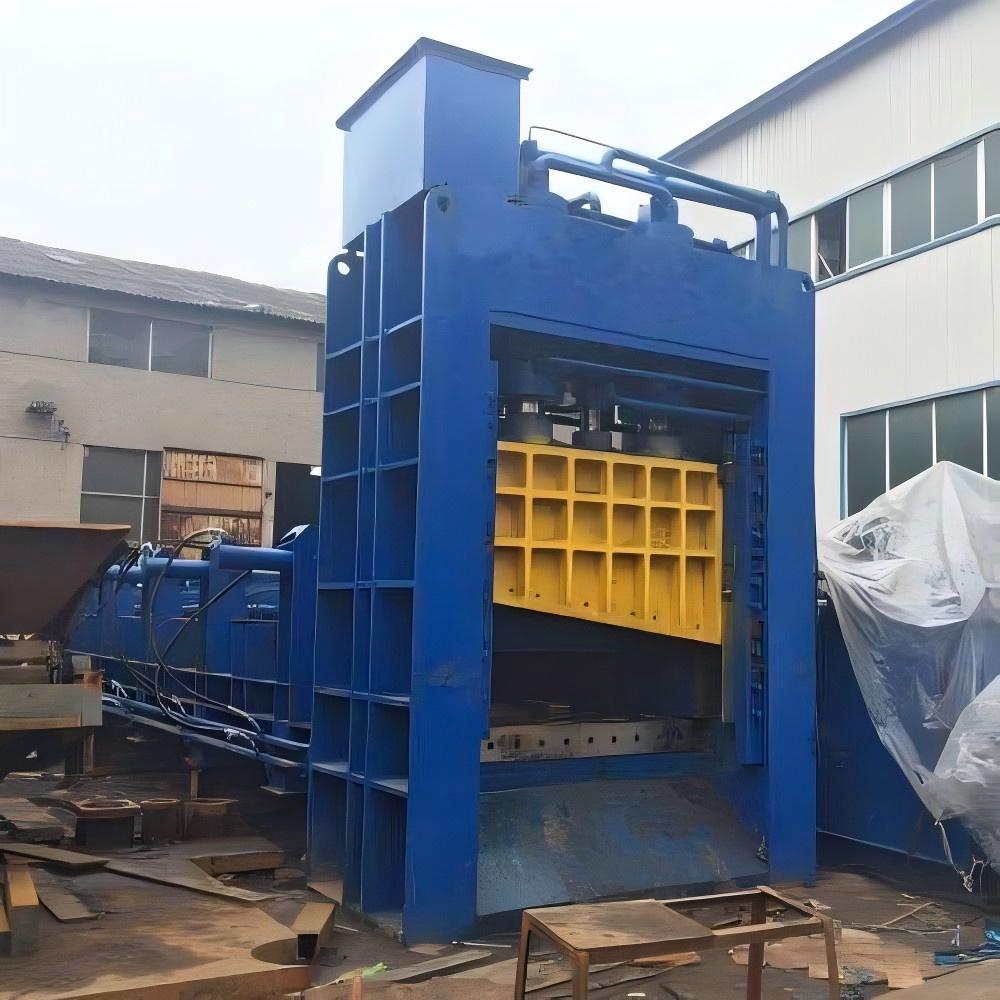
When you begin to troubleshoot low cutting force in a gantry shear, the first area of focus should be the hydraulic system. The hydraulic pump is the heart of the machine; if it fails to deliver the required flow or pressure, the cutting force will inevitably suffer. Operators should regularly check the pump’s output pressure against the manufacturer’s specifications. A common oversight is the failure to monitor the hydraulic oil temperature; if the oil becomes too hot, its viscosity drops, leading to internal leakage within the pump and a subsequent loss of pressure.
Another key consideration is the condition of the hydraulic fluid itself. Contaminated oil is the leading cause of premature component failure in industrial machinery. Particles of metal, dust, or moisture can clog valves and score cylinder walls, preventing the system from reaching its full pressure potential. Implementing a strict oil analysis schedule is a proactive way to ensure that your hydraulic system remains clean and capable of delivering the force required for heavy-duty shearing tasks.
The electrical control system also plays a vital role in maintaining cutting force. Modern gantry shears utilize sophisticated PLC (Programmable Logic Controller) systems to manage pressure settings and cycle timing. If the sensors or pressure transducers are providing inaccurate data to the controller, the machine may prematurely terminate the cutting stroke or fail to engage the high-pressure stage of the hydraulic circuit. Verifying the calibration of these sensors is a fundamental step in the troubleshooting process.
Finally, consider the mechanical alignment of the gantry. If the shear blades are not properly shimmed or if the guide rails have developed excessive play, the force is not being applied efficiently. Instead of a clean, concentrated cut, the energy is dissipated through friction and mechanical binding. Ensuring that the blade clearance is set according to the material thickness is essential for maintaining the mechanical advantage of the shear.
Technical Details: Diagnosing Hydraulic and Mechanical Failures
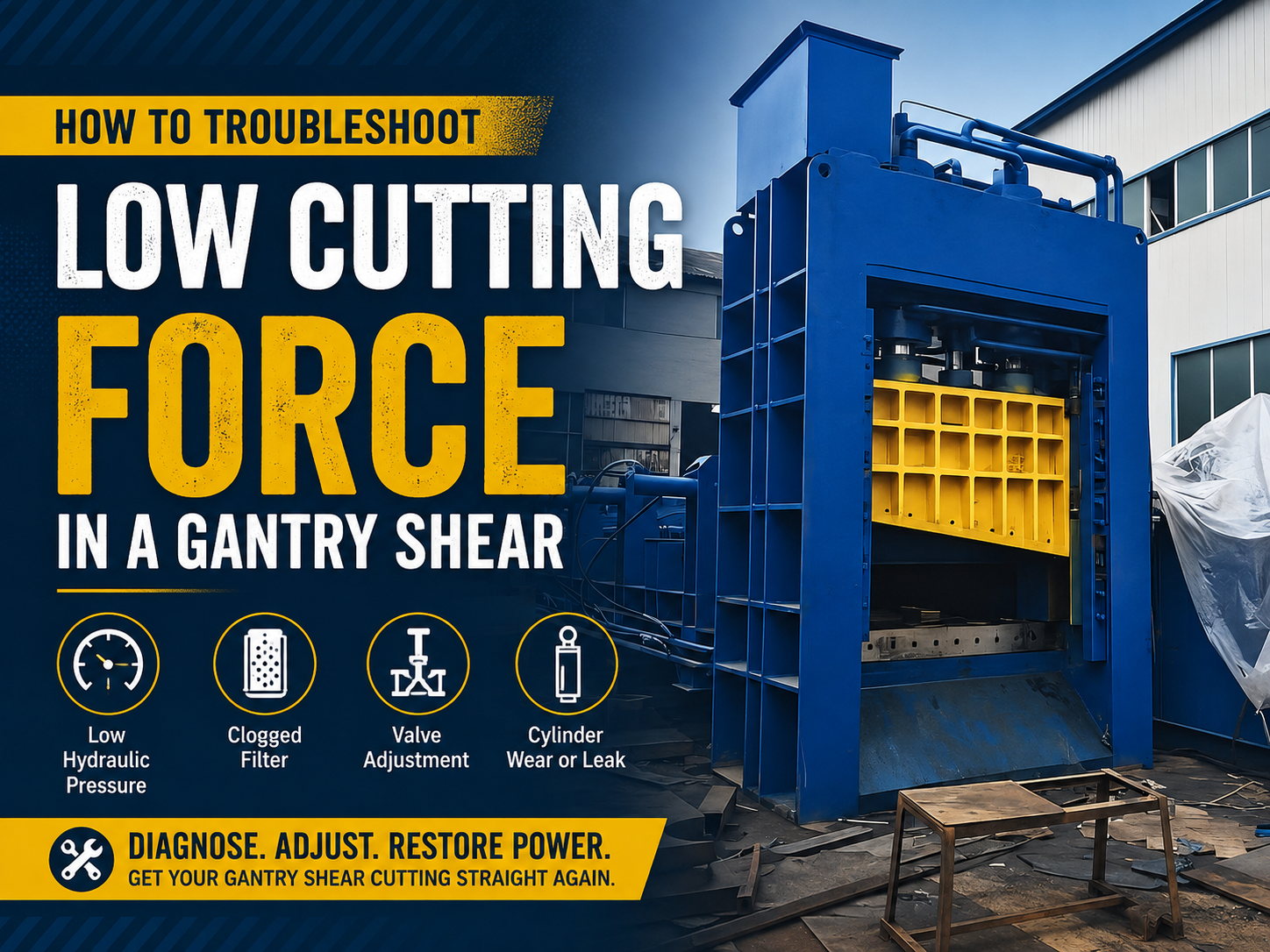
To effectively troubleshoot low cutting force in a gantry shear, you must perform a series of diagnostic tests. Start by checking the relief valves. These valves are designed to protect the system from over-pressurization, but if they are set too low or are stuck in a partially open position, they will bleed off the pressure needed for the cut. Use a calibrated pressure gauge at the test port to verify that the system pressure matches the HARSLE technical manual requirements during a load cycle.
Next, inspect the hydraulic cylinders for internal bypass. If the seals inside the main cutting cylinder are worn, hydraulic fluid will leak from the high-pressure side to the low-pressure side of the piston. This bypass prevents the cylinder from exerting its full force, even if the pump is functioning perfectly. A common sign of internal bypass is a cylinder that feels warm to the touch during operation or a machine that drifts under load. Replacing the piston seals is a standard maintenance procedure that can significantly restore cutting force.
The condition of the shear blades is often overlooked when troubleshooting force issues. Dull blades require significantly more force to penetrate the same thickness of metal compared to sharp, well-maintained blades. As the cutting edge rounds off, the shear force is distributed over a larger surface area, leading to increased stress on the hydraulic system and a lower quality cut. Regularly sharpening or replacing blades is not just a maintenance task; it is a critical component of force management.
Furthermore, examine the hydraulic hoses and fittings for signs of restriction. Over time, internal hose liners can collapse, or fittings can become partially obstructed by debris. These restrictions create a bottleneck in the hydraulic circuit, preventing the necessary volume of oil from reaching the cylinders at the required speed. A thorough inspection of the entire hydraulic circuit, from the reservoir to the actuators, is necessary to ensure there are no hidden flow restrictions.
Selection Advice: Choosing the Right Gantry Shear
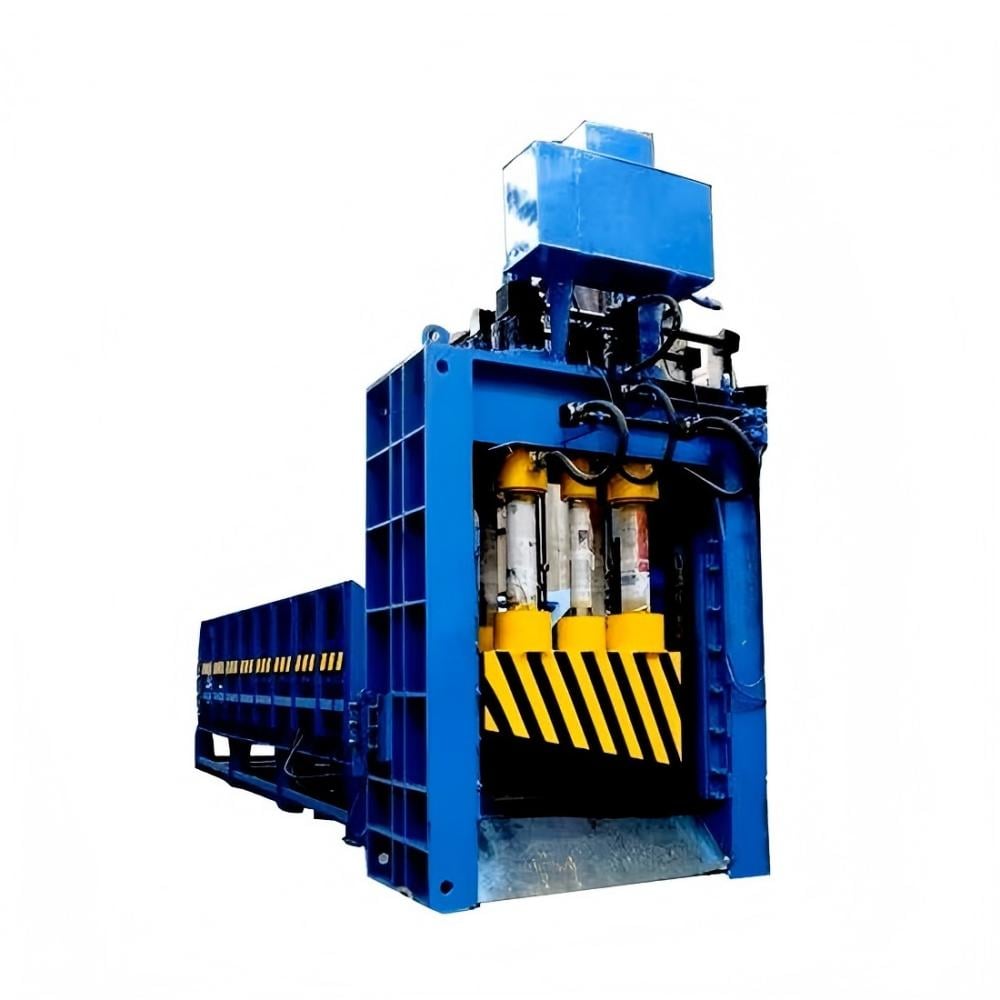
When selecting a gantry shear, the most effective way to avoid low cutting force issues is to ensure the machine is properly sized for your application. Many operators encounter performance issues because they are pushing a machine beyond its rated capacity. Always account for the maximum thickness and tensile strength of the materials you intend to process. HARSLE provides detailed capacity charts that should be the primary reference point during the procurement phase.
Consider the type of hydraulic system integrated into the shear. Variable displacement pumps offer better energy efficiency and more precise control over pressure, which can be beneficial for facilities processing a wide variety of material types. Additionally, look for machines that feature robust frame construction. A rigid frame ensures that the cutting force is directed entirely into the material rather than being absorbed by the machine structure itself, which can lead to premature fatigue and loss of force over time.
Maintenance accessibility is another crucial factor. A machine that is easy to service is a machine that will be serviced more frequently. Look for gantry shears with centralized lubrication points, easy-to-access hydraulic manifolds, and clear diagnostic interfaces. When you can easily reach the components that require inspection, you are much more likely to catch potential issues before they manifest as a significant loss in cutting force.
Finally, invest in high-quality components. While it may be tempting to opt for cheaper aftermarket parts, the hydraulic pumps, valves, and seals used in HARSLE equipment are specifically engineered to handle the high-pressure demands of gantry shearing. Using OEM-certified parts ensures that your machine maintains its original performance specifications and longevity, protecting your investment for years to come.
FAQ: Troubleshooting and Maintenance
Why does my gantry shear stall during the cutting process?
Stalling is usually a sign that the hydraulic system cannot maintain the required pressure under load. This could be due to a failing pump, a stuck relief valve, or internal leakage in the main cylinder. Check your system pressure with a gauge while the machine is under load to identify the source.
How often should I change the hydraulic oil?
Hydraulic oil should be changed according to the manufacturer’s schedule, typically every 2,000 to 4,000 operating hours. However, if your oil analysis shows high levels of contamination or oxidation, you should change it sooner to prevent damage to your hydraulic components.
Can dull blades cause a loss of cutting force?
Yes, absolutely. Dull blades increase the amount of force required to penetrate the material. This puts unnecessary strain on the hydraulic system and can lead to overheating and premature wear of the cylinders and pump.
What is the most common cause of low pressure in a gantry shear?
The most common cause is a faulty or improperly adjusted relief valve, followed by internal bypass in the hydraulic cylinders due to worn seals. Always start your troubleshooting by verifying the pressure settings at the valve manifold.
How do I know if my hydraulic pump is failing?
Signs of a failing pump include excessive noise (cavitation), increased operating temperatures, and a noticeable decrease in the speed of the cutting stroke. If you suspect pump failure, have a professional technician perform a flow test.
Conclusion
The ability to troubleshoot low cutting force in a gantry shear is an essential skill for any maintenance team in the metal fabrication industry. By understanding the interplay between hydraulic pressure, mechanical alignment, and blade condition, you can quickly diagnose and resolve the issues that threaten your production schedule. Remember that consistent maintenance is the best defense against performance degradation; by keeping your hydraulic system clean, your blades sharp, and your sensors calibrated, you ensure that your HARSLE gantry shear continues to deliver the power and precision your operations demand.
If you have exhausted these troubleshooting steps and are still experiencing issues, do not hesitate to contact the HARSLE technical support team. Our experts are equipped to provide in-depth guidance and help you source the correct components to restore your machine to its optimal state. Investing time in proper diagnostics today will save you significant resources in the future, ensuring that your facility remains a leader in metal processing efficiency.