How to Fix Inconsistent Cutting Length in a Gantry Shear: A Comprehensive Troubleshooting Guide

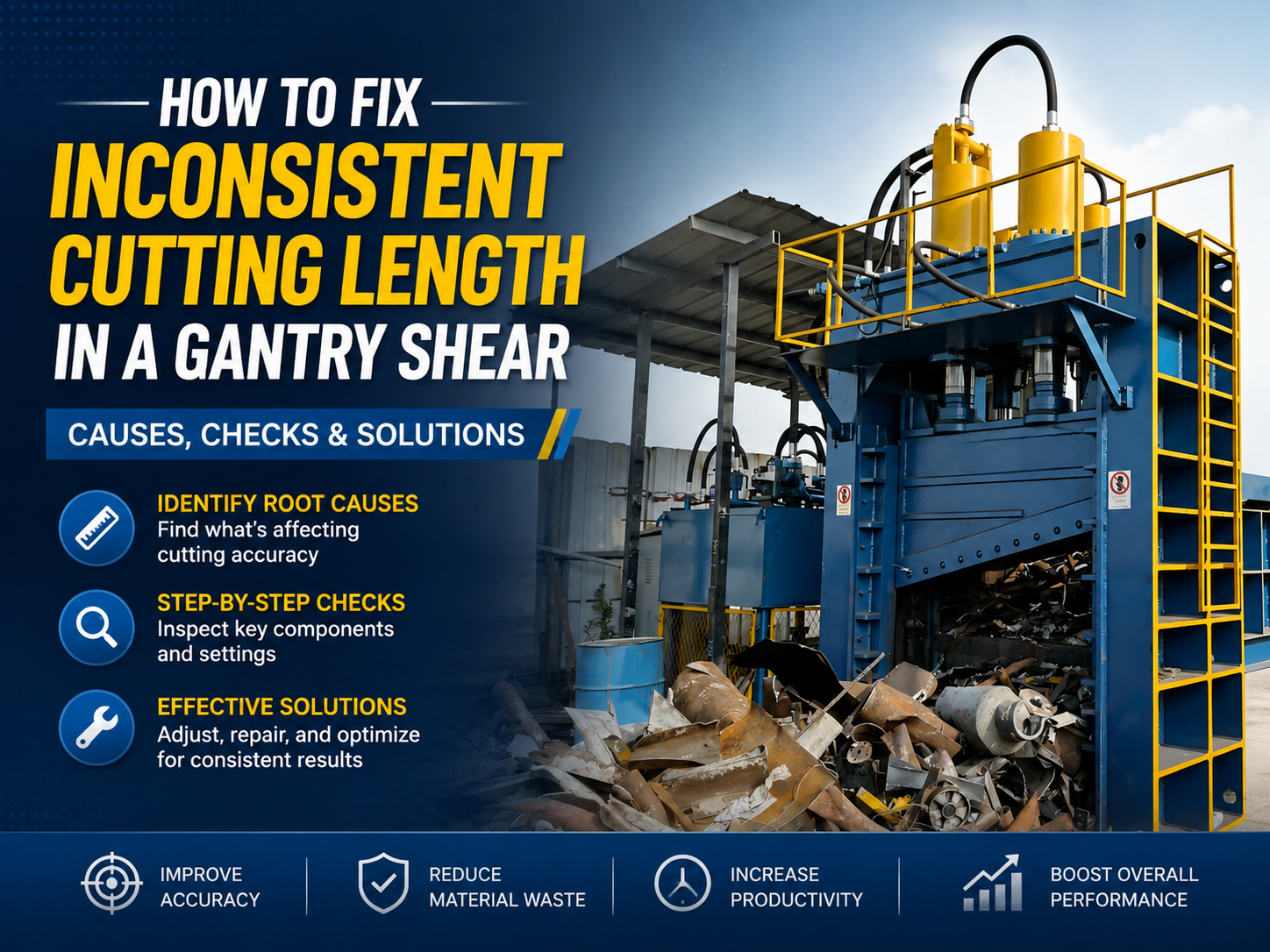
Introduction to Gantry Shear Precision
In the high-stakes world of metal fabrication, precision is the difference between a profitable production run and a mountain of scrap metal. When you operate a heavy-duty gantry shear, the expectation is consistent, repeatable accuracy across every cut. However, operators often encounter the frustrating issue of length variance. Understanding how to fix inconsistent cutting length in a gantry shear is essential for maintaining operational efficiency and ensuring that your finished products meet strict industry tolerances.
A gantry shear is a robust piece of industrial machinery designed to process large-scale metal sheets, plates, and structural profiles. Because of the sheer force involved in the shearing process, even minor mechanical deviations or software calibration errors can manifest as significant length discrepancies. Whether you are cutting structural steel for construction or precision components for automotive manufacturing, the integrity of your cut length is paramount.
At HARSLE, we emphasize that troubleshooting is a systematic process. It is rarely just one component failing; rather, it is often a combination of mechanical wear, sensor misalignment, or hydraulic pressure fluctuations. This guide will walk you through the diagnostic steps required to identify the root cause of your cutting inconsistencies and provide actionable solutions to restore your machine to peak performance.
By following these technical guidelines, maintenance teams can reduce downtime and extend the lifespan of their equipment. We will explore the mechanical, electrical, and hydraulic factors that influence cutting accuracy, providing you with a comprehensive roadmap to resolve length issues effectively.
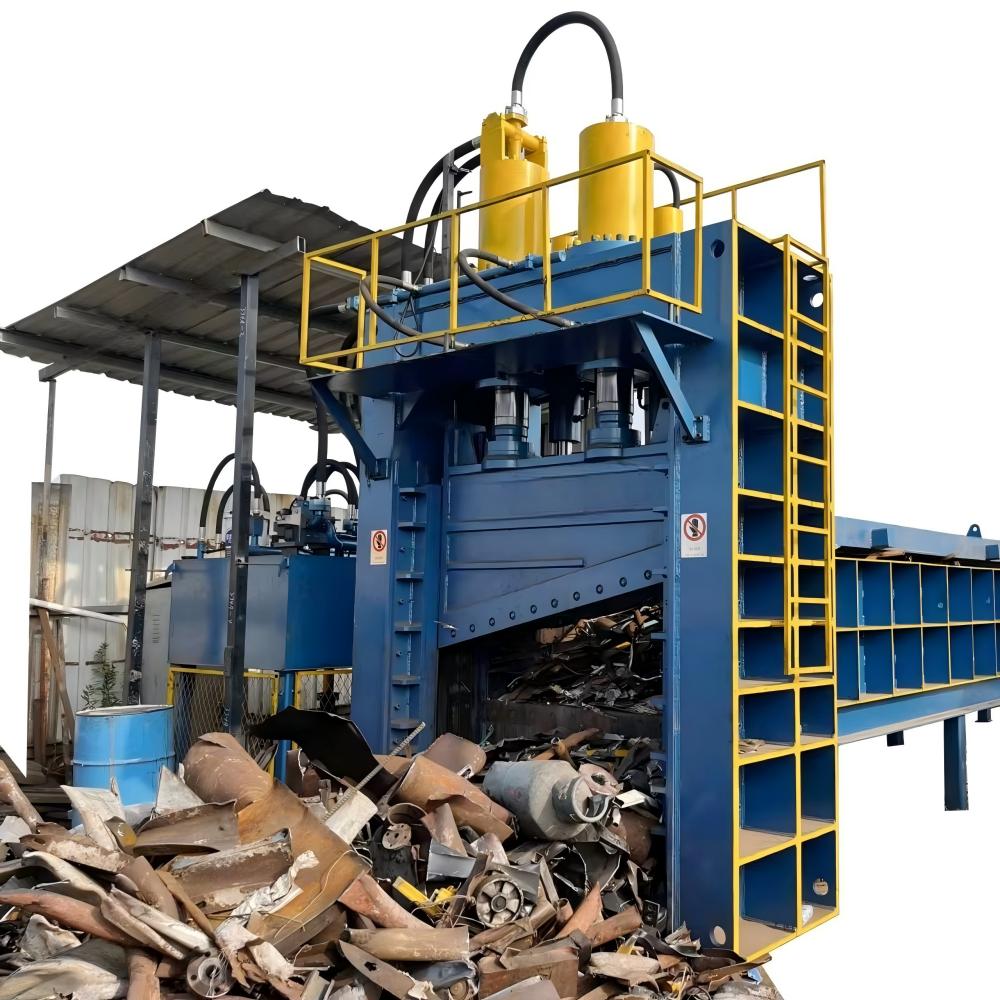
Key Considerations for Cutting Accuracy
Before diving into complex repairs, it is vital to understand the environmental and operational factors that contribute to length inconsistency. The first consideration is the material feed system. If the material is slipping during the feeding process, the shear will naturally cut at the wrong length, regardless of how accurate the blade stroke is. Check your feed rollers for wear, proper tension, and debris buildup that might cause slippage.
Secondly, consider the thermal expansion of the machine components. Gantry shears operate under immense pressure, generating significant heat. If the machine is not allowed to reach a stable operating temperature, or if the ambient temperature in the facility fluctuates wildly, the metal components of the backgauge and the frame may expand or contract. This thermal drift can lead to subtle but measurable differences in cut length throughout the day.
Thirdly, the rigidity of the backgauge assembly is a frequent culprit. The backgauge is responsible for positioning the material precisely before the blade descends. If the backgauge has any play, vibration, or mechanical looseness, it will fail to hold the material in the exact position required for a consistent cut. Regularly inspect the lead screws, guide rails, and motor couplings of your backgauge system to ensure they are tight and lubricated.
Finally, operator error and material quality must be addressed. Are the operators loading the material flush against the backgauge? Is the material bowed or warped? If the incoming material is not flat, it will not sit correctly against the stops, leading to inconsistent measurements. Always ensure that the material is properly flattened or that the operator is trained to compensate for material irregularities during the loading process.
Technical Details: Troubleshooting the Mechanical and Electrical Systems
To effectively fix inconsistent cutting length in a gantry shear, you must perform a deep dive into the machine’s control systems. The most common technical issue involves the encoder or the feedback loop of the backgauge motor. If the encoder is sending incorrect position data to the PLC (Programmable Logic Controller), the machine will stop the material at the wrong point. Inspect the encoder cables for damage and ensure that the encoder itself is securely mounted and free of metallic dust or oil contamination.
The hydraulic system also plays a critical role in cutting consistency. If the hydraulic pressure is inconsistent, the speed of the shear blade may vary, or the clamping force of the hold-downs may be insufficient. If the material moves even a fraction of a millimeter during the shearing process because the hold-downs are not applying uniform pressure, the cut length will be compromised. Check your hydraulic pump, valves, and hold-down cylinders for leaks or pressure drops.
Another technical area to investigate is the blade clearance. While blade clearance primarily affects the quality of the cut edge (burrs, deformation), improper clearance can also cause the material to pull or shift as the blade makes contact. If the clearance is too wide, the material may be dragged into the gap, causing a slight shift in position before the final cut is made. Ensure that your blade gap is set according to the material thickness and type specified in your HARSLE operation manual.
Software calibration is the final technical frontier. Over time, the software parameters that define the “zero” position of the backgauge can drift. Most modern gantry shears allow for a calibration routine where the machine moves to a physical reference point to reset its coordinate system. If you have ruled out mechanical issues, perform a full software recalibration. This often involves resetting the backgauge to a known physical distance and updating the controller’s memory to match that reality.
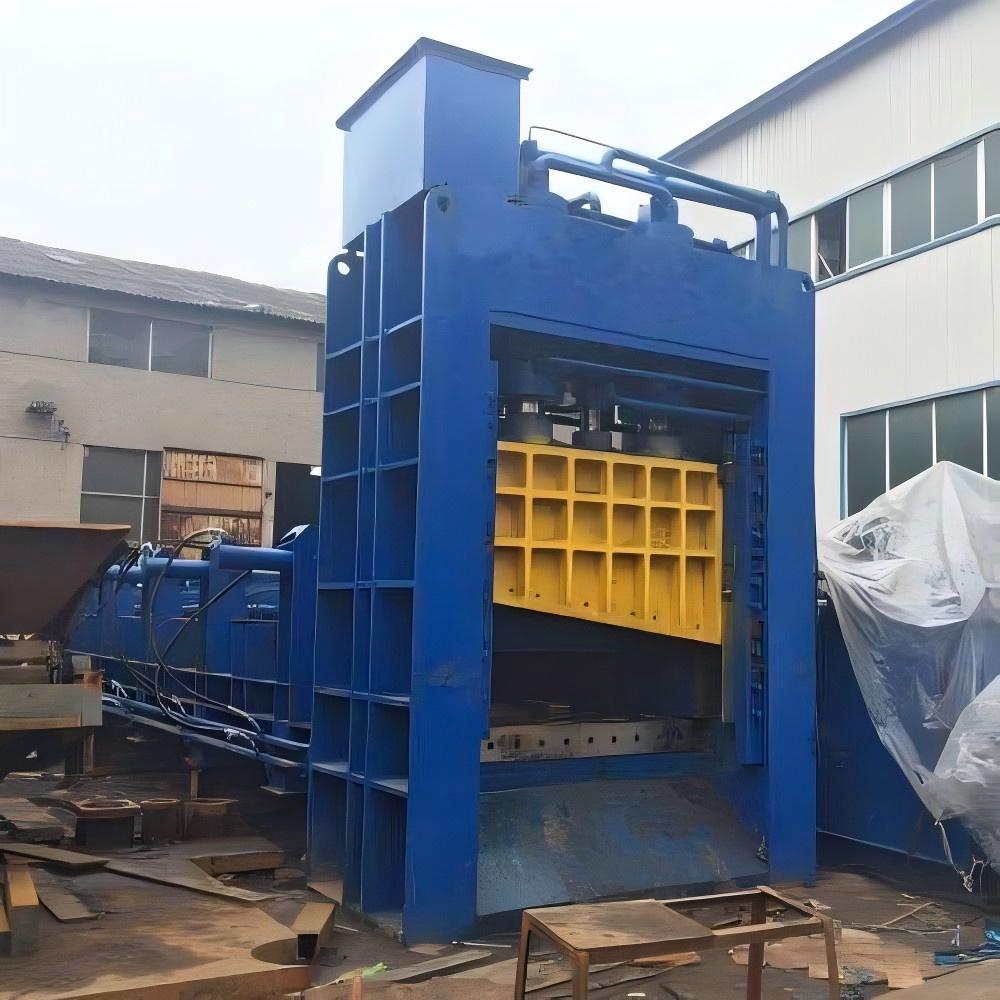
Selection Advice: Choosing the Right Equipment for Precision
When you are in the market for a new gantry shear, preventing length inconsistency starts with the selection process. Not all shears are built to the same tolerance levels. If your application requires high-precision cutting, you must prioritize machines that feature heavy-duty, stress-relieved frames. A frame that flexes under load will never provide the consistency you need, no matter how advanced the control system is.
Look for machines that utilize high-precision ball screws for the backgauge movement rather than rack-and-pinion systems, which can be prone to backlash. Ball screws offer superior repeatability and are less susceptible to the wear that leads to positional drift. Additionally, ensure the machine is equipped with a high-quality CNC controller that supports closed-loop feedback, allowing the machine to self-correct if it detects a deviation in position.
Consider the clamping system as well. A machine with individual, spring-loaded or hydraulic hold-downs is far superior to a single-bar clamp. Individual hold-downs ensure that the material is gripped firmly across its entire width, preventing the material from “walking” or shifting during the cut. This is particularly important when cutting thinner sheets that are prone to buckling.
Finally, evaluate the manufacturer’s support and documentation. A gantry shear is a long-term investment. Choose a partner like HARSLE that provides detailed maintenance schedules, remote diagnostic capabilities, and readily available spare parts. The ability to quickly source a replacement sensor or encoder can mean the difference between a minor maintenance task and a week of production downtime.
FAQ: Frequently Asked Questions
Why does my gantry shear cut accurately at the start of the day but lose precision later?
This is usually due to thermal expansion. As the hydraulic oil and the machine frame heat up, the physical dimensions of the machine change slightly. Ensure your machine has a proper warm-up cycle and that your hydraulic system is equipped with an oil cooler to maintain a stable operating temperature.
How often should I calibrate the backgauge?
Calibration frequency depends on usage. For high-volume production, we recommend a weekly check of the backgauge zero-point. If you notice any deviation, perform a full calibration immediately. Always calibrate after any major maintenance or if the machine has been moved.
Can dull blades cause length inconsistency?
Yes. Dull blades require more force to penetrate the material, which increases the stress on the machine frame and the hold-down system. This extra force can cause the material to shift or the frame to flex, leading to inaccurate cuts. Keep your blades sharp and properly shimmed.
What is the most common electrical cause of length errors?
The most common electrical issue is a faulty encoder or loose wiring connections. Vibrations from the shearing process can loosen terminal blocks over time. A periodic inspection of all electrical connections in the control cabinet is highly recommended.
Conclusion
Learning how to fix inconsistent cutting length in a gantry shear is a vital skill for any maintenance technician or shop floor manager. By systematically addressing the mechanical, hydraulic, and electrical components of your machine, you can eliminate the variables that lead to inaccurate cuts. Remember that precision is a result of consistent maintenance, proper calibration, and the use of high-quality, well-maintained equipment.
At HARSLE, we are committed to helping our clients achieve the highest standards of metal fabrication. Whether you are troubleshooting an existing machine or looking to upgrade to a more precise system, our team is here to provide the technical expertise you need. By prioritizing the health of your gantry shear, you ensure that your production remains efficient, your waste is minimized, and your output remains of the highest quality.
Regular maintenance is not just an expense; it is an investment in the longevity and reliability of your machinery. Keep your documentation updated, train your operators on the importance of material handling, and never ignore the early warning signs of mechanical wear. With the right approach, your gantry shear will continue to be the backbone of your fabrication operations for years to come.