Best Materials for Briquetting Machine Feedstock and Their Processing Requirements: A Technical Guide

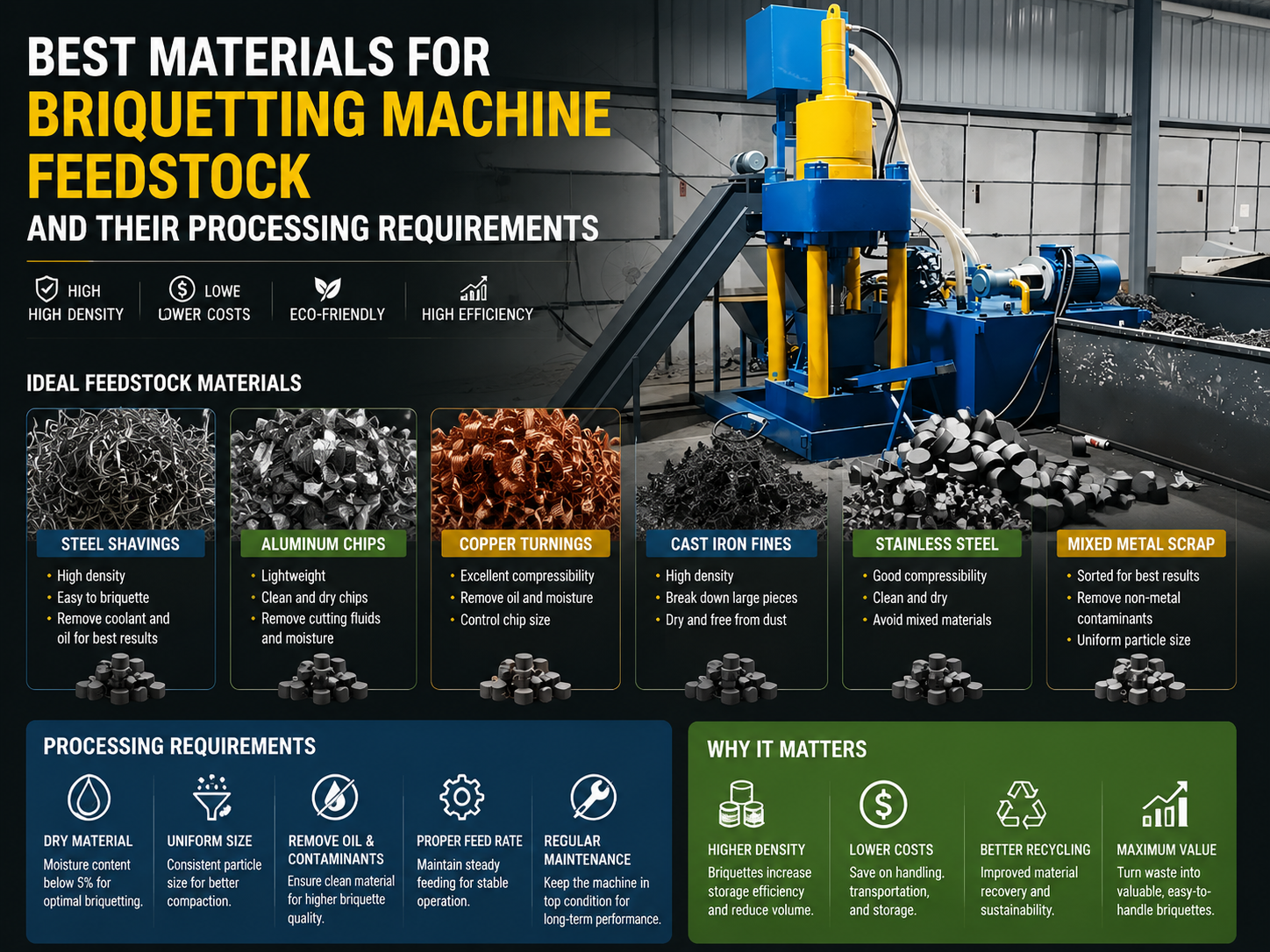
Technical Overview: Understanding Briquetting Feedstock
In the modern metal fabrication industry, the efficient management of waste—specifically metal chips, turnings, and swarf—is a critical component of operational profitability. A HARSLE briquetting machine transforms loose, voluminous waste into dense, manageable pucks. Understanding the best materials for briquetting machine feedstock and their processing requirements is essential for maximizing the lifespan of your equipment and ensuring the highest quality output for smelting or resale.
The briquetting process relies on the application of high pressure to overcome the elastic limit of the material, causing it to bond mechanically. Not all materials respond to this pressure in the same way. Factors such as particle size, material hardness, and surface oxidation play a significant role in how well a material will compact. When selecting feedstock, operators must consider the physical state of the material as it arrives from the CNC machines or lathes.
Feedstock consistency is the primary driver of machine performance. If the material is too coarse, the briquettes may lack structural integrity; if it is too fine, it may clog the feeding mechanisms. HARSLE briquetting systems are engineered to handle a wide variety of metallic and non-metallic materials, but achieving optimal results requires a deep understanding of the material’s inherent properties and how they interact with hydraulic compression cycles.
Furthermore, the economic value of briquettes is directly tied to their density and purity. By selecting the right feedstock and preparing it correctly, manufacturers can significantly reduce transportation costs, increase the value of their scrap, and recover valuable cutting fluids. This technical guide explores the nuances of material selection and the specific processing requirements necessary to achieve industry-standard results.
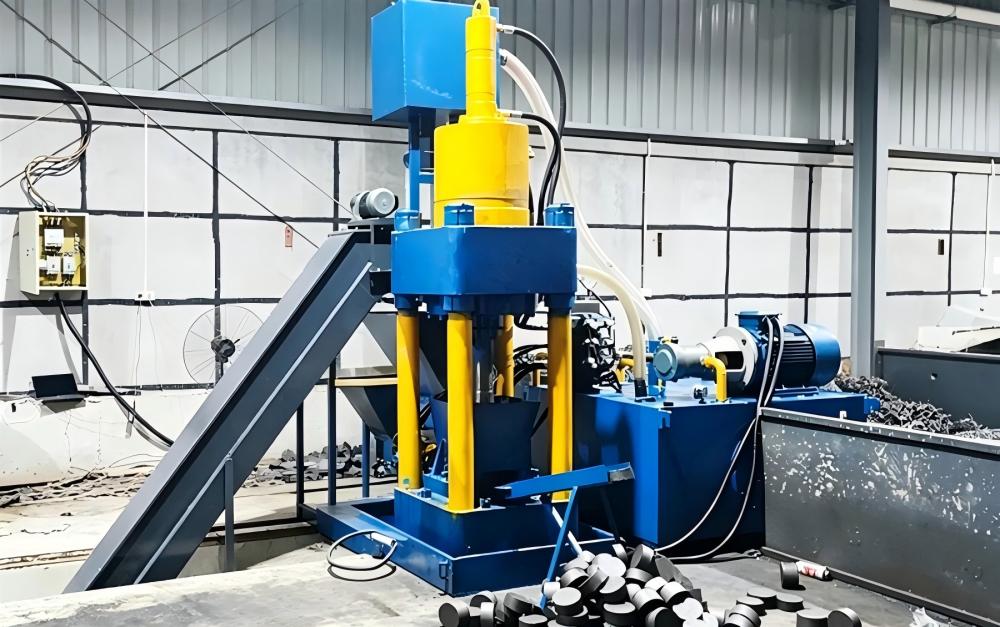
Core Parameters for Feedstock Selection
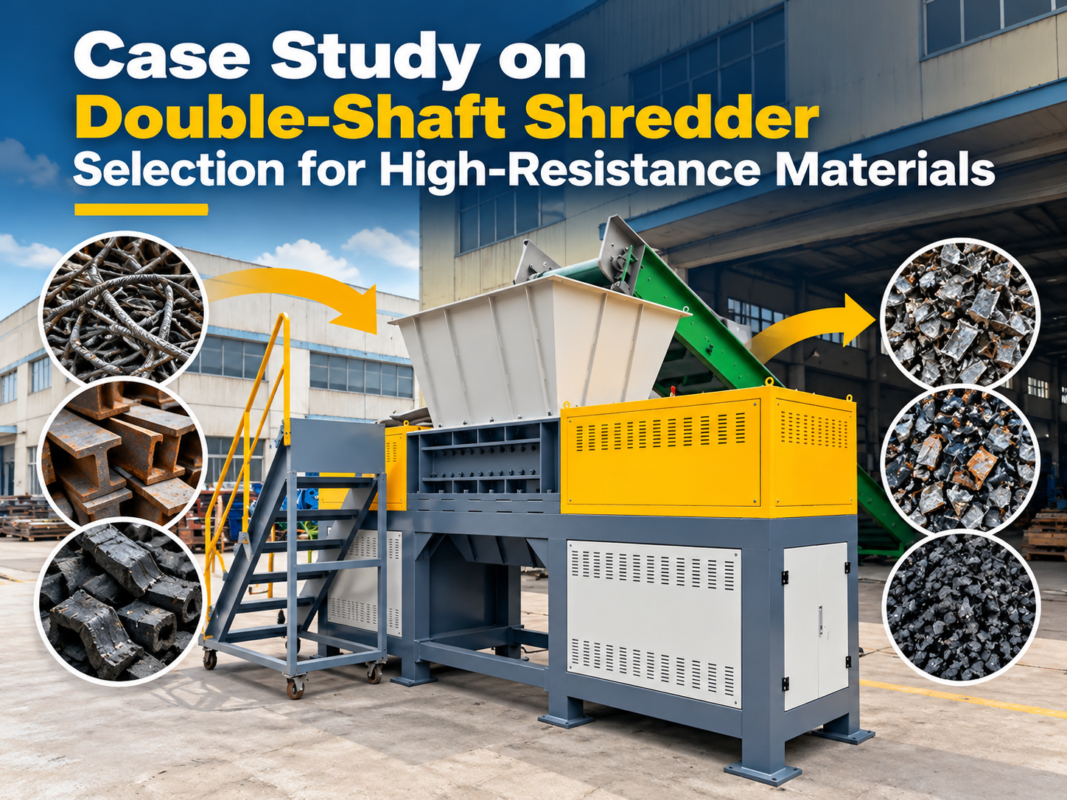
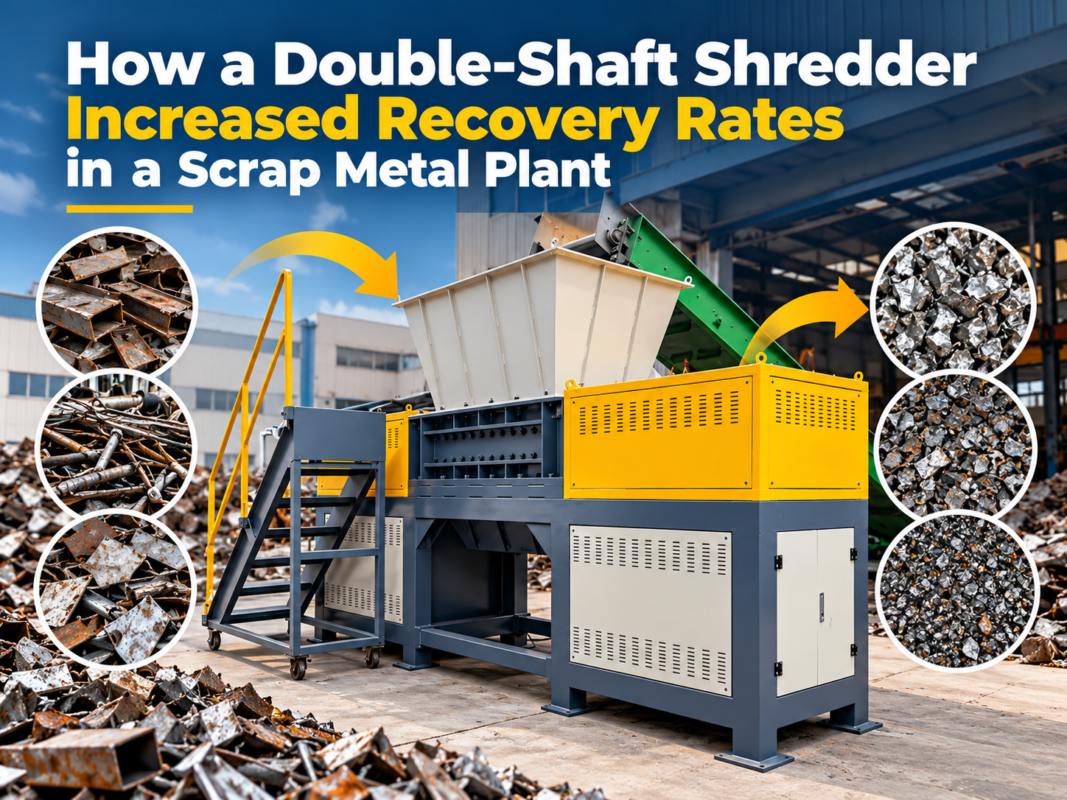
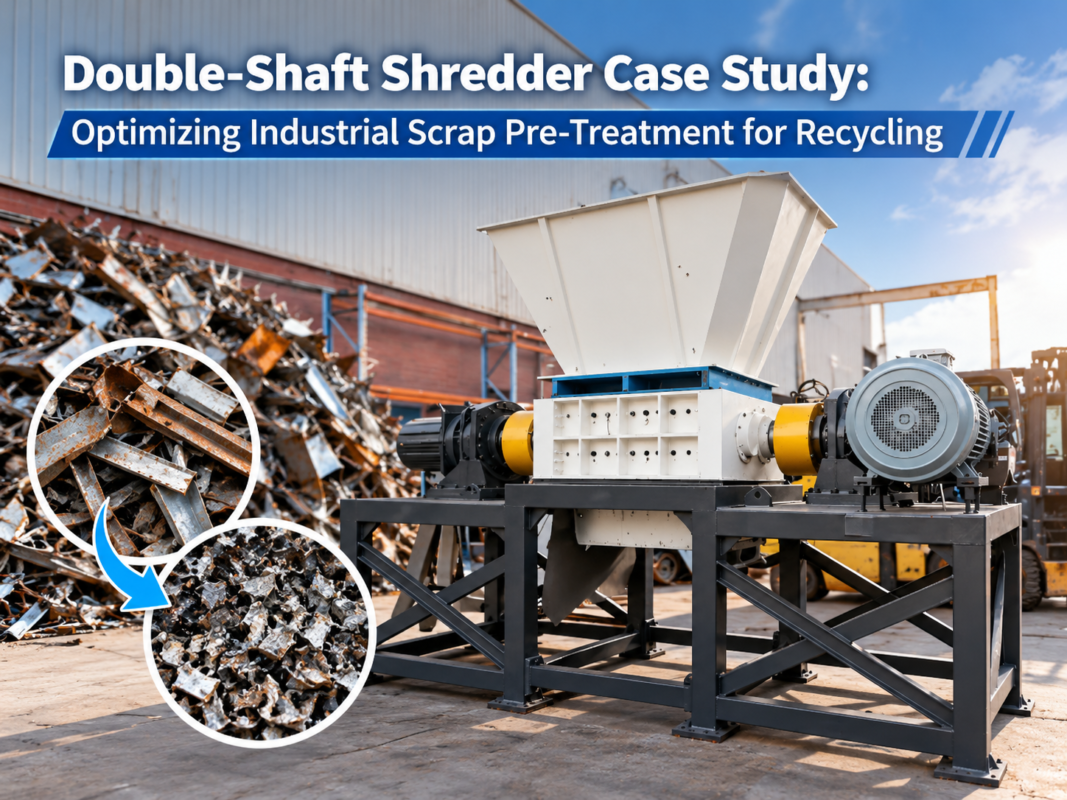
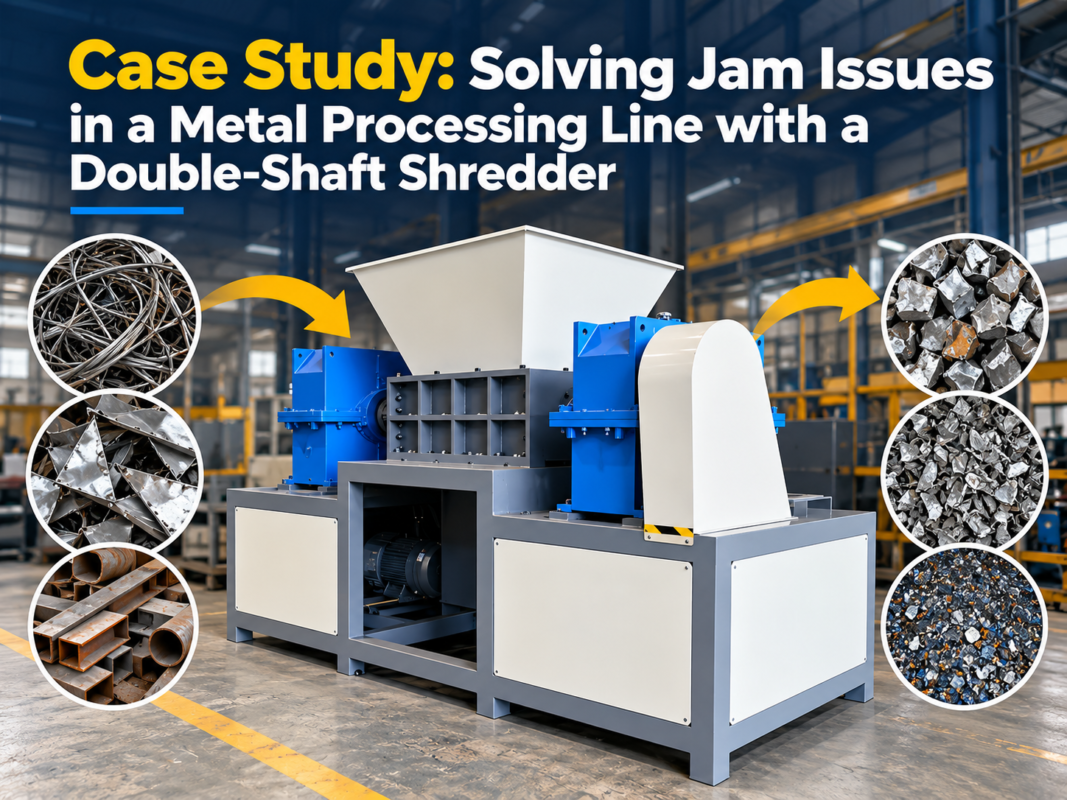
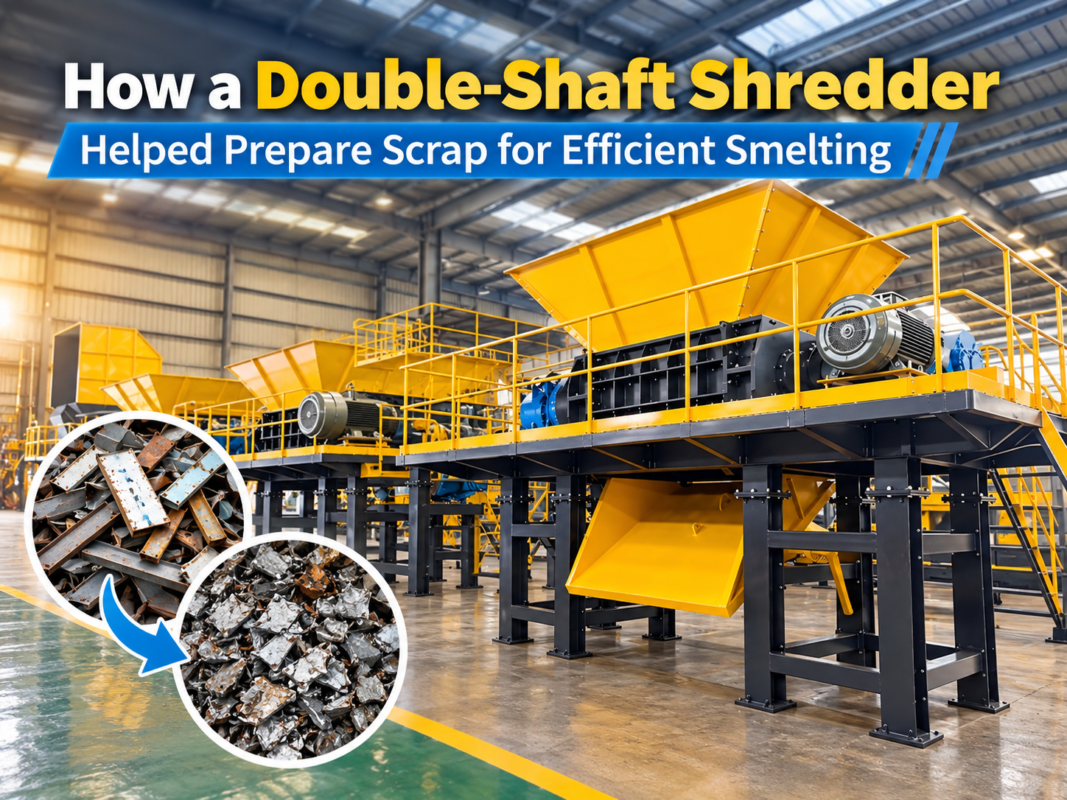
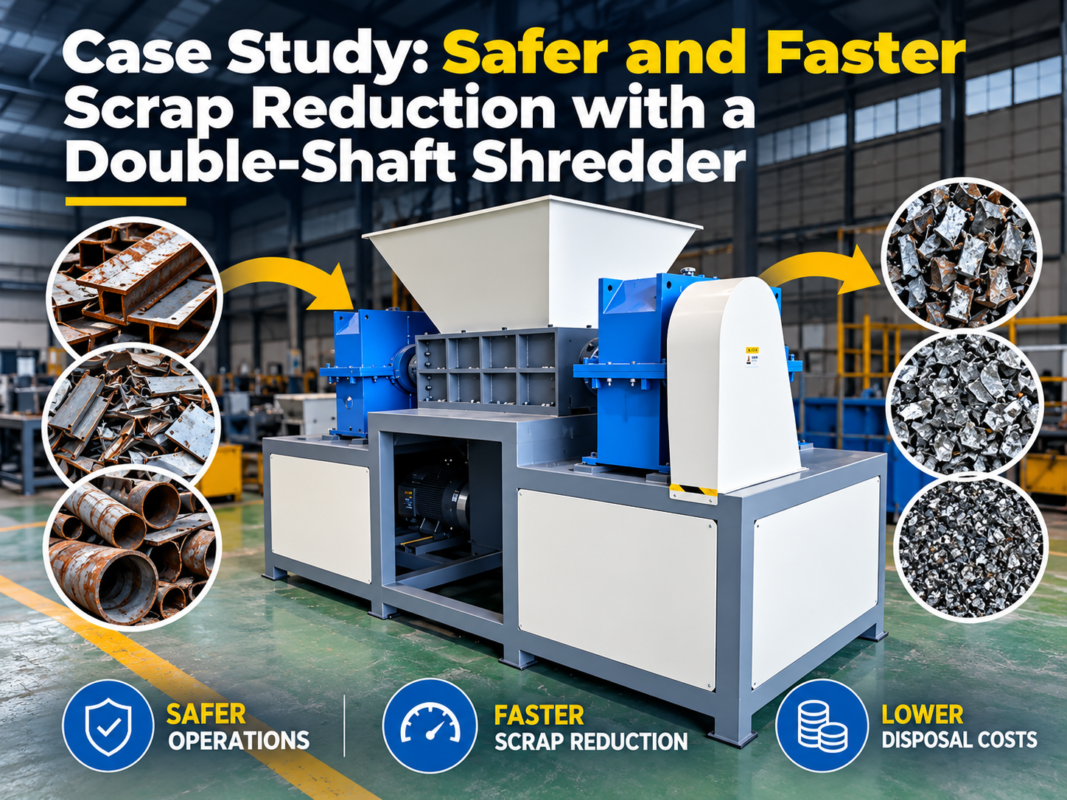
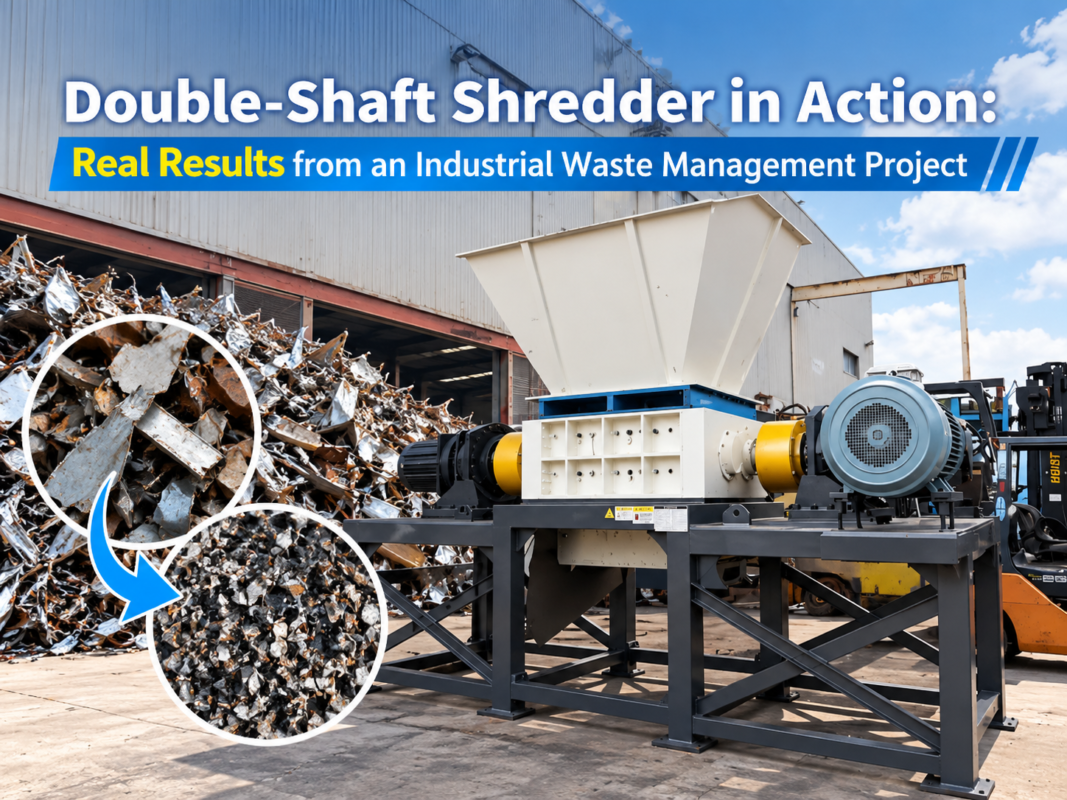
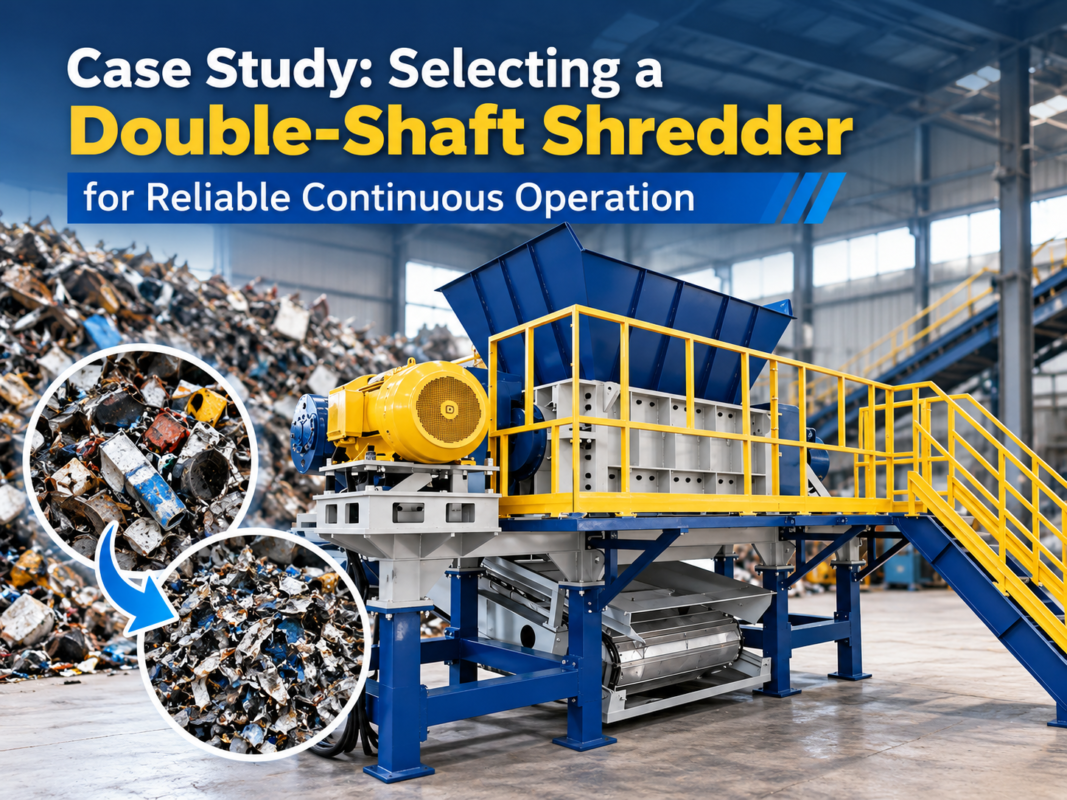
The most critical parameter when evaluating the best materials for briquetting machine feedstock and their processing requirements is the particle size distribution. Ideally, metal chips should be broken down into smaller, uniform pieces. Long, stringy turnings can cause bridging in the hopper, leading to inconsistent feeding and potential damage to the auger or pre-compression chamber. Implementing a shredder upstream of the briquetting machine is often a necessary processing requirement for long-chip materials.
Moisture content and lubricant levels are equally vital. While metal chips are often coated in cutting oils or coolants, excessive liquid can lead to “hydraulic lock” or poor briquette cohesion. The HARSLE briquetting process is designed to recover these fluids, but the feedstock must not be saturated to the point of creating a slurry. A controlled moisture level ensures that the pressure is applied to the metal particles rather than the fluid, resulting in a denser, more durable briquette.
Material hardness dictates the pressure requirements of the machine. Softer metals like aluminum and copper are relatively easy to compress and require lower tonnage to reach the desired density. Conversely, harder materials like stainless steel or titanium alloys require significantly higher pressure and may necessitate specialized wear-resistant components within the briquetting chamber to prevent premature degradation of the dies and punches.
Finally, the purity of the feedstock is paramount. Contamination with non-metallic materials, such as plastics, rubber, or wood, can compromise the structural integrity of the briquette and potentially contaminate the smelting furnace. A robust magnetic separation system should be employed to remove ferrous contaminants from non-ferrous streams, ensuring that the feedstock meets the strict requirements of secondary metal processors.
Calculation Method for Briquetting Efficiency
To determine the efficiency of your briquetting operation, you must calculate the compression ratio. This is defined as the ratio between the volume of the loose material and the volume of the resulting briquette. A higher compression ratio generally indicates a more efficient process and a higher-quality product. The formula is: CR = V_loose / V_briquette, where V_loose is the volume of the hopper feed and V_briquette is the volume of the finished puck.
Another essential calculation involves the throughput capacity, measured in kilograms per hour (kg/h). This is determined by the cycle time of the hydraulic press and the density of the material being processed. For a HARSLE machine, the cycle time is fixed, but the mass per cycle varies based on the material’s bulk density. Operators should regularly weigh the output of the machine over a one-hour period to ensure that the system is operating at its rated capacity.
Energy consumption per ton of briquettes is a key performance indicator (KPI) for cost analysis. By monitoring the power draw of the hydraulic pump during the compression stroke, you can identify if the machine is working harder than necessary, which may indicate that the feedstock is too dense or that the die is worn. Keeping this metric low is essential for maintaining the profitability of your recycling program.
Lastly, calculating the fluid recovery rate is vital for facilities that use expensive synthetic coolants. By measuring the volume of fluid collected from the briquetting machine’s drainage system, you can determine the percentage of coolant recovered from the chips. This data allows for a precise ROI calculation, as the cost savings from recovered fluids often pay for the briquetting machine within a short timeframe.
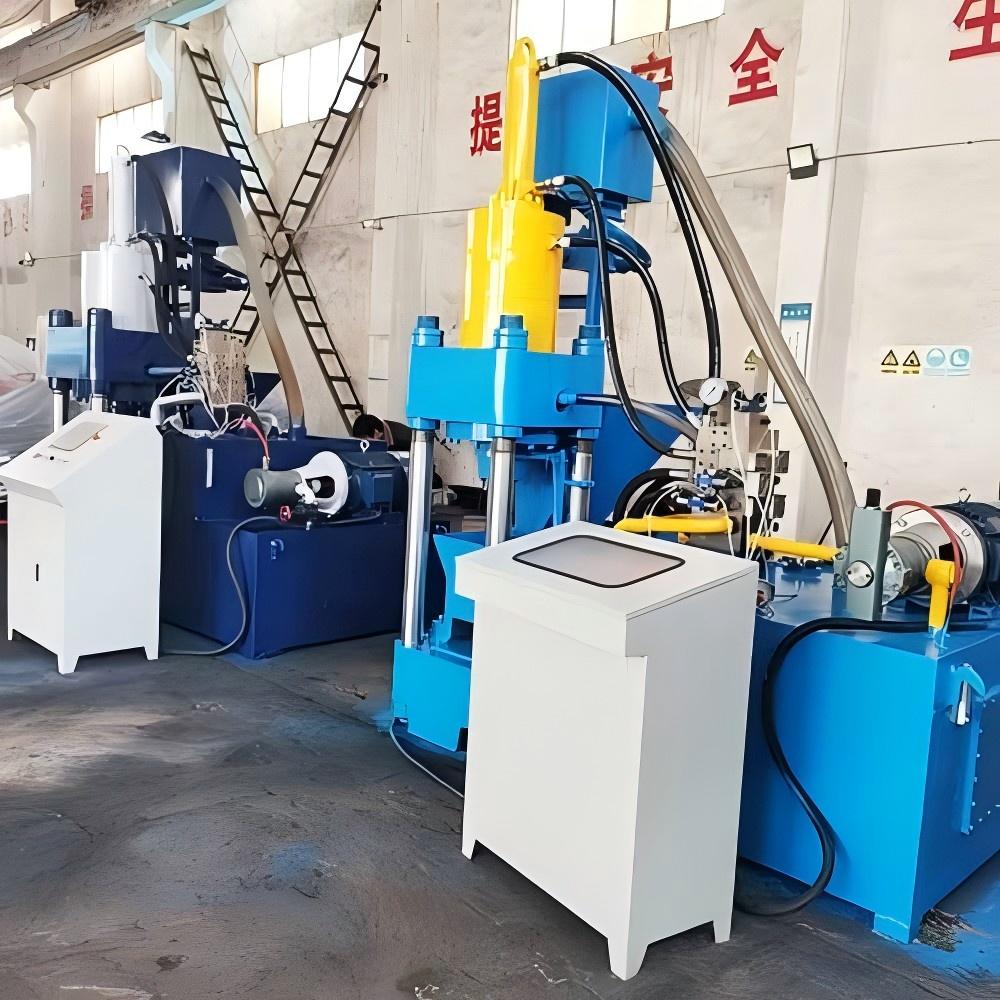
Parameter Table: Material Processing Requirements
| Material Type | Hardness (Mohs) | Recommended Pressure (MPa) | Moisture Tolerance | Processing Note |
|---|---|---|---|---|
| Aluminum | 2.5 – 3.0 | 150 – 200 | Moderate | High volume, low density |
| Copper | 2.5 – 3.0 | 180 – 220 | Low | Highly ductile, easy to bond |
| Brass | 3.0 – 4.0 | 200 – 250 | Low | Requires consistent chip size |
| Steel (Mild) | 4.0 – 5.0 | 250 – 300 | Low | High density, requires high force |
| Stainless Steel | 5.0 – 6.0 | 300+ | Very Low | Work-hardens, needs robust dies |
| Cast Iron | 5.0 – 6.0 | 250 – 280 | Moderate | Brittle, creates fine dust |
Common Engineering Mistakes in Briquetting
One of the most frequent mistakes in briquetting operations is the failure to properly size the feedstock. Operators often attempt to feed long, stringy turnings directly into the machine. This leads to “bridging,” where the material forms an arch above the compression chamber, preventing it from falling into the die. This not only reduces throughput but can also cause the machine to trigger safety alarms or stall, leading to unnecessary downtime.
Another common error is ignoring the wear on the die and punch assembly. As the machine processes abrasive materials, the internal dimensions of the die will gradually increase. If the clearance between the punch and the die becomes too large, the material will extrude around the punch rather than compressing into a solid puck. This results in “flashing” or poorly formed briquettes that fall apart during transport. Regular inspection and timely replacement of these components are critical.
Inadequate cooling of the hydraulic system is a mistake that often goes unnoticed until the machine begins to lose pressure. Briquetting is a high-pressure, high-frequency operation that generates significant heat in the hydraulic fluid. If the oil cooler is not maintained or if the ambient temperature in the facility is too high, the viscosity of the oil will drop, leading to a loss of compression force and potential damage to the hydraulic seals.
Finally, many facilities fail to implement a proper maintenance schedule for the lubrication of moving parts. While the briquetting process itself is “self-lubricating” to an extent due to the cutting fluids in the chips, the mechanical linkages, guide rails, and bearings of the HARSLE machine require dedicated lubrication. Neglecting these points leads to increased friction, higher energy consumption, and accelerated wear on the machine’s structural components.
Selection Checklist for Briquetting Feedstock
- Material Uniformity: Ensure that the feedstock is free of large, tangled turnings that could block the hopper.
- Contamination Check: Verify that the material is free of non-metallic debris like plastic, paper, or shop rags.
- Moisture Control: Check that the chips are not dripping with excess coolant; a damp surface is acceptable, but saturation is not.
- Material Compatibility: Confirm that the briquetting machine’s pressure rating is sufficient for the hardness of the metal being processed.
- Magnetic Separation: Ensure that ferrous and non-ferrous materials are separated if they are to be sold to different scrap buyers.
- Storage Conditions: Store feedstock in a dry, covered area to prevent oxidation and excessive moisture accumulation.
FAQ: Best Materials for Briquetting Machine Feedstock
Q: Can I mix different types of metal in the same briquetting machine?
A: While technically possible, it is highly discouraged. Mixing metals (e.g., aluminum and steel) significantly reduces the resale value of the briquettes. It is best to process one material type at a time and clean the hopper between batches.
Q: How often should I replace the die and punch on my HARSLE machine?
A: The lifespan of these components depends on the abrasiveness of the material. For soft metals like aluminum, they may last for thousands of cycles. For harder materials like stainless steel, more frequent inspections are required. We recommend checking for signs of wear every 500 hours of operation.
Q: Why are my briquettes crumbling after they exit the machine?
A: This is usually caused by either insufficient pressure, incorrect particle size, or excessive moisture. Check your hydraulic pressure settings and ensure your shredder is producing a consistent chip size.
Q: Does the HARSLE briquetting machine require a special foundation?
A: Most HARSLE models are designed to be floor-mounted on a level, reinforced concrete surface. However, for high-tonnage units, we recommend consulting our technical specifications to ensure your floor can handle the dynamic loads of the press.
Q: Can I process dry chips without any lubricant?
A: Yes, but dry chips are more difficult to compress and cause more wear on the die. If you are processing dry material, you may need to increase the pressure and consider using a small amount of specialized binding agent or lubricant if the material is particularly difficult to bond.