Alligator Shear Technical Guide: How It Works, Key Components, and Best Practices for Metal Scrap Cutting

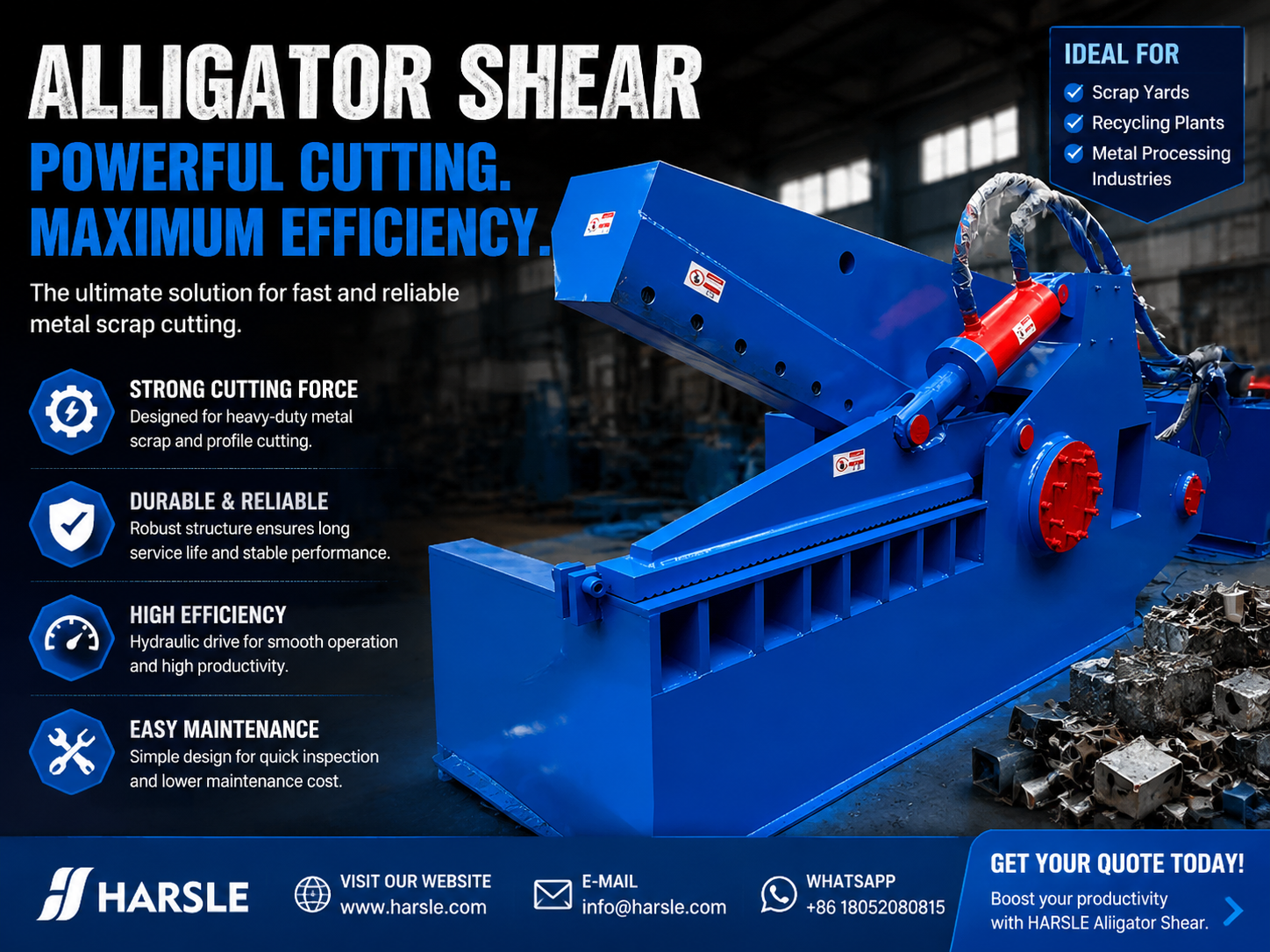
Technical Overview of Alligator Shears in Modern Recycling
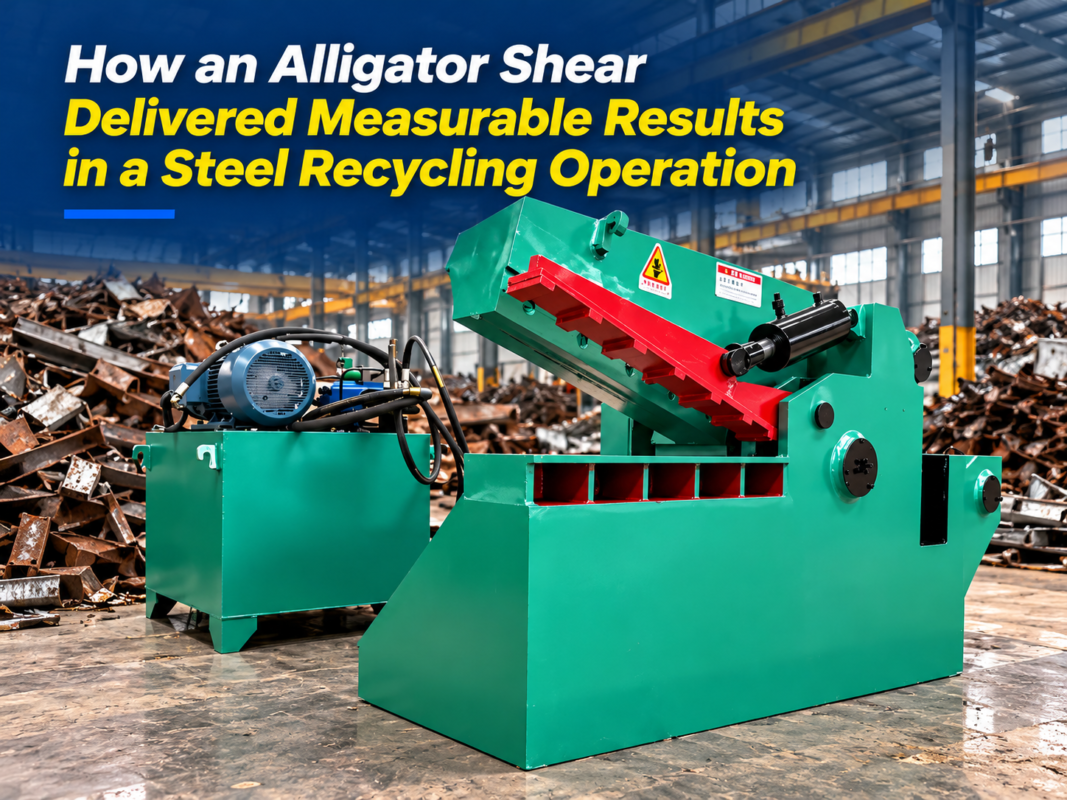
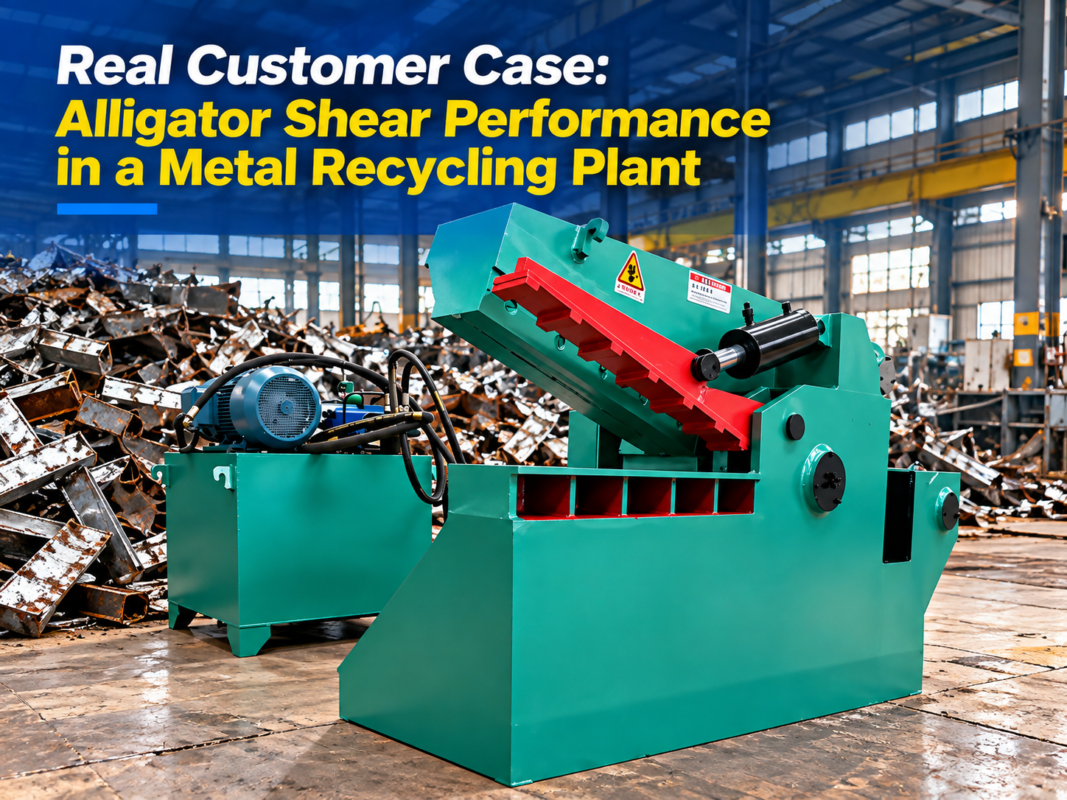
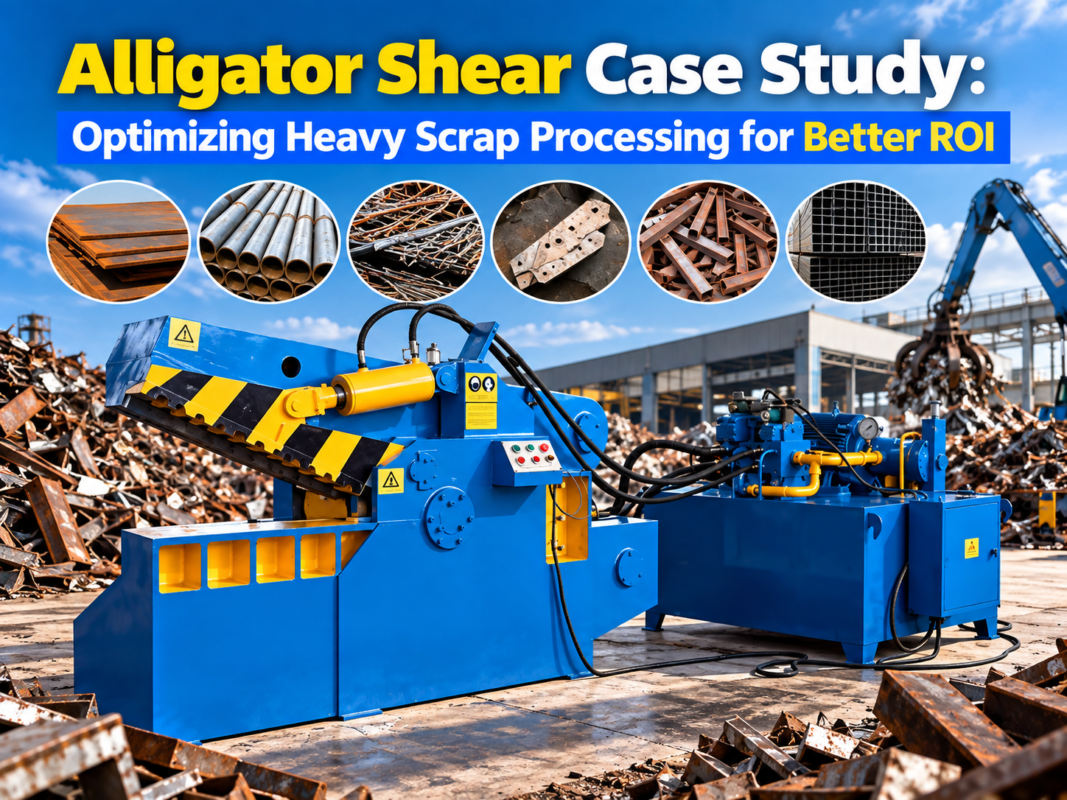
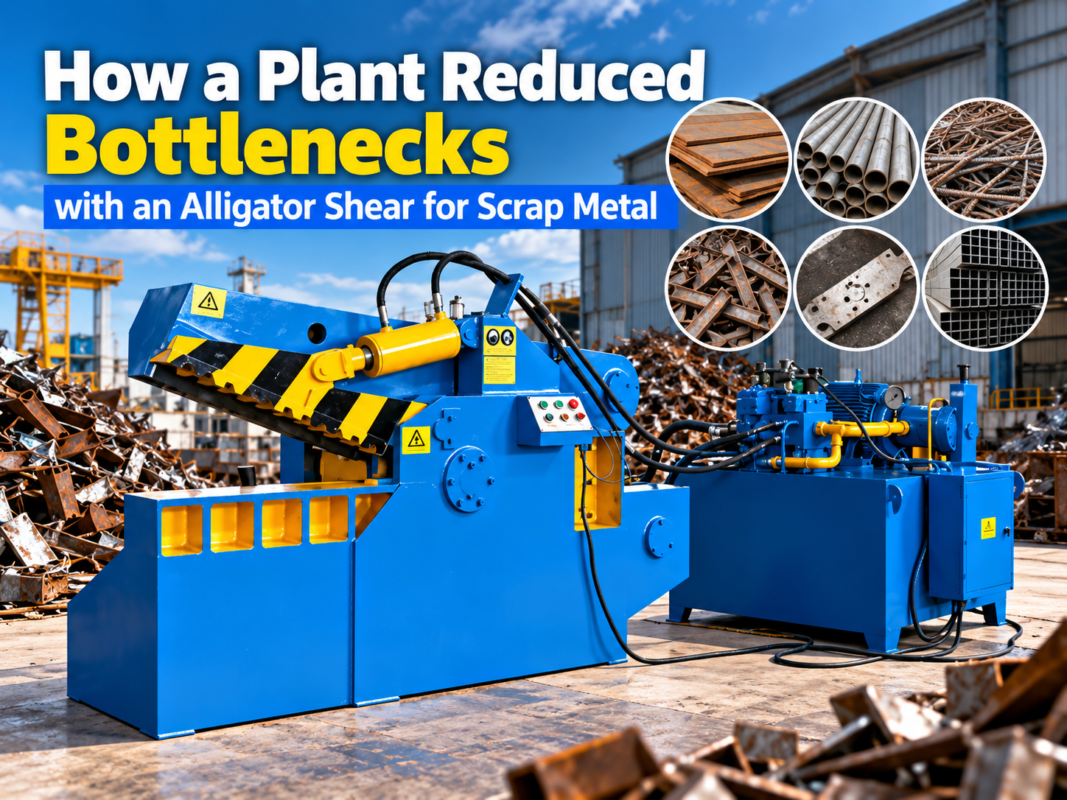
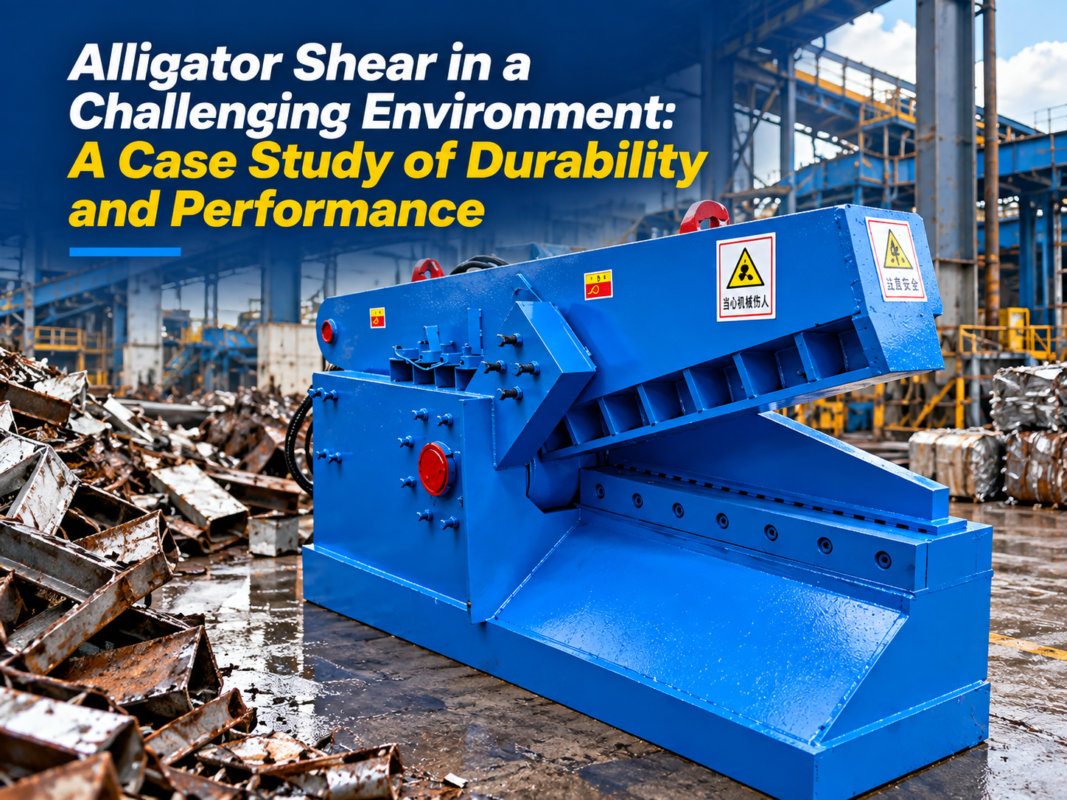
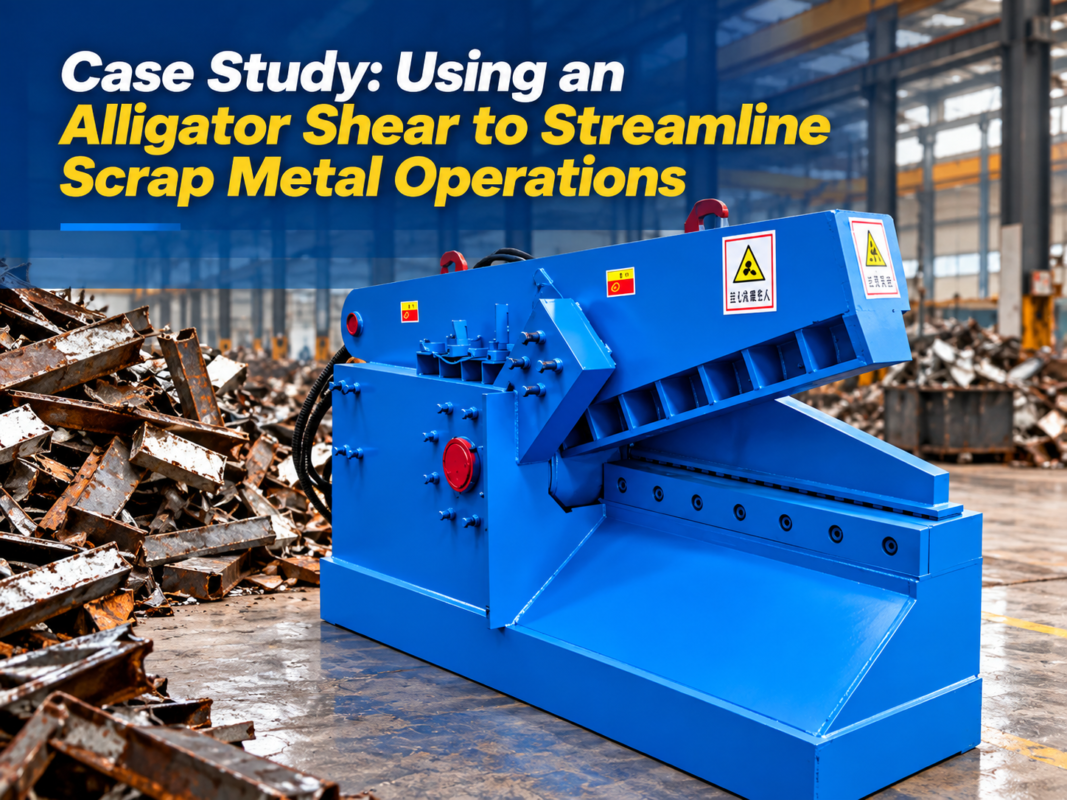
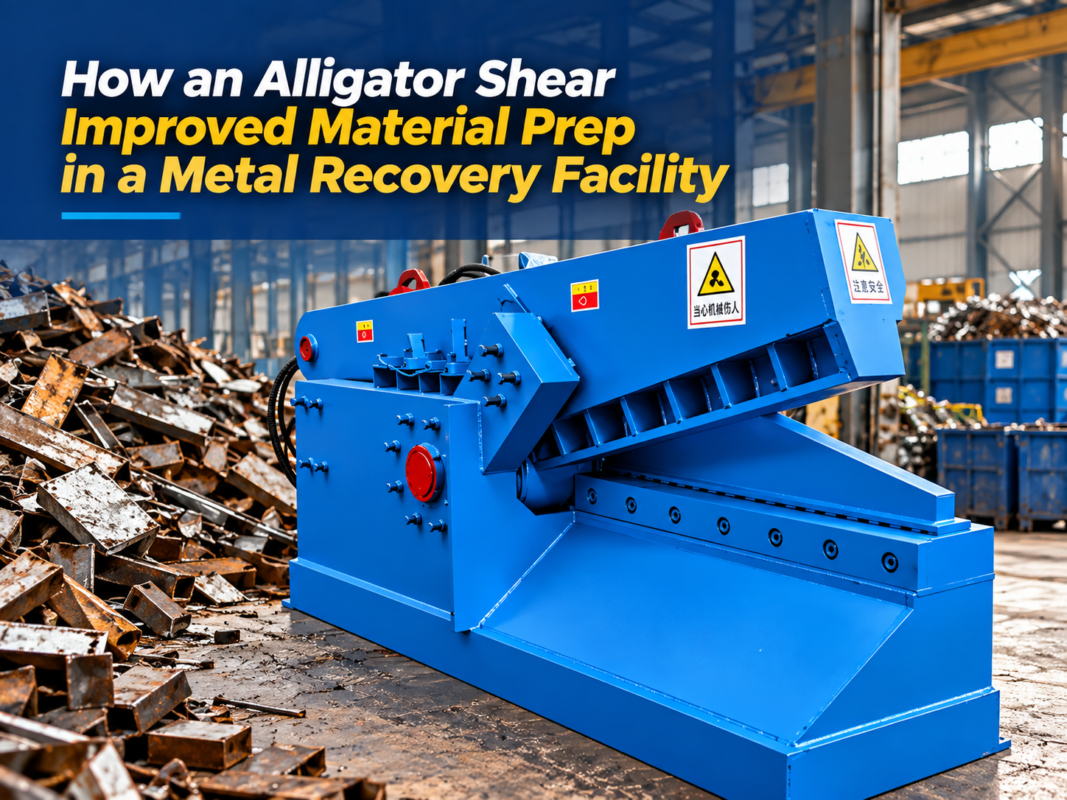
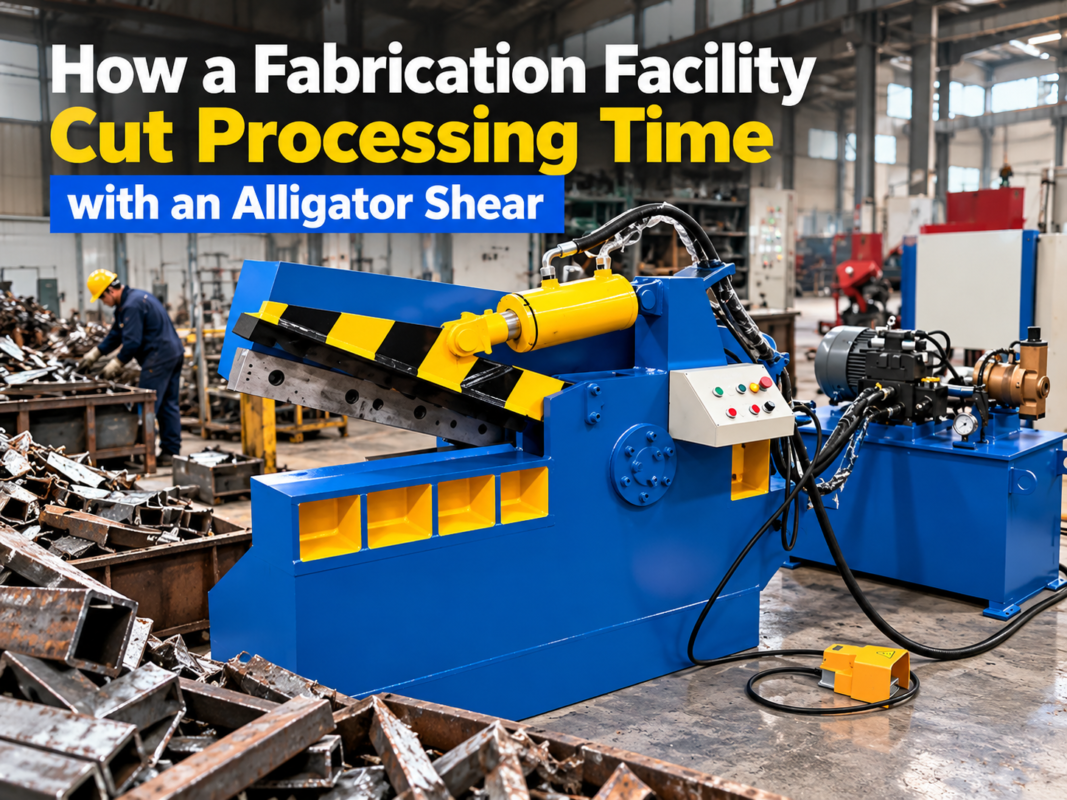
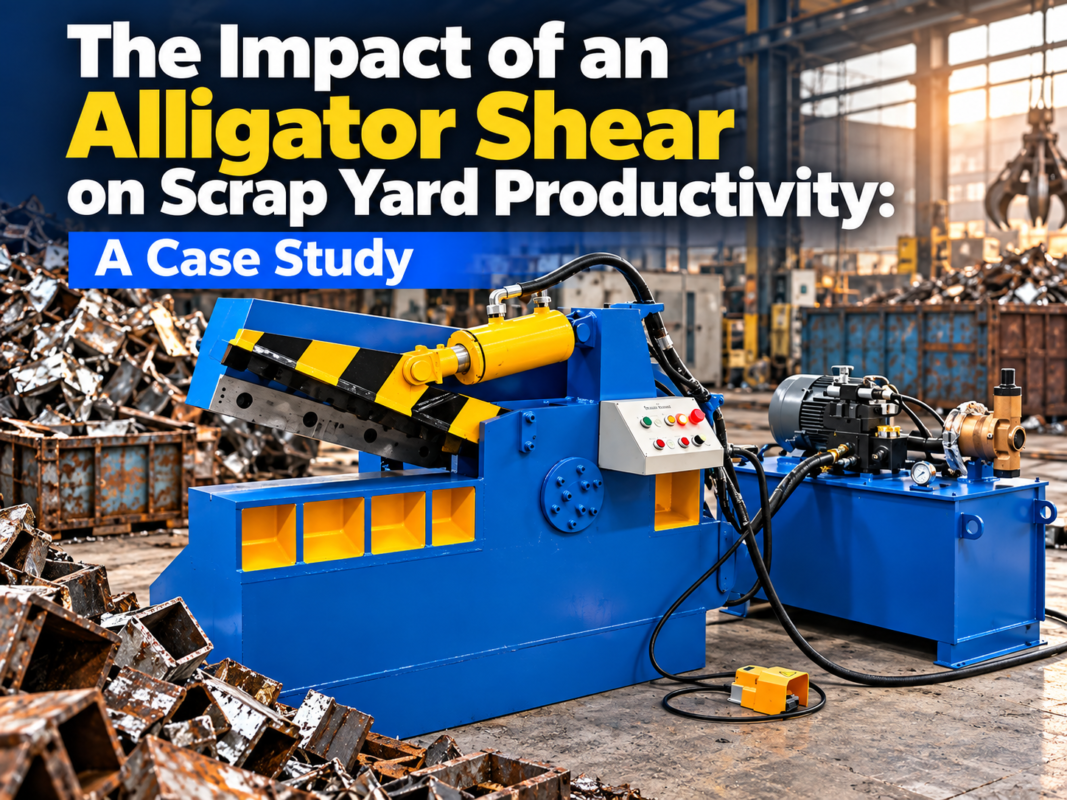
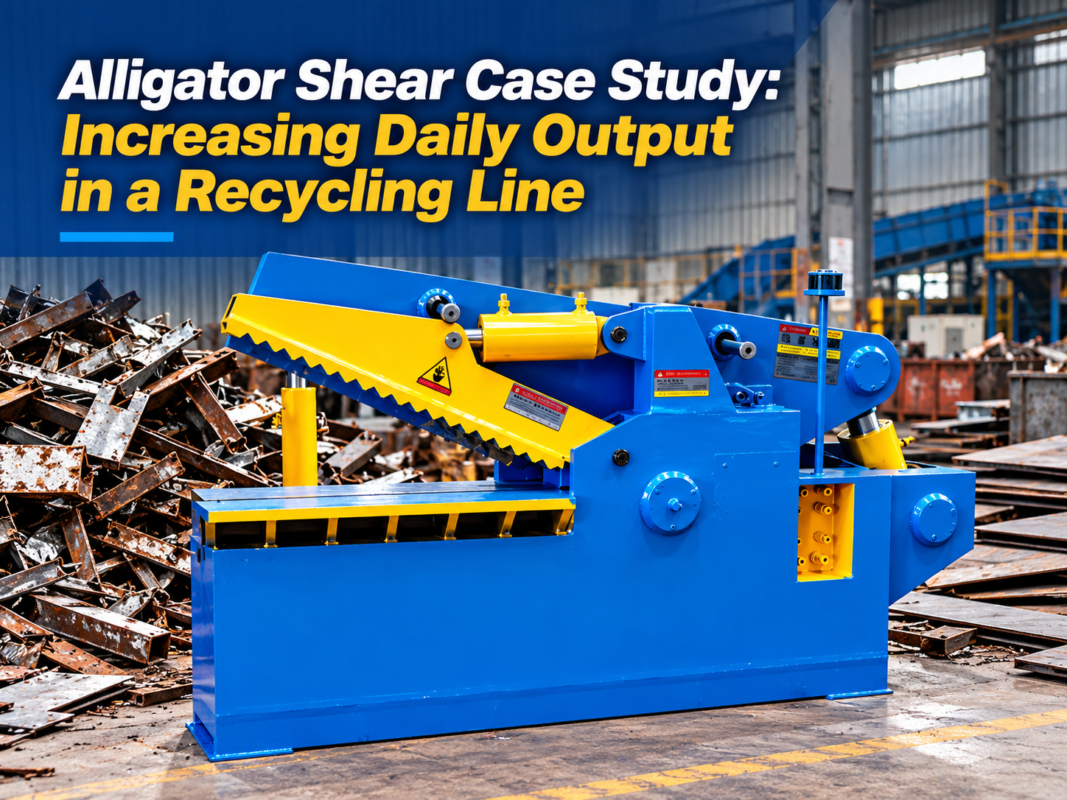
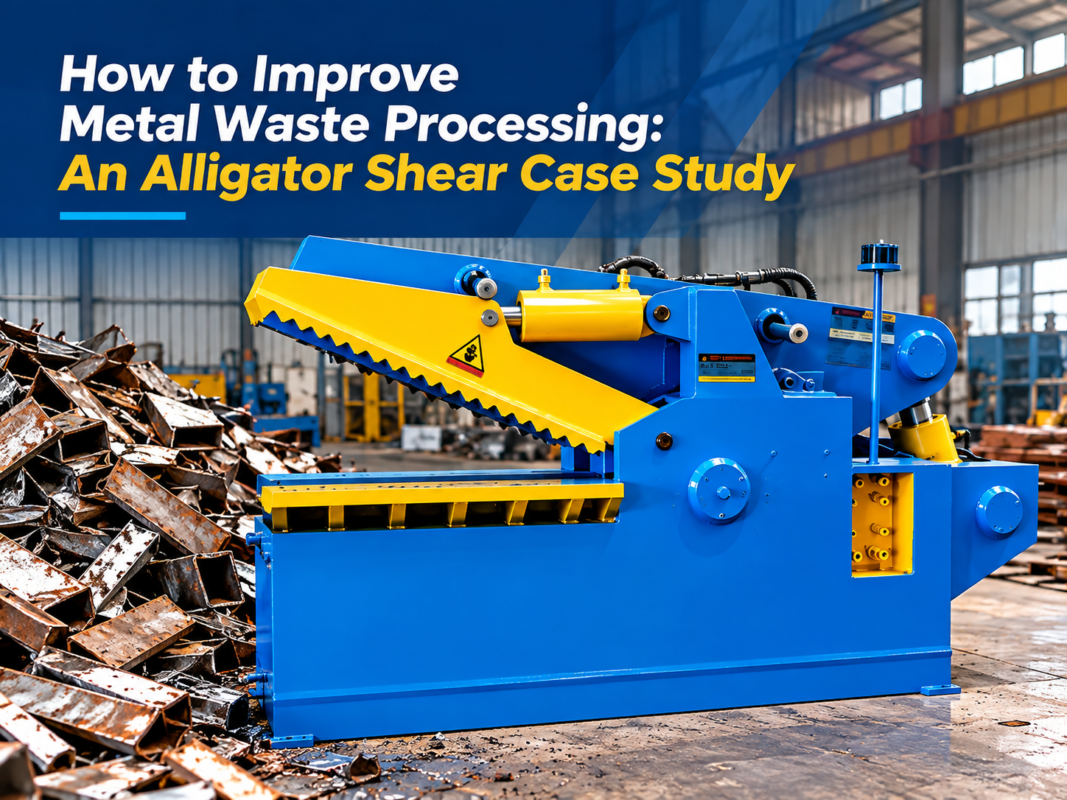
The alligator shear, often referred to as a crocodile shear, is a fundamental piece of equipment in the metal recycling and fabrication industry. Its primary function is to cold-cut various metal shapes—such as round steel, square steel, angle iron, I-beams, plate steel, and steel pipes—into manageable sizes for further processing or smelting. The name ‘alligator’ is derived from the hinged jaw mechanism that mimics the biting action of the reptile. In the context of Alligator Shear Technical : It Works, Key Components, Best Practices Metal Scrap Cutting, understanding the mechanical leverage and hydraulic integration is paramount for any facility manager or operator.
At its core, the alligator shear operates on the principle of a first-class lever combined with high-pressure hydraulic force. Unlike mechanical shears that rely on flywheels and clutches, hydraulic alligator shears offer more controlled pressure and the ability to stop or reverse the stroke at any point. This flexibility is crucial when dealing with unpredictable scrap materials that may vary in hardness or thickness. HARSLE alligator shears are engineered to provide a consistent cutting force across the entire blade length, ensuring that even the toughest alloys are processed with minimal energy waste.
The evolution of these machines has seen a shift from manual foot-pedal operations to fully automated systems integrated with conveyor belts and sensors. Modern alligator shears are designed with a focus on structural integrity. The main frame is typically a heavy-duty welded or cast steel structure, designed to withstand the immense reactive forces generated during the shearing process. Without a rigid frame, the machine would suffer from deflection, leading to premature blade wear and potential catastrophic failure of the pivot pins.
Furthermore, the hydraulic circuit in a high-quality alligator shear is designed for efficiency. It utilizes a combination of high-flow pumps for rapid jaw movement and high-pressure valves for the actual cutting phase. This ‘dual-speed’ approach maximizes throughput without requiring excessively large motors. As we delve deeper into this Alligator Shear Technical Guide How It Works Key Components And Best Practices For Metal Scrap Cutting, it becomes clear that the synergy between mechanical design and hydraulic precision is what defines a world-class machine.
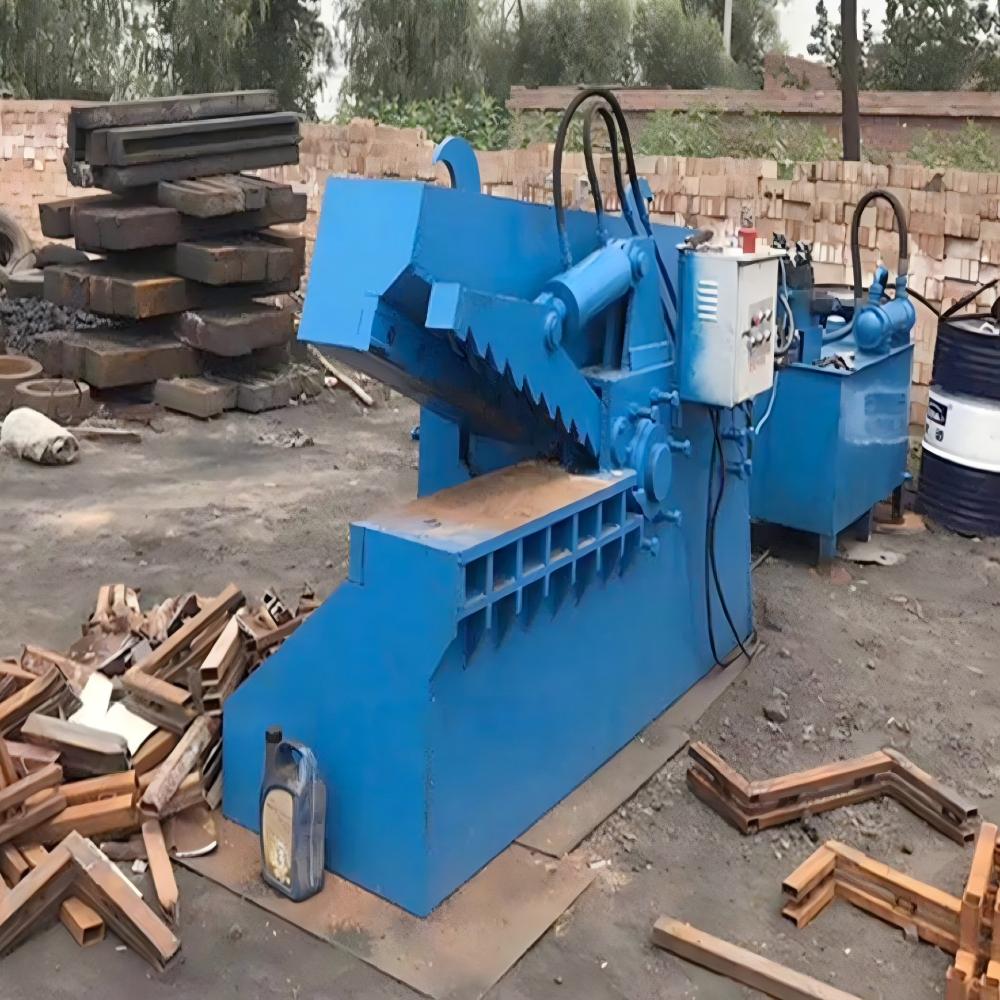
Core Components of an Alligator Shear
To fully grasp the Alligator Shear Technical : It Works, Key Components, Best Practices Metal Scrap Cutting, one must examine the individual parts that contribute to its performance. The most critical component is the blade set. These blades are usually manufactured from high-strength tool steel, such as H13 or 9CrSi, which undergoes rigorous heat treatment to achieve a hardness of 55-60 HRC. The geometry of the blade—specifically the rake angle—is optimized to reduce the initial impact force while maintaining a clean cut through the material.
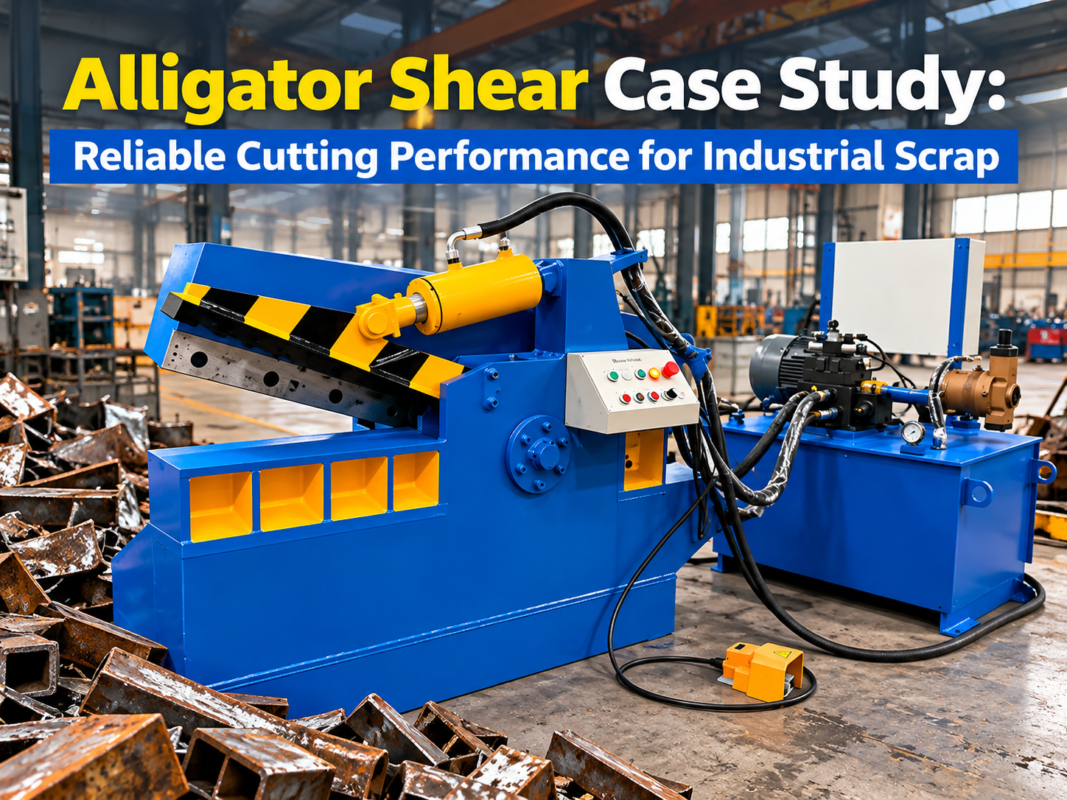
The hydraulic cylinder is the ‘heart’ of the machine. It converts hydraulic energy into linear mechanical force. In HARSLE machines, these cylinders feature chrome-plated piston rods and high-grade seals (often sourced from international brands like PARKER or NOK) to prevent internal leakage and ensure a long service life. The cylinder is connected to the upper jaw via a heavy-duty pivot pin, which must be regularly lubricated to prevent friction-induced heat and wear.
Another vital component is the hold-down mechanism. In many scrap scenarios, the material tends to ‘kick up’ during the cut due to the uneven distribution of force. A hydraulic or mechanical hold-down device secures the scrap against the lower blade, preventing movement that could damage the blades or injure the operator. This feature is a hallmark of professional-grade Metal Fabrication Equipment and is essential for maintaining safety standards in a busy scrapyard.
The control system, ranging from simple manual valves to PLC-based electronic controls, dictates the operational rhythm of the shear. Advanced models include pressure transducers that monitor the load in real-time. If the machine encounters a piece of scrap that exceeds its rated capacity, the system automatically bypasses the flow to the tank, preventing structural damage. This level of ‘intelligence’ is what separates modern HARSLE shears from older, purely mechanical alternatives.
Core Parameters and Technical Specifications
When evaluating an alligator shear, several core parameters must be considered to ensure the machine matches the operational requirements. The most prominent parameter is the ‘Shear Force,’ usually measured in tons (e.g., 63T, 100T, 250T, 500T). This force determines the maximum thickness and type of material the machine can handle. For instance, a 100-ton shear might easily cut 20mm thick mild steel plate but struggle with 15mm stainless steel due to the latter’s higher tensile strength.
Blade length is another critical factor. Standard lengths range from 400mm to 1200mm. A longer blade allows for the processing of wider sheets or multiple smaller pieces in a single stroke, but it also requires a more robust frame to prevent twisting. The ‘Max Opening’ or ‘Jaw Gap’ determines the maximum diameter of pipes or the height of I-beams that can be fed into the machine. If the opening is too small, the operator must pre-process the scrap, which adds labor costs and reduces efficiency.
Cycle time, or the number of cuts per minute, directly impacts productivity. This is influenced by the pump’s flow rate (L/min) and the cylinder’s bore size. A faster cycle time is desirable for light scrap, while a slower, more powerful stroke is necessary for heavy structural steel. HARSLE machines often feature adjustable stroke lengths, allowing operators to shorten the cycle for smaller materials, thereby saving energy and time.
Motor power (kW) and hydraulic pressure (MPa) are the underlying drivers of these parameters. A typical industrial alligator shear might operate at pressures between 16MPa and 25MPa. It is essential to ensure that the facility’s electrical infrastructure can support the motor’s starting current, especially for larger models exceeding 30kW. Understanding these Alligator Shear Technical : It Works, Key Components, Best Practices Metal Scrap Cutting specifications is the first step in a successful procurement process.
Calculation Method for Shearing Force
To accurately determine if a specific alligator shear is suitable for a task, engineers use a specific calculation method. The theoretical shearing force (F) required to cut a piece of metal can be estimated using the formula: F = L × T × σ, where ‘L’ is the length of the cut, ‘T’ is the thickness of the material, and ‘σ’ (sigma) is the shear strength of the material. However, in practical applications, a safety factor (k) is added to account for blade dullness and material variations.
The modified formula is: F = k × A × τ. Here, ‘A’ represents the cross-sectional area of the material (for a round bar, A = πr²), and ‘τ’ (tau) is the ultimate shear strength. For most mild steels, the shear strength is approximately 75% of the tensile strength. If you are cutting a 50mm diameter solid mild steel bar, the area is roughly 1963 mm². With a shear strength of 300 N/mm², the required force is approximately 588,900 Newtons, or about 60 tons. Therefore, a 100-ton shear would be the appropriate choice to provide a comfortable margin of safety.
It is also important to consider the ‘Rake Angle’ of the blades. A higher rake angle reduces the required force because it concentrates the pressure on a smaller area of the material at any given moment (similar to how scissors work). However, a high rake angle can also cause more distortion in the cut piece. For scrap processing, where the shape of the output is less critical than the speed and ability to cut, a moderate rake angle is usually preferred to balance force requirements and blade longevity.
Operators should also be aware of the ‘Shear Zone.’ The force is not constant throughout the stroke. It peaks just as the material begins to fracture. If the hydraulic system cannot maintain pressure during this peak, the cut will stall. This is why HARSLE utilizes high-inertia hydraulic circuits that can deliver a burst of energy when the resistance is highest. Mastering these calculations is a core part of the Alligator Shear Technical Guide How It Works Key Components And Best Practices For Metal Scrap Cutting.
Parameter Table for HARSLE Alligator Shears
| Model | Shear Force (Tons) | Blade Length (mm) | Max Opening (mm) | Cuts per Minute | Power (kW) |
|---|---|---|---|---|---|
| Q43-63 | 63 | 400/600 | 280 | 8-12 | 7.5 |
| Q43-100 | 100 | 600/700 | 320 | 8-12 | 11 |
| Q43-120 | 120 | 600/800 | 350 | 10-15 | 15 |
| Q43-160 | 160 | 800/1000 | 420 | 10-15 | 18.5 |
| Q43-250 | 250 | 1000/1200 | 500 | 6-10 | 22 |
| Q43-500 | 500 | 1200/1500 | 600 | 4-8 | 45 |
Common Engineering Mistakes in Alligator Shear Operation
One of the most frequent mistakes in scrap metal cutting is ‘Overloading.’ Operators often attempt to cut materials that exceed the machine’s rated capacity or try to cut hardened steel (like automotive leaf springs) with standard blades. This leads to ‘blade chipping’ or, worse, the cracking of the main pivot housing. Always verify the material grade before processing. If the machine struggles or the relief valve chatters, stop immediately.
Another common error is neglecting the ‘Blade Gap.’ As the machine operates, the bolts holding the blades can loosen, or the blades themselves can wear down, increasing the clearance between the upper and lower knives. When the gap is too large, the metal will ‘fold’ or ‘tear’ rather than cut cleanly. This creates immense lateral pressure on the jaws, which can lead to the bending of the main frame. Regularly shimming the blades to maintain a gap of 0.1mm to 0.3mm (depending on material thickness) is vital.
Improper hydraulic fluid management is a silent killer of alligator shears. Using the wrong viscosity oil or failing to change the oil and filters leads to internal component wear. In hot climates, the oil can thin out, reducing the efficiency of the pump and causing the seals to harden and leak. Conversely, in cold climates, thick oil can cause cavitation in the pump. HARSLE recommends using high-quality anti-wear hydraulic oil (ISO VG 46 or 68) and installing an air or water cooler for high-duty cycle operations.
Finally, ignoring the ‘Kickback’ phenomenon is a major safety and engineering mistake. When a piece of scrap is cut, the stored elastic energy is suddenly released, causing the material to fly outward. If the hold-down device is not used or is improperly adjusted, this can damage the machine’s surroundings or injure personnel. Ensuring the scrap is fed at a 90-degree angle to the blades and properly secured is a fundamental best practice in Alligator Shear Technical : It Works, Key Components, Best Practices Metal Scrap Cutting.
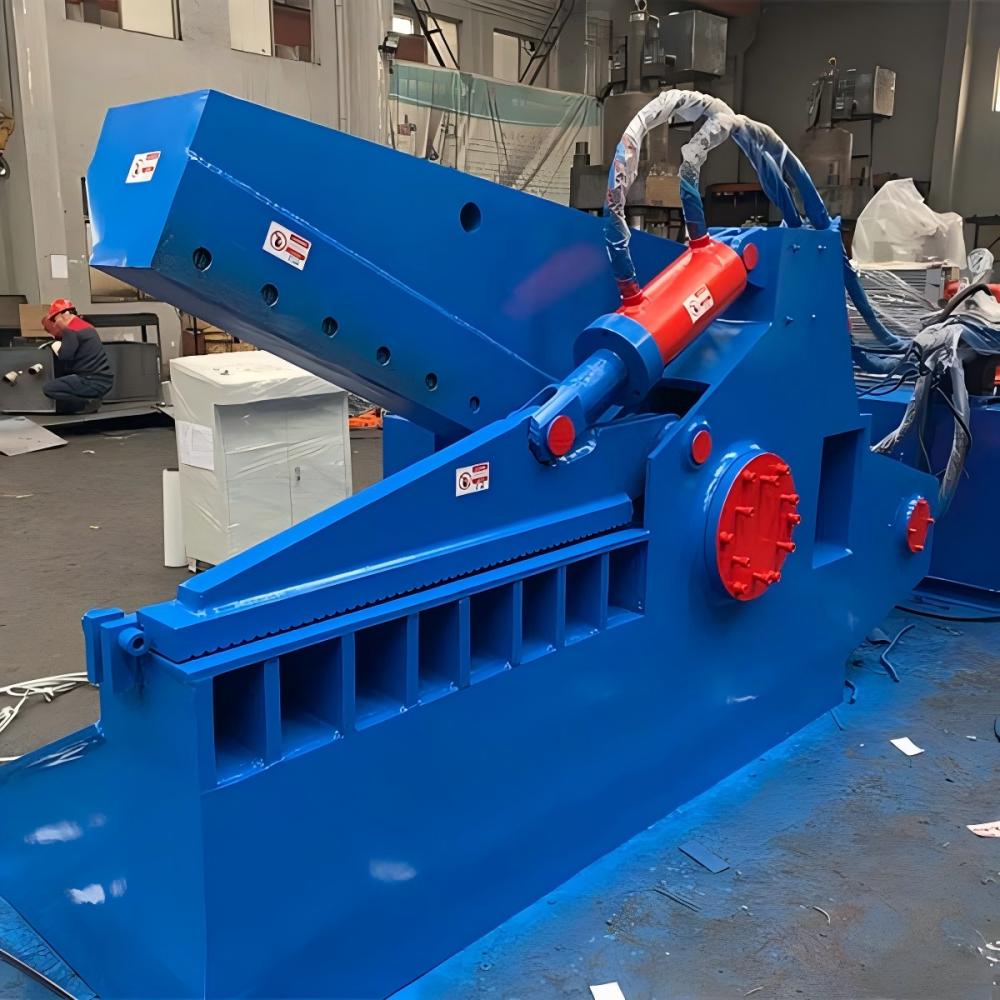
Selection Checklist for Industrial Alligator Shears
Choosing the right alligator shear requires a systematic approach. Use the following checklist to ensure the selected machine meets your long-term needs:
- Material Type and Thickness: What is the hardest and thickest material you process? Ensure the shear force (Tons) is at least 20% higher than your theoretical maximum requirement.
- Production Volume: How many tons of scrap do you process per day? This determines the required cycle speed and motor power. High-volume yards should opt for machines with automatic cycles and cooling systems.
- Blade Length Requirements: Do you process large sheets or long pipes? Match the blade length to your most common scrap dimensions to minimize pre-cutting labor.
- Power Supply: Does your facility have the necessary voltage and amperage? Large shears require stable 3-phase power. Consider a diesel-powered unit if you operate in a remote yard without grid access.
- Safety Features: Does the machine include a hydraulic hold-down, emergency stop buttons, and protective cages? Safety should never be compromised for price.
- Maintenance Accessibility: Are the grease points easily accessible? Can the blades be removed and sharpened without dismantling the entire jaw? HARSLE designs prioritize ease of maintenance.
- Hydraulic Component Quality: Check the brand of the valves, pumps, and seals. High-quality components reduce downtime and long-term operating costs.
- Footprint and Layout: Ensure you have enough space for the machine, the material inflow, and the processed outflow. Alligator shears require a stable concrete foundation to minimize vibration.
- After-Sales Support: Does the manufacturer provide detailed manuals, spare parts availability, and technical support? A machine is only as good as the support behind it.
- Budget vs. Total Cost of Ownership: While initial price is important, consider energy efficiency, blade life, and resale value. A cheaper, underpowered machine will cost more in repairs and lost productivity.
Maintenance and Best Practices for Longevity
To maximize the lifespan of your Industrial Machinery Guide-compliant alligator shear, a rigorous maintenance schedule is non-negotiable. Daily inspections should include checking the oil level, inspecting hydraulic hoses for leaks or abrasions, and ensuring all bolts are tight. The pivot pin and cylinder clevis should be greased every 4-8 hours of operation to ensure smooth movement and prevent galling.
Blade maintenance is perhaps the most critical aspect of alligator shear care. Blades should be rotated or sharpened as soon as the cutting edge becomes rounded. Most HARSLE blades are four-sided, meaning you can flip them to use a fresh edge before needing a full regrind. When regrinding, it is essential to use a coolant to prevent overheating the steel, which would draw the temper and soften the edge. After installing sharpened blades, always re-adjust the blade gap using precision shims.
The hydraulic system requires periodic ‘bleeding’ to remove trapped air, which can cause ‘spongy’ operation and erratic jaw movement. Additionally, the hydraulic oil should be sampled and analyzed annually for contamination. If the oil appears cloudy or smells burnt, it must be replaced immediately. Keeping the oil clean is the best way to protect the expensive high-pressure pump and valve manifold.
Operational best practices also contribute to machine longevity. Operators should be trained to place the material as close to the pivot point as possible. This is where the mechanical advantage is highest, and the stress on the frame is most evenly distributed. Cutting at the very tip of the blades should be avoided for heavy materials, as it creates a massive cantilever load that can stress the pivot pin beyond its design limits. By following these Alligator Shear Technical : It Works, Key Components, Best Practices Metal Scrap Cutting guidelines, facilities can enjoy decades of reliable service.
Frequently Asked Questions (FAQ)
1. What is the difference between an alligator shear and a guillotine shear?
An alligator shear uses a hinged, jaw-like motion, making it ideal for irregular scrap, pipes, and profiles. A guillotine shear moves a straight blade vertically and is better suited for large volumes of flat plate steel or heavy HMS (Heavy Melting Scrap). Alligator shears are generally more versatile and affordable for small to medium recycling centers.
2. Can I cut stainless steel with a standard alligator shear?
Yes, but you must account for the fact that stainless steel is significantly harder than mild steel. You will typically need a machine with 50% more shear force than what would be required for the same thickness of mild steel. Additionally, specialized blades with higher cobalt content may be needed for high-volume stainless processing.
3. How often should I sharpen the blades?
This depends entirely on the material being cut. If you are cutting clean aluminum, blades may last months. If you are cutting sandy or rusty structural steel, you may need to rotate or sharpen the blades every few weeks. A clear sign that sharpening is needed is when the machine starts to ‘stall’ on materials it previously cut easily, or when the cut edges become excessively burred.
4. Why is my alligator shear losing power?
Power loss is usually attributed to three things: internal leakage in the hydraulic cylinder (worn seals), a failing hydraulic pump, or a misadjusted relief valve. First, check the system pressure with a gauge. If the pressure is reaching the rated MPa but the machine isn’t cutting, the issue is likely mechanical (dull blades or excessive gap). If the pressure is low, the issue is in the hydraulic circuit.
5. Is it better to have a foot pedal or an automatic cycle?
For precision cutting or sorting through mixed scrap, a foot pedal offers better control. For high-volume processing of uniform material, an automatic cycle (where the jaw moves continuously) is much more efficient. Many HARSLE models offer a selector switch to toggle between these two modes.
6. What safety equipment is mandatory for operators?
Operators must wear high-impact safety goggles or a full face shield, heavy-duty gloves, steel-toed boots, and hearing protection. Because alligator shears can eject small metal fragments at high velocity, a safety screen or ‘blast curtain’ should be installed between the operator and the cutting zone.
7. Can the machine be used outdoors?
Yes, alligator shears are commonly used outdoors. However, the electrical components must be housed in an IP55 or higher rated enclosure, and the hydraulic unit should be protected from direct rain. In winter, a tank heater may be necessary to keep the oil at an operational temperature.
8. How do I choose the right blade gap?
A general rule of thumb is that the blade gap should be approximately 10% of the thickness of the material being cut. However, for scrap processing where various thicknesses are fed, a compromise gap of 0.2mm is usually standard. If the gap is too small, the blades may rub and overheat; if it is too large, the material will jam.