Scrap Metal Baler Maintenance Problems That Cause Frequent Breakdowns: A Comprehensive Guide

Introduction to Scrap Metal Baler Reliability
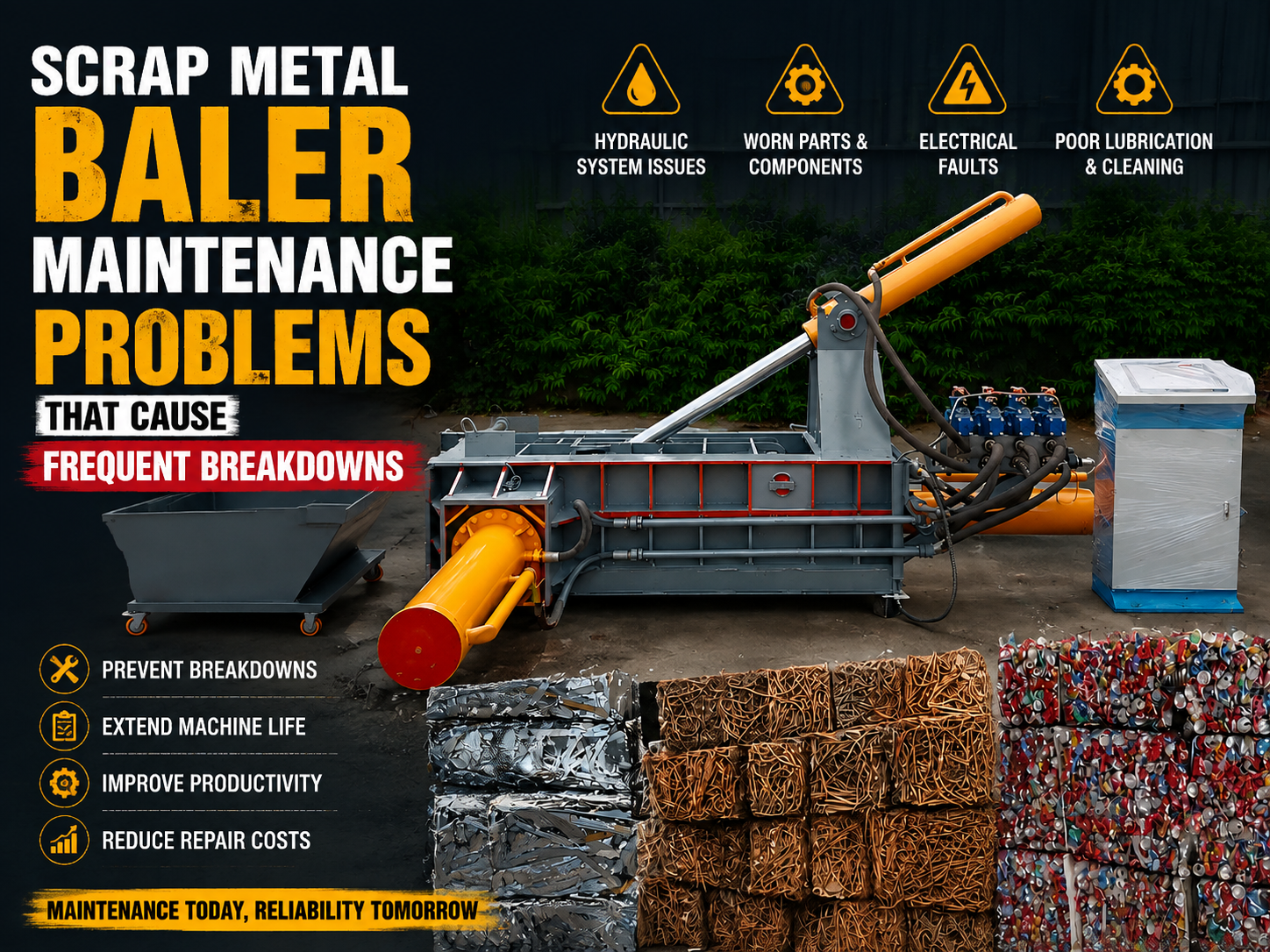
In the high-stakes environment of metal recycling and fabrication, the scrap metal baler serves as the backbone of operational efficiency. When this equipment functions optimally, it transforms loose, bulky scrap into dense, manageable bales, significantly reducing logistics costs and increasing the value of recycled materials. However, operators often face significant challenges when the machine fails to perform, leading to costly downtime. Understanding the scrap metal baler maintenance problems that cause frequent breakdowns is essential for any facility manager looking to maximize ROI and equipment longevity.
At HARSLE, we emphasize that proactive maintenance is not merely a suggestion; it is a fundamental requirement for industrial success. Many breakdowns are not sudden, catastrophic failures but rather the culmination of neglected minor issues. By identifying the early warning signs of mechanical or hydraulic distress, maintenance teams can intervene before a total system shutdown occurs. This guide delves deep into the technical aspects of baler maintenance, providing actionable insights to keep your operations running smoothly.
The complexity of modern scrap metal balers involves intricate hydraulic circuits, high-pressure cylinders, and robust structural components. Each of these systems requires specific attention. When maintenance schedules are ignored or performed inadequately, the resulting downtime can cripple production lines, delay shipments, and lead to expensive emergency repairs. This article explores the most common pitfalls and provides a roadmap for maintaining your HARSLE equipment to the highest industrial standards.
Ultimately, the goal of this guide is to empower your maintenance staff with the knowledge required to troubleshoot effectively. Whether you are dealing with pressure fluctuations, electrical faults, or structural wear, understanding the root cause is the first step toward a permanent solution. Let us explore the critical areas where maintenance often falls short and how to rectify these issues to ensure consistent performance.
Key Considerations for Baler Longevity
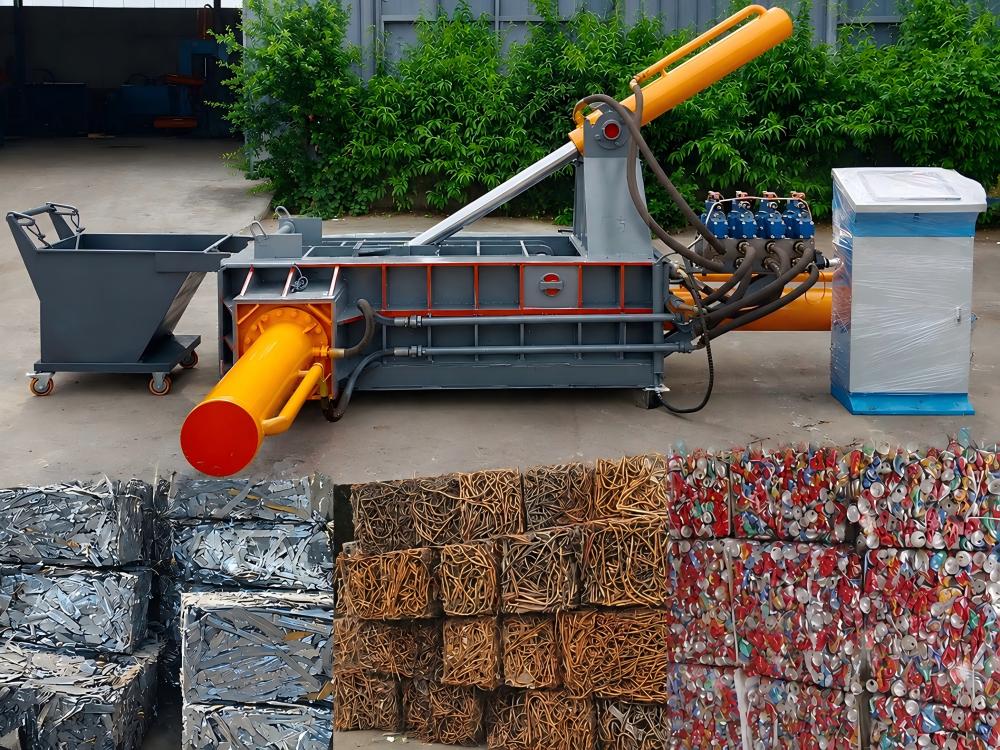
The first step in preventing scrap metal baler maintenance problems that cause frequent breakdowns is establishing a rigorous preventive maintenance (PM) schedule. Many facilities make the mistake of adopting a reactive approach—waiting for a component to fail before addressing it. This strategy is inherently flawed because a single failed seal or sensor can trigger a cascade of secondary failures, leading to much higher repair costs and extended downtime.
Environmental factors play a massive role in the degradation of baler components. Scrap metal facilities are inherently dusty, loud, and subject to extreme temperature fluctuations. Dust and metal shavings can infiltrate hydraulic reservoirs, clog cooling systems, and accelerate the wear of moving parts. Ensuring that your baler is housed in a clean, well-ventilated environment—or that it is equipped with high-quality filtration systems—is a primary consideration for long-term reliability.
Operator training is another critical pillar of maintenance. Often, breakdowns are caused by improper loading techniques or the introduction of non-compliant materials into the baler chamber. If an operator forces oversized or hardened steel into a machine designed for lighter gauge scrap, the structural integrity of the ram and the chamber can be compromised. Training staff to recognize the limitations of the equipment is a proactive maintenance step that costs nothing but saves thousands in repair bills.
Finally, documentation is key. Maintaining a detailed log of every inspection, oil change, and part replacement allows maintenance managers to identify patterns. If a specific hydraulic hose fails every six months, it is a clear indicator that the hose routing or the pressure rating is inadequate for the application. By analyzing these trends, you can move from simple repairs to system upgrades that eliminate the root cause of the problem entirely.
Technical Details: Troubleshooting Common Failures
Hydraulic system failures are the most frequent cause of downtime in scrap metal balers. The hydraulic fluid is the lifeblood of the machine, and its condition directly dictates the health of pumps, valves, and cylinders. Contamination is the primary culprit; even microscopic metal particles can score the internal surfaces of a hydraulic cylinder, leading to internal leakage and a loss of pressing force. Regular oil analysis is essential to detect these contaminants before they cause catastrophic pump failure.
Another common technical issue involves the electrical control system. Modern balers rely on a series of limit switches, proximity sensors, and PLC (Programmable Logic Controller) inputs to coordinate the pressing cycle. If a sensor becomes misaligned due to vibration or is covered in debris, the machine may fail to complete its cycle or, worse, attempt to operate while the door is not fully locked. Ensuring that all electrical connections are tight and that sensors are cleaned regularly is a simple yet vital maintenance task.
Structural fatigue is a silent killer of scrap metal balers. Over time, the repeated stress of compressing heavy metal causes micro-fractures in the steel plates of the chamber and the ram face. If these fractures are not identified during routine inspections and repaired via professional welding, they can propagate into large cracks that compromise the entire machine. HARSLE recommends periodic ultrasonic testing or dye-penetrant inspection for high-volume balers to catch these structural issues early.
The ram guide system is also a frequent point of failure. The ram must move perfectly straight to ensure even pressure distribution. If the guide rails or wear plates are worn, the ram can tilt, causing uneven wear on the cylinder seals and potentially damaging the chamber walls. Replacing wear plates before they are completely depleted is a standard maintenance procedure that prevents expensive, long-term damage to the primary structural components of the baler.
Selection Advice for Reliable Equipment
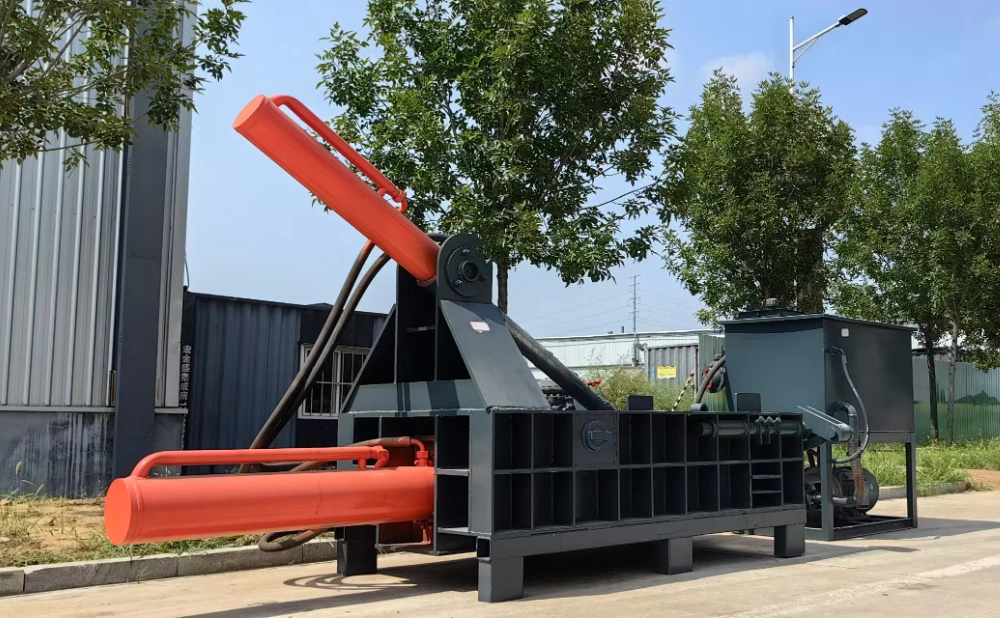
When selecting a scrap metal baler, the most effective way to avoid maintenance problems is to choose a machine that is appropriately sized for your specific material throughput and density requirements. A common mistake is purchasing a machine that is underpowered for the volume of scrap being processed. When a baler is constantly pushed to its maximum pressure limit, the hydraulic system runs hotter, the seals wear faster, and the structural components experience accelerated fatigue.
Consider the build quality of the steel. High-tensile steel plates and reinforced welding are non-negotiable for industrial-grade scrap balers. When reviewing specifications, look for the thickness of the chamber walls and the quality of the hydraulic components. Brands like HARSLE utilize globally recognized hydraulic and electrical components, which not only ensures performance but also makes sourcing replacement parts significantly easier in the event of a failure.
Ease of maintenance should be a primary factor in your buying decision. Look for machines that offer easy access to hydraulic manifolds, filters, and electrical panels. If a technician has to disassemble half the machine to change a filter, the maintenance task is more likely to be skipped or delayed. A well-designed baler will have clear access points and modular components that allow for quick swaps, minimizing the time the machine spends offline.
Finally, consider the support network of the manufacturer. A scrap metal baler is a long-term investment. You need a partner who provides comprehensive technical support, readily available spare parts, and clear documentation. Before finalizing your purchase, ask about the availability of remote diagnostics, which can help your team troubleshoot electrical issues without waiting for a technician to arrive on-site. Investing in a machine with strong manufacturer backing is the best insurance against frequent breakdowns.
Maintenance Checklist for Operators
- Daily: Check hydraulic fluid levels and inspect for visible leaks around hoses and fittings.
- Daily: Clean all sensors and limit switches to ensure accurate cycle timing.
- Weekly: Inspect the ram face and chamber walls for signs of cracking or excessive wear.
- Monthly: Perform a full hydraulic oil analysis to check for contamination or degradation.
- Quarterly: Tighten all electrical connections and check for signs of overheating in the control cabinet.
- Annually: Replace hydraulic filters and perform a full system calibration to ensure optimal pressure settings.
FAQ: Scrap Metal Baler Maintenance
Why does my scrap metal baler lose pressure during the cycle?
Pressure loss is typically caused by internal leakage in the hydraulic cylinder or a failing pump. It can also be caused by a relief valve that is stuck open due to debris. Start by checking the hydraulic oil temperature and looking for signs of cavitation in the pump.
How often should I change the hydraulic oil?
While manufacturers provide a baseline interval (often every 2,000 to 4,000 hours), the actual frequency should be determined by oil analysis. If the oil shows high levels of particulate matter or moisture, it should be changed immediately regardless of the hour count.
What is the most common cause of electrical faults in balers?
Vibration is the primary enemy of electrical systems. Over time, vibration can loosen terminal connections. Additionally, the harsh environment of a scrap yard can cause sensor failure due to dust ingress or physical damage from flying debris.
Can I use generic hydraulic oil in my HARSLE baler?
Always use the hydraulic fluid grade specified in your HARSLE manual. Using the wrong viscosity can lead to pump damage, especially in extreme temperature conditions. Consistency in fluid quality is vital for the longevity of high-pressure seals.
Conclusion
Preventing scrap metal baler maintenance problems that cause frequent breakdowns requires a combination of disciplined maintenance, operator education, and smart equipment selection. By addressing hydraulic health, structural integrity, and electrical reliability, you can transform your baler from a potential bottleneck into a reliable engine of productivity. Remember that every hour spent on preventive maintenance saves multiple hours of emergency repair time. At HARSLE, we are committed to providing the robust machinery and the technical knowledge necessary for your facility to thrive in the competitive metal recycling industry. Stay proactive, keep your equipment clean, and prioritize the health of your hydraulic systems to ensure years of trouble-free operation.