How to Extend the Lifespan of an Alligator Shear Through Proper Lubrication and Care

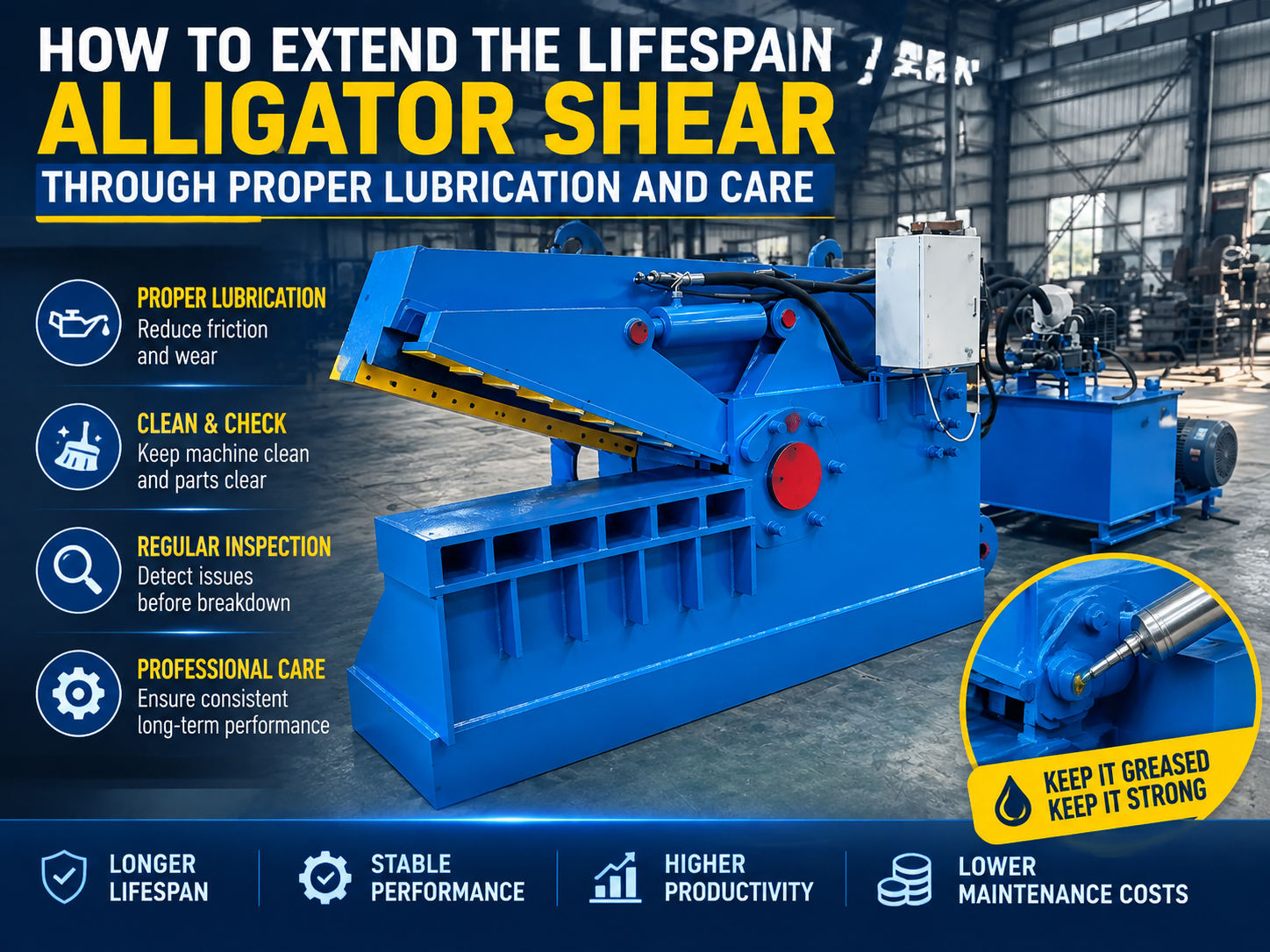
Technical Overview: The Mechanics of Alligator Shear Longevity
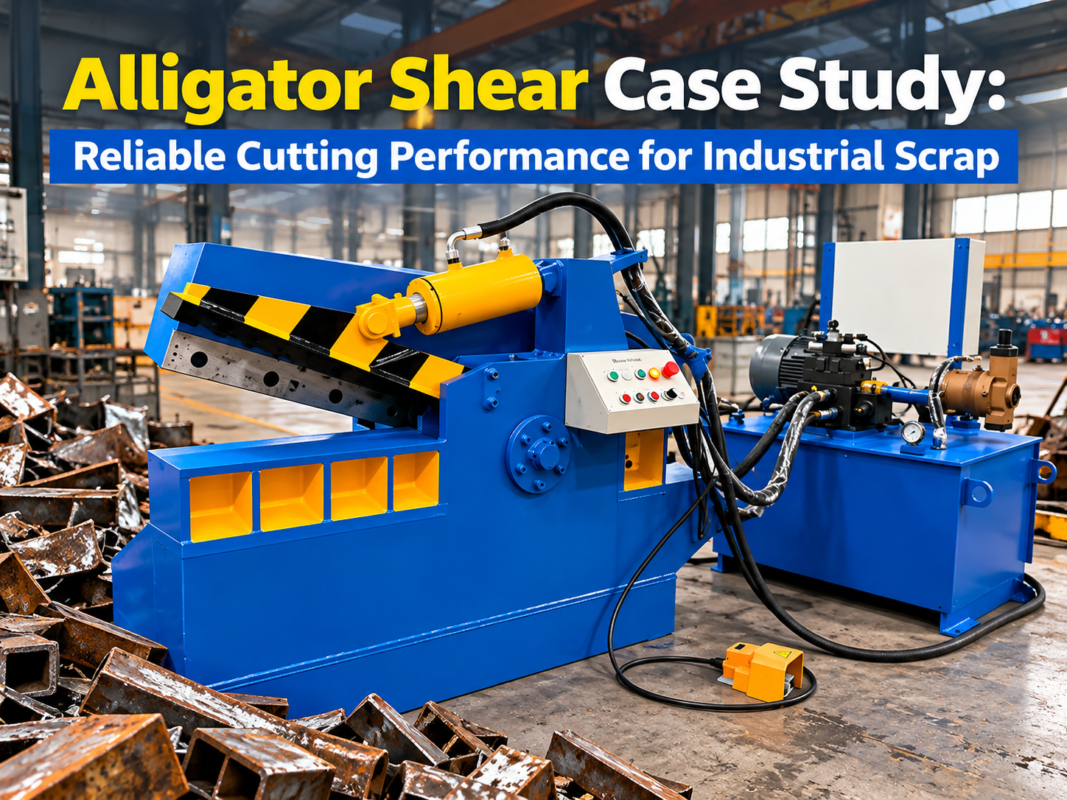
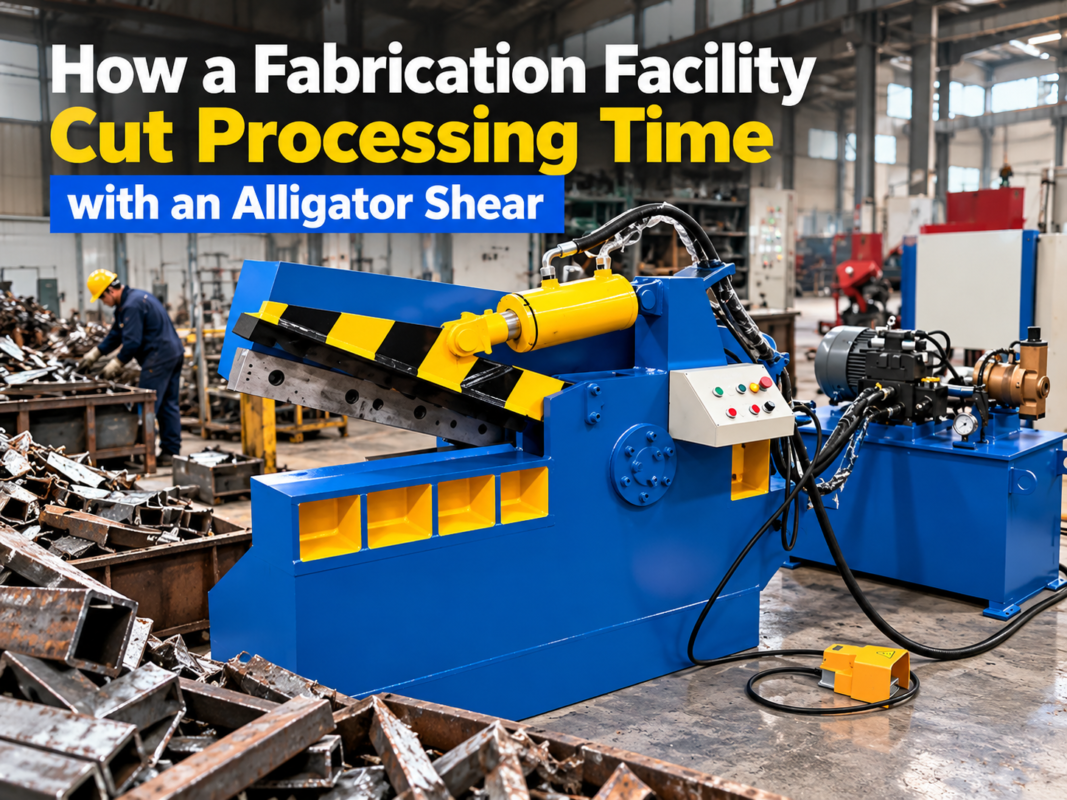
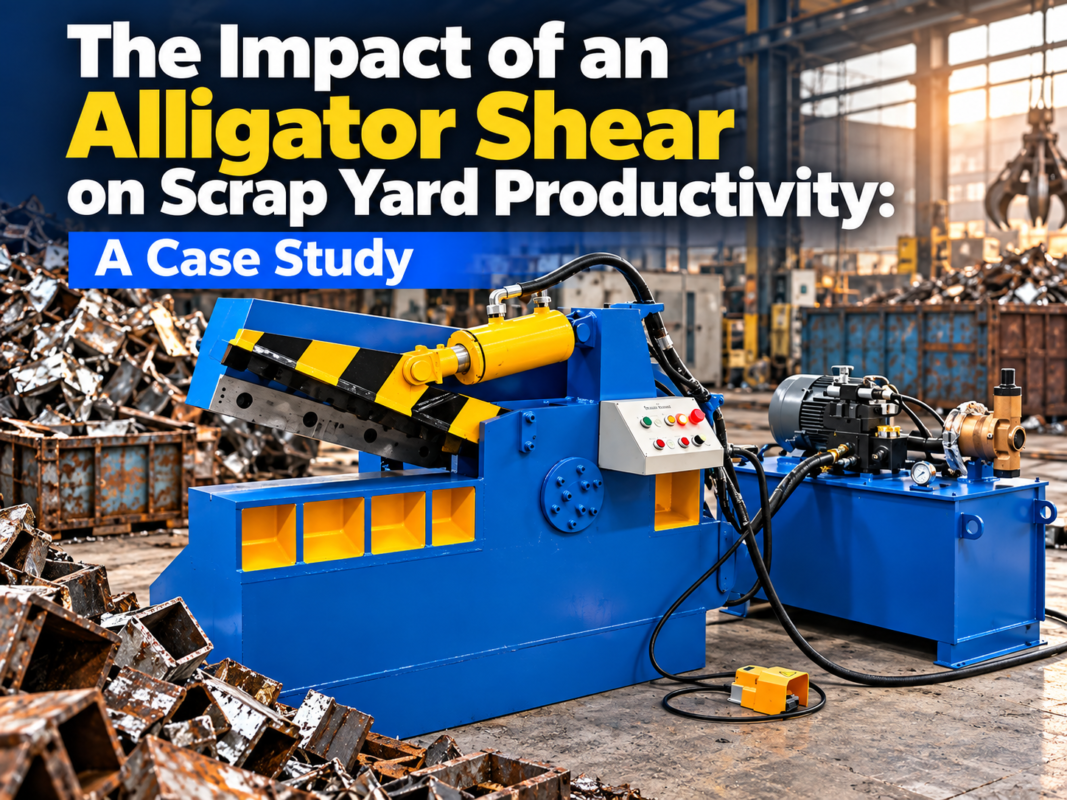
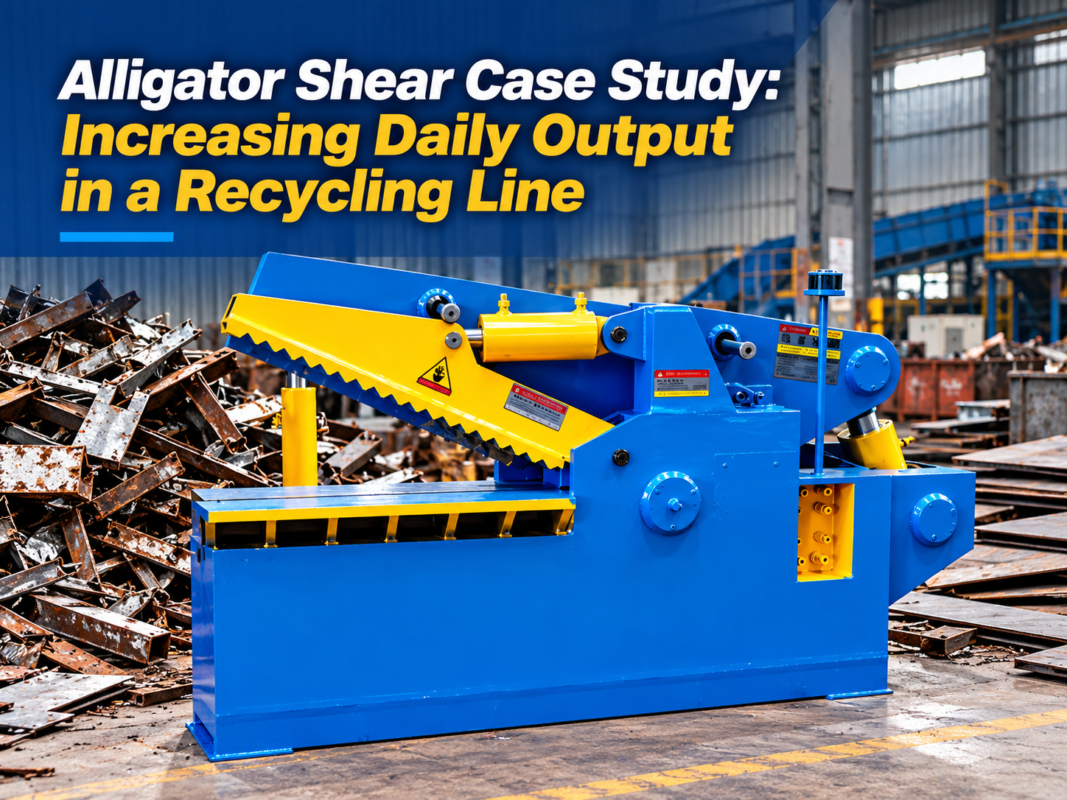
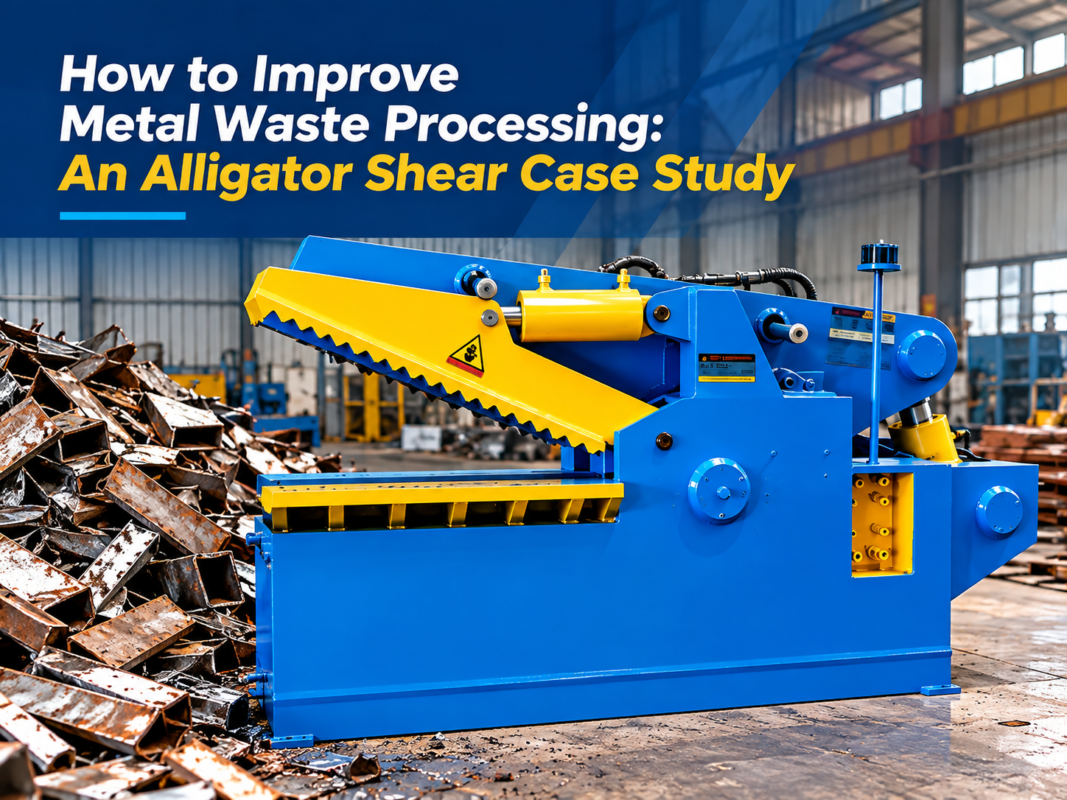
The alligator shear is a cornerstone of the scrap metal recycling industry, designed to handle the rigorous task of cutting oversized metal pieces into manageable sizes for smelting or further processing. To extend the lifespan of an alligator shear through proper lubrication care, one must first understand the mechanical stresses these machines endure. An alligator shear operates on a lever principle, powered by a hydraulic cylinder that drives a moving blade against a fixed blade. This action generates immense pressure at the pivot points and along the blade edges. Without a robust maintenance strategy, the friction generated during these cycles can lead to rapid wear, thermal expansion issues, and eventual component failure.
HARSLE alligator shears are engineered for durability, but even the most robust industrial machinery requires a systematic approach to care. The primary enemy of any hydraulic shear is contamination—both in the hydraulic fluid and on the mechanical sliding surfaces. Proper lubrication serves three main purposes: reducing friction between moving parts, dissipating heat generated during the shearing process, and providing a protective barrier against corrosive elements found in scrap yards. By implementing a strict lubrication schedule, operators can ensure that the pivot pins, cylinder bushings, and guide rails remain in optimal condition, significantly reducing downtime and repair costs.
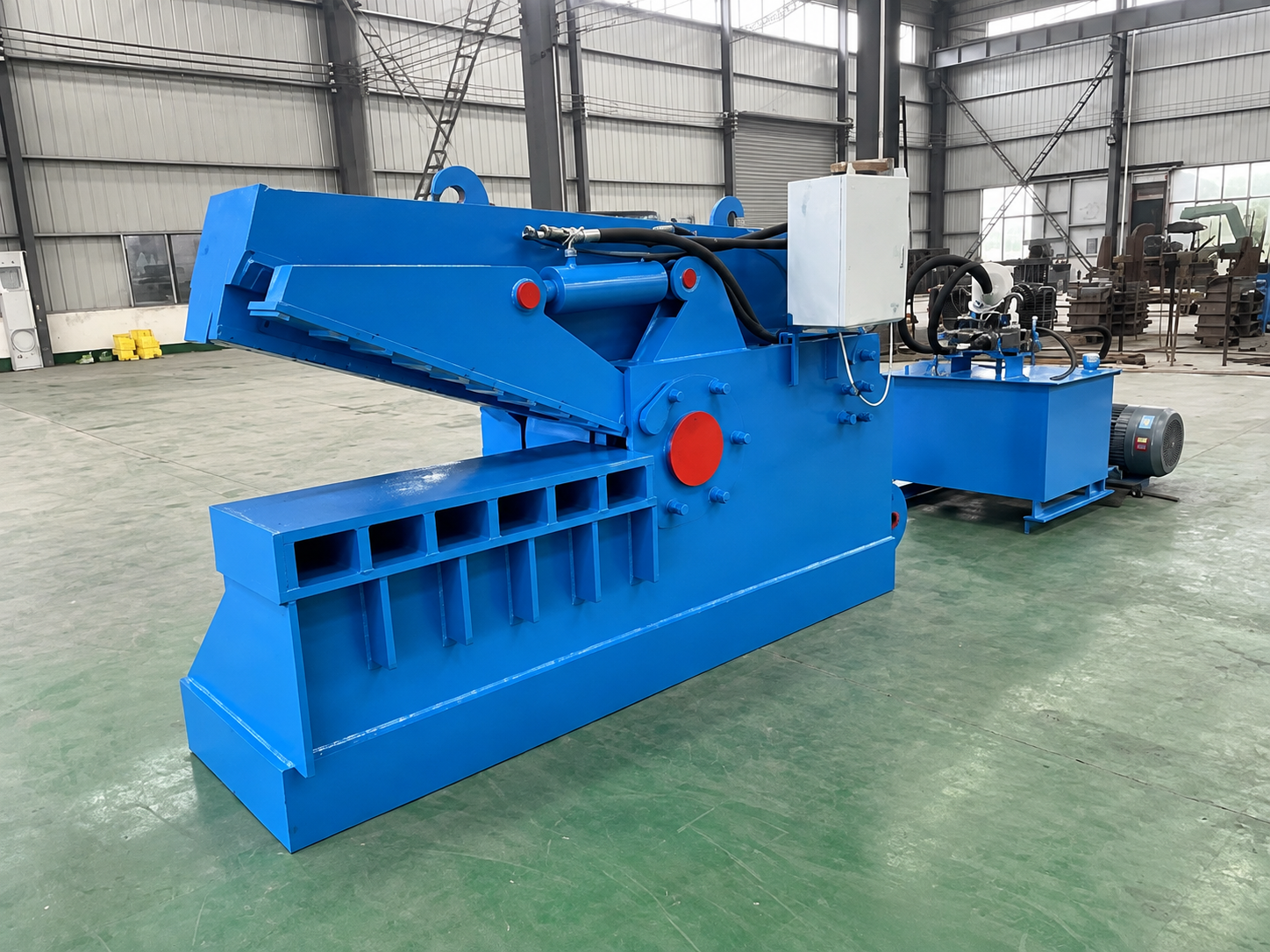
Furthermore, the structural integrity of the shear frame is directly impacted by how well the moving parts are lubricated. When a pivot pin seizes or wears unevenly due to lack of grease, it introduces eccentric loading into the frame. Over time, this can lead to stress fractures in the steel plates or misalignment of the blades. Misalignment, in turn, increases the force required to cut, putting unnecessary strain on the hydraulic pump and motor. Therefore, lubrication is not just about ‘greasing the wheels’; it is a holistic approach to preserving the machine’s geometric precision and structural health.
Core Parameters Influencing Maintenance Requirements
To effectively extend the lifespan of an alligator shear through proper lubrication care, operators must monitor several core parameters that dictate the frequency and type of maintenance required. These parameters include the shearing force (measured in tons), the cycle speed, the hydraulic system pressure, and the ambient operating temperature. A machine operating in a high-heat environment with a high duty cycle will require more frequent oil analysis and grease application than a machine used sporadically in a climate-controlled facility.
The hydraulic oil viscosity is perhaps the most critical parameter. Most HARSLE shears utilize ISO VG 46 or ISO VG 68 hydraulic oil. The choice depends on the operating environment; thinner oil (VG 46) is better for colder climates to ensure smooth flow during startup, while thicker oil (VG 68) provides better film strength in hot conditions. Monitoring the oil temperature is equally vital. If the hydraulic fluid exceeds 60°C (140°F), its lubricating properties begin to break down, leading to increased wear on the pump’s internal components and the cylinder seals. Installing an efficient oil cooler and ensuring it is free of debris is a key part of the care regimen.
Another parameter to consider is the blade gap. While not a lubrication point per se, the friction generated by an improperly adjusted blade gap can overheat the entire shear head. A gap that is too wide causes the metal to ‘fold’ rather than cut, creating massive lateral forces on the pivot pin. A gap that is too tight causes the blades to rub against each other, generating excessive heat and dulling the edges prematurely. Maintaining the correct clearance (typically 10% of the material thickness) ensures that the lubrication on the pivot points is not overwhelmed by excessive mechanical resistance.
Calculation Method: Determining Lubrication Intervals and Force
Calculating the correct maintenance intervals involves understanding the relationship between the machine’s work hours and the degradation of its lubricants. For the hydraulic system, a common rule of thumb is to perform a full oil change every 2,000 to 3,000 operating hours, or once a year, whichever comes first. However, for the grease points on the pivot pins, a more frequent ‘shot’ of grease is required. You can calculate the required grease volume using the formula: G = 0.005 x D x B, where G is the grease quantity in grams, D is the outside diameter of the bearing/pin in mm, and B is the width of the bearing in mm. This ensures that the bearing cavity is sufficiently filled without causing seal blowout from over-pressurization.
Shearing force calculation is also essential for ensuring the machine is not being overstressed. The theoretical shearing force (F) can be calculated as: F = L x T x σ, where L is the length of the cut, T is the thickness of the material, and σ is the shear strength of the material. If the calculated force exceeds 80% of the machine’s rated capacity on a regular basis, the lubrication intervals for the pivot pins should be doubled. This is because the high pressure squeezes the lubricant out of the contact zone more rapidly, necessitating more frequent replenishment to maintain a protective film.
Additionally, monitoring the ‘Pressure Drop’ across the hydraulic filters can provide a mathematical basis for filter replacement. A pressure gauge before and after the filter housing allows operators to see when the filter is becoming clogged. A delta-P (change in pressure) of more than 1.5 to 2 bar usually indicates that the filter is no longer effectively removing contaminants, which could lead to abrasive wear in the hydraulic valves and cylinders. Keeping a log of these readings helps in predicting when the next maintenance cycle should occur, moving from reactive to proactive care.
Parameter Table: HARSLE Alligator Shear Specifications
The following table outlines the typical specifications for HARSLE alligator shears, which serve as the baseline for establishing a maintenance and lubrication protocol.
| Model Series | Shear Force (kN) | Blade Length (mm) | Max Opening (mm) | Hydraulic Oil Type | Grease Frequency |
|---|---|---|---|---|---|
| Q43-63 | 630 | 600 | 320 | ISO VG 46/68 | Every 8 Hours |
| Q43-100 | 1000 | 700 | 350 | ISO VG 46/68 | Every 8 Hours |
| Q43-120 | 1200 | 800 | 400 | ISO VG 46/68 | Every 4-6 Hours |
| Q43-160 | 1600 | 800 | 450 | ISO VG 68 | Every 4-6 Hours |
| Q43-250 | 2500 | 1000 | 500 | ISO VG 68 | Every 4 Hours |
Note: These values are representative. Always consult the specific HARSLE manual for your model to ensure the correct oil grades and grease intervals are followed, especially when operating in extreme environments.
Common Engineering Mistakes in Alligator Shear Maintenance
One of the most frequent mistakes made by maintenance teams is the use of ‘General Purpose’ grease for high-pressure pivot points. Alligator shears require Extreme Pressure (EP) grease, typically containing Molybdenum Disulfide (Moly). Standard grease can break down under the intense point-loading of a 200-ton shear, leading to metal-on-metal contact. This mistake often goes unnoticed until the pivot pin develops a ‘flat spot’ or the bushing begins to extrude from the housing, at which point the repair becomes a major overhaul rather than a simple maintenance task.
Another common error is neglecting the hydraulic air breather. As the hydraulic cylinder extends and retracts, the oil level in the tank rises and falls, forcing air in and out. If the air breather is clogged or of poor quality, it can pull moisture and abrasive dust from the scrap yard environment directly into the hydraulic oil. Moisture leads to oil oxidation and the formation of acids, which corrode the internal surfaces of valves. Abrasive dust acts like sandpaper, wearing down the precision-ground surfaces of the hydraulic pump. Replacing the air breather with a high-quality desiccant breather is a small investment that significantly extends the lifespan of an alligator shear through proper lubrication care.
Mixing different brands or types of hydraulic oil is another recipe for disaster. Different oils use different additive packages, and mixing them can cause chemical reactions that lead to ‘sludging’ or the dropout of essential additives. This sludge can block small orifices in the hydraulic control valves, leading to erratic machine behavior or complete failure. When topping off the oil, always use the same brand and grade, or perform a complete flush and refill if switching to a new lubricant provider.
Finally, many operators ignore the ‘warm-up’ period. In cold weather, hydraulic oil is thick and does not flow easily. Starting the machine and immediately jumping into heavy shearing can cause cavitation in the pump—where vacuum bubbles form and collapse violently, pitting the metal surfaces. A proper care routine includes allowing the oil to circulate at low pressure for 10-15 minutes until it reaches an optimal operating temperature, ensuring that the lubricant can reach all critical areas before they are subjected to high loads.
Selection Checklist for Alligator Shear Care Tools and Supplies
To maintain your HARSLE alligator shear at peak performance, ensure your maintenance department is equipped with the following items:
- High-Quality EP2 Grease: Specifically formulated for high-load, slow-moving industrial pivots.
- Infrared Thermometer: To monitor the temperature of the hydraulic tank, pump, and pivot pins during operation.
- Oil Analysis Kit: For periodic testing of hydraulic fluid to detect early signs of wear metals or chemical breakdown.
- Calibrated Torque Wrench: Essential for ensuring blade bolts and foundation bolts are tightened to the correct specification.
- Feeler Gauges: For precise measurement and adjustment of the blade gap.
- Replacement Filter Elements: Always keep a stock of 10-micron (or better) return line filters.
- Desiccant Air Breathers: To replace standard caps and prevent moisture/dust ingress.
- Spill Kit and Containment: To manage any leaks quickly and maintain a safe, clean working environment.
Frequently Asked Questions (FAQ)
1. How often should I change the hydraulic oil in my alligator shear?
For most HARSLE models, the hydraulic oil should be changed every 2,000 to 3,000 hours of operation. However, if you work in a very dusty or humid environment, you should perform an oil analysis every 500 hours to determine if the oil is still viable. If the oil appears cloudy (indicating water) or smells burnt, change it immediately regardless of the hour count.
2. What is the best way to lubricate the main pivot pin?
The main pivot pin should be greased while the machine is in motion or at different points in its stroke. This ensures that the grease is distributed evenly around the entire circumference of the pin and bushing. Using an automated lubrication system can also be a great way to ensure consistent delivery of small amounts of grease, which is more effective than one large application once a day.
3. Why is my alligator shear losing cutting power?
Loss of power is often related to the hydraulic system. Check for internal leakage in the cylinder (worn seals), a failing hydraulic pump, or a pressure relief valve that is stuck open. Additionally, check the blade gap; if the gap is too wide, the machine will struggle to cut even if the hydraulic pressure is correct. Proper lubrication of the pivot points also ensures that energy isn’t being wasted overcoming friction.
4. Can I use motor oil in the hydraulic system?
No. Motor oil is designed for internal combustion engines and has different detergent and anti-foaming properties. Hydraulic oil is specifically formulated to be non-compressible, provide high-pressure lubrication, and separate easily from water. Using the wrong oil can damage the seals and cause the pump to fail prematurely.
5. How do I know if my blades need sharpening or replacement?
Signs of dull blades include ‘burring’ on the cut edges of the metal, the machine requiring higher pressure to complete a cut, and visible rounding or chipping of the blade edges. Most alligator shear blades are four-sided; you can rotate them to a fresh edge before needing to send them out for professional grinding. Always re-adjust the blade gap after rotating or sharpening.
6. What temperature is too hot for the hydraulic system?
Ideally, the hydraulic oil should stay between 40°C and 50°C (104°F – 122°F). If the temperature exceeds 60°C (140°F), you should stop the machine and investigate the cause. Overheating is usually caused by a clogged oil cooler, low oil levels, or a pump that is working too hard due to internal wear or an improperly set relief valve.
7. Does the foundation of the machine affect its lifespan?
Yes, significantly. An alligator shear must be bolted to a level, reinforced concrete pad. If the foundation is uneven, the frame can twist slightly during high-pressure cuts. This twisting puts immense lateral stress on the pivot pins and can cause uneven wear that lubrication cannot fix. Regularly check that the foundation bolts are tight and the machine remains level.