Common Scrap Metal Shear Operator Errors That Cause Machine Faults

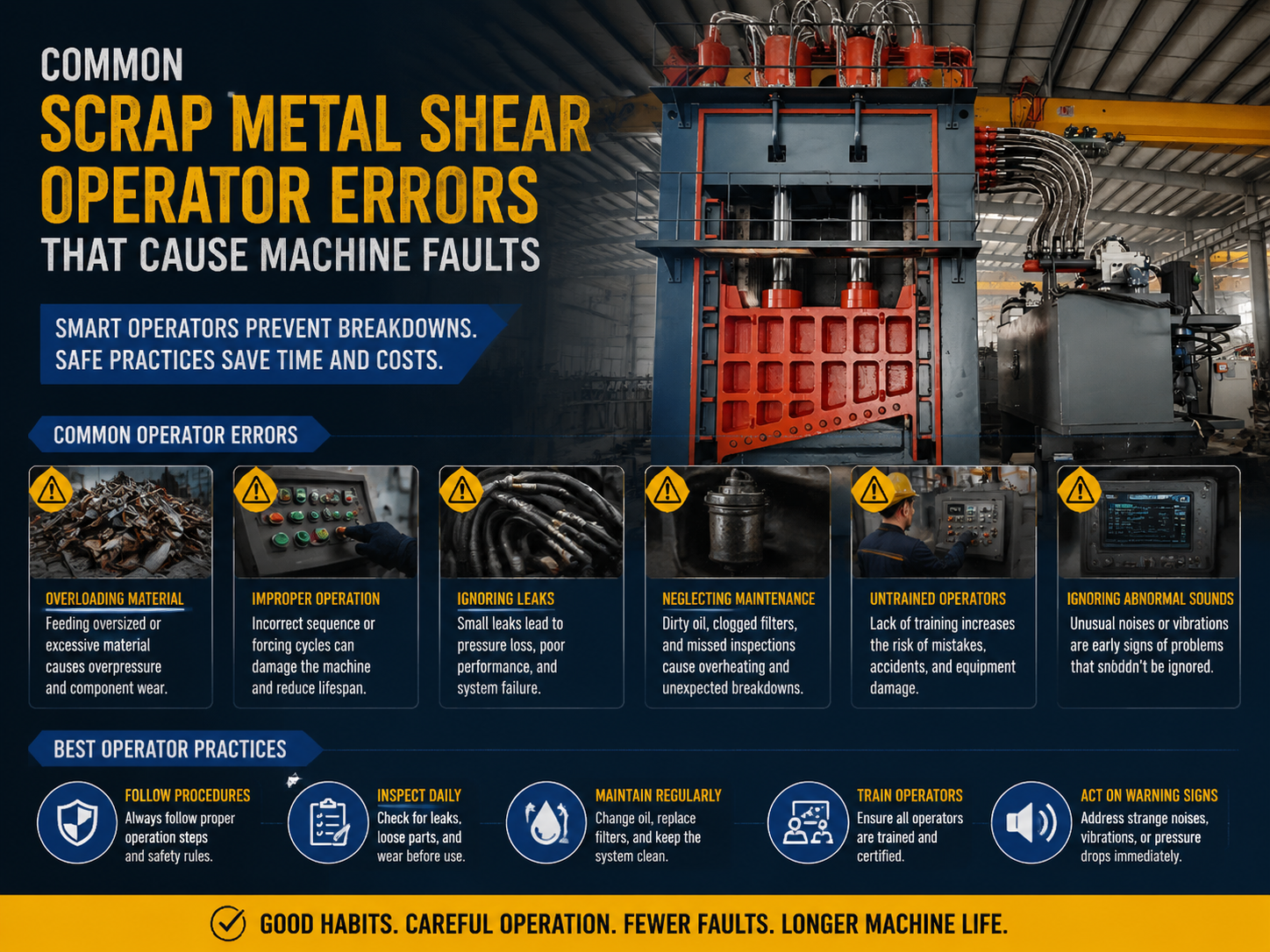
Introduction to Scrap Metal Shear Operation and Longevity
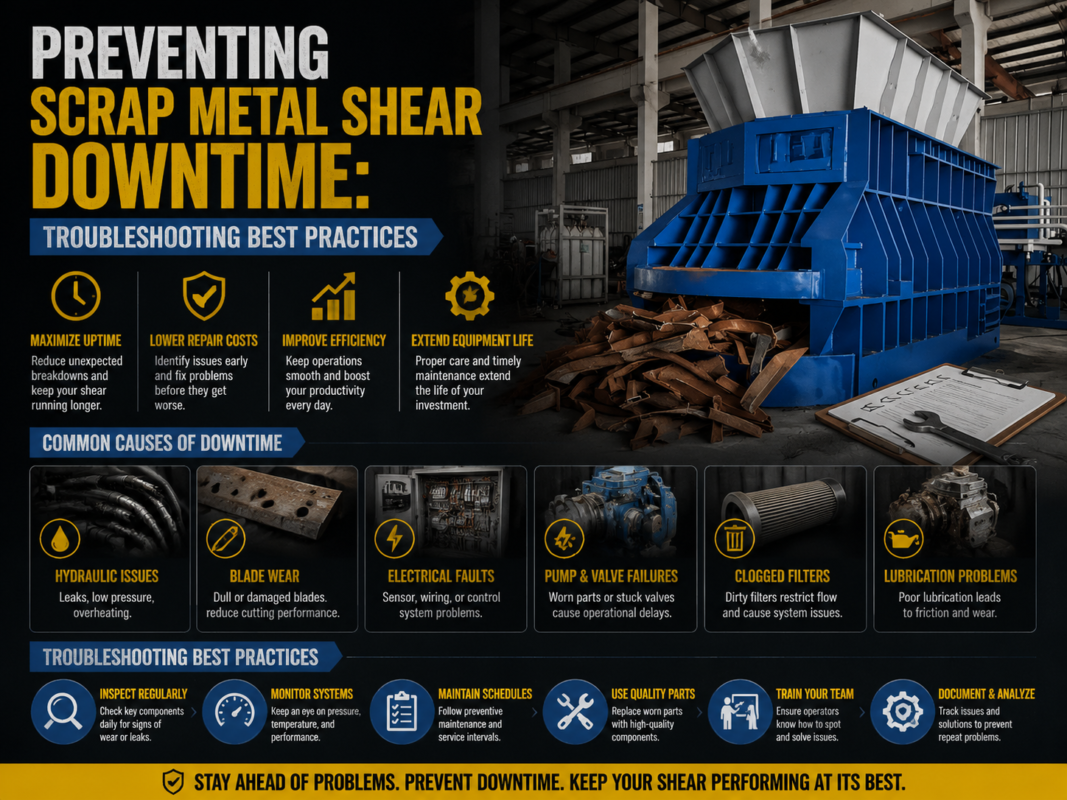
In the high-intensity world of metal recycling and industrial fabrication, the scrap metal shear stands as a cornerstone of productivity. Whether it is a gantry shear, an alligator shear, or a container shear, these machines are engineered to exert massive force to break down oversized metal structures into manageable, recyclable pieces. However, despite their rugged construction, they are precision instruments that require careful handling. At HARSLE, we have observed that a significant percentage of machine downtime is not caused by manufacturing defects, but by avoidable operator errors. Understanding these Common Scrap Metal Shear Operator Errors That Cause Machine Faults is essential for any facility looking to maximize ROI and minimize repair costs.
The relationship between an operator and their machine is symbiotic. When an operator understands the mechanical limits and hydraulic requirements of the shear, the machine performs consistently for decades. Conversely, a lack of training or a push for speed over safety can lead to catastrophic failures. These failures often manifest as hydraulic leaks, cracked frames, or shattered blades—all of which are expensive to rectify. This guide aims to dissect the most frequent mistakes made on the shop floor and provide actionable technical insights to prevent them.
Modern scrap shears are equipped with advanced sensors and PLC systems, but they cannot always override human error. For instance, if an operator forces a piece of hardened tool steel into a shear rated only for mild steel, the resulting pressure spike can damage the internal valves before the safety bypass can fully react. By identifying these patterns of misuse, management can implement better training protocols and maintenance schedules, ensuring that the equipment remains a reliable asset rather than a liability.
As we delve into the specifics, it is important to remember that a shear is only as good as its last cut. Consistency in operation is the key to longevity. Throughout this article, we will explore the technical nuances of shearing forces, the critical nature of hydraulic fluid management, and the structural implications of improper material loading. By the end of this guide, you will have a comprehensive understanding of how to safeguard your HARSLE machinery against the most common pitfalls in the industry.
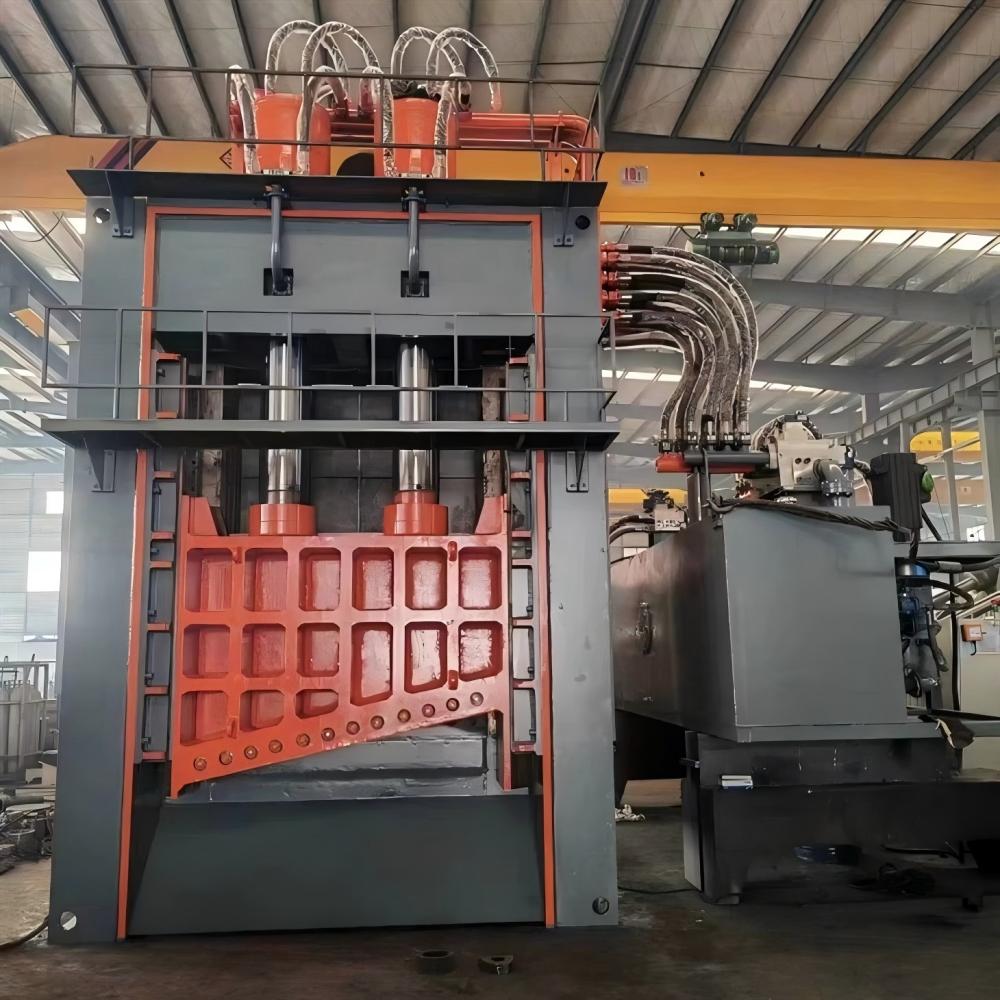
Key Considerations: Identifying Common Operator Errors
1. Overloading and Exceeding Material Capacity
Perhaps the most frequent error is attempting to cut material that exceeds the machine’s rated capacity. Every scrap metal shear has a maximum thickness and tensile strength rating. Operators often mistake the physical size of the throat for the cutting capacity. Just because a large beam fits into the shear does not mean the machine is capable of cutting it. Overloading leads to extreme hydraulic pressure spikes, which can cause seal failure, cylinder scoring, and even structural deformation of the shear head.
Furthermore, operators often fail to account for the hardness of the material. Cutting stainless steel or alloyed structural beams requires significantly more force than cutting mild carbon steel of the same thickness. When the machine struggles to complete a cycle, the operator might be tempted to “pulse” the controls, creating repeated shock loads that fatigue the metal frame and the pivot pins. This practice is a leading cause of hairline fractures in the machine’s housing.
2. Improper Material Placement and Off-Center Loading
Shearing forces are designed to be distributed across the blades in a specific manner. A common error is placing material at the very tip of the blades or significantly off-center. In alligator shears, this creates a massive lateral force (side thrust) that the machine is not designed to handle. This results in the blades rubbing against each other or, worse, the entire jaw assembly twisting. Over time, this leads to excessive wear on the bronze bushings and the main pivot shaft.
In gantry shears, off-center loading can cause the ram to tilt slightly. Even a fraction of a millimeter of tilt can cause the guides (gibs) to wear unevenly. Once the gibs are worn, the blade gap becomes inconsistent, leading to “folding” rather than “cutting.” When metal folds between the blades, it creates an immense wedging force that can snap high-carbon steel blades or crack the main casting of the machine.
3. Neglecting Pre-Shift Inspections and Lubrication
Industrial machinery requires constant lubrication to manage the friction generated during high-pressure cycles. Operators often skip the daily greasing of pivot points and slide ways to save time. Operating a shear “dry” for even a single shift can cause irreversible galling on bearing surfaces. Once the surface of a pin or bushing is scored, it acts like sandpaper, rapidly accelerating the wear process until the machine develops significant “play” or slop.
Additionally, failing to check for loose bolts or debris in the cutting area is a major oversight. A loose blade bolt can cause the blade to shift during a cut, leading to a catastrophic collision between the upper and lower knives. Operators should be trained to look for signs of hydraulic weeping, loose fasteners, and any unusual metallic sounds before they begin the day’s work.
4. Ignoring Warning Signs and Alarms
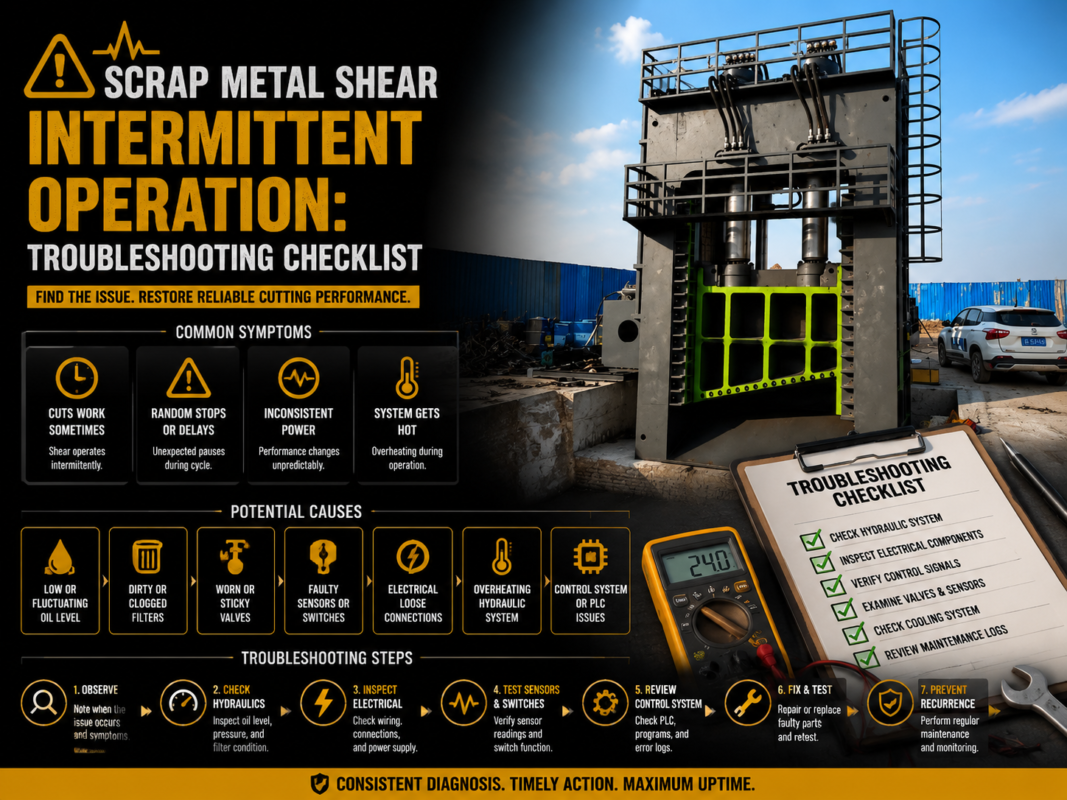
Modern shears, like those produced by HARSLE, often feature diagnostic systems that alert the operator to high oil temperatures or low pressure. A common error is for operators to ignore these warnings to finish a batch of material. High oil temperature is particularly dangerous; it thins the hydraulic fluid, reducing its lubricating properties and causing seals to harden and crack. If an alarm sounds, the machine must be stopped and the root cause investigated immediately.
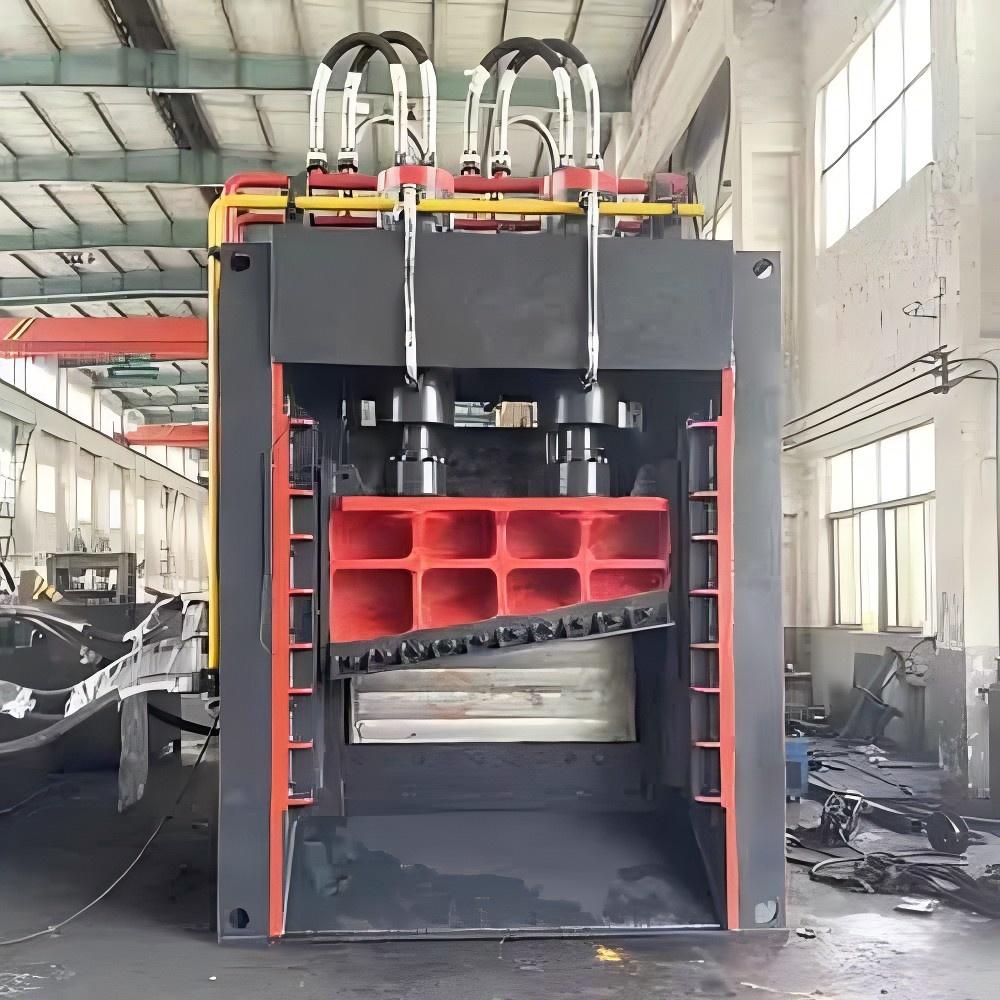
Technical Details: How Operator Errors Translate to Machine Faults
Hydraulic System Degradation
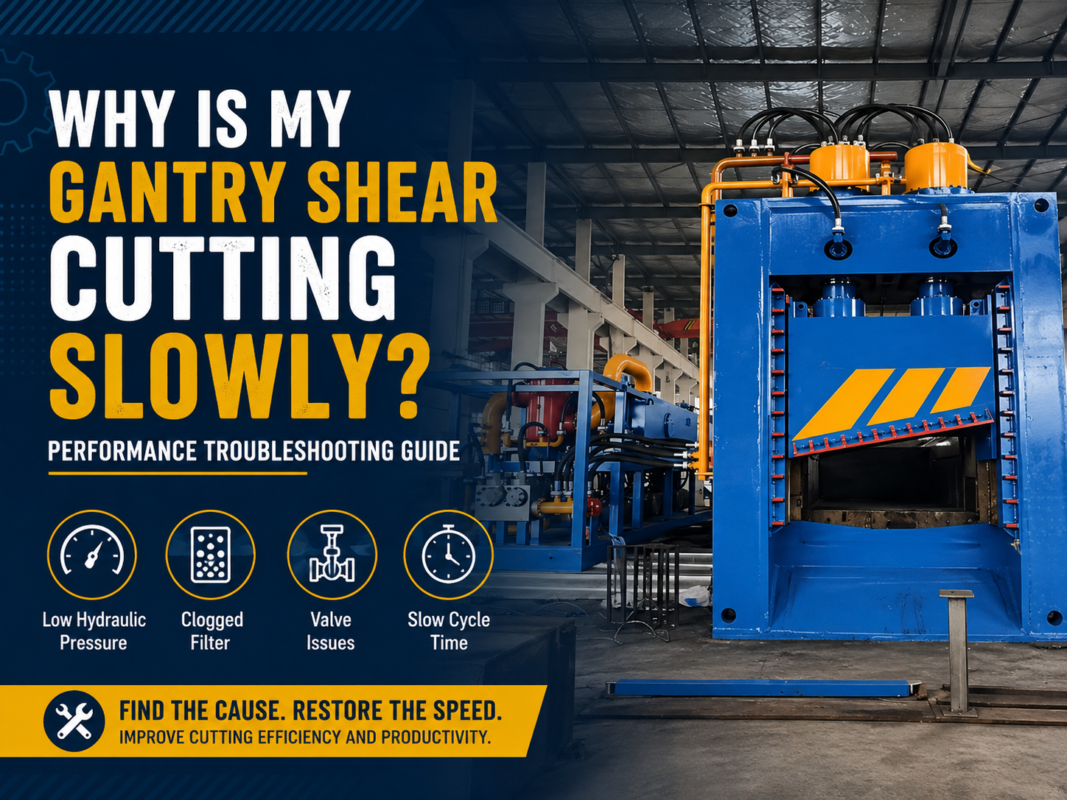
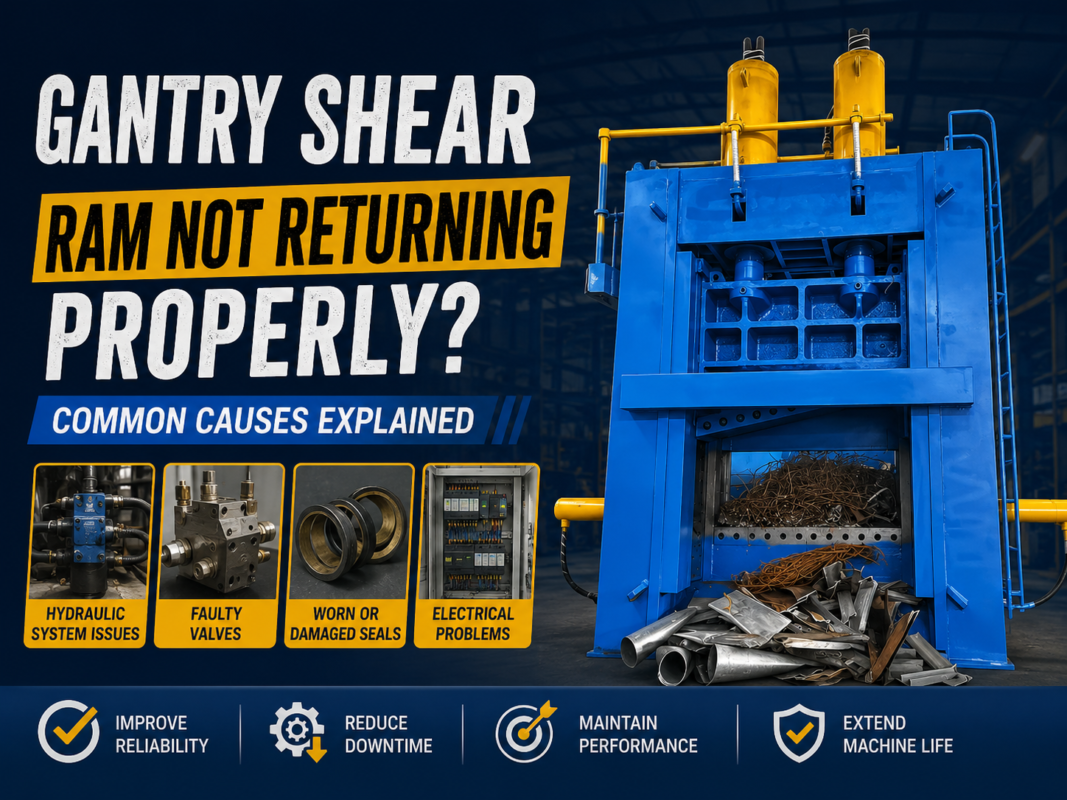
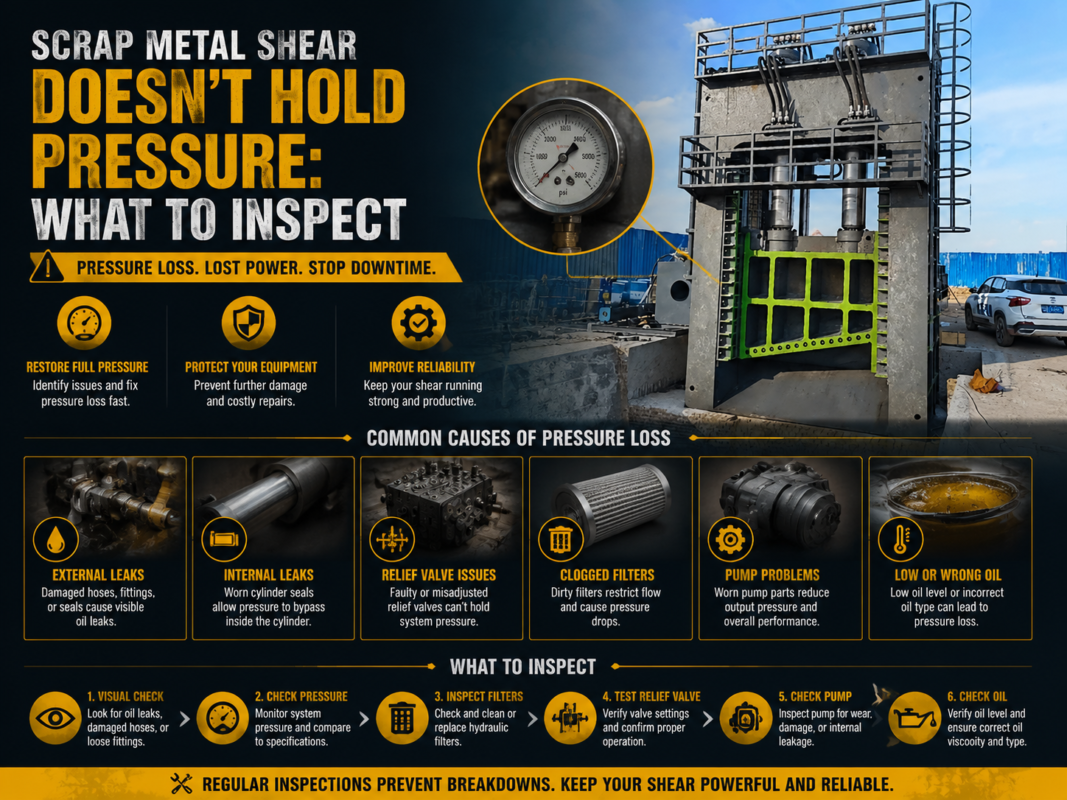
The hydraulic system is the heart of the scrap shear. When an operator engages in “dead-heading” (holding the control lever after the cut is complete), the pump continues to push fluid against a relief valve. This converts mechanical energy directly into heat. Excessive heat is the number one killer of hydraulic components. It causes the chemical breakdown of the oil, leading to the formation of varnish and sludge that clogs sensitive valves and sensors.
Another technical issue arises from air ingestion. If an operator ignores a low oil level, the pump may draw in air (cavitation). Cavitation creates tiny vacuum bubbles that implode with enough force to pit the metal surfaces inside the pump and cylinders. This leads to a loss of pressure and a noisy, vibrating machine that eventually fails to cut even thin materials.
Blade Gap and Cutting Geometry
The technical precision of a shear depends on the blade gap—the distance between the moving and stationary blades. This gap must be adjusted based on the thickness of the material. A common operator error is using a “one size fits all” approach. If the gap is too wide for thin material, the metal will bend and wedge between the blades. If the gap is too tight for thick material, the blades will experience excessive friction and heat, leading to chipping.
| Operator Error | Immediate Technical Fault | Long-term Consequence |
|---|---|---|
| Overloading Capacity | Hydraulic Pressure Spikes | Cylinder Seal Failure / Frame Cracks |
| Off-Center Cutting | Lateral Thrust / Jaw Twisting | Bushing Wear / Misaligned Blades |
| Poor Lubrication | Increased Friction / Heat | Galling of Pins and Slide Ways |
| Ignoring Oil Temp | Fluid Viscosity Loss | Pump Failure / Valve Sticking |
Structural Fatigue and Stress Fractures
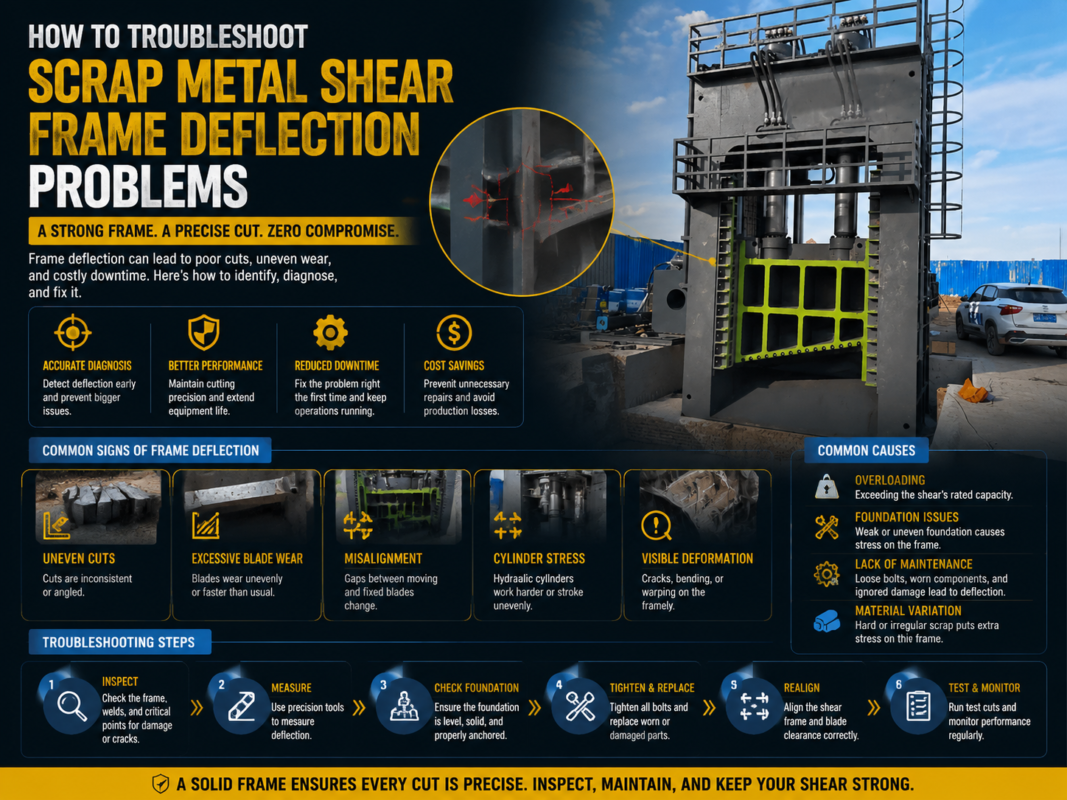
Metal fatigue is a cumulative process. Every time a shear cycles, the frame undergoes a minute amount of elastic deformation. When operated within limits, the metal returns to its original shape. However, when an operator subjects the machine to shock loads—such as trying to cut hardened axles or thick plate with a dull blade—the deformation can exceed the elastic limit. This leads to microscopic cracks that grow over time. Eventually, the main beam or the cylinder mount can suffer a sudden, catastrophic fracture.
Operators must also be aware of the “rebound” effect. When a particularly tough piece of metal finally snaps under pressure, the stored energy in the frame is released instantly. This sudden release causes a shockwave to travel back through the hydraulic lines and the mechanical structure. Proper operation involves gradual pressure application rather than sudden impacts to mitigate this stress.
Selection Advice: Choosing the Right Shear to Minimize Errors
When selecting a scrap metal shear, it is vital to choose a machine that offers a “safety margin” in its specifications. If your primary material is 20mm thick, do not buy a machine rated for exactly 20mm. Instead, opt for a machine rated for 25mm or 30mm. This extra capacity ensures that even if an operator makes a slight error in judgment regarding material thickness or hardness, the machine is not pushed to its absolute breaking point. HARSLE offers a wide range of tonnages to ensure you have the right headroom for your specific applications.
Look for machines with integrated safety and automation features. Modern PLC-controlled shears can include “anti-overload” logic that automatically halts the cycle if the pressure exceeds a safe threshold. Furthermore, features like automatic lubrication systems remove the human error factor from the maintenance equation. While these features may increase the initial investment, they pay for themselves by preventing the Common Scrap Metal Shear Operator Errors That Cause Machine Faults discussed here.
Consider the ergonomics and control interface. A machine that is difficult to operate or has poorly labeled controls is an invitation for mistakes. HARSLE focuses on intuitive control panels that provide clear feedback to the operator. High-visibility pressure gauges and temperature displays allow the operator to monitor the machine’s health in real-time. Additionally, choosing a machine with easy-to-access blade bolts and adjustment points encourages the operator to perform necessary maintenance rather than avoiding it due to difficulty.
Finally, evaluate the manufacturer’s support and training resources. A machine is only as effective as the person operating it. Ensure that the supplier provides comprehensive training for your staff. This training should cover not just how to turn the machine on, but the physics of shearing, how to identify different metal types, and how to recognize the early warning signs of mechanical distress. Investing in operator education is the single most effective way to reduce machine faults.
Frequently Asked Questions (FAQ)
What is the most common sign that an operator is overloading the shear?
The most common sign is the machine “stalling” or the hydraulic relief valve making a high-pitched whistling sound. You may also notice the frame of the machine flexing visibly or hear loud “bangs” when the material finally breaks. If the machine cannot cut through the material in a single, smooth motion, it is likely being overloaded.
How often should the blade gap be checked?
The blade gap should be checked at the start of every shift and whenever you switch between significantly different types of material (e.g., moving from thin sheet metal to heavy structural beams). Even a small shift in the blades can lead to poor cut quality and increased wear on the machine’s components.
Can using the wrong hydraulic oil cause machine faults?
Yes, absolutely. Using oil with the wrong viscosity can lead to poor lubrication at high temperatures or sluggish performance in cold weather. Always use the specific grade of hydraulic fluid recommended in your HARSLE manual. Using contaminated or low-quality oil can also damage the precision valves and the hydraulic pump.
Why is my shear making a loud vibrating noise during the return stroke?
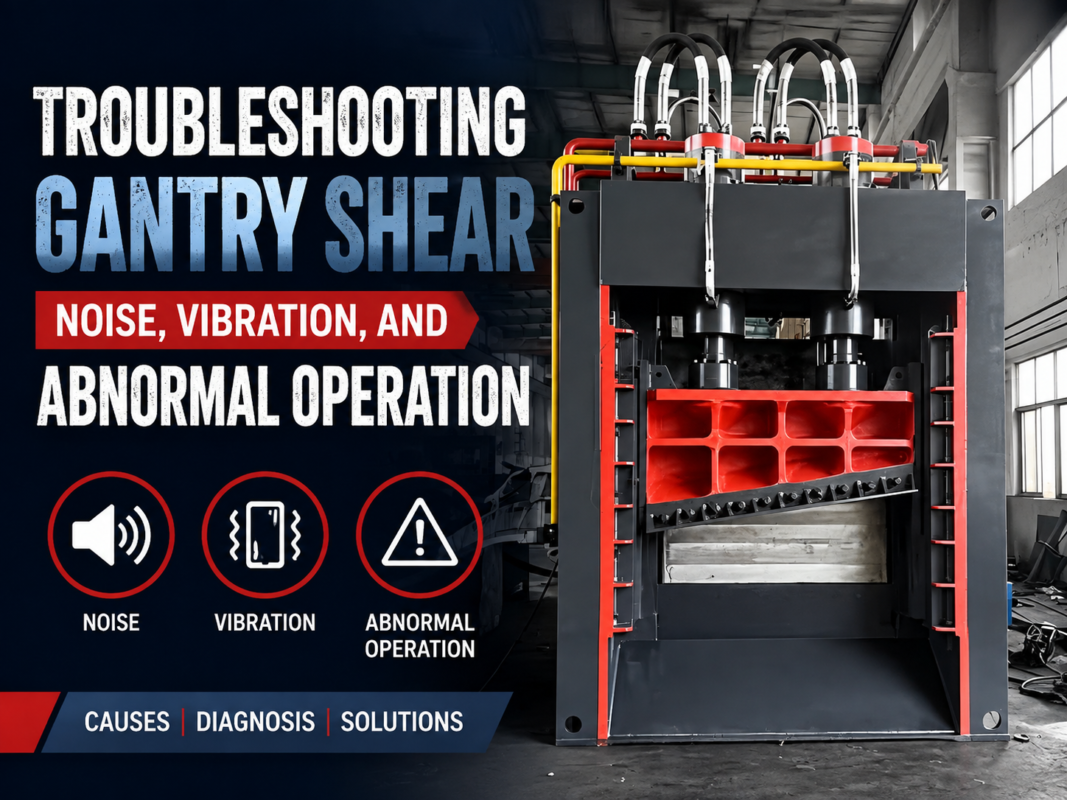
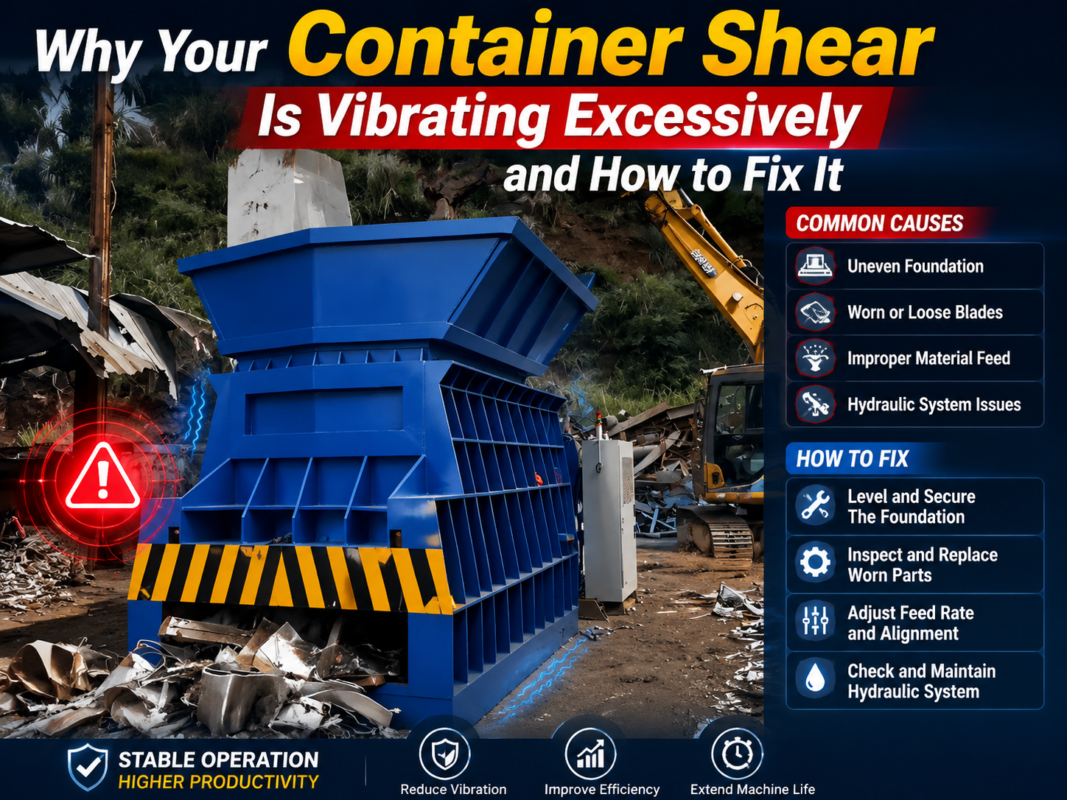
This is often a sign of air in the hydraulic system or loose mounting bolts on the cylinder. It could also indicate that the slide ways are dry and the ram is “chattering” as it moves. Immediate inspection of the oil level and the lubrication system is required to prevent damage.
Does the sharpness of the blades affect the machine’s hydraulic system?
Yes. Dull blades require significantly more hydraulic pressure to penetrate the metal. This increased pressure puts more stress on the pump, the seals, and the motor. Keeping blades sharp and rotated regularly reduces the workload on the entire machine and prevents premature faults.
Conclusion: Protecting Your Investment
The longevity and reliability of a scrap metal shear are directly tied to the quality of its operation. While these machines are built to handle the toughest environments, they are not invincible. By addressing the Common Scrap Metal Shear Operator Errors That Cause Machine Faults, facility managers can significantly reduce downtime, lower repair costs, and create a safer working environment for their teams. From avoiding overloads to ensuring consistent lubrication, the small details of daily operation make a massive difference in the long run.
At HARSLE, we are committed to providing not only world-class metal fabrication machinery but also the knowledge and support needed to keep that machinery running at peak performance. Our shears are designed with the operator in mind, featuring robust safety systems and intuitive controls to help mitigate the risks of human error. However, the final responsibility lies with the operator and the maintenance team to treat the machine with the respect it deserves.
In summary, prioritize operator training, adhere to strict maintenance schedules, and always operate within the machine’s rated capacities. By doing so, you ensure that your scrap metal shear remains a productive and profitable part of your operation for many years to come. For more information on our range of shearing solutions or to receive expert advice on machine maintenance, contact the HARSLE team today.