Comprehensive Daily, Weekly, and Monthly Recycling Baler Maintenance Guide

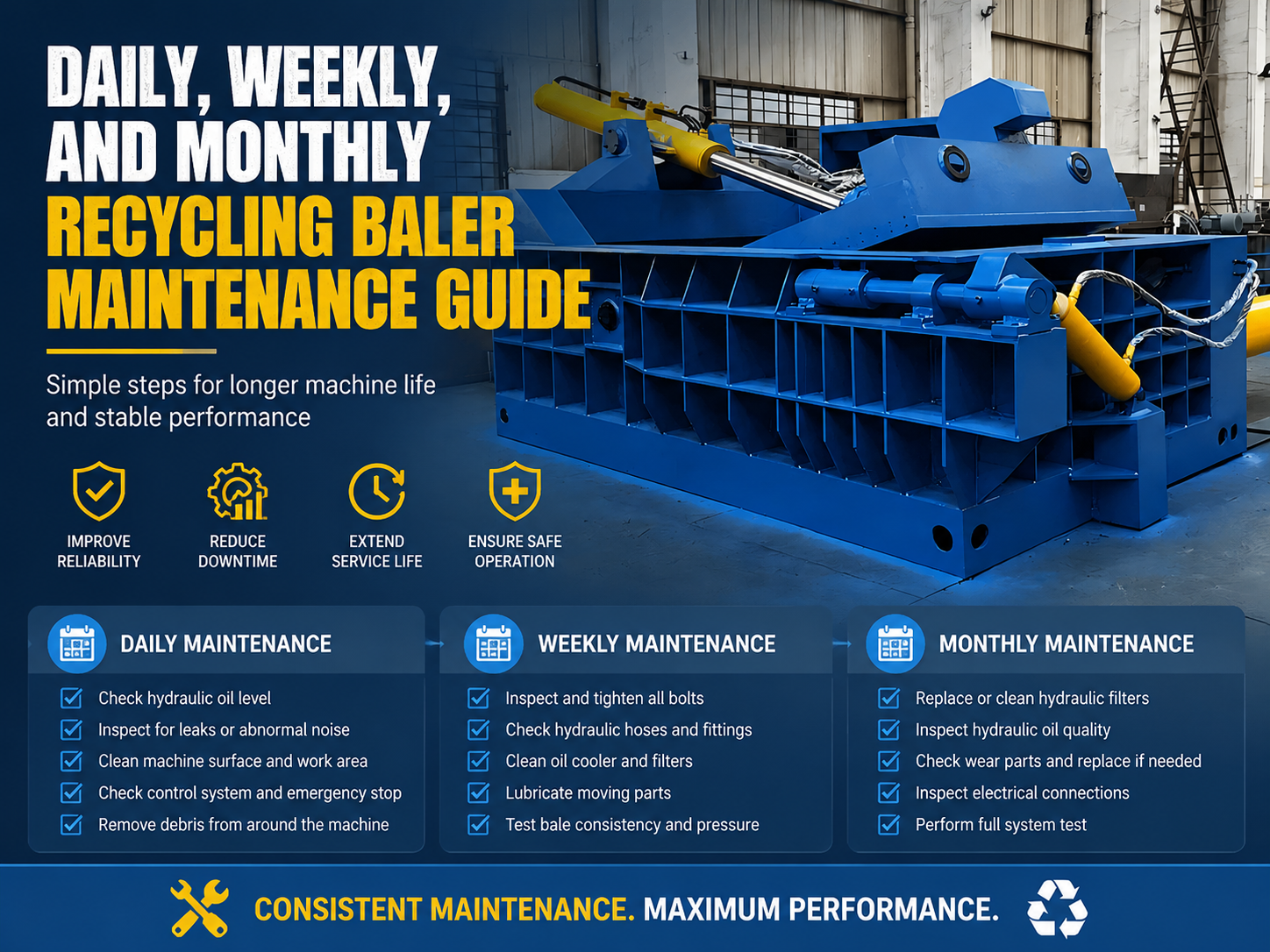
The Critical Role of Maintenance in Recycling Baler Operations
In the high-intensity world of waste management and metal fabrication, the recycling baler stands as a cornerstone of operational efficiency. Whether you are processing cardboard, plastics, or scrap metal, these machines are subjected to immense pressures and harsh environments. Implementing a rigorous Daily, Weekly, Monthly Recycling Baler Maintenance routine is not merely a suggestion; it is a fundamental necessity for any facility looking to protect its capital investment. Without consistent care, even the most robust HARSLE balers can succumb to the abrasive nature of recycled materials, leading to costly downtime and safety hazards.
The primary objective of a structured maintenance plan is to transition from reactive repairs to proactive prevention. Reactive maintenance—fixing things only when they break—is significantly more expensive due to emergency service fees, expedited shipping for parts, and the loss of production revenue. By following a detailed guide, operators can identify minor wear and tear before it evolves into a catastrophic failure. This proactive approach ensures that the hydraulic systems, structural components, and electrical circuits remain in peak condition, providing a reliable output day after day.
Furthermore, safety is a paramount concern in industrial environments. A recycling baler that is poorly maintained poses a significant risk to operators. Worn hydraulic hoses can burst under high pressure, faulty limit switches can lead to unexpected ram movements, and accumulated debris can create fire hazards. A comprehensive maintenance schedule ensures that all safety interlocks and emergency stop systems are functioning correctly, fostering a secure working environment for your team. This guide provides the technical depth required to manage these complex machines effectively.
Finally, the resale value and longevity of your machinery are directly tied to its maintenance history. A well-documented maintenance log proves to future buyers or insurance adjusters that the machine has been cared for according to manufacturer specifications. In the long run, the time invested in daily, weekly, and monthly checks pays for itself through extended machine life, reduced energy consumption, and consistent bale quality. Let us delve into the specific actions required to keep your recycling baler running at its best.
Daily Inspection: The Frontline of Machine Health
The daily inspection is the most frequent and arguably the most important part of your maintenance strategy. It should be performed at the start of every shift before the machine is fully powered up for production. The goal of the daily check is to ensure that the machine is in a safe and functional state to begin work. Operators should start with a visual sweep of the entire unit, looking for any obvious signs of damage, such as bent metal frames, loose bolts, or pools of hydraulic fluid on the floor.
One of the most critical daily tasks is the removal of debris. Recycling balers operate in dusty and dirty environments. Small pieces of wire, plastic, or metal can find their way into the guide tracks or behind the ram. If left unchecked, this debris can cause the ram to misalign or create excessive friction, leading to premature wear of the wear plates. Operators should use compressed air or specialized brushes to clear out the hopper and the area around the limit switches to ensure unobstructed movement.
Hydraulic fluid levels must also be verified daily. While a full oil change is a long-term task, checking the sight glass takes only seconds. If the oil level is low, it indicates a potential leak that needs immediate investigation. Additionally, operators should check the temperature gauge. If the oil is already hot before the shift starts, or if it heats up too rapidly, there may be an issue with the cooling system or internal pump friction. Consistent monitoring of these levels prevents the pump from cavitating, which can cause permanent internal damage.
Safety systems must be tested every single day. This includes pressing the emergency stop buttons to ensure the machine halts immediately and checking that all safety gates or light curtains are operational. If a safety gate is opened while the ram is in motion, the machine should stop instantly. Never bypass these safety features for the sake of speed. A daily log should be signed by the operator, confirming that these checks have been completed, which creates a culture of accountability and safety within the facility.
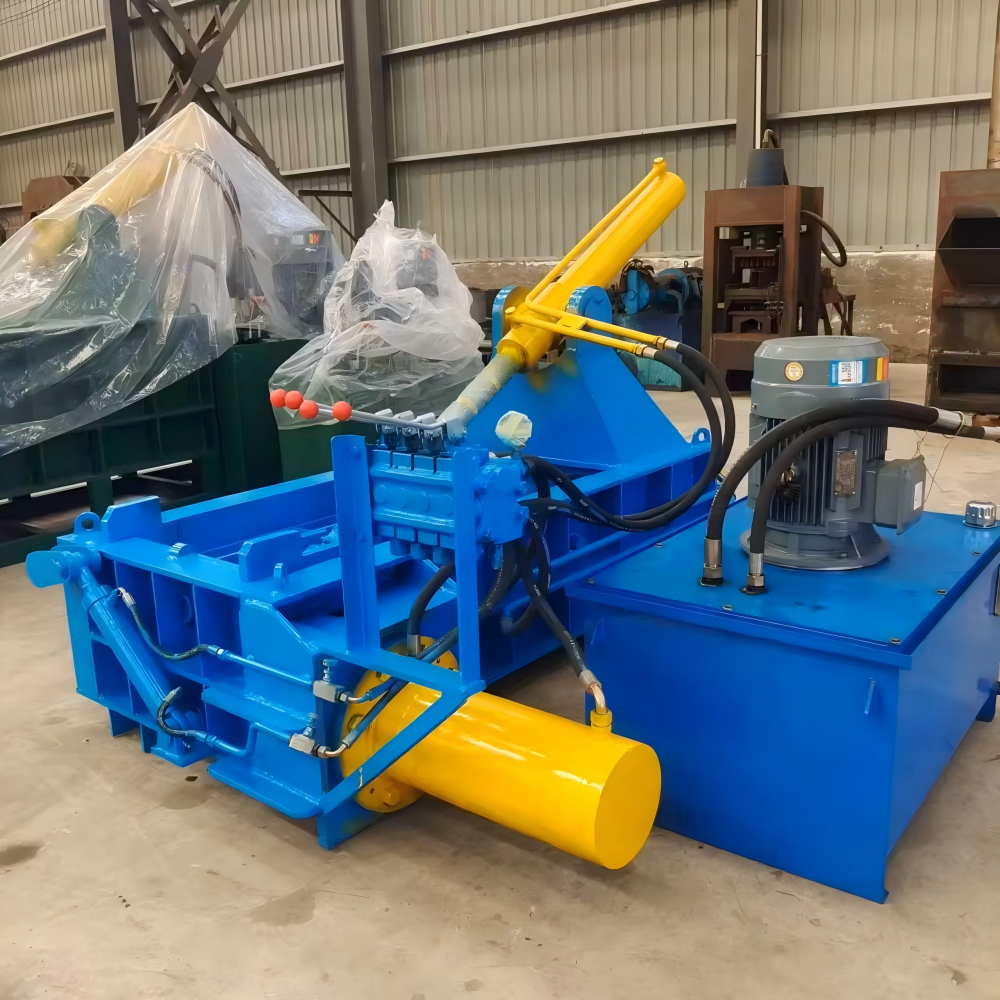
Weekly Maintenance: Deep Cleaning and System Calibration
Moving beyond the daily visual checks, weekly maintenance involves a more hands-on approach to the machine’s internal systems. This is the time to perform a more thorough cleaning of the electrical cabinets and hydraulic power units. Dust accumulation on electrical components can lead to overheating and short circuits. Using low-pressure dry air to blow out the control cabinet helps maintain the integrity of the PLCs, relays, and contactors that govern the baler’s logic.
During the weekly routine, focus should shift to the mechanical fasteners. The vibration and pressure cycles of a recycling baler can cause bolts to loosen over time. Pay particular attention to the bolts securing the hydraulic cylinders, the motor mounts, and the main structural frame. A loose bolt can lead to misalignment, which puts uneven stress on the ram and the cylinder seals. Tightening these components to the manufacturer’s specified torque settings prevents structural fatigue and ensures the machine remains rigid during high-pressure cycles.
The hydraulic filtration system also requires weekly attention. Most modern HARSLE balers are equipped with pressure filters and return line filters that have visual indicators. During the weekly check, operators should verify if the indicators are in the “red” zone, signaling that the filter element is clogged. Replacing filters on time is much cheaper than replacing a damaged hydraulic pump or valve block. Clean oil is the lifeblood of the baler, and the filters are the primary defense against contaminants that cause internal scoring and leaks.
Finally, the weekly schedule should include an inspection of the bale tying system (if applicable). Whether your baler uses manual wire ties or an automatic strapping system, the twisting mechanisms, cutters, and needles must be checked for alignment and sharpness. Dull cutters or misaligned needles can lead to failed ties, which results in messy bales and wasted time. Lubricating the moving parts of the tying mechanism during this weekly window ensures smooth operation and prevents the wire from snapping or jamming during the final stage of the baling process.
Monthly Maintenance: Structural Integrity and Fluid Analysis
Monthly maintenance is a comprehensive deep-dive into the machine’s long-term health. This is the stage where you look for subtle signs of wear that aren’t visible during daily or weekly checks. One of the primary focuses of monthly maintenance is the inspection of the wear plates and the ram guidance system. Over time, the friction between the ram and the chamber walls will wear down the replaceable liners. Measuring the gap between the ram and the floor/walls ensures that the ram is traveling straight. If the gap exceeds the manufacturer’s tolerance, the liners must be adjusted or replaced to prevent damage to the main structure.
Hydraulic oil health should be assessed monthly. While the oil might look clean, it can undergo chemical breakdown or become contaminated with microscopic particles. Taking an oil sample for laboratory analysis is a best practice for large industrial balers. This analysis can detect the presence of water, metal shavings (indicating pump wear), or a loss of viscosity. If a full analysis isn’t possible, a visual check for foaming or milkiness (indicating air or water contamination) is essential. Monthly checks are also the time to inspect all hydraulic hoses for “weeping” or cracks in the outer casing, replacing them before they fail under pressure.
The electrical system requires a more technical review once a month. This includes checking the tension of the drive belts (if the motor is belt-driven) and inspecting the motor’s cooling fans for obstructions. An electrician or trained technician should check the amperage draw of the motor during a full-pressure cycle. If the motor is drawing more current than its rated capacity, it could indicate mechanical resistance or an electrical fault. Checking the tightness of all terminal connections in the junction boxes is also vital, as thermal expansion and contraction can loosen wires over time, leading to intermittent faults.
Structural welds should be inspected with a keen eye during the monthly routine. The immense force generated by the hydraulic cylinders is transferred through the frame of the baler. Look for hairline cracks in the welds, especially around the cylinder mounting points and the corners of the baling chamber. If cracks are found, they must be professionally repaired immediately to prevent a total structural failure. This monthly vigilance ensures that the machine remains a safe and productive asset for years to come.
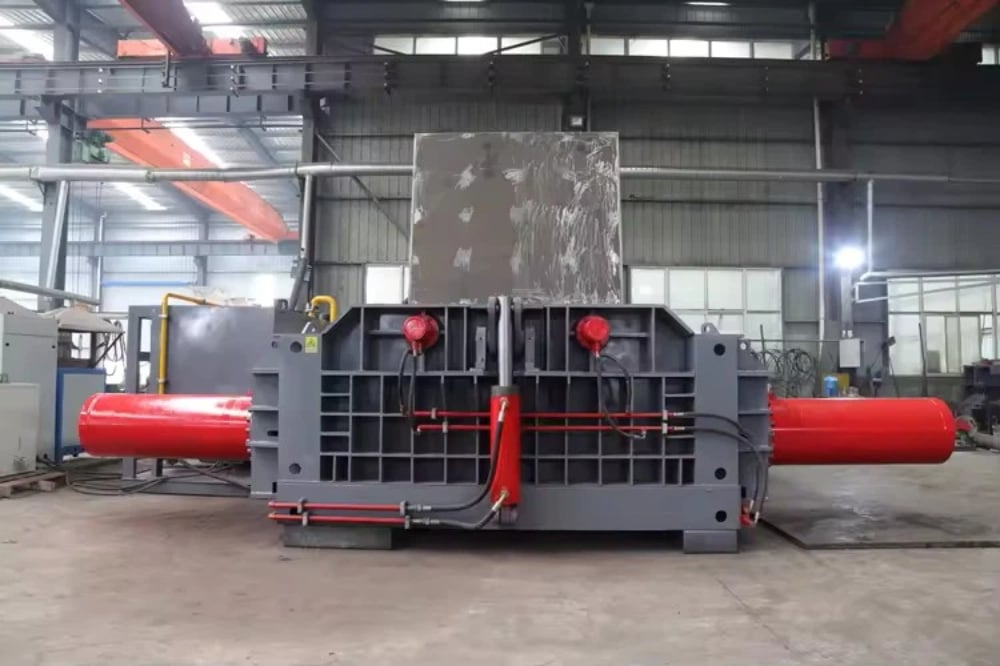
Hydraulic, Electrical, and Mechanical Checks
To truly master Daily, Weekly, Monthly Recycling Baler Maintenance, one must understand the interplay between the three core systems: hydraulic, electrical, and mechanical. The hydraulic system is the muscle of the machine. Beyond checking levels, you must ensure the relief valves are set correctly. If the pressure is too high, you risk blowing seals; if it’s too low, the bales will be loose and unmarketable. Periodically checking the cycle time of the ram can tell you a lot about the pump’s efficiency. A slowing cycle time often points to internal bypass in the cylinder or a worn-out pump.
The electrical system acts as the brain. Modern balers rely on sensors to tell the PLC where the ram is and when the chamber is full. These sensors—whether they are limit switches, proximity sensors, or transducers—can become misaligned or coated in grime. Monthly calibration or cleaning of these sensors prevents the machine from “short-stroking” or failing to start. Additionally, checking the integrity of the grounding system is essential for protecting sensitive electronic components from power surges and static buildup common in recycling environments.
Mechanically, the focus is on the “bones” of the machine. The pivot pins on the door hinges and the cylinder clevises are high-stress points. These pins should be checked for excessive play. If the pins or bushings are worn, the door may not seal correctly, leading to material leaking out during the compression cycle. Furthermore, the shear blades (if equipped) must be kept sharp. Dull blades increase the load on the hydraulic system and the motor, as the machine has to work harder to cut through overhanging material. Sharpening or rotating these blades is a critical mechanical task that directly impacts energy efficiency.
Lubrication Plan: The Key to Reducing Friction
Lubrication is the simplest yet most frequently overlooked aspect of baler maintenance. A proper lubrication plan specifies what to lubricate, what lubricant to use, and how often to apply it. Most recycling balers require a high-quality Extreme Pressure (EP2) grease for their moving parts. This grease is designed to stay in place even under the heavy loads and slow movements typical of baler components. Key lubrication points include the ram guide tracks, door hinges, cylinder pivot pins, and any moving parts in the auto-tier mechanism.
The frequency of lubrication depends on the machine’s usage. For a baler running two or three shifts a day, daily lubrication of the most active parts may be necessary. For single-shift operations, a weekly schedule might suffice. The goal is to maintain a thin film of lubricant that prevents metal-on-metal contact. However, be careful not to over-lubricate. Excess grease can attract dust and grit, creating an abrasive paste that actually accelerates wear rather than preventing it. Wiping away old, dirty grease before applying new grease is a hallmark of a professional maintenance routine.
Automatic lubrication systems are available on many high-end HARSLE models. These systems take the guesswork out of the process by delivering precise amounts of grease at set intervals. If your machine has an auto-lube system, your maintenance task shifts to ensuring the reservoir is full and checking the delivery lines for blockages or breaks. Whether manual or automatic, a consistent lubrication plan is the most cost-effective way to prevent the mechanical components of your recycling baler from grinding to a halt.
Troubleshooting Signals: Listening to Your Machine
Operators should be trained to recognize the early warning signs of machine distress. These signals are the machine’s way of communicating that something is wrong before a total breakdown occurs. Unusual noises are the most common indicator. A high-pitched squeal often points to a hydraulic aeration issue or a failing pump bearing. A heavy knocking sound during the ram’s movement might suggest that a wear liner has come loose or that there is a significant mechanical obstruction in the tracks.
Heat is another major troubleshooting signal. While hydraulic systems naturally generate some heat, the oil should never be too hot to touch the tank (usually staying below 140°F or 60°C). If the system is overheating, it could be due to a clogged oil cooler, a failing relief valve that is constantly dumping oil, or an internal leak in a cylinder. Monitoring the temperature trend over a shift can help catch these issues early. Similarly, if the motor feels excessively hot, it may be working against mechanical resistance or suffering from an electrical phase imbalance.
Performance changes are the final red flag. If the baler suddenly requires more cycles to produce a bale of the same weight, or if the bale density has dropped, the system is losing efficiency. This could be due to internal hydraulic leakage, dull shear blades, or a malfunctioning pressure switch. Operators should be encouraged to report even minor changes in the machine’s “feel” or performance. Catching a small leak or a slightly dull blade early can save thousands of dollars in major repairs and lost productivity later on.
Maintenance Schedule Table
| Frequency | Task Category | Action Required |
|---|---|---|
| Daily | Safety & Visual | Check E-stops, clear debris from hopper, inspect for oil leaks. |
| Daily | Hydraulic | Check oil level in sight glass and monitor oil temperature. |
| Weekly | Filtration | Inspect filter indicators; replace elements if in the red zone. |
| Weekly | Mechanical | Tighten structural bolts and lubricate all primary grease points. |
| Monthly | Structural | Inspect wear plates and ram clearance; check welds for cracks. |
| Monthly | Electrical | Clean control cabinet, check terminal tightness, and test sensors. |
| Quarterly | Fluid Health | Perform professional oil analysis and check relief valve settings. |
Frequently Asked Questions (FAQ)
1. How often should I change the hydraulic oil in my recycling baler?
Generally, hydraulic oil should be changed every 2,000 to 4,000 hours of operation, or at least once a year. However, this can vary based on the environment and the quality of the oil used. It is best to rely on monthly oil analysis to determine the actual condition of the fluid before performing a full change.
2. Why is my baler making a loud banging noise during the compression stroke?
A loud banging noise is often caused by a mechanical obstruction in the chamber, a loose wear plate, or the ram hitting a piece of un-balable material. Stop the machine immediately and inspect the tracks and the ram for any loose components or debris that may be causing the impact.
3. What type of grease is best for industrial balers?
Most manufacturers recommend a high-quality Lithium-based Extreme Pressure (EP2) grease. This type of grease is designed to withstand the high loads and slow-moving parts found in recycling equipment, providing a durable protective layer against friction and wear.
4. Can I use any hydraulic oil in my HARSLE baler?
No, you should only use the oil grade specified in your machine’s manual, typically an ISO 46 or ISO 68 anti-wear (AW) hydraulic oil. Using the wrong viscosity can lead to poor performance, overheating, and potential damage to the hydraulic pump and valves.
5. My baler’s cycle time has slowed down significantly. What should I check first?
First, check the hydraulic oil level and the condition of the suction filters. If the pump is starved for oil, it cannot maintain flow. If those are fine, the issue may be internal bypass in the main cylinder or a worn hydraulic pump that can no longer maintain the required pressure and flow rate.
6. How do I know if the wear plates need replacing?
You should measure the gap between the ram and the chamber walls. If the gap exceeds the manufacturer’s specifications (usually around 1/8 to 1/4 inch depending on the model), or if you see visible scoring and thinning of the plates, it is time to adjust or replace them to protect the main frame.