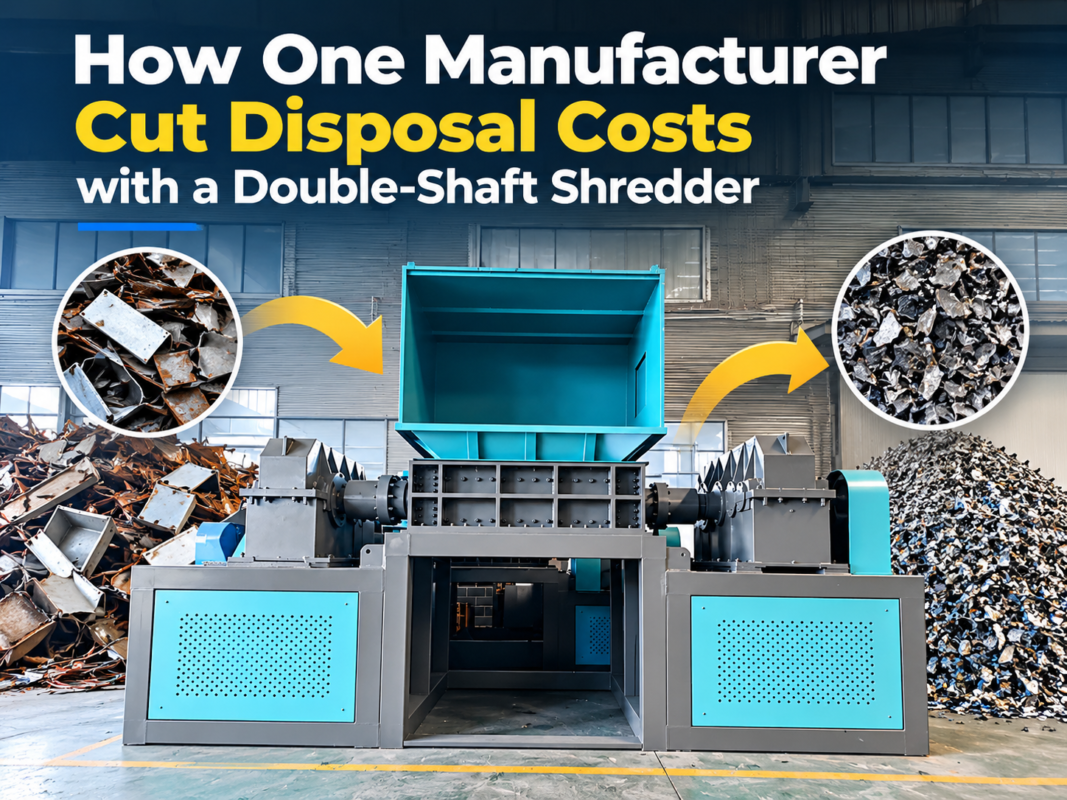
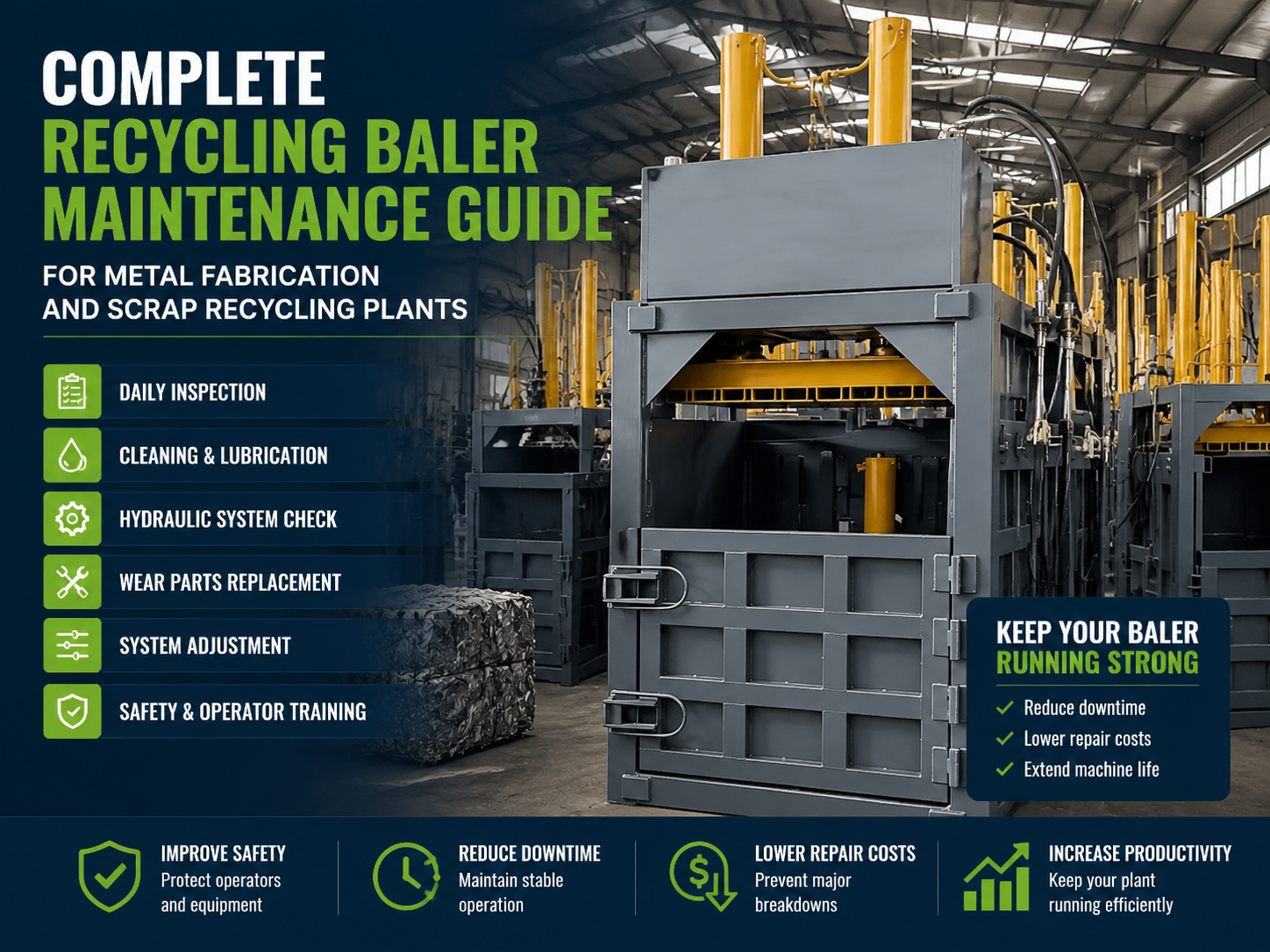
Complete Recycling Baler Maintenance Guide for Metal Fabrication and Scrap Recycling Plants

The Critical Role of Maintenance in Metal Fabrication and Scrap Recycling
In the high-intensity environment of metal fabrication and scrap recycling plants, the recycling baler stands as a cornerstone of operational efficiency. Whether you are processing aluminum extrusions, steel offcuts, or copper wiring, the ability to compress loose scrap into dense, transportable bales is essential for maximizing floor space and increasing the resale value of waste materials. However, because these machines operate under immense hydraulic pressure and handle abrasive materials, they are subject to significant wear and tear. Implementing a Complete Recycling Baler Maintenance Metal Fabrication Scrap Recycling Plants strategy is not just a recommendation; it is a necessity for business continuity.
Neglecting maintenance leads to a cascade of failures. A minor hydraulic leak can escalate into a pump failure, while a loose shear blade can damage the entire compression chamber. For a scrap recycling plant, downtime is the ultimate profit killer. When the baler stops, the scrap piles up, logistics are disrupted, and safety risks increase. HARSLE understands that industrial-grade machinery requires a proactive approach to ensure that every cycle is as efficient as the first. This guide provides a deep dive into the technical requirements of maintaining vertical and horizontal balers in a professional setting.
Beyond simple longevity, proper maintenance ensures the safety of your operators. Recycling balers utilize massive force to crush metal. Any failure in the structural integrity or the safety interlocks can lead to catastrophic accidents. By following a structured maintenance plan, you protect your most valuable assets—your people—while ensuring that your equipment remains a reliable profit center for decades. This comprehensive guide will walk you through every system, from the complex hydraulic circuits to the rugged mechanical frame.
The Importance of a Proactive Maintenance Strategy
A proactive maintenance strategy shifts the focus from “fixing what is broken” to “preventing failure.” In the context of Complete Recycling Baler Maintenance Metal Fabrication Scrap Recycling Plants, this means identifying wear patterns before they result in a machine shutdown. Metal scrap is inherently abrasive and unpredictable; a stray piece of hardened steel can cause different wear than soft aluminum. A proactive strategy allows operators to adjust maintenance intervals based on the specific materials being processed.
The financial benefits of proactive maintenance are well-documented. Studies in industrial management suggest that every dollar spent on preventive maintenance saves approximately five dollars in emergency repairs and lost production time. Furthermore, a well-maintained baler retains a much higher resale value. In the secondary market for metal fabrication equipment, a machine with a documented service history from a reputable manufacturer like HARSLE is a premium asset.
Environmental factors also play a role. Scrap yards are often dusty, and temperature fluctuations can affect the viscosity of hydraulic oil. A proactive plan accounts for these variables, ensuring that filters are changed more frequently in high-dust environments and that heaters or coolers are functioning correctly during seasonal shifts. This level of detail is what separates a world-class recycling operation from a struggling one.
Daily Inspection: The First Line of Defense
The daily inspection is the most critical part of any maintenance routine. It should be performed at the start of every shift before the machine is powered on. The goal is to identify obvious signs of trouble that could lead to an immediate failure. Operators should begin with a visual sweep of the entire machine, looking for puddles of hydraulic fluid, loose bolts, or debris trapped in the safety gates.
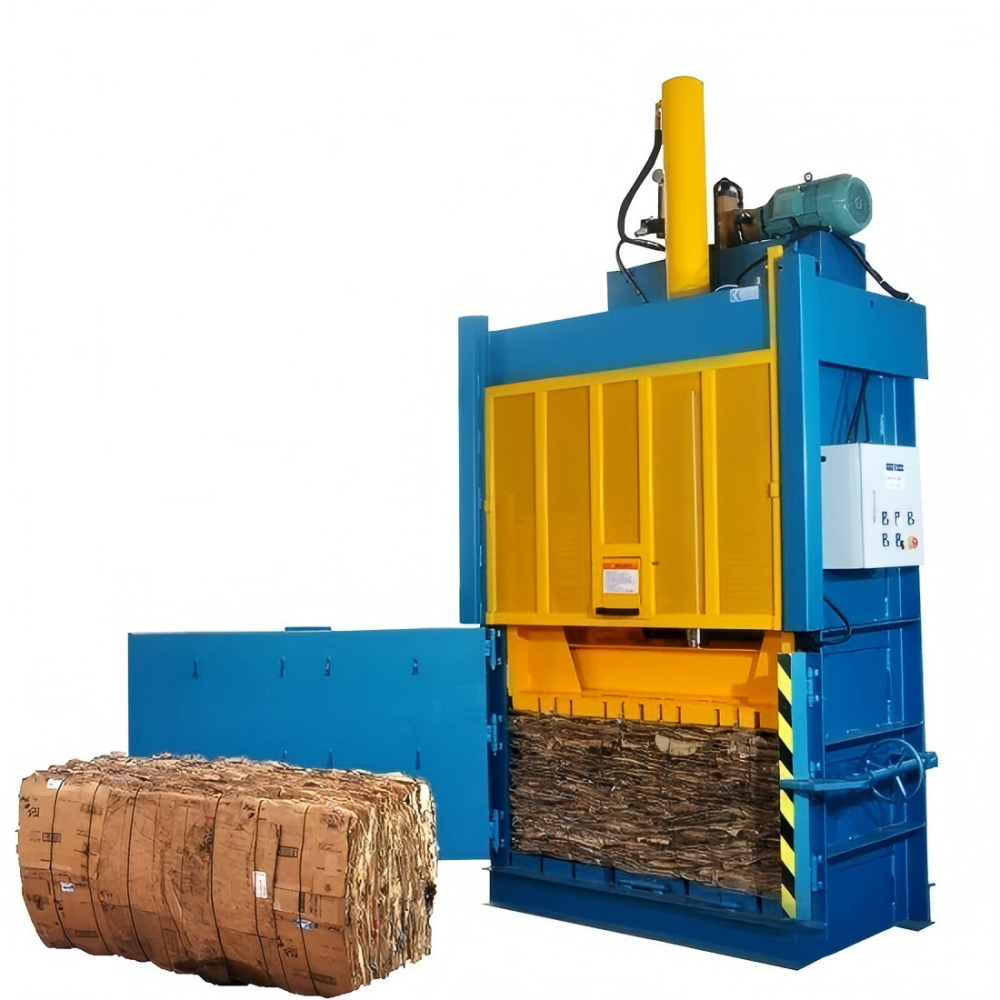
One of the primary focuses of the daily check is the compression chamber. Metal shards can often become wedged between the platen and the chamber walls. If left unchecked, these shards can score the metal surfaces or cause the platen to tilt, leading to uneven pressure and potential cylinder damage. Operators must ensure the chamber is clear of any “bridging” material that might interfere with the ram’s stroke. Additionally, checking the bale wire or strapping system is vital; a malfunction here can lead to a bale “exploding” when it is ejected, creating a significant safety hazard.
Safety interlocks and emergency stop buttons must be tested daily. In a metal fabrication environment, the risk of injury is high, and these systems are the only thing standing between an operator and the machine’s immense force. If a safety gate can be opened while the ram is moving, the machine must be locked out and tagged out immediately. No amount of production is worth the risk of operating a compromised baler.
Hydraulic System Maintenance: The Heart of the Baler
The hydraulic system is the heart of the recycling baler. It converts electrical energy into the massive mechanical force required to crush metal. Maintaining this system requires a focus on three key areas: oil quality, pressure regulation, and seal integrity. Hydraulic oil is not just a lubricant; it is the medium through which power is transmitted. Over time, this oil can become contaminated with metal fines, moisture, and heat-induced oxidation.
Regular oil analysis is recommended for large-scale scrap recycling plants. By testing the oil, you can detect internal component wear (indicated by metal particles in the oil) before a total pump failure occurs. The oil level should be checked daily, and the oil should be replaced according to the manufacturer’s specifications—usually every 2,000 to 4,000 hours of operation. Using the correct grade of hydraulic oil, such as ISO 46 or 68 depending on the climate, is crucial for maintaining the correct viscosity and protecting the pump.
Filters are the kidneys of the hydraulic system. Most modern balers feature suction filters and return-line filters. These must be replaced regularly. A clogged filter will cause the pump to cavitate—a process where air bubbles form and implode within the fluid, causing rapid erosion of the pump’s internal surfaces. If you hear a high-pitched whining or growling sound from the pump, it is often a sign of cavitation or air ingestion, requiring immediate attention to the filtration system and hose connections.
Electrical and Control System Checks
Modern recycling balers are controlled by sophisticated Programmable Logic Controllers (PLCs) and a network of sensors. In the vibrating, heavy-duty environment of a metal fabrication plant, electrical connections can loosen over time. Monthly inspections should include tightening terminal blocks and checking for frayed wiring. Dust, especially metallic dust from grinding or cutting operations, is conductive and can cause short circuits if it accumulates inside the electrical cabinet.
Sensors, such as limit switches and proximity sensors, are responsible for telling the PLC where the ram is located. If these sensors are misaligned or coated in grease and dirt, the baler may fail to complete its cycle or, worse, over-travel and cause mechanical damage. Cleaning these sensors with an appropriate electronic cleaner and ensuring they are securely mounted is a simple task that prevents hours of troubleshooting later.
The motor is another critical electrical component. Ensure that the motor cooling fans are clear of debris. Overheating is a leading cause of motor failure. If the baler is equipped with a Variable Frequency Drive (VFD), check the cooling vents and ensure the parameters haven’t been tampered with. A well-maintained electrical system ensures that the baler operates with the precise timing required for efficient metal compaction.
Mechanical Components and Structural Integrity
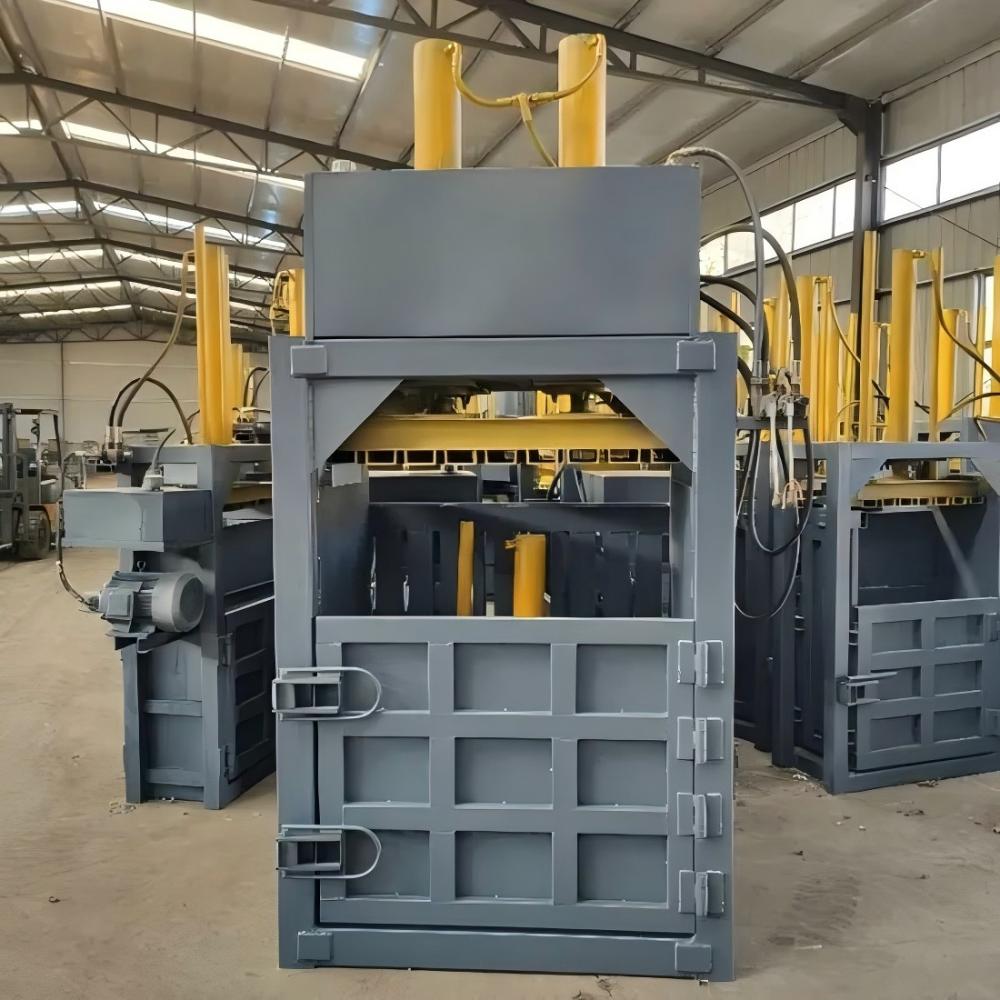
The mechanical frame of a baler is built to withstand millions of pounds of force, but it is not indestructible. The most common mechanical wear point is the platen guide system. The platen (the pressing head) moves up and down on guides or wear pads. These pads, often made of specialized plastics or brass, are designed to wear out so that the main frame does not. If these pads are allowed to wear down completely, the metal-on-metal contact will cause irreparable damage to the baler’s structure.
Shear blades are another critical mechanical element, particularly in horizontal balers used for scrap recycling. These blades cut through excess metal as the ram moves forward. If the blades become dull or the gap between them becomes too wide, the machine will struggle to cut, leading to jammed rams and increased hydraulic pressure. Sharpening or rotating these blades according to the Complete Recycling Baler Maintenance Metal Fabrication Scrap Recycling Plants schedule is essential for maintaining throughput.
Finally, inspect the structural welds of the bale chamber and the cylinder mounts. The repetitive stress of baling metal can eventually lead to fatigue cracks. Early detection of a small crack allows for a simple weld repair. If ignored, the crack can propagate, leading to a structural failure that might render the machine a total loss. Pay close attention to the areas around the hydraulic cylinder trunnions and the door locking mechanisms.
Lubrication Plan: Reducing Friction and Wear
Lubrication is the simplest yet most often overlooked aspect of baler maintenance. A proper lubrication plan ensures that all moving parts glide smoothly, reducing the load on the motor and hydraulic system. Most balers require a high-pressure, extreme-pressure (EP) grease, such as NLGI Grade 2. Key lubrication points include the platen guides, door hinges, cylinder pins, and any moving parts of the bale tying mechanism.
For plants with high-volume production, an automatic lubrication system is a wise investment. These systems deliver small, precise amounts of grease at regular intervals, ensuring that the machine is always lubricated without the risk of human error. If your baler relies on manual lubrication, create a clear chart near the machine that highlights every grease nipple and the frequency with which it should be serviced. Over-greasing can be just as harmful as under-greasing, as excess grease can attract abrasive metal dust, creating a grinding paste that accelerates wear.
Troubleshooting Common Signals
Operators should be trained to recognize the “language” of the machine. Changes in sound, speed, or smell are often the first indicators of a problem. For example, a “spongy” feeling in the controls or a ram that drifts downward when the machine is off usually indicates internal leakage in the hydraulic cylinder or a faulty check valve. If the cycle time begins to slow down, it could indicate a worn pump or a restricted suction line.
Excessive heat is another major warning sign. If the hydraulic tank feels too hot to touch (typically over 140°F or 60°C), the cooling system is failing, or the oil is bypassing a valve, generating friction heat. Operating at high temperatures breaks down the oil’s chemical structure and destroys seals. Troubleshooting these signals immediately can prevent a minor part replacement from turning into a full system overhaul.
Comprehensive Maintenance Schedule Table
Use the following table as a template for your Complete Recycling Baler Maintenance Metal Fabrication Scrap Recycling Plants program. Adjust the frequency based on your specific shift patterns and material types.
| Frequency | Task Description | System |
|---|---|---|
| Daily | Check hydraulic oil levels and look for leaks. | Hydraulic |
| Daily | Test E-stops and safety gate interlocks. | Safety |
| Daily | Clean debris from the compression chamber and platen. | Mechanical |
| Weekly | Inspect and grease platen guides and pivot points. | Lubrication |
| Weekly | Check bale wire/tie system for proper tension and wear. | Mechanical |
| Monthly | Inspect hydraulic hoses for cracks, bulges, or abrasions. | Hydraulic |
| Monthly | Tighten electrical terminals and clean control cabinet. | Electrical |
| Quarterly | Replace hydraulic filters (or as indicated by gauge). | Hydraulic |
| Quarterly | Inspect shear blades and adjust clearance if necessary. | Mechanical |
| Annually | Perform full hydraulic oil change and tank cleaning. | Hydraulic |
| Annually | Conduct a structural integrity and weld inspection. | Mechanical |
Frequently Asked Questions (FAQ)
1. How often should I change the hydraulic oil in my recycling baler?
Generally, hydraulic oil should be changed every 2,000 to 4,000 hours of operation. However, in the harsh conditions of a scrap recycling plant, you should perform annual oil analysis to determine the exact condition of the fluid. If the oil appears milky (water contamination) or smells burnt (overheating), it must be changed immediately regardless of the hour count.
2. Why is my baler making a loud banging noise during the cycle?
Loud banging can be caused by several issues: loose shear blades hitting each other, a piece of scrap metal getting wedged in a way that causes the platen to shift suddenly, or air trapped in the hydraulic cylinders. Check the blade clearance first and ensure the chamber is clear of obstructions. If the noise persists, it may be a sign of mechanical fatigue in the frame or cylinder mounts.
3. Can I use any type of grease for the lubrication points?
No. You should use a high-quality Extreme Pressure (EP) grease, typically an NLGI Grade 2 lithium-based grease. Metal fabrication balers deal with high loads and vibrations, and standard multi-purpose grease may not provide enough film strength to protect the components under these conditions.
4. What should I do if the ram moves slower than usual?
Slow ram movement is usually a sign of a hydraulic issue. Check the oil level first. If the level is fine, the problem could be a clogged suction filter, a worn hydraulic pump that can no longer maintain flow, or a faulty relief valve that is bypassing oil back to the tank. Start by replacing the filters, as this is the most cost-effective first step.
5. How do I know when the shear blades need sharpening?
Signs of dull shear blades include “ragged” edges on the sheared metal, increased cycle times, and the machine struggling or stalling during the shear stroke. You may also notice the bale chamber walls becoming scored near the blade area. Regular inspection of the blade gap (clearance) is the best way to prevent dullness from damaging the machine.
6. Is it necessary to clean the electrical cabinet?
Yes, absolutely. In metal fabrication plants, fine metallic dust is common. This dust is conductive. If it settles on electrical components, it can cause tracking, short circuits, and even fires. Use a vacuum or low-pressure compressed air to clean the cabinet monthly, ensuring the power is completely disconnected first.
Conclusion: Maximizing ROI through Diligent Care
A recycling baler is a significant investment for any metal fabrication or scrap recycling plant. By following this Complete Recycling Baler Maintenance Metal Fabrication Scrap Recycling Plants guide, you are doing more than just keeping a machine running; you are optimizing your entire waste management workflow. Consistent maintenance reduces the total cost of ownership, improves safety, and ensures that your scrap metal is processed into high-quality bales that command the best market prices.
HARSLE remains committed to providing the industry with robust machinery and the knowledge required to maintain it. Remember that the most successful recycling operations are those that treat their equipment with the same respect as their primary production tools. Stay diligent, keep detailed maintenance logs, and your baler will serve your facility reliably for many years to come.