Best Maintenance Practices for High-Throughput Recycling Baler Equipment

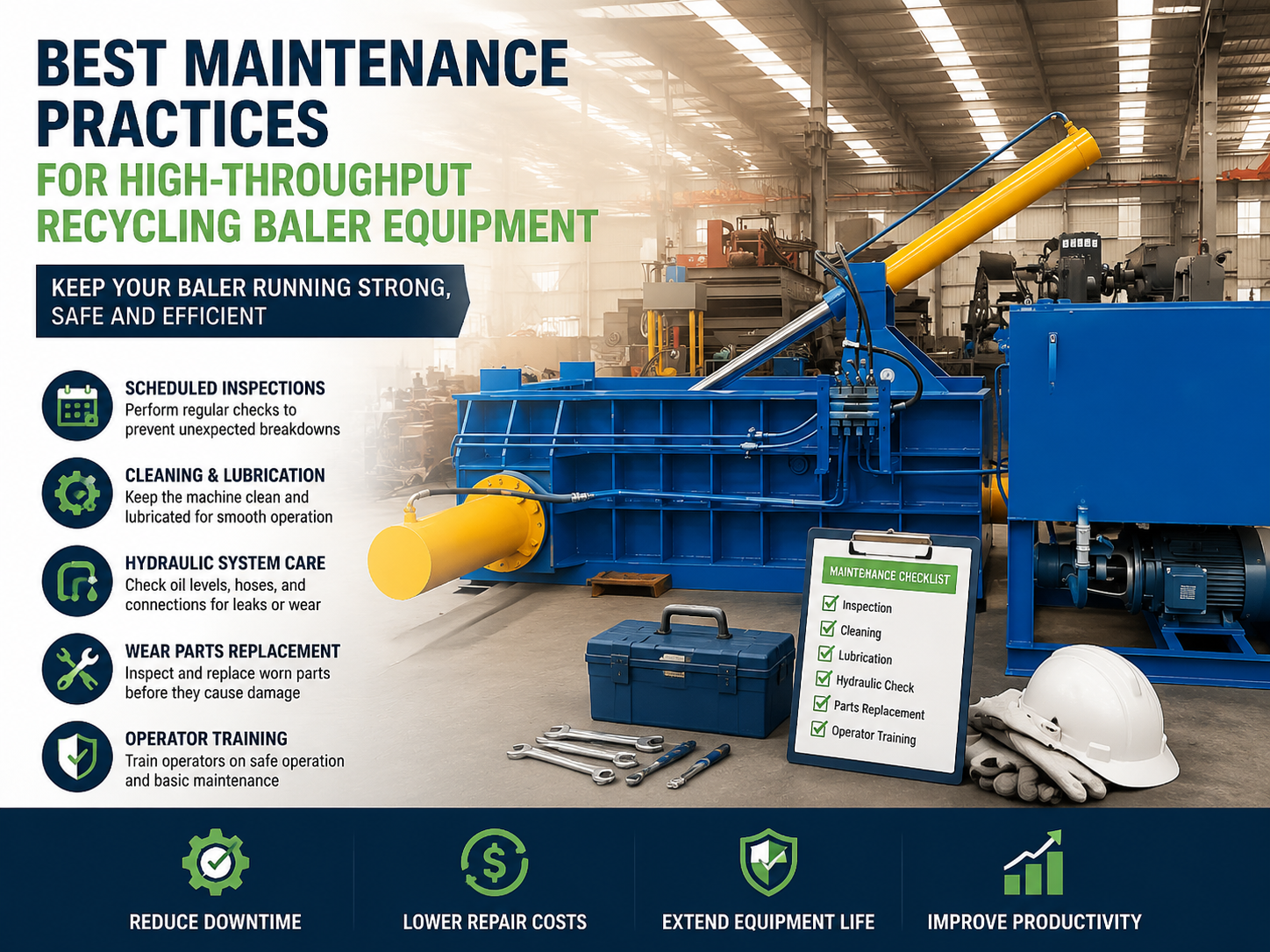
The Critical Role of Maintenance in High-Throughput Recycling
In the fast-paced world of industrial recycling, high-throughput recycling baler equipment serves as the backbone of operations. These machines are designed to handle massive volumes of scrap metal, plastics, and paper, compressing them into dense, transportable bales. However, the sheer force and frequency of operation place immense stress on every component, from the hydraulic cylinders to the structural frame. Implementing the best maintenance practices for high-throughput recycling baler equipment is not merely a suggestion; it is a financial and operational necessity. Without a rigorous maintenance strategy, facilities face the risk of catastrophic mechanical failure, expensive emergency repairs, and significant downtime that can disrupt the entire supply chain.
High-throughput machines operate under extreme pressures, often exceeding several hundred tons of force. This environment accelerates wear and tear on moving parts, seals, and structural liners. When a baler is down, the accumulation of unprocessed scrap can lead to safety hazards and logistical bottlenecks. By prioritizing preventive maintenance, companies can ensure that their HARSLE equipment operates at peak efficiency, maintaining the high cycle speeds required for profitability. Furthermore, a well-maintained machine retains its resale value and ensures a safer working environment for operators who interact with these powerful systems daily.
The philosophy of maintenance has shifted from reactive—fixing things when they break—to proactive and predictive. Proactive maintenance involves scheduled inspections and part replacements based on usage hours, while predictive maintenance utilizes sensors and data to anticipate failures before they occur. For high-throughput recycling balers, a combination of these approaches is ideal. This guide explores the comprehensive steps required to keep your baling operations running smoothly, focusing on the hydraulic, electrical, and mechanical systems that define modern recycling technology.
The Importance of a Structured Maintenance Program
A structured maintenance program for high-throughput recycling baler equipment provides a roadmap for longevity. It begins with understanding the manufacturer’s specifications and the specific demands of the materials being processed. For instance, baling abrasive scrap metal requires more frequent inspections of wear plates than baling cardboard. A disciplined approach ensures that no small issue is overlooked, as minor leaks or loose bolts can quickly escalate into major system failures under the high-cycle demands of a 24/7 recycling facility.
Beyond mechanical reliability, maintenance directly impacts the quality of the output. A baler with worn shear blades or misaligned rams will produce irregular, loosely packed bales that are difficult to stack and transport. This inefficiency increases shipping costs and may lead to rejection by end-users. By adhering to the best maintenance practices for high-throughput recycling baler equipment, operators ensure that every bale meets industry standards for density and dimensions, thereby maximizing the revenue generated from recycled materials.
Daily Inspection: The First Line of Defense
The daily inspection is the most critical component of any maintenance routine. It should be performed at the start of every shift to identify potential hazards or mechanical issues before the machine is energized. Operators should begin with a visual sweep of the entire machine, looking for signs of hydraulic fluid leaks, loose wires, or structural cracks. In high-throughput environments, vibration is a constant factor that can loosen fasteners over time, making a quick check of bolts and pins essential.
Cleaning is an integral part of the daily inspection. Debris, dust, and small metal fragments can accumulate in the baler’s tracks, around sensors, and within the hydraulic cooling system. If left unchecked, this debris can cause overheating or interfere with the precision of the ram’s movement. Using compressed air or specialized industrial vacuums to clear the hopper and the area around the limit switches ensures that the machine’s automated cycles are not interrupted by false signals or physical obstructions.
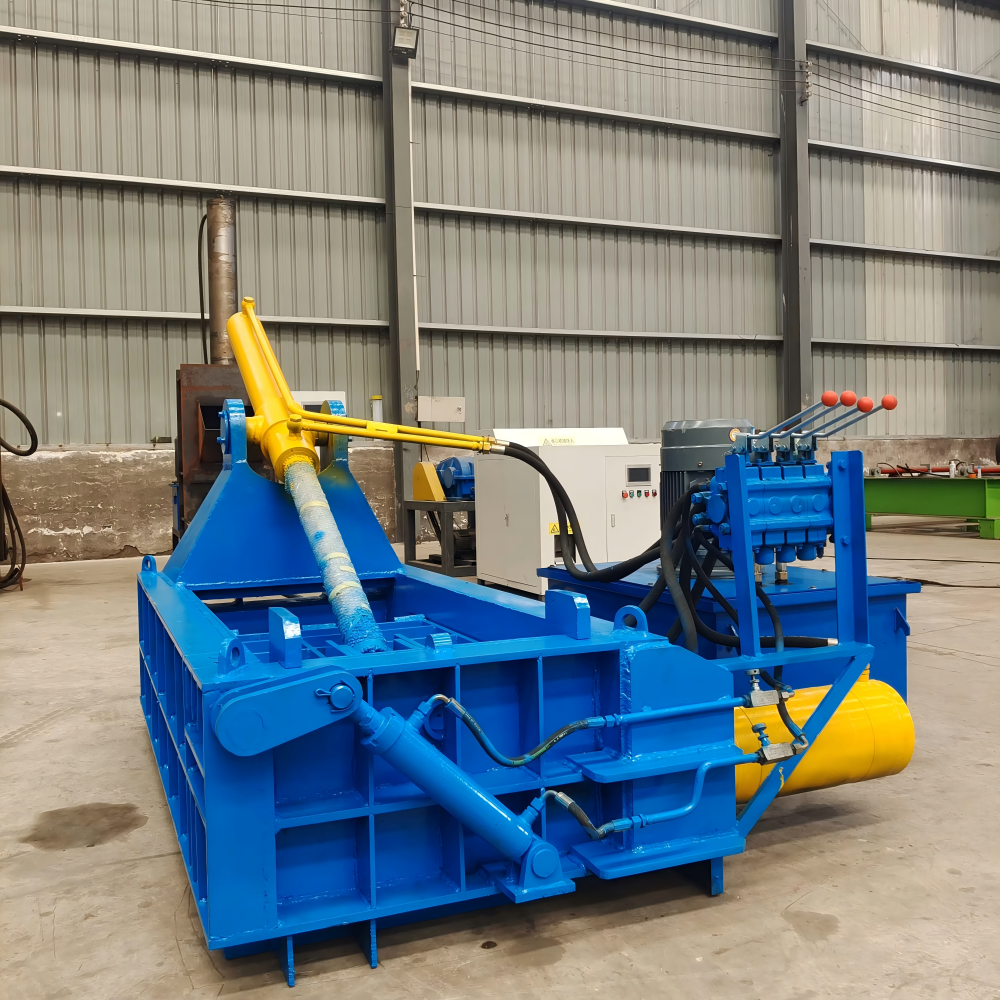
Hydraulic System Maintenance: The Heart of the Baler
The hydraulic system is the lifeblood of high-throughput recycling baler equipment. It provides the massive force necessary to compress scrap materials. Maintaining the health of this system requires constant vigilance regarding oil quality, temperature, and pressure. Hydraulic oil serves three primary functions: power transmission, lubrication, and cooling. Over time, the oil can become contaminated with particulates or moisture, which degrades its performance and can damage sensitive valves and pumps.
Regular oil analysis is a best practice for high-throughput operations. By testing the oil for metal shavings, chemical breakdown, and water content, maintenance teams can determine the exact time for an oil change rather than relying on guesswork. Additionally, the filtration system must be checked frequently. High-throughput balers often utilize multi-stage filtration to remove microscopic contaminants. Replacing these filters according to the manufacturer’s schedule—or sooner if the machine operates in a particularly dusty environment—is vital for protecting the high-precision components of the hydraulic manifold.
Temperature management is another critical aspect. High-throughput cycles generate significant heat. If the hydraulic oil exceeds its recommended operating temperature (typically around 50-60°C), its viscosity drops, leading to increased wear and potential seal failure. Maintenance teams should regularly inspect the oil coolers and heat exchangers, ensuring that cooling fins are clean and that fans or water-cooling systems are functioning correctly. Monitoring the hydraulic hoses for signs of bulging, cracking, or abrasion is also necessary to prevent high-pressure bursts that could cause injury or fire.
Electrical and Control System Checks
Modern recycling balers are controlled by sophisticated Programmable Logic Controllers (PLCs) and a network of sensors. These components ensure that the baling cycle is efficient and safe. Maintenance of the electrical system involves more than just checking for loose wires; it requires ensuring that the control cabinet is kept clean and cool. Dust accumulation on electrical components can lead to short circuits or overheating of the PLC and motor drives.
Sensors, including proximity switches and pressure transducers, must be calibrated and cleaned regularly. In a high-throughput environment, the vibration and physical impact of scrap material can knock sensors out of alignment. A misaligned sensor might cause the ram to stop prematurely or fail to retract, leading to cycle errors. Furthermore, the emergency stop (E-stop) system and safety interlocks must be tested daily. These are non-negotiable safety features that protect the operator and the machine in the event of a malfunction.
Mechanical Components and Wear Parts
The mechanical integrity of a baler is tested with every stroke of the ram. High-throughput recycling baler equipment features wear liners, usually made of hardened steel like Hardox, to protect the main frame from the abrasive nature of scrap material. These liners are sacrificial and must be inspected for thickness and surface damage. Once they wear down beyond a certain point, they must be replaced to prevent permanent damage to the baler’s structural chamber.
The shear blades or knives are another critical mechanical component. These blades cut through overhanging scrap as the ram moves forward. If the blades become dull or if the gap between the moving and stationary blades becomes too wide, the machine will struggle to cut, leading to increased hydraulic pressure and potential jamming. Sharpening or rotating the blades and adjusting the blade gap (typically maintained between 0.5mm and 1.0mm depending on the model) is essential for maintaining a smooth, high-speed throughput.
Comprehensive Lubrication Plan
Lubrication is the simplest yet most often neglected aspect of maintenance. For high-throughput recycling baler equipment, a comprehensive lubrication plan is the primary defense against friction-induced wear. Moving parts such as the ram guides, pivot pins, and door hinges require regular applications of high-quality industrial grease. Without proper lubrication, these parts can seize or gall, leading to expensive repairs and prolonged downtime.
Many modern HARSLE balers are equipped with automatic lubrication systems. These systems deliver precise amounts of grease to critical points at set intervals. However, even automatic systems require maintenance. Operators must ensure the grease reservoir is always full and check the delivery lines for blockages or breaks. For machines requiring manual lubrication, a strict schedule must be followed, typically every 8 to 24 hours of operation, depending on the intensity of the work. Using the correct type of lubricant—one that can withstand high pressures and resist being washed away by moisture—is equally important.
Identifying Troubleshooting Signals
Experienced operators can often “hear” when a machine is not performing correctly. Troubleshooting signals are the machine’s way of communicating that a component is nearing failure. Unusual noises, such as whining from the hydraulic pump or grinding from the ram, should be investigated immediately. A whining pump often indicates cavitation or air in the hydraulic lines, which can destroy the pump in a matter of hours if not addressed.
Changes in cycle time are another key indicator. If a high-throughput baler starts taking longer to complete a single bale, it may point to a loss of hydraulic pressure, a failing pump, or internal leaking in the cylinders. Similarly, if the bales are consistently misshapen or less dense than usual, it suggests that the pressure settings or the mechanical alignment of the ram need adjustment. Monitoring these signals allows maintenance teams to schedule repairs during planned downtime rather than reacting to a sudden breakdown.
Maintenance Schedule Table
To assist in the implementation of these practices, the following table outlines a standard maintenance schedule for high-throughput recycling baler equipment. Note that specific intervals may vary based on the manufacturer’s recommendations and the intensity of use.
| Frequency | Component | Action Required |
|---|---|---|
| Daily | Hydraulic System | Check oil levels and look for leaks in hoses/fittings. |
| Daily | Safety Systems | Test E-stops, light curtains, and interlocks. |
| Daily | Cleaning | Remove debris from the hopper, ram tracks, and sensors. |
| Weekly | Lubrication | Check auto-lube reservoir or manually grease all pivot points. |
| Weekly | Wear Plates | Inspect for excessive wear or loose mounting bolts. |
| Monthly | Hydraulic Filters | Check pressure gauges on filters; replace if necessary. |
| Monthly | Shear Blades | Check blade gap and sharpness; rotate or sharpen if dull. |
| Quarterly | Electrical Cabinet | Vacuum dust and check for loose terminal connections. |
| Quarterly | Oil Analysis | Send a sample of hydraulic oil for laboratory testing. |
| Annually | Full System Audit | Comprehensive inspection of structural welds and pump performance. |
Safety Protocols During Maintenance
Maintenance on high-throughput recycling baler equipment should never be performed without strict adherence to safety protocols. The most important of these is the Lockout/Tagout (LOTO) procedure. Before any technician enters the baler chamber or opens the hydraulic system, all power sources must be disconnected and locked to prevent accidental activation. Because balers store significant energy in the form of pressurized hydraulic fluid or raised heavy components, gravity pins and pressure relief valves must be used to neutralize these hazards.
Furthermore, maintenance personnel should be equipped with the appropriate Personal Protective Equipment (PPE), including hard hats, safety glasses, and heavy-duty gloves. When working with hydraulic systems, technicians must be aware of the danger of high-pressure injection injuries, which can occur even through a small pinhole leak in a hose. Using a piece of cardboard, rather than a hand, to check for leaks is a standard safety practice that saves lives.
The Role of Operator Training
The best maintenance practices for high-throughput recycling baler equipment are only as effective as the people implementing them. Comprehensive operator training is essential. Operators should not only know how to run the machine but also how to recognize the early signs of wear and how to perform basic daily maintenance tasks. When operators take ownership of their equipment, they are more likely to keep it clean and report minor issues before they become major problems.
Training should also cover the specific characteristics of the materials being baled. For example, processing stainless steel requires different pressure settings and creates different wear patterns than processing aluminum. Understanding these nuances allows the team to adjust the maintenance schedule to match the actual workload of the machine, ensuring maximum efficiency and longevity.
Frequently Asked Questions (FAQ)
1. How often should I change the hydraulic oil in my high-throughput baler?
While many manufacturers suggest changing oil every 2,000 to 4,000 hours, the best practice is to rely on oil analysis. Testing the oil every three months allows you to monitor its condition and change it only when the additives are depleted or contamination levels are too high, potentially saving money and reducing waste.
2. What causes the baler ram to move slowly?
Slow ram movement is typically caused by a drop in hydraulic flow or pressure. This could be due to a clogged suction filter, a worn hydraulic pump, or an internal leak in the main cylinder. It can also be caused by the oil overheating, which reduces its viscosity and efficiency.
3. Can I use any type of grease for the lubrication points?
No. You should use a high-pressure (EP) grease specifically designed for industrial machinery. Using the wrong grease can lead to inadequate lubrication under load, causing the pivot pins and guides to wear out prematurely. Always refer to the HARSLE manual for specific lubricant grades.
4. Why are my bales coming out loose or uneven?
Loose bales are often the result of insufficient system pressure or worn shear blades that allow material to wedge between the ram and the chamber wall. Check your pressure relief valve settings and inspect the blades for sharpness and proper gap alignment.
5. How do I know when to replace the wear liners?
Wear liners should be replaced when they have worn down to the thickness specified by the manufacturer (usually when 50-75% of the original thickness is gone) or if they show signs of deep gouging or cracking. Operating with worn liners can lead to structural damage to the baler’s frame, which is much more expensive to repair.
6. Is it necessary to clean the baler every day?
Yes. In high-throughput environments, the accumulation of small particles can interfere with sensors, clog cooling systems, and increase the risk of fire. A clean machine is a safer and more reliable machine.
Conclusion
Maintaining high-throughput recycling baler equipment is a continuous commitment to excellence. By following the best maintenance practices outlined in this guide—ranging from daily visual inspections to sophisticated hydraulic oil analysis—facilities can ensure their HARSLE machinery remains a productive asset for years to come. The combination of a disciplined maintenance schedule, proper operator training, and a proactive approach to troubleshooting will minimize downtime and maximize the return on investment. In the competitive recycling industry, a well-maintained baler is not just a tool; it is a significant competitive advantage.