Comprehensive Guide: How to Clean and Lubricate a Recycling Baler Properly for Peak Performance

The Critical Importance of Baler Maintenance
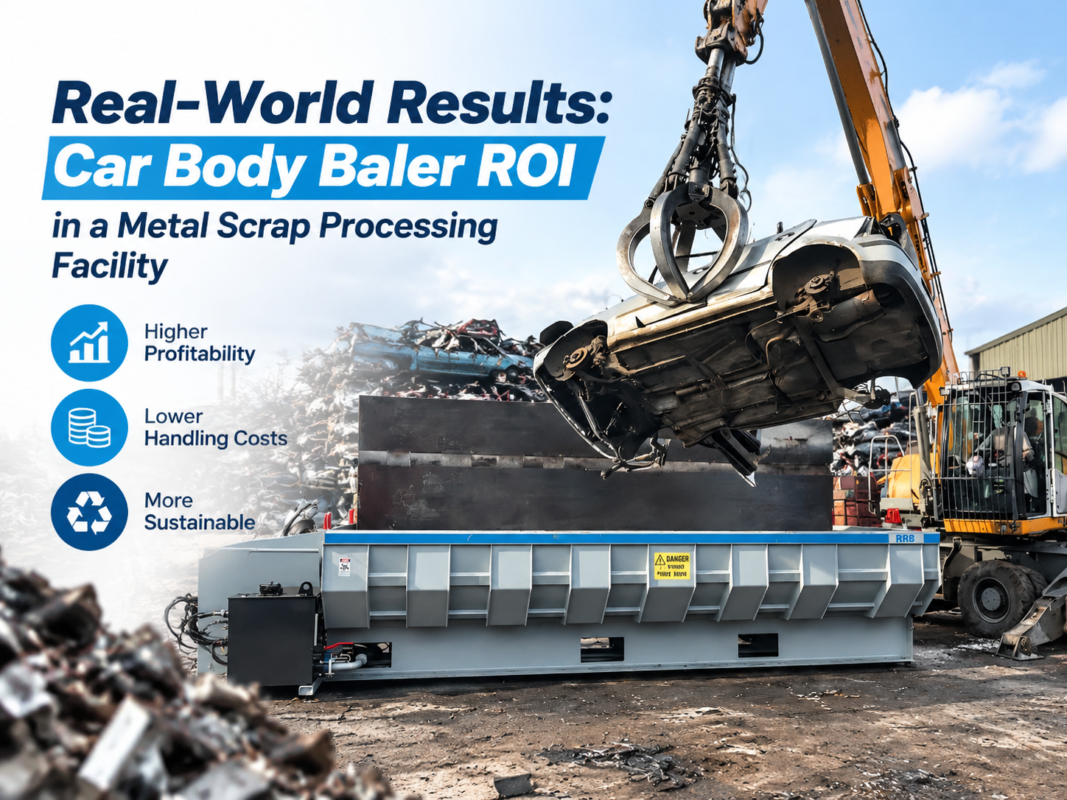
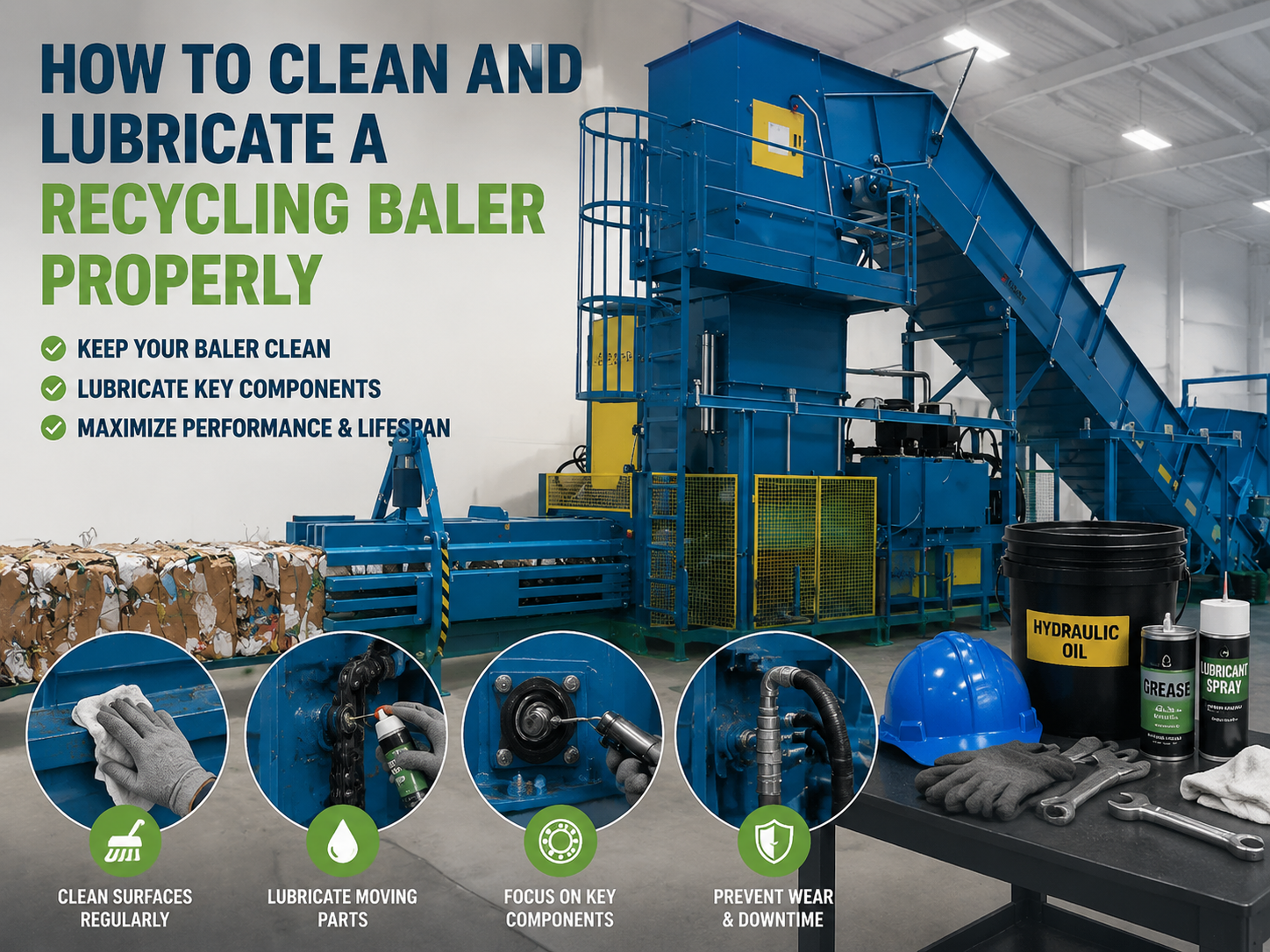
In the demanding world of scrap metal processing, the recycling baler stands as a cornerstone of operational efficiency. However, the very nature of its work—compressing dense, often abrasive materials under immense pressure—subjects the machine to significant wear and tear. Understanding how to clean lubricate a recycling baler properly is not merely a suggestion; it is a fundamental requirement for any facility aiming to protect its capital investment and ensure consistent throughput. Without a rigorous maintenance regimen, even the most robust HARSLE baler can succumb to premature component failure, leading to costly downtime and safety hazards.
Proper maintenance goes beyond simple aesthetics. When you clean and lubricate a recycling baler properly, you are actively managing the friction and heat that are the primary enemies of hydraulic and mechanical systems. Metal dust, scale, and debris from scrap materials can act like sandpaper, grinding down precision-machined surfaces, seals, and bearings. By implementing a structured cleaning and lubrication plan, operators can reduce the coefficient of friction, prevent the buildup of corrosive materials, and ensure that hydraulic valves operate with the precision required for high-density baling.
Furthermore, a well-maintained machine is a safer machine. Many industrial accidents in recycling plants are traced back to mechanical failures that could have been prevented through routine inspection and lubrication. For instance, a seized pivot pin or a failing hydraulic hose due to external abrasion can lead to catastrophic structural failure. This guide provides a deep dive into the technical procedures necessary to keep your recycling baler in peak condition, focusing on the specific needs of heavy-duty industrial equipment.
Daily Inspection Protocols: The First Line of Defense
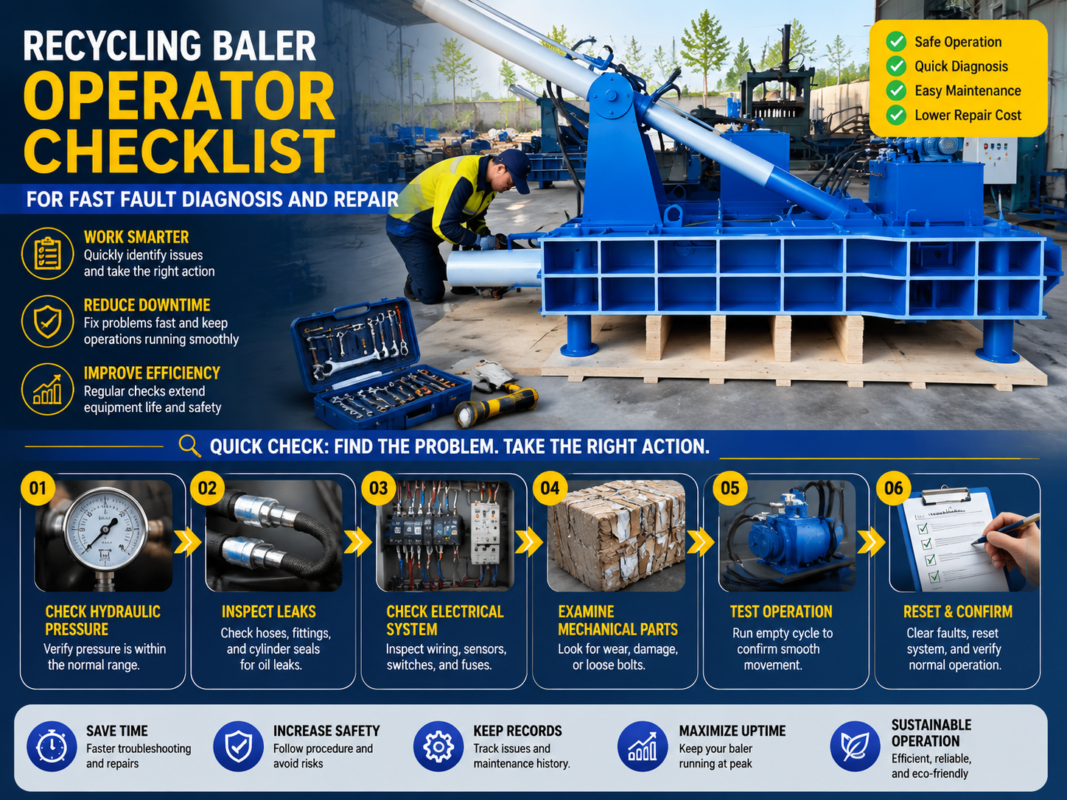
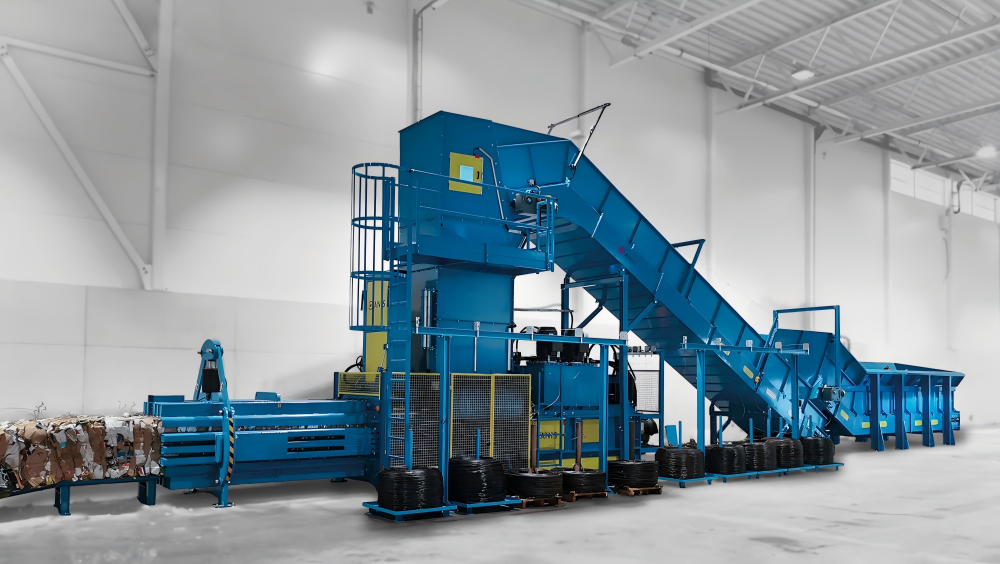
The foundation of knowing how to clean lubricate a recycling baler properly begins with the daily inspection. This routine should be performed at the start of every shift before the machine is powered on. The goal is to identify potential issues before they escalate into major repairs. Operators should start with a visual sweep of the entire machine, looking for signs of hydraulic fluid leaks, loose fasteners, or structural cracks in the bale chamber and ram head.
During the daily inspection, it is crucial to check the oil level in the hydraulic reservoir. The oil should be at the recommended level indicated on the sight glass, and its color should be clear and amber. If the oil appears milky or dark, it indicates contamination or oxidation, requiring immediate attention. Additionally, operators must inspect the safety interlocks and emergency stop buttons to ensure they are fully functional. A baler with bypassed or faulty safety systems is a liability that no facility can afford.
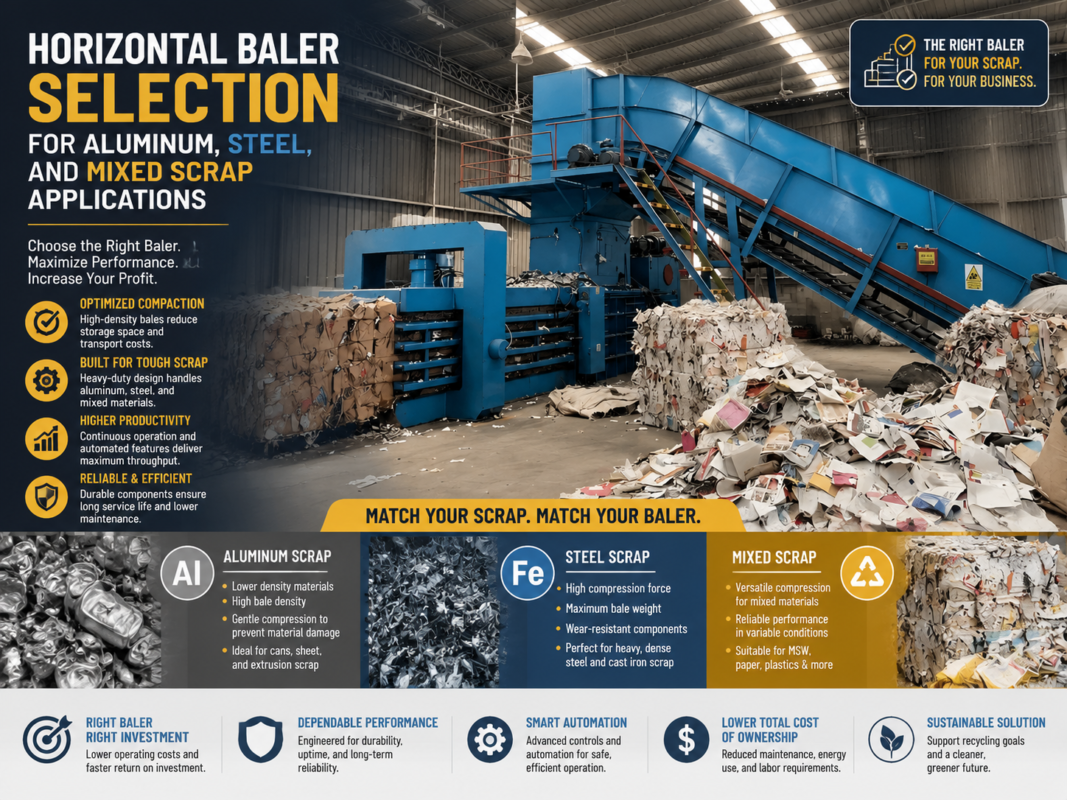
Another vital daily task is the removal of large debris from the charging box and around the ram guides. Small pieces of metal can become lodged in the tracks, causing the ram to cycle unevenly or putting undue stress on the hydraulic cylinders. By clearing these areas daily, you prevent the accumulation of material that can eventually lead to a mechanical jam. This simple act of cleaning is the first step in the broader process of how to clean and lubricate a recycling baler properly.
Hydraulic System Maintenance and Fluid Management
The hydraulic system is the heart of the recycling baler, providing the massive force necessary to compress scrap metal. Maintaining this system requires more than just checking oil levels; it involves a comprehensive approach to fluid health and component integrity. To clean lubricate a recycling baler properly, one must understand the role of hydraulic filtration. Filters should be replaced according to the manufacturer’s schedule or whenever the filter-clogging indicator signals a restriction. Contaminated oil is the leading cause of pump and valve failure in industrial balers.
Temperature management is another critical aspect of hydraulic maintenance. Most balers are equipped with air or water coolers to keep the hydraulic fluid within an optimal operating range (usually between 40°C and 60°C). If the oil becomes too hot, its viscosity drops, leading to poor lubrication and accelerated wear on internal pump components. Conversely, if the oil is too cold, it may not flow properly, causing cavitation. Cleaning the cooling fins of the heat exchanger is a vital part of the cleaning process to ensure efficient heat dissipation.
Operators should also pay close attention to the hydraulic hoses and fittings. Look for signs of weeping, bulging, or abrasion. In a high-pressure environment, a pinhole leak can quickly turn into a dangerous high-pressure injection hazard. When replacing hoses, always use components that meet or exceed the original equipment manufacturer (OEM) specifications. Ensuring that all connections are tight and leak-free is a core component of maintaining the system’s overall efficiency and cleanliness.
Electrical and Control System Care
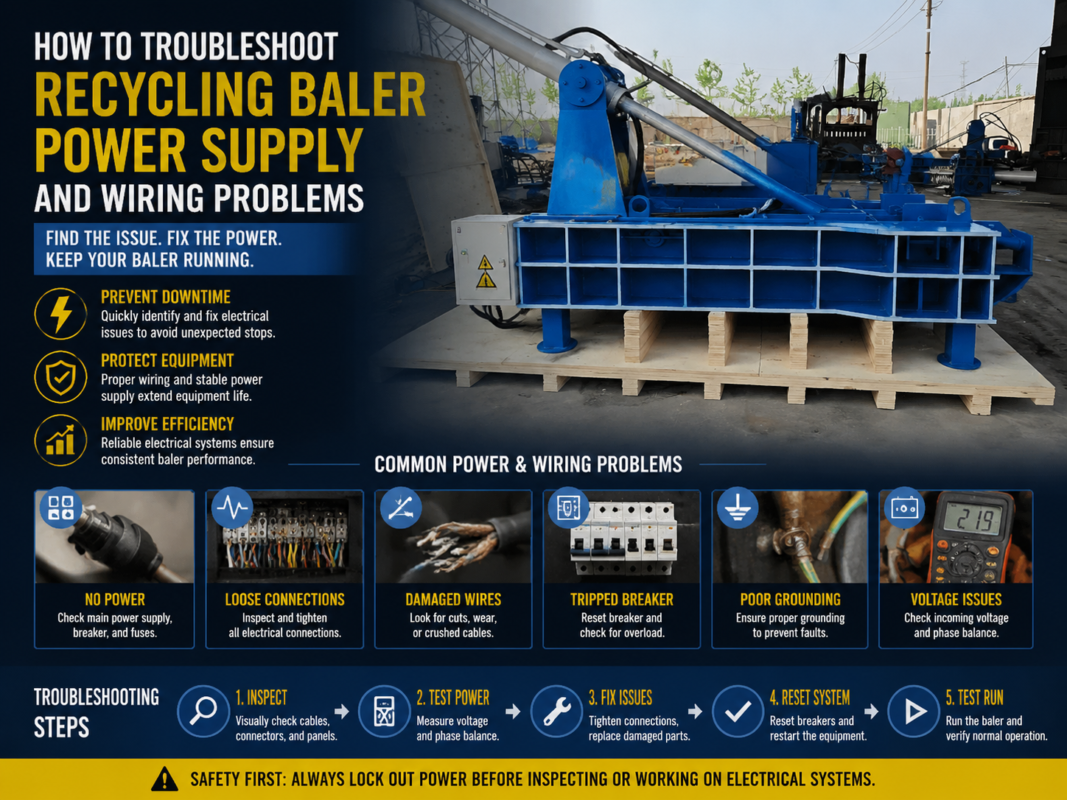
While much of the focus on how to clean lubricate a recycling baler properly is on the mechanical and hydraulic parts, the electrical system requires equal attention. Modern balers rely on Programmable Logic Controllers (PLCs), sensors, and solenoids to manage the complex cycling of the ram and bale ejector. Dust and moisture are the primary enemies of electrical components. Control cabinets should be kept closed and sealed, and the interior should be cleaned periodically using low-pressure compressed air or a specialized vacuum to remove accumulated dust.
Sensors, such as proximity switches and limit switches, must be kept clean to ensure accurate feedback to the PLC. If a sensor is covered in grease or metal shavings, it may fail to trigger, causing the machine to stop or, worse, attempt to cycle when it is unsafe to do so. During the cleaning process, wipe down sensor faces with a clean, dry cloth. Check the wiring for any signs of fraying or damage caused by vibration or rodent activity, which is common in outdoor recycling environments.
Furthermore, the electrical connections at the motor and the main power supply should be checked for tightness. Loose connections can lead to arcing, heat buildup, and eventual component failure. It is also advisable to check the cooling fans on the main drive motors. If these fans are clogged with debris, the motor can overheat, leading to a shortened lifespan. Integrating electrical checks into your maintenance routine ensures that the “brain” of the baler remains as reliable as its “muscles.”
Mechanical Integrity and Wear Components
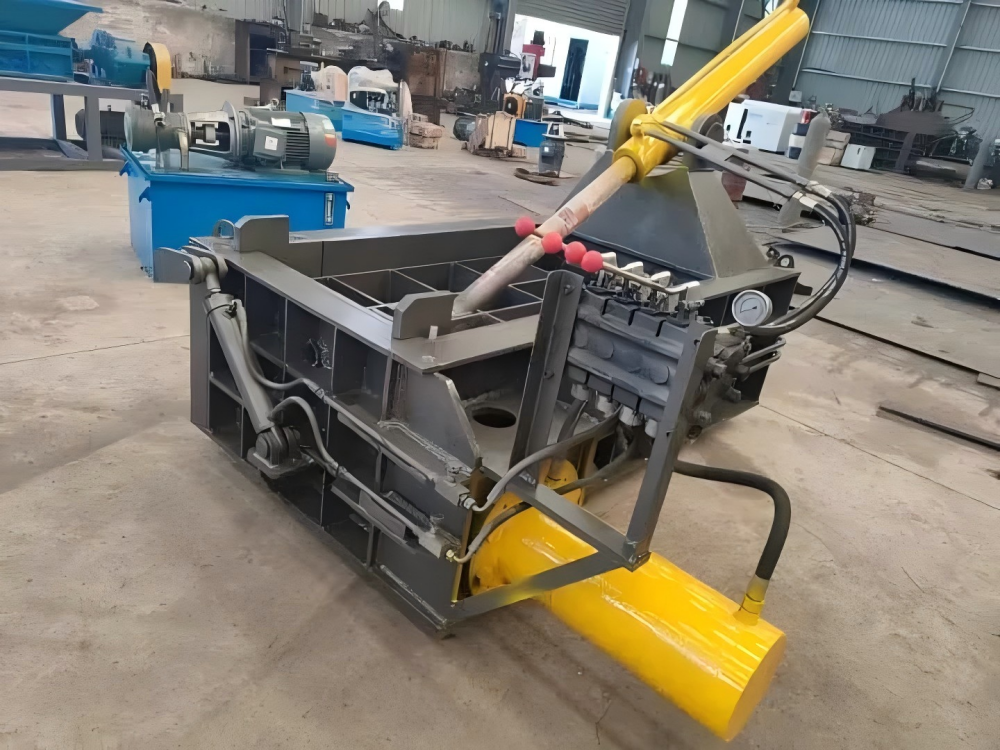
The mechanical components of a baler, particularly the ram, the shear blades, and the wear liners, are subject to extreme friction. To clean lubricate a recycling baler properly, you must monitor the clearance between the ram and the chamber walls. Over time, the wear liners will thin out, increasing the gap. If this gap becomes too large, material can get trapped behind the ram, leading to structural damage or inefficient baling. Most HARSLE balers feature adjustable or replaceable wear plates designed to be serviced periodically.
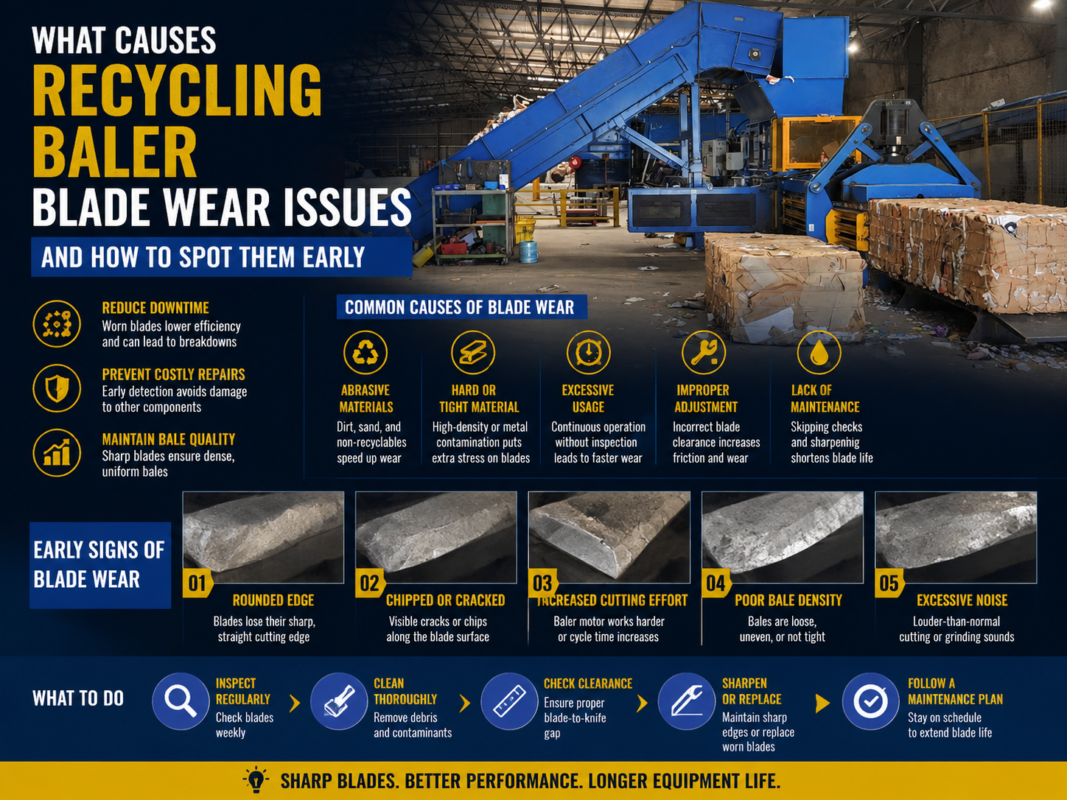
The shear blades are another critical area. These blades cut through excess material as the ram moves forward. If the blades become dull or the gap between them increases, the baler will require more force to cycle, putting unnecessary strain on the hydraulic system. Regularly inspecting the blades for chips or rounding and sharpening or replacing them as needed is essential. A clean, sharp cut reduces the energy required for each cycle and produces a neater, more consistent bale.
Pivot pins and bushings in the bale door and ejector mechanism also require regular attention. These points are often overlooked but are essential for the smooth operation of the machine. If these pins are not lubricated, they can seize, leading to bent linkages or broken cylinders. Part of the mechanical maintenance involves checking for any structural cracks in the welds of the bale chamber, especially in high-stress areas like the corners and cylinder mounts. Early detection of these cracks can allow for simple weld repairs before they become catastrophic failures.
The Comprehensive Lubrication Plan
A robust lubrication plan is the most effective way to clean lubricate a recycling baler properly. Not all lubricants are created equal; using the wrong type of grease can be as damaging as using none at all. For most industrial balers, an Extreme Pressure (EP2) lithium-based grease is recommended for pivot points and bearings. This type of grease is designed to stay in place under high loads and resist being squeezed out of the bearing surfaces.
The lubrication plan should identify every grease point on the machine. This typically includes the main cylinder trunnions, the bale door hinges, the ejector pivot pins, and the ram guide rollers. For machines equipped with an automatic lubrication system, the reservoir must be kept full, and the delivery lines must be checked regularly to ensure they are not blocked or broken. If the machine is manually lubricated, a strict schedule must be followed, often requiring lubrication every 8 to 40 hours of operation depending on the intensity of use.
When applying grease manually, it is important to clean the grease fitting (zerk) before attaching the grease gun. This prevents pushing dirt and grit into the bearing. Pump grease into the fitting until a small amount of clean grease is seen exiting the seal area. This “purging” action helps to flush out old, contaminated grease and moisture. For sliding surfaces like the ram guides, a light coating of specialized slide lubricant or heavy-duty oil may be required, depending on the specific design of the baler. Consistent lubrication ensures that the machine operates quietly and efficiently, with minimal heat generation.
Step-by-Step Cleaning Procedures
Cleaning is often the most neglected part of maintenance, yet it is vital to clean lubricate a recycling baler properly. A dirty machine hides problems. Oil leaks are hard to spot under a layer of grime, and structural cracks can be obscured by metal dust. The cleaning process should be systematic. Start by using a heavy-duty industrial vacuum or compressed air (while wearing proper PPE) to remove loose debris from the top of the machine and around the hydraulic power unit.
Next, focus on the bale chamber. After the last bale of the day is ejected, the chamber should be cleared of any remaining scrap. This prevents moisture-laden material from sitting in the chamber overnight, which can lead to corrosion of the wear plates. If the baler processes materials that are oily or coated in chemicals, a degreaser may be necessary to clean the exterior surfaces. Keeping the area around the baler clear of scrap and trash also improves safety and allows for easier access during maintenance tasks.
Special attention should be paid to the area under the ram. In many horizontal balers, fine particles can fall through the gaps and accumulate in the sub-floor area. If left unchecked, this buildup can eventually interfere with the ram’s travel. Periodic removal of access panels to clean these hidden areas is a hallmark of a professional maintenance program. By maintaining a clean machine, you not only extend its life but also create a more professional and safer working environment for your operators.
Troubleshooting Signals and Warning Signs
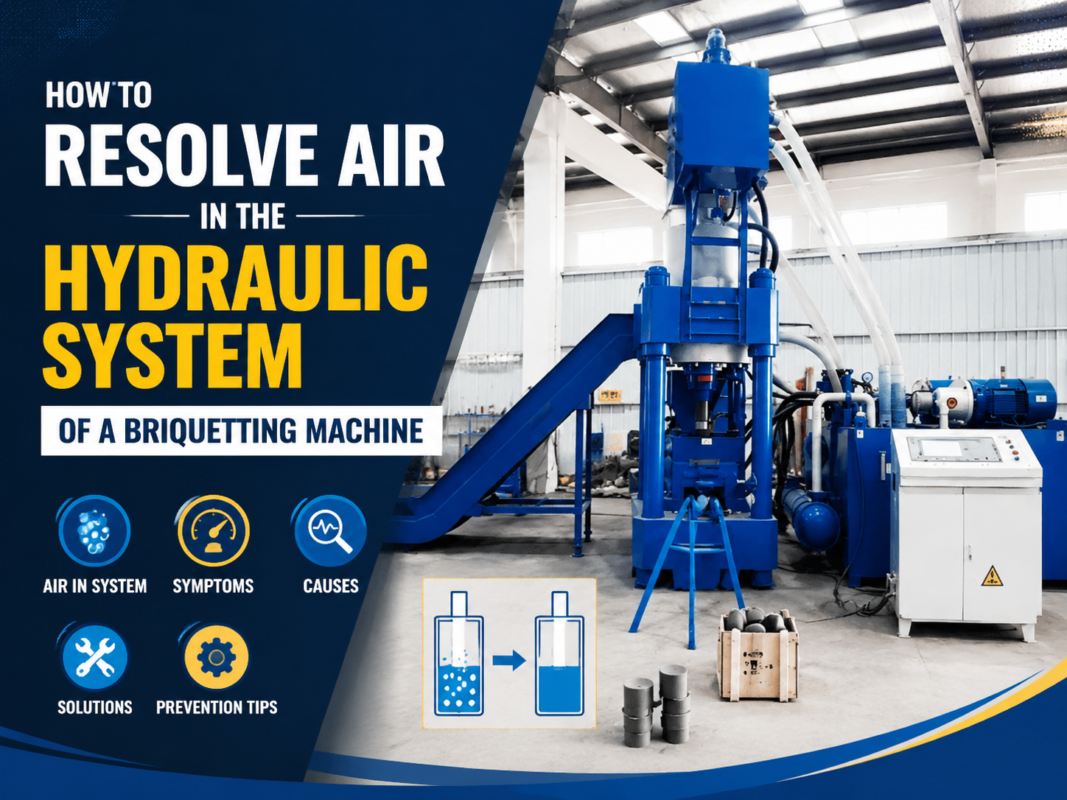
Even with a perfect maintenance plan, components will eventually wear out. Knowing how to clean lubricate a recycling baler properly includes being able to recognize the early warning signs of trouble. Unusual noises are often the first indicator. A high-pitched squeal from the hydraulic pump may indicate cavitation or air entering the system. A grinding or groaning sound during the ram cycle usually points to a lack of lubrication on the guides or a failing bearing.
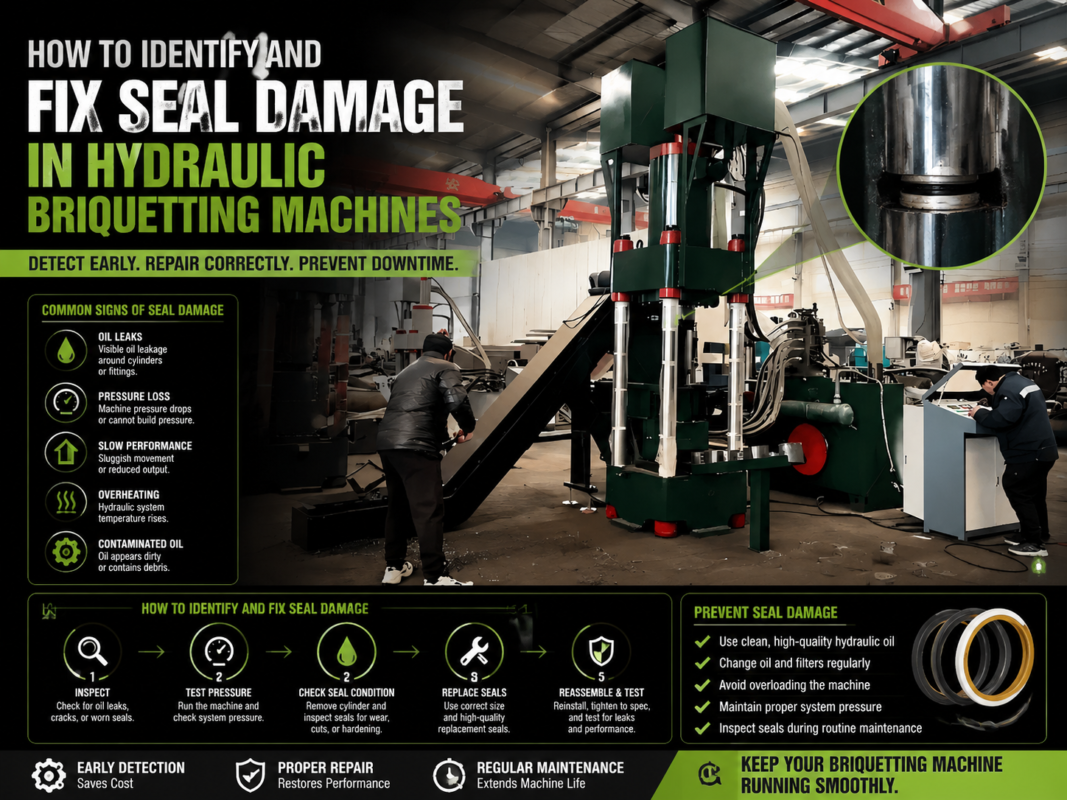
Changes in cycle time are another red flag. If the baler is taking longer than usual to complete a stroke, it could indicate a failing pump, a leaking internal seal in the cylinder, or a clogged hydraulic filter. Operators should also monitor the bale density. If the bales are becoming loose or inconsistent, it may be due to a loss of hydraulic pressure or worn shear blades that are allowing material to bypass the ram. Monitoring the temperature of the hydraulic oil is also crucial; a sudden spike in temperature often precedes a major component failure.
Finally, keep an eye on the “housekeeping” of the machine. If you notice an increase in the amount of oil on the floor or a sudden drop in the oil level, there is a leak that needs to be addressed immediately. Don’t just top off the oil; find the source. By being proactive and responding to these signals early, you can avoid the “domino effect” where one small failure leads to a series of much more expensive repairs. Troubleshooting is an ongoing process of observation and action.
Maintenance Schedule Table
To effectively clean lubricate a recycling baler properly, follow this structured maintenance schedule. Note that these intervals are based on standard single-shift operations; for multi-shift environments, frequency should be increased accordingly.
| Frequency | Component | Action Required |
|---|---|---|
| Daily | Hydraulic Oil | Check level and color; inspect for leaks. |
| Daily | Safety Systems | Test E-stops and interlocks. |
| Daily | Bale Chamber | Clear debris and metal dust. |
| Weekly | Pivot Pins/Bearings | Apply EP2 grease to all manual points. |
| Weekly | Hydraulic Hoses | Inspect for abrasion, bulging, or weeping. |
| Weekly | Shear Blades | Check for sharpness and proper clearance. |
| Monthly | Hydraulic Filters | Check indicators; replace if necessary. |
| Monthly | Wear Plates | Inspect for thinning and adjust clearance. |
| Monthly | Electrical Cabinet | Clean dust and check for loose connections. |
| Quarterly | Oil Analysis | Send sample to lab for contamination testing. |
| Annually | Hydraulic Fluid | Complete drain, flush, and refill (or as per analysis). |
| Annually | Structural Welds | Perform a deep inspection for stress cracks. |
Frequently Asked Questions (FAQ)
1. What type of hydraulic oil is best for a recycling baler?
Most industrial recycling balers use ISO VG 46 or ISO VG 68 hydraulic oil. The specific grade depends on your local climate and the machine’s operating temperature. Always consult your HARSLE manual for the exact specification to ensure proper viscosity and additive protection.
2. How often should I sharpen the shear blades?
The frequency depends on the material being processed. If you are baling abrasive materials like stainless steel or contaminated scrap, you may need to sharpen or rotate blades every 3-6 months. If the baler struggles to cut or produces “hairy” bales, it’s time for service.
3. Can I use any grease for the pivot points?
No. You should use a high-quality Extreme Pressure (EP2) lithium-based grease. This grease is specifically formulated to handle the high-load, slow-movement conditions found in baler pivots and will not break down as quickly as standard multi-purpose grease.
4. Why is my baler running hot?
Overheating is usually caused by a clogged oil cooler, low oil levels, or a pump that is working too hard due to internal wear or clogged filters. Ensure the cooling fins are clean and that the hydraulic system is not bypassing oil through a faulty relief valve.
5. How do I know if my wear liners need replacing?
Measure the gap between the ram and the chamber wall. If the gap exceeds the manufacturer’s maximum specification (usually around 3-5mm depending on the model), or if you see the ram “diving” or tilting during the stroke, the liners likely need adjustment or replacement.
6. Is it necessary to clean the electrical cabinet?
Yes. Metal dust is conductive. If it accumulates on circuit boards or contactors, it can cause short circuits and expensive electrical failures. Use only low-pressure air or a vacuum designed for electronics to clean these areas.
7. What is the most common cause of baler failure?
Contaminated hydraulic oil is the leading cause of failure. It destroys pumps, scars cylinder walls, and jams valves. Maintaining a clean system and changing filters regularly is the best way to prevent this.