Comprehensive Guide to Preventive Maintenance Recycling Balers In Heavy-Duty Industrial Use

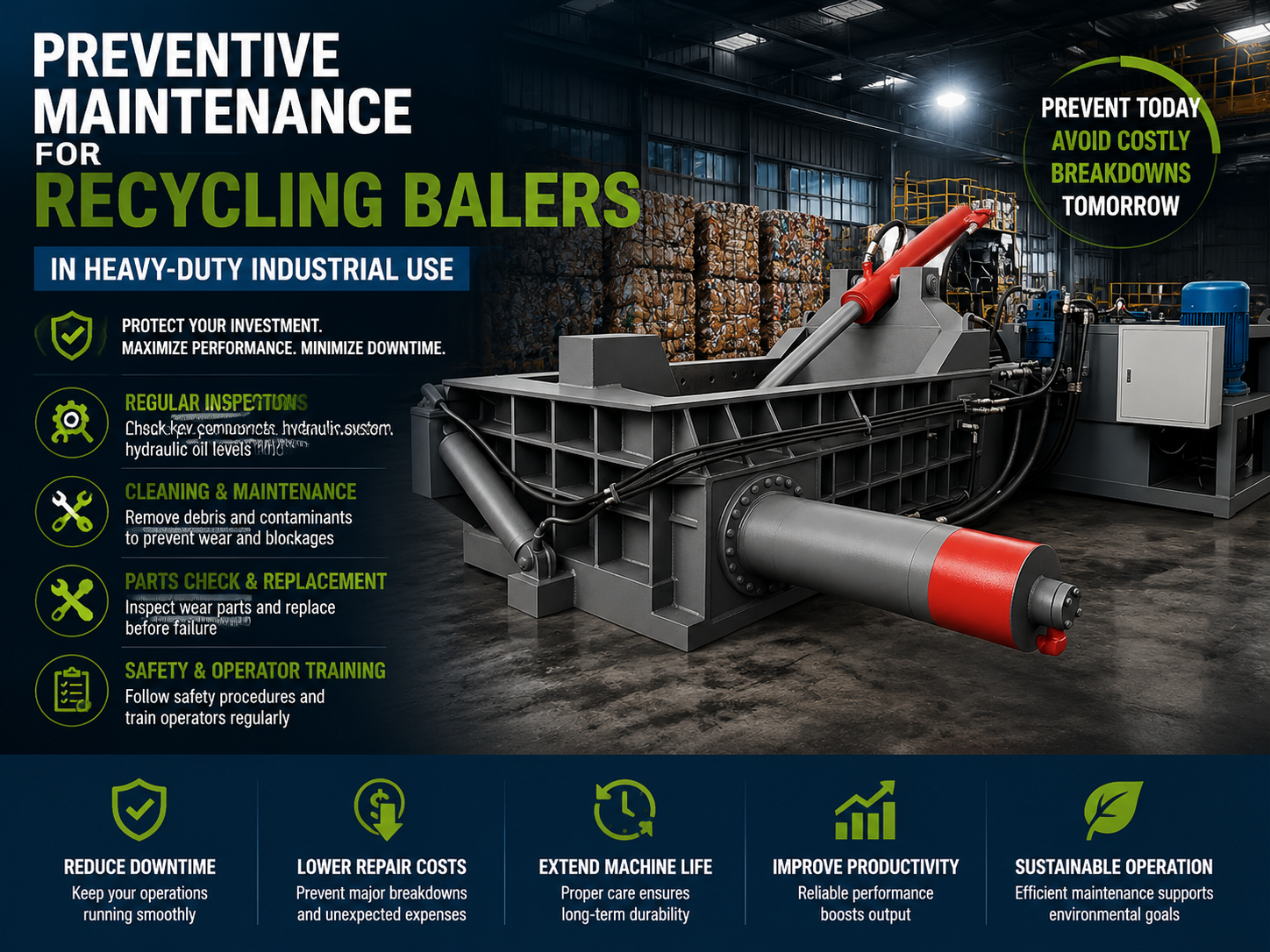
The Critical Role of Preventive Maintenance Recycling Balers In Heavy-Duty Industrial Use
In the high-stakes world of industrial waste management and metal recycling, the reliability of machinery is the cornerstone of profitability. Preventive maintenance recycling balers in heavy-duty industrial use is not merely a suggestion; it is a fundamental operational requirement. These machines, often operating under extreme pressure and in harsh environments, are subject to significant wear and tear. Without a rigorous maintenance strategy, a minor oversight can quickly escalate into a catastrophic failure, resulting in expensive repairs, prolonged downtime, and safety hazards for operators.
HARSLE understands that for a facility to remain competitive, its recycling baler must perform at peak efficiency 24/7. Heavy-duty industrial use implies that the machine is processing high volumes of materials—ranging from scrap metal and plastics to cardboard and textiles—often in multi-shift operations. The sheer force required to compress these materials puts immense stress on the hydraulic cylinders, the structural frame, and the electrical control systems. By implementing a proactive maintenance plan, companies can extend the lifespan of their equipment by years, if not decades.
Furthermore, the economic implications of neglect are staggering. A baler that is down for a week can disrupt the entire supply chain of a recycling facility, leading to a backlog of raw materials and missed delivery deadlines for processed bales. Preventive maintenance ensures that the machine operates within its designed parameters, maintaining the density and integrity of the bales produced, which directly affects the market value of the recycled product. In this guide, we will explore the comprehensive steps required to maintain these industrial workhorses.
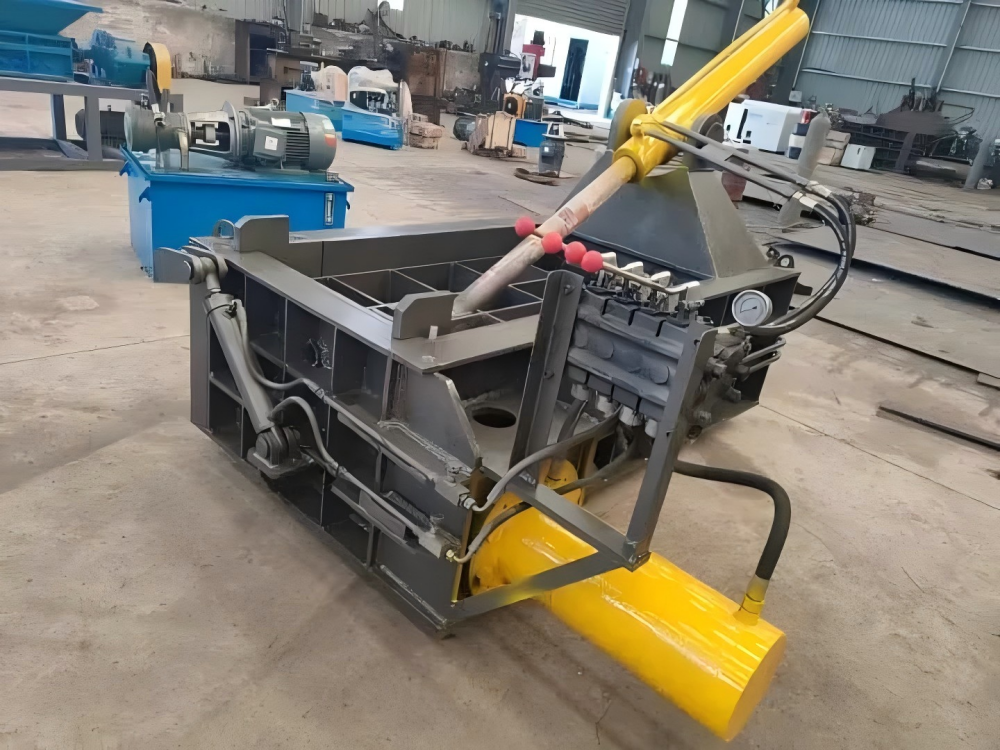
The Importance of a Structured Maintenance Philosophy
Adopting a structured approach to preventive maintenance recycling balers in heavy-duty industrial use involves moving from a reactive “fix-it-when-it-breaks” mindset to a predictive and proactive one. This philosophy centers on the idea that every component has a predictable lifecycle and that by monitoring these components, we can intervene before failure occurs. For heavy-duty balers, this means paying close attention to the interaction between mechanical movement and hydraulic power.
Safety is perhaps the most compelling reason for strict maintenance. Recycling balers utilize massive amounts of force. A hydraulic leak under high pressure can cause severe injuries, and a failing structural weld could lead to a catastrophic collapse of the compression chamber. Regular inspections ensure that safety interlocks, emergency stops, and protective shielding are all functioning correctly, protecting the most valuable asset of any company: its people.
Moreover, energy efficiency is a direct byproduct of good maintenance. A well-lubricated machine with clean hydraulic oil and sharp shear blades requires less energy to achieve the same compression force as a neglected one. In an era where industrial energy costs are rising and sustainability is a key corporate goal, maintaining equipment efficiency is a strategic advantage. HARSLE machines are engineered for durability, but their long-term performance is ultimately determined by the care they receive on the factory floor.
Daily Inspection: The First Line of Defense
The daily inspection is the most critical component of preventive maintenance recycling balers in heavy-duty industrial use. It should be performed at the start of every shift by a trained operator. This routine check is designed to catch obvious issues before they develop into operational problems. The first step is a visual sweep of the entire machine. Operators should look for signs of oil leaks on the floor or around hydraulic fittings, which could indicate a loose connection or a failing seal.
Next, the compression chamber must be inspected for debris. In heavy-duty recycling, small pieces of metal or wire can become lodged in the tracks or behind the ram, causing unnecessary friction or even jamming the machine. Clearing the chamber ensures smooth movement and prevents damage to the liners. Operators should also check the condition of the shear blades. If the blades are dull or chipped, the baler will struggle to cut through material, putting extra strain on the hydraulic system and the motor.
Safety devices must be tested daily. This includes pressing the emergency stop buttons to ensure the machine halts immediately and checking that all access doors are securely locked during operation. If a safety sensor is bypassed or malfunctioning, the machine should be tagged out of service immediately. Finally, checking the hydraulic oil level and temperature via the sight glass is essential. Low oil levels can lead to pump cavitation, while high temperatures indicate that the cooling system may be failing or that the machine is being overworked.
Hydraulic System Maintenance: The Heart of the Baler
The hydraulic system is the lifeblood of any recycling baler. In heavy-duty industrial use, the hydraulic fluid is subjected to extreme pressures and temperature fluctuations. Therefore, maintaining oil quality is paramount. Over time, hydraulic oil can become contaminated with dust, moisture, and metal particles. This contamination acts as an abrasive, wearing down the internal components of pumps, valves, and cylinders. Regular oil analysis is recommended to monitor the health of the fluid and detect early signs of component wear.
Filters play a crucial role in keeping the hydraulic system clean. Most heavy-duty balers are equipped with suction filters, pressure filters, and return-line filters. These should be replaced according to the manufacturer’s schedule or whenever the filter bypass indicator signals a clog. Neglecting filter changes is one of the leading causes of hydraulic pump failure. When replacing filters, it is also an opportune time to inspect the hydraulic hoses for signs of fraying, bulging, or cracking. A burst hose in a heavy-duty environment can release a large volume of hot oil in seconds, posing a significant fire and safety risk.
The hydraulic cylinders themselves require attention. The rod should be inspected for scores or pits, which can damage the rod seals and lead to leaks. If the baler is operating in a particularly dusty environment, ensuring that the rod wipers are in good condition is vital to prevent contaminants from being pulled into the cylinder. Additionally, the hydraulic cooling system—whether air-cooled or water-cooled—must be kept clean. Dust buildup on heat exchangers can lead to overheating, which thins the oil and reduces its lubricating properties, eventually leading to premature seal failure.
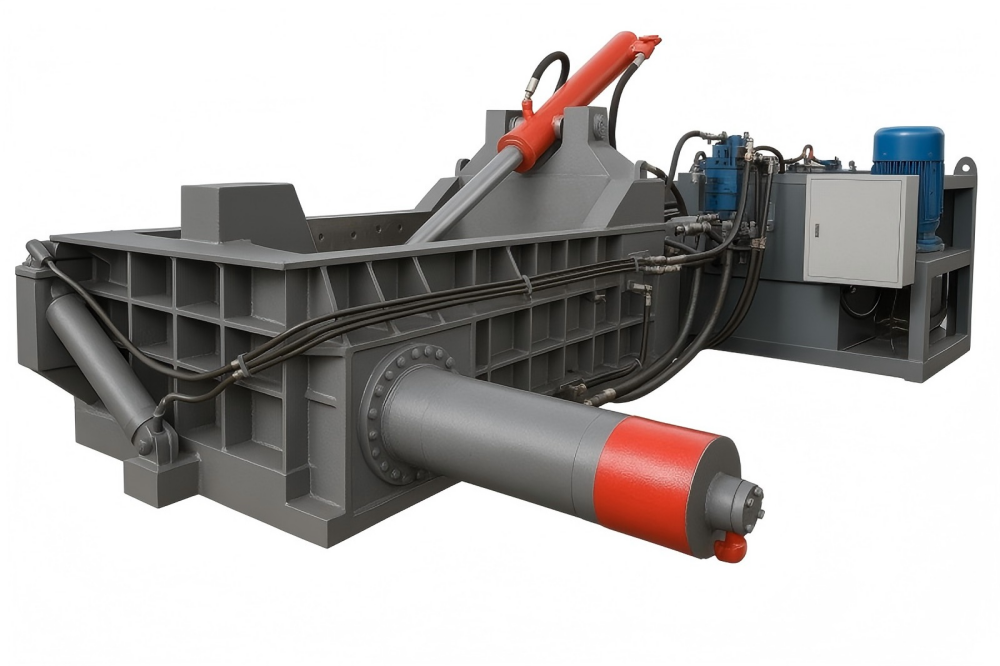
Electrical and Control System Integrity
Modern recycling balers rely on sophisticated electrical systems and Programmable Logic Controllers (PLCs) to manage the complex timing and force required for baling. In heavy-duty industrial settings, vibration is a constant factor that can loosen electrical connections over time. A loose wire in a control panel can cause intermittent faults that are notoriously difficult to diagnose. Periodically, a qualified electrician should inspect the control cabinet, tightening terminals and checking for signs of overheating on contactors and relays.
Sensors and limit switches are the “eyes” of the baler. They tell the PLC the position of the ram, the status of the doors, and the pressure levels. In the dirty environment of a recycling facility, these sensors can become coated in grime or knocked out of alignment. Regular cleaning and calibration of these components are necessary to ensure the machine operates within its safety and performance parameters. If a baler is equipped with a touch-screen HMI (Human Machine Interface), it should be kept clean and protected from impact.
Furthermore, the electric motor that drives the hydraulic pump requires its own maintenance. This includes checking the motor’s cooling fans for obstructions and monitoring the bearings for unusual noise or vibration. In heavy-duty applications, motors often run for long periods, and ensuring they have adequate ventilation is key to preventing burnout. Checking the amperage draw of the motor during a full compression cycle can also provide insight into the health of the hydraulic pump; a significant increase in draw may indicate that the pump is working harder due to internal wear or a blockage.
Mechanical Components and Structural Health
The mechanical structure of a recycling baler is designed to withstand millions of pounds of force, but it is not indestructible. The ram, which performs the actual compression, moves on wear plates or rollers. These wear plates are sacrificial components designed to be replaced. If they are allowed to wear down completely, the ram will begin to grind against the main frame of the baler, causing permanent structural damage. Regularly measuring the gap between the ram and the chamber walls is a key part of preventive maintenance recycling balers in heavy-duty industrial use.
Shear blades or knives are another critical mechanical area. In scrap metal baling, these blades must cut through tough materials. As they dull, the “shear gap”—the distance between the moving blade and the stationary blade—increases. This causes the material to be folded rather than cut, which can jam the ram and put immense pressure on the hydraulic system. Blades should be rotated, sharpened, or replaced regularly to maintain a clean cut and efficient operation.
Structural integrity also involves inspecting the welds and bolts of the baler’s frame. The repetitive stress of baling can lead to fatigue cracks in the steel. A monthly inspection of critical stress points, especially around the cylinder mounts and the bale door, can catch these cracks while they are still small and repairable. Tightening the foundation bolts that anchor the machine to the floor is also necessary, as a shifting machine can lead to misalignment of the internal components.
The Lubrication Plan: Reducing Friction and Wear
Lubrication is the simplest yet most often overlooked aspect of preventive maintenance. In a heavy-duty baler, there are numerous pivot points, bearings, and sliding surfaces that require regular greasing. A proper lubrication plan specifies the type of lubricant to be used, the frequency of application, and the specific points that need attention. Using the wrong type of grease can be as damaging as using no grease at all, as different additives are required for high-pressure versus high-speed applications.
Automated lubrication systems are common in high-end HARSLE balers. These systems deliver a precise amount of grease to critical points at set intervals. However, even these systems require maintenance. The grease reservoir must be kept full, and the delivery lines must be inspected for breaks or blockages. If a line is pinched, a critical bearing may run dry without the operator noticing until it fails.
For machines without automated systems, a manual lubrication schedule must be strictly followed. This usually involves greasing the ram guides, door hinges, and cylinder clevis pins. It is important to clean the grease fittings before applying the grease gun to avoid forcing dirt into the bearing. Over-greasing can also be an issue, as excess grease can attract dust and create an abrasive paste. The goal is to maintain a consistent film of clean lubricant on all moving surfaces.
Troubleshooting Signals: Listening to Your Machine
Experienced operators often develop a “sixth sense” for their machinery, but anyone can learn to recognize the warning signs of impending trouble. Unusual noises are often the first indicator. A high-pitched whine from the hydraulic pump may signal cavitation (air in the oil) or a failing bearing. A banging or clunking sound during the ram’s movement could indicate a loose wear plate or a foreign object in the chamber. These sounds should never be ignored.
Changes in cycle time are another key signal. If the baler is taking longer than usual to complete a bale, it could indicate a loss of hydraulic pressure, a failing pump, or excessively dull shear blades. Similarly, if the bales are not reaching their usual density, the pressure relief valves may be out of adjustment or there may be internal leakage in the cylinders. Monitoring the temperature of the hydraulic oil is also vital; if the oil is consistently running hot, it is a sign that the system is working inefficiently or that the cooling system is compromised.
Visual cues, such as smoke or the smell of burning oil or electrical insulation, are emergency signals that require an immediate shutdown. Regular thermal imaging of the electrical panel and hydraulic components can also be a powerful troubleshooting tool, identifying “hot spots” before they lead to a fire or component failure. By paying attention to these signals, maintenance teams can transition from scheduled maintenance to condition-based maintenance, further optimizing the machine’s uptime.
Comprehensive Maintenance Schedule Table
To effectively manage preventive maintenance recycling balers in heavy-duty industrial use, a clear schedule is required. Below is a recommended framework for HARSLE industrial balers.
| Frequency | Task Category | Action Item |
|---|---|---|
| Daily | Safety & Visual | Check E-stops, oil levels, leaks, and clear chamber debris. |
| Weekly | Mechanical | Inspect shear blades, tighten visible bolts, and check ram alignment. |
| Monthly | Hydraulic | Inspect hoses for wear, check heat exchanger, and test oil quality. |
| Quarterly | Electrical | Tighten terminal connections, clean sensors, and inspect motor fans. |
| Bi-Annually | Structural | Check for frame cracks, inspect wear plates, and calibrate pressure settings. |
| Annually | Full Overhaul | Change hydraulic oil, replace all filters, and perform deep structural NDT. |
Frequently Asked Questions (FAQ)
1. How often should I change the hydraulic oil in a heavy-duty baler?
For heavy-duty industrial use, hydraulic oil should typically be changed every 2,000 to 4,000 operating hours, or at least once a year. However, this should be guided by regular oil analysis. If the oil shows signs of oxidation, high water content, or excessive particulate matter, it should be changed immediately regardless of the hours logged.
2. Why is my baler producing loose or inconsistent bales?
Inconsistent bale density is often caused by a drop in hydraulic pressure. This could be due to a worn pump, a leaking cylinder seal, or a misadjusted pressure relief valve. Additionally, dull shear blades can cause material to wedge between the ram and the wall, preventing full compression. Check your pressure gauges and blade sharpness first.
3. Can I use any type of grease for the lubrication points?
No. Heavy-duty balers require high-pressure (EP) grease, typically an NLGI Grade 2 lithium-based grease, to withstand the extreme loads on the pivot pins and guides. Always consult the HARSLE manual for the specific lubricant specifications to ensure compatibility with your machine’s components.
4. What are the signs that my shear blades need sharpening?
Signs include “mohawk” edges on the bales (where material is folded over rather than cut), increased noise during the shearing phase of the cycle, and the machine struggling to complete the stroke. If you notice the ram slowing down significantly when it hits the material, it’s time to inspect the blades.
5. How do I prevent the hydraulic system from overheating?
Ensure the heat exchanger (cooler) is clean and has unobstructed airflow. Check that the cooling fan is operational. Also, maintain the correct oil level; a low oil volume will heat up much faster than a full tank. If overheating persists, it may indicate internal hydraulic leakage which generates heat through friction.
6. Is it necessary to have a professional technician for all maintenance?
While daily and weekly tasks can be performed by trained operators, monthly and quarterly technical inspections—especially those involving the hydraulic internals and electrical PLC programming—should be performed by qualified maintenance technicians or HARSLE-certified professionals to ensure safety and warranty compliance.