Comprehensive Guide: Daily Maintenance Tips A Recycling Baler In Metal Recycling Operations

The Critical Role of Maintenance in Metal Recycling Operations
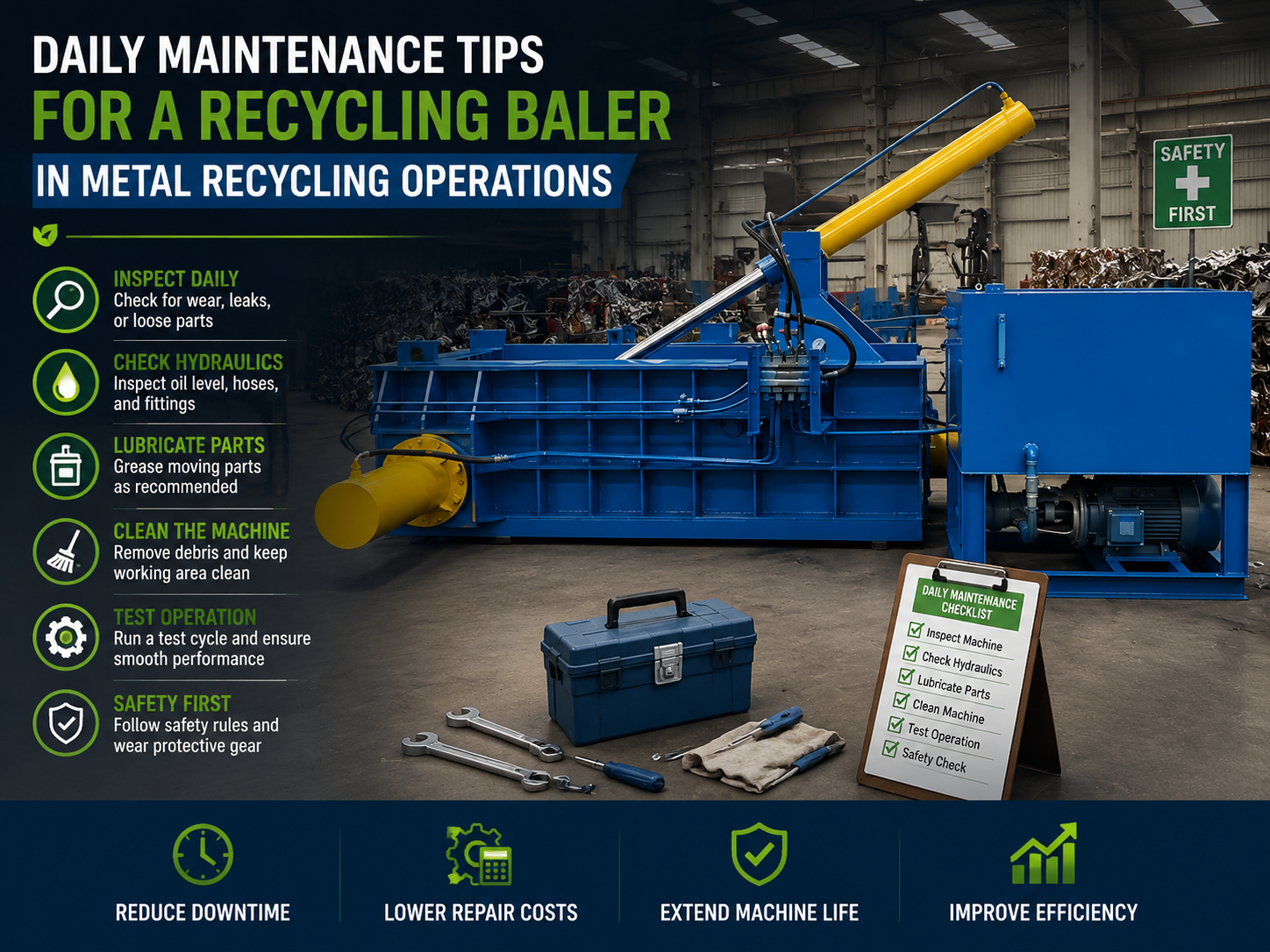
In the high-intensity world of metal recycling, the recycling baler stands as the workhorse of the facility. These machines are designed to exert massive amounts of force to compress scrap metal—ranging from aluminum cans to heavy steel plates—into manageable, transportable bales. However, the sheer power and the harsh environment in which these machines operate mean that wear and tear are inevitable. Implementing Daily Maintenance Tips A Recycling Baler In Metal Recycling Operations is not merely a suggestion; it is a fundamental requirement for any facility aiming to maintain high productivity and ensure operator safety.
The importance of a structured maintenance routine cannot be overstated. When a baler fails, the entire production line often grinds to a halt. Scrap metal accumulates, logistics are disrupted, and the cost of emergency repairs can be astronomical compared to the cost of preventative care. Furthermore, a well-maintained machine operates more efficiently, consuming less energy and producing more consistent bale densities. This consistency is vital for maximizing the value of the recycled material when it is sold to foundries or exporters.
Beyond the financial implications, maintenance is a cornerstone of workplace safety. Metal recycling involves heavy components, high-pressure hydraulics, and sharp materials. A mechanical failure, such as a ruptured hydraulic hose or a structural crack, can lead to catastrophic accidents. By following a rigorous daily inspection and maintenance protocol, facility managers can identify potential hazards before they manifest into dangerous situations. This proactive approach fosters a culture of safety and responsibility among the workforce.
Finally, the longevity of the equipment is directly tied to how well it is cared for. A high-quality HARSLE recycling baler is a significant capital investment. With proper daily maintenance, these machines can serve a facility for decades. Without it, the lifespan can be cut in half, leading to premature replacement costs and lost ROI. In the following sections, we will delve into the specific technical aspects of maintaining these powerful machines to ensure they remain the backbone of your recycling operation.
The Daily Inspection: Your First Line of Defense
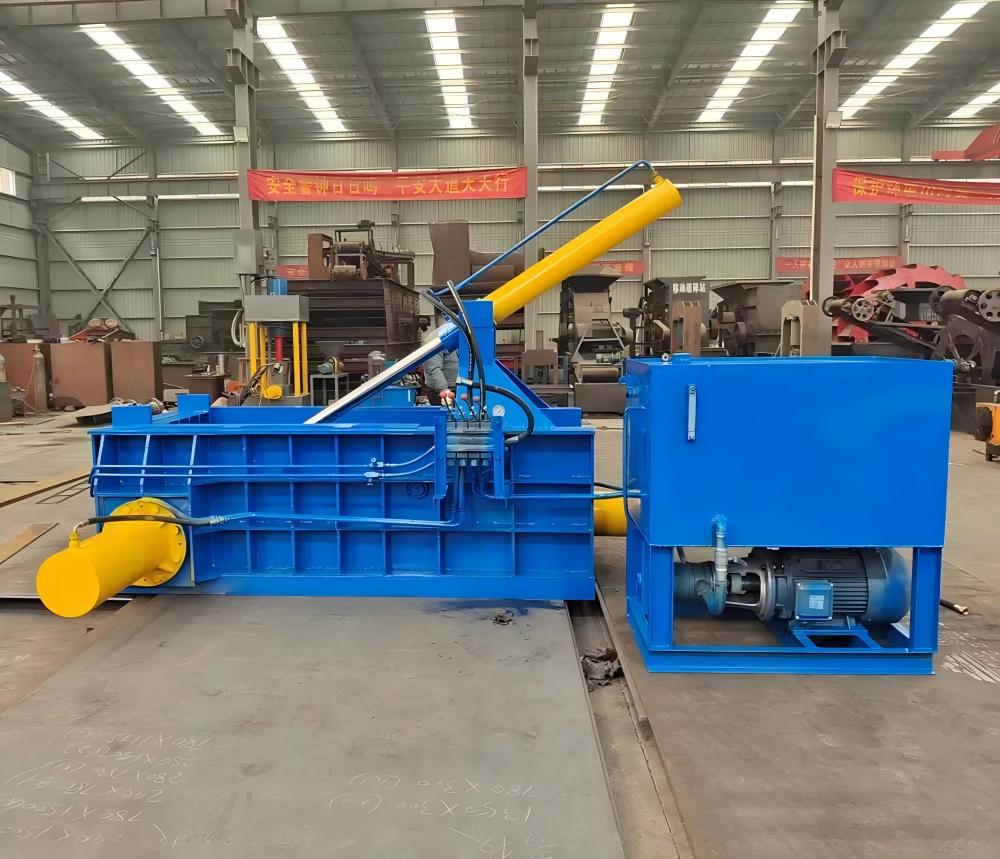
The daily inspection is the most basic yet most effective tool in a maintenance manager’s arsenal. It should be performed at the start of every shift, ideally by the operator who will be using the machine. This “walk-around” inspection allows the operator to become intimately familiar with the machine’s normal state, making it easier to spot anomalies. The goal is to identify visible signs of wear, leaks, or damage that occurred during the previous shift or while the machine was idle.
Start by clearing the area around the baler. Metal recycling yards are notoriously messy, but the immediate vicinity of the baler must be kept clear of loose scrap, dirt, and debris. This prevents foreign objects from entering the mechanical parts or causing trip hazards. Once the area is clear, perform a visual check of the entire structure. Look for cracks in the welds, especially around the compression chamber and the cylinder mounts. The extreme pressures involved in baling can cause fatigue in the steel over time, and early detection of structural stress is critical.
Next, inspect the compression chamber itself. Ensure that no metal shards are wedged in the tracks or behind the ram. These small pieces of debris can act like abrasives, grinding down the wear plates and increasing the friction within the machine. Check the condition of the shear blades (if equipped). These blades must be sharp and properly aligned to cut through scrap efficiently. Dull blades increase the load on the hydraulic system and result in poorly formed bales.
Finally, verify that all safety guards and emergency stop buttons are functional. Safety is the priority in any industrial setting. Test the E-stop to ensure the machine cuts power immediately. Check that all access doors are securely latched and that the interlock switches are working. If any safety feature is compromised, the machine should be locked out and tagged out until repairs are made. This daily discipline ensures that the machine is not only ready to work but safe to operate.
Hydraulic System Maintenance: The Lifeblood of the Baler
The hydraulic system is the heart of the recycling baler. It provides the force necessary to crush metal, and its health is paramount to the machine’s performance. When discussing Daily Maintenance Tips A Recycling Baler In Metal Recycling Operations, the hydraulic system requires the most technical attention. The primary components to monitor are the hydraulic fluid, the pump, the cylinders, and the hoses.
The first step is checking the hydraulic oil level and quality. The oil should be at the recommended level indicated on the sight glass. If the level is low, it may indicate a leak that needs to be addressed. However, the quality of the oil is just as important as the quantity. Hydraulic oil should be clear and amber-colored. If it appears milky, it indicates water contamination; if it is dark or smells burnt, it has likely overheated and lost its lubricating properties. Contaminated oil can cause internal damage to the pump and valves, leading to expensive repairs.
Temperature management is another critical factor. Most modern balers include an oil temperature gauge. During operation, the oil should stay within the manufacturer’s specified range (usually between 40°C and 60°C). If the oil gets too hot, its viscosity drops, leading to poor lubrication and potential seal failure. Ensure that the oil cooler is clean and that the cooling fans are operating correctly. Dust and metal fines can quickly clog the fins of a heat exchanger, significantly reducing its efficiency.
Inspect all hydraulic hoses and fittings for leaks or signs of wear. In a metal recycling environment, hoses are often exposed to sharp edges and flying debris. Look for abrasions, kinks, or “weeping” at the fittings. A high-pressure hydraulic leak is not just a maintenance issue; it is a severe fire hazard and a safety risk (fluid injection injuries). Replace any damaged hoses immediately. Additionally, listen for unusual noises from the hydraulic pump, such as whining or cavitating sounds, which could indicate air in the system or a failing pump component.
Electrical and Control System Checks
While the hydraulic system provides the brawn, the electrical system provides the brains. Modern recycling balers utilize Programmable Logic Controllers (PLCs) and a network of sensors to manage the complex timing of the baling cycle. Maintaining these components is essential for consistent operation and for preventing “ghost” errors that can cause frustrating downtime.
Daily electrical checks should begin with the control panel. Ensure that all indicator lights are functioning and that the display screen is clear and readable. Check for any error codes or warnings that may have been logged by the system. It is also important to ensure that the control cabinet is tightly sealed. In a recycling yard, fine metallic dust can be conductive; if this dust enters the electrical cabinet, it can cause short circuits or damage sensitive electronic components.
Sensors and limit switches are the most common points of failure in the electrical system. These components are often located near the moving parts of the baler and are exposed to vibration and debris. Check that the sensors are clean and securely mounted. A loose sensor can send incorrect signals to the PLC, causing the ram to stop prematurely or fail to retract. Periodically wipe down the faces of proximity sensors to ensure they can accurately detect the position of the ram and the bale door.
Finally, inspect the wiring and conduits. Look for any signs of fraying or damage caused by vibration or external impact. Ensure that all connections are tight. Over time, the constant vibration of the machine can loosen screw terminals in the junction boxes. A loose wire can cause intermittent faults that are notoriously difficult to diagnose. By keeping the electrical system clean, dry, and secure, you ensure the long-term reliability of the baler’s automated functions.
Mechanical Components and Wear Parts
The mechanical structure of a recycling baler is subjected to extreme stress and abrasive forces. The most critical mechanical components to monitor are the wear plates (liners) and the ram assembly. These parts are designed to be sacrificial—they wear down so that the main structure of the machine remains protected. However, they must be monitored closely to ensure they are replaced before they wear through completely.
Check the clearance between the ram and the chamber walls. If the gap becomes too large, small pieces of scrap can get wedged between the ram and the liner, causing significant damage and increasing the power required to move the ram. Most balers allow for the adjustment of the wear pads to maintain the correct clearance. If the wear plates are deeply scored or worn thin, they should be scheduled for replacement. Using a baler with worn liners will eventually lead to damage to the main frame, which is a much more costly repair.
The bale discharge door and its locking mechanism also require daily attention. The door must withstand the full force of the final compression stroke. Inspect the hinges and the locking pins for any signs of deformation or cracking. Ensure that the door closes flush and that the locking mechanism engages fully. A malfunctioning door can lead to “explosive” bale releases, which are dangerous and can damage the surrounding equipment.
Lastly, pay attention to the fasteners. The intense vibration of baling metal can loosen even the most heavy-duty bolts. Periodically check the tightness of the bolts on the motor mounts, the pump housing, and the main structural frame. Using a torque wrench to ensure they meet the manufacturer’s specifications is the best practice. A loose bolt can lead to misalignment of components, which accelerates wear and can cause catastrophic mechanical failure.
The Lubrication Plan: Reducing Friction and Heat
Lubrication is the simplest yet most frequently overlooked aspect of industrial maintenance. In a recycling baler, proper lubrication reduces friction between moving parts, dissipates heat, and prevents the ingress of contaminants. A comprehensive lubrication plan is a core component of Daily Maintenance Tips A Recycling Baler In Metal Recycling Operations.
Identify all grease points on the machine. These typically include the ram guides, door hinges, cylinder trunnions, and pivot points. Most manufacturers provide a lubrication chart that specifies the location of each grease fitting and the type of lubricant to be used. It is vital to use the correct grade of grease—usually an Extreme Pressure (EP) grease that can withstand the high loads found in metal baling. Using the wrong grease can be as bad as using no grease at all, as it may not provide the necessary film strength to protect the metal surfaces.
Consistency is key. Some points may require daily greasing, while others may only need attention weekly. However, in a high-volume operation, a “little and often” approach is usually best. Over-greasing can also be a problem, as excess grease can attract dust and metal fines, creating an abrasive paste that actually accelerates wear. Wipe away any old, dirty grease before applying new lubricant to ensure that you are not pushing contaminants into the bearing or joint.
For facilities with high-duty cycles, an automatic lubrication system is a worthwhile investment. These systems deliver precise amounts of grease to all critical points at regular intervals while the machine is running. This ensures that the machine is always perfectly lubricated and eliminates the risk of human error. Even with an automated system, the reservoir must be checked daily, and the lines must be inspected for clogs or breaks to ensure the grease is actually reaching its destination.
Troubleshooting Signals: Listening to Your Machine
An experienced operator can often tell if a baler is having trouble just by listening to it. Developing an ear for the machine’s “normal” operating sounds is an essential part of maintenance. Any change in the sound, vibration, or cycle time of the machine should be investigated immediately. These are the early warning signals that something is wrong.
Unusual noises are often the first sign of trouble. A high-pitched squeal from the hydraulic system might indicate a restricted suction line or a pump that is beginning to fail. A banging or clunking sound during the compression stroke could mean that a wear plate has come loose or that a large piece of scrap is jammed in a way that is stressing the frame. Grinding noises usually point to a lack of lubrication or a bearing that is near the end of its life.
Vibration is another key indicator. While all balers vibrate to some extent, excessive or new vibrations can indicate misalignment between the motor and the pump, or perhaps a loose mounting bolt. Vibration is the enemy of electrical connections and hydraulic fittings, so identifying the source and neutralizing it is a priority. If the machine starts to vibrate more than usual, stop the operation and perform a thorough check of all rotating components.
Finally, monitor the cycle time. If the baler is taking longer than usual to complete a cycle, it is a sign of inefficiency. This could be caused by a variety of factors: a worn hydraulic pump, internal leaking in a cylinder, a clogged filter, or even dull shear blades. By tracking the cycle time, you can detect a slow decline in performance before it results in a total breakdown. Keeping a daily log of the machine’s performance can help identify these trends over time.
Comprehensive Maintenance Schedule Table
To help organize your maintenance efforts, use the following table as a template for your facility’s recycling baler care routine. Adjust the frequencies based on your specific machine’s manual and your daily workload.
| Frequency | Component | Action Required |
|---|---|---|
| Daily | Hydraulic Oil | Check level and visual quality; top up if necessary. |
| Daily | Safety Systems | Test E-stops, interlocks, and safety gates. |
| Daily | Compression Chamber | Clean out debris and check for wedged metal. |
| Daily | Hoses & Fittings | Inspect for leaks, cracks, or abrasions. |
| Weekly | Grease Points | Apply EP grease to all manual lubrication points. |
| Weekly | Wear Plates | Measure clearance and inspect for deep scoring. |
| Weekly | Electrical Cabinet | Clean filters and ensure the cabinet is dust-free. |
| Monthly | Hydraulic Filters | Replace return-line and suction filters. |
| Monthly | Shear Blades | Check sharpness and adjust blade gap/clearance. |
| Quarterly | Oil Analysis | Send a sample of hydraulic oil for professional lab testing. |
| Annually | Structural Integrity | Perform a full NDT (Non-Destructive Testing) on critical welds. |
Frequently Asked Questions (FAQ)
1. How often should I change the hydraulic oil in my recycling baler?
While daily checks are necessary, a full oil change is typically required every 2,000 to 4,000 operating hours, or once a year. However, this depends heavily on the environment. If the oil analysis shows high levels of oxidation or contamination, it should be changed sooner. Always replace the filters whenever the oil is changed.
2. Why is my baler producing loose or inconsistent bales?
Inconsistent bale density is often caused by low hydraulic pressure, which could stem from a worn pump, a leaking relief valve, or internal cylinder bypass. It can also be caused by dull shear blades that fail to cut the scrap, preventing the ram from reaching its full stroke. Check your pressure settings and blade condition first.
3. Can I use any type of grease for the ram guides?
No. You must use a high-pressure (EP) grease, usually Lithium-based, as specified by the manufacturer. The ram guides experience extreme sliding friction and pressure; standard multi-purpose grease may break down, leading to metal-on-metal contact and rapid wear of the liners.
4. What should I do if I find a small crack in the baler’s frame?
Stop the machine immediately. Even a small crack can propagate quickly under the immense pressure of the baling cycle. Consult with a professional welder or the manufacturer (HARSLE) to determine the best repair method. Structural repairs often require specific welding rods and pre-heating techniques to ensure the integrity of the frame.
5. How do I prevent the hydraulic system from overheating in the summer?
Ensure the oil cooler is clean and has unobstructed airflow. You may also need to check the setting of the cooling fan’s thermostat. In extreme cases, switching to a higher viscosity hydraulic oil (with manufacturer approval) or installing an additional external cooling loop may be necessary to maintain safe operating temperatures.
6. Why is it important to clean the machine daily?
Cleaning isn’t just about aesthetics. Metal dust and shards are abrasive and conductive. If they get into the hydraulic seals, they cause leaks; if they get into the electrical components, they cause shorts. Daily cleaning allows you to see the machine’s components clearly, making it much easier to spot leaks or cracks during your inspection.
7. What are the signs that the wear plates need replacing?
The most obvious signs are visible thinning of the plates, deep grooves or scoring, and an increased gap between the ram and the chamber wall. If you notice the ram “shuddering” or moving unevenly, it may be catching on a worn section of the liner. Replacing liners early prevents damage to the much more expensive main structure of the baler.