How Scrap Metal Shears Streamline Structural Steel Recycling: A Comprehensive Industrial Guide

Introduction to Structural Steel Recycling Efficiency
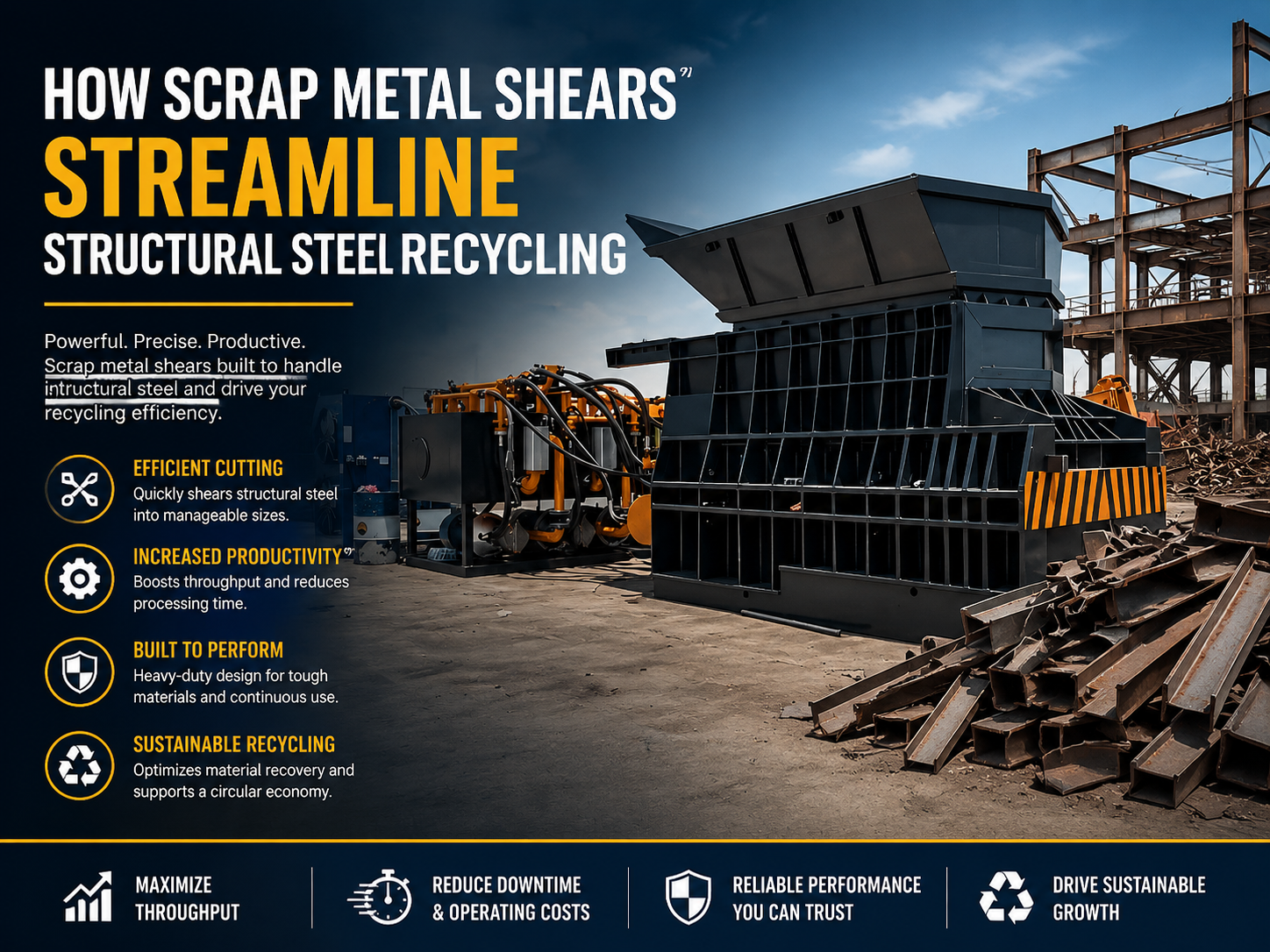
The global demand for steel continues to rise, and with it, the necessity for efficient recycling processes. Structural steel, often salvaged from demolished buildings, bridges, and industrial plants, represents a significant portion of the scrap metal market. However, the sheer size and density of I-beams, H-beams, and heavy-duty plates present a logistical challenge. This is where the role of specialized machinery becomes critical. Understanding how scrap metal shears streamline structural steel recycling is essential for any facility looking to optimize its throughput and profitability.
Scrap metal shears are the workhorses of the recycling industry. They are designed to exert immense hydraulic force to cut through thick sections of steel, reducing them to manageable sizes that meet the strict specifications of smelting furnaces. Without these machines, the process of downsizing structural steel would be labor-intensive, dangerous, and economically unviable. By automating the cutting process, these machines ensure that scrap yards can process hundreds of tons of material daily with minimal manual intervention.
In this guide, we will delve into the technical aspects of how scrap metal shears streamline structural steel recycling, covering everything from application scenarios to the specific machine configurations that drive modern industrial efficiency. Whether you are a scrap yard owner or a project manager in the demolition sector, understanding these dynamics is key to staying competitive in the evolving metal fabrication and recycling landscape.
Application Scenarios for Heavy-Duty Shearing
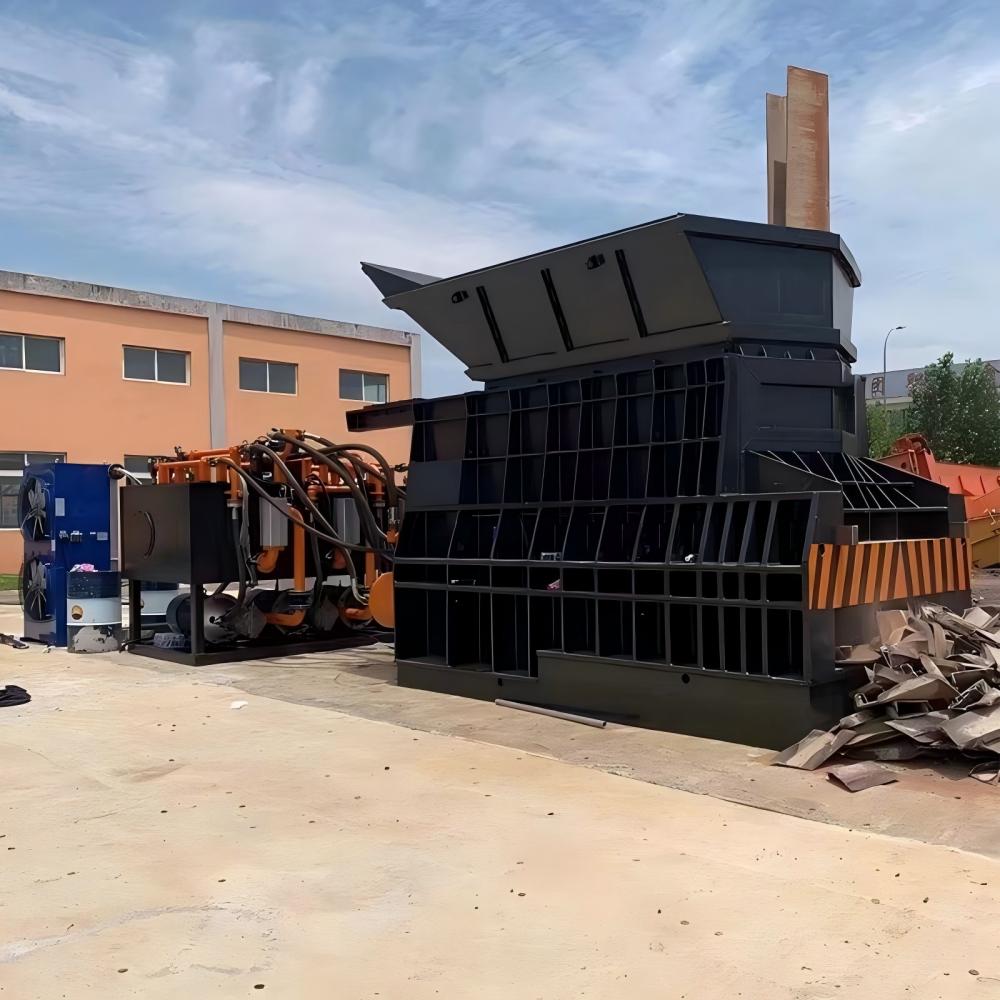
The primary application for heavy-duty scrap shears is in the decommissioning of large-scale infrastructure. When a skyscraper is demolished or an old factory is dismantled, the resulting structural steel is often too large to be transported efficiently. Scrap metal shears streamline structural steel recycling by allowing operators to process these massive components on-site or at a centralized processing facility. This reduces the number of truckloads required to move material, significantly lowering logistics costs.
Another common scenario is in the maritime industry. Shipbreaking involves the dismantling of massive vessels composed almost entirely of structural steel plates and beams. In these environments, gantry shears and mobile shears are used to slice through the hull and internal structures. The ability to quickly reduce these large sections into “foundry-ready” scrap is what makes the shipbreaking process profitable. Without high-force shearing, the time required to torch-cut these materials would be prohibitive.
Industrial manufacturing plants also generate a significant amount of structural scrap through offcuts and decommissioned machinery. In these settings, a stationary scrap shear can be integrated into the waste management workflow. By processing scrap at the point of origin, manufacturers can command higher prices from recyclers, as the material is already sized and sorted. This internal streamlining is a prime example of how scrap metal shears streamline structural steel recycling across different sectors of the economy.
Finally, bridge dismantling projects rely heavily on the portability and power of hydraulic shears. Bridges are constructed with some of the highest-grade structural steel available. Processing this material requires machines that can handle high-tensile strength without frequent blade failure. Modern shears are equipped with specialized alloys in their cutting edges to handle these demanding environments, ensuring that even the toughest infrastructure can be recycled efficiently.
Material and Process Requirements
To understand how scrap metal shears streamline structural steel recycling, one must first understand the materials they handle. Structural steel is not a monolithic category; it includes mild steel, high-strength low-alloy (HSLA) steel, and various grades of carbon steel. Each of these has different yield strengths and thicknesses. A shear must be rated for the maximum thickness and tensile strength of the material it will encounter to prevent hydraulic overload or blade damage.
The process requirements for recycling are dictated by the end-user: the steel mills and foundries. These facilities require scrap to be cut into specific dimensions, often referred to as “HMS 1” or “HMS 2” (Heavy Melting Steel). These standards usually require pieces to be no longer than 5 feet (1.5 meters) and of a certain density. Scrap metal shears are programmed to produce these consistent lengths automatically, ensuring that the output is always market-ready without the need for secondary processing.
- Material Thickness: Shears must handle thicknesses ranging from 10mm to over 100mm depending on the beam type.
- Contamination Control: The shearing process helps shake off concrete, insulation, or other non-metallic attachments often found on structural steel.
- Volume Throughput: High-volume yards require machines capable of 10 to 20 cuts per minute to maintain profitability.
- Blade Hardness: Blades must be made of high-chrome or high-nickel alloys to withstand the abrasive nature of rusted structural steel.
Furthermore, the process requires a high degree of safety. Manual cutting with oxy-fuel torches poses fire risks and exposes workers to toxic fumes from lead-based paints often found on older structural steel. Automated shearing eliminates these hazards. By moving the operator into a protected cabin or using remote controls, the recycling process becomes not only faster but significantly safer, which is a core component of how scrap metal shears streamline structural steel recycling in modern industrial settings.
Recommended Machine Configuration
Choosing the right machine is critical for optimizing the recycling workflow. For structural steel, two main types of shears dominate the market: Gantry Shears and Box Shears (also known as Container Shears). Each has its own advantages depending on the volume and type of scrap being processed. HARSLE offers various configurations designed to maximize the efficiency of these operations.
Gantry Shears (MS Series)
Gantry shears are the gold standard for heavy structural steel. They feature a vertical cutting gate and a long horizontal feeding bed. The material is pushed toward the blade by a hydraulic ram. This configuration is ideal for long I-beams and pipes. The sheer force of a gantry shear—often ranging from 400 to 2000 tons—allows it to bite through the thickest structural sections with ease. The open design allows for easy loading with a crane or grapple.
Box Shears and Container Shears
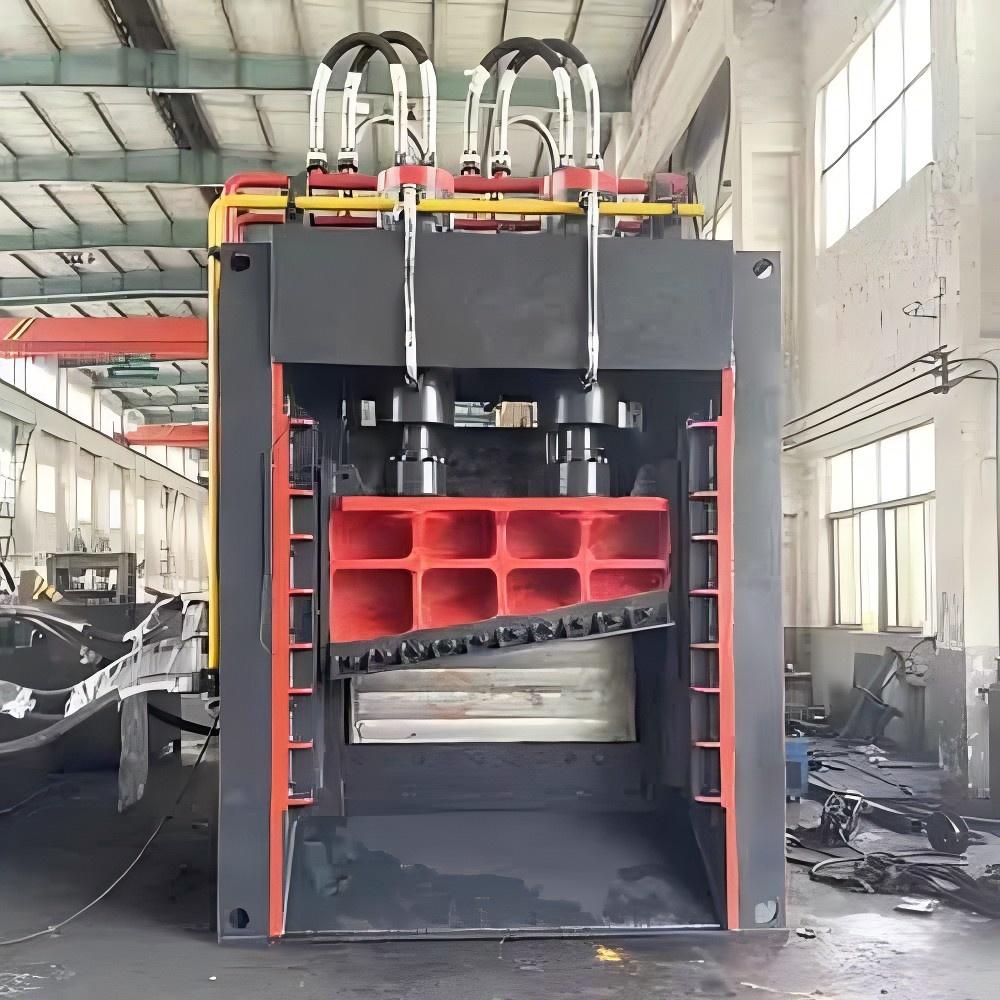
Box shears are more compact and are often used for mixed scrap that includes structural elements. The “box” compresses the scrap from the sides and top before the shear blade makes the cut. This pre-compression increases the density of the scrap, which is highly valued by steel mills. For facilities with limited space or those that need to move the machine between different sites, a containerized shear offers the perfect balance of power and mobility.
Key Technical Specifications
| Feature | Gantry Shear (Heavy Duty) | Box/Container Shear |
|---|---|---|
| Shearing Force | 800 – 2000 Tons | 400 – 800 Tons |
| Feeding Bed Length | 6000mm – 12000mm | 4000mm – 6000mm |
| Control System | PLC with Touch Screen | PLC / Remote Control |
| Best For | Heavy I-Beams, Plates, Large Pipes | Mixed Scrap, Rebar, Light Structural |
| Cycle Time | 12-18 seconds | 15-25 seconds |
When configuring a machine, it is also important to consider the hydraulic system. Variable displacement pumps and high-efficiency motors can significantly reduce energy consumption. Since recycling is a thin-margin business, reducing the cost per ton of processed material through energy efficiency is another way scrap metal shears streamline structural steel recycling.
The Workflow: From Raw Scrap to Foundry-Ready Material
The efficiency of a recycling yard depends on a smooth workflow. Scrap metal shears streamline structural steel recycling by serving as the central hub of this process. The workflow typically begins with the arrival of raw scrap, which is sorted by grade. Large structural pieces are separated from lighter materials to ensure the shear is used at its optimal capacity.
Once sorted, the material is loaded into the feeding bed of the shear. In a gantry shear, a hydraulic pusher moves the steel toward the cutting head. Modern machines use sensors to detect the position of the material, allowing for precise cuts. The operator can set the desired length, and the machine will automatically cycle through the cuts until the entire beam is processed. This automation is a key factor in how scrap metal shears streamline structural steel recycling, as it removes the guesswork and manual measurement from the operation.
- Loading: A grapple loader places structural beams into the hopper or feeding bed.
- Pre-Compression: (In box shears) The wings of the box close to crush the scrap into a dense log.
- Feeding: The hydraulic ram pushes the material forward by a pre-set increment (e.g., 600mm).
- Shearing: The heavy blade descends, cutting through the steel.
- Discharge: The cut pieces fall onto a conveyor belt or into a collection bin for transport.
After shearing, the material is often passed under a magnetic separator to remove any remaining non-ferrous contaminants. The final product is a clean, dense, and uniformly sized scrap that is ready for the furnace. This streamlined workflow reduces the time the material spends in the yard, increasing the “inventory turns” and improving the cash flow of the recycling operation.
Productivity and Economic Benefits
The primary reason scrap metal shears streamline structural steel recycling is the massive boost in productivity they provide. A single gantry shear can replace a dozen workers using torches. This not only reduces labor costs but also eliminates the expense of industrial gases like oxygen and acetylene. Over a year of operation, these savings can easily cover the capital investment of the machine.
Furthermore, the density of the scrap produced by a shear is much higher than that of unprocessed structural steel. High-density scrap is more efficient to transport. A truck can carry its maximum weight capacity without being limited by the volume of the material. This reduces the carbon footprint of the recycling process and lowers transportation costs per ton. Steel mills also pay a premium for sheared scrap because it melts more efficiently in electric arc furnaces (EAF), requiring less energy to reach melting temperature.
Safety is another significant economic benefit. Workplace injuries in scrap yards are costly, leading to insurance premium hikes and potential legal liabilities. By automating the most dangerous part of the recycling process—cutting heavy steel—shears create a safer environment. A safer workplace is a more productive workplace, further illustrating how scrap metal shears streamline structural steel recycling by protecting the most valuable asset: the workforce.
Case Example: Upgrading a Regional Scrap Yard
Consider a regional scrap yard that previously relied on manual torch cutting for its structural steel. They processed approximately 400 tons of heavy melting scrap per month. The process was slow, and they struggled to meet the size requirements of the local steel mill, leading to frequent rejections or price penalties. The yard decided to invest in a HARSLE MS-800 Gantry Shear to modernize their operations.
After the installation, the results were immediate. The yard was able to increase its processing capacity from 400 tons to over 1,200 tons per month without hiring additional staff. The consistency of the cut lengths meant that 100% of their output met the mill’s “HMS 1” specifications, allowing them to command a 15% higher price per ton. The machine’s automated cycle allowed the loader operator to also manage the shear via remote control, effectively halving the labor cost per ton.
Within the first six months, the yard reported a 40% reduction in fuel and gas costs. The ability to process material faster also allowed them to take on larger demolition contracts that they previously had to turn down. This case study perfectly demonstrates how scrap metal shears streamline structural steel recycling, transforming a struggling manual operation into a high-throughput, profitable industrial facility.
Frequently Asked Questions (FAQ)
What is the maximum thickness a scrap shear can cut?
The cutting capacity depends on the shear’s tonnage and the material’s tensile strength. A standard 800-ton gantry shear can typically cut through solid steel plates up to 100mm thick or I-beams with a height of 600mm. For thicker materials, machines with 1200 to 2000 tons of force are recommended.
How often do the shear blades need to be replaced?
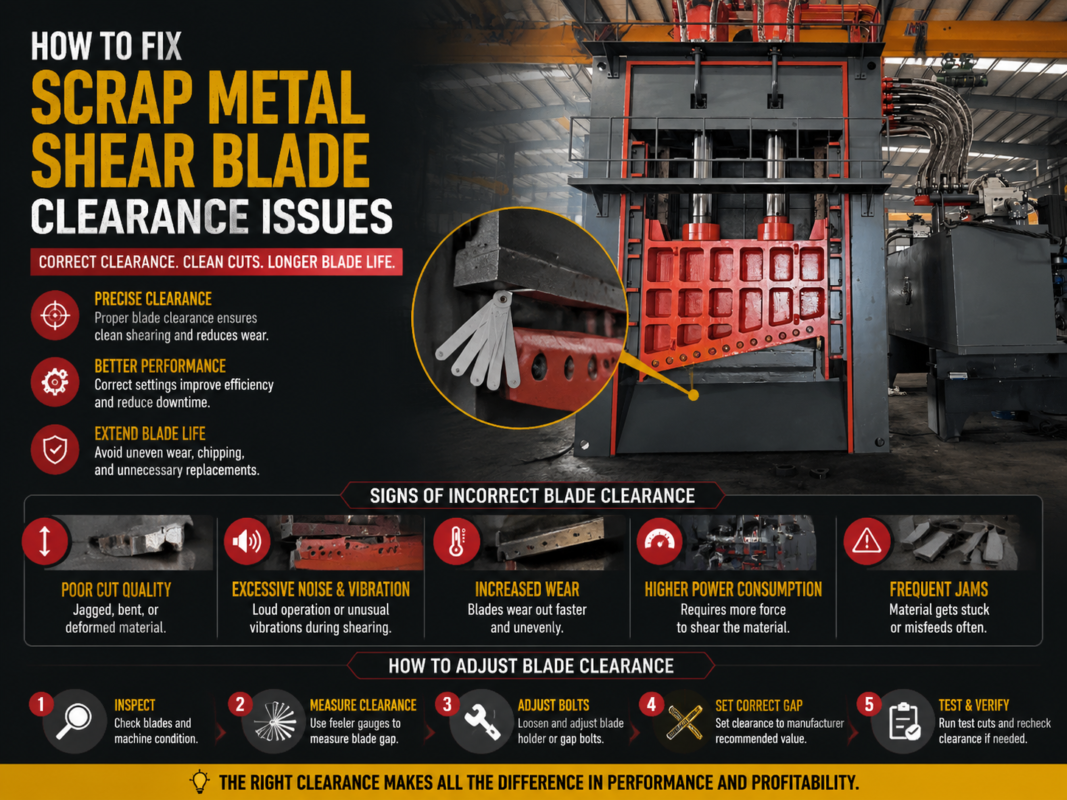
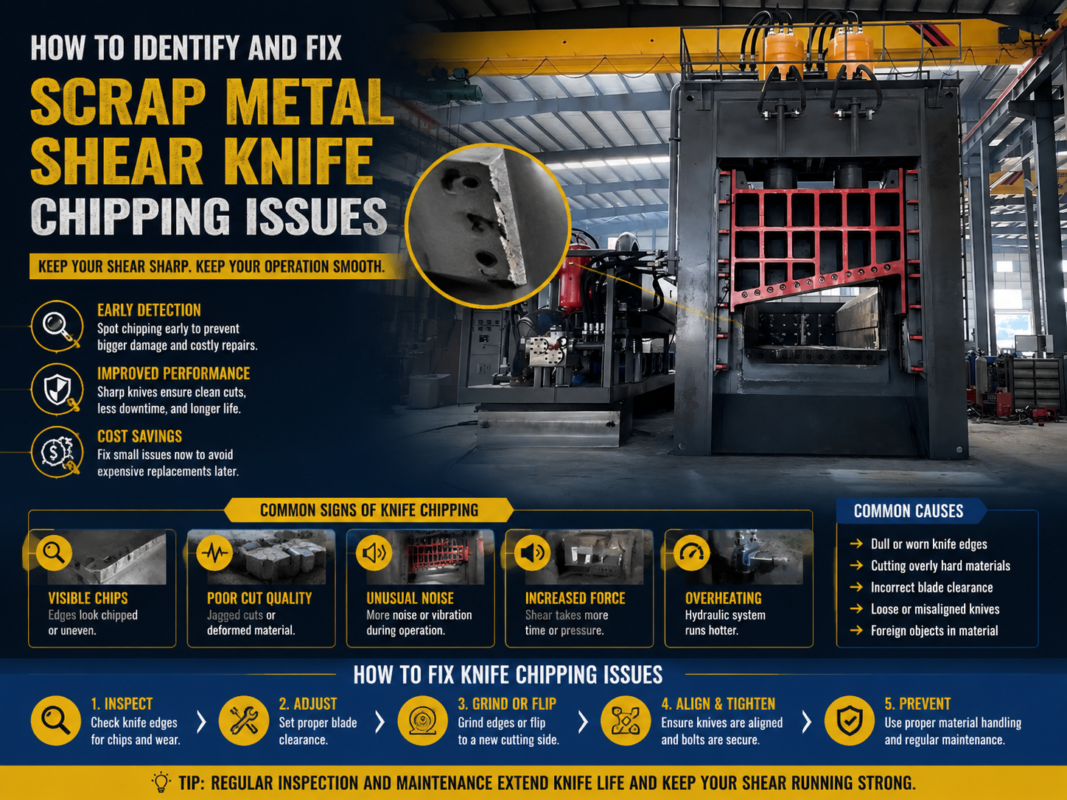
Shear blades are designed to be flipped and reground. Most blades have four cutting edges. Depending on the volume and cleanliness of the scrap, a single edge can last between 200 and 500 hours of operation. Regular maintenance and proper blade gap adjustment can significantly extend blade life.
Can scrap shears handle non-ferrous metals like aluminum?
Yes, scrap shears are highly effective for large aluminum extrusions, copper busbars, and other non-ferrous structural materials. However, because these metals are softer, the blade gap may need to be adjusted to prevent “smearing” or jamming.
Is a gantry shear or a box shear better for structural steel?
For long, heavy structural beams, a gantry shear is generally superior due to its long feeding bed and high vertical force. Box shears are better suited for mixed scrap where pre-compression is needed to create dense bundles.
What kind of maintenance is required for these machines?
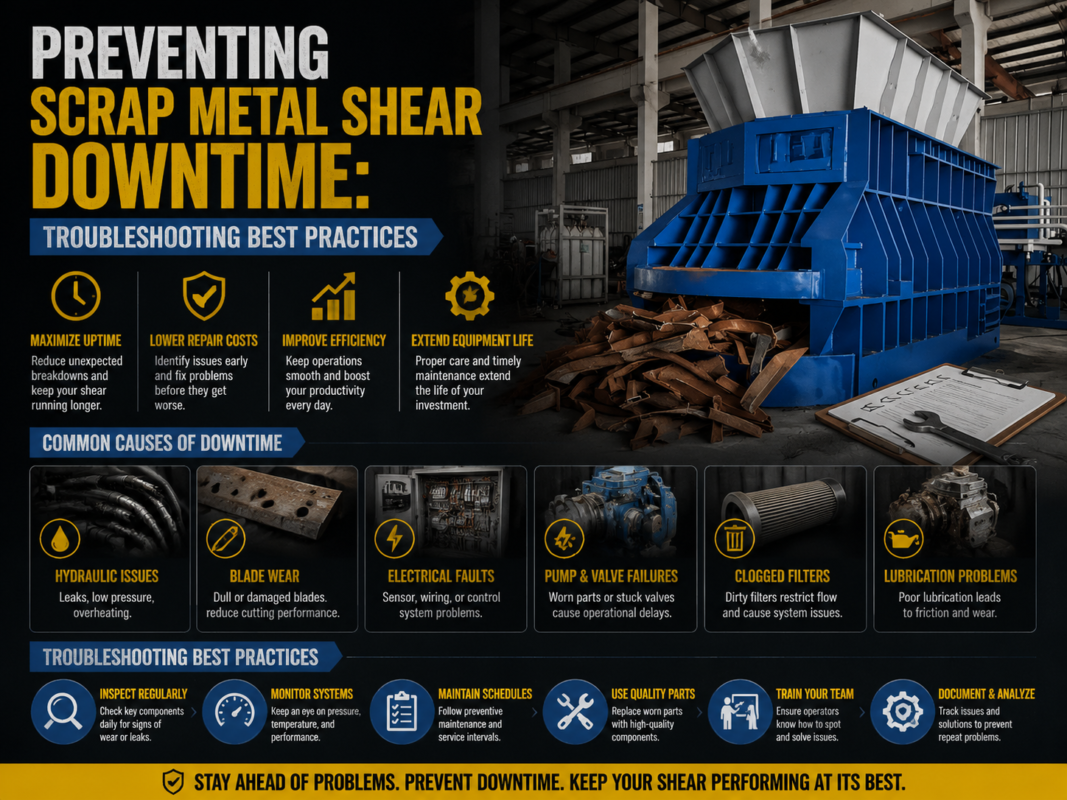
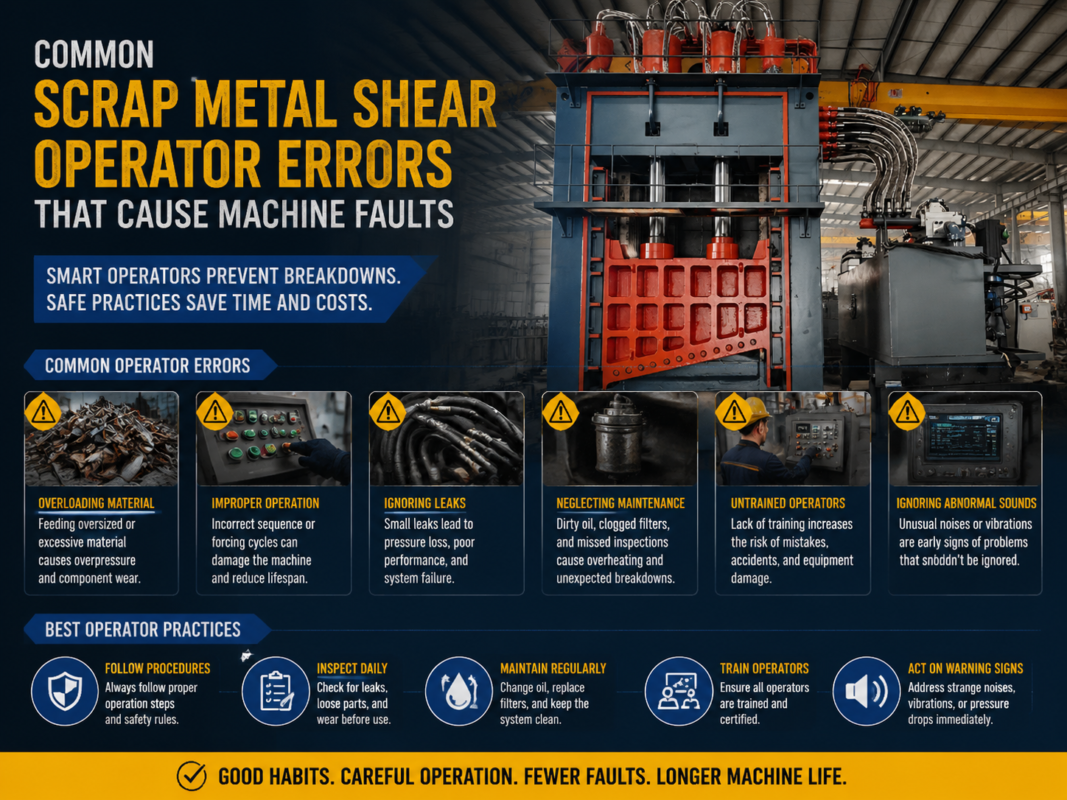
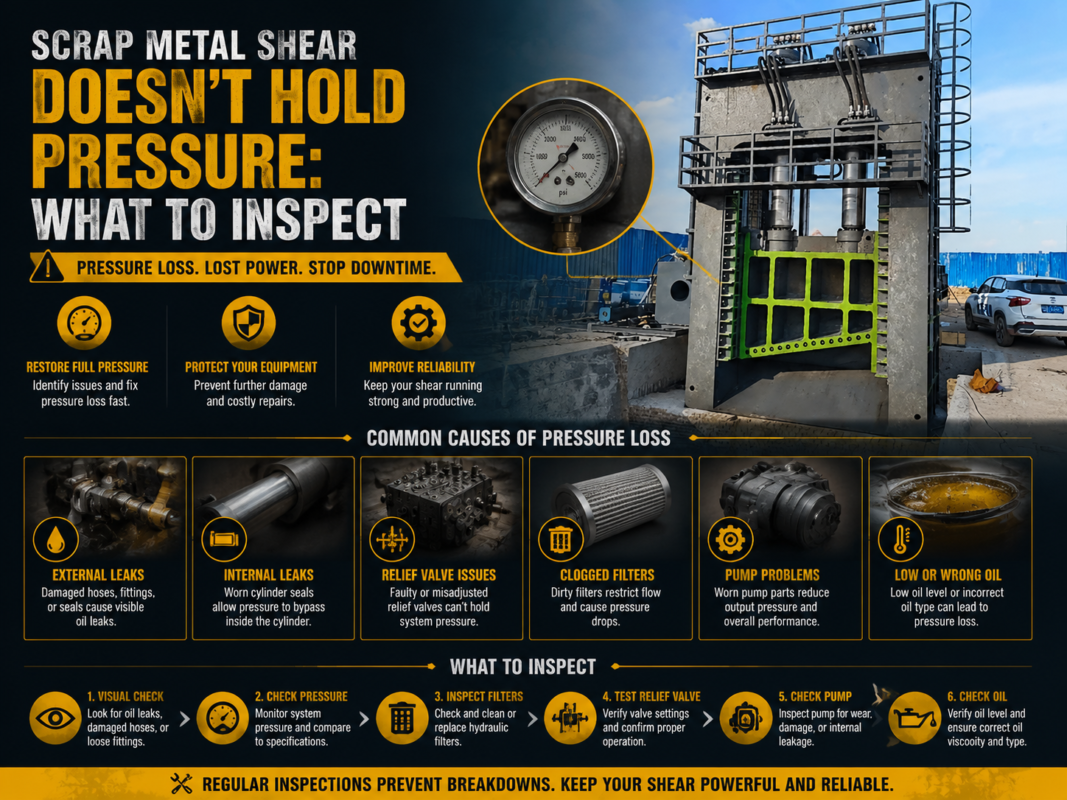
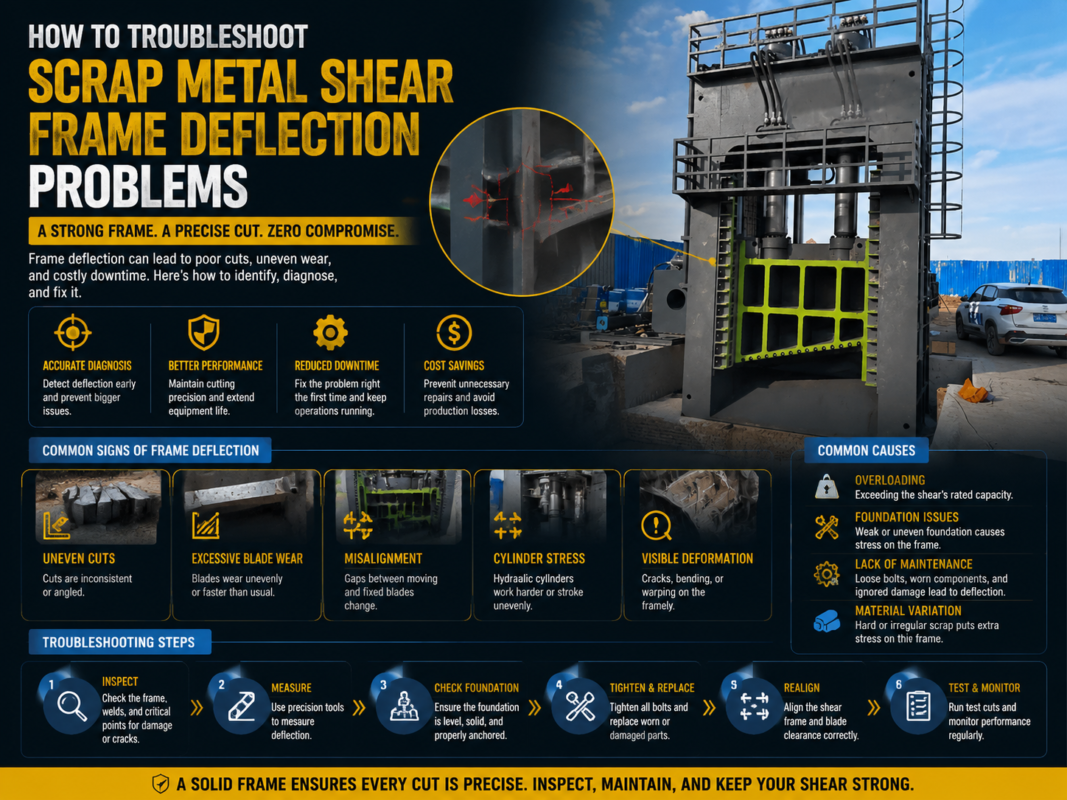
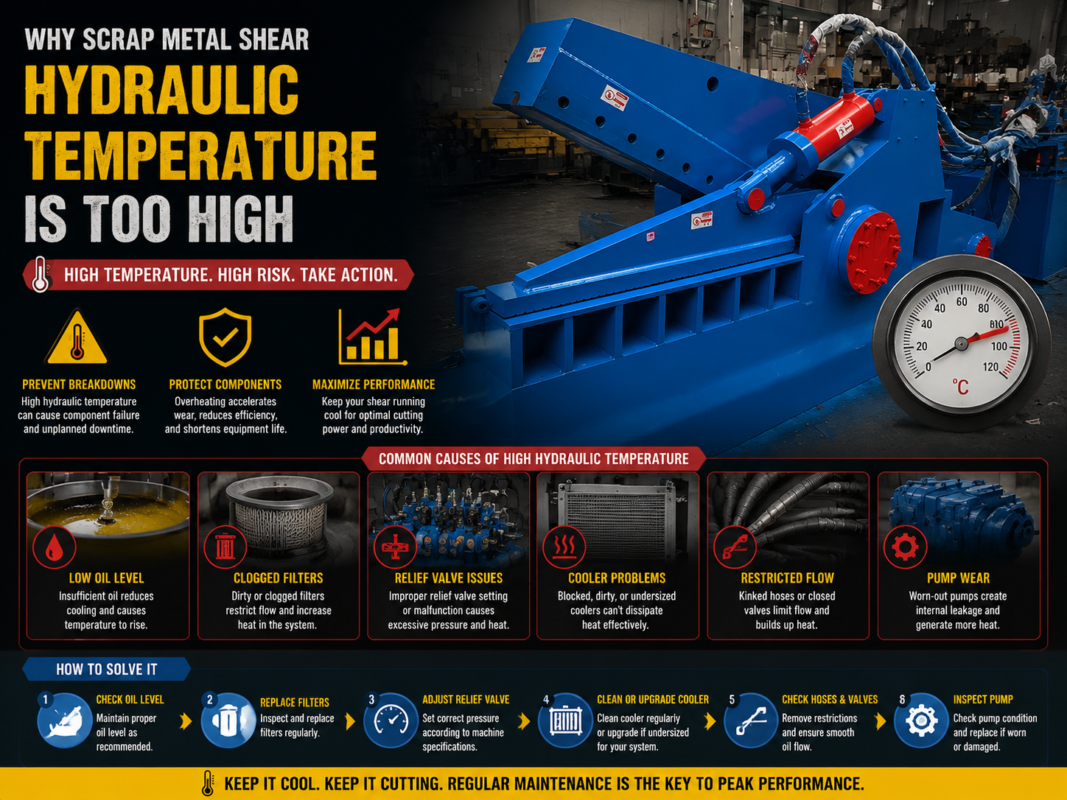
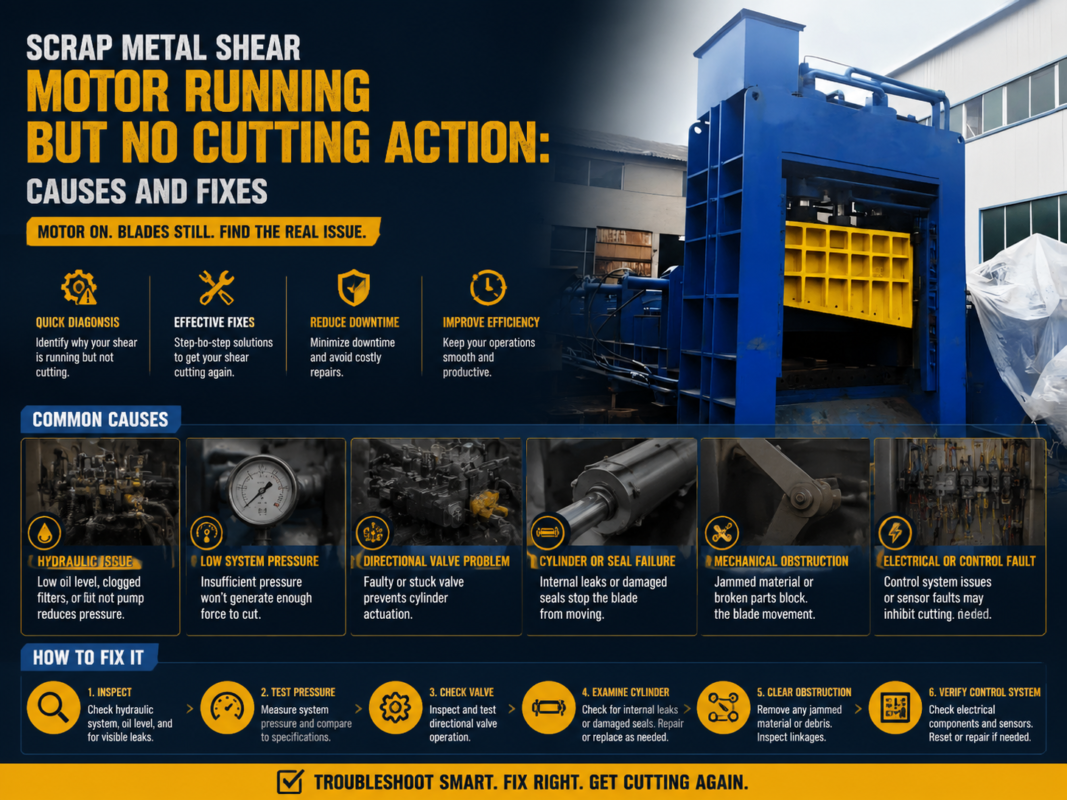
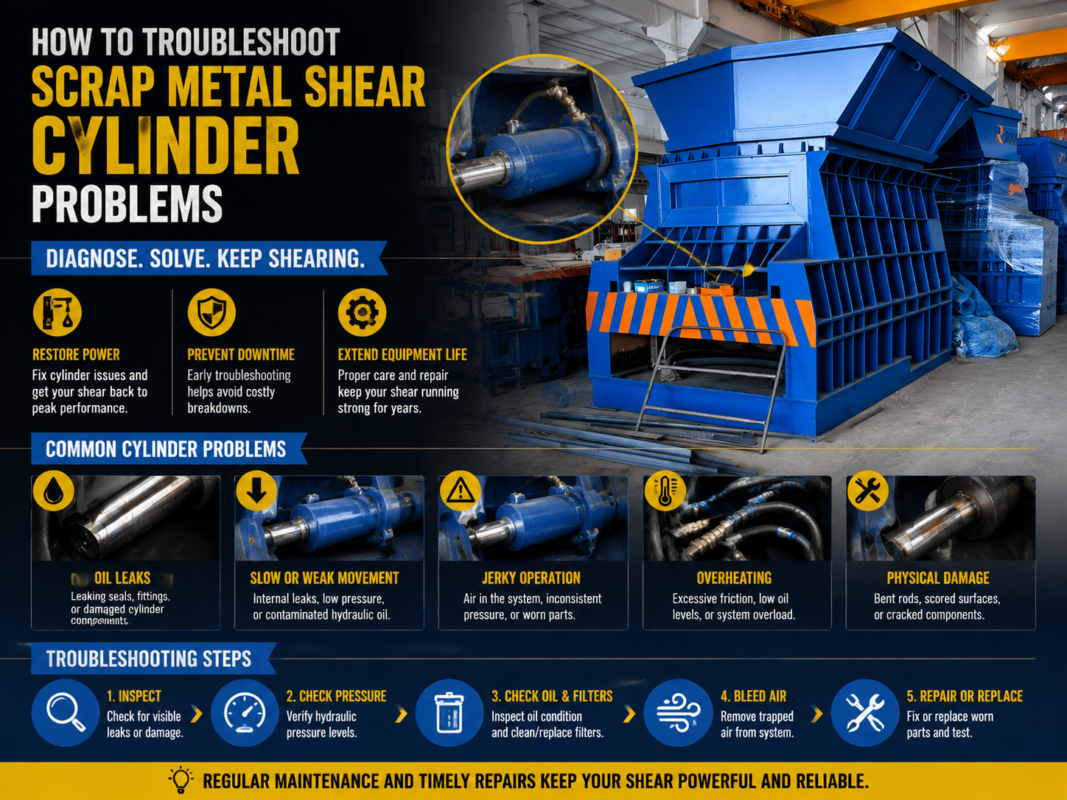
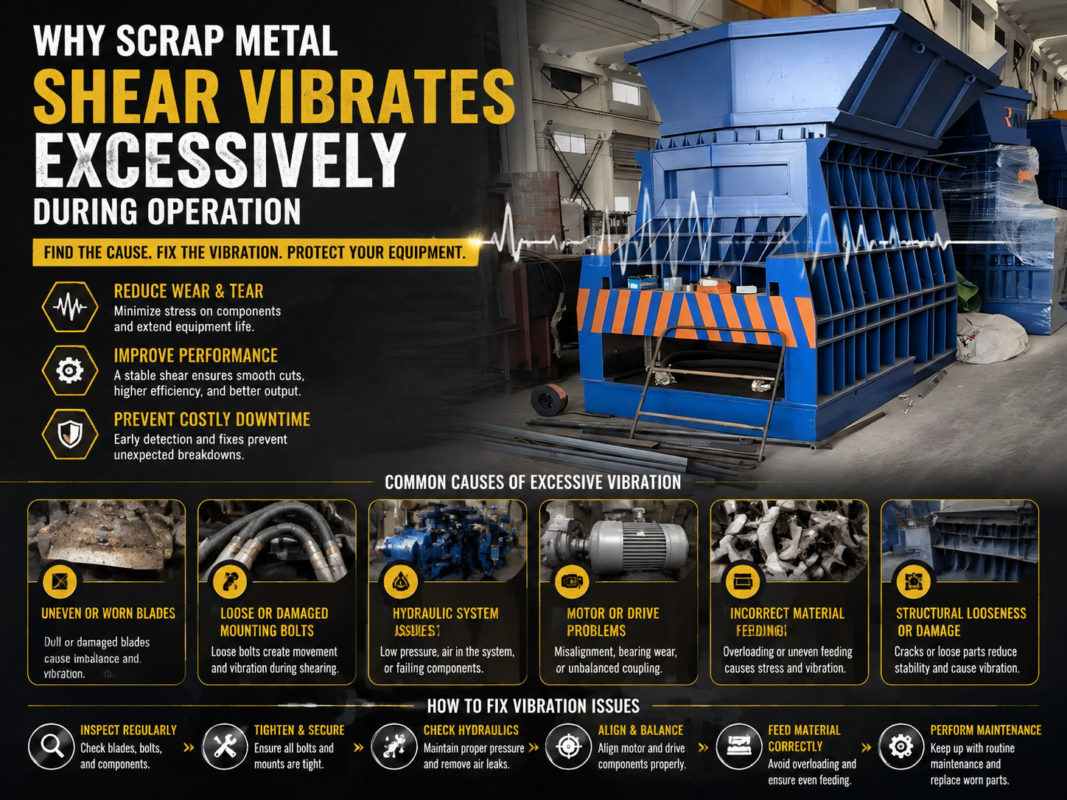
Routine maintenance includes checking hydraulic fluid levels, inspecting seals for leaks, lubricating moving parts, and ensuring the cooling system is functioning. Blade bolts should be checked for tightness daily, and the blade gap should be inspected weekly to ensure clean cuts.
Conclusion: The Future of Steel Recycling with HARSLE
As the world moves toward a more circular economy, the efficiency of metal recycling will only become more important. Scrap metal shears streamline structural steel recycling by providing the power, precision, and automation necessary to handle the world’s toughest waste. By investing in high-quality shearing machinery, recycling facilities can ensure they are prepared for the challenges of tomorrow, turning industrial waste into valuable raw materials with unprecedented efficiency.
HARSLE is committed to providing the recycling industry with the most advanced and reliable machinery on the market. Our range of gantry and box shears is designed with the user in mind, focusing on durability, ease of maintenance, and maximum throughput. If you are looking to optimize your structural steel recycling process, contact HARSLE today to find the perfect machine configuration for your needs.