Comprehensive Guide to Scrap Metal Shear Applications in Automotive Scrap Processing

Introduction to Scrap Metal Shear Applications in Automotive Scrap Processing
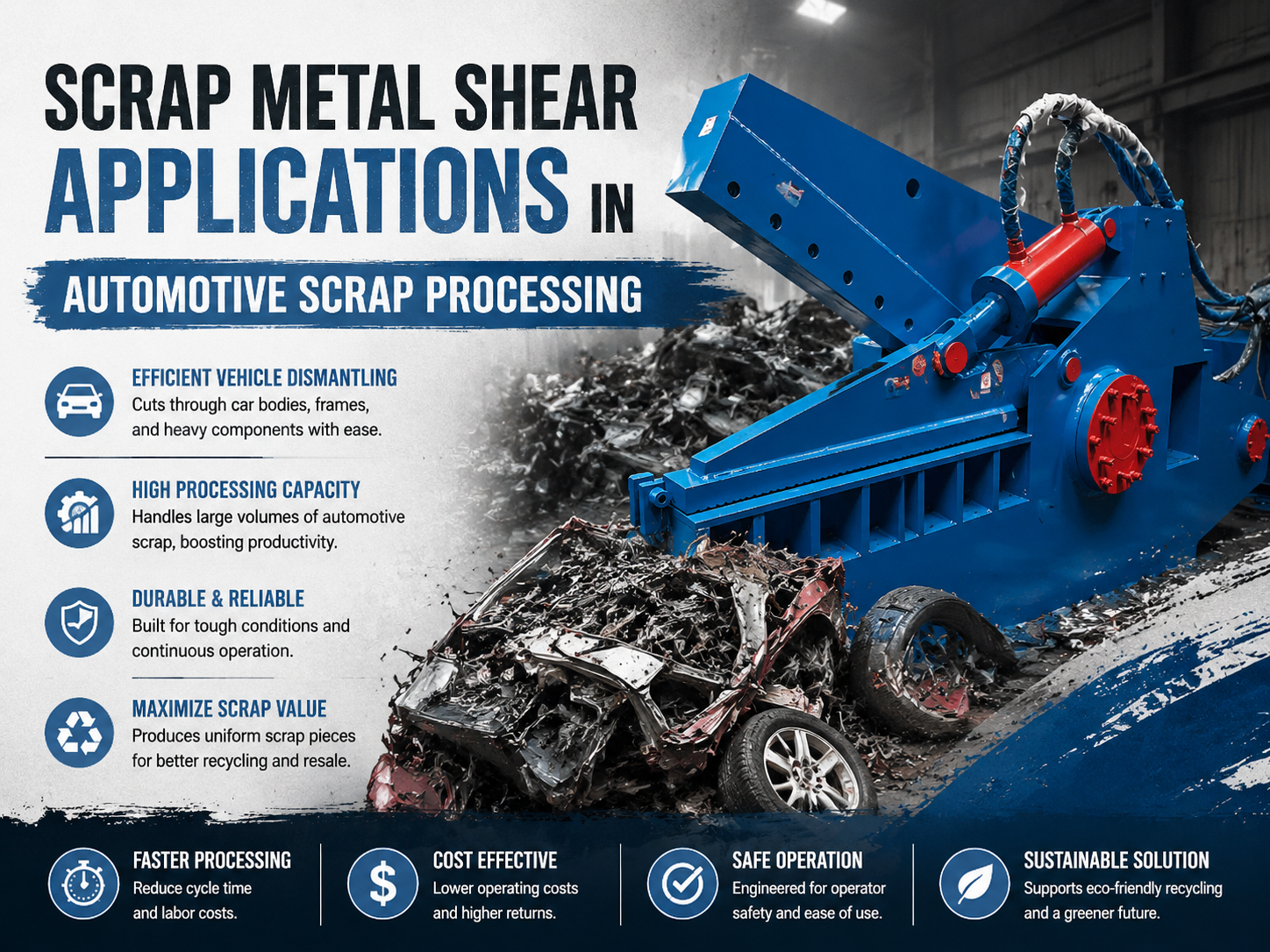
The global automotive industry is undergoing a massive transformation, not just in how vehicles are manufactured, but in how they are decommissioned. As millions of vehicles reach the end of their operational life each year, the demand for efficient, high-capacity recycling solutions has skyrocketed. Central to this recycling infrastructure is the scrap metal shear. The role of Scrap Metal Shear Applications In Automotive Scrap Processing cannot be overstated; these machines are the workhorses that convert bulky, complex vehicle structures into high-density, furnace-ready raw materials.
Automotive scrap is uniquely challenging due to its heterogeneous nature. A single vehicle contains high-strength steel, aluminum alloys, copper wiring, and various cast irons. Processing these materials requires equipment that offers both immense force and precision. HARSLE, a leader in metal fabrication machinery, provides advanced shearing solutions designed to meet the rigorous demands of modern scrapyards and industrial recycling centers. By utilizing heavy-duty hydraulic shears, operators can significantly reduce the volume of automotive waste, making transportation more cost-effective and preparing the metal for the secondary smelting process.
In this comprehensive guide, we will explore the specific scenarios where scrap metal shears are applied within the automotive sector, the technical requirements for processing different vehicle components, and the productivity benefits that come with integrating high-performance HARSLE machinery into your workflow. Whether you are managing a small dismantling yard or a large-scale industrial recycling facility, understanding the nuances of scrap metal shear applications is essential for maximizing ROI and operational efficiency.
Application Scenario: The Lifecycle of Automotive Scrap
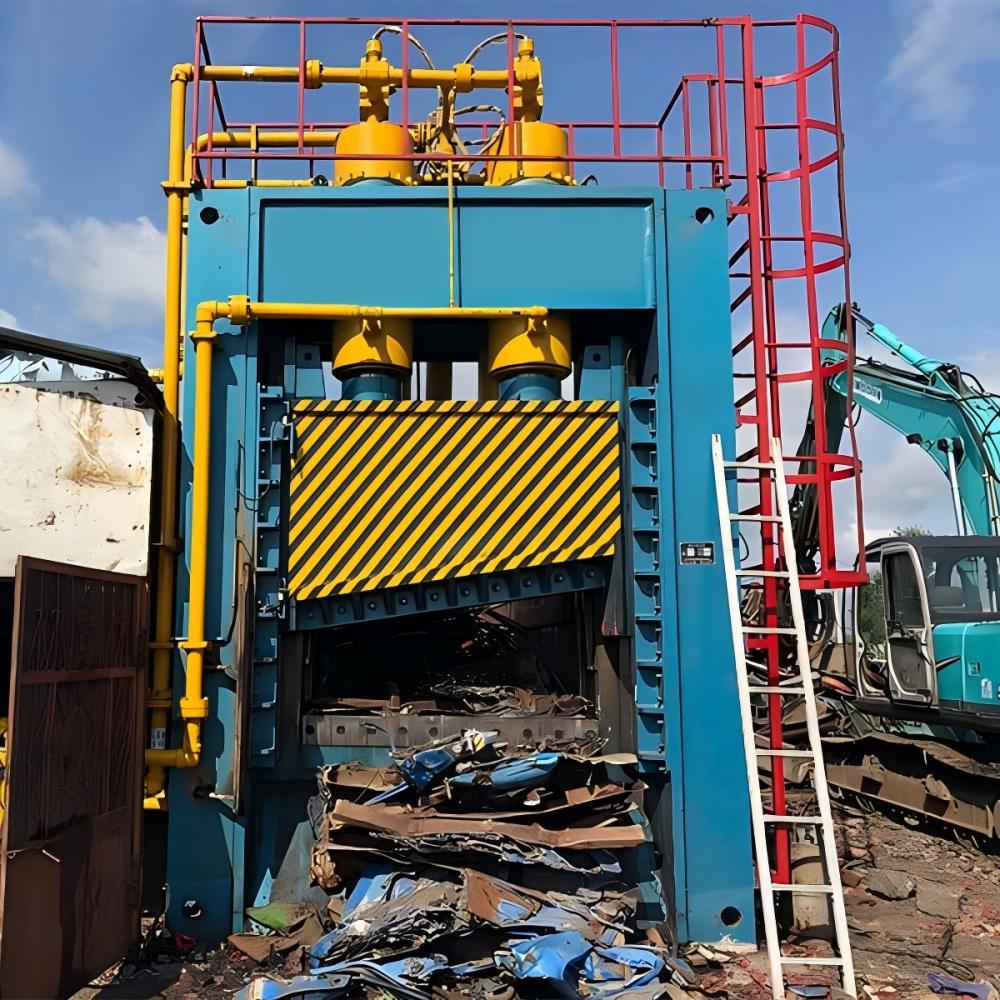
The primary application scenario for scrap metal shears in the automotive industry begins at the End-of-Life Vehicle (ELV) processing center. When a car is decommissioned, it is first stripped of hazardous fluids and reusable parts. The remaining “hulk”—consisting of the chassis, body panels, and structural reinforcements—must then be processed. This is where the scrap metal shear becomes indispensable. Without shearing, these bulky frames would occupy excessive space in transport and would be impossible to feed into standard melting furnaces.
Beyond the initial dismantling, scrap metal shears are used in specialized recycling hubs that focus on high-value components. For instance, heavy-duty alligator shears are often employed to cut through engine mounts, suspension components, and drive shafts. These parts are often made of thicker, forged steel that requires the concentrated cutting force of a specialized blade. In large-scale operations, gantry shears are used to process entire car bodies that have been pre-compressed, slicing them into uniform segments known as “clean auto bundles” or “sheared scrap.”
Another critical scenario involves the processing of manufacturing scrap from automotive assembly plants. During the stamping of car body panels, significant amounts of off-cut steel and aluminum are generated. These industrial scraps are often high-grade and uncontaminated. Scrap metal shears are used on-site or at nearby processing centers to size these off-cuts for immediate return to the steel mill, closing the loop in the circular economy. The ability to handle both post-consumer ELV scrap and post-industrial manufacturing scrap makes the shear a versatile asset in the automotive supply chain.
Material and Process Requirements
Processing automotive scrap is not a one-size-fits-all operation. The materials found in modern vehicles have evolved, requiring shears that can handle a variety of tensile strengths and thicknesses. High-strength steels (HSS) and Advanced High-Strength Steels (AHSS) are now common in vehicle frames to improve safety and fuel efficiency. These materials require significantly higher shearing forces than the mild steels used in older models. A scrap metal shear must be rated for these higher pressures to avoid blade damage or hydraulic failure.
The process requirements also dictate the type of shear used. For the steel industry, the final product must meet specific size and purity standards. For example, Electric Arc Furnaces (EAF) require scrap that is sized to fit within the charging baskets and is dense enough to melt efficiently. This means the shear must be capable of consistent, repeatable cuts. Furthermore, the separation of ferrous and non-ferrous metals is crucial. Shears are often the first step in a process that includes magnetic separation and eddy current separators; by cutting the scrap into smaller pieces, the shear helps liberate different materials that were previously joined by welds or fasteners.
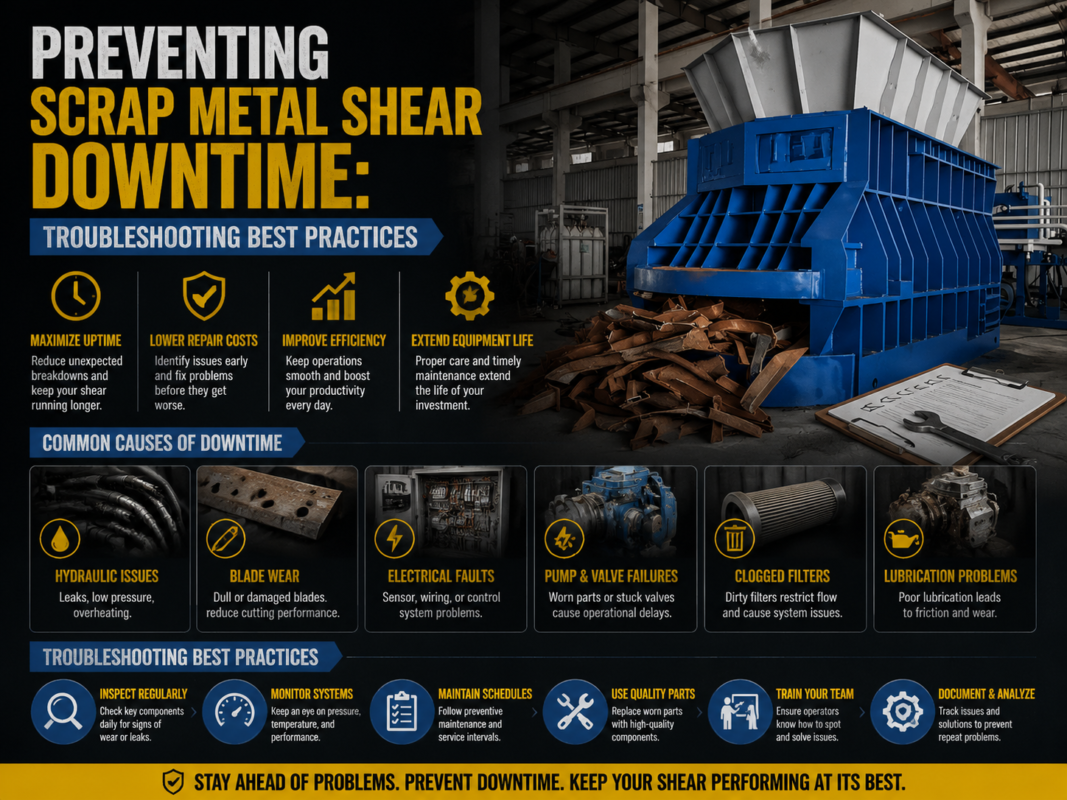
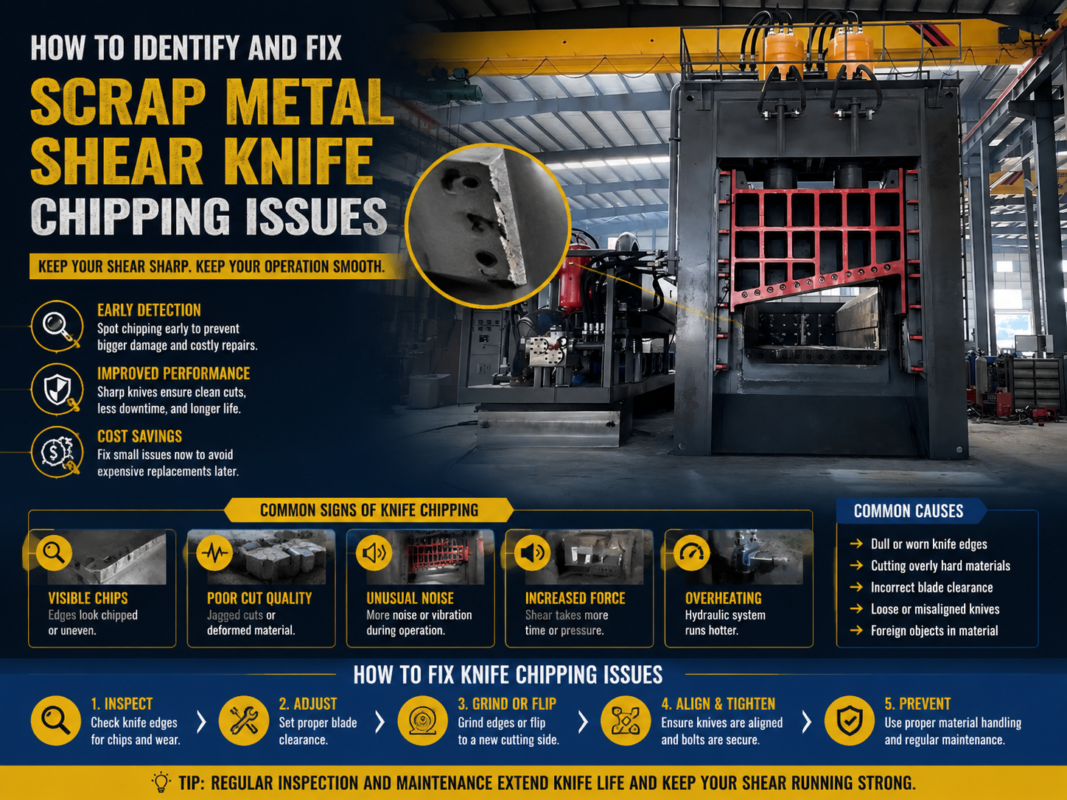
Maintenance and blade durability are also key process requirements. Automotive scrap is often “dirty,” containing residual glass, plastics, and road debris. This abrasive environment can quickly dull inferior blades. HARSLE machines utilize high-alloy tool steel blades that are heat-treated for maximum toughness. The ability to rotate or flip blades to expose new cutting edges is a standard requirement for reducing downtime in high-volume automotive processing environments.
Recommended Machine Configuration
When selecting a machine for Scrap Metal Shear Applications In Automotive Scrap Processing, the configuration depends largely on the volume and type of scrap being handled. For high-volume ELV processing, a Hydraulic Gantry Shear is the gold standard. These machines feature a large hopper and a pre-compression wing system that crushes the car body before it reaches the shearing blade. A typical configuration for automotive scrap would include a shearing force of 500 to 1250 tons, depending on the desired throughput.
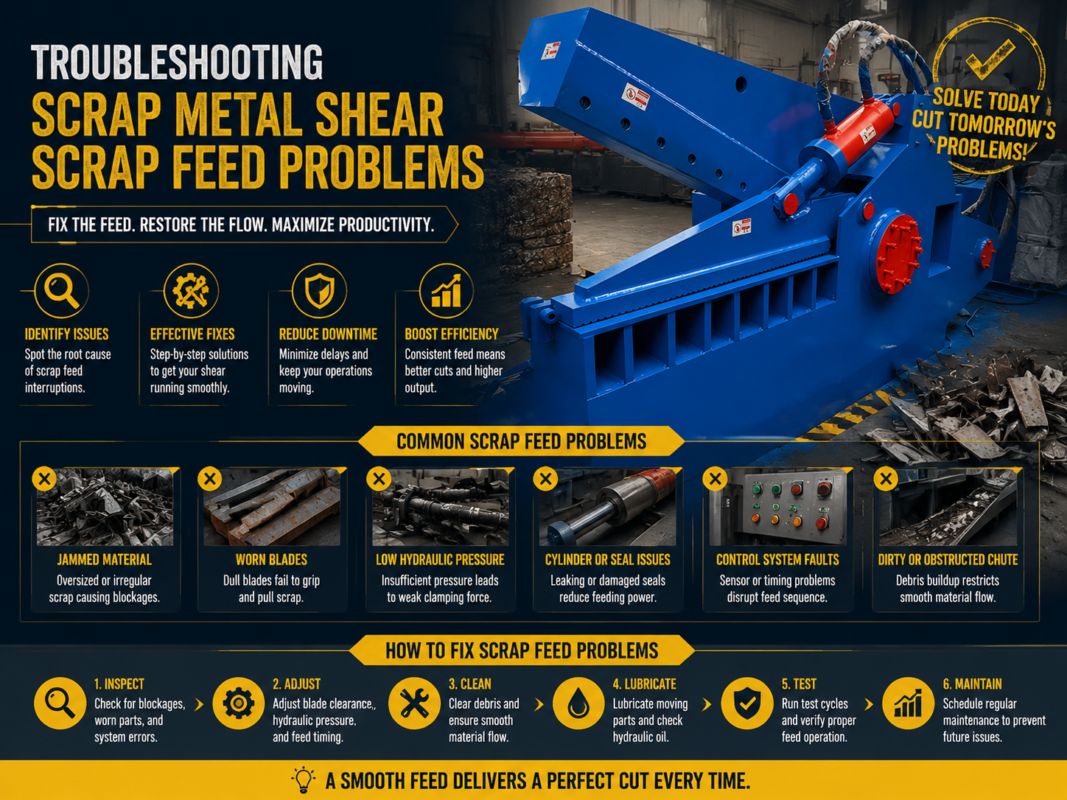
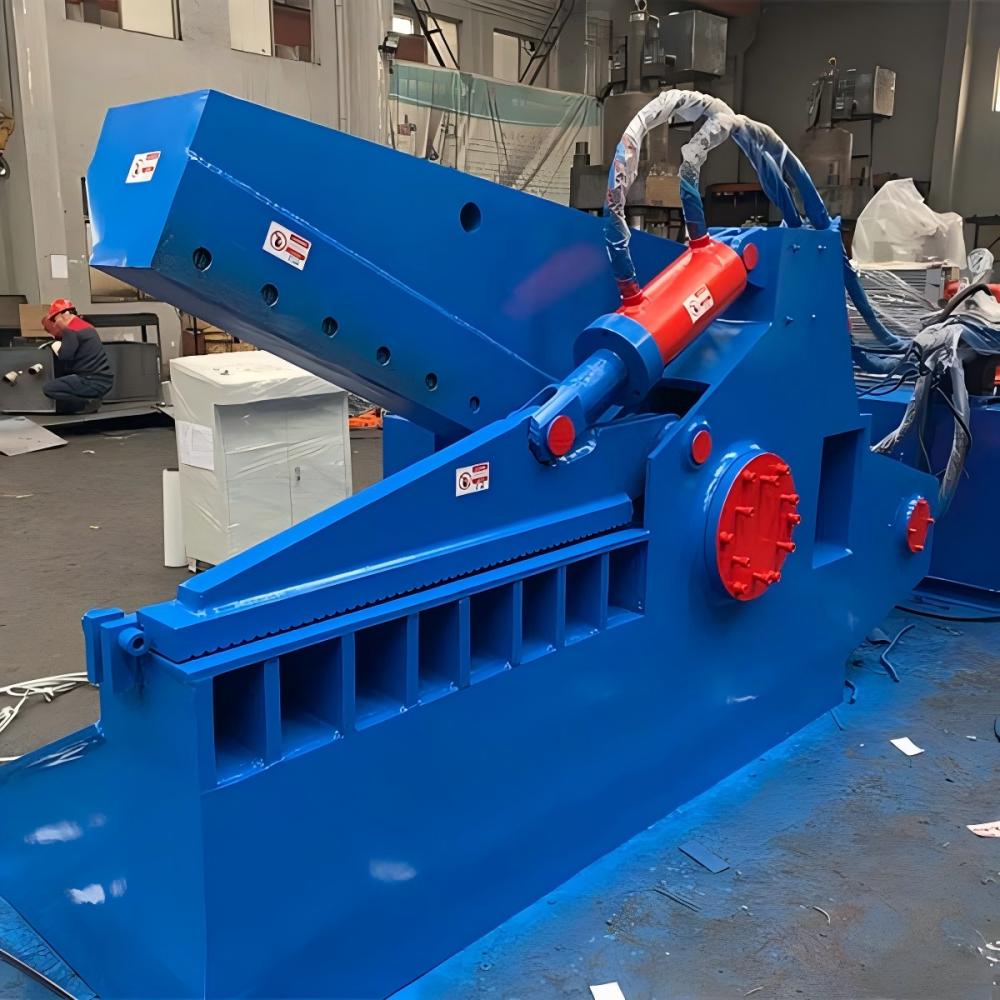
For smaller yards or for secondary processing of specific components, the Hydraulic Alligator Shear is recommended. These machines are excellent for “cleaning” scrap—removing non-ferrous attachments from steel parts or cutting long axles and pipes into shorter lengths. A configuration with a blade length of 600mm to 1200mm is usually sufficient for most automotive dismantling tasks. These shears are valued for their foot-pedal operation, which allows the operator to have both hands free to manipulate the scrap material.
Key technical features to look for in a HARSLE scrap shear configuration include:
- Variable Displacement Hydraulic Pumps: These allow the machine to adjust speed and pressure dynamically, saving energy during lighter cuts and providing maximum force when encountering heavy structural steel.
- PLC Control Systems: Modern shears should feature programmable logic controllers with touch-screen interfaces for easy adjustment of stroke length and pressure settings.
- Integrated Cooling Systems: Automotive scrap processing is often a 24/7 operation. Robust oil cooling systems are essential to maintain hydraulic viscosity and protect seals.
- Automatic Lubrication: To ensure the longevity of the slide ways and pivot points, especially in the dusty environment of a scrapyard.
Workflow in Automotive Scrap Shearing
The workflow for processing automotive scrap using a shear is a multi-stage process designed to maximize material value and minimize waste. It begins with Depollution, where fluids like oil, coolant, and fuel are removed. Once the vehicle is “dry,” it moves to the Dismantling stage, where high-value components like catalytic converters, batteries, and aluminum wheels are removed manually or with specialized tools.
The remaining shell is then moved to the Pre-compression stage. In a gantry shear setup, the car body is loaded into a charging box. Large hydraulic wings or a side-press ram crush the vehicle into a dense log. This step is vital because it reduces the volume of the scrap, allowing the shear to work more efficiently on a concentrated mass of metal rather than a hollow structure. Once compressed, the log is pushed forward into the Shearing Zone.
In the shearing zone, the heavy blade descends at a predetermined interval, slicing the compressed log into uniform pieces. These pieces fall onto a conveyor belt or into a collection bin. The final stage is Sorting and Loading. The sheared scrap is often passed under a magnetic drum to separate the ferrous steel from any remaining non-ferrous metals or contaminants. The resulting “clean sheared scrap” is then loaded into containers or railcars for transport to the foundry. This streamlined workflow ensures that the scrap metal shear is utilized at its maximum capacity, providing a continuous flow of processed material.
Productivity Benefits of Advanced Shearing
Integrating a high-quality scrap metal shear into automotive processing offers several transformative productivity benefits. The most immediate benefit is Volume Reduction. An unprocessed car body is mostly air; by shearing it into small, dense pieces, recyclers can fit significantly more weight into a single transport truck. This drastically reduces logistics costs and the carbon footprint associated with transporting scrap metal.
Secondly, shearing increases the Market Value of the scrap. Steel mills pay a premium for “HMS 1/2” (Heavy Melting Steel) that is sized correctly and free of large contaminants. By using a shear to produce consistent, high-quality scrap, recycling facilities can negotiate better prices compared to selling unprocessed or baled car bodies. Furthermore, the efficiency of a hydraulic shear reduces the Labor Cost per ton of material processed. A single gantry shear operator can process dozens of vehicles per hour, a task that would take a large team of manual cutters significantly longer and involve much higher safety risks.
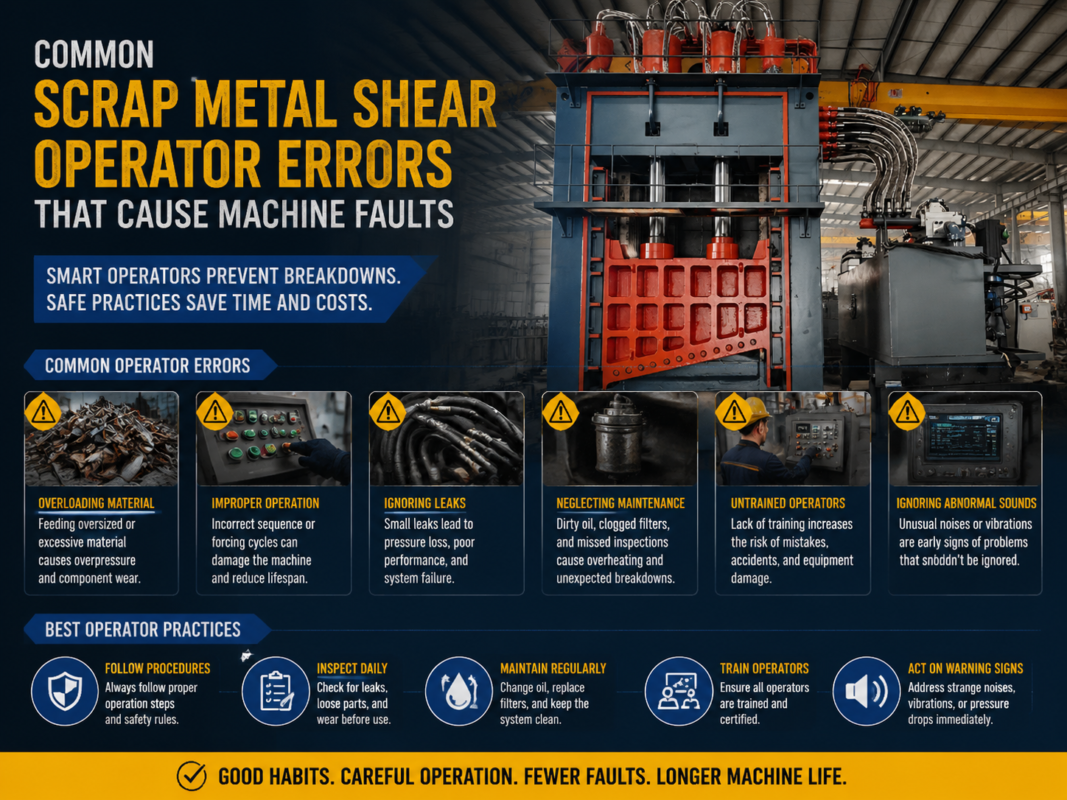
Safety is another critical productivity factor. Manual cutting with torches is slow, dangerous, and produces toxic fumes. Hydraulic shearing is a cold-cutting process that eliminates fire hazards and improves the air quality of the workspace. Additionally, HARSLE shears are equipped with advanced safety interlocks and emergency stop systems, ensuring that high-speed processing does not come at the expense of worker well-being. In the long run, the reliability and low maintenance requirements of HARSLE machinery ensure that the facility maintains a high Uptime Ratio, which is the ultimate metric of productivity in the recycling industry.
Technical Comparison: Gantry vs. Alligator Shears
| Feature | Gantry Shear (Heavy Duty) | Alligator Shear (Component Level) |
|---|---|---|
| Primary Use | Whole car bodies, heavy structural scrap | Axles, engine mounts, sorting, cleaning |
| Shearing Force | 400 – 2000+ Tons | 60 – 250 Tons |
| Automation | Fully automatic with PLC and feeding bed | Manual or semi-automatic (foot pedal) |
| Throughput | High (10-50 tons per hour) | Low to Medium (1-5 tons per hour) |
| Installation | Requires significant foundation/space | Compact, often mobile or easy to move |
Case Example: High-Volume ELV Processing Facility
Consider a regional recycling center in Eastern Europe that processes approximately 2,000 end-of-life vehicles per month. Before upgrading their facility, they relied on manual dismantling and a basic baling press. This resulted in low-density bales that were often rejected by premium steel mills due to high levels of trapped non-metallic materials. The transport costs were also eating into their margins, as they could only load 15 tons of baled scrap per truck.
The facility invested in a HARSLE 800-ton Hydraulic Gantry Shear. With the new system, the workflow changed dramatically. Car bodies were fed into the shear’s 6-meter charging box. The integrated pre-compression wings reduced the vehicle width, and the 800-ton blade sliced the material into 400mm segments. This process liberated trapped plastics and glass, which were then easily separated during the magnetic sorting phase.
The results were immediate: the density of their outgoing scrap increased by 40%, allowing them to load 25 tons per truck—a 66% increase in transport efficiency. Furthermore, the “sheared scrap” qualified for a higher grade at the local steel mill, increasing their revenue per ton by 15%. The labor force previously dedicated to manual cutting was reassigned to more skilled sorting roles, and the facility’s overall safety record improved significantly. Within 18 months, the increased margins and reduced costs provided a full return on the investment in the HARSLE shear.
Frequently Asked Questions (FAQ)
1. What is the best shear for a small automotive dismantling yard?
For smaller operations, a Hydraulic Alligator Shear is usually the best starting point. It is cost-effective, requires minimal space, and is perfect for cleaning and sizing specific components like axles, pipes, and structural brackets. As volume grows, moving to a small-scale gantry shear or a container shear can further automate the process.
2. How often do the blades need to be replaced in automotive scrap processing?
Blade life depends on the material being cut and the cleanliness of the scrap. In a typical automotive environment, HARSLE blades can last for several hundred hours of operation before needing to be rotated. Most HARSLE blades feature four cutting edges; once one edge is dull, the blade can be flipped or rotated to a fresh edge, effectively quadrupling the life of the tool before a full replacement or regrind is necessary.
3. Can scrap metal shears handle aluminum car bodies?
Yes, absolutely. In fact, as more vehicles move toward aluminum construction (like the Ford F-150 or various luxury EVs), shearing becomes even more important. Aluminum scrap is highly valuable, and using a shear to size it correctly for aluminum smelters ensures you get the best market price. The hydraulic pressure can be adjusted on HARSLE machines to optimize the cutting of softer aluminum alloys.
4. What maintenance is required for a hydraulic scrap shear?
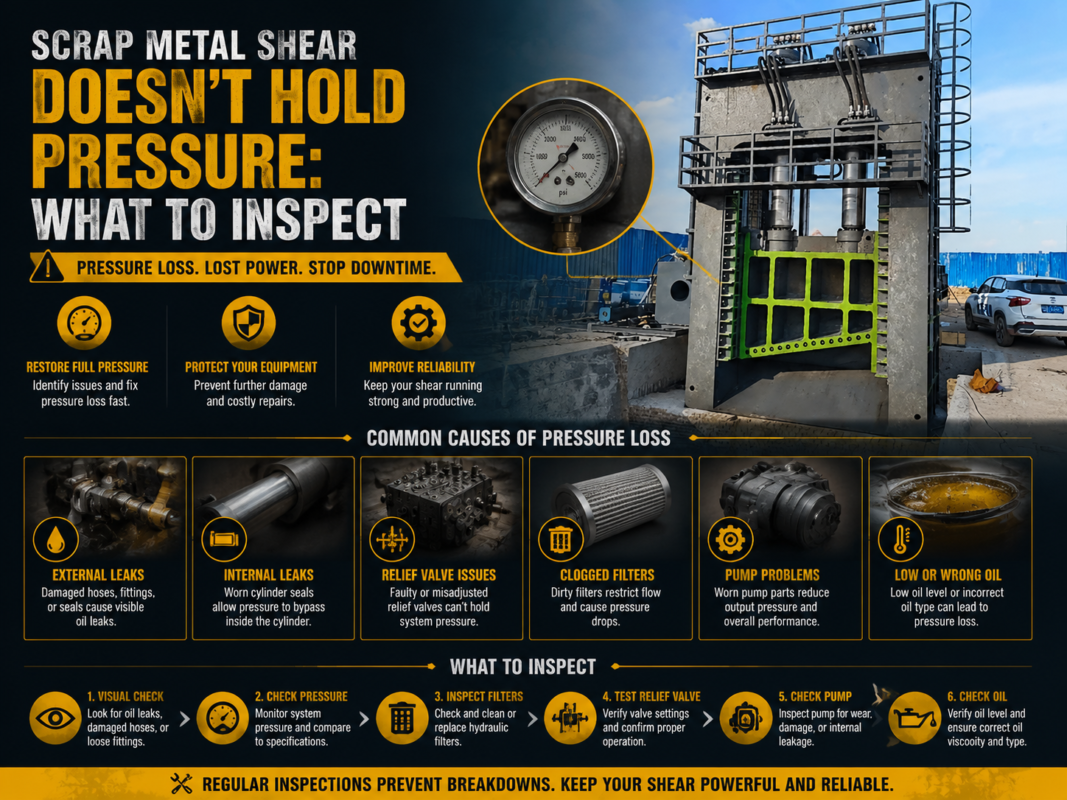
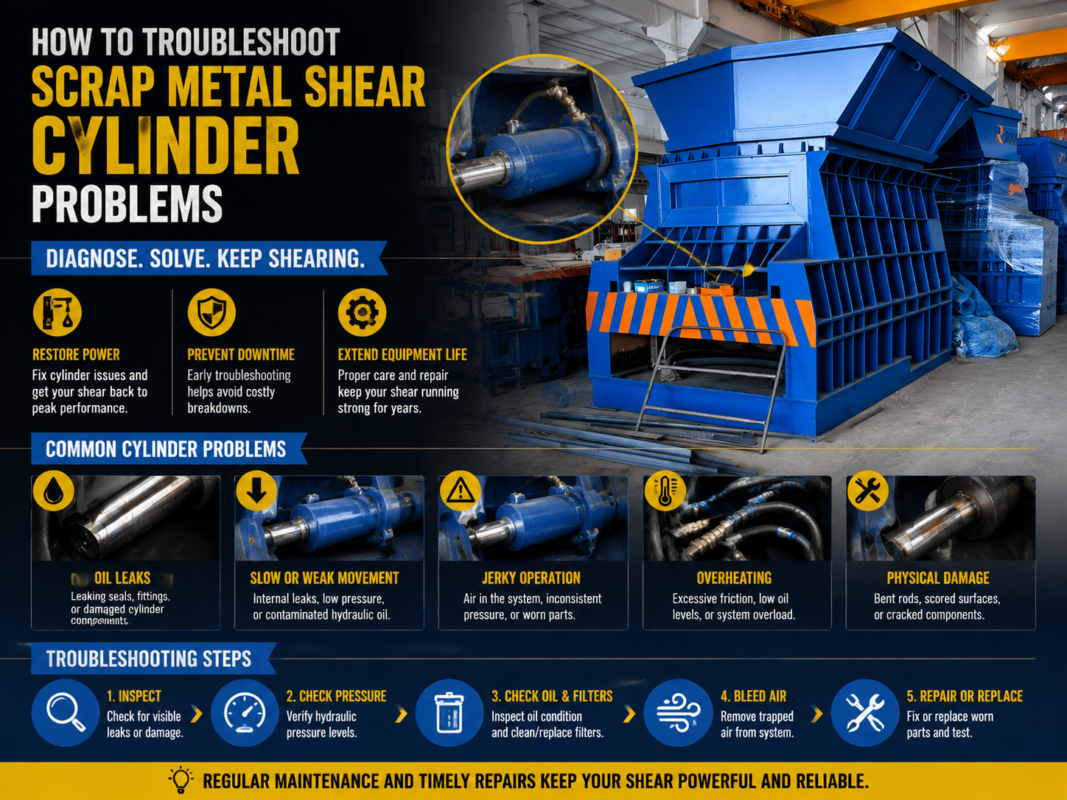
Regular maintenance is key to longevity. This includes daily checks of hydraulic oil levels and quality, lubrication of moving parts, and inspection of blade bolts. Monthly inspections should focus on the hydraulic seals, filter replacements, and checking the alignment of the shearing head. HARSLE provides detailed maintenance schedules and support to ensure your machine stays in peak condition.
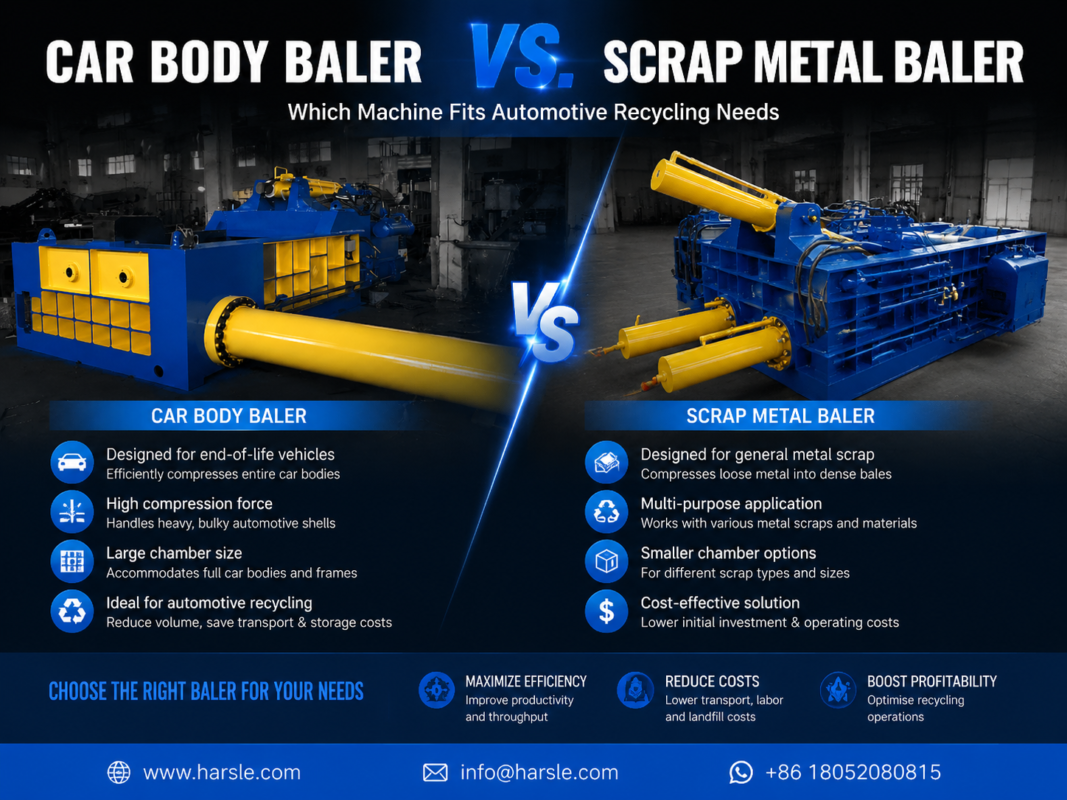
5. Is it better to bale or shear automotive scrap?
While baling is good for volume reduction, shearing is superior for material quality. Shearing “opens up” the scrap, allowing for better separation of contaminants and producing a product that is more desirable for steel mills. Most high-end recyclers use a combination of both or a shear-baler that can perform both functions depending on the end-user’s requirements.
Conclusion: Choosing HARSLE for Your Automotive Recycling Needs
The complexities of Scrap Metal Shear Applications In Automotive Scrap Processing require machinery that is robust, efficient, and technologically advanced. As the automotive industry continues to evolve with new materials and higher recycling standards, having the right shearing solution is the difference between a profitable operation and one that struggles with overhead and low-quality output. HARSLE’s range of gantry and alligator shears are engineered to provide the force needed for modern alloys while maintaining the precision required for high-grade scrap production.
By investing in HARSLE technology, you are not just buying a machine; you are investing in a more productive, safer, and more profitable future for your recycling business. Our team of experts is ready to help you configure the perfect shearing system for your specific volume and material requirements. Contact HARSLE today to learn more about our industrial metal fabrication equipment and how we can help you optimize your automotive scrap processing workflow.