Choosing the Right Scrap Metal Shear for Heavy-Duty Recycling Applications

Introduction to Heavy-Duty Scrap Metal Shearing
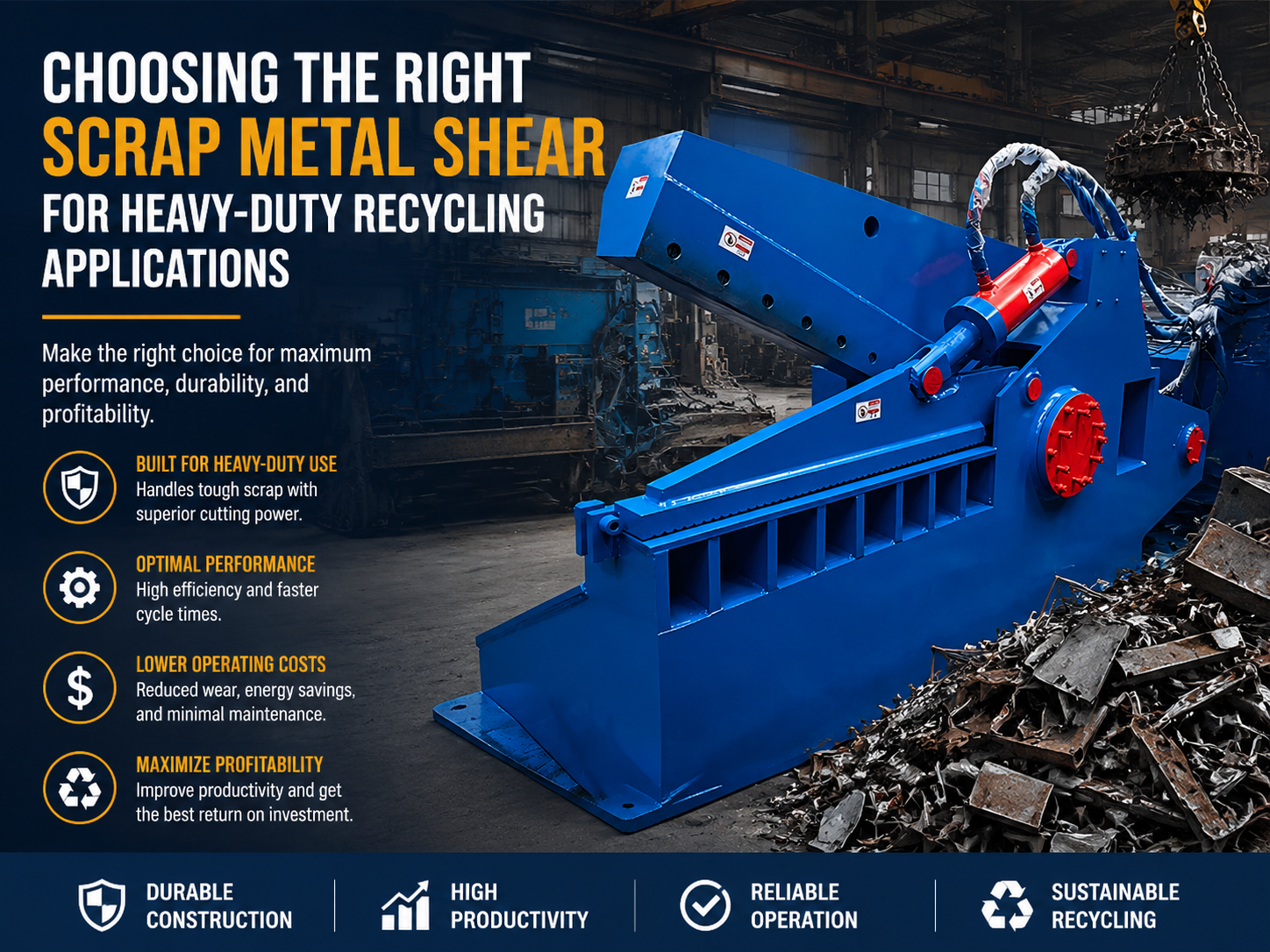
In the modern industrial landscape, the recycling of ferrous and non-ferrous metals has evolved from a secondary waste management task into a primary economic driver. As global demand for steel and aluminum continues to rise, the efficiency of the scrap supply chain becomes paramount. Central to this efficiency is the scrap metal shear. Choosing the right scrap metal shear for heavy-duty recycling applications is not merely a purchasing decision; it is a strategic investment that dictates the throughput, safety, and profitability of a recycling facility. High-volume scrap yards and industrial decommissioning sites require machinery that can withstand the rigors of continuous operation while processing diverse materials ranging from structural I-beams to automotive frames.
The process of shearing involves applying extreme hydraulic force to cut metal into manageable sizes for smelting or transport. Without the correct equipment, operators face increased downtime, excessive blade wear, and safety hazards. This guide explores the critical factors involved in selecting the ideal shearing solution, focusing on the technical nuances that separate standard equipment from heavy-duty industrial powerhouses. By understanding the relationship between material density, machine configuration, and operational workflow, businesses can optimize their recycling processes for the long term.
Application Scenarios for Industrial Scrap Shears
Heavy-duty scrap shears are utilized across a variety of demanding environments. One of the most common scenarios is the large-scale scrap yard, where thousands of tons of mixed metal arrive monthly. These facilities require a “primary mover”—a machine capable of handling HMS (Heavy Melting Scrap) 1 and 2 grades. In these settings, the shear must operate nearly 24/7, necessitating robust cooling systems and high-cycle speeds. The ability to process bulky items like old machinery parts, pipe sections, and plate steel into uniform sizes is essential for meeting the specifications of steel mills.
Another critical application is found in shipbreaking and demolition. When dismantling large structures such as decommissioned vessels or industrial warehouses, the metal is often oversized and structurally reinforced. Portable or high-capacity stationary shears are required to break down these massive components on-site. In these scenarios, the shear’s ability to handle “dirty” scrap—metal with attachments or coatings—is vital. The machine must be resilient enough to handle the occasional non-shearable item without catastrophic failure of the hydraulic system or the blade carrier.
Automotive recycling also presents a unique challenge. While much of a car can be shredded, the heavier structural components and engine cradles often require shearing before they can be efficiently processed. Furthermore, in the aerospace and rail industries, the shearing of high-strength alloys and thick-walled rail tracks demands a machine with exceptional cutting force and precision. Choosing the right scrap metal shear for heavy-duty recycling applications in these sectors means looking for high-tonnage ratings and specialized blade geometries that prevent material slippage during the cut.
Material and Process Requirements
Before selecting a machine, one must conduct a thorough analysis of the material stream. The physical properties of the scrap—such as tensile strength, thickness, and shape—directly influence the required shearing force. For instance, shearing a 1-inch thick mild steel plate requires significantly less force than shearing a 1-inch thick stainless steel beam. Heavy-duty applications typically involve materials with high yield strengths, requiring shears with cutting forces ranging from 500 to over 2,000 tons. Understanding the “shearability” of the material is the first step in preventing machine overload.
Process requirements also include the desired output size. Steel mills often have strict requirements for the dimensions of the scrap they purchase to ensure it fits into electric arc furnaces (EAF). If the shear cannot consistently produce the required size, the scrap may be downgraded in value. Therefore, the machine’s stroke length and the adjustability of its cutting cycle are critical. Furthermore, the volume of material processed per hour (throughput) must align with the facility’s intake. A bottleneck at the shearing stage can halt the entire production line, leading to significant financial losses.
Environmental factors also play a role in material processing. In cold climates, hydraulic fluids must be heated, and the steel frame of the shear must be made of alloys that do not become brittle. In dusty or corrosive environments, such as coastal shipyards, the machine’s seals and electronic components require enhanced protection. When choosing a scrap metal shear for heavy-duty recycling applications, the buyer must ensure the machine is rated for the specific environmental stressors of their geographic location.
Recommended Machine Configurations
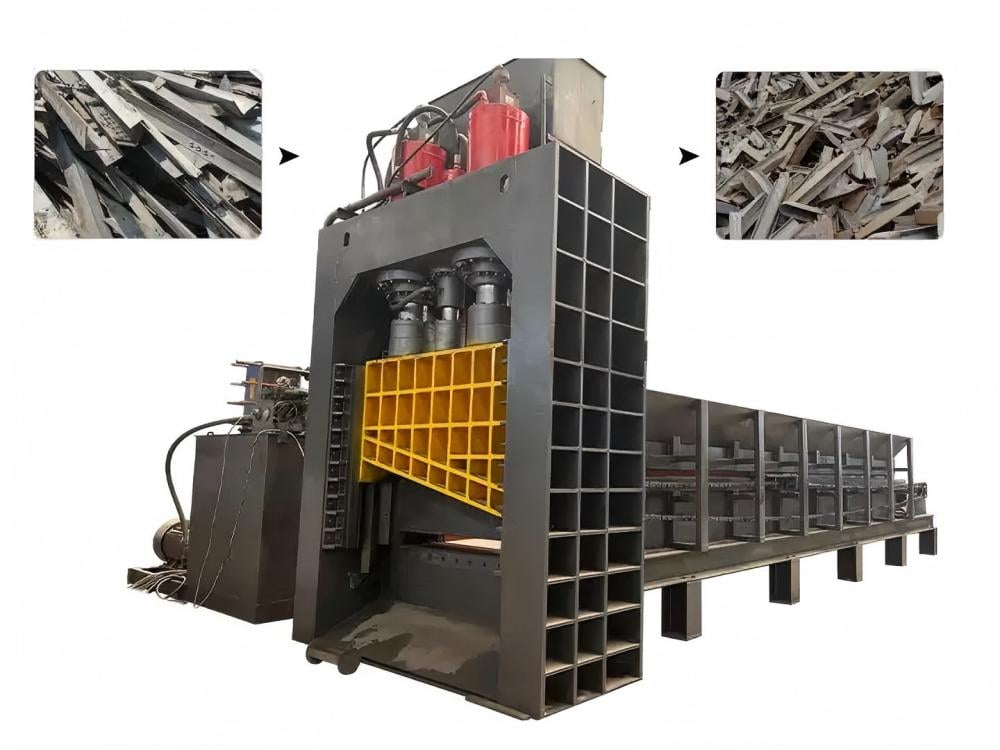
There are three primary configurations for heavy-duty scrap shearing: Gantry Shears, Container Shears, and Alligator Shears. Each serves a specific niche within the recycling ecosystem. Gantry shears are the titans of the industry. They are stationary machines, often featuring a massive gravity-fed or side-squeeze hopper. These are best for the highest volume operations where the material is brought to the machine. They offer the highest cutting forces and the most automated workflows, often integrating with conveyor systems for seamless discharge.
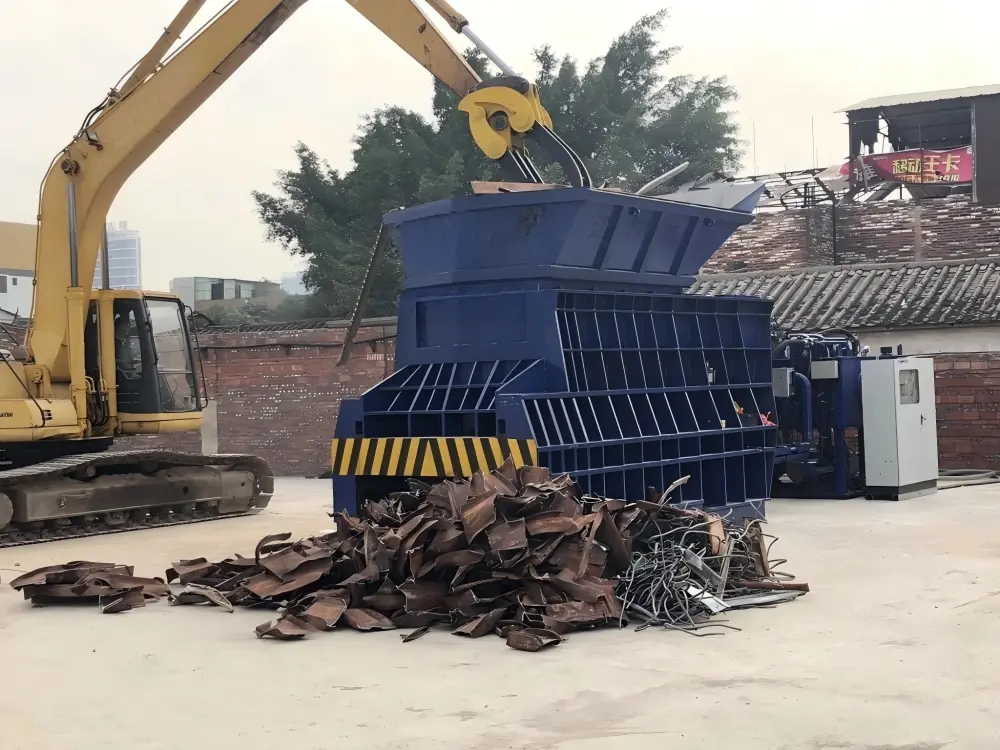
Container shears have gained popularity due to their versatility and ease of installation. Unlike gantry shears, which require extensive foundation work, container shears are often built on a unified frame that can be moved via a hook-lift system or a low-boy trailer. They are ideal for medium-to-heavy duty applications where the site location might change, such as in large-scale demolition projects. Despite their relative mobility, modern container shears offer impressive cutting forces and can handle bulky scrap effectively thanks to their integrated pre-compression boxes.
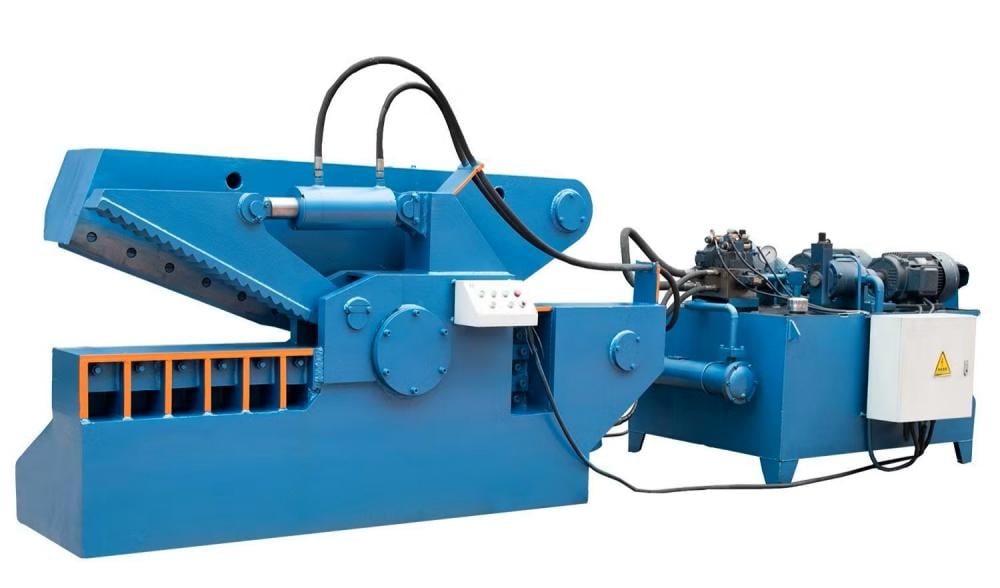
For specialized or smaller-scale heavy-duty tasks, alligator shears remain a staple. While not intended for the primary processing of massive beams, they are indispensable for cleaning scrap—removing non-ferrous attachments from ferrous bases—and for cutting long pipes or bars. When choosing an alligator shear for heavy-duty use, it is vital to look for models with high-strength castings and oversized hydraulic cylinders to ensure they can handle the repetitive stress of thick-section cutting.
The Workflow of a Heavy-Duty Shearing Operation
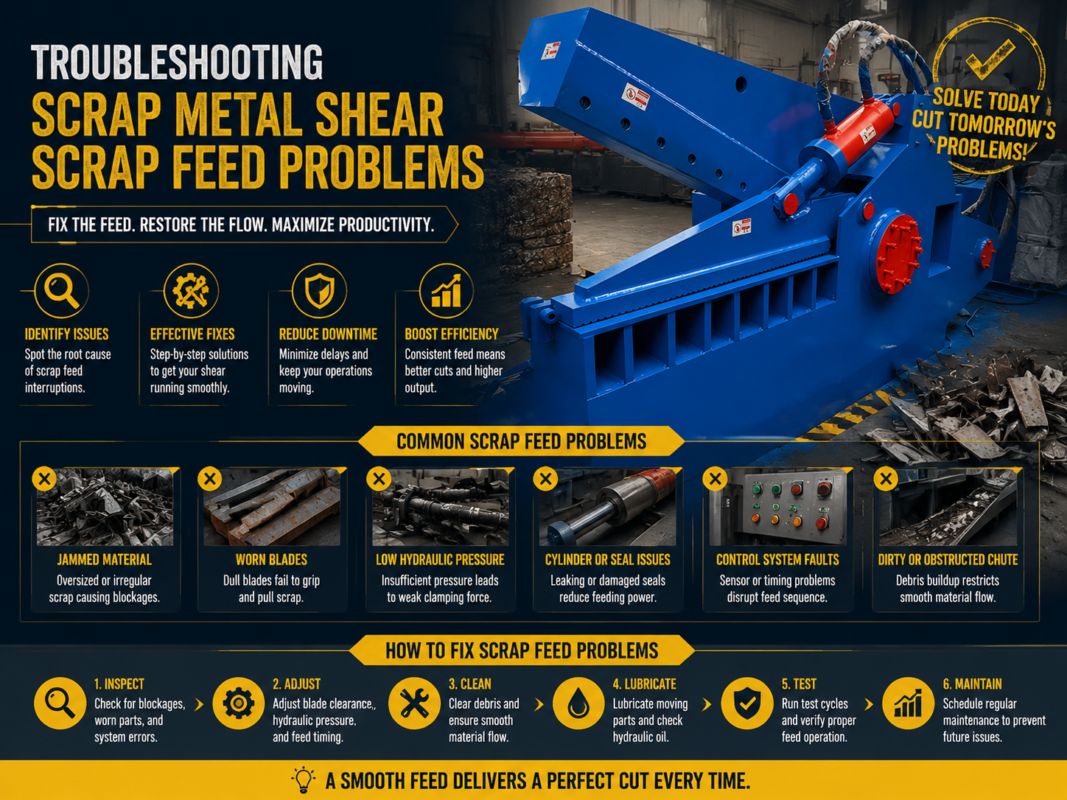
The efficiency of a scrap shear is only as good as the workflow surrounding it. The process typically begins with material sorting and preparation. A crane equipped with a grapple or magnet feeds the scrap into the shear’s charging box. In heavy-duty gantry shears, this box often features a “wing” or “side-press” mechanism that compresses the scrap into a dense log before it reaches the shearing head. This pre-compression is vital because it reduces the volume of the material, allowing the blades to engage more effectively and reducing the number of strokes required to process a load.
Once the material is compressed, the hydraulic pusher ram advances the scrap log toward the cutting blades. The shear head then descends, executing the cut. Modern machines utilize PLC (Programmable Logic Controller) systems to automate this cycle. Sensors detect the position of the material and adjust the pusher speed and cutting force in real-time. This automation reduces the burden on the operator and ensures a consistent output size. After the cut, the processed scrap falls onto a discharge conveyor or into a collection pit, where it is moved to a stockpile for shipping.
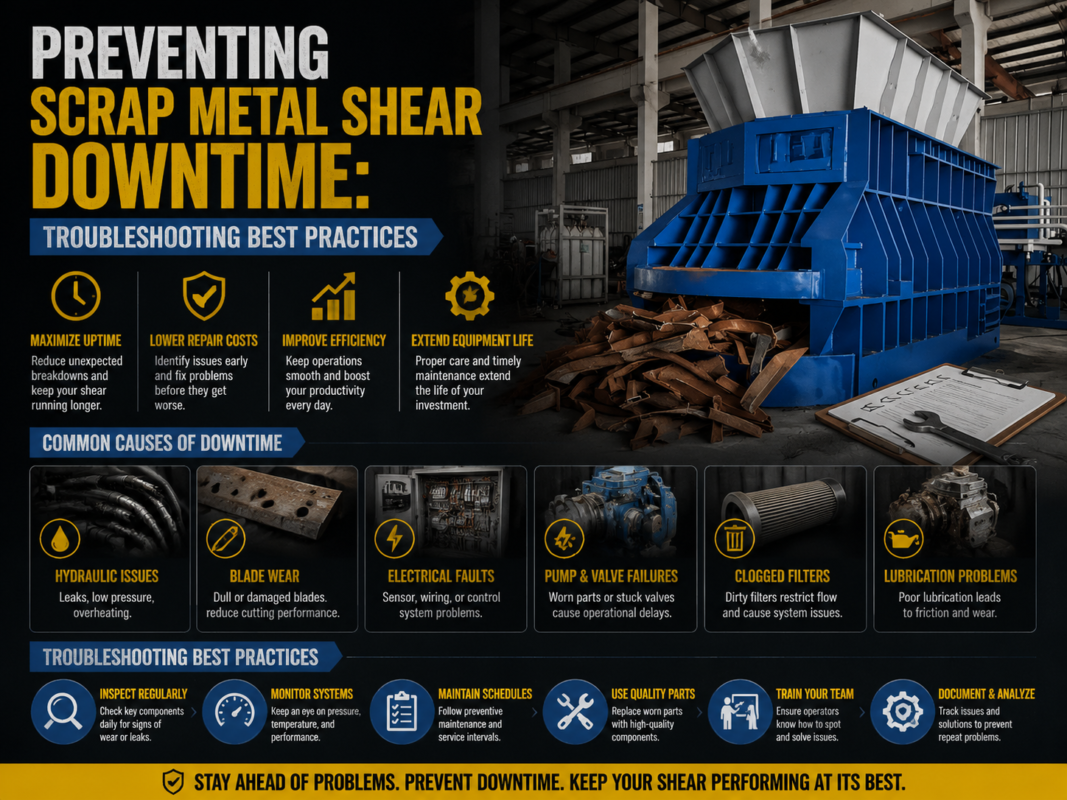
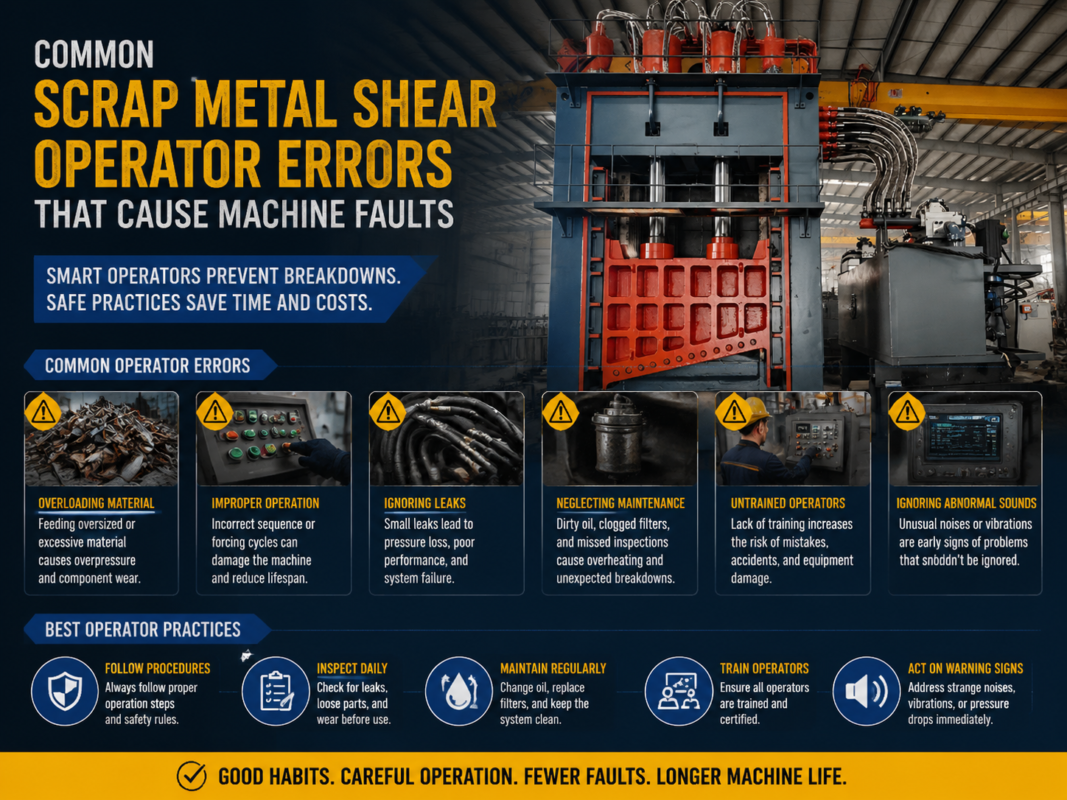
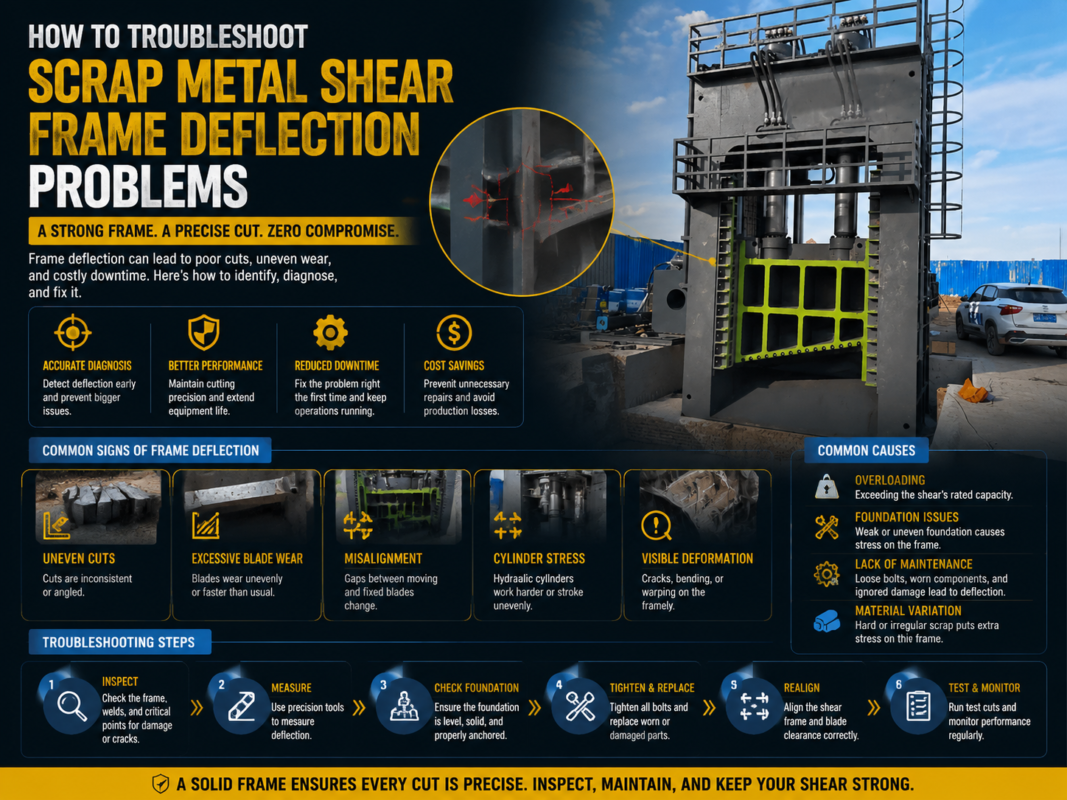
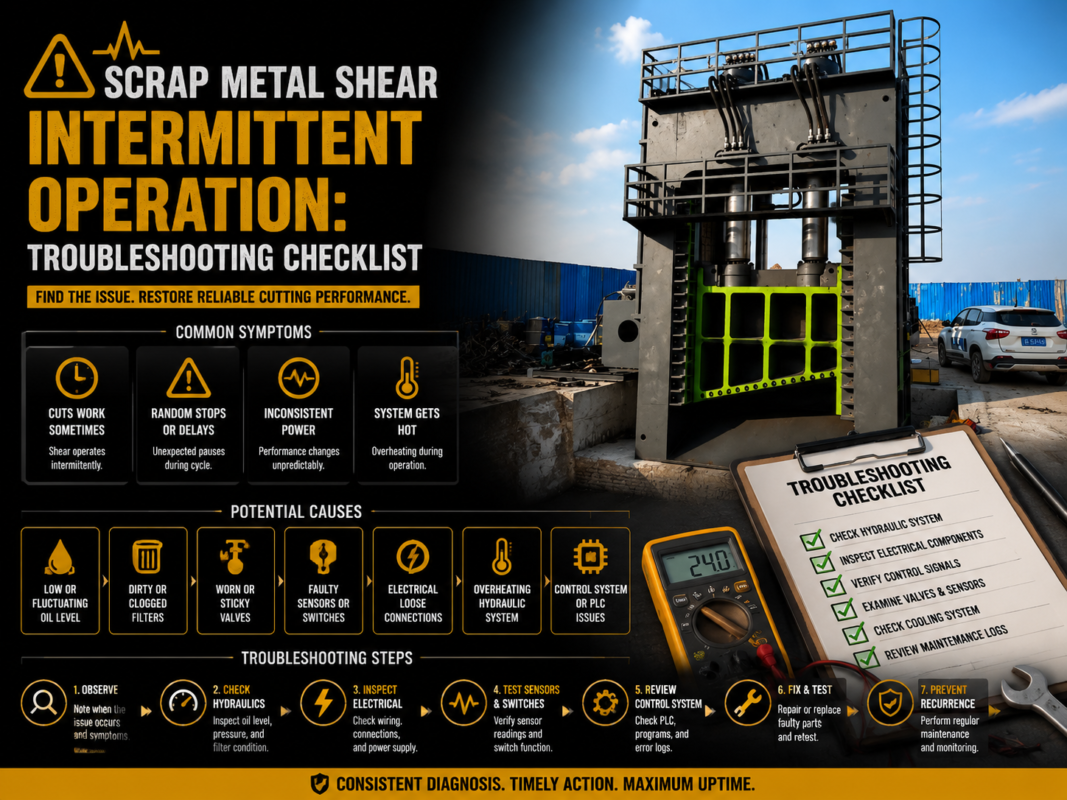
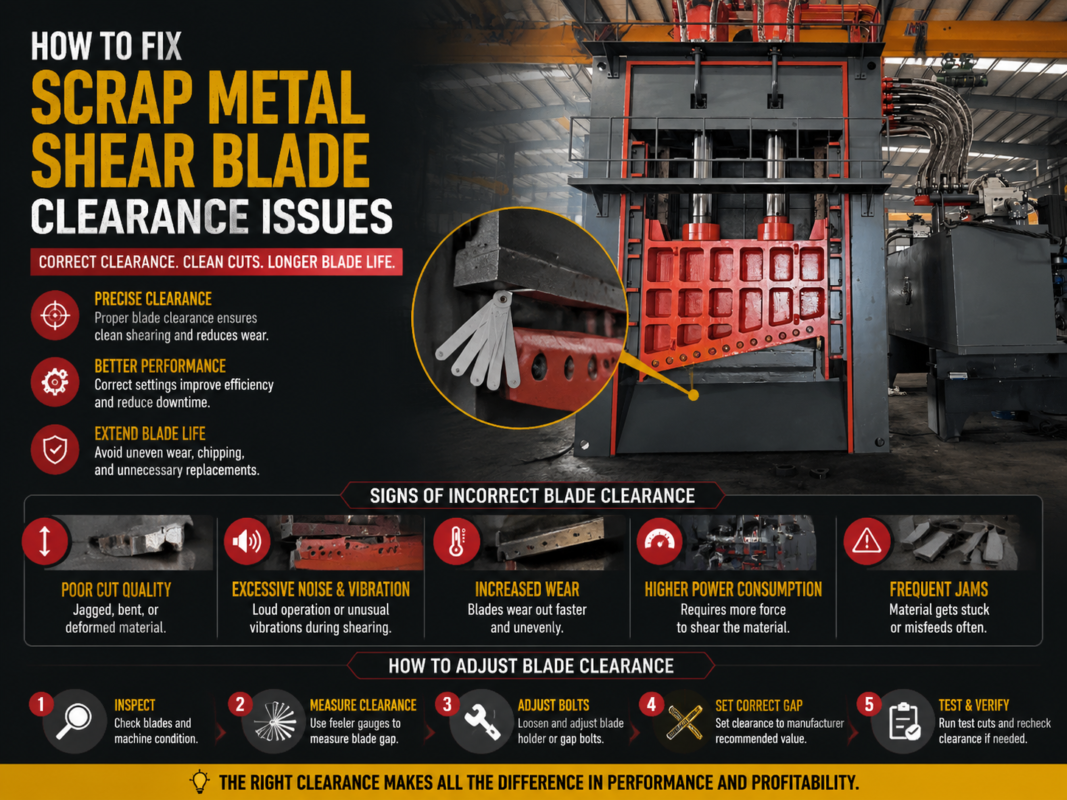
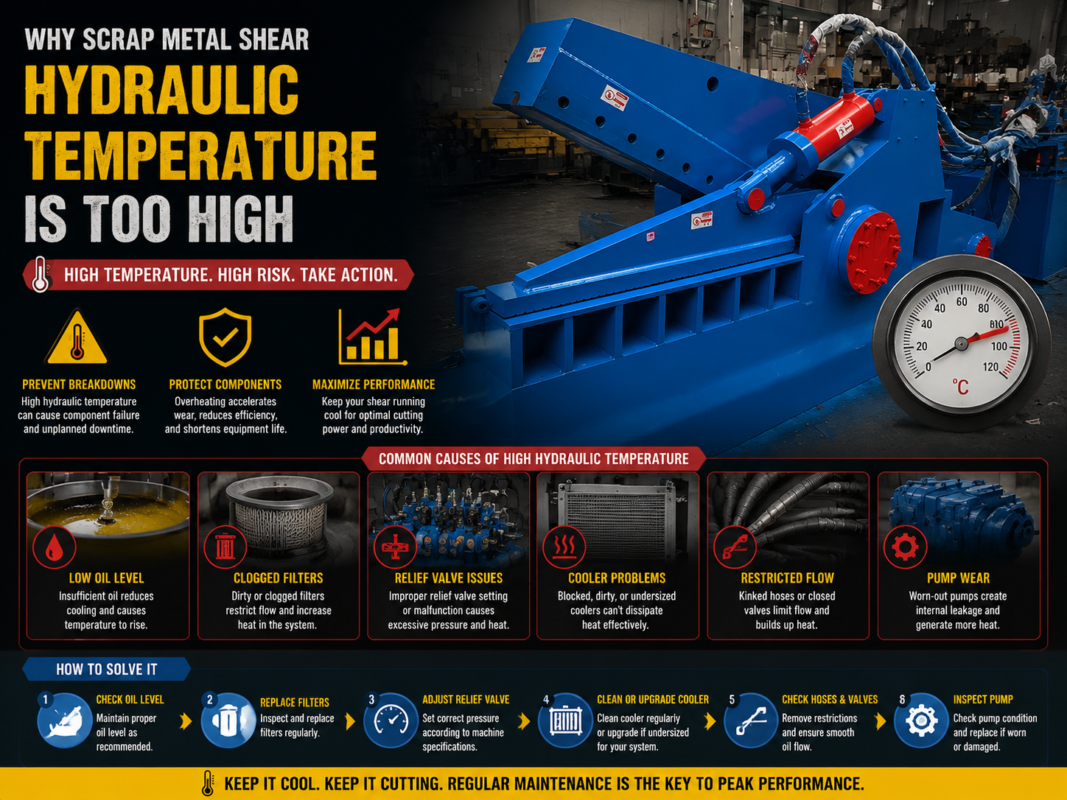
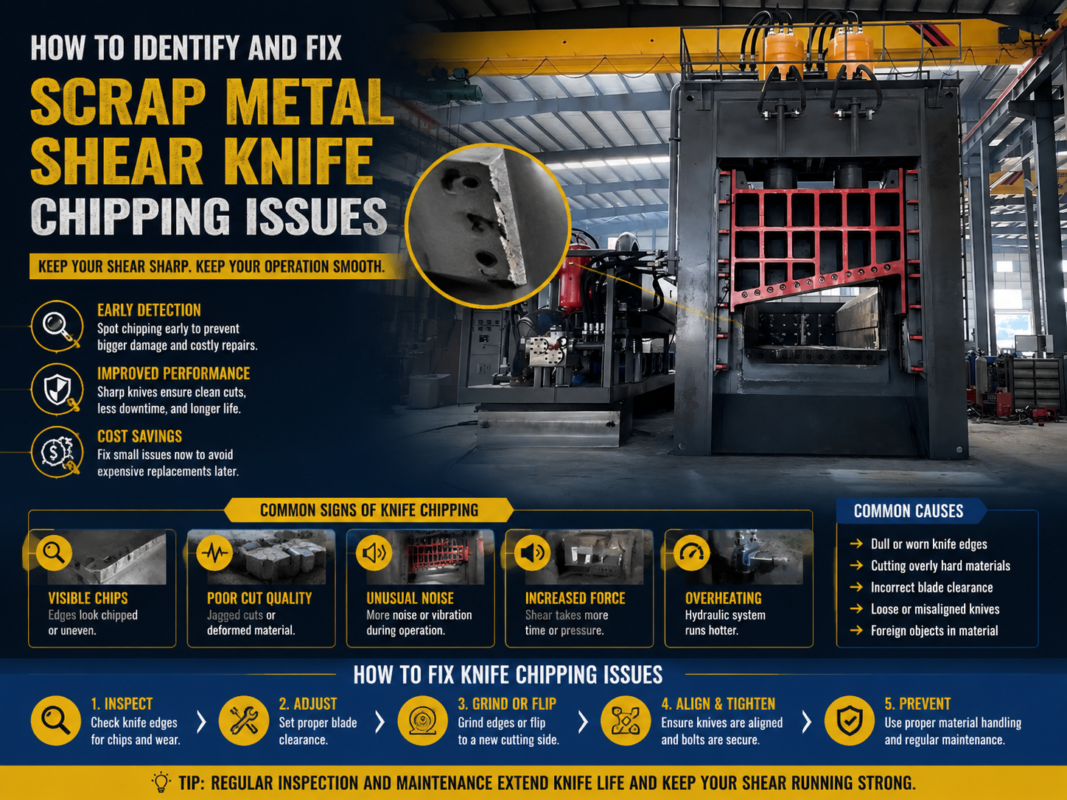
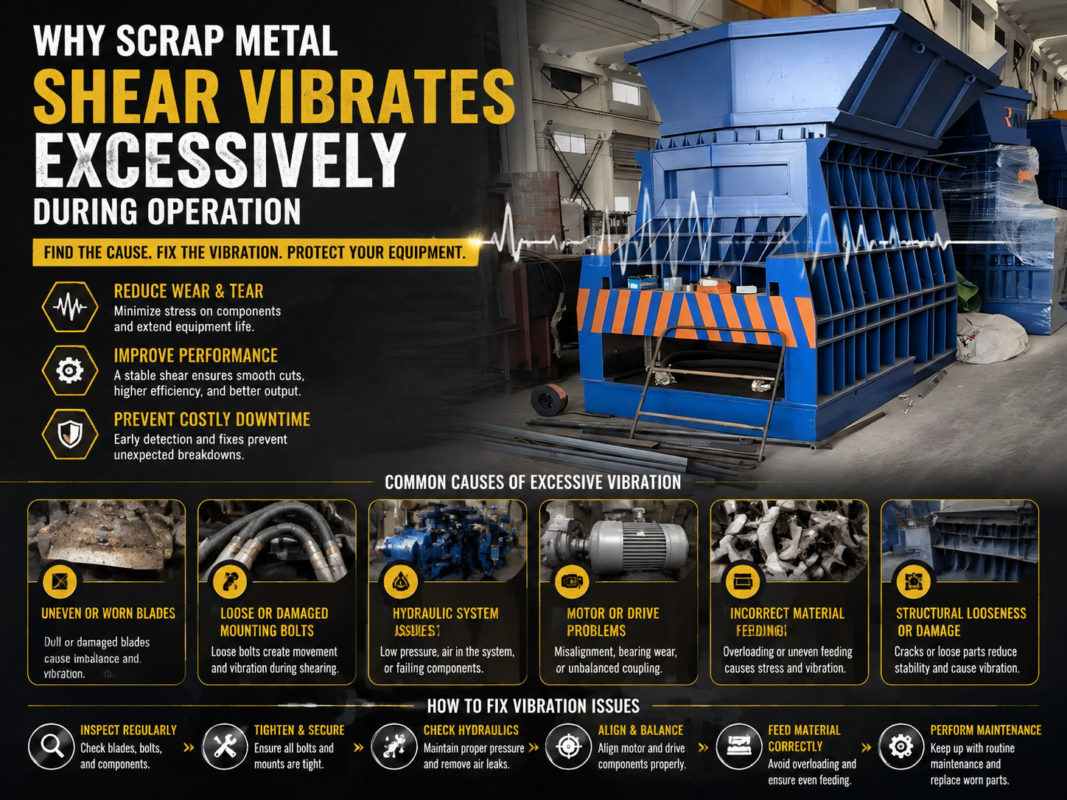
Maintenance is a critical, albeit often overlooked, part of the workflow. A heavy-duty shear requires daily inspections of the blade gap and sharpness. As blades dull, the hydraulic system must work harder, leading to increased heat and wear on seals and pumps. Most industrial shears feature reversible blades with multiple cutting edges, allowing for extended use before a full blade change is required. A well-designed workflow includes scheduled downtime for lubrication and blade rotation to ensure the machine remains at peak performance.
Productivity and Economic Benefits
Investing in the right scrap metal shear for heavy-duty recycling applications yields significant productivity gains. The most immediate benefit is the reduction in transportation costs. Raw scrap is often light and bulky, meaning trucks reach their volume limit long before their weight limit. By shearing the metal into dense, uniform pieces, a facility can maximize the weight of every outgoing load, drastically reducing the number of trips required and lowering fuel and labor expenses. In many cases, the savings in logistics alone can pay for the machine over several years.
Furthermore, sheared scrap commands a higher market price than unprocessed scrap. Steel mills prefer “clean” and sized scrap because it melts more efficiently and reduces the energy consumption of the furnace. By upgrading from manual torch cutting or using undersized equipment to a heavy-duty hydraulic shear, a recycling center can move its product into higher-value categories. The speed of hydraulic shearing also far outpaces manual methods, allowing a facility to increase its monthly tonnage without a proportional increase in labor costs.
Safety is another major economic factor. Manual cutting of heavy scrap with torches is inherently dangerous, involving risks of fire, explosions from sealed containers, and respiratory issues from fumes. A hydraulic shear allows the operator to remain in a protected cab or at a safe distance using remote controls. Reducing workplace injuries not only protects the workforce but also lowers insurance premiums and avoids the costly legal and operational disruptions associated with accidents.
Case Example: Upgrading a Regional Scrap Yard
Consider a regional scrap yard that previously relied on a fleet of mobile excavators with shear attachments and manual torch cutters. As their intake of industrial demolition scrap increased, they found that their mobile units were struggling with the thickness of the material, leading to frequent hydraulic failures and slow processing times. The yard decided to invest in a HARSLE heavy-duty gantry shear with an 800-ton cutting force and an automated feeding system.
The results were immediate. The facility’s processing capacity tripled within the first three months. Because the gantry shear could handle larger pieces of scrap without pre-processing, the labor previously dedicated to torch cutting was reassigned to material sorting, further improving the quality of their output. The consistent sizing of the sheared scrap allowed them to secure a contract with a premium steel mill that had previously rejected their material. Within 18 months, the increased revenue and reduced operational costs resulted in a full return on investment (ROI) for the new machinery.
Frequently Asked Questions (FAQ)
1. How do I determine the required tonnage for my scrap shear?
The required tonnage depends on the maximum thickness and the type of material you intend to cut. As a general rule, heavy-duty applications involving structural steel and thick plate require at least 600 to 800 tons of force. It is always better to have a slight surplus of power to avoid straining the hydraulic system.
2. What is the average lifespan of shearing blades?
Blade life varies significantly based on the material being processed. In a heavy-duty environment, blades may need to be rotated every 40 to 80 hours of operation. Most high-quality blades can be flipped four times (using all four edges) before they need to be professionally reground or replaced.
3. Can a scrap shear handle non-metal materials?
While designed for metal, shears can technically cut wood or plastic, but this is not recommended. Non-metal materials can get wedged in the blade gap, causing misalignment. Furthermore, the hydraulic pressure settings are optimized for the resistance of metal; cutting softer materials can lead to inefficient cycles.
4. What maintenance is required for the hydraulic system?
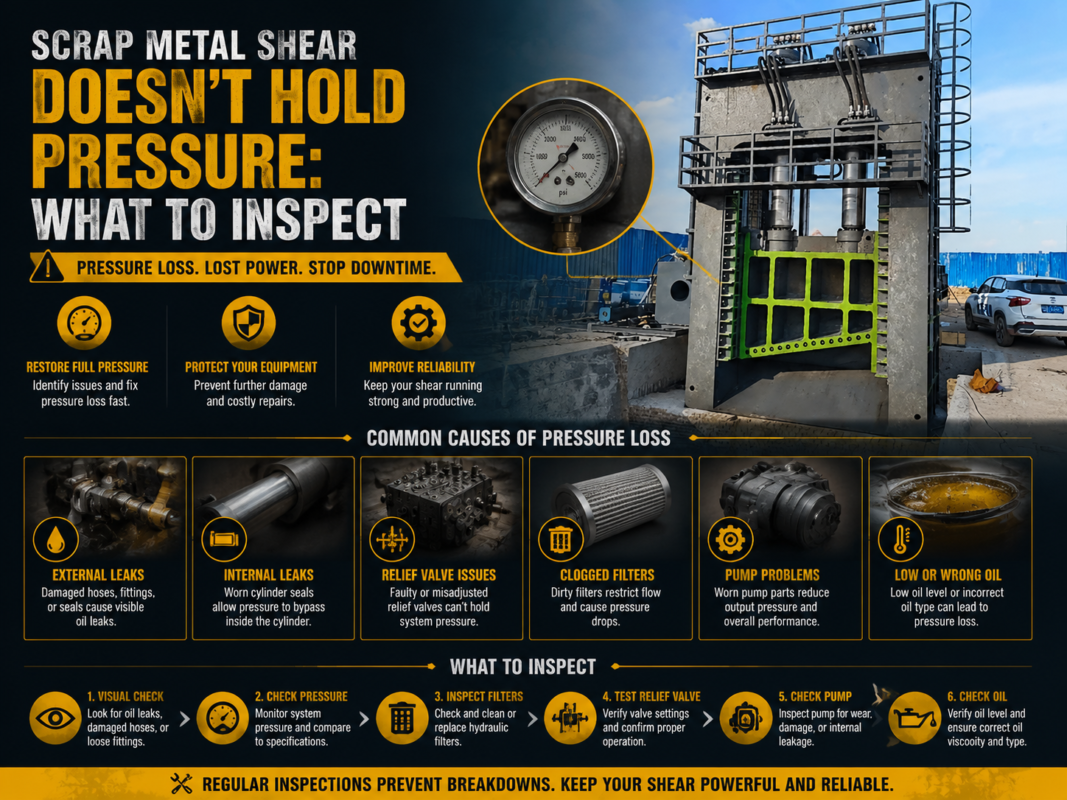
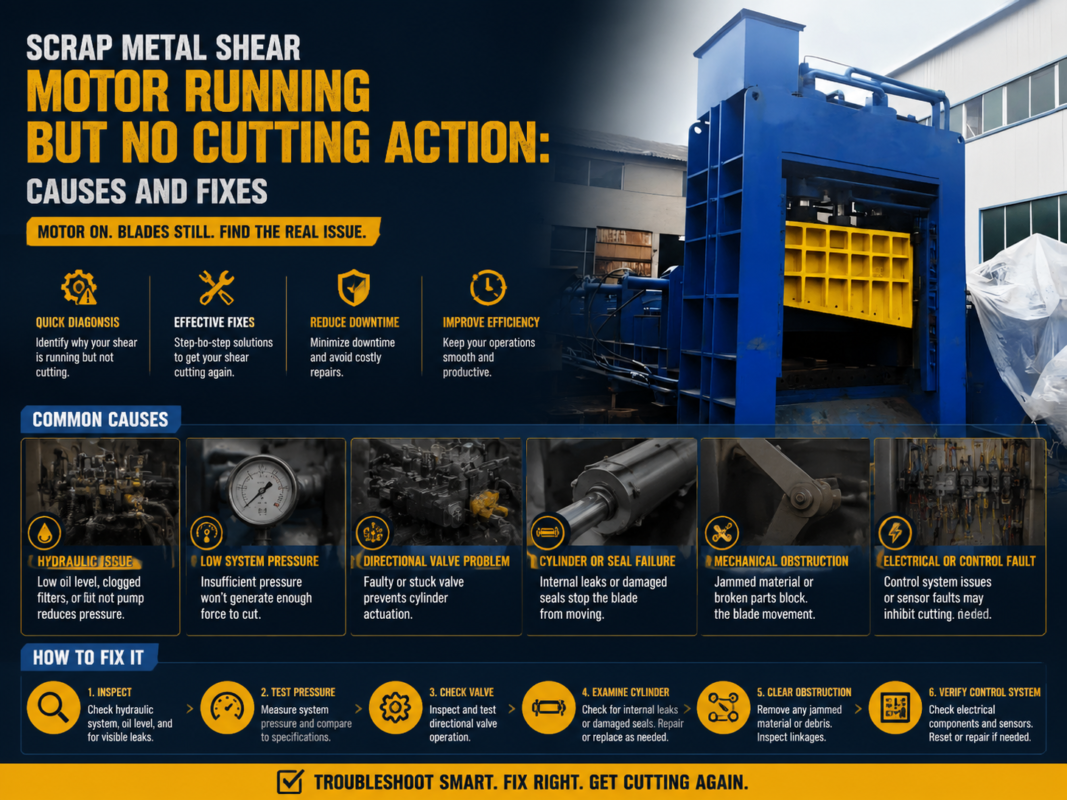
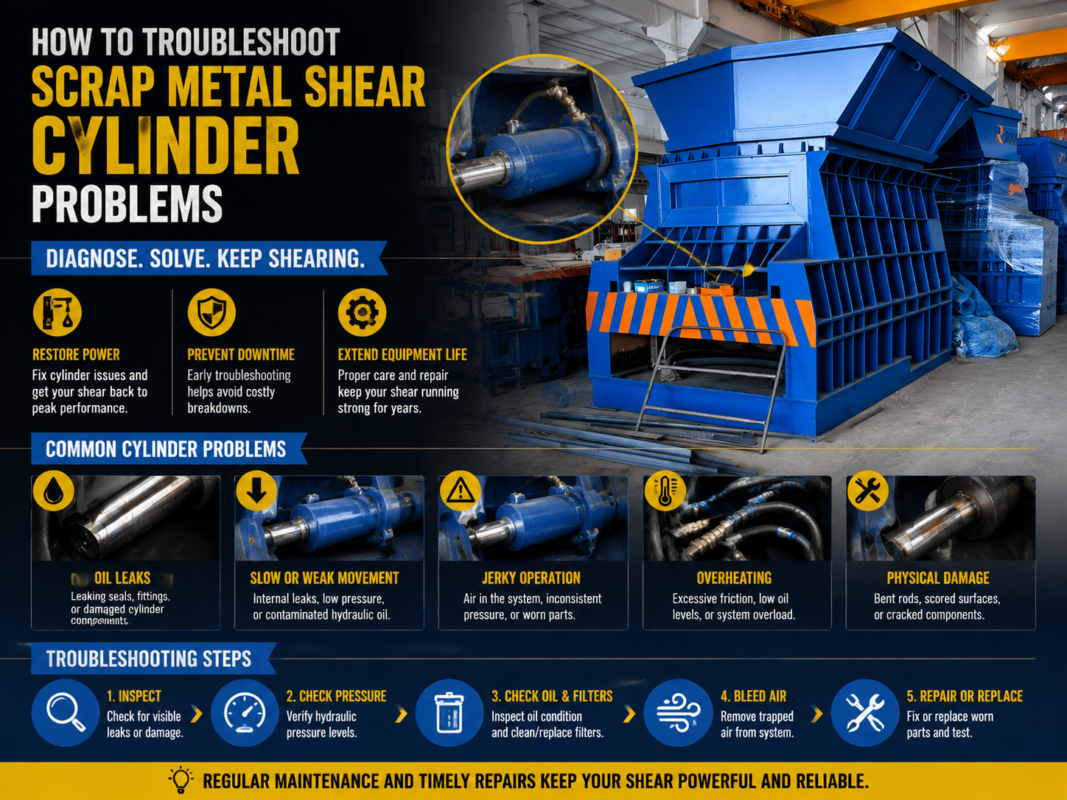
Regular maintenance includes monitoring oil levels, checking for leaks in hoses and fittings, and replacing hydraulic filters. In heavy-duty applications, the hydraulic oil should be analyzed periodically for metal particles or contamination, which can indicate internal wear in the pumps or cylinders.
5. Is a stationary gantry shear better than a mobile container shear?
It depends on your business model. If you have a permanent yard with a high, steady volume of scrap, a stationary gantry shear offers better long-term durability and higher throughput. If you work on various demolition sites or have limited space, a container shear provides the necessary flexibility without sacrificing too much power.
Conclusion and Call to Action
Choosing the right scrap metal shear for heavy-duty recycling applications is a complex decision that requires a deep understanding of your material stream, volume requirements, and long-term business goals. Whether you opt for the raw power of a gantry shear, the versatility of a container shear, or the precision of an alligator shear, the goal remains the same: to maximize efficiency while ensuring safety and profitability. At HARSLE, we specialize in providing high-performance metal fabrication and recycling machinery tailored to the needs of the modern industrial sector.
Our team of experts is ready to help you analyze your operational needs and select the machine that will drive your business forward. Don’t let outdated equipment limit your growth. Contact HARSLE today to learn more about our range of heavy-duty scrap shears and discover how we can help you optimize your recycling workflow for the challenges of tomorrow.