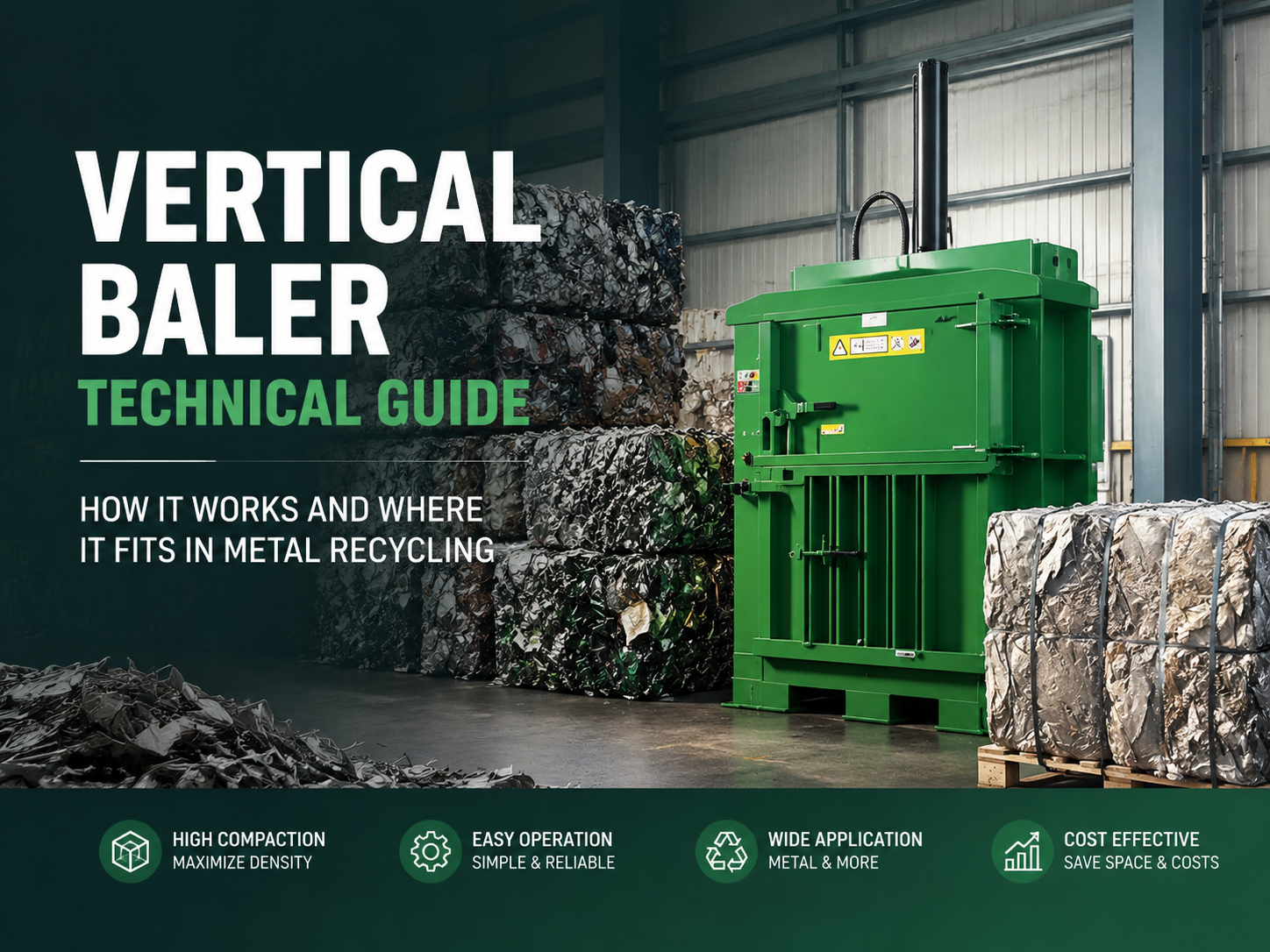
Vertical Baler Technical Guide: How It Works and Where It Fits in Metal Recycling

Technical Overview: The Mechanics of Vertical Compaction
In the modern industrial landscape, the efficiency of waste management is a critical factor in operational profitability. The vertical baler stands as a cornerstone of this efficiency, particularly within the metal recycling sector. A vertical baler is a powerful hydraulic machine designed to compress recyclable materials—ranging from aluminum cans and light scrap metal to cardboard and plastics—into dense, manageable blocks known as bales. Unlike its horizontal counterpart, the vertical baler operates with a downward-moving ram, making it an ideal solution for facilities where floor space is at a premium. The core philosophy behind the Vertical Baler Technical : It Works Where It Fits In Metal Recycling approach is to maximize density while minimizing the physical footprint of the machinery.
The operation begins with the loading of material into the baling chamber. Once the chamber is filled, the operator engages the hydraulic system. A high-pressure pump forces hydraulic fluid into a heavy-duty cylinder, which drives the pressing ram downward. This ram exerts several tons of force onto the material, crushing it against the floor of the chamber. This process is repeated until the desired bale height and density are achieved. The vertical orientation allows gravity to assist in the initial settling of materials, ensuring a more uniform distribution of pressure across the bale’s surface area. This is particularly important when dealing with resilient materials like thin-gauge metal sheets or aluminum extrusions that tend to ‘spring back’ if not compressed correctly.
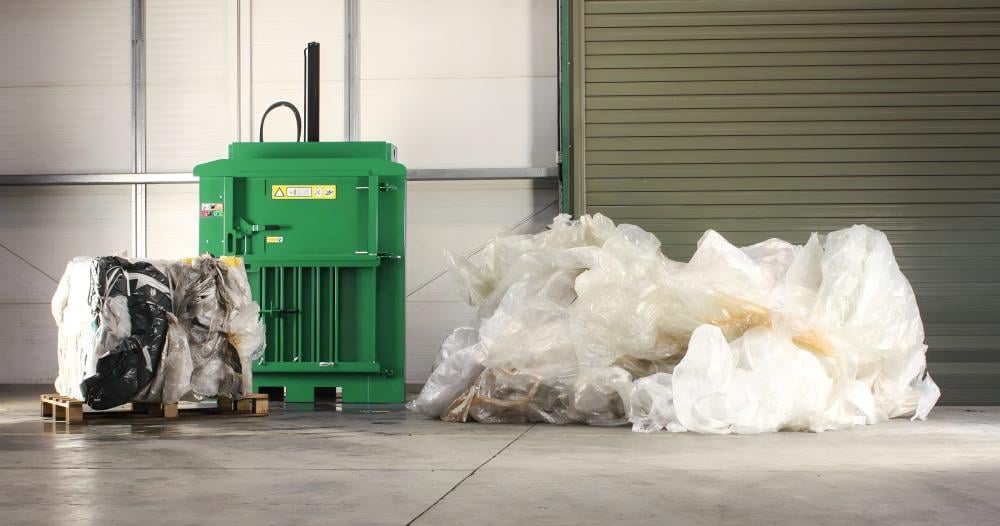
One of the defining technical characteristics of a vertical baler is its hydraulic circuit design. Modern HARSLE vertical balers utilize advanced manifold blocks to reduce the number of pipe connections, thereby minimizing the risk of leaks and pressure drops. The integration of high-efficiency motors and variable displacement pumps allows the machine to adjust its power output based on the resistance encountered during the compression stroke. This not only saves energy but also reduces the thermal load on the hydraulic oil, extending the lifespan of seals and valves. In the context of metal recycling, where materials can be abrasive and resistant, the structural integrity of the frame—often constructed from heavy-duty Q235 or Q345 steel—is paramount to prevent frame distortion under maximum load.
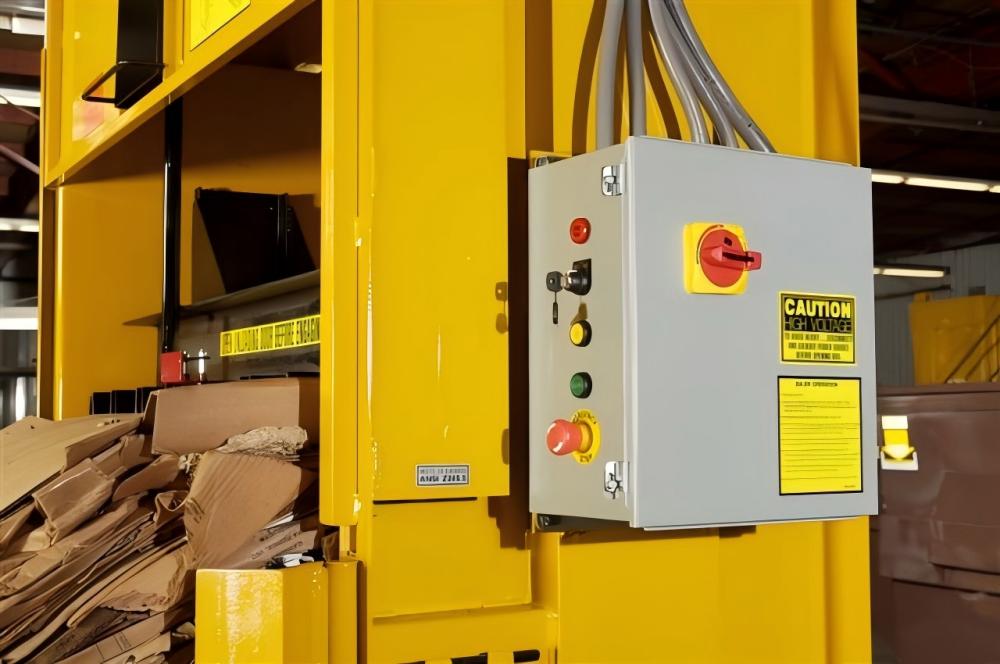
Furthermore, the safety systems integrated into these machines are sophisticated. Interlocking doors prevent the ram from moving if the loading gate is open, and emergency stop buttons are strategically placed for immediate access. For metal recycling facilities, the vertical baler is often the first step in the value chain, transforming loose, voluminous scrap into high-density commodities that are easier to transport and more valuable to smelters. By understanding the Vertical Baler Technical : It Works Where It Fits In Metal Recycling, operators can better integrate these machines into their existing workflows for maximum ROI.
Core Parameters: Defining Performance and Capacity
When evaluating a vertical baler for industrial use, several core parameters dictate its suitability for specific recycling tasks. The most prominent of these is the ‘Nominal Pressure’ or ‘Pressing Force.’ Measured in kilonewtons (kN) or tons, this figure represents the maximum force the hydraulic ram can exert. For light metal recycling, a force of 30 to 100 tons is common. This pressure determines the final density of the bale; higher pressure results in tighter bales, which is essential for maximizing shipping container weights and reducing logistics costs.
Another critical parameter is the ‘Bale Dimension.’ Standard vertical balers produce bales that fit standard pallet sizes or shipping requirements. Common dimensions include 1100x700x1000mm or 1200x800x1100mm. The size of the bale must align with the downstream processing equipment or the requirements of the scrap buyer. Additionally, the ‘Cycle Time’—the time it takes for the ram to complete one full downward and upward stroke—is a key indicator of throughput. A faster cycle time (typically between 30 to 60 seconds) allows for higher volumes of material to be processed per shift, which is vital in high-traffic recycling centers.
Motor power and hydraulic pump flow rate are also essential metrics. A higher kilowatt (kW) rating for the motor usually correlates with the ability to maintain high pressure over sustained periods without overheating. The pump flow rate, measured in liters per minute (L/min), directly influences the speed of the ram. In metal recycling, where the material may be unevenly distributed, the ‘Ram Stroke’ length is also important. A longer stroke ensures that even small amounts of material at the bottom of the chamber are adequately compressed. Finally, the ‘Bale Weight’ capacity tells the operator the maximum weight of a finished bale, which for metals can range from 200kg to over 800kg depending on the machine’s power and the material’s density.
Calculation Method: Engineering the Perfect Bale
To optimize the performance of a vertical baler, engineers and operators must understand the underlying calculations that govern its operation. The primary calculation involves determining the ‘System Pressure’ required to achieve a specific ‘Ram Force.’ The formula is: Force (F) = Pressure (P) × Area (A), where A is the cross-sectional area of the hydraulic cylinder piston. By adjusting the pressure relief valve, operators can fine-tune the force to match the material type, ensuring that the machine isn’t overstressed when baling softer materials like aluminum cans.
Another vital calculation is ‘Bale Density.’ This is calculated by dividing the weight of the finished bale by its volume (Density = Mass / Volume). For metal recycling, achieving a specific density is often a contractual requirement. For example, if a recycler needs to fit 20 tons of scrap into a 40-foot container, they must calculate the required bale density to ensure the volume of the bales does not exceed the container’s capacity before the weight limit is reached. This calculation helps in selecting the right baler model with sufficient pressing force.
Furthermore, throughput calculations are necessary for facility planning. Hourly Throughput = (Bale Weight × 3600) / (Cycle Time + Loading Time). This formula allows managers to estimate how many tons of metal can be processed in a workday. It accounts for the mechanical speed of the machine and the human element of loading the chamber. By analyzing these figures, a facility can determine if a single high-capacity vertical baler is sufficient or if multiple units are required to handle the incoming scrap flow. Understanding these technical nuances is part of the Vertical Baler Technical : It Works Where It Fits In Metal Recycling expertise that HARSLE provides to its clients.
Parameter Table: HARSLE Vertical Baler Specifications
The following table outlines the technical specifications for a range of vertical balers commonly used in metal recycling and industrial waste management. These figures represent the standard capabilities of HARSLE machinery.
| Model Series | Nominal Force (Tons) | Bale Size (L*W*H mm) | Motor Power (kW) | Cycle Time (sec) | Bale Weight (Metal) |
|---|---|---|---|---|---|
| HVB-30 | 30 | 800 x 600 x 800 | 7.5 | 35 | 150-250 kg |
| HVB-60 | 60 | 1000 x 800 x 900 | 11 | 45 | 300-450 kg |
| HVB-100 | 100 | 1100 x 900 x 1000 | 15 | 50 | 500-700 kg |
| HVB-150 | 150 | 1200 x 1000 x 1100 | 18.5 | 60 | 700-900 kg |
| HVB-200 | 200 | 1500 x 1100 x 1200 | 22 | 75 | 900-1200 kg |
Common Engineering Mistakes in Vertical Baler Operation
Despite their robust design, vertical balers can suffer from performance issues if not operated or maintained correctly. One of the most common engineering mistakes is ‘Uneven Loading.’ When scrap metal is concentrated on one side of the chamber, the ram experiences an off-center load. This creates lateral stress on the hydraulic cylinder rod and the ram guides, leading to premature seal failure or even a bent rod. Operators must be trained to distribute material evenly across the chamber floor to ensure the force is applied vertically and uniformly.
Another frequent error is the ‘Neglect of Hydraulic Oil Quality.’ Hydraulic systems are sensitive to contamination. In a metal recycling environment, fine metal dust and debris can find their way into the oil reservoir if filters are not changed regularly. Contaminated oil acts as an abrasive, wearing down pump vanes and valve seats. Furthermore, failing to monitor oil temperature can lead to thinning of the fluid, which reduces the volumetric efficiency of the pump and slows down the cycle time. Implementing a strict schedule for oil analysis and filter replacement is critical for long-term reliability.
A third mistake involves ‘Incorrect Tying Procedures.’ If the bale is not tied under full compression or if the wire gauge is insufficient for the material’s expansion force, the bale may burst upon release. This is particularly dangerous with metal scrap, which can have sharp edges. Engineers often overlook the ‘Spring-back’ factor of different metals. For instance, stainless steel scrap requires more robust tying than aluminum. Using the wrong tension or inferior quality wire can lead to structural failure of the bale during transport, creating safety hazards and logistical nightmares.
Selection Checklist: Finding the Right Fit
Choosing the right machine requires a strategic approach to the Vertical Baler Technical : It Works Where It Fits In Metal Recycling methodology. Use the following checklist to ensure the selected model meets your operational needs:
- Material Type: Identify the primary material. Is it light aluminum, copper wire, or heavier steel shavings? Heavier materials require higher nominal force.
- Volume Requirements: Calculate your daily waste generation. Does the machine’s hourly throughput match your peak waste production times?
- Space Constraints: Measure the ceiling height and floor area. Vertical balers require significant overhead clearance for the hydraulic cylinder when the ram is in the up position.
- Bale Weight Requirements: Check with your scrap buyer. Do they have a minimum or maximum bale weight for their processing equipment?
- Safety Features: Ensure the machine has CE or UL certification, emergency stops, and dual-hand control options if necessary.
- Power Supply: Verify that your facility can provide the necessary voltage and amperage for the baler’s motor (e.g., 380V 3-phase).
- Ease of Ejection: Look for models with automatic bale ejectors to reduce manual labor and improve safety during the unloading process.
- Maintenance Access: Choose a design that allows easy access to the hydraulic pump and electrical cabinet for routine inspections.
Frequently Asked Questions (FAQ)
1. How often should the hydraulic oil be changed in a vertical baler?
For most industrial vertical balers, the hydraulic oil should be changed every 2,000 to 3,000 operating hours, or at least once a year. However, in dusty recycling environments, it is advisable to check the oil clarity and filter condition every 500 hours. Using a high-quality anti-wear hydraulic oil (ISO VG 46 or 68) is essential for maintaining system pressure.
2. Can a vertical baler handle all types of metal scrap?
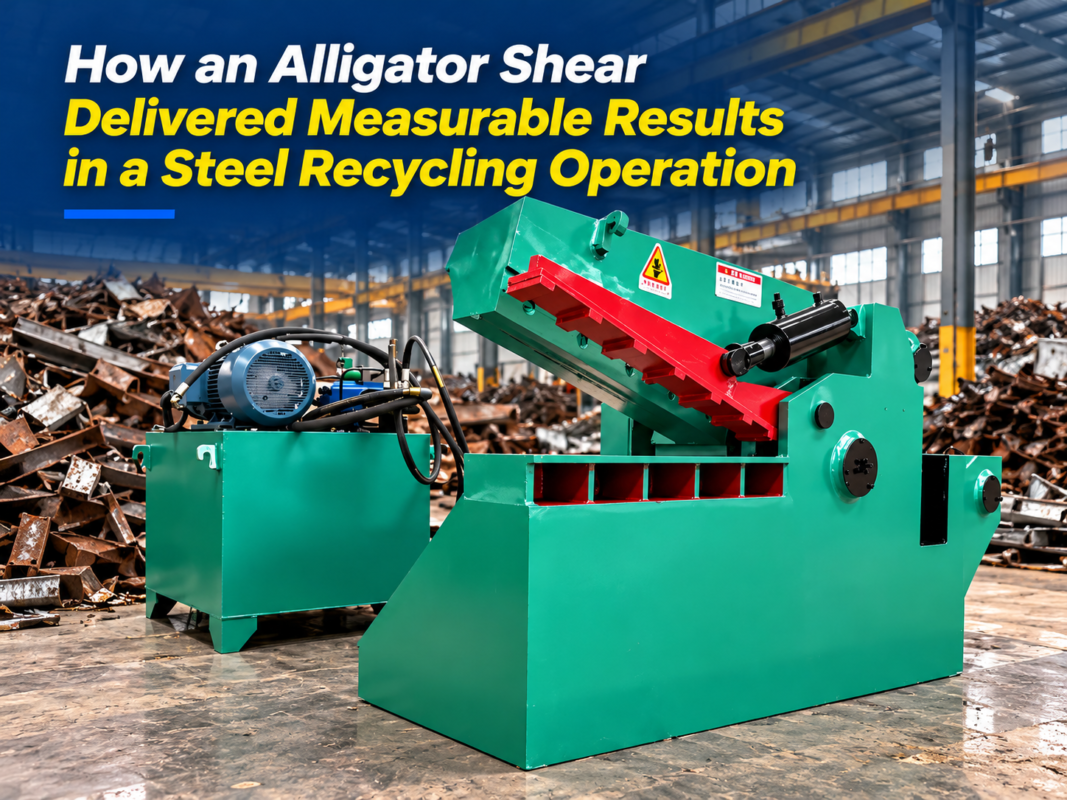
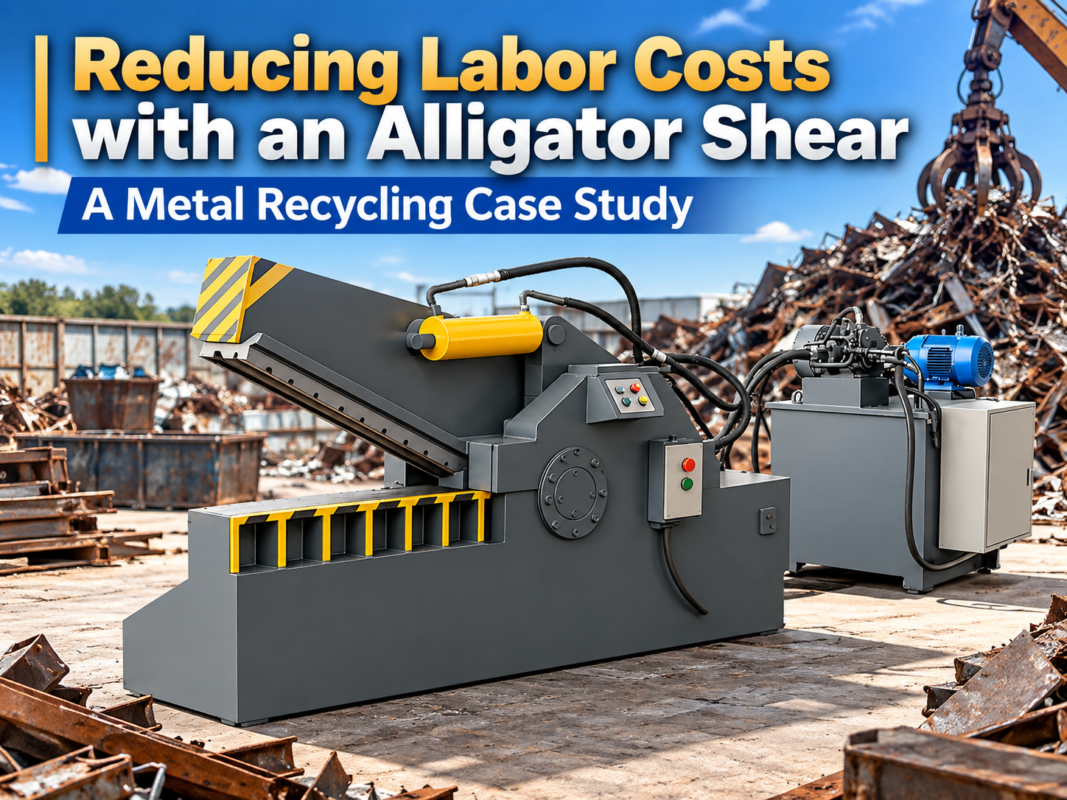
Vertical balers are best suited for ‘soft’ or ‘light’ metal scrap, such as aluminum cans, thin-gauge sheets, copper wiring, and light extrusions. They are not intended for heavy structural steel, thick rebar, or engine blocks, which require specialized heavy-duty alligator shears or large-scale horizontal scrap balers. Attempting to bale overly rigid metal can damage the ram and the chamber walls.
3. What is the benefit of a vertical baler over a horizontal one?
The primary benefit is the footprint. Vertical balers take up significantly less floor space, making them ideal for retail backrooms, small scrap yards, and manufacturing cells. They are also generally less expensive to purchase and maintain than horizontal balers. However, they are manual-load machines, whereas horizontal balers can be integrated into automated conveyor systems for much higher volumes.
4. How do I ensure the safety of the operator?
Safety is ensured through a combination of mechanical design and operator training. HARSLE balers include safety interlocks on all doors, ensuring the ram cannot move unless the chamber is sealed. Operators should always wear PPE, including gloves and eye protection, especially when tying bales with wire. Regular inspections of the safety switches and emergency stop circuits are mandatory.
5. Why is my bale not staying compressed after I release the ram?
This is usually due to ‘material memory’ or ‘spring-back.’ If the material is very resilient, you may need to hold the ram at full pressure for a few seconds (dwell time) before tying. Additionally, ensure you are using the correct number of ties and that the wire is tightened sufficiently while the ram is still applying pressure. If the problem persists, the material may require a baler with a higher nominal force to achieve permanent deformation.