Troubleshooting Scrap Metal Baler Pump Failure: Signs, Causes, and Solutions

Introduction to Scrap Metal Baler Hydraulic Systems
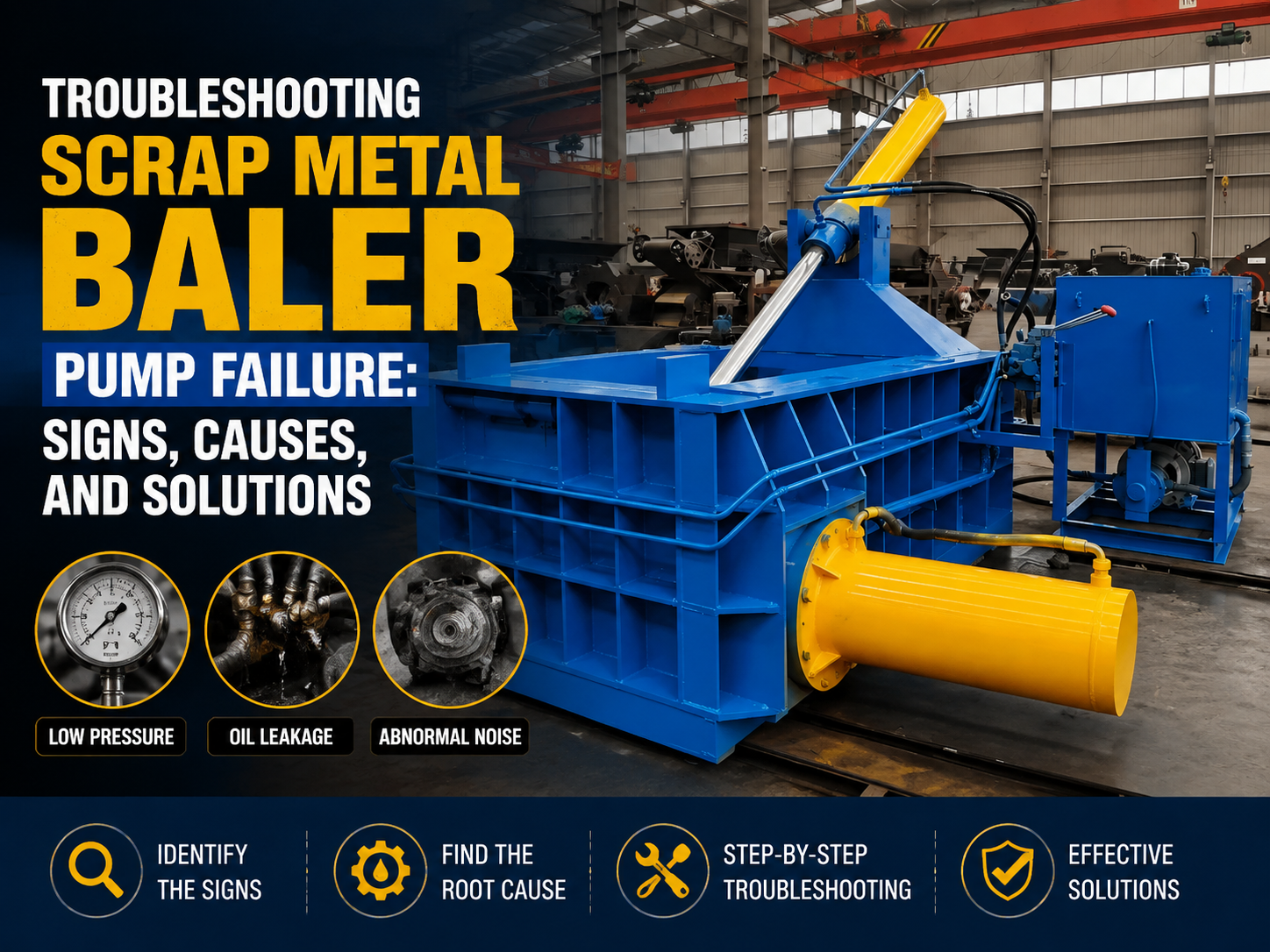
In the demanding world of metal recycling and fabrication, the scrap metal baler serves as the backbone of operational efficiency. At the heart of this machine lies the hydraulic pump, a critical component responsible for generating the immense pressure required to compress ferrous and non-ferrous materials into dense, manageable bales. When this component falters, the entire production line grinds to a halt, leading to costly downtime and significant revenue loss. Understanding the nuances of Troubleshooting Scrap Metal Baler Pump Failure: Signs, Causes, Solutions is essential for any facility manager or maintenance technician aiming to maximize equipment lifespan.
HARSLE designs its scrap metal balers with robust hydraulic systems, but even the most durable industrial machinery is subject to wear and tear. The hydraulic pump acts as the engine of the baler, converting mechanical energy into hydraulic fluid flow. If this flow is compromised, the ram speed decreases, the compression force drops, and the machine may exhibit erratic behavior. This comprehensive guide explores the technical intricacies of pump failure, providing actionable insights to keep your operations running smoothly.
Effective maintenance begins with awareness. By recognizing the early warning signs of pump degradation, operators can intervene before a catastrophic failure occurs. This proactive approach not only saves on repair costs but also ensures the safety of the workforce. Throughout this article, we will delve into the specific diagnostic steps, common root causes, and professional solutions recommended by HARSLE engineering experts to address hydraulic pump issues effectively.
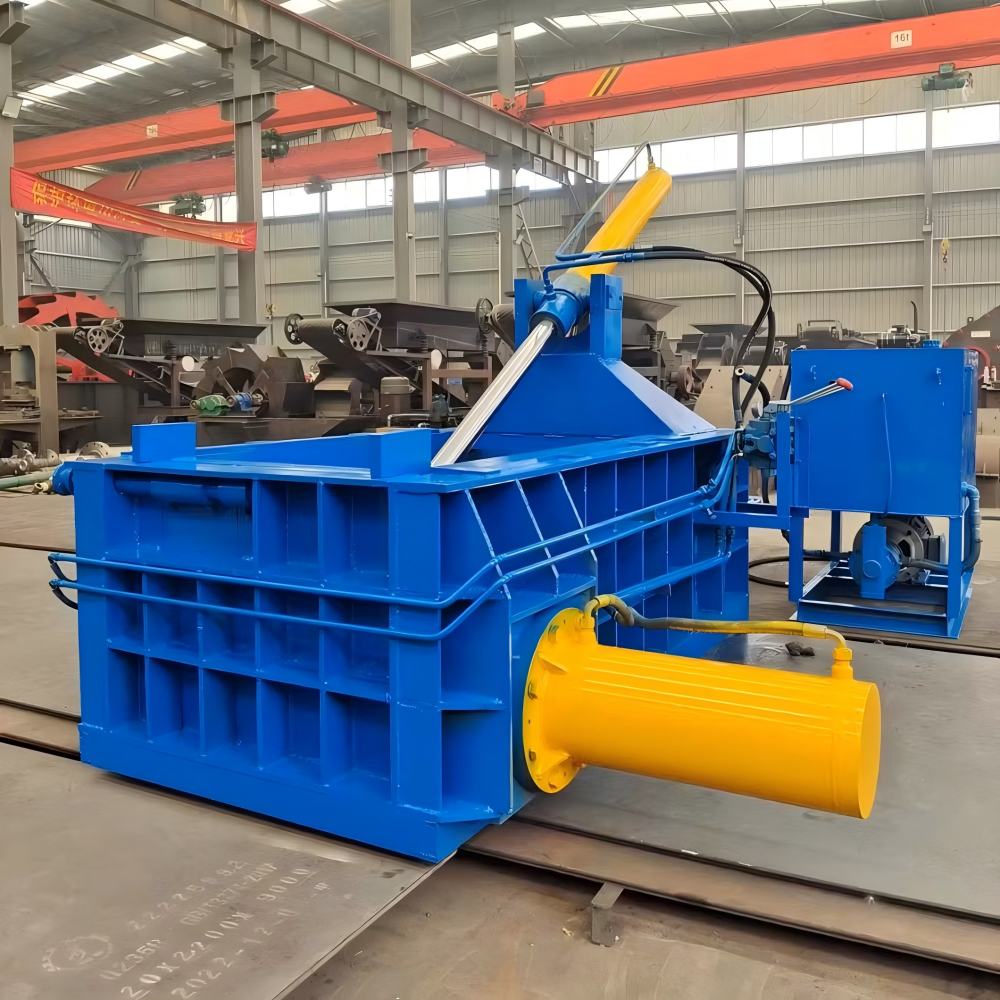
Key Considerations for Hydraulic System Health
The longevity of a scrap metal baler pump is inextricably linked to the quality of the hydraulic fluid and the cleanliness of the system. Hydraulic oil is more than just a lubricant; it is the medium through which power is transmitted. Contamination, whether from metal shavings, dust, or moisture, acts as an abrasive agent that accelerates the wear of internal pump components like gears, vanes, or pistons. Maintaining a strict filtration schedule is the first line of defense against premature failure.
Temperature management is another critical factor. Hydraulic pumps are designed to operate within specific thermal ranges. When the system runs too hot, the viscosity of the oil thins, reducing its lubricating properties and leading to metal-on-metal contact within the pump housing. Conversely, starting a machine in extreme cold without proper warm-up cycles can cause cavitation, where air bubbles implode against internal surfaces, causing pitting and structural damage. HARSLE recommends installing high-quality oil coolers and monitoring systems to keep temperatures within the optimal range.
Pressure settings must be strictly adhered to according to the manufacturer’s specifications. Over-pressurizing the system in an attempt to increase baling speed or density puts undue stress on the pump seals and bearings. This often leads to internal leakage, where fluid bypasses the intended path, resulting in a significant loss of volumetric efficiency. Regular calibration of pressure relief valves is necessary to ensure that the pump is not subjected to forces beyond its design limits.
Finally, the human element cannot be ignored. Proper operator training is essential for preventing pump failure. Operators should be taught to listen for unusual noises, observe changes in cycle times, and perform daily visual inspections for leaks. A well-trained operator is often the first to notice the subtle signs of a failing pump, allowing maintenance teams to address the issue during scheduled downtime rather than during peak production hours.
Technical Details: Identifying Signs of Pump Failure
Troubleshooting Scrap Metal Baler Pump Failure: Signs, Causes, Solutions requires a systematic approach to diagnostics. The most common sign of a failing pump is an increase in noise levels. A healthy hydraulic pump typically produces a consistent, low-frequency hum. If you begin to hear whining, grinding, or knocking sounds, it is a clear indicator that internal components are struggling. Whining often points to air ingestion or cavitation, while grinding suggests mechanical wear or bearing failure.
Another significant indicator is a noticeable drop in cycle speed. If the baler ram takes longer to complete a stroke than it did when the machine was new, the pump may be losing its volumetric efficiency. This happens when internal clearances increase due to wear, allowing high-pressure fluid to leak back to the low-pressure side. This phenomenon, known as internal bypass, generates excessive heat and reduces the force available for compression.
External leaks are perhaps the most visible sign of trouble. While a small amount of seepage might be considered normal in some older systems, persistent dripping around the pump shaft seal or housing gaskets indicates a failure of the sealing elements. If left unaddressed, these leaks can lead to low fluid levels, which in turn introduces air into the system, creating a vicious cycle of damage. Always check the reservoir levels and inspect the area beneath the pump for signs of fluid loss.
Erratic ram movement or “jerky” operation is another symptom that should not be ignored. This is often caused by air trapped in the hydraulic lines or a pump that is failing to maintain consistent pressure. If the pump is struggling to prime or if the pressure gauge fluctuates wildly during a compression cycle, it is time to perform a thorough diagnostic check. Using a flow meter to test the pump’s output against the manufacturer’s specifications is the most accurate way to confirm whether the pump is the source of the problem.
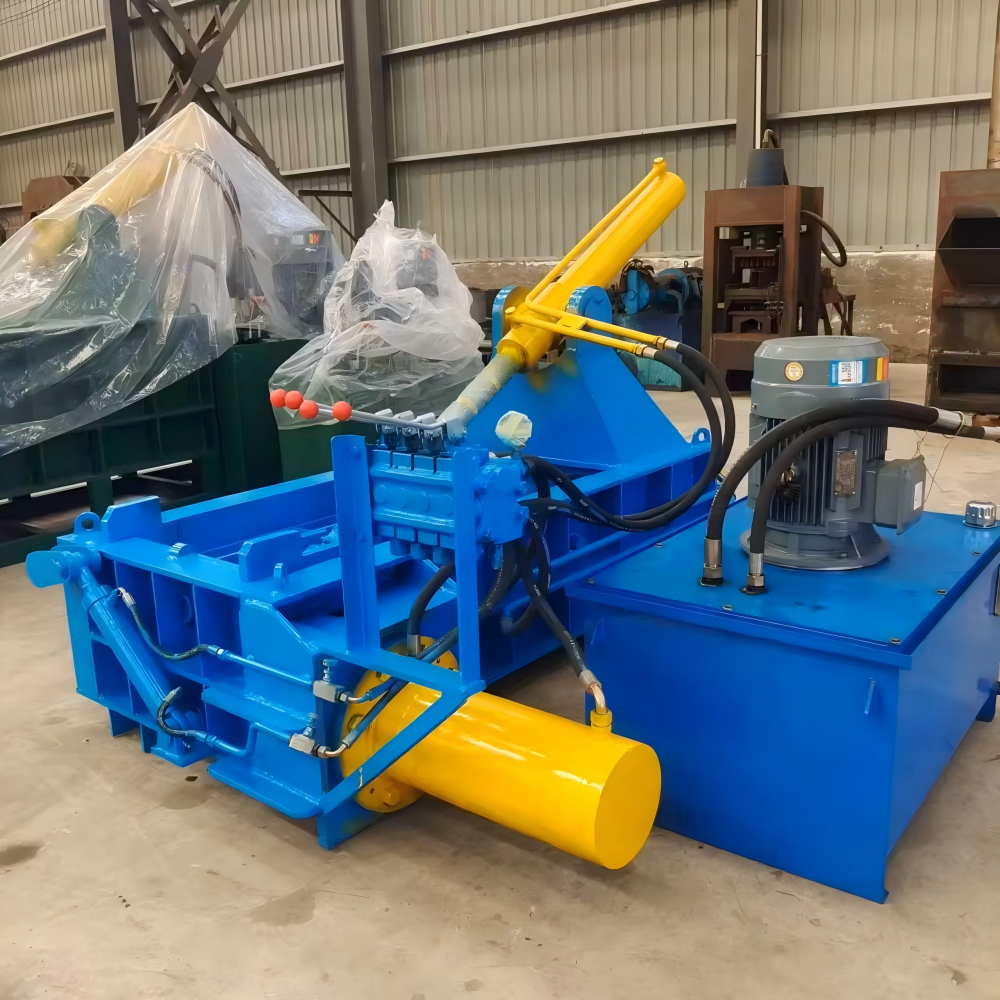
Common Causes and Professional Solutions
One of the primary causes of pump failure is fluid contamination. Even microscopic particles can score the precision-machined surfaces inside the pump. To solve this, implement a rigorous oil analysis program. By testing the hydraulic fluid every few months, you can detect the presence of wear metals or contaminants before they cause a total pump failure. If contamination is found, flush the entire system, replace the filters, and refill with high-quality, ISO-certified hydraulic oil.
Cavitation is another frequent culprit, often caused by restricted inlet lines or clogged suction strainers. When the pump cannot draw enough fluid, it creates a vacuum that causes air to come out of the solution. This air collapses under pressure, causing extreme localized heat and shockwaves. The solution is to ensure that the suction line is clear, the reservoir is properly vented, and the oil viscosity is appropriate for the ambient operating temperature. Regularly cleaning the suction strainer is a simple yet effective maintenance task.
Aeration, while similar to cavitation, is caused by air entering the system from the outside, usually through loose fittings or a low fluid level in the reservoir. If you see foam in the oil reservoir, it is a sign of aeration. Tighten all suction-side connections and ensure the oil return line is submerged below the fluid level to prevent splashing and air entrainment. If the pump shaft seal is worn, it may be sucking air into the system; replacing the seal is the necessary fix.
Mechanical fatigue is inevitable in high-cycle industrial environments. Over time, bearings and rotating groups will reach the end of their service life. When this happens, the only professional solution is to rebuild or replace the pump. HARSLE recommends keeping a spare pump in inventory for critical operations to minimize downtime. When replacing a pump, always ensure that the new unit is properly primed and that the system is bled of all air before putting it under full load.
Selection Advice for Replacement Pumps
When the time comes to replace a scrap metal baler pump, selecting the right unit is paramount. Do not simply look for the cheapest option; consider the duty cycle and the specific requirements of your baler. A pump that is undersized for the application will fail prematurely, while an oversized pump may cause excessive pressure spikes and energy waste. Always consult the HARSLE technical manual or your local representative to ensure the replacement pump matches the original specifications for flow rate (GPM) and pressure (PSI).
Consider the type of pump used in your baler. Gear pumps are common for their simplicity and cost-effectiveness, while piston pumps offer higher efficiency and variable displacement capabilities for more complex baling operations. If your facility processes a wide variety of metals, a variable displacement pump might provide better energy efficiency by adjusting flow based on the resistance encountered during the compression cycle. Evaluate your operational needs before making a selection.
Check the mounting configuration and shaft type. Even if the flow and pressure ratings match, a pump with the wrong mounting flange or shaft spline will not fit your baler. Verify the rotation direction (clockwise or counter-clockwise) as well. Installing a pump that rotates in the wrong direction can cause immediate and catastrophic failure upon startup. Double-check all part numbers and technical drawings provided by the manufacturer.
Finally, prioritize quality and warranty. A reputable manufacturer like HARSLE provides pumps that are tested for reliability in industrial environments. Investing in a high-quality pump reduces the frequency of maintenance and provides peace of mind. Ensure that the supplier offers technical support and that the pump comes with a comprehensive warranty. Proper installation is just as important as the pump itself, so follow the manufacturer’s installation guide to the letter to ensure the warranty remains valid.
FAQ: Troubleshooting Scrap Metal Baler Pump Failure
- Q: How often should I change the hydraulic oil in my scrap metal baler?
A: Generally, hydraulic oil should be changed every 2,000 to 4,000 operating hours, or annually, depending on the intensity of use and the environment. Always perform oil analysis to determine the actual condition of the fluid. - Q: Can I repair a hydraulic pump myself?
A: While minor seal replacements can be performed by skilled maintenance staff, major pump overhauls require specialized tools and clean-room conditions. For critical components, it is recommended to use a certified repair center or replace the unit entirely. - Q: What causes the hydraulic oil to overheat?
A: Overheating is typically caused by internal leakage, a malfunctioning cooling system, or operating the machine at pressures higher than its design limits. Check the oil cooler and ensure the relief valves are calibrated correctly. - Q: Why does my baler make a loud whining noise?
A: Whining is usually a sign of air in the system (aeration) or a restricted suction line. Check for leaks on the suction side and ensure the oil level in the reservoir is sufficient. - Q: How do I know if my pump is failing or if it is just a valve issue?
A: A diagnostic test using a flow meter is the best way to isolate the pump. If the pump produces the rated flow at the required pressure, the issue likely lies with the valves or cylinders.
Conclusion
Mastering the art of Troubleshooting Scrap Metal Baler Pump Failure: Signs, Causes, Solutions is a vital skill for maintaining the productivity of any metal fabrication facility. By staying vigilant for the early signs of failure—such as unusual noises, decreased cycle speeds, and external leaks—you can prevent minor issues from escalating into major operational disruptions. Remember that the health of your hydraulic pump is directly tied to the quality of your maintenance practices, including regular oil analysis, filter changes, and proper operator training.
HARSLE remains committed to providing the highest quality metal fabrication equipment and the technical support necessary to keep your machines running at peak performance. Whether you are performing routine maintenance or selecting a replacement pump, always prioritize quality, precision, and adherence to manufacturer specifications. By following the guidelines outlined in this article, you can ensure that your scrap metal baler continues to serve as a reliable and efficient asset for your business for years to come.
If you encounter persistent issues that cannot be resolved through standard troubleshooting, do not hesitate to reach out to the HARSLE technical support team. Our experts are ready to assist you in diagnosing complex hydraulic problems and providing the solutions needed to restore your equipment to its optimal state. Keep your operations moving, your costs down, and your productivity high by investing in the long-term health of your hydraulic systems.