Scrap Metal Baler Cannot Reach Set Pressure: Step-By-Step Fault Check

Introduction to Scrap Metal Baler Pressure Issues
In the high-stakes environment of metal recycling and fabrication, the efficiency of your scrap metal baler is paramount. When a machine fails to reach its set pressure, it doesn’t just slow down production; it compromises the density of the bales, increases logistics costs, and can lead to premature wear on structural components. For operators of HARSLE equipment, understanding the root cause of pressure loss is essential for maintaining operational uptime.
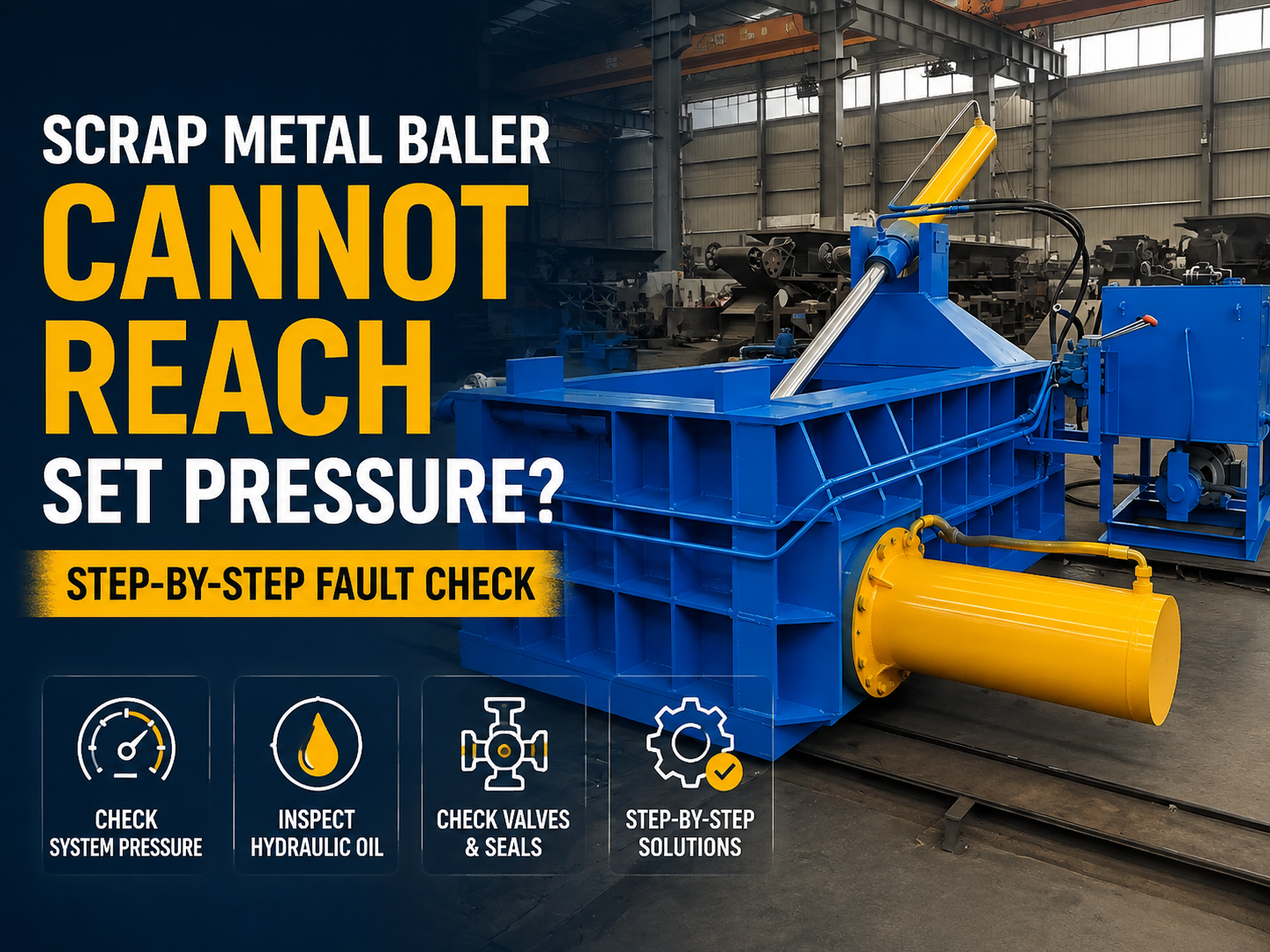
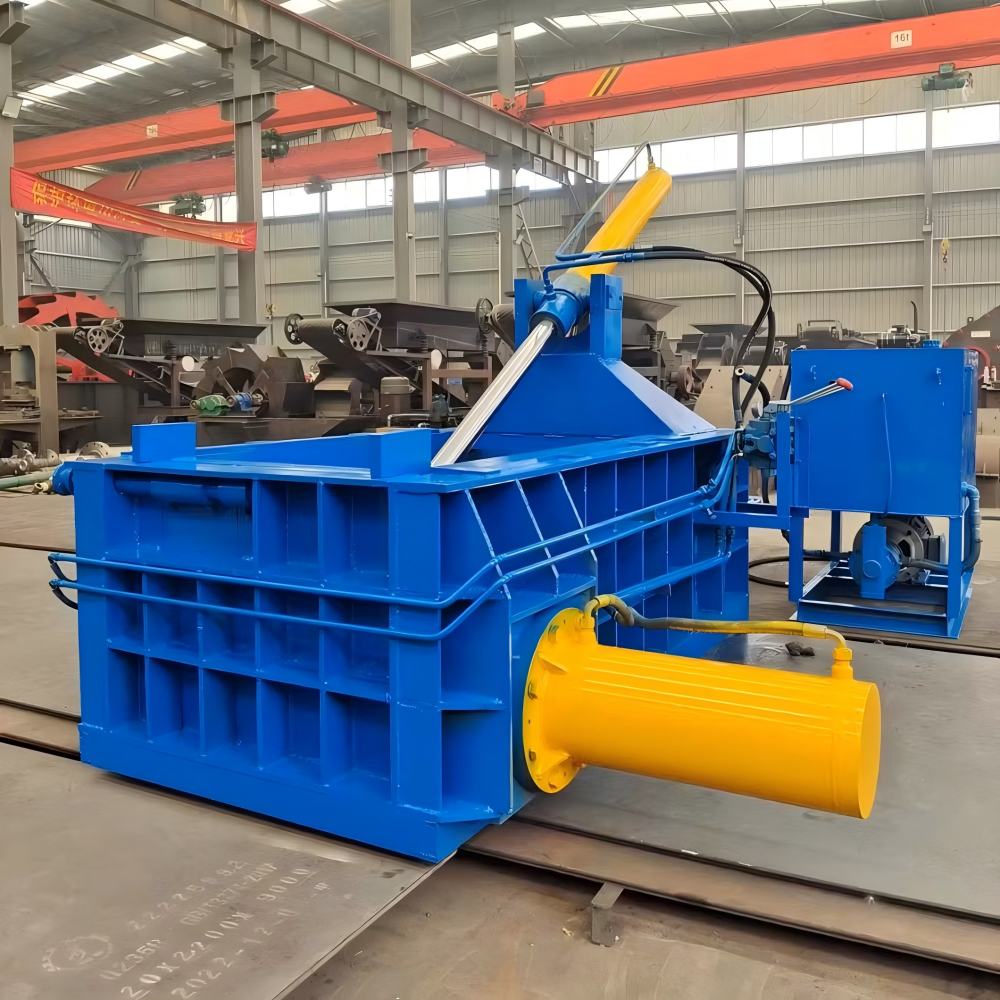
The hydraulic system is the heart of any industrial scrap metal baler. When the system fails to hit the required tonnage, it is rarely a catastrophic failure of the entire unit. Instead, it is usually a specific breakdown in the pressure generation, regulation, or containment circuit. This guide provides a systematic approach to diagnosing why your scrap metal baler cannot reach set pressure, ensuring you can return to peak performance quickly.
Before diving into technical diagnostics, it is important to emphasize safety. Hydraulic systems operate under extreme pressure. Always ensure the machine is locked out and tagged out (LOTO) before attempting to inspect valves, hoses, or pumps. Never attempt to tighten fittings while the system is pressurized, as high-pressure fluid injection injuries are life-threatening.
This article serves as a comprehensive manual for maintenance teams and plant managers. By following these steps, you can isolate whether the issue lies within the hydraulic pump, the relief valves, the cylinder seals, or the electrical control system. Let’s explore the technical landscape of scrap metal baler pressure maintenance.
Key Considerations for Hydraulic System Integrity
The first step in any troubleshooting process is to verify the basics. Often, the reason a scrap metal baler cannot reach set pressure is due to simple oversights rather than complex component failure. Start by checking the hydraulic oil level in the reservoir. If the oil level is too low, the pump may draw in air, leading to cavitation, which significantly reduces the system’s ability to build pressure.
Next, consider the condition and viscosity of the hydraulic fluid. Over time, hydraulic oil degrades due to heat and contamination. If the oil has become too thin or is heavily contaminated with metal shavings, the pump efficiency drops, and the internal leakage within valves increases. Always ensure you are using the manufacturer-recommended oil grade for your specific HARSLE model.
Temperature plays a significant role in pressure consistency. If the hydraulic oil temperature is too high, the fluid becomes less viscous, leading to internal bypass in the pump and cylinders. Check your oil cooling system. If the heat exchanger is clogged with dust or debris, the oil will overheat, causing the system to lose pressure as the machine runs throughout the day.
Finally, inspect the suction filter and the return line filter. A clogged suction filter is a common culprit for pressure issues. If the pump cannot pull enough oil from the tank, it cannot generate the necessary flow to reach high pressure. Replace these filters according to the maintenance schedule, or sooner if you notice a drop in performance.
Technical Details: Diagnosing Pressure Loss
When the basic checks are complete and the problem persists, it is time to look at the hydraulic circuit components. The pressure relief valve is the most common point of failure. If the relief valve is stuck in a partially open position or if the spring has weakened, the oil will bypass back to the tank before reaching the required pressure. Inspect the valve for debris that might be preventing a tight seal.
The hydraulic pump itself is the next area of concern. Over time, the internal components of a gear or piston pump wear down. This wear increases the internal clearance, allowing oil to leak back to the suction side instead of being pushed into the main cylinder. You can perform a flow test to determine if the pump is delivering the rated volume. If the flow is significantly lower than the specifications, the pump likely needs a rebuild or replacement.
Internal cylinder leakage is another major factor. If the piston seals inside the main baling cylinder are worn, high-pressure oil will leak from the pressure side to the return side of the cylinder. This is often referred to as “bypassing.” To test for this, you can perform a drift test or use an infrared thermometer to check for localized heat buildup on the cylinder barrel, which indicates internal leakage.
Electrical control signals must also be verified. Modern HARSLE balers use proportional valves or solenoid-operated valves to control pressure. If the PLC (Programmable Logic Controller) is not sending the correct signal to the pressure control valve, the machine will not reach the set pressure. Check the electrical connections to the solenoid coils and ensure the voltage is consistent with the machine’s technical specifications.
Selection Advice: Choosing the Right Baler for Your Needs
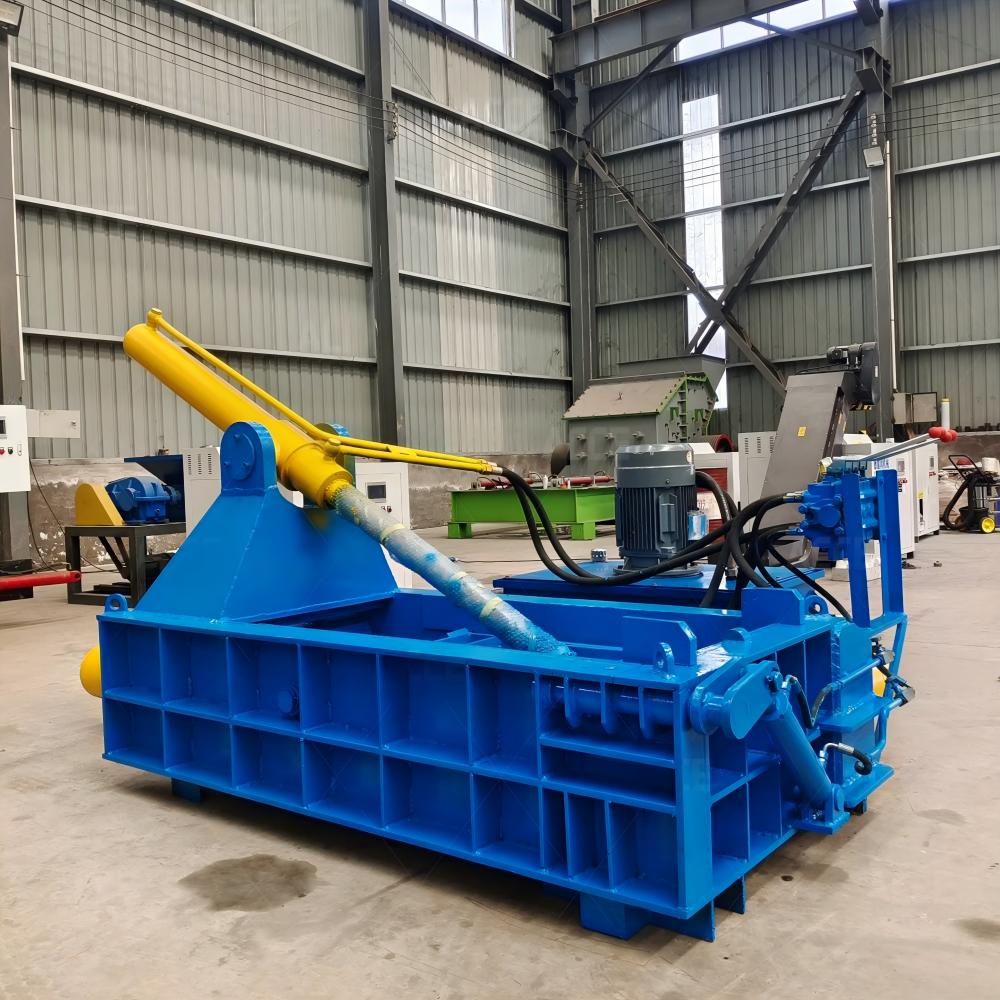
When selecting a scrap metal baler, the pressure capacity is the most critical specification. Many operators experience pressure issues simply because the machine is undersized for the material density they are processing. If you are baling heavy steel scrap, a light-duty baler will struggle to reach the required pressure, leading to constant maintenance issues and potential damage to the hydraulic system.
Consider the cycle time versus the pressure requirement. High-pressure balers often require more robust hydraulic systems and larger motors. Ensure that your facility’s power supply matches the requirements of the baler. An unstable power supply can lead to inconsistent motor speeds, which directly affects the pump’s ability to maintain pressure during the compression stroke.
Look for machines that offer adjustable pressure settings. This allows you to optimize the baler for different types of scrap, such as aluminum cans versus heavy steel plate. A machine with a high-quality, multi-stage hydraulic system will provide better longevity and more consistent performance than a single-stage system, especially under heavy industrial loads.
Finally, prioritize machines with accessible diagnostic ports. HARSLE equipment is designed with maintenance in mind, featuring easy-to-reach test points for pressure gauges. When buying, ensure that the manufacturer provides comprehensive documentation, including hydraulic schematics and troubleshooting flowcharts, which are invaluable when a scrap metal baler cannot reach set pressure.
FAQ: Common Questions About Baler Pressure
- Q: How often should I check the hydraulic pressure?
A: You should check the pressure at least once a month as part of your routine maintenance. If you notice the bale density decreasing, check it immediately. - Q: Can a bad pressure gauge cause the machine to fail?
A: Yes, a faulty gauge can give a false reading. Always verify the pressure with a calibrated master gauge before dismantling hydraulic components. - Q: Why does my baler lose pressure only when the oil is hot?
A: This is a classic sign of internal leakage in the pump or cylinder. As the oil thins with heat, it leaks more easily through worn seals or clearances. - Q: Is it safe to adjust the relief valve myself?
A: Only if you have the proper training and a calibrated pressure gauge. Adjusting the relief valve without measuring the pressure can lead to system over-pressurization and catastrophic failure. - Q: What is the most common cause of pressure loss?
A: In most cases, it is either a contaminated relief valve or worn cylinder seals.
Conclusion: Maintaining Your HARSLE Baler
A scrap metal baler that cannot reach its set pressure is a significant operational hurdle, but it is one that can be systematically resolved. By following the steps outlined in this guide—starting with oil levels and filters, moving to valve and pump inspection, and finally checking for internal cylinder bypass—you can identify the root cause of the issue. Remember that preventative maintenance is the best way to avoid these problems in the first place.
Regularly scheduled oil changes, filter replacements, and system inspections will extend the life of your HARSLE equipment and ensure that your baling operations remain efficient and profitable. If you find that the issue is beyond your internal maintenance capabilities, do not hesitate to contact HARSLE technical support. Our team is dedicated to ensuring your metal fabrication equipment operates at peak performance, helping you turn scrap into value with every cycle.
By investing time in understanding your machine’s hydraulic system, you are not just fixing a fault; you are optimizing your entire production line. Keep your baler well-maintained, monitor your pressure settings closely, and you will enjoy years of reliable service from your HARSLE scrap metal baler.