How to Troubleshoot a Horizontal Baler Hydraulic Pump Failure: A Comprehensive Industrial Guide

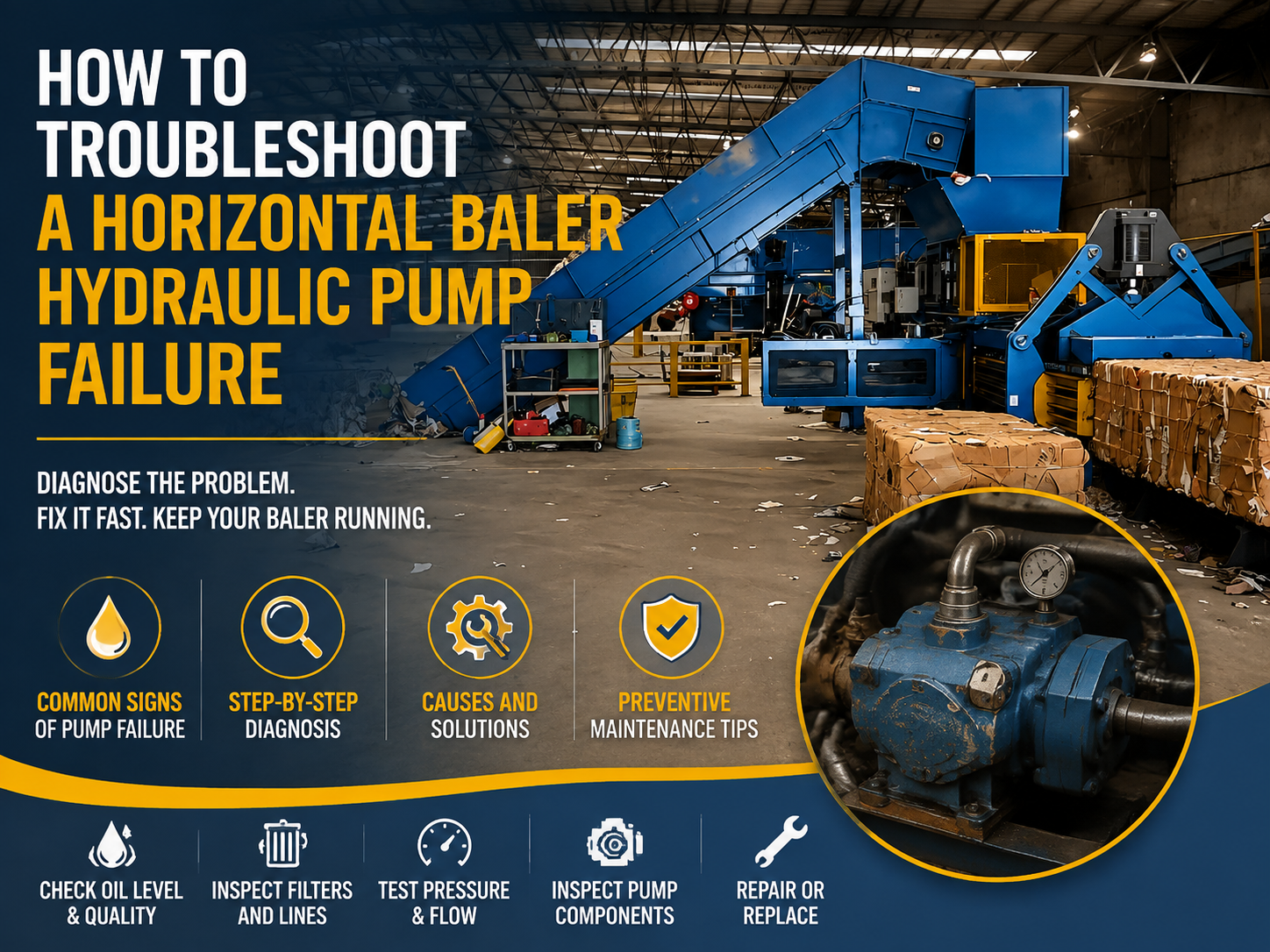
Introduction to Horizontal Baler Hydraulic Systems
In the world of industrial recycling and waste management, the horizontal baler stands as a cornerstone of operational efficiency. These machines rely heavily on high-pressure hydraulic systems to compress bulky materials into dense, manageable bales. When the heart of this system—the hydraulic pump—fails, the entire production line grinds to a halt. Understanding how to troubleshoot a horizontal baler hydraulic pump failure is not just a technical skill; it is a vital necessity for facility managers and maintenance technicians aiming to minimize downtime and protect their capital investment.
At HARSLE, we recognize that hydraulic pump failure is often the result of cumulative wear, contamination, or improper system settings rather than a sudden, inexplicable event. By adopting a systematic approach to diagnostics, operators can often identify the root cause before catastrophic damage occurs. This guide is designed to walk you through the technical nuances of hydraulic pump health, providing actionable steps to diagnose, isolate, and resolve issues effectively.
The hydraulic pump serves as the prime mover of fluid within your baler. It converts mechanical energy from the motor into hydraulic energy, creating the flow necessary to actuate the compression rams. When this flow is compromised, you will notice symptoms ranging from sluggish cycle times to excessive noise and heat generation. Recognizing these early warning signs is the first step in effective maintenance.
Throughout this article, we will explore the mechanical and hydraulic indicators of pump failure. We will delve into the importance of fluid quality, pressure relief valve settings, and the physical integrity of the pump housing. Whether you are operating a high-capacity industrial baler or a smaller unit, the principles of hydraulic troubleshooting remain consistent and critical to the longevity of your metal fabrication equipment.
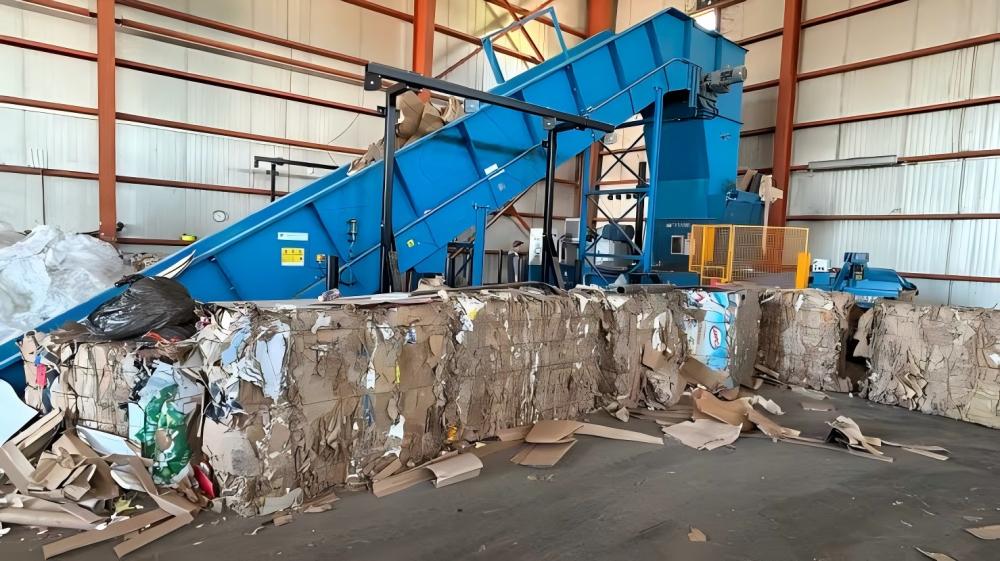
Key Considerations for Hydraulic System Health
Before diving into the specific steps to troubleshoot a horizontal baler hydraulic pump failure, it is essential to establish a baseline for system health. The most common culprit behind premature pump failure is hydraulic fluid contamination. Even microscopic particles of dust, metal shavings, or moisture can act as an abrasive, scoring the internal components of the pump and leading to a rapid loss of volumetric efficiency.
Temperature management is another critical factor. Hydraulic systems are designed to operate within specific temperature ranges. When the oil becomes too hot, its viscosity drops, reducing the lubricating film between moving parts. This leads to increased friction and internal leakage. Conversely, operating in extremely cold environments without proper warm-up cycles can cause cavitation, where air bubbles implode against metal surfaces, causing pitting and structural failure.
Maintenance schedules must be strictly adhered to. This includes regular oil analysis, filter changes, and checking for leaks at hose connections. A small, persistent leak might seem like a minor nuisance, but it often indicates a system under stress or a failing seal that could eventually lead to air ingestion. Air in the hydraulic system is a silent killer, causing the pump to operate erratically and creating the characteristic ‘banging’ or ‘whining’ noise associated with cavitation.
Finally, consider the electrical environment of your baler. A pump motor that is drawing excessive current or experiencing frequent voltage fluctuations can cause the pump to operate outside of its design parameters. Always ensure that the motor-to-pump coupling is properly aligned. Misalignment puts undue radial load on the pump shaft bearings, leading to premature failure of the shaft seals and internal rotating groups.
Technical Details: Diagnosing Pump Failure
When you need to troubleshoot a horizontal baler hydraulic pump failure, the process should be methodical. Start by observing the machine during operation. Listen for unusual noises. A high-pitched whine often indicates cavitation, usually caused by a restricted suction line, a clogged inlet filter, or low oil levels. A grinding or knocking sound, however, is more ominous and typically points to internal mechanical failure, such as broken vanes, pistons, or worn-out bearings.
Next, perform a pressure test. Using a calibrated pressure gauge, measure the output of the pump at the system relief valve. If the pressure is significantly lower than the manufacturer’s specifications, you may have an internal bypass issue. If the pressure is correct but the cycle time is slow, the issue may be a volumetric efficiency problem, where fluid is leaking internally within the pump rather than being pushed to the cylinders.
Check the case drain line for excessive flow. Many high-pressure pumps have a case drain that returns leakage fluid back to the reservoir. If this line is discharging a high volume of oil, it is a clear indicator that the pump’s internal clearances have opened up due to wear. This is a definitive sign that the pump is nearing the end of its service life and requires rebuilding or replacement.
Inspect the hydraulic fluid itself. Take a sample and look for signs of aeration (milky appearance) or metallic debris. If the oil appears dark or has a burnt smell, it indicates that the system has been running at excessively high temperatures. Use a magnet to check for ferrous particles in the oil, which would confirm internal component degradation. These technical indicators provide a clear roadmap for the necessary repairs.
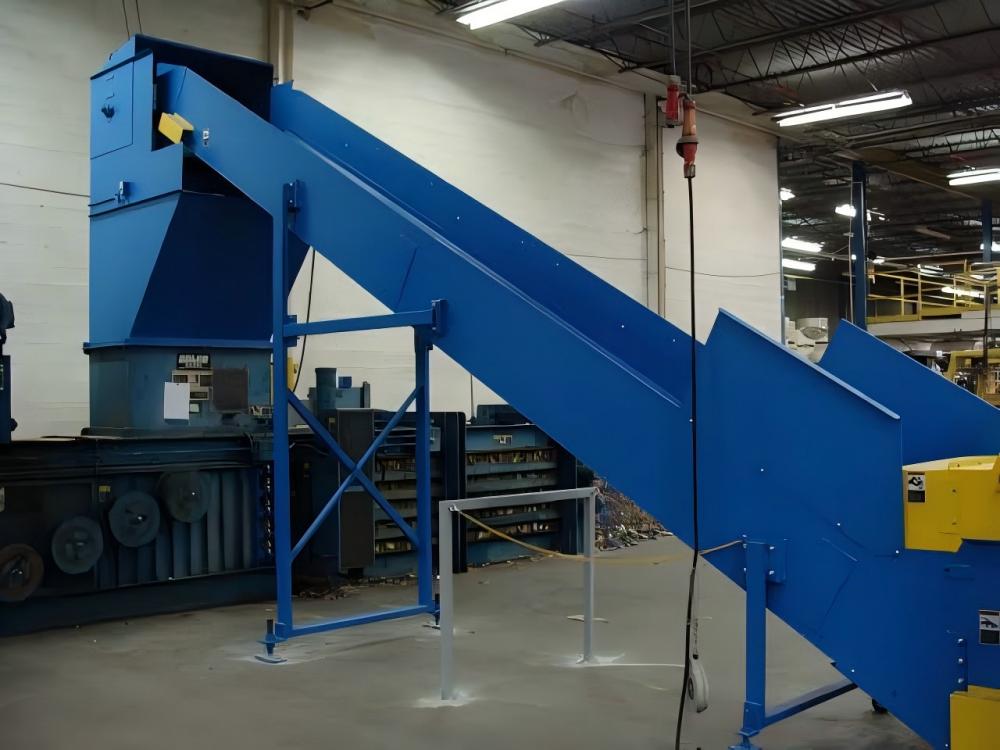
Selection Advice for Replacement Pumps
If your troubleshooting confirms that the pump is beyond repair, selecting a replacement is a decision that impacts your baler’s future performance. Do not simply opt for the cheapest alternative. Ensure that the replacement pump matches the displacement, pressure rating, and mounting configuration of the original unit. A pump with a higher displacement than the original may overload the motor, while a lower displacement will result in unacceptable cycle times.
Consider the type of pump used in your specific baler model. Gear pumps are common for their simplicity and cost-effectiveness, but they are less efficient at very high pressures. Vane pumps offer a good balance of efficiency and noise control. Piston pumps, while more expensive, provide the highest efficiency and are ideal for heavy-duty, continuous-operation balers. Choose the technology that aligns with your production volume and duty cycle.
Check the compatibility of the hydraulic fluid with the pump seals. Some synthetic fluids or high-viscosity oils can degrade standard seals, leading to leaks shortly after installation. Always consult the HARSLE technical manual or the pump manufacturer’s specifications to ensure the fluid type is compatible with the pump’s internal materials.
Finally, consider the installation process. A new pump is only as good as its installation. Ensure that the suction line is completely airtight and that the pump is primed with hydraulic fluid before the initial start-up. Running a dry pump for even a few seconds can cause irreversible damage to the internal surfaces. Always follow the manufacturer’s break-in procedure to ensure a long and productive service life for your new component.
Frequently Asked Questions (FAQ)
How often should I change the hydraulic oil in my horizontal baler?
Generally, hydraulic oil should be changed every 2,000 to 4,000 operating hours, or once a year, whichever comes first. However, if your oil analysis shows high levels of contamination or oxidation, you should change it sooner.
What causes a hydraulic pump to overheat?
Overheating is usually caused by internal leakage, a stuck relief valve, or operating the system at pressures higher than the pump’s rating. It can also be caused by a failing cooling system or a restricted return line.
Can I repair a hydraulic pump myself?
Minor seal replacements can often be performed by trained maintenance staff. However, internal component replacement (like pistons or vanes) requires specialized tools and clean-room conditions to prevent contamination. If you are unsure, it is safer to send the pump to a certified repair center.
Why is my baler making a loud whining noise?
A whining noise is almost always a sign of cavitation. Check the suction strainer for clogs, ensure the oil level is correct, and inspect the suction hose for any cracks that might be allowing air to enter the system.
Conclusion
Learning how to troubleshoot a horizontal baler hydraulic pump failure is an essential aspect of maintaining a productive metal fabrication facility. By staying vigilant about fluid quality, monitoring system temperatures, and performing regular pressure checks, you can prevent the majority of pump failures before they result in costly downtime. Remember that the hydraulic system is the lifeblood of your baler; treat it with the care and precision it deserves, and it will provide years of reliable service. For further assistance or to source high-quality replacement parts, HARSLE remains your dedicated partner in industrial machinery excellence.