How to Troubleshoot a Horizontal Baler With Frequent Emergency Stop Activation: A Comprehensive HARSLE Guide

Introduction to Horizontal Baler Reliability
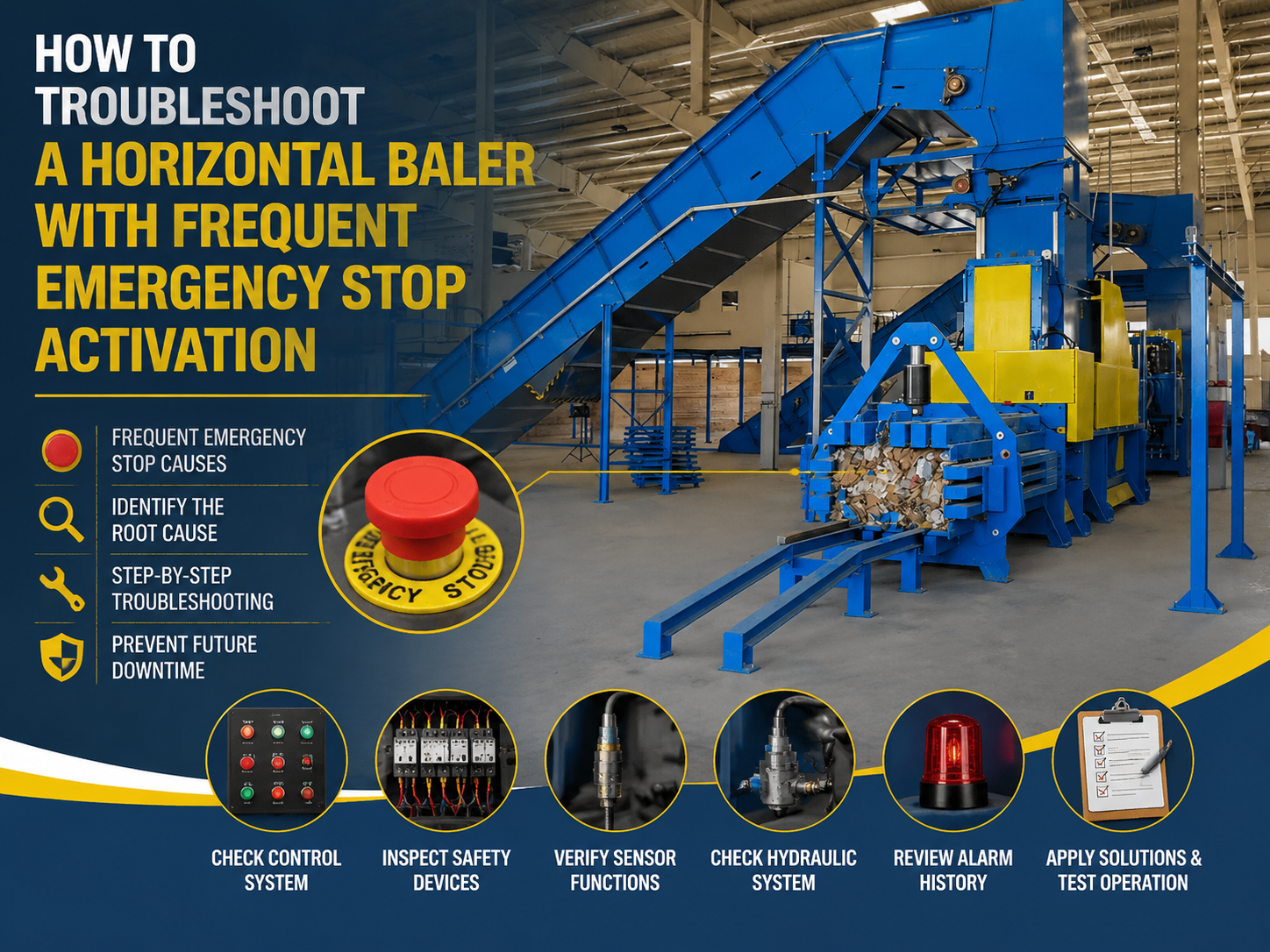
In the high-stakes environment of metal fabrication and waste management, the horizontal baler stands as a cornerstone of operational efficiency. When this equipment functions correctly, it streamlines production, reduces waste volume, and optimizes logistics. However, when operators face the recurring frustration of an unexpected shutdown, productivity grinds to a halt. Learning how to troubleshoot a horizontal baler frequent emergency stop activation is not just a maintenance task; it is a critical skill for ensuring the longevity and safety of your industrial machinery.
Frequent emergency stop (E-stop) activations are often the machine’s way of signaling a deeper underlying issue. While the E-stop button itself is a vital safety feature designed to protect personnel and equipment, its constant triggering suggests that the machine’s control system is detecting an anomaly that it cannot resolve through normal operation. Whether it is a sensor misalignment, a hydraulic pressure spike, or a simple electrical fault, identifying the root cause is essential for restoring uptime.
HARSLE is committed to providing high-performance metal fabrication equipment that stands the test of time. We understand that downtime is costly. This guide is designed to walk maintenance teams and operators through the systematic process of diagnosing and resolving these persistent safety interruptions. By following these structured steps, you can minimize the risk of recurring faults and maintain a safer, more productive work environment.
Before diving into technical diagnostics, it is important to emphasize that safety is paramount. Never attempt to bypass an emergency stop circuit to keep a machine running. Doing so not only voids warranties but, more importantly, creates severe safety hazards for your staff. Always ensure that the machine is locked out and tagged out (LOTO) before performing any internal inspections or electrical testing.
Key Considerations for E-Stop Diagnostics
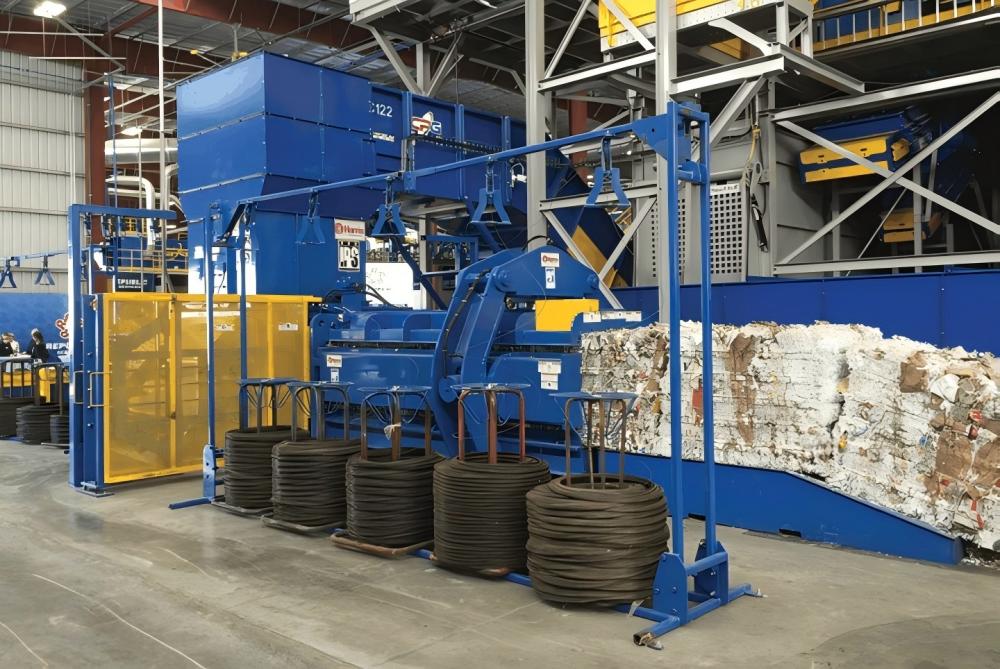
When you need to troubleshoot a horizontal baler frequent emergency stop activation, the first step is to categorize the nature of the fault. Is the E-stop triggering immediately upon startup, or does it happen during a specific phase of the compression cycle? Understanding the timing of the fault provides the most significant clue regarding which subsystem—electrical, hydraulic, or mechanical—is the culprit.
Electrical interference is a common, yet often overlooked, cause of nuisance tripping. In industrial settings, high-voltage lines, frequency drives, and heavy motors can generate electromagnetic interference (EMI). If the E-stop circuit wiring is not properly shielded or if it runs parallel to high-power cables, induced voltage can trick the PLC (Programmable Logic Controller) into thinking an E-stop has been pressed. Check for loose connections or damaged insulation along the entire E-stop loop.
Mechanical vibration is another frequent offender. Horizontal balers exert immense force, and over time, this vibration can cause sensors to drift or electrical contacts to loosen. If a limit switch or a safety gate sensor is mounted on a bracket that has become loose, the vibration during the compression stroke might cause the sensor to momentarily lose its signal, triggering a safety fault. Inspect all sensor mounts and tighten any hardware that shows signs of fatigue.
Environmental factors also play a significant role. Dust, metal shavings, and debris are inherent to metal fabrication. If these contaminants enter the control cabinet or settle on safety sensors, they can cause intermittent signals. Ensure that your control panels are sealed properly and that your sensors are cleaned regularly as part of your preventative maintenance schedule. A clean machine is almost always a more reliable machine.
Technical Details: Analyzing the Control Circuit
To effectively troubleshoot a horizontal baler frequent emergency stop activation, you must have a clear understanding of the control circuit logic. Most modern horizontal balers use a dual-channel safety circuit. This means that the E-stop signal is sent through two separate paths to the safety relay or PLC. If these two paths do not agree—for instance, if one path shows ‘open’ and the other shows ‘closed’—the system will trigger a fault to prevent operation.
Start by checking the safety relay status. Most safety relays have diagnostic LEDs that indicate which channel is open. If you see a mismatch, you can narrow your search to the specific wiring segment or the specific switch that is failing. Use a multimeter to check for continuity across the E-stop buttons and safety gates. A faulty contact block inside an E-stop button is a common wear item that can cause intermittent open circuits.
Hydraulic pressure switches are also integrated into the safety logic of many balers. If the hydraulic system detects a pressure spike that exceeds the safety threshold, the PLC may trigger an emergency stop to prevent structural damage to the ram or the chamber. If the E-stop occurs only when the baler is under maximum load, investigate the hydraulic relief valves. They may be set too high or may be sticking, preventing the system from bypassing excess pressure.
Finally, examine the PLC input modules. If the input card itself is failing, it may report false signals to the processor. While rare, this can be diagnosed by swapping the input signal to a known-good terminal on the PLC. If the fault follows the signal, the issue is in the field wiring or the sensor. If the fault remains on the original terminal, the PLC input module likely requires replacement.
Selection Advice: Preventing Future Faults
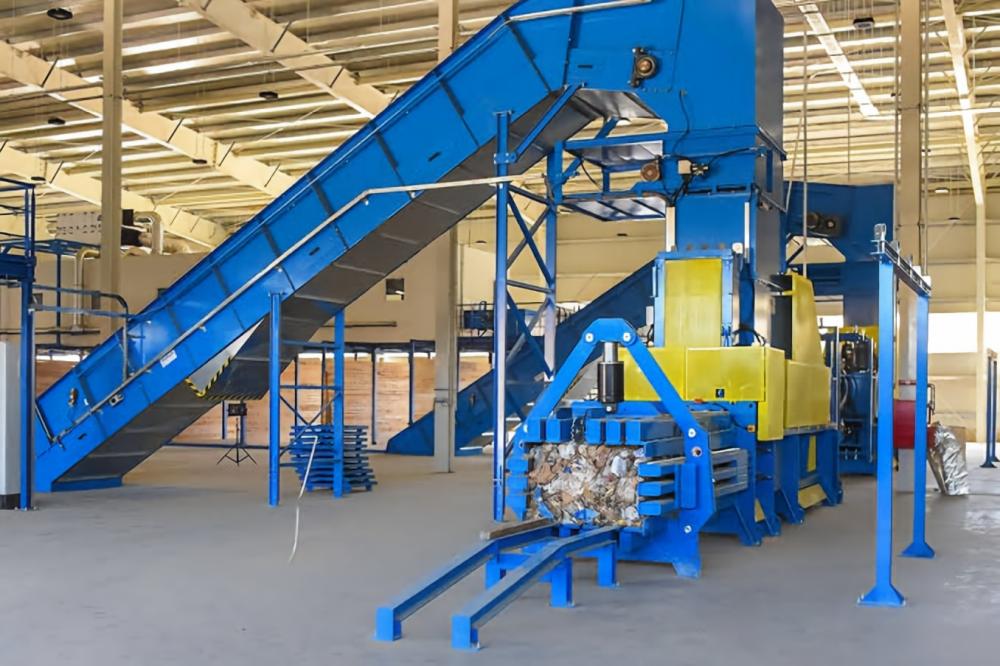
Choosing the right horizontal baler for your specific application is the best way to prevent frequent emergency stop activations before they start. Many issues arise simply because the machine is being pushed beyond its design capacity. When selecting a baler, consider the material density, the volume of throughput, and the physical footprint of your facility. A machine that is constantly running at 100% capacity is far more likely to experience sensor fatigue and hydraulic overheating.
Look for balers that feature robust, industrial-grade safety components. HARSLE equipment is designed with high-quality, vibration-resistant sensors and shielded wiring to minimize the risk of nuisance tripping. When comparing models, ask about the safety architecture. Does the machine use a safety PLC? Are the sensors IP67 or IP69K rated to withstand the harsh environment of a metal fabrication shop?
Consider the maintenance accessibility of the machine. A baler that is difficult to inspect is a baler that will be neglected. Choose a design that allows for easy access to the main control panel, hydraulic manifold, and safety limit switches. If your maintenance team can easily reach the components, they are much more likely to perform the routine inspections that catch potential E-stop issues before they cause a full system shutdown.
Lastly, invest in a comprehensive training program for your operators. Many E-stop activations are caused by improper loading techniques or by operators forcing the machine to cycle when it is jammed. Training your team on the proper operation of the baler, including how to clear minor jams safely without triggering a full emergency stop, will significantly improve your overall equipment effectiveness (OEE).
Frequently Asked Questions (FAQ)
- Q: Why does my baler stop immediately after I press the start button?
A: This usually indicates a pre-existing fault in the safety circuit. Check your E-stop buttons to ensure they are fully pulled out and check that all safety gates are securely closed. If the fault persists, use the diagnostic LEDs on your safety relay to identify which circuit is open. - Q: Can a low hydraulic oil level cause an E-stop?
A: Yes. Many modern balers have low-level sensors that are tied into the safety or control circuit. If the oil level is low, the machine may prevent operation to protect the hydraulic pump from cavitation. - Q: How often should I inspect the E-stop wiring?
A: We recommend a visual inspection of all accessible wiring every month. A more thorough check, including testing the continuity of the E-stop loop, should be performed during your quarterly preventative maintenance cycle. - Q: Is it safe to bypass a faulty limit switch temporarily?
A: Absolutely not. Bypassing safety devices is a major violation of industrial safety standards and puts your employees at extreme risk of injury. Always replace faulty safety components immediately. - Q: What should I do if the E-stop triggers only during hot weather?
A: This could indicate that your hydraulic oil is overheating, causing the system to trigger a safety shutdown. Check your oil cooler and ensure that the ventilation around the hydraulic power unit is unobstructed.
Conclusion
Learning how to troubleshoot a horizontal baler frequent emergency stop activation is a vital aspect of maintaining a high-performing metal fabrication facility. By systematically evaluating the electrical, mechanical, and hydraulic components of your machine, you can identify the root cause of these interruptions and implement long-term solutions. Remember that the emergency stop system is your machine’s most important safety feature; treat it with the respect it deserves by performing regular maintenance and never resorting to unsafe workarounds.
HARSLE remains dedicated to supporting your operations with reliable, high-quality machinery and expert guidance. If you find that your troubleshooting efforts are not yielding results, do not hesitate to reach out to our technical support team. We are here to help you keep your production lines moving and your workplace safe. By prioritizing preventative maintenance and investing in the right equipment, you can ensure that your horizontal baler remains a productive asset for years to come.
Ultimately, the goal is to move from a reactive maintenance posture to a proactive one. By understanding the common failure points and maintaining a rigorous inspection schedule, you can eliminate the frustration of frequent E-stop activations and focus on what matters most: growing your business and delivering quality products to your customers. Stay safe, stay informed, and keep your machinery in top condition with HARSLE.