Comprehensive Scrap Metal Baler Selection Guide for Steel Mills, Scrap Yards, and Foundries

Technical Overview of Modern Scrap Metal Balers
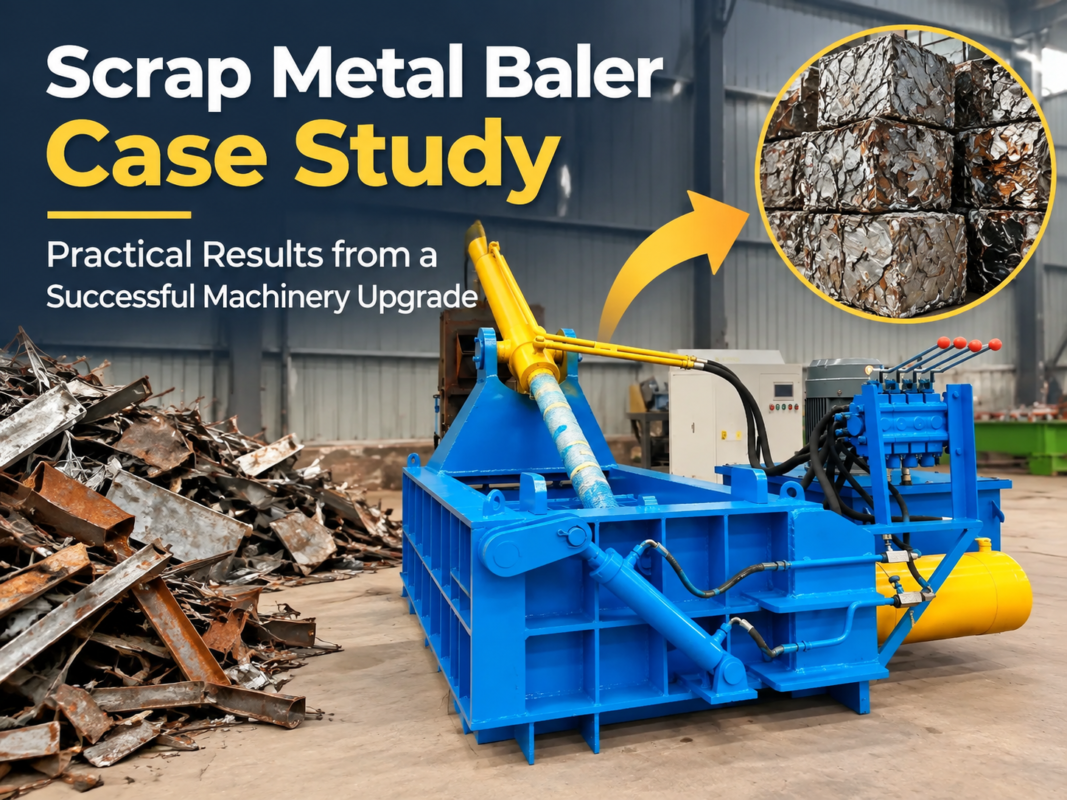
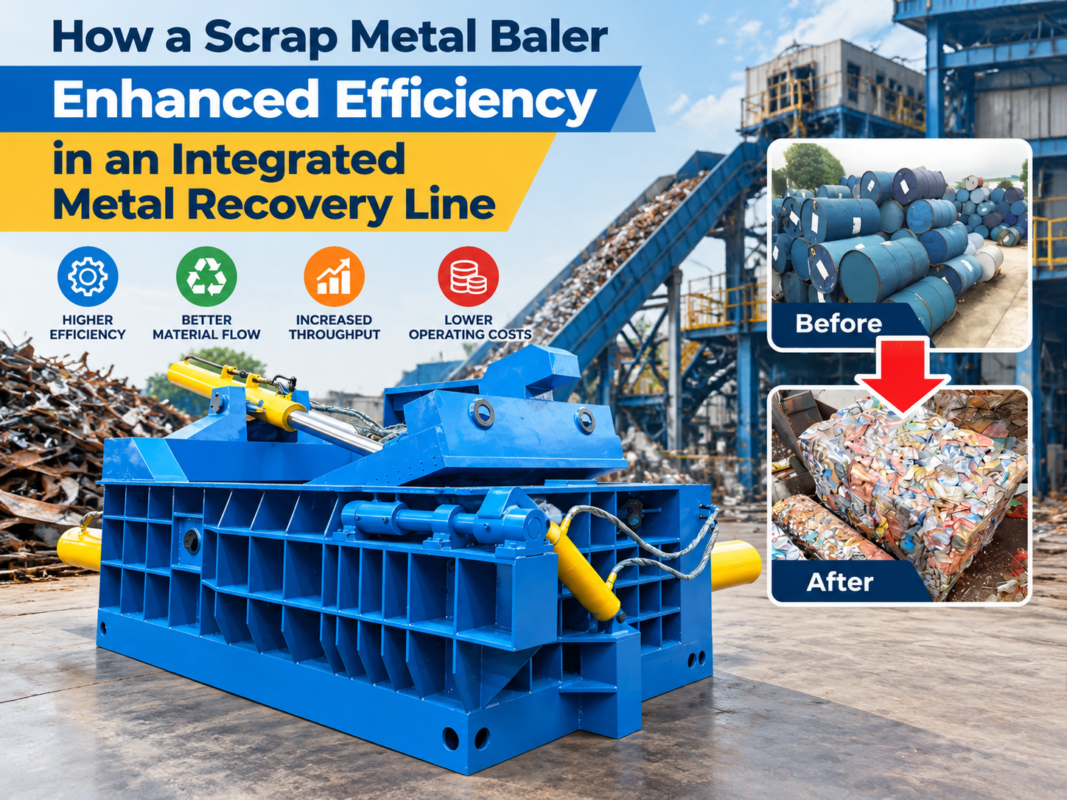
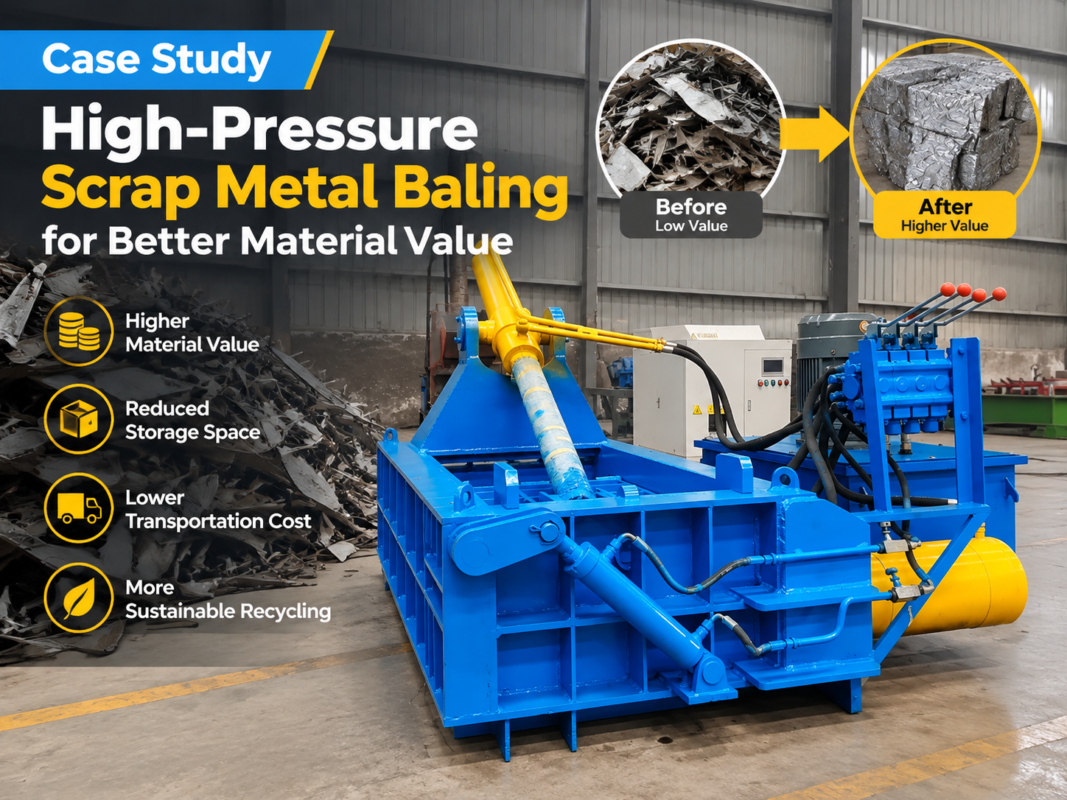
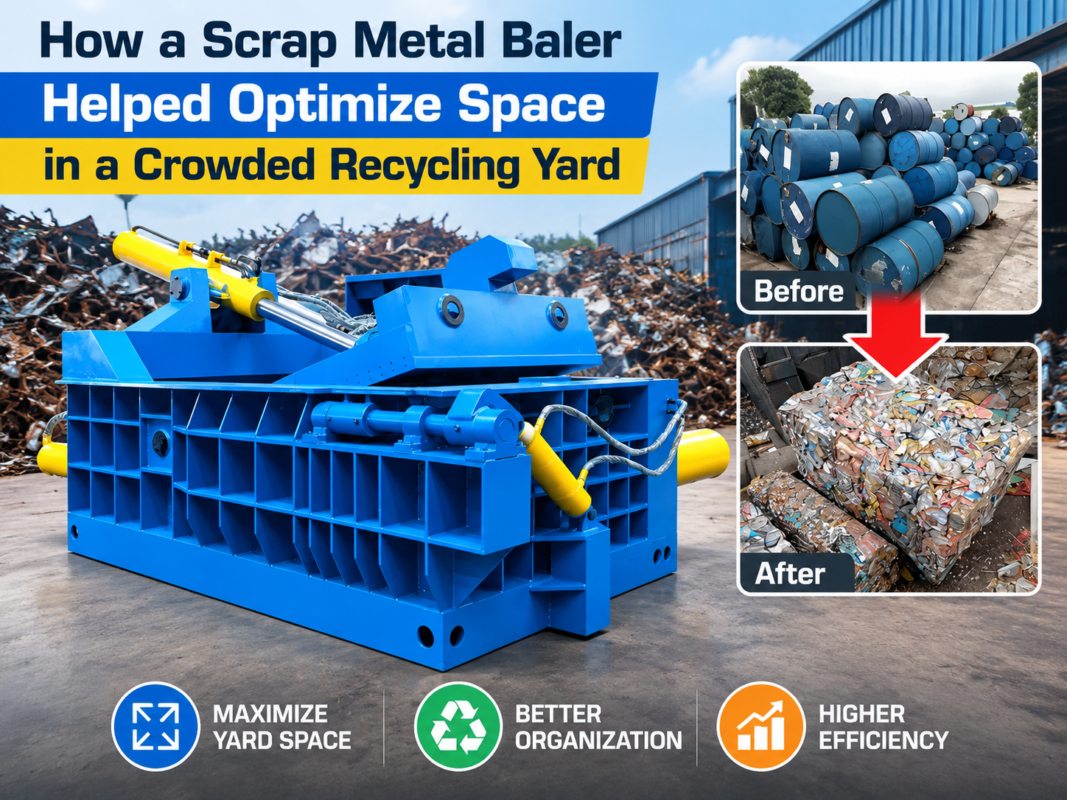
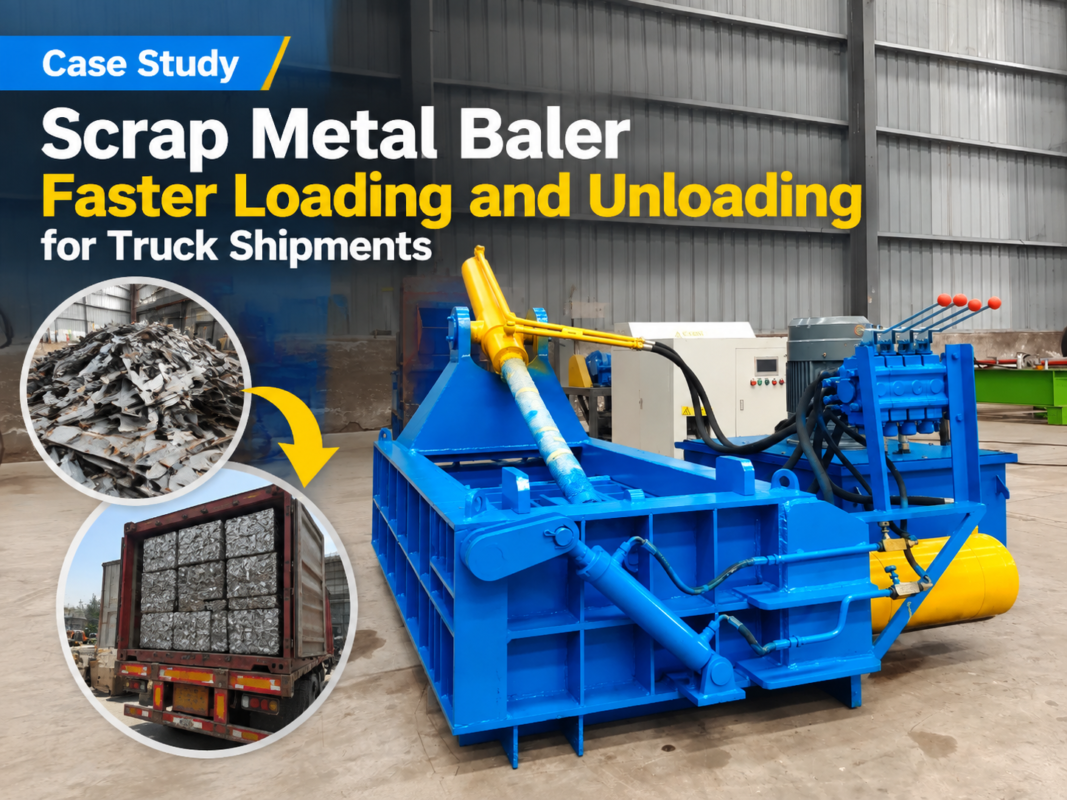
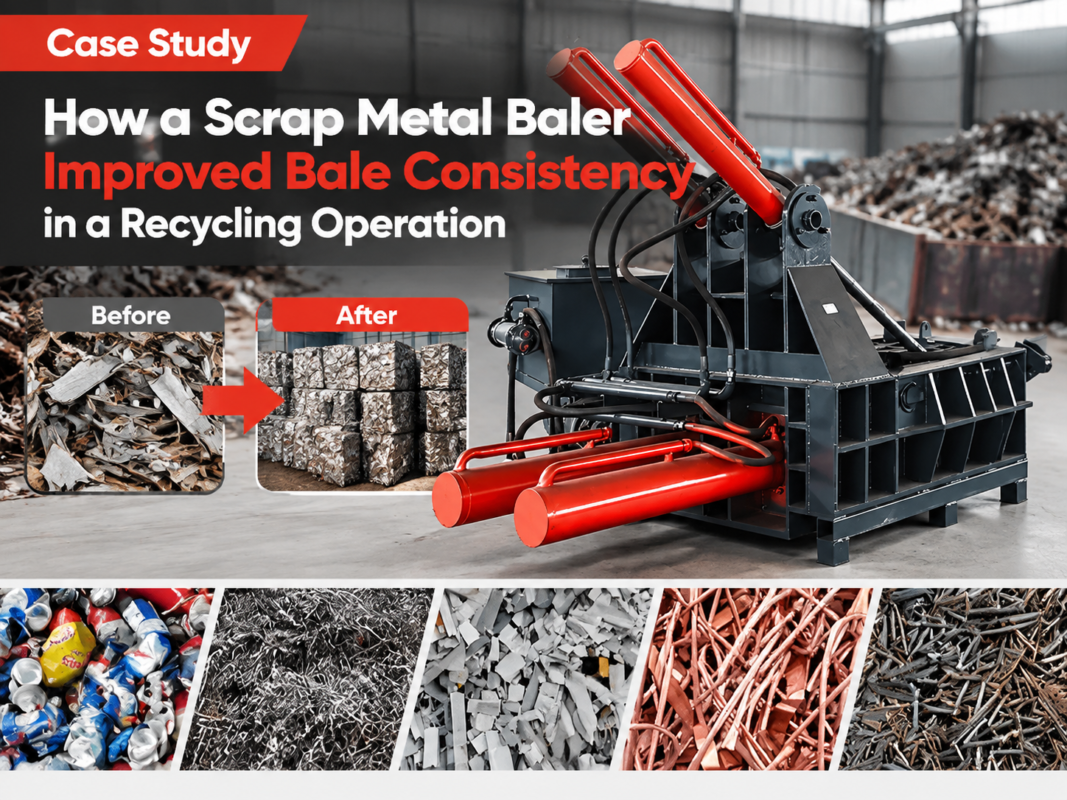
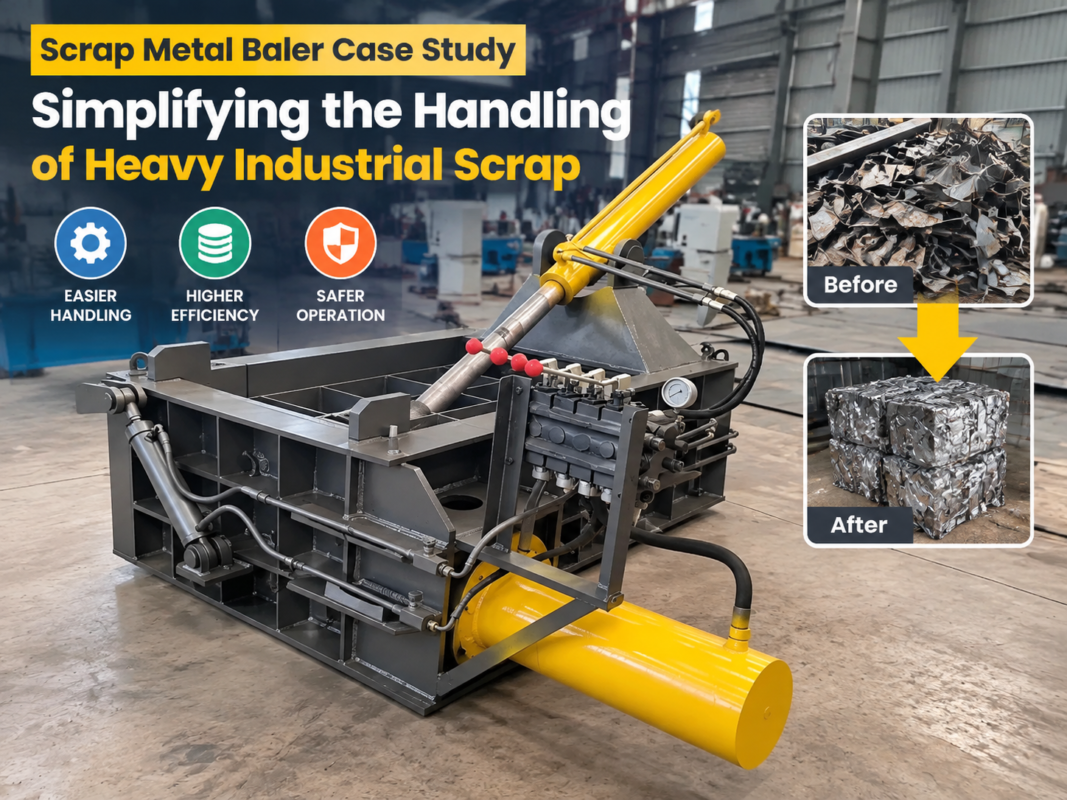
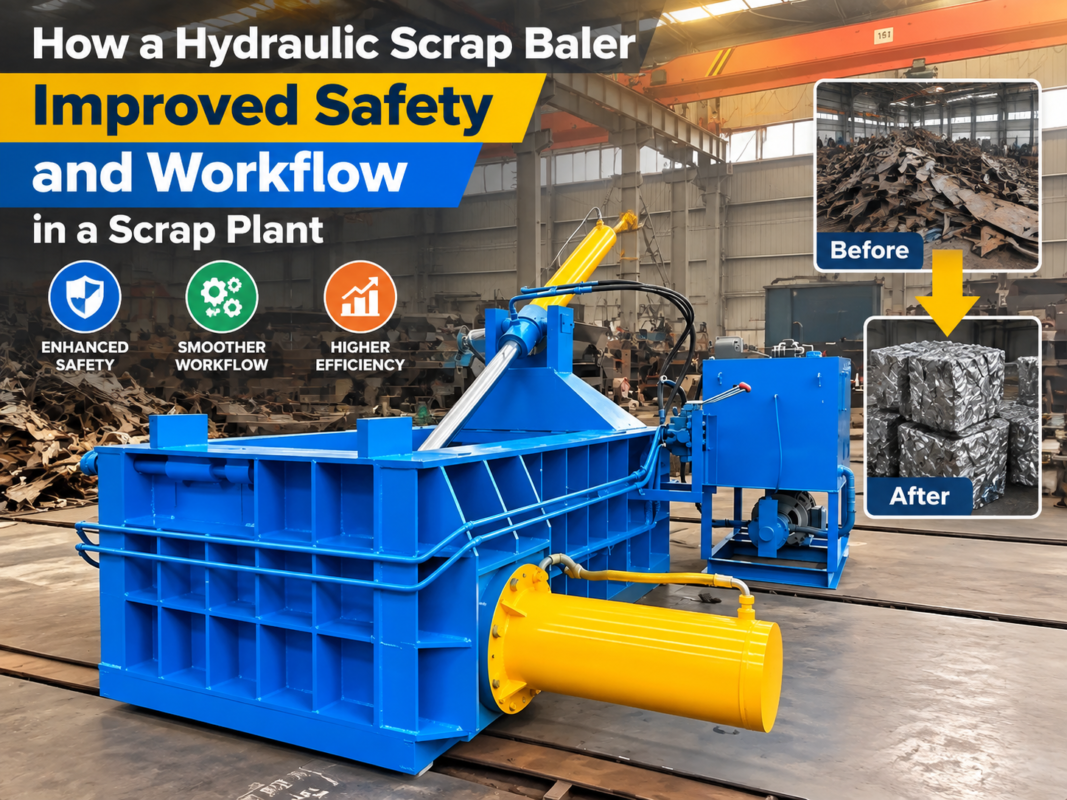
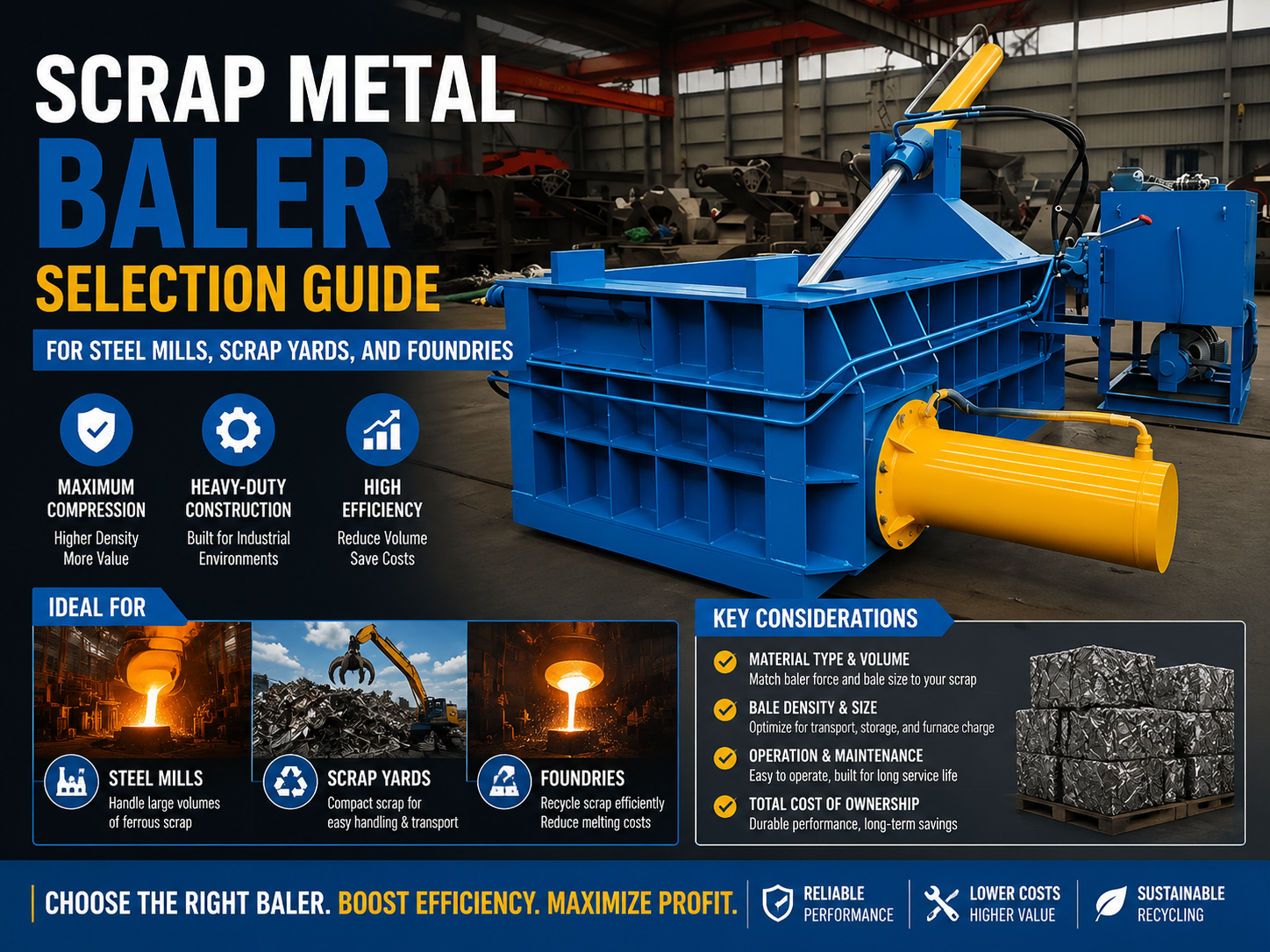
In the global metal recycling industry, the efficiency of material handling directly dictates the profitability of steel mills, scrap yards, and foundries. A scrap metal baler is not merely a piece of machinery; it is the heart of the logistics chain, transforming loose, voluminous metal waste into dense, manageable blocks. These machines utilize high-pressure hydraulic systems to compress various materials, including steel shavings, aluminum extrusions, copper wire, and end-of-life vehicle (ELV) scrap. By reducing the volume of the scrap, facilities can significantly lower transportation costs, optimize storage space, and improve the melting efficiency of furnaces.
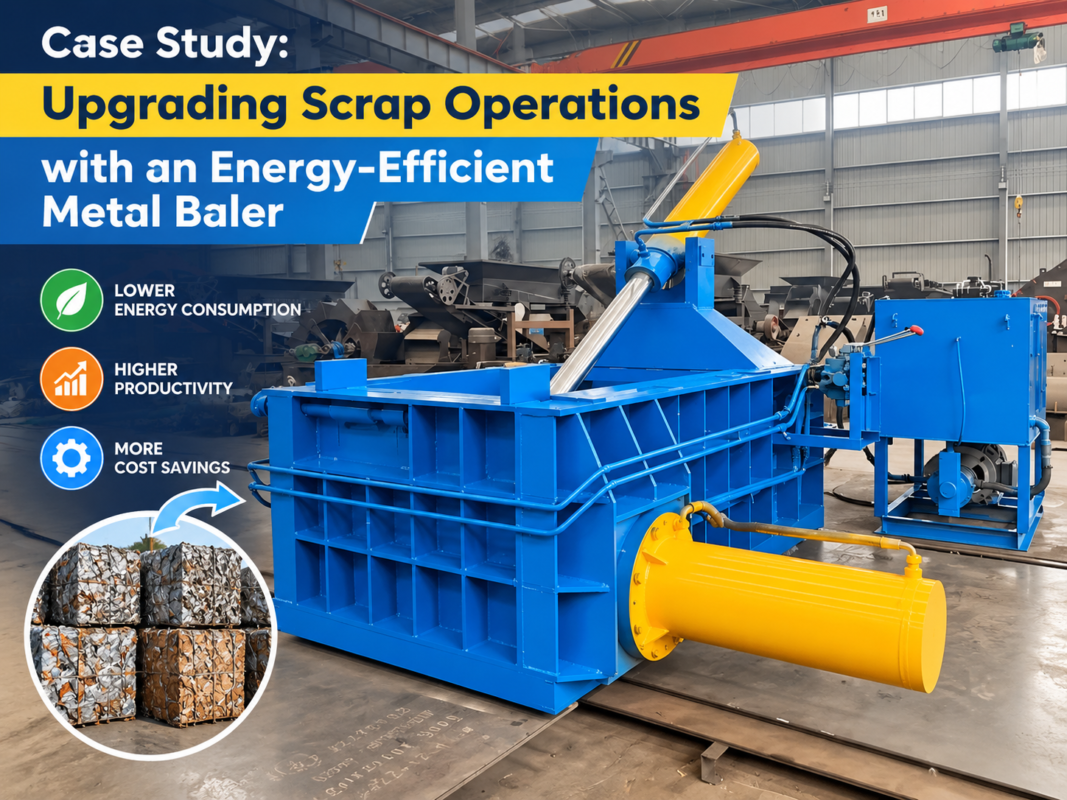
HARSLE’s range of hydraulic scrap metal balers, particularly the Y81 series, is engineered to meet the rigorous demands of heavy industrial environments. The technical architecture typically involves a primary compression cylinder, a side compression cylinder, and often a lid-mounted shearing mechanism. This triple-compression approach ensures that even the most resilient materials are compacted into high-density bales. The hydraulic system is the lifeblood of the machine, utilizing advanced valve blocks and high-pressure pumps to deliver consistent force while maintaining energy efficiency. For steel mills, the focus is often on bale density to ensure the scrap sinks into the molten bath rather than floating on top, while scrap yards prioritize throughput and cycle speed.
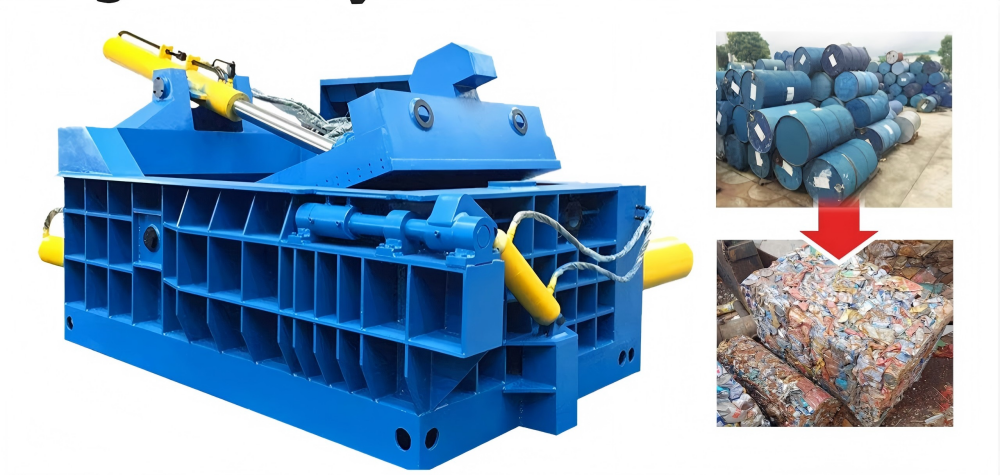
Modern balers are categorized by their discharge methods: side-push, turn-out, or forward-out. Side-push balers are generally preferred for high-volume operations where the bale is pushed out of the chamber into a conveyor or collection bin. Turn-out balers, where the chamber floor tilts to eject the bale, are common in smaller yards dealing with lighter materials. Understanding these mechanical nuances is the first step in the selection process. Furthermore, the integration of PLC (Programmable Logic Controller) systems allows for automated cycles, reducing the reliance on manual labor and ensuring a consistent bale size and weight, which is critical for standardized shipping and furnace charging.
Core Parameters for Selection
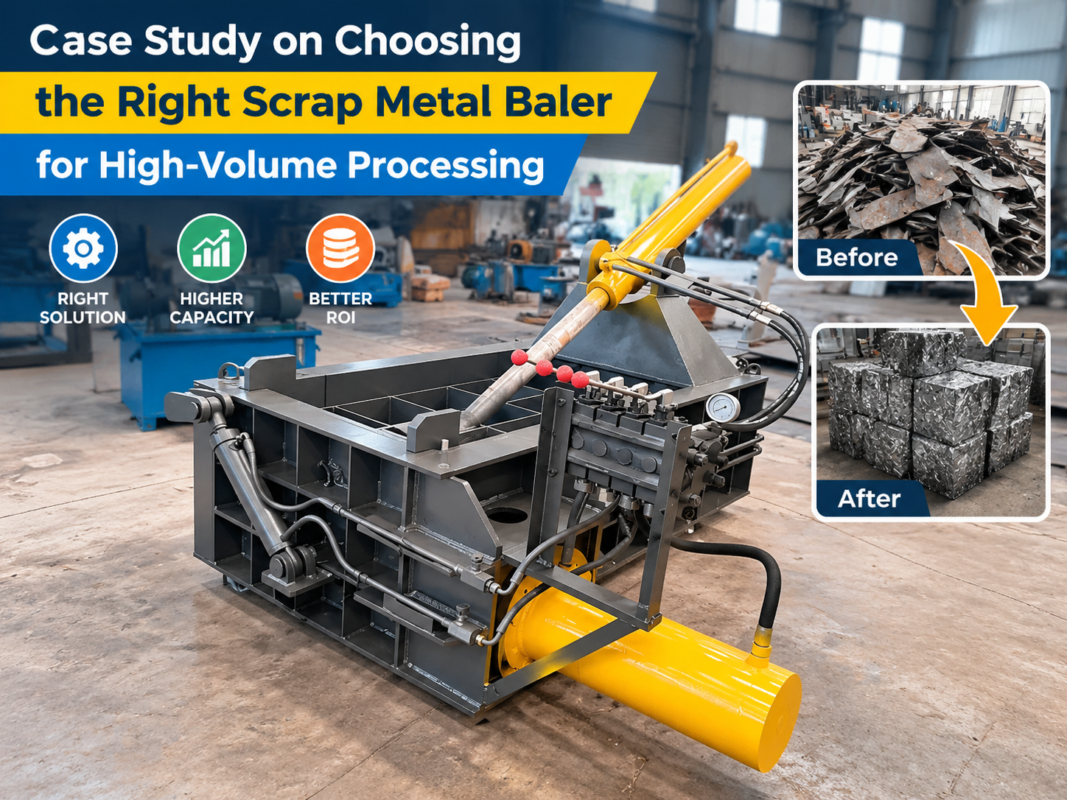
When selecting a scrap metal baler for steel mills, scrap yards, or foundries, several core parameters must be evaluated to ensure the machine aligns with operational goals. The most critical parameter is the nominal pressure, usually measured in Kilonewtons (kN) or Tons. For light aluminum scrap, a 125-ton press might suffice, but for heavy steel scrap or HMS (Heavy Melting Scrap), pressures exceeding 400 to 1000 tons are necessary. This pressure determines the final density of the bale, which is a key metric for steel mills that require specific density levels to prevent oxidation during the melting process.
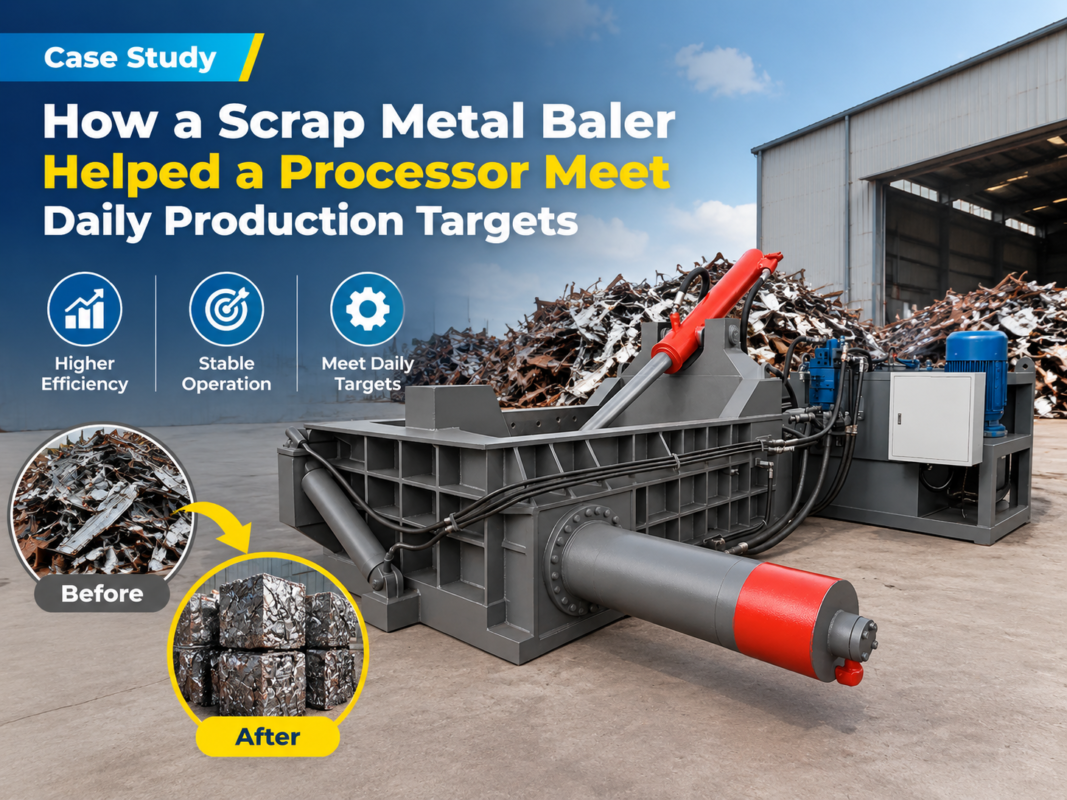
The chamber size and bale dimensions are equally vital. The chamber must be large enough to accommodate the bulkiest pieces of scrap without excessive pre-cutting, which saves on labor costs. However, the resulting bale size must fit the dimensions of the furnace doors in a foundry or the standard shipping containers used by scrap yards. Common bale sizes range from 300x300mm for small foundries to 600x600mm or larger for industrial steel mills. Additionally, the cycle time—the time it takes for the machine to complete one full compression and discharge cycle—determines the hourly throughput. A faster cycle time is essential for scrap yards processing hundreds of tons of material daily.
Motor power and hydraulic pump capacity are the drivers of performance. High-power motors (ranging from 15kW to over 100kW) allow for faster hydraulic fluid movement, which translates to quicker cylinder speeds. However, this must be balanced with energy consumption. HARSLE incorporates variable frequency drives (VFD) in some models to optimize power usage during different stages of the compression cycle. Finally, the material of the wear plates inside the compression chamber should be considered. High-manganese steel or Hardox liners are essential for longevity, especially when processing abrasive materials like stainless steel or contaminated scrap.
Calculation Method for Capacity and ROI
To make an informed decision, engineers must calculate the required capacity based on the facility’s daily intake. The formula for hourly production (P) can be expressed as: P = (W × 3600) / T, where ‘W’ is the weight of a single bale in tons and ‘T’ is the cycle time in seconds. For example, if a baler produces a 0.5-ton bale with a cycle time of 120 seconds, the hourly output is 15 tons. When selecting a machine, it is advisable to choose a model with a theoretical capacity 20-30% higher than the current average intake to account for peak periods and future growth.
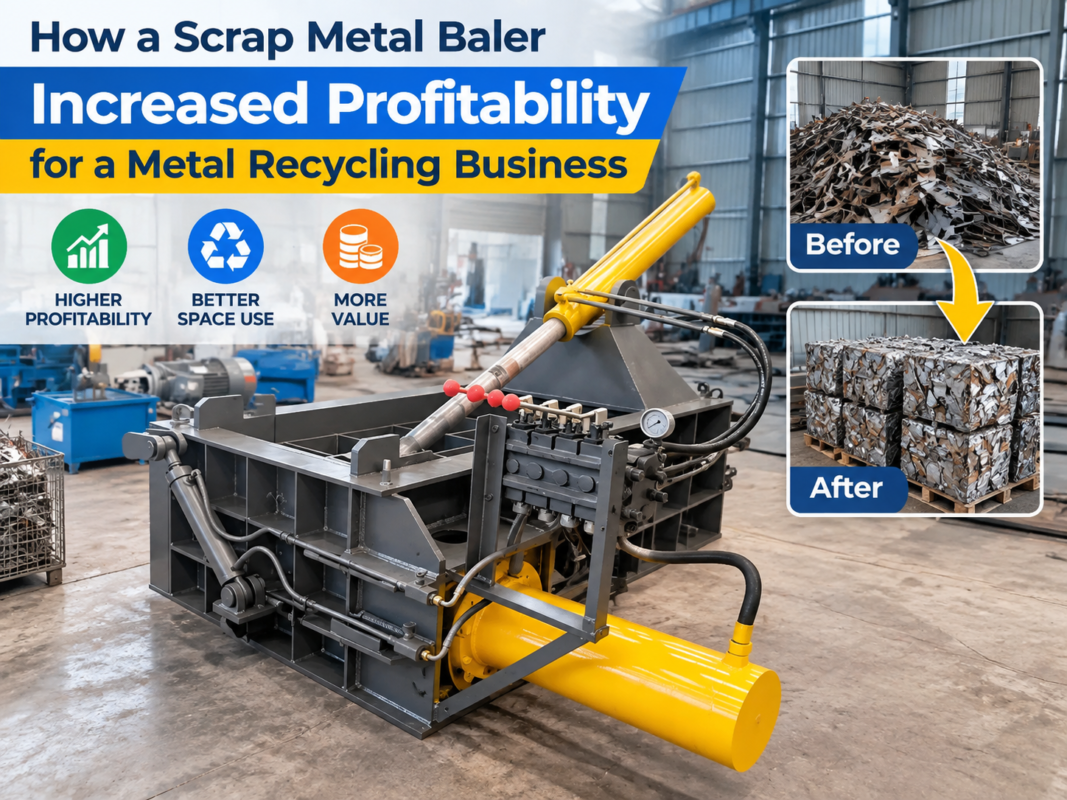
Density calculation is another critical factor, especially for foundries. The density of the bale (ρ) is calculated as: ρ = M / V, where ‘M’ is the mass of the bale and ‘V’ is its volume. For steel scrap, a density of 1.8 to 2.5 tons per cubic meter is often targeted. Achieving this requires calculating the necessary hydraulic force based on the surface area of the compression ram. Engineers should also perform a Return on Investment (ROI) analysis by comparing the cost of the baler against the savings in transportation (fewer truck trips due to higher density), labor (automated vs. manual processing), and the premium price paid by steel mills for high-density, clean bales.
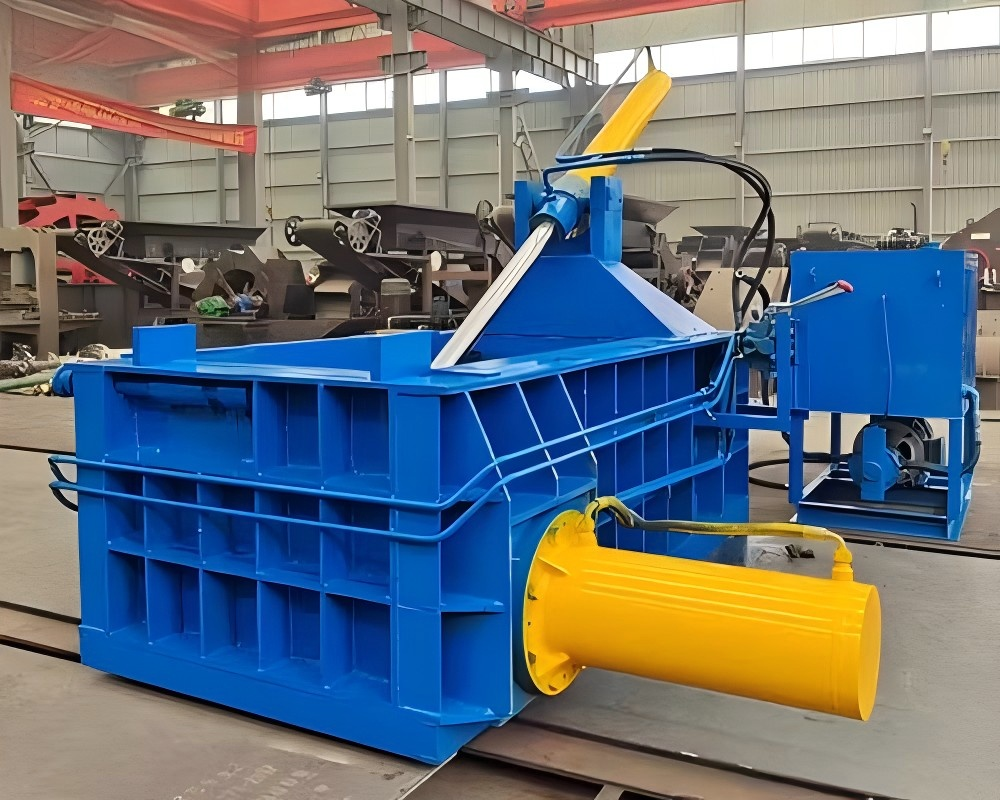
Parameter Table for HARSLE Y81 Series
The following table provides a comparison of common models used in various industrial settings. These specifications serve as a baseline for the selection process.
| Model | Nominal Force (kN) | Bale Size (mm) | Chamber Size (mm) | Cycle Time (s) | Power (kW) | Application |
|---|---|---|---|---|---|---|
| Y81-125 | 1250 | 300×300 | 1200x700x600 | 90 | 15 | Small Scrap Yards / Aluminum |
| Y81-250 | 2500 | 400×400 | 1600x1000x800 | 100 | 30 | Medium Yards / Light Steel |
| Y81-400 | 4000 | 500×500 | 2000x1400x900 | 120 | 45 | Foundries / HMS Scrap |
| Y81-630 | 6300 | 600×600 | 2500x2000x1000 | 140 | 75 | Steel Mills / Heavy Scrap |
| Y81-1000 | 10000 | 700×700 | 3000x2500x1200 | 160 | 110 | Large Scale Industrial Recycling |
Common Engineering Mistakes in Baler Selection
One of the most frequent mistakes in scrap metal baler selection is undersizing the machine. Buyers often focus on the average scrap thickness rather than the maximum thickness they encounter. If a baler designed for light gauge sheet metal is fed heavy structural steel, the hydraulic system will frequently hit its relief pressure, leading to overheating, premature seal failure, and structural fatigue of the frame. It is essential to specify the “maximum shearable thickness” if the baler includes a lid-cutting edge, as this is where many mechanical failures occur.
Another common error is neglecting the cooling system requirements. In high-throughput environments, the hydraulic oil can reach temperatures exceeding 60°C (140°F) very quickly. Without an adequately sized air or water cooling system, the oil viscosity drops, leading to internal leakage in the pumps and valves, which reduces compression force and slows down cycle times. In tropical climates or indoor facilities with poor ventilation, an oversized industrial chiller is often a necessary addition that is frequently overlooked during the initial purchase phase.
Furthermore, many facilities fail to consider the “bale discharge logistics.” A baler that produces a 500kg bale is useless if the facility’s existing forklifts or conveyors cannot handle that weight or if the bale size is incompatible with the furnace charging bucket. Engineers must map out the entire material flow—from the scrap pile to the baler, and from the baler to the final transport vehicle—to ensure there are no bottlenecks. Lastly, ignoring the quality of the electrical components can lead to significant downtime. Using non-standard or low-quality PLCs and contactors makes repairs difficult in the future; HARSLE utilizes globally recognized brands like Siemens or Schneider to mitigate this risk.
Selection Checklist for Different Facilities
For Scrap Yards
- Prioritize Speed: Look for models with fast cycle times and automatic bale ejection to maximize daily tonnage.
- Versatility: Ensure the chamber can handle a mix of white goods, light iron, and non-ferrous metals.
- Mobility: Consider if a portable or skid-mounted unit is needed for multi-site operations.
- Durability: Check for replaceable wear liners, as scrap yards often process abrasive materials.
For Steel Mills
- Bale Density: Focus on high-tonnage presses (630T+) to ensure bales meet the density requirements for efficient melting.
- Continuous Operation: Select machines with heavy-duty hydraulic circuits designed for 24/7 operation.
- Integration: Ensure the baler can be integrated into a larger automated scrap yard management system.
- Safety: Look for advanced safety interlocks and remote monitoring capabilities.
For Foundries
- Bale Size Precision: The bale must fit precisely into the induction furnace or cupola.
- Purity Control: Choose a baler that is easy to clean between different alloy batches to prevent cross-contamination.
- Noise and Vibration: Since foundries are often enclosed, look for units with dampened hydraulic power packs.
- Maintenance Access: Ensure that hydraulic components are easily accessible for routine checks without stopping production for long periods.
Frequently Asked Questions (FAQ)
1. How often should the hydraulic oil be changed in a scrap metal baler?
For most industrial balers, the hydraulic oil should be sampled every 2,000 hours of operation and replaced if it shows signs of oxidation or contamination. However, the filters should be replaced more frequently, typically every 500 to 1,000 hours, to protect the sensitive valves and pumps.
2. Can a scrap metal baler handle stainless steel and aluminum interchangeably?
Yes, but with caution. Stainless steel is much harder and more abrasive than aluminum. If you frequently switch between the two, ensure the baler is equipped with high-grade wear plates (like Hardox 500) and that the hydraulic pressure is adjusted accordingly to prevent over-stressing the frame when processing the harder stainless scrap.
3. What is the advantage of a triple-compression baler over a single-compression unit?
Triple-compression balers (compressing from the top, side, and end) produce much denser and more uniform bales. This is critical for maximizing shipping weights in containers and for ensuring the scrap behaves predictably in a melting furnace. Single-compression units are generally only suitable for very light materials like aluminum cans or thin wire.
4. Do I need a specialized foundation for a large scrap metal baler?
For balers over 250 tons of force, a reinforced concrete foundation is highly recommended to absorb the vibrations and the massive structural loads during the compression cycle. HARSLE provides detailed foundation drawings for each model to ensure the machine remains level and stable over years of use.
5. What are the signs that the shearing blades on the lid need sharpening?
If you notice that the lid is struggling to close or if there is significant “tailing” (un-cut metal sticking out of the bale), the blades are likely dull. Operating with dull blades increases the load on the hydraulic system and can lead to structural damage to the lid hinges. Regular inspection and sharpening are vital for maintaining efficiency.