What Materials Can a Scrap Metal Baler Process? Applications in Ferrous and Non-Ferrous Recycling

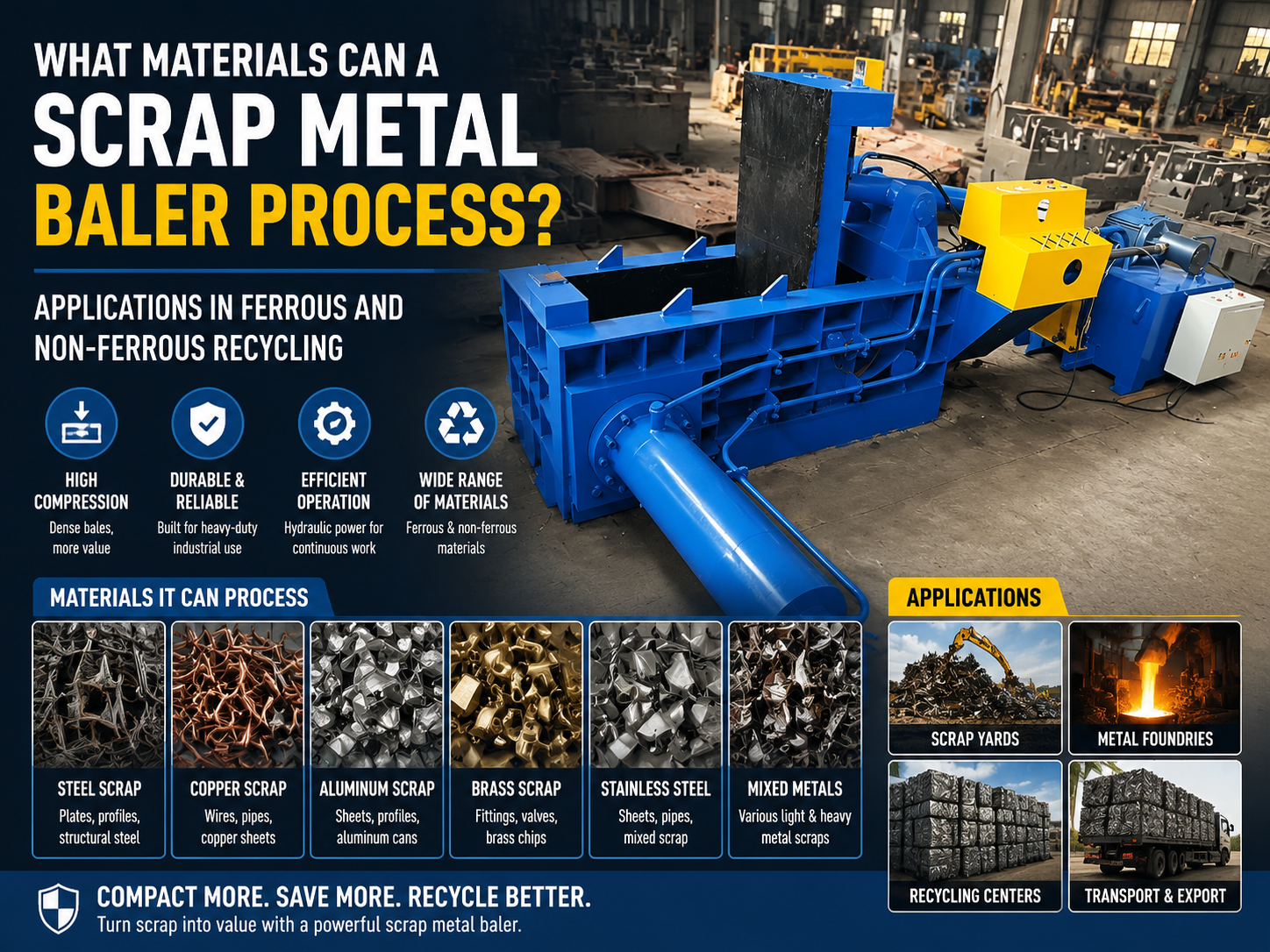
Technical Overview: The Mechanics of Scrap Metal Compaction
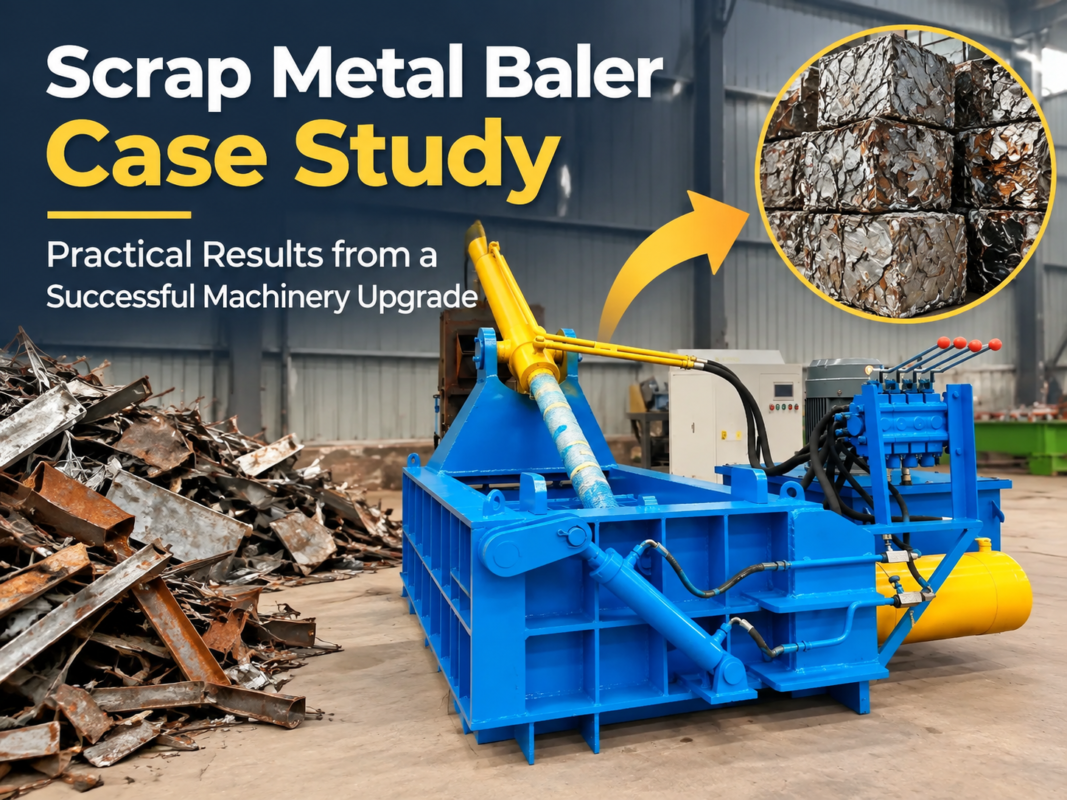
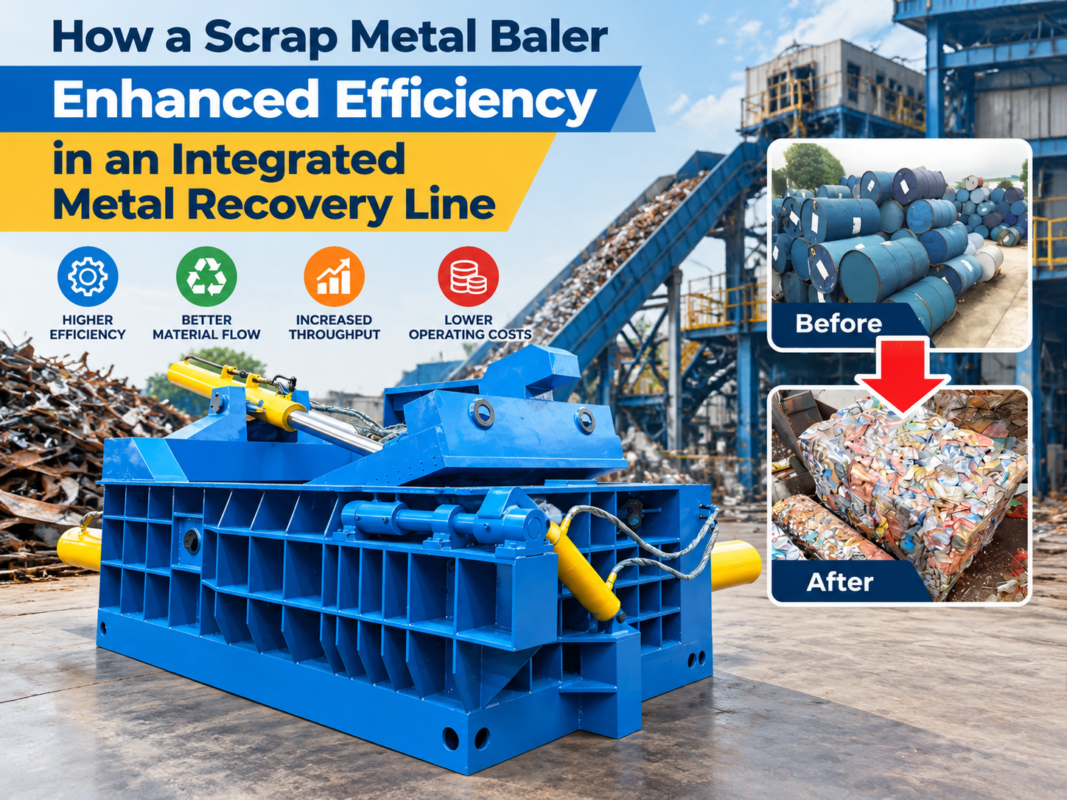
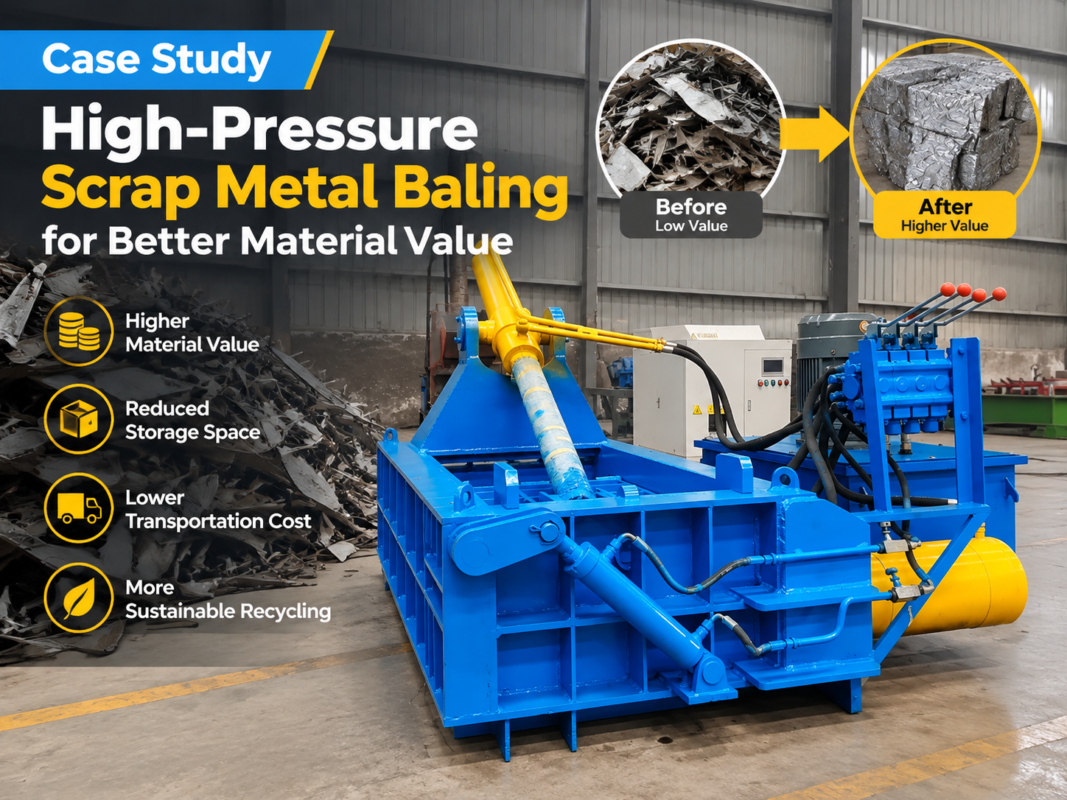
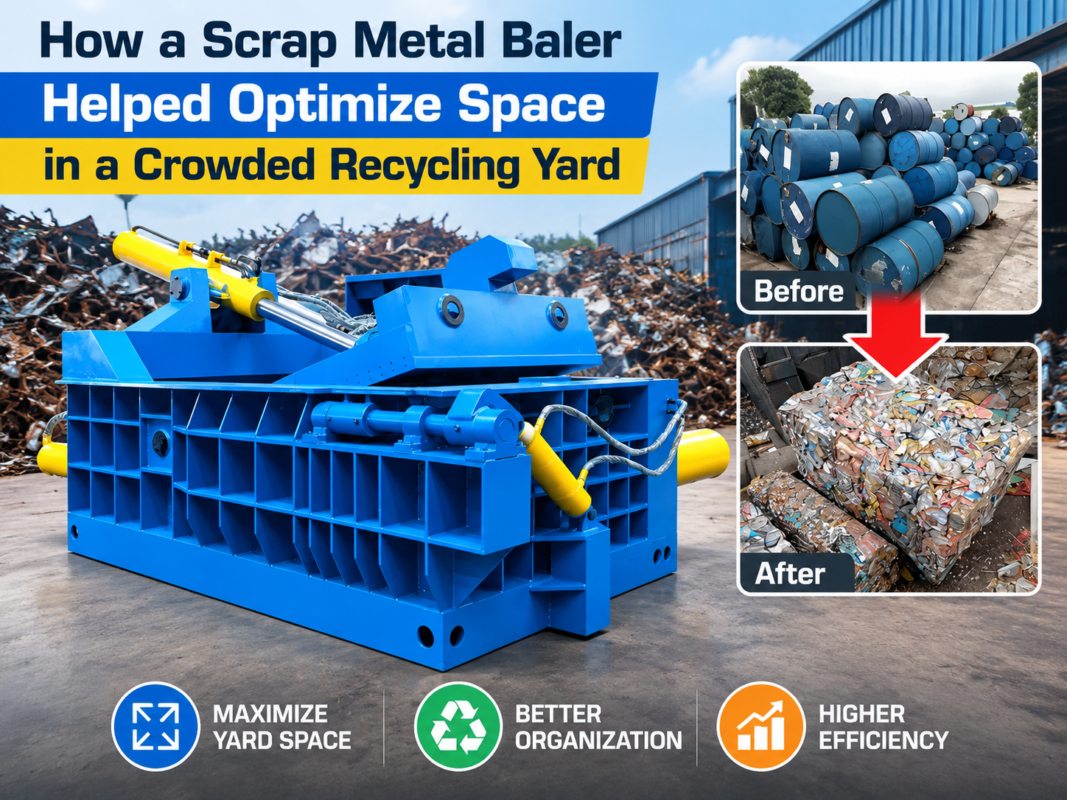
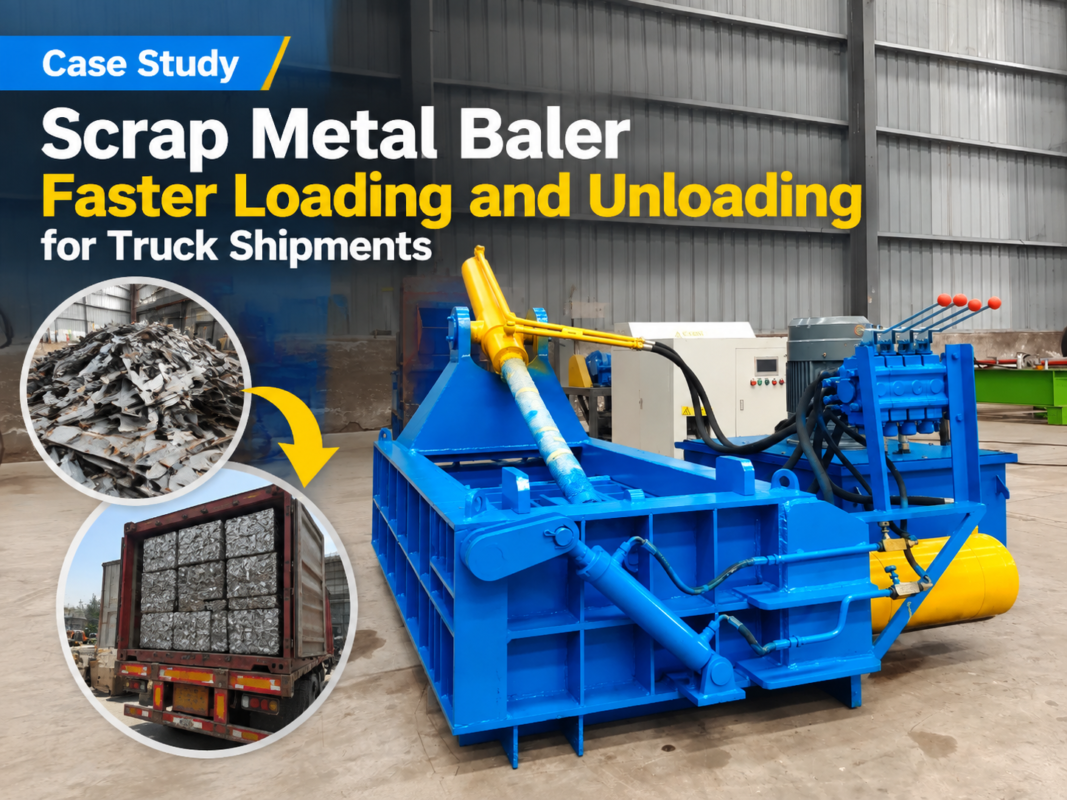
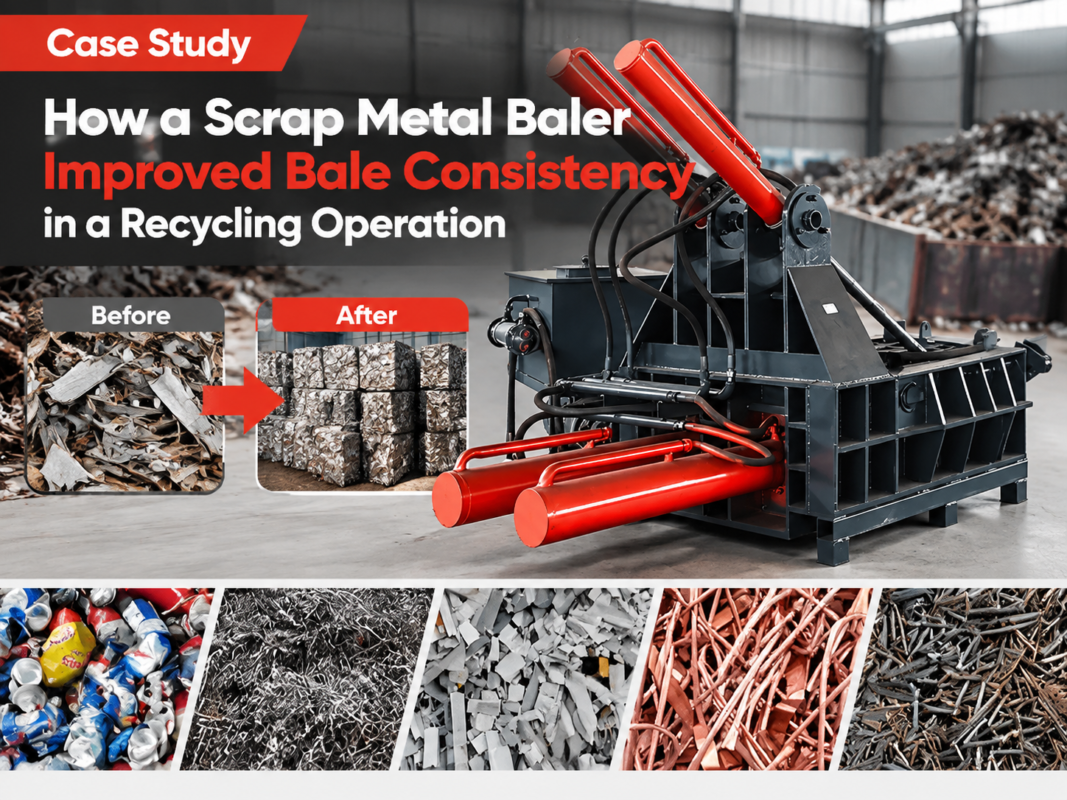
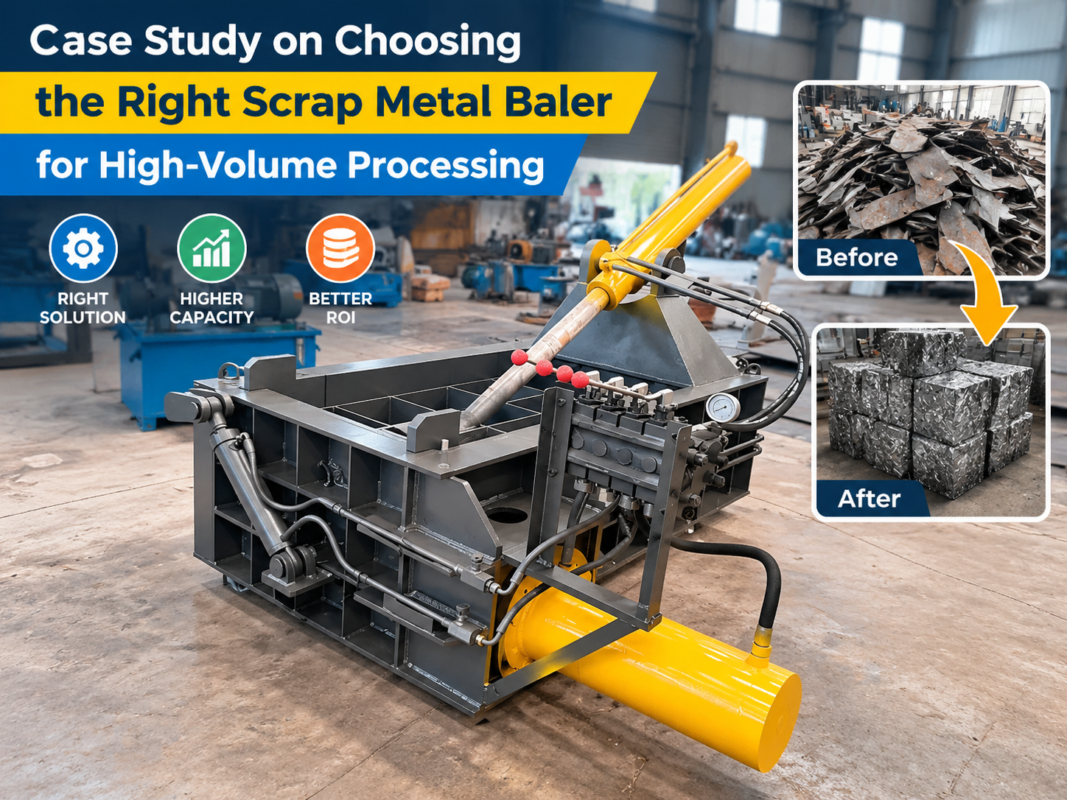
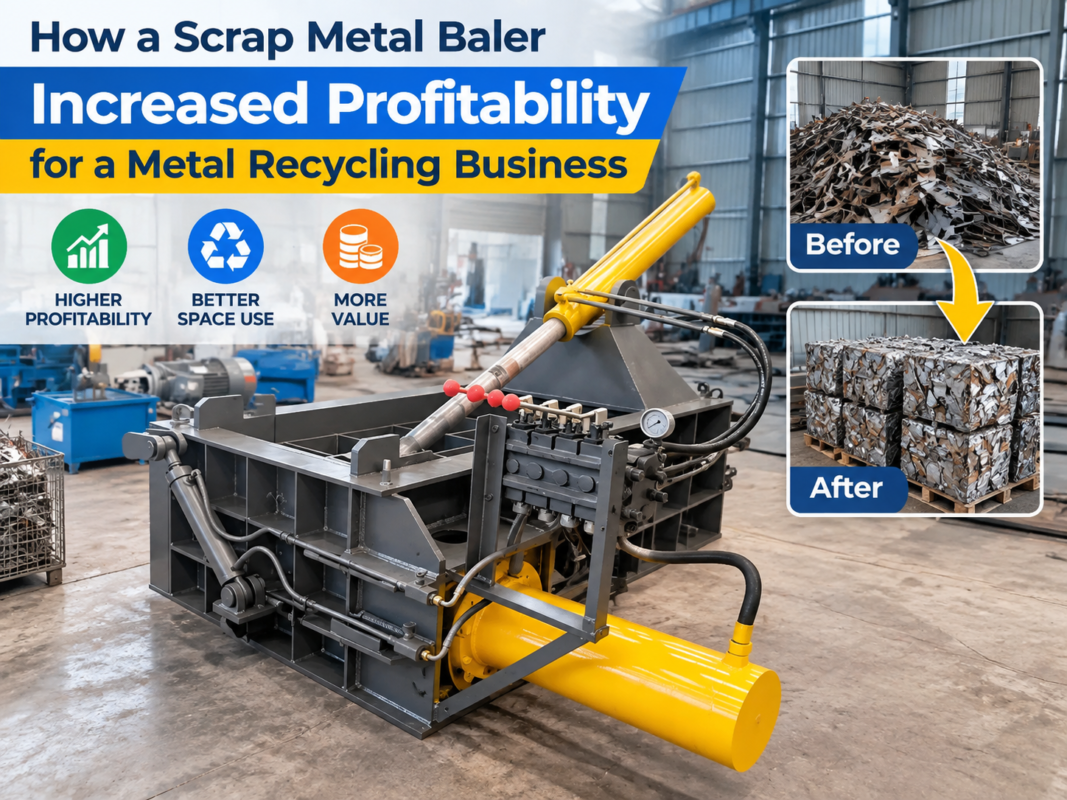
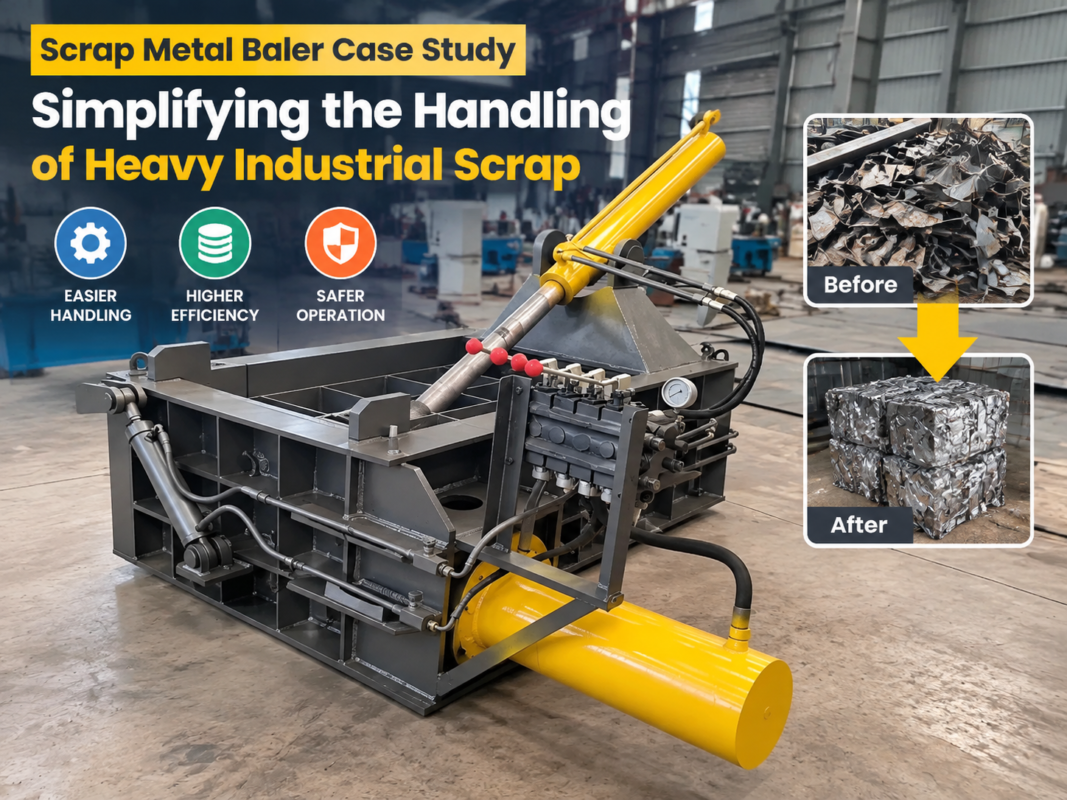
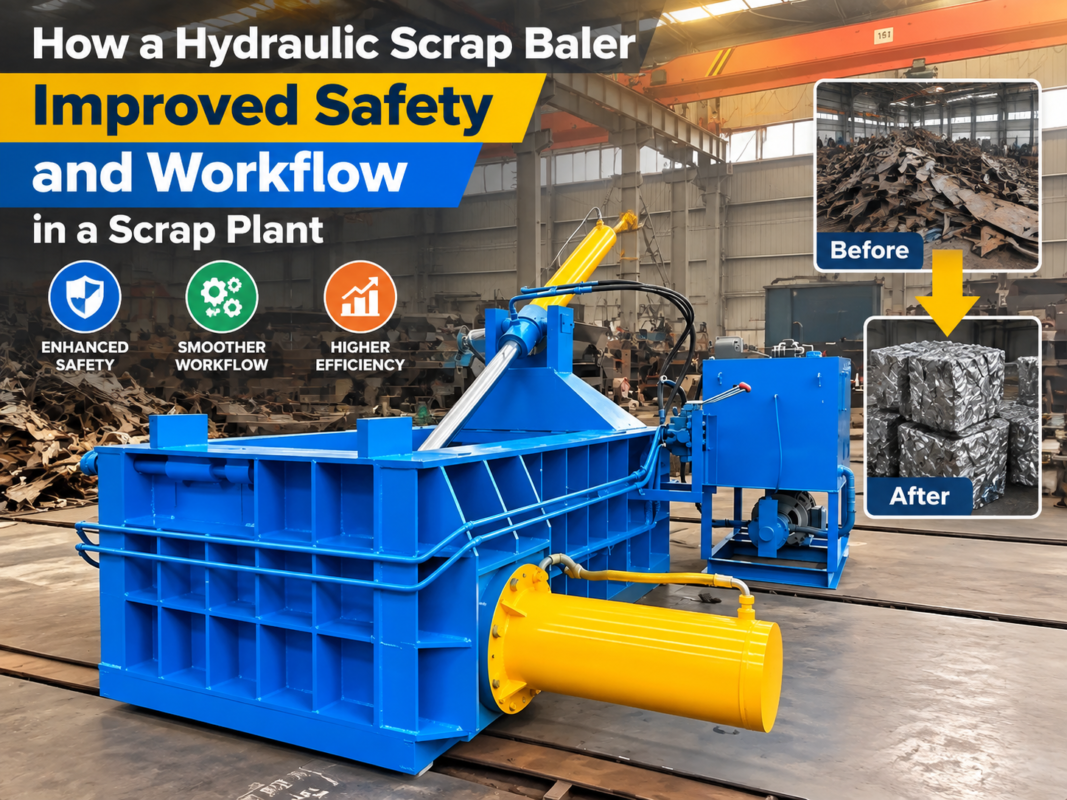
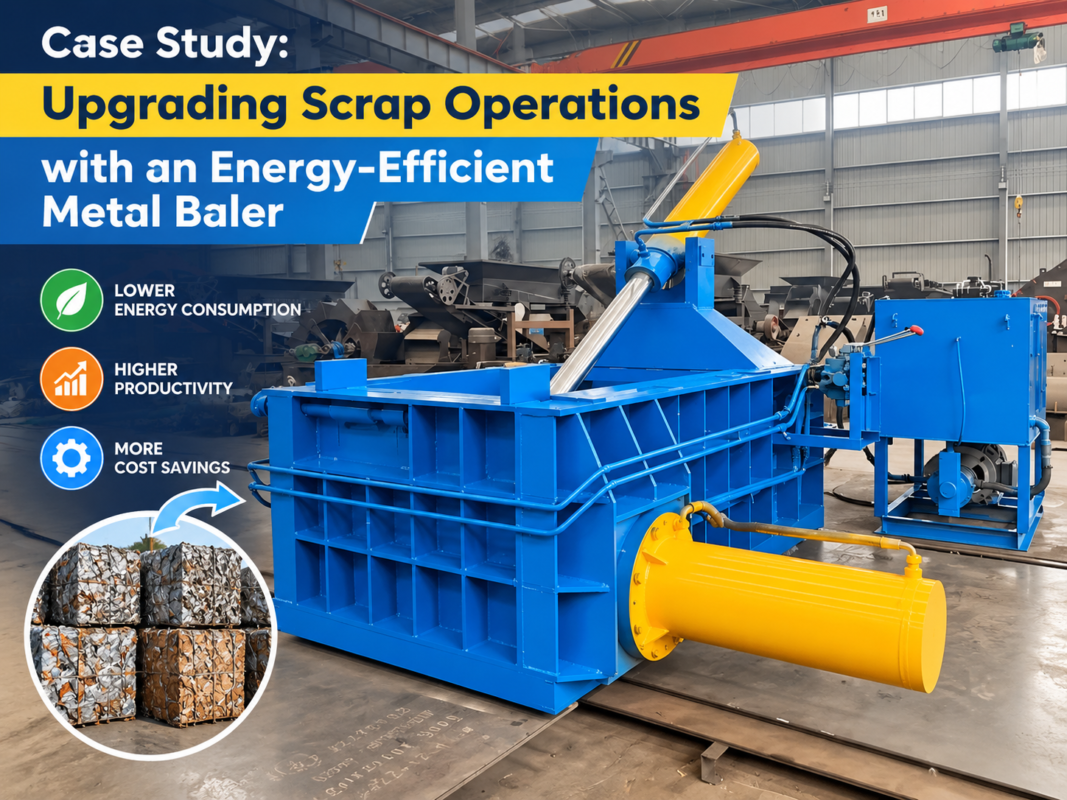
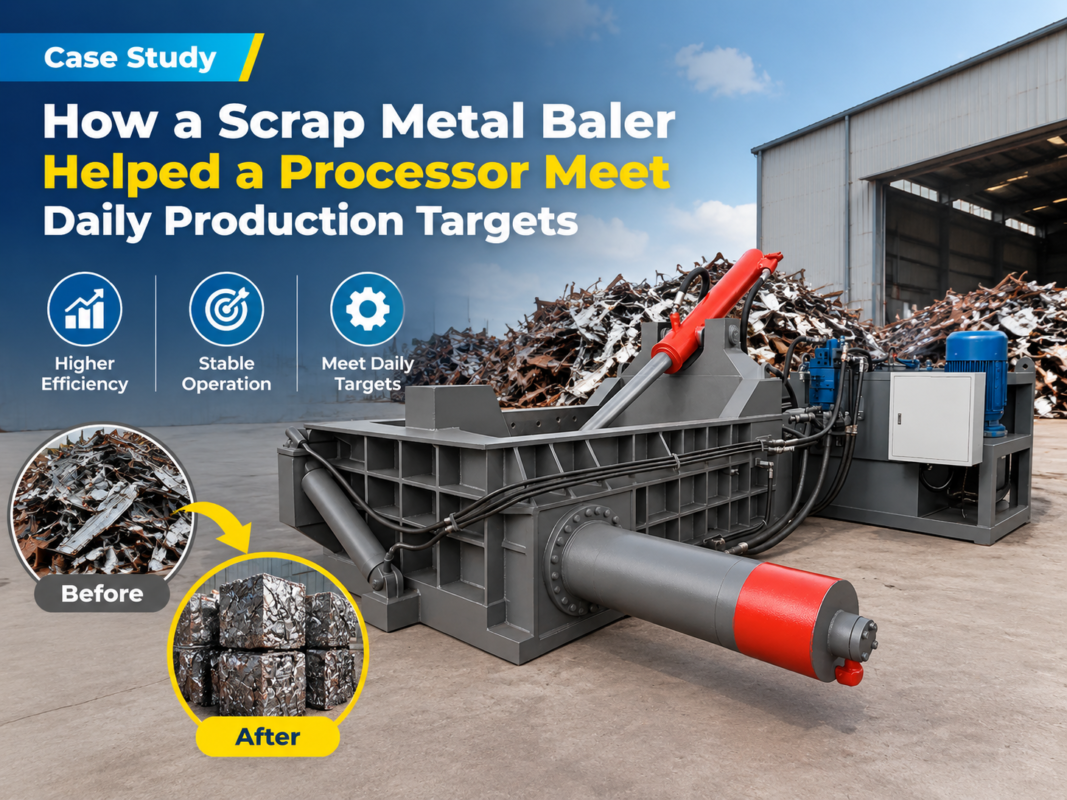
In the modern industrial landscape, the efficiency of a recycling operation is often measured by its ability to transform loose, high-volume scrap into dense, manageable units. A scrap metal baler is the cornerstone of this transformation. At its core, a scrap metal baler is a heavy-duty hydraulic machine designed to compress various types of metal waste into compact blocks, known as bales. This process is not merely about saving space; it is a critical step in the metallurgical supply chain that enhances transport efficiency, reduces storage costs, and prepares material for the melting furnace.
The fundamental physics behind a scrap metal baler involves the application of massive hydraulic force to overcome the yield strength of the metal. When the pressure exerted by the baler’s rams exceeds the material’s resistance, the metal undergoes plastic deformation. In high-performance machines like those manufactured by HARSLE, this process is controlled via sophisticated PLC (Programmable Logic Controller) systems that ensure the pressure is applied evenly, preventing structural failure of the machine while maximizing the density of the bale. The ‘cold welding’ effect, where metal surfaces are pressed so tightly together that they begin to adhere, often occurs in high-pressure baling, resulting in a highly stable and stackable product.
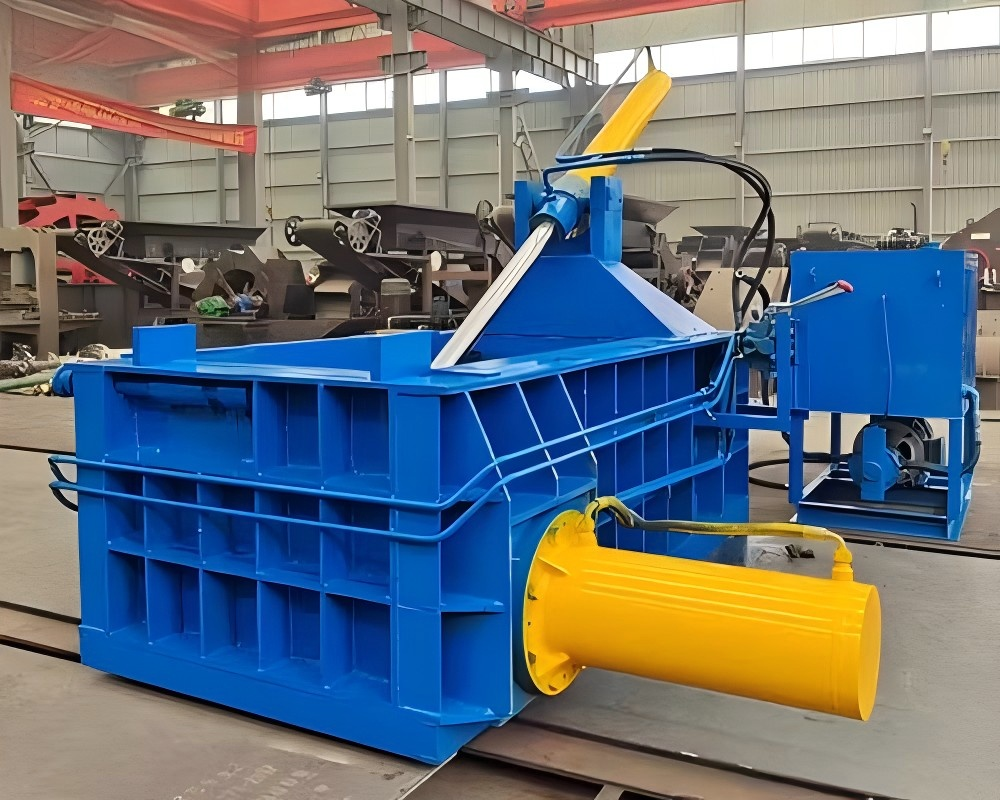
Understanding Materials Can A Scrap Metal Baler Process Applications In Ferrous Non-Ferrous Recycling requires a look at the two primary categories of metals: ferrous and non-ferrous. Ferrous metals, which contain iron, are typically magnetic and known for their tensile strength. Non-ferrous metals, such as aluminum, copper, and brass, are prized for their conductivity and resistance to corrosion. A versatile scrap metal baler must be engineered to handle the varying hardness, elasticity, and density of these different material groups. HARSLE balers are designed with wear-resistant plates (often made of Hardox or similar high-durability alloys) to withstand the abrasive nature of scrap steel while maintaining the precision needed for softer aluminum extrusions.
The technical sophistication of a baler also extends to its shearing capabilities. Many modern balers, particularly the Y81 series, incorporate integrated shearing blades on the lid and the edges of the compression chamber. This allows the machine to cut oversized pieces of scrap as the lid closes, ensuring that the material fits perfectly within the chamber for the final squeeze. This multi-functional approach—combining cutting and pressing—is what allows industrial facilities to process a wide spectrum of materials without needing separate pre-treatment equipment.
Core Parameters of Scrap Metal Balers
When evaluating a scrap metal baler, several core parameters dictate its suitability for specific materials. The most critical parameter is the Nominal Force, usually measured in Kilonewtons (kN) or Tons. For light non-ferrous materials like aluminum cans, a lower tonnage (e.g., 100-125 tons) may suffice. However, for heavy ferrous scrap like structural steel or car bodies, machines with 250 to 600 tons of force are required to achieve the necessary density.
Another vital parameter is the Bale Size. The dimensions of the finished bale must align with the requirements of the end-user (the foundry or smelter) and the logistics of the transport vehicle. Standard bale sizes often range from 300x300mm to 600x600mm. The Cycle Time is also a key performance indicator, representing the time taken to complete one full compression cycle. In high-volume recycling centers, a faster cycle time (e.g., 90 to 120 seconds) directly translates to higher daily throughput and better ROI.
The Chamber Size determines the maximum dimensions of the loose scrap that can be fed into the machine. For large items like white goods (refrigerators, washing machines) or industrial offcuts, a larger hopper and chamber are essential to minimize manual pre-cutting. Furthermore, the Motor Power (measured in kW) drives the hydraulic pumps. A well-matched motor ensures that the hydraulic system can maintain consistent pressure throughout the stroke without overheating or excessive energy consumption.
Calculation Method: Determining Bale Density and Throughput
To optimize the use of a scrap metal baler, engineers must calculate the expected bale density. This is crucial for logistics, as shipping containers have weight limits that are best met when bales are at their maximum density. The formula for Bale Density is:
Bale Density (ρ) = Mass of Material (m) / Volume of Bale (V)
However, predicting this before processing requires understanding the Compaction Ratio of the material. For example, loose aluminum scrap might have a bulk density of 100 kg/m³, while a finished bale might reach 1,200 kg/m³, representing a 12:1 compaction ratio. Ferrous scrap typically requires higher pressure to achieve similar ratios due to its higher yield strength.
To calculate the Hourly Throughput (T), use the following formula:
T = (Bale Weight × 3600) / (Cycle Time + Loading Time)
Where the time is measured in seconds. For instance, if a baler produces a 200kg bale with a total cycle and loading time of 180 seconds, the throughput would be (200 * 3600) / 180 = 4,000 kg/hour (4 tons per hour). By adjusting these variables, facility managers can select a HARSLE baler that meets their specific production targets.
Detailed Parameter Table for HARSLE Y81 Series
The following table outlines the technical specifications for common models used in both ferrous and non-ferrous recycling applications.
| Model | Nominal Force (kN) | Bale Size (mm) | Chamber Size (mm) | Cycle Time (s) | Power (kW) |
|---|---|---|---|---|---|
| Y81-125 | 1250 | 300 x 300 | 1200 x 700 x 600 | ~90 | 15 |
| Y81-160 | 1600 | 350 x 350 | 1400 x 900 x 700 | ~100 | 22 |
| Y81-250 | 2500 | 450 x 450 | 2000 x 1400 x 900 | ~110 | 37 |
| Y81-400 | 4000 | 500 x 500 | 2500 x 2000 x 1000 | ~120 | 45 |
| Y81-600 | 6000 | 600 x 600 | 3000 x 2500 x 1200 | ~150 | 60 |
Common Engineering Mistakes in Metal Baling
One of the most frequent mistakes in scrap metal baling is overloading the chamber. While it may seem efficient to cram as much metal as possible into the hopper, this can lead to ‘bridging,’ where the material jams and prevents the rams from completing their stroke. This puts immense stress on the hydraulic seals and can lead to premature failure. It is always better to follow the manufacturer’s guidelines regarding volume and material distribution.
Another common error is ignoring material hardness. Attempting to bale high-tensile alloy steels or hardened tool steels in a machine designed for mild steel or aluminum can damage the chamber liners and the ram head. The ‘spring-back’ effect is also a factor; some materials have high elasticity and will expand slightly after the pressure is released. If the baler is not designed to handle this expansion, the bale may become stuck in the discharge gate or lose its structural integrity.
Neglecting hydraulic oil maintenance is a critical engineering oversight. The hydraulic system is the heart of the baler. Contaminated oil or oil that has lost its viscosity due to overheating can cause sluggish performance, erratic ram movement, and internal component wear. Regular filtration and cooling system checks are mandatory. Finally, many operators fail to calibrate the pressure sensors. If the PLC receives incorrect data regarding the pressure, it may stop the cycle too early (resulting in loose bales) or too late (straining the frame).
Selection Checklist: Choosing the Right Baler
Selecting the right equipment for Materials Can A Scrap Metal Baler Process Applications In Ferrous Non-Ferrous Recycling involves a systematic evaluation of your operational needs. Use the following checklist to guide your decision:
- Material Type: Are you primarily processing ferrous (steel/iron) or non-ferrous (aluminum/copper) scrap? Ferrous requires higher tonnage.
- Volume and Throughput: How many tons of scrap do you generate per day? This determines the required cycle time and motor power.
- Bale Specifications: What size and weight do your buyers require? Ensure the machine’s bale dimensions match these standards.
- Feeding Method: Will you load the baler manually, with a conveyor, or using a grapple crane? This affects the choice of hopper size and machine orientation.
- Automation Level: Do you need a fully automatic system with a continuous feed, or is a manual/semi-automatic machine sufficient for your labor costs?
- Space Constraints: Does the machine’s footprint fit within your facility? Consider the space needed for the bale discharge and material storage.
- Power Supply: Ensure your facility can provide the necessary voltage and amperage for the baler’s hydraulic motors.
- Maintenance Support: Does the manufacturer (like HARSLE) provide accessible spare parts and technical support in your region?
Applications in Ferrous and Non-Ferrous Recycling
The versatility of a scrap metal baler allows it to be used across various sectors. In Ferrous Recycling, the primary materials include light melt scrap, factory busheling, and shredded steel. Car bodies are a major source of ferrous scrap; once the engine and fluids are removed, the remaining shell is baled to facilitate transport to large-scale shredders. In industrial manufacturing, offcuts from stamping and laser cutting processes are collected and baled to be sent back to the steel mills, closing the production loop.
In Non-Ferrous Recycling, the applications are even more diverse. Aluminum is perhaps the most commonly baled non-ferrous metal, ranging from used beverage cans (UBC) to architectural extrusions and window frames. Copper, due to its high value, is often baled in the form of wire (after stripping) or piping from demolition sites. Brass and bronze fittings are also processed. Because non-ferrous metals are often softer, the baling process must be precise to avoid excessive ‘fines’ or material loss, which is why HARSLE machines feature tight tolerances in the compression chamber.
Beyond standard metals, specialized balers can also process stainless steel, which requires significant force due to its work-hardening properties. Some facilities even use these machines for wire and cable, though care must be taken to ensure the insulation doesn’t interfere with the compaction. By understanding the specific requirements of each material, recyclers can maximize the value of their scrap and contribute to a more sustainable industrial ecosystem.
Frequently Asked Questions (FAQ)
1. Can one baler process both aluminum and steel?
Yes, most industrial scrap metal balers can process both. However, you must ensure the machine has enough tonnage for the steel and that you clean the chamber between different materials to avoid cross-contamination, which can lower the scrap value.
2. How long does a typical scrap metal baler last?
With proper maintenance, a high-quality baler from a reputable manufacturer like HARSLE can last 15 to 20 years or more. Key factors in longevity include regular hydraulic oil changes, replacing wear plates, and not exceeding the machine’s rated capacity.
3. What is the difference between a side-push and a turn-out baler?
A side-push baler ejects the finished bale through a side gate, which is often faster and better for automated lines. A turn-out (or flip-out) baler tips the bale out of the chamber, which can be more cost-effective for smaller operations and prevents the bale from dragging against the chamber floor.
4. Do I need a permit to operate a scrap metal baler?
This depends on your local environmental and zoning regulations. Most industrial recycling operations require permits related to noise, safety, and waste management. Always check with local authorities before installation.
5. Can a baler handle sealed containers like gas cylinders?
No. You should never attempt to bale sealed containers, pressurized tanks, or any closed vessel. These can explode under pressure, causing catastrophic damage to the machine and serious injury or death to operators. All such items must be professionally decommissioned and opened before baling.