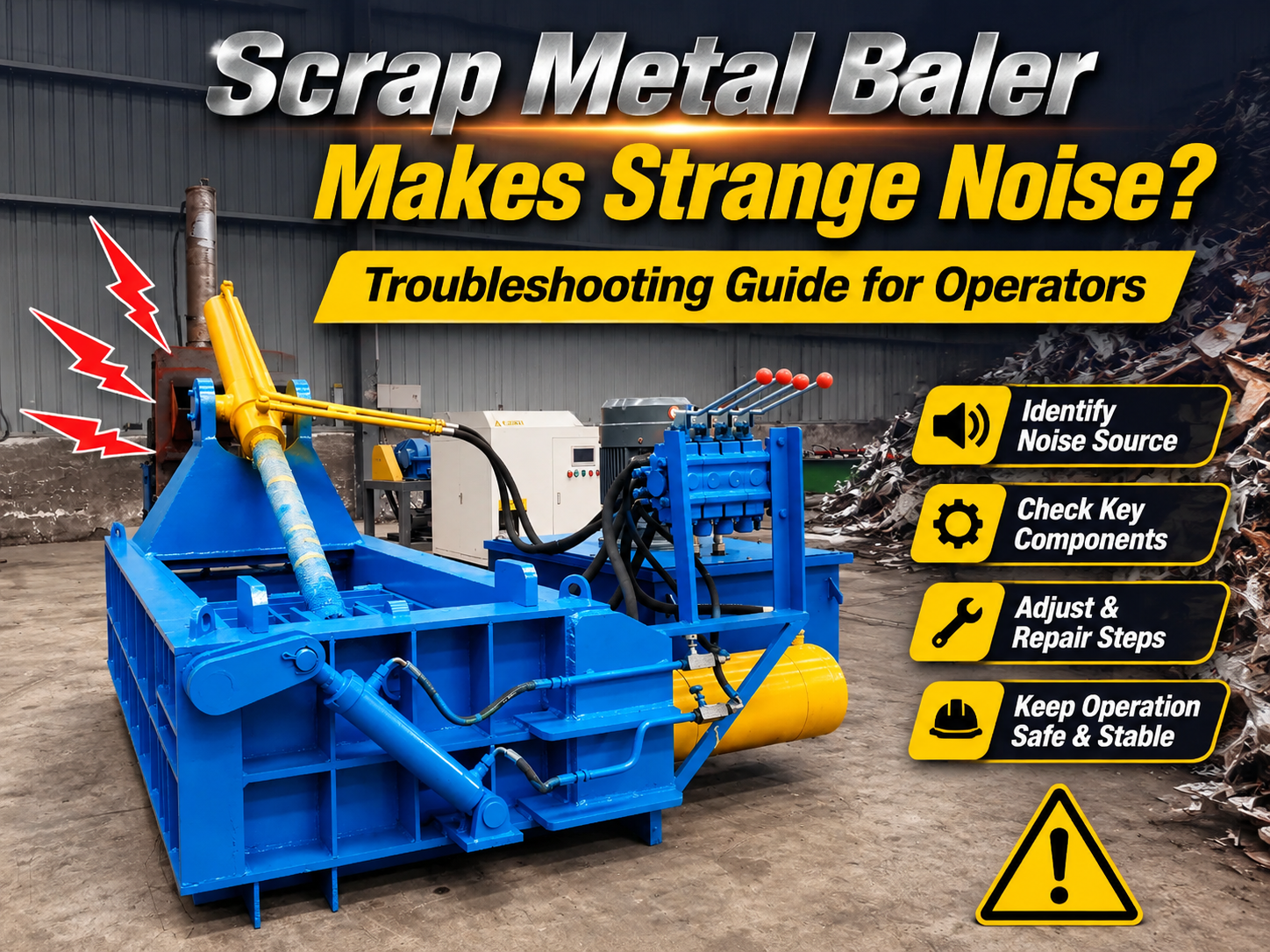
Scrap Metal Baler Makes Strange Noise: Troubleshooting Guide for Operators

Introduction to Scrap Metal Baler Noise Issues
In the high-pressure environment of metal recycling and fabrication, the scrap metal baler serves as the backbone of operational efficiency. When a scrap metal baler makes strange noise, it is rarely just a minor annoyance; it is often a critical diagnostic signal from the machine indicating that internal components are under stress, misaligned, or failing. For operators and maintenance teams, understanding the language of these sounds is essential to preventing catastrophic equipment failure and ensuring workplace safety.
The Scrap Metal Baler Makes Strange Noise Troubleshooting Guide for Operators is designed to help you categorize these sounds—whether they are grinding, banging, whistling, or clicking—and trace them back to their mechanical or hydraulic sources. Ignoring these auditory warnings can lead to costly downtime, expensive component replacements, and potential safety hazards for personnel working in the vicinity of the baling press.
At HARSLE, we emphasize that proactive maintenance is the most effective way to extend the lifespan of your industrial machinery. By learning to identify the early warning signs of mechanical distress, operators can transition from reactive emergency repairs to a scheduled maintenance model. This guide will walk you through the systematic process of diagnosing noise-related issues in your scrap metal baler, ensuring your facility remains productive and safe.
Understanding the difference between normal operating sounds and abnormal noise is the first step in effective troubleshooting. A healthy baler will produce a consistent, rhythmic hum during the compression cycle. Any deviation from this—such as sudden high-pitched squeals or heavy, metallic thuds—requires immediate investigation. This article provides the technical framework necessary to perform these checks safely and effectively.
Key Considerations for Noise Diagnosis
When a Scrap Metal Baler Makes Strange Noise Troubleshooting Operators must first consider the environment and the load being processed. Not all noises are indicative of a broken part; sometimes, the issue lies in the material density or the way the scrap is fed into the chamber. Overloading the chamber or attempting to bale material that exceeds the machine’s rated capacity can cause the hydraulic system to strain, resulting in a high-pitched whine or a labored engine sound.
Another key consideration is the ambient temperature and the state of the hydraulic fluid. Hydraulic systems are highly sensitive to viscosity changes. If the oil is too cold, the pump may cavitate, creating a distinct growling or grinding noise. Conversely, if the oil is overheated or degraded, the internal valves may chatter, leading to erratic clicking sounds. Operators should always check the fluid levels and temperature gauges before assuming a mechanical failure.
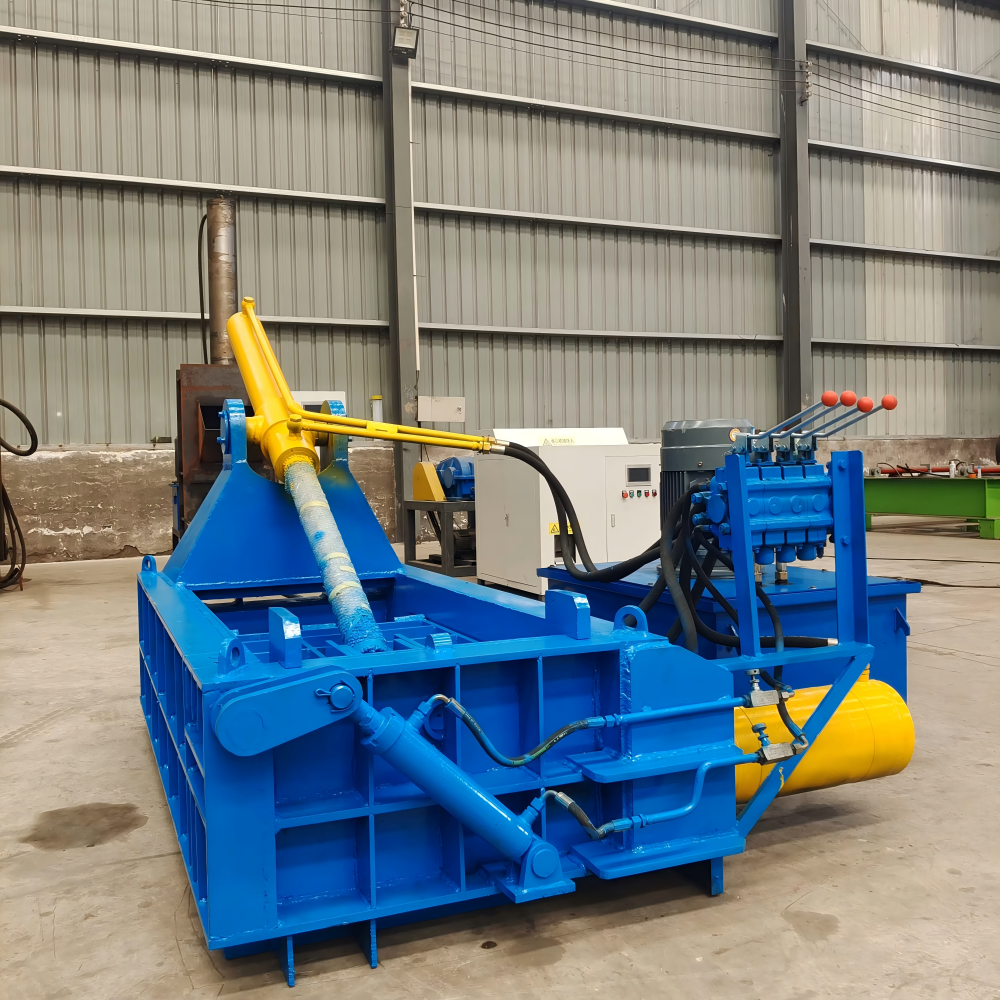
Mechanical alignment is a frequent culprit in noise generation. Over time, the vibration of the baler can cause bolts to loosen and structural components to shift. If the ram is not perfectly aligned with the compression chamber, you may hear a scraping or metallic rubbing sound during the stroke. This is a serious issue that, if left unaddressed, will lead to uneven wear on the guide rails and potential damage to the cylinder seals.
Finally, consider the electrical components. Strange buzzing or humming sounds that do not correlate with the hydraulic cycle may originate from the control panel or the motor contactors. Electrical arcing or loose connections can produce a buzzing sound that is distinct from mechanical noise. Always ensure that the machine is locked out and tagged out (LOTO) before opening any electrical enclosures to inspect for loose wiring or burnt components.
Technical Details: Identifying Specific Sounds
To effectively troubleshoot, operators must categorize the noise. A high-pitched, piercing whistle often points to air in the hydraulic system or a relief valve that is stuck or improperly set. When air is trapped in the hydraulic lines, it compresses and expands, creating a cavitation effect that can damage the pump over time. Bleeding the hydraulic system is a standard maintenance procedure that can often resolve this issue.
A heavy, rhythmic thumping or banging sound usually indicates a mechanical issue. This could be a loose pin in the ram assembly, a worn-out bushing, or debris trapped in the track. If the noise occurs at the same point in every cycle, it is likely related to the physical movement of the ram. Inspect the track and the ram face for any signs of metal-on-metal contact or foreign objects that may have been caught during the loading process.
Grinding noises are particularly concerning as they often signal bearing failure or severe lack of lubrication. If the noise is coming from the motor or the pump, it may indicate that the bearings are worn out and need immediate replacement. If the grinding is coming from the moving parts of the baler, check the lubrication points. Many industrial balers require regular greasing of the guide rails and pivot points to prevent friction-induced noise and premature wear.
Clicking or snapping sounds are often related to the electrical system or the solenoid valves. If a valve is failing to shift properly, it may produce a sharp click as it struggles to overcome internal resistance. This can be caused by electrical issues, such as low voltage, or mechanical issues, such as a clogged valve spool. Using a multimeter to check the voltage at the solenoid can help determine if the problem is electrical or if the valve itself needs to be cleaned or replaced.
Selection Advice for Reliable Equipment
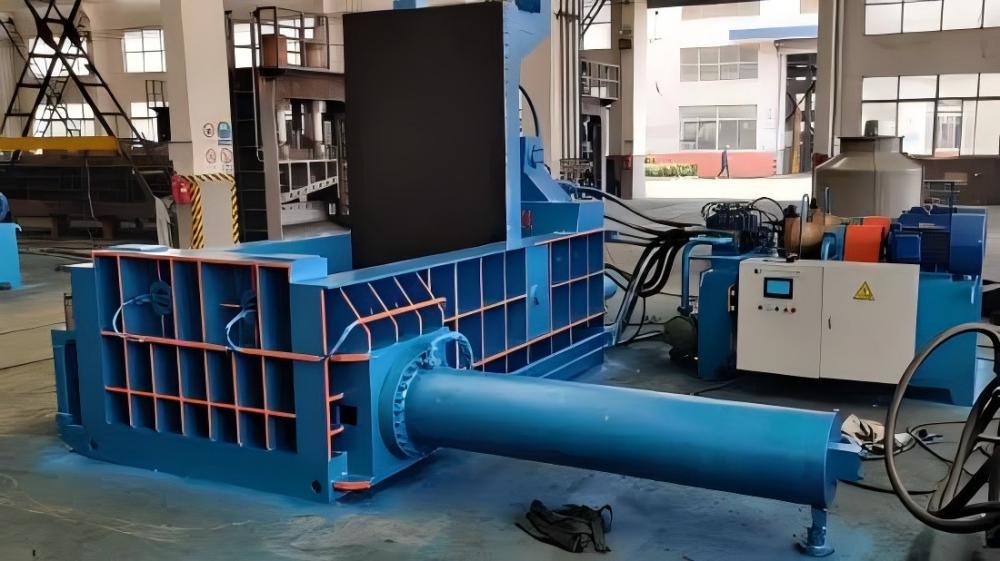
When selecting a new scrap metal baler, the build quality and the reputation of the manufacturer are the best defenses against future noise issues. HARSLE balers are engineered with heavy-duty steel frames and high-quality hydraulic components designed to withstand the rigors of industrial recycling. Choosing a machine with an oversized hydraulic system ensures that the pump is not constantly running at its maximum pressure, which reduces heat and noise generation.
Consider the ease of maintenance when evaluating different models. A machine that provides easy access to the hydraulic pump, valves, and lubrication points will be maintained more frequently and effectively. Look for features such as centralized lubrication systems and diagnostic displays that can alert operators to pressure fluctuations before they manifest as audible noise. These features are standard in modern, high-efficiency balers.
The type of scrap you intend to process should also dictate your choice of equipment. If you are processing heavy-gauge steel, you need a baler with a reinforced chamber and a high-torque motor. Using a light-duty baler for heavy-duty applications is a recipe for mechanical noise and premature failure. Always consult with the manufacturer to ensure the machine’s specifications align with your daily throughput and material types.
Finally, invest in training for your operators. A well-trained operator is the first line of defense against machine damage. They should be able to perform daily pre-start inspections, listen for changes in machine operation, and understand when to shut down the equipment for maintenance. Providing your team with the knowledge to identify issues early will save your company thousands in repair costs and lost production time.
Troubleshooting Checklist for Operators
- Check Hydraulic Fluid: Ensure the oil level is correct and the fluid is not contaminated or degraded.
- Inspect for Debris: Clear the compression chamber and tracks of any scrap metal that may be causing interference.
- Verify Lubrication: Check all grease points and ensure the guide rails are properly lubricated.
- Listen for Cavitation: If the pump sounds like it is pumping gravel, check for air leaks in the suction line.
- Check Electrical Connections: Ensure all wires are tight and there is no evidence of arcing in the control cabinet.
- Monitor Pressure Gauges: Look for erratic pressure readings that could indicate a failing relief valve.
- Examine Mechanical Fasteners: Tighten any loose bolts or pins that may have vibrated loose during operation.
FAQ: Common Questions About Baler Noise
Why does my scrap metal baler make a high-pitched squeal?
A high-pitched squeal is often caused by air in the hydraulic system or a relief valve that is set incorrectly. It can also indicate a belt that is slipping if your baler uses a belt-driven pump system.
Is it normal for a baler to make a loud bang at the end of a cycle?
A loud bang at the end of a cycle is often caused by the ram hitting the end of its stroke or a sudden pressure spike. This should be investigated to ensure the cylinder mounts are secure and the pressure settings are within the manufacturer’s recommendations.
How often should I lubricate my baler to prevent noise?
Lubrication frequency depends on the usage intensity. As a general rule, follow the manufacturer’s maintenance schedule, which typically requires daily or weekly greasing of high-friction points.
Can low hydraulic oil cause noise?
Yes, low hydraulic oil can cause the pump to draw in air, leading to cavitation, which produces a loud, grinding, or growling noise. Always maintain the oil level within the specified range on the sight glass.
What should I do if the noise persists after basic checks?
If you have performed all basic checks and the noise persists, stop the machine immediately and contact a certified technician. Continuing to operate a noisy machine can lead to catastrophic failure.
Conclusion
The Scrap Metal Baler Makes Strange Noise Troubleshooting Guide for Operators serves as a vital resource for maintaining the health of your industrial equipment. By paying close attention to the sounds your baler produces, you can identify potential issues before they escalate into expensive repairs. Whether it is a simple lubrication issue or a more complex hydraulic failure, a systematic approach to troubleshooting will keep your operations running smoothly.
At HARSLE, we are committed to providing not only the highest quality metal fabrication equipment but also the knowledge required to maintain it. Remember that the longevity of your baler depends on consistent maintenance, proper operator training, and a proactive approach to addressing mechanical anomalies. By following the steps outlined in this guide, you can ensure that your scrap metal baler remains a reliable and efficient asset for your facility for years to come.
Always prioritize safety when performing any maintenance or troubleshooting tasks. Never attempt to bypass safety interlocks or work on the machine while it is powered on unless specifically instructed to do so for diagnostic purposes. With the right tools, knowledge, and attention to detail, you can effectively manage your equipment and minimize the impact of unexpected noise issues on your production schedule.