How to Fix Scrap Metal Baler Hydraulic Pressure Loss During Operation: A Comprehensive HARSLE Guide

Introduction to Hydraulic Pressure Stability in Scrap Metal Balers
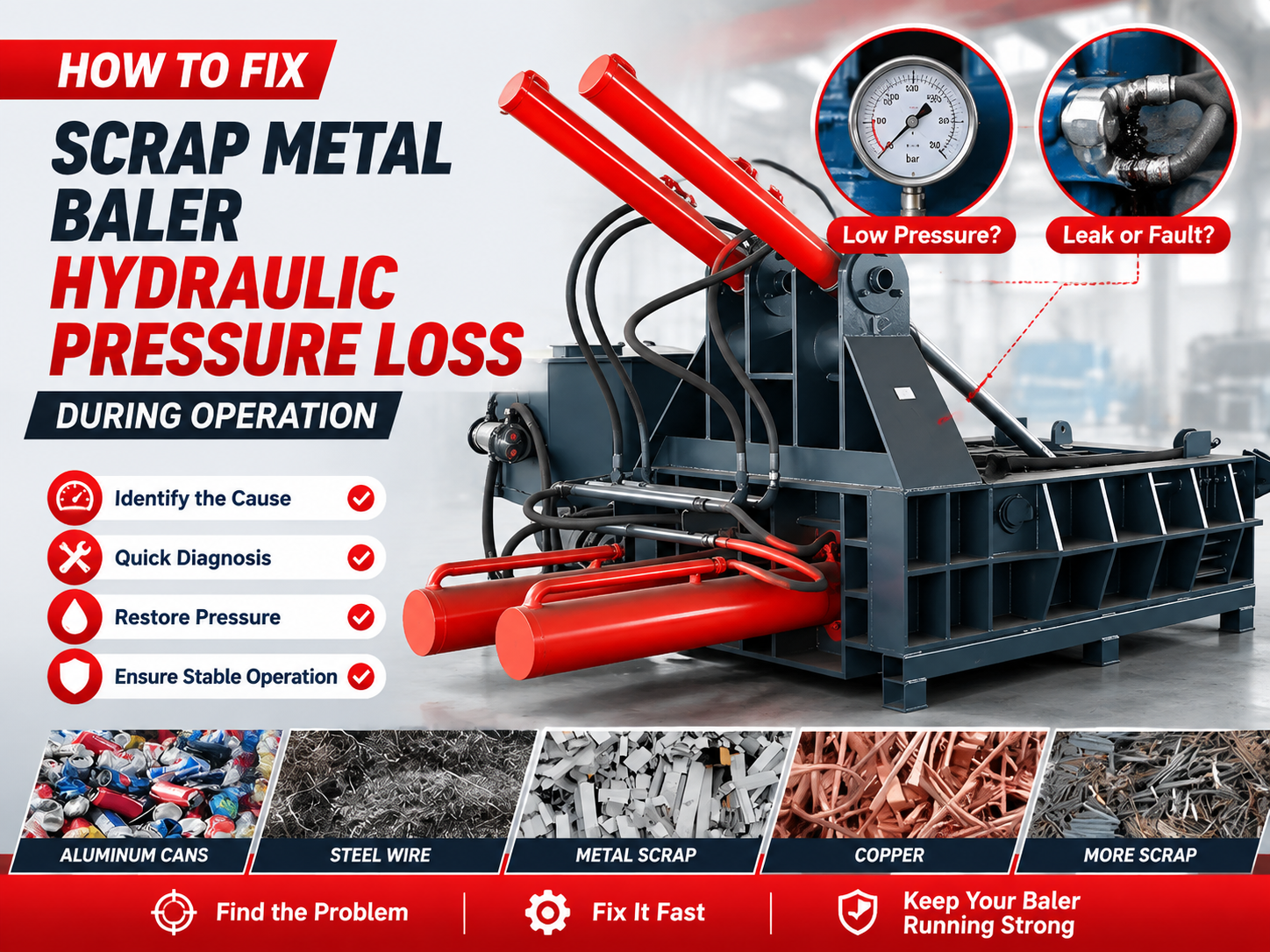
In the high-stakes environment of metal recycling and fabrication, the scrap metal baler serves as the backbone of operational efficiency. When you encounter a situation where you need to fix scrap metal baler hydraulic pressure loss during operation, the urgency is palpable. A drop in hydraulic pressure not only slows down production cycles but can also lead to poorly compacted bales, increased energy consumption, and potential damage to the structural integrity of the machine. At HARSLE, we emphasize that understanding the hydraulic circuit is the first step toward maintaining peak performance.
Hydraulic pressure loss is rarely a singular event; it is often the culmination of wear, fluid degradation, or component failure. Whether you are operating a vertical baler or a high-capacity horizontal system, the principles of fluid power remain consistent. This guide is designed to walk operators and maintenance technicians through the systematic process of identifying, isolating, and resolving pressure issues to ensure your facility remains productive and safe.
The complexity of modern metal fabrication equipment means that troubleshooting requires a methodical approach. By focusing on the hydraulic pump, relief valves, seals, and fluid quality, you can effectively diagnose the root cause of pressure instability. This article provides the technical depth required to handle these challenges, ensuring that your HARSLE machinery continues to deliver the high-density bales your business demands.
Key Considerations for Hydraulic System Health
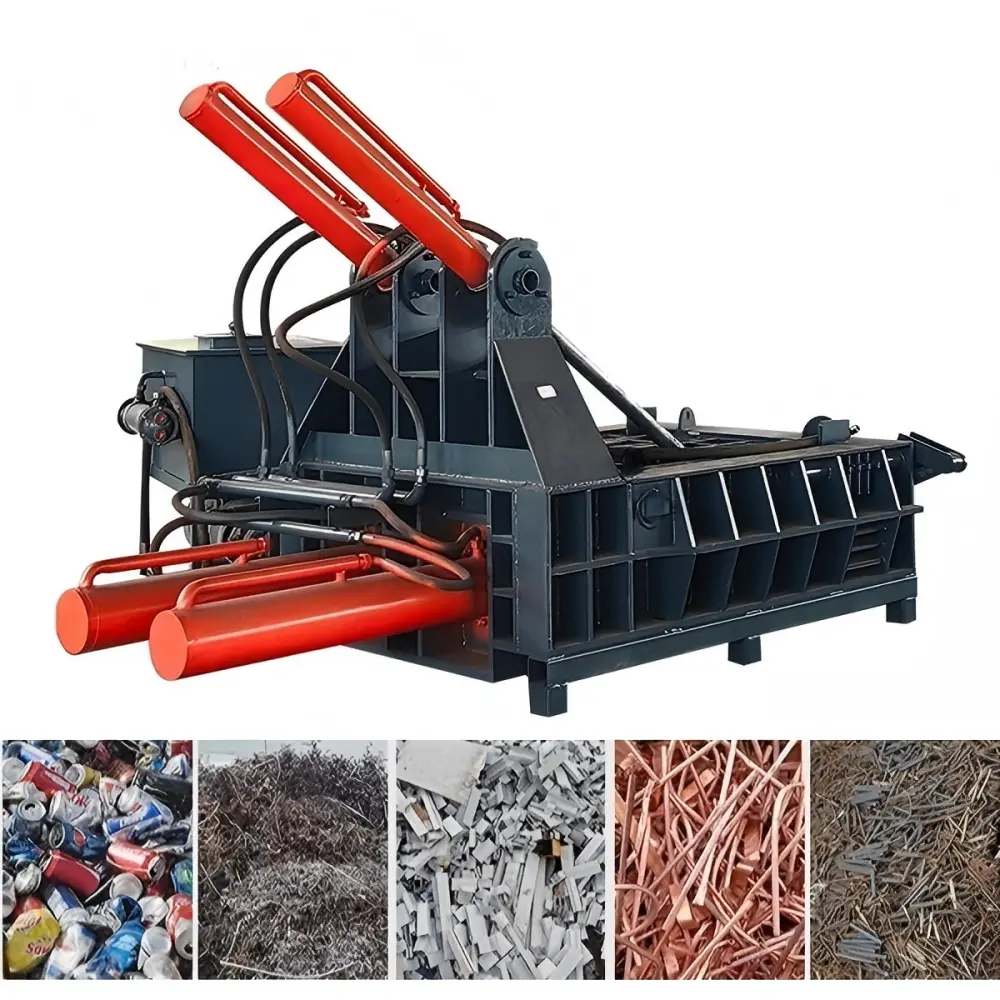
Before diving into complex repairs, it is essential to establish a baseline for your hydraulic system’s health. The most common oversight in industrial machinery maintenance is the neglect of hydraulic fluid quality. Fluid acts as both the power transmission medium and the lubricant for the entire system. If the fluid is contaminated with metal shavings, moisture, or air, the internal components of the pump and valves will experience accelerated wear, leading to internal leakage and subsequent pressure drops.
Temperature management is another critical factor. Hydraulic systems are designed to operate within specific temperature ranges. When the oil becomes too hot, its viscosity drops, causing it to bypass seals and internal clearances more easily. This “thinning” of the oil is a frequent culprit when operators report pressure loss during prolonged operation. Monitoring your oil cooler and ensuring that the cooling fan or heat exchanger is functioning correctly is a vital part of your daily inspection routine.
Furthermore, the integrity of the hydraulic hoses and fittings cannot be ignored. Over time, high-pressure cycles can cause micro-fractures in hoses or loosen threaded connections. While external leaks are easy to spot, internal leaks—where fluid bypasses the piston seal inside the cylinder—are more insidious. These internal bypasses are often the primary reason for a loss of force during the compression stroke, making it difficult to achieve the required bale density.
Finally, consider the role of the operator in system longevity. Sudden, jerky movements or overloading the chamber beyond the machine’s rated capacity can cause pressure spikes that damage relief valves. Establishing standard operating procedures (SOPs) that prioritize smooth, consistent cycles will significantly reduce the frequency of hydraulic failures. Regular training ensures that the team understands the machine’s limitations and knows how to report early warning signs of pressure instability.
Technical Details: Diagnosing and Fixing Pressure Loss
To effectively fix scrap metal baler hydraulic pressure loss during operation, you must adopt a diagnostic mindset. Start by checking the hydraulic pump. The pump is the heart of the system; if it is failing to deliver the required flow, pressure will inevitably drop. Use a flow meter to verify the pump’s output against the manufacturer’s specifications. If the flow is significantly lower than the rated capacity, the pump may be suffering from internal wear, requiring a rebuild or replacement.
Next, inspect the main relief valve. The relief valve is designed to protect the system from over-pressurization, but if it is stuck in a partially open position, it will dump fluid back into the reservoir, preventing the system from reaching its target pressure. Carefully disassemble the relief valve to check for debris or a broken spring. Often, a small piece of contaminant can prevent the valve from seating properly, leading to a constant pressure bleed.
The hydraulic cylinders are the next point of investigation. If the pressure gauge shows that the system is building pressure but the ram is moving slowly or failing to compress the metal, the issue is likely an internal seal bypass. This occurs when the piston seals inside the cylinder are worn, allowing high-pressure fluid to leak into the low-pressure side of the cylinder. Replacing these seals is a standard maintenance task that can restore the machine to its original force capacity.
Don’t overlook the hydraulic filters. A clogged filter restricts the flow of oil to the pump, causing cavitation. Cavitation is extremely damaging to hydraulic pumps and can cause erratic pressure behavior. Replace your filters according to the HARSLE maintenance schedule, and always use the specified micron rating to ensure adequate filtration without restricting flow. Keeping the reservoir clean and free of sludge is essential for the longevity of all downstream components.
Selection Advice: Choosing the Right Baler for Your Needs
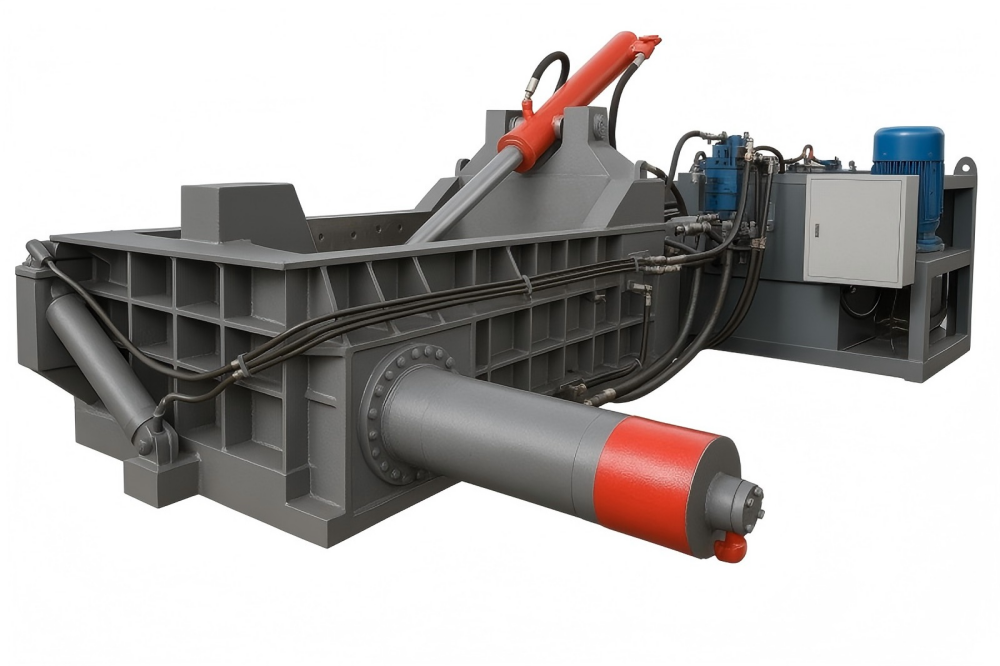
When selecting a scrap metal baler, the hydraulic system’s design should be a primary consideration. HARSLE offers various configurations, from semi-automatic to fully automatic systems, each with different hydraulic requirements. If your operation involves heavy-duty scrap, such as thick steel plates or automotive parts, you need a baler with a robust hydraulic system capable of handling high-pressure demands without constant maintenance intervention.
Consider the cycle time versus the force capacity. A machine that is pushed to its absolute limit on every cycle will experience faster wear on seals and valves. It is often more cost-effective to invest in a slightly larger machine that operates at 70-80% of its capacity than to run a smaller machine at 100% capacity. This overhead provides a buffer that extends the life of your hydraulic components and reduces the frequency of pressure-related repairs.
Look for machines that feature high-quality, easily accessible hydraulic components. HARSLE prioritizes the use of standard, globally available valves and pumps, which simplifies the repair process. When you can source replacement parts quickly, your downtime is minimized. Avoid machines with proprietary, hard-to-source hydraulic components that force you into expensive, long-lead-time service contracts.
Finally, evaluate the integration of smart monitoring systems. Modern scrap metal balers often come equipped with sensors that monitor pressure, temperature, and oil quality in real-time. These systems can alert operators to potential issues before they result in a total loss of pressure. Investing in a machine with advanced diagnostics is a proactive way to manage maintenance and ensure that your production line remains uninterrupted.
FAQ: Common Questions Regarding Hydraulic Pressure
Why does my baler lose pressure only when the oil gets hot?
This is typically a sign of internal leakage. As oil heats up, its viscosity decreases. If your seals or pump clearances are worn, the thinner oil leaks past them more easily, resulting in a drop in pressure. Check your oil cooler and consider using a higher-viscosity oil if recommended by the manufacturer.
How often should I change the hydraulic fluid?
Hydraulic fluid should be changed based on the machine’s operating hours and the environment. In dusty or high-heat environments, you may need to change it more frequently. Always follow the HARSLE maintenance manual, and perform regular oil analysis to detect contamination early.
Can a dirty air breather cause pressure loss?
Yes. If the air breather on the reservoir is clogged, it can create a vacuum as the oil level drops, which restricts the pump’s ability to draw fluid. This can lead to cavitation and erratic pressure behavior. Ensure the breather is clean and replaced periodically.
What should I do if the pressure gauge is fluctuating?
Fluctuating pressure often indicates air in the system or a failing pump. Bleed the air from the cylinders and check for any loose suction-side fittings that might be allowing air to enter the system. If the issue persists, have the pump inspected for internal damage.
Conclusion: Maintaining Operational Excellence
Learning how to fix scrap metal baler hydraulic pressure loss during operation is a vital skill for any facility manager or maintenance technician. By understanding the interplay between fluid quality, component wear, and system design, you can transform your maintenance strategy from reactive to proactive. HARSLE is committed to providing not only the highest quality metal fabrication equipment but also the knowledge required to keep your machinery running at peak efficiency.
Remember that consistent maintenance—such as regular filter changes, seal inspections, and temperature monitoring—is the most effective way to prevent pressure loss before it occurs. When issues do arise, follow the systematic diagnostic steps outlined in this guide to isolate the problem and implement a lasting solution. By prioritizing the health of your hydraulic system, you ensure the safety of your operators, the quality of your output, and the long-term profitability of your recycling operations.
As you continue to utilize your HARSLE scrap metal baler, keep these technical insights in mind. Whether you are dealing with a minor valve adjustment or a major seal replacement, the goal remains the same: restoring the power and precision that your business relies on. For further technical support or to explore our latest range of metal fabrication equipment, reach out to the HARSLE support team, where our experts are always ready to assist you in maintaining your competitive edge in the metal recycling industry.