Production Optimization Guide for Aluminium Extrusion Press Facilities: Maximizing Efficiency and Output

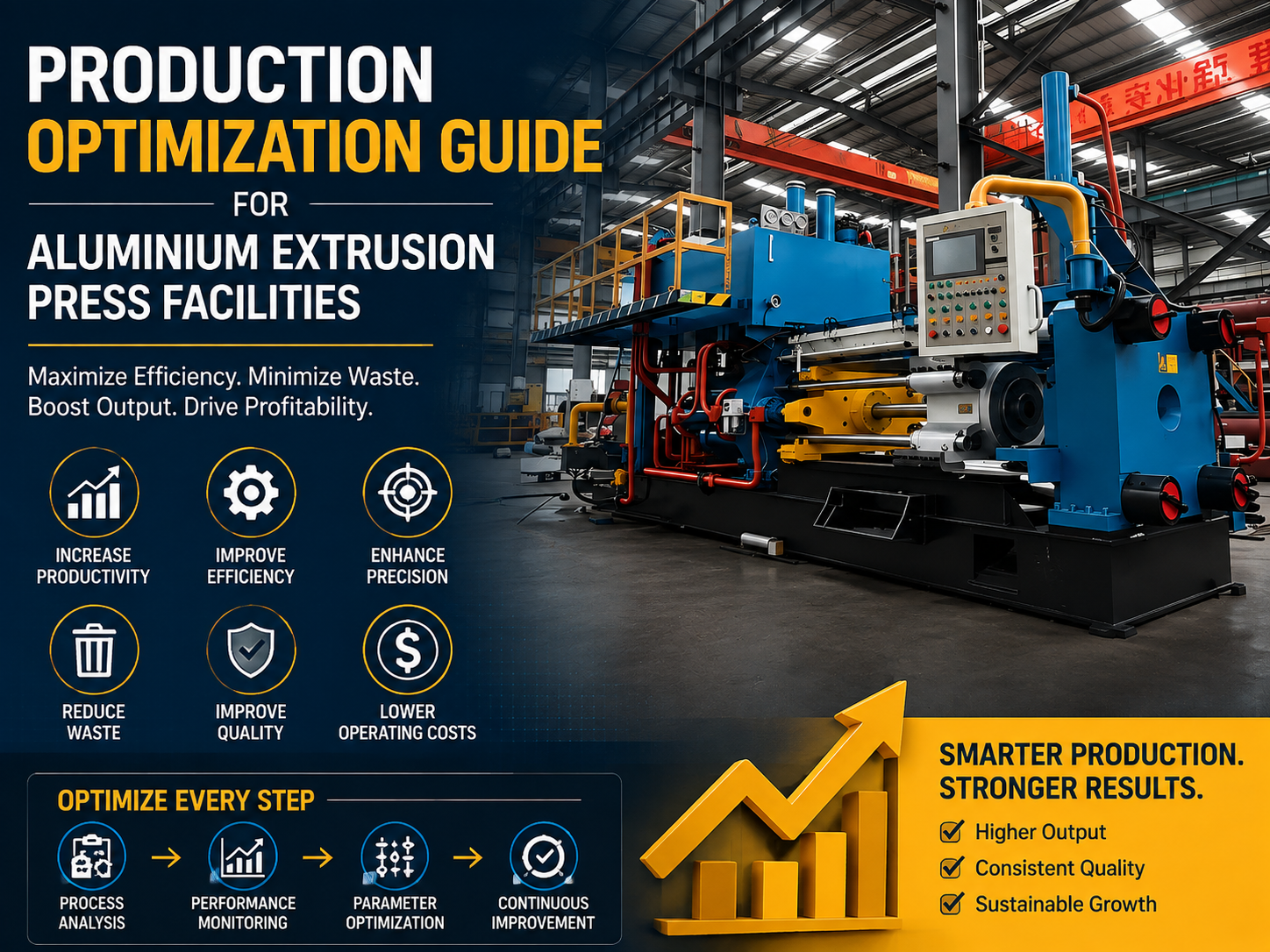
Technical Overview: The Mechanics of Aluminium Extrusion
Aluminium extrusion is a sophisticated metal fabrication process that transforms aluminium alloy billets into continuous profiles with specific cross-sectional shapes. At the heart of this process lies the aluminium extrusion press, a high-pressure hydraulic machine that forces heated metal through a precision-engineered die. For facility managers, understanding the interplay between hydraulic force, billet temperature, and ram speed is the foundation of effective production optimization.
Modern extrusion facilities are increasingly moving toward automated, high-speed systems. The efficiency of these facilities depends on the seamless integration of the billet furnace, the extrusion press, the cooling table, and the profile handling system. When these components are synchronized, the facility can achieve higher throughput, reduced scrap rates, and superior surface finish quality, which are the primary goals of any production optimization strategy.
The extrusion process begins with the heating of the aluminium billet to a plastic state, typically between 400°C and 500°C. Once the billet is loaded into the container, the main ram applies immense pressure to force the metal through the die orifice. The resulting profile is then cooled and cut to length. Optimization in this context involves minimizing the ‘dead cycle’ time—the time the press spends not extruding—and maximizing the ‘run-out’ speed without compromising the structural integrity of the aluminium.
HARSLE’s approach to production optimization focuses on the stability of the hydraulic system and the precision of the control logic. By utilizing advanced PLC systems, operators can monitor real-time pressure fluctuations and adjust ram speeds dynamically. This technical oversight is critical for facilities looking to scale their operations while maintaining strict ISO quality standards for their extruded products.
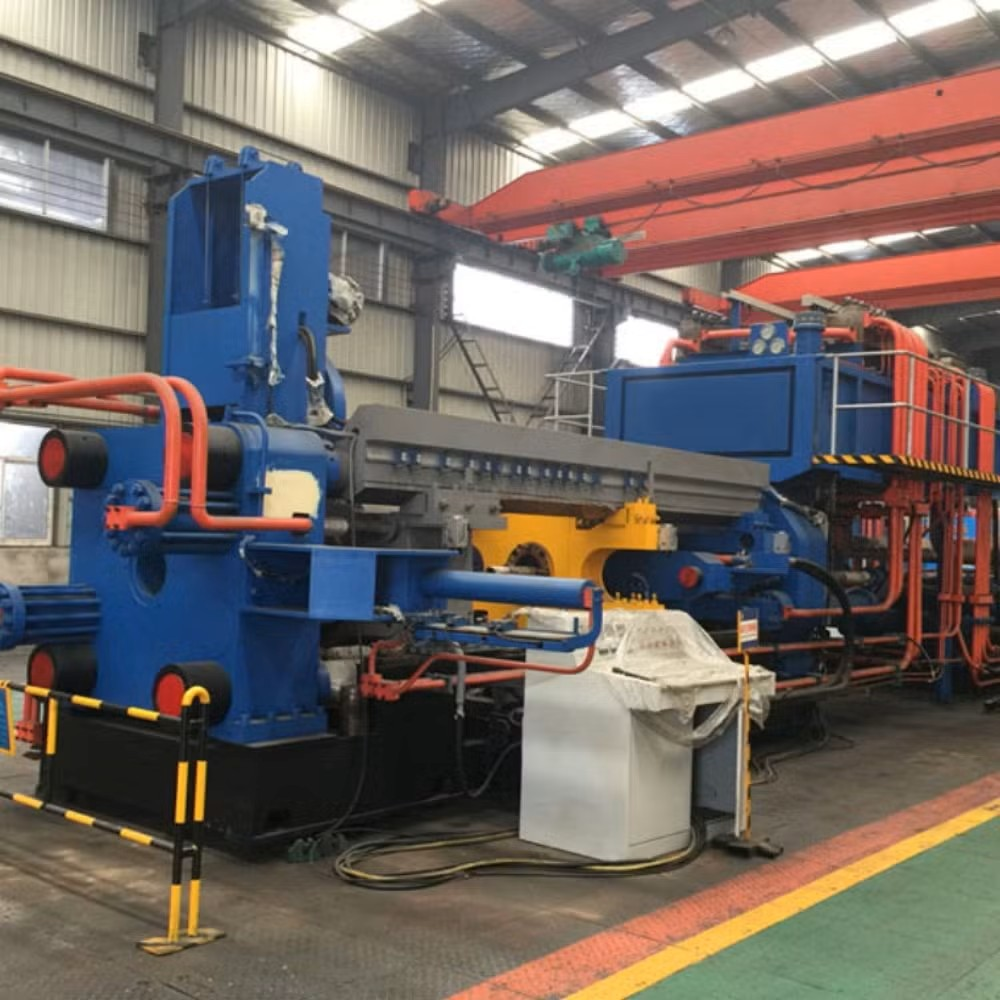
Core Parameters for Production Optimization Aluminium Extrusion Press Facilities
To achieve peak performance, facility managers must focus on several core parameters that dictate the output quality and quantity. The first is the extrusion ratio, which is the relationship between the cross-sectional area of the billet and the cross-sectional area of the final profile. A higher ratio requires significantly more pressure and heat management, directly impacting the speed at which the press can operate.
Billet temperature management is the second critical parameter. If the billet is too cold, the extrusion pressure spikes, potentially damaging the die or the press container. If it is too hot, the surface finish of the profile may suffer from ‘tearing’ or ‘pick-up’ defects. Optimization requires a tight tolerance on temperature control, often managed through induction heating systems that provide uniform heat distribution across the entire billet length.
Ram speed control is the third pillar of optimization. While faster speeds increase throughput, they also increase the heat generated by friction at the die face. Advanced facilities use isothermal extrusion techniques, where the ram speed is automatically reduced as the billet is consumed to maintain a constant exit temperature. This prevents overheating and ensures consistent mechanical properties throughout the entire length of the extruded profile.
Finally, the container sealing and alignment are vital. Any misalignment between the ram, the container, and the die will result in uneven wall thickness and increased scrap. Regular calibration of the press alignment is a non-negotiable aspect of production optimization. By maintaining these core parameters, facilities can ensure that their aluminium extrusion press operates at its theoretical maximum efficiency for longer periods.
Calculation Method for Extrusion Efficiency
Calculating the efficiency of your extrusion line requires a data-driven approach. The primary metric is the Overall Equipment Effectiveness (OEE), which is calculated by multiplying Availability, Performance, and Quality. Availability is the ratio of actual operating time to planned production time. Performance is the ratio of actual output to the theoretical maximum output of the press.
To calculate the theoretical maximum output, you must consider the cycle time of the press. The cycle time includes the time taken to load the billet, the extrusion time, the time taken to shear the butt, and the time to retract the ram. By identifying the bottleneck in this cycle, managers can implement targeted improvements. For instance, if the loading time is excessive, upgrading the billet loader or the furnace transfer system can yield immediate gains in total daily output.
Another essential calculation is the scrap rate analysis. This involves tracking the ‘butt’ length, the ‘front-end’ scrap (caused by oxide skin), and the ‘back-end’ scrap (caused by air entrapment). By optimizing the die design and the billet length, facilities can reduce these scrap percentages. A 1% reduction in scrap across a high-volume facility can translate into significant annual cost savings, directly impacting the bottom line.
Energy consumption per kilogram of extruded aluminium is also a vital metric. By monitoring the power draw of the hydraulic pumps during the extrusion cycle, managers can identify inefficiencies in the hydraulic circuit. Implementing variable frequency drives (VFDs) on the main pump motors can lead to substantial energy savings, especially during the idle phases of the extrusion cycle.
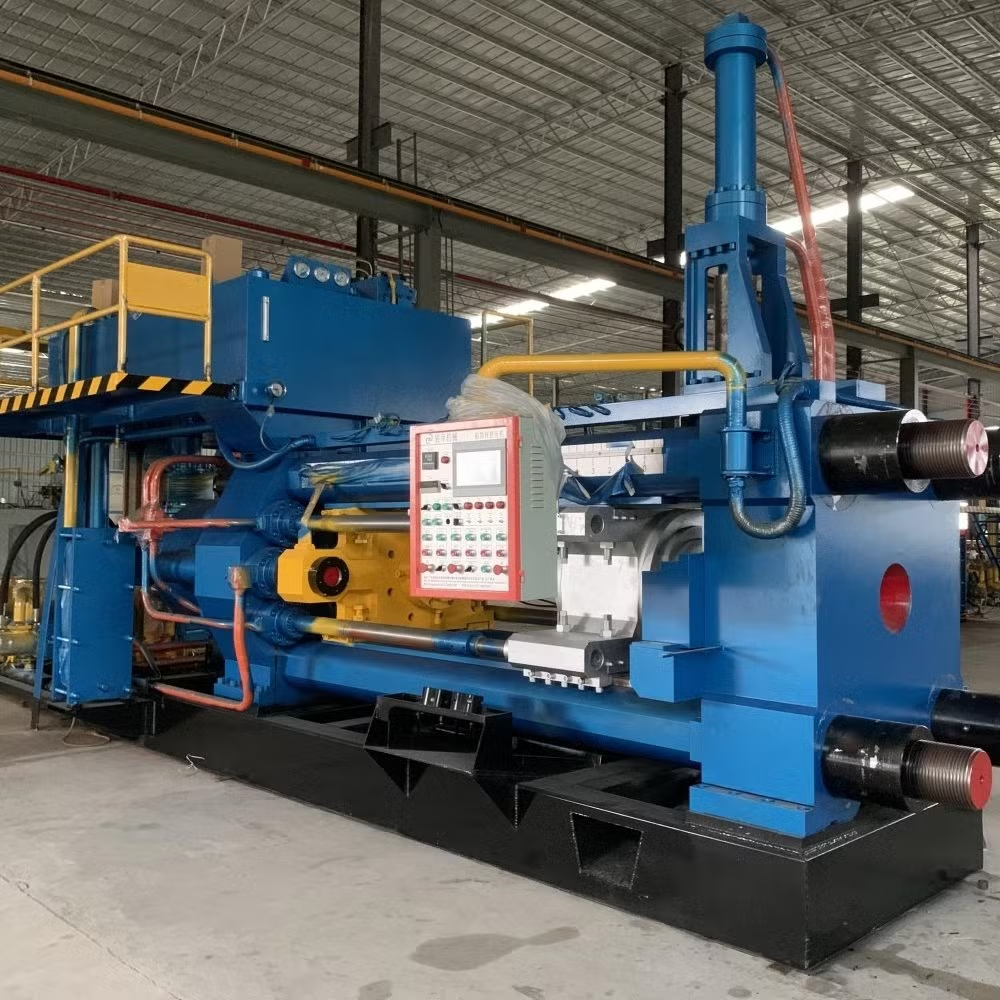
Parameter Table for Standard Aluminium Extrusion
| Parameter | Target Range | Optimization Impact |
|---|---|---|
| Billet Temperature | 420°C – 480°C | Surface finish and extrusion pressure |
| Extrusion Speed | 5 – 50 m/min | Throughput vs. surface quality |
| Container Pressure | 20 – 25 MPa | Structural integrity and die life |
| Butt Length | 20 – 40 mm | Material waste reduction |
| Cooling Rate | Controlled Air/Mist | Mechanical properties (T5/T6) |
Common Engineering Mistakes in Extrusion Facilities
One of the most frequent mistakes in aluminium extrusion facilities is the neglect of die maintenance. Dies are the most expensive and critical components of the press. Using a worn or improperly cleaned die leads to surface defects, which forces the operator to slow down the press to compensate. A proactive die management program, including regular polishing and nitriding, is essential for maintaining high-speed production.
Another common error is the lack of proper hydraulic fluid maintenance. Hydraulic oil degrades over time due to heat and contamination. If the oil viscosity is not maintained, the hydraulic pumps will lose efficiency, leading to slower ram speeds and increased energy consumption. Regular oil analysis and filtration are necessary to prevent premature pump failure and ensure the press maintains its rated force throughout its service life.
Many facilities also fail to optimize the billet preparation process. Using billets with inconsistent alloy composition or improper grain structure can lead to unpredictable extrusion behavior. Investing in high-quality billet suppliers and ensuring proper storage conditions (to prevent oxidation) can eliminate many of the variables that cause production delays and quality issues on the press line.
Finally, the human factor remains a significant variable. Inadequate training of press operators often leads to ‘over-driving’ the machine, where the press is pushed beyond its safe operating limits, leading to frequent breakdowns. A well-trained team that understands the relationship between pressure, temperature, and speed will always outperform a team that relies solely on trial and error. Investing in operator training is one of the highest-ROI activities for any production facility.
Selection Checklist for Aluminium Extrusion Press
- Tonnage Capacity: Ensure the press tonnage matches the maximum cross-sectional area and alloy hardness you intend to process.
- Hydraulic System Type: Prefer modern servo-driven or VFD-controlled hydraulic systems for energy efficiency and precise speed control.
- Automation Level: Look for integrated billet loaders, automatic die changers, and automated scrap handling to minimize dead cycle time.
- Control Interface: Ensure the HMI (Human-Machine Interface) provides real-time data logging and diagnostic capabilities for easier troubleshooting.
- After-Sales Support: Choose a manufacturer like HARSLE that offers robust technical support, spare parts availability, and remote diagnostic services.
- Safety Standards: Verify that the press complies with international safety regulations, including light curtains, emergency stops, and pressure relief systems.
- Energy Efficiency: Evaluate the power consumption metrics and the availability of energy-saving modes during standby periods.
FAQ: Production Optimization Aluminium Extrusion Press Facilities
How can I reduce the dead cycle time in my extrusion press?
Reducing dead cycle time involves optimizing the billet loading sequence, using faster hydraulic valves, and implementing automated butt shearing. Upgrading to a modern PLC-controlled system can also help synchronize the movements of the ram and the loader, shaving seconds off every cycle.
What is the most common cause of surface defects in aluminium profiles?
Surface defects are most commonly caused by improper billet temperature, die wear, or excessive extrusion speed. If the temperature is too high, ‘tearing’ occurs. If the die is worn, ‘pick-up’ marks appear. Regular die maintenance and precise temperature control are the best preventative measures.
How often should I perform maintenance on my extrusion press?
Routine maintenance should be performed according to the manufacturer’s schedule, typically every 500 to 1,000 operating hours. This includes checking hydraulic seals, cleaning filters, inspecting the die slide, and calibrating pressure sensors. A preventive maintenance schedule is crucial for avoiding unplanned downtime.
Can I upgrade an older extrusion press for better efficiency?
Yes, retrofitting older presses with modern VFDs, new PLC control systems, and upgraded hydraulic pumps can significantly improve efficiency. While a full replacement is sometimes necessary, many older frames can be brought up to modern standards with targeted electronic and hydraulic upgrades.
Why is isothermal extrusion important for production optimization?
Isothermal extrusion maintains a constant exit temperature, which allows for higher average extrusion speeds without risking surface defects. By keeping the temperature stable, you ensure consistent mechanical properties, which reduces the need for post-extrusion heat treatment and minimizes scrap rates.