What Materials Can a Container Shear Cut? A Technical Overview for Buyers

Technical Overview of Container Shears in Modern Recycling
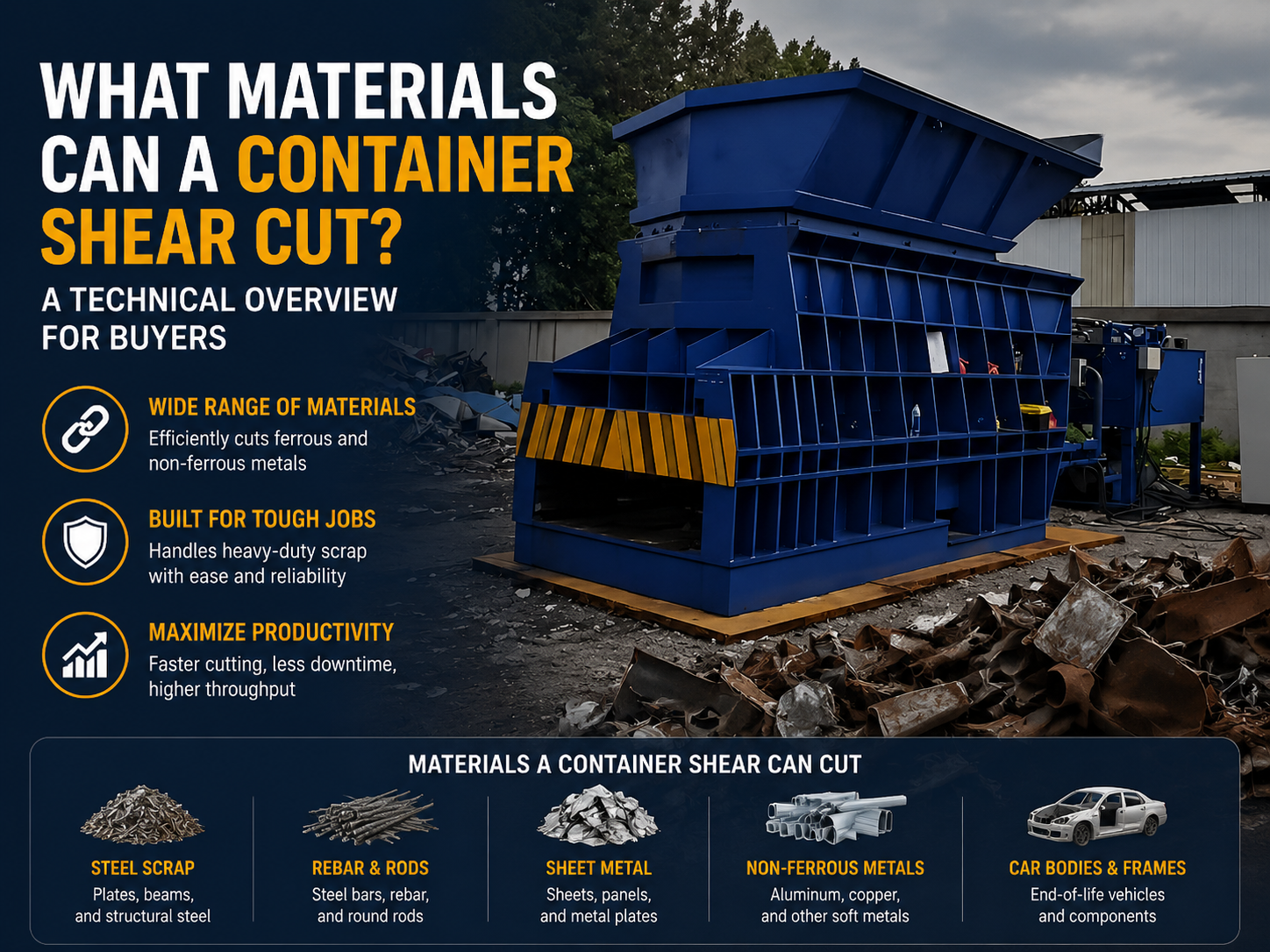
In the high-stakes world of metal recycling and industrial scrap management, the container shear (often referred to as a box shear) stands as a titan of efficiency. Unlike traditional alligator shears that require manual feeding of individual pieces, or large-scale guillotine shears that necessitate massive civil engineering foundations, the container shear offers a mobile or semi-mobile solution that integrates a feeding box with a powerful hydraulic cutting head. This technical overview aims to clarify the specific capabilities of these machines, focusing on the core question: Materials Can A Container Shear Cut? A Technical Overview Buyers must understand before making a capital investment.
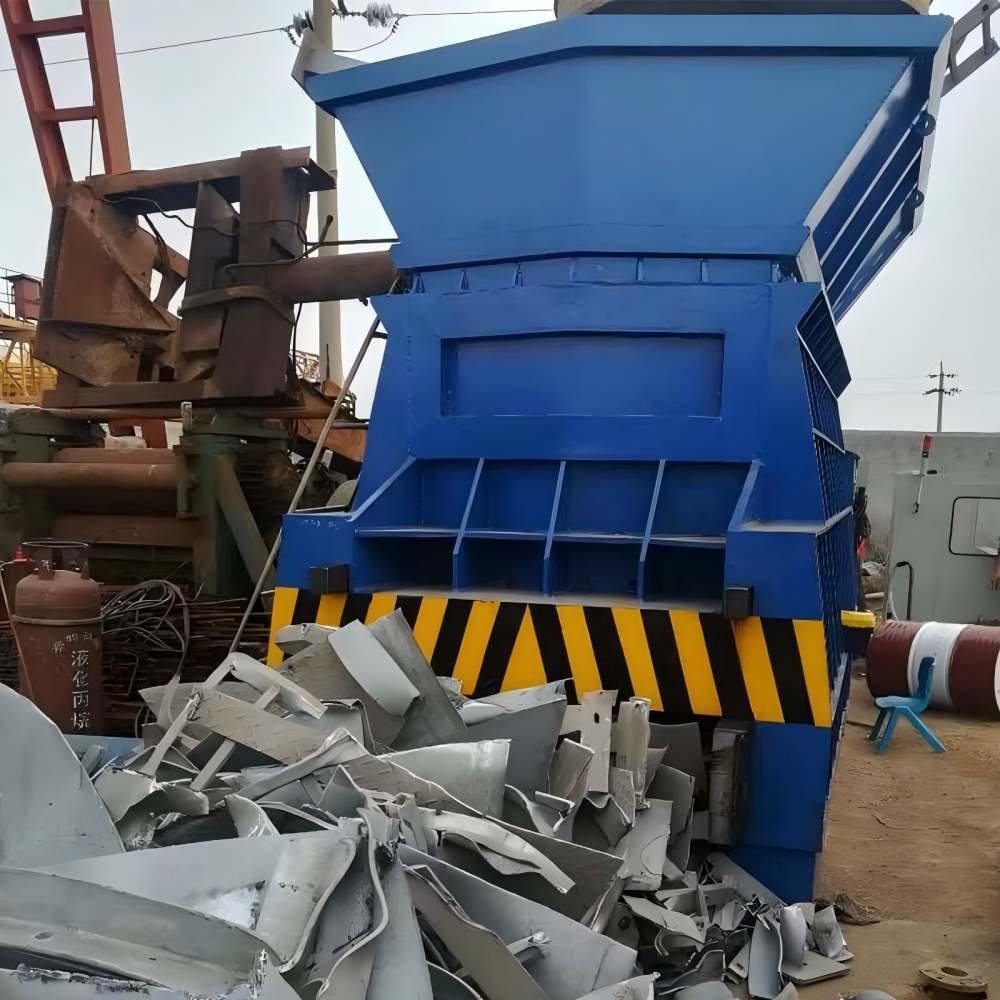
The fundamental design of a HARSLE container shear involves a large rectangular hopper or ‘box’ where scrap metal is loaded. Once the cycle begins, hydraulic cylinders compress the material from the sides and the end, pushing it toward the shear blades. This pre-compression is critical because it increases the density of the scrap, allowing the shear to cut through bundles of material rather than just single sheets. This process is highly automated, reducing labor costs and increasing throughput for scrap yards dealing with diverse metal streams.
From a mechanical perspective, the container shear utilizes high-pressure hydraulic systems to generate hundreds, or even thousands, of tons of force. This force is concentrated on a hardened tool-steel blade. The ability of the machine to cut specific materials depends not just on the raw tonnage, but on the shear strength of the material, the blade gap, and the structural integrity of the machine frame. Understanding these nuances is essential for buyers who need to process everything from light aluminum extrusions to heavy structural steel beams.

Detailed Breakdown of Processable Materials
When evaluating Materials Can A Container Shear Cut? A Technical Overview Buyers should categorize scrap into three primary groups: ferrous metals, non-ferrous metals, and specialty alloys. Each group presents unique challenges to the hydraulic system and the cutting blades.
1. Ferrous Metals (Steel and Iron)
Ferrous metals constitute the bulk of the material processed by container shears. These include:
- HMS 1 & 2 (Heavy Melting Steel): This includes industrial scrap like plate steel, structural shapes, and heavy machinery parts. A standard 600-ton container shear can easily handle HMS with thicknesses up to 20-30mm depending on the blade length.
- Rebar and Wire Rod: While individual rebar is easy to cut, container shears excel at cutting bundled rebar. The pre-compression box ensures the bundle is tight, preventing the rebar from ‘rolling’ during the cut, which can damage blades.
- Structural Steel: I-beams, H-beams, and C-channels are common. The shear must have enough ‘throat’ depth to accommodate the height of these beams after they have been partially flattened by the compression lids.
- Automotive Scrap: While whole cars are often sent to shredders, container shears are used for ‘white goods’ (appliances) and cut-up vehicle frames.
2. Non-Ferrous Metals
Non-ferrous metals are generally softer but can be ‘gummier,’ requiring precise blade clearances to prevent the material from folding rather than shearing.
- Aluminum Extrusions and Sheets: Aluminum is highly profitable for recyclers. Container shears can process massive volumes of aluminum window frames, siding, and aircraft scrap.
- Copper and Brass: Large copper busbars from electrical transformers or thick-walled brass piping are ideal candidates for container shearing.
- Stainless Steel: This is a ‘tough’ material. While it is non-ferrous (or low-iron in some grades), its work-hardening properties mean it requires significantly more force than mild steel. A buyer focusing on stainless scrap should look for a machine with higher-than-average hydraulic pressure.
Core Parameters Influencing Cutting Capability
To determine if a machine fits your needs, you must look beyond the marketing brochures and analyze the core technical parameters. These parameters dictate the limits of the Materials Can A Container Shear Cut? A Technical Overview Buyers should keep as a reference.
1. Nominal Shear Force
This is the total force exerted by the main shear cylinder, usually measured in Kilonewtons (kN) or Tons. For example, a HARSLE 800-ton shear provides approximately 8,000 kN of force. This force must overcome the shear resistance of the material cross-section. If you are cutting 40mm thick mild steel plate, the force required is significantly higher than for 10mm plate, following a non-linear progression due to the friction and deformation involved.
2. Blade Length and Throat Opening
The width of the blade determines how much material can be cut in a single stroke. A wider blade allows for wider plates but spreads the total force over a larger area, reducing the ‘pressure’ per inch. Conversely, a narrower throat concentrates the force, allowing for thicker cuts. Buyers must balance the need for processing wide scrap versus thick scrap.
3. Cycle Time and Efficiency
In a production environment, how fast the machine resets is as important as how hard it cuts. Container shears use high-flow hydraulic pumps to ensure the blade retreats quickly. A typical cycle time ranges from 30 to 60 seconds, including the time for the compression box to cycle. This determines the hourly tonnage capacity of the machine.
4. Blade Material and Hardness
HARSLE utilizes high-strength alloy tool steels (such as 9CrSi or Cr12MoV) for the blades. The hardness of the blade must be significantly higher than the material being cut. If a buyer attempts to cut hardened tool steel or chrome-plated shafts (like hydraulic piston rods) with standard blades, the blades will chip or crack almost instantly.
Calculation Method for Shear Force Requirements
Before purchasing, it is possible to mathematically estimate if a container shear is sufficient for your thickest material. The basic formula for the shear force (F) required to cut a metal plate is:
F = L × t × τ
Where:
- F: Required Shear Force (Newtons)
- L: Length of the cut (mm)
- t: Thickness of the material (mm)
- τ (Tau): Shear strength of the material (N/mm²)
For example, if you are cutting a mild steel plate that is 500mm wide and 20mm thick, and the shear strength of mild steel is approximately 350 N/mm²:
F = 500 × 20 × 350 = 3,500,000 Newtons (or approx. 350 Tons).
However, in a container shear, the material is often bundled or compressed, and the blade is usually angled (rake angle) to reduce the peak force required. A rake angle allows the blade to cut through the material gradually, similar to how scissors work. This means a 600-ton shear can often cut material that would theoretically require 1000 tons if the blade were perfectly flat. Buyers should always include a 20-30% safety margin in their calculations to account for blade wear and material variations.
Technical Parameter Table for HARSLE Container Shears
The following table provides a comparison of common HARSLE container shear models to help buyers match their material requirements with machine capabilities.
| Model Series | Shear Force (Tons) | Max Cutting Thickness (MS) | Blade Length (mm) | Box Dimensions (mm) | Motor Power (kW) |
|---|---|---|---|---|---|
| HCS-400 | 400T | 15-20mm | 1200mm | 4000 x 2000 | 45 kW |
| HCS-600 | 600T | 25-30mm | 1500mm | 5000 x 2200 | 75 kW |
| HCS-800 | 800T | 35-45mm | 1800mm | 6000 x 2400 | 110 kW |
| HCS-1000 | 1000T | 50-60mm | 2000mm | 8000 x 2600 | 150 kW+ |
Common Engineering Mistakes in Material Selection
Even with the right machine, operational errors can lead to equipment failure. When considering Materials Can A Container Shear Cut? A Technical Overview Buyers should be aware of these common pitfalls:
1. Cutting Hardened Materials
As mentioned previously, container shears are designed for structural and ductile metals. Attempting to cut engine crankshafts, large ball bearings, or hardened leaf springs can result in “catastrophic blade failure.” These materials do not deform; they shatter or resist, sending shockwaves back into the hydraulic cylinders.
2. Ignoring the ‘Spring-Back’ Effect
High-tensile materials, like certain grades of stainless steel or spring steel, have a high elastic limit. When the shear attempts to cut them, they may compress and then ‘spring back’ against the side walls of the shear. This creates immense lateral pressure on the blade slide guides, leading to premature wear of the V-tracks.
3. Improper Blade Gap for Thin Materials
If a buyer primarily cuts thick HMS but occasionally tries to cut very thin aluminum sheet, they may find the machine ‘chews’ the material rather than cutting it. This happens because the blade gap (the distance between the moving and stationary blade) is set for heavy plate. For thin materials, a tighter gap is required, but setting it too tight for heavy scrap will cause the blades to clash and break.
4. Overloading the Compression Box
The box is designed to fold and densify scrap. If operators load massive, solid blocks of steel that cannot be compressed, the side lids may stall or the hydraulic relief valves will trigger. The container shear is a volume-reduction tool, not a solid-block crusher.
Selection Checklist for Prospective Buyers
When you are ready to invest, use this checklist to ensure the machine matches your material stream:
- Material Type: Is your scrap mostly ferrous (steel) or non-ferrous (aluminum/copper)?
- Maximum Thickness: What is the single thickest piece of metal you expect to cut? (Calculate force based on this).
- Daily Volume: How many tons per 8-hour shift do you need to process? This determines the required motor power and cycle speed.
- Loading Method: Will you use a grapple crane or a magnet? Ensure the box dimensions are compatible with your loader’s reach.
- Power Supply: Do you have the electrical infrastructure for a 110kW+ motor, or do you need a diesel-powered unit?
- Blade Maintenance: Does the machine design allow for easy blade rotation and replacement? (HARSLE blades are typically 4-sided, allowing for four fresh edges before regrinding).
- Climate Considerations: Will the machine operate in extreme heat or cold? This affects hydraulic oil viscosity and requires specific cooling or heating systems.
Frequently Asked Questions (FAQ)
Q1: Can a container shear cut through bundled cables?
Yes, but with caveats. While the shear can cut the copper or aluminum inside, the plastic insulation can sometimes get caught in the blade gap if it is too wide. For high-volume cable recycling, a granulator is better, but for general scrap, a container shear handles bundled wire effectively.
Q2: How often do the blades need to be sharpened?
This depends entirely on the material. Cutting clean aluminum might allow blades to last for months. Cutting sandy, rusty HMS or reinforced concrete rebar might require blade rotation every 2-4 weeks. HARSLE machines feature adjustable blade seats to maintain the gap as blades wear.
Q3: Is a container shear better than a mobile shear attachment for an excavator?
A container shear is a stationary or semi-mobile production machine. It offers much higher throughput and lower operating costs per ton than an excavator-mounted shear, which consumes more fuel and has higher maintenance costs per cut.
Q4: Can it handle ‘white goods’ like refrigerators and washing machines?
Absolutely. The compression box is perfect for flattening these bulky items before the shear head cuts them into manageable sizes for the furnace or shredder. Note that hazardous materials (like CFCs in old fridges) must be removed first.
Q5: What is the lifespan of a HARSLE container shear?
With proper hydraulic maintenance and regular blade care, a high-quality container shear can last 10-15 years in a heavy industrial environment. The key is preventing the ‘shocks’ caused by attempting to cut un-shearable hardened materials.
Conclusion
Understanding Materials Can A Container Shear Cut? A Technical Overview Buyers is the first step toward a successful recycling operation. By matching the shear force, blade design, and box capacity to your specific scrap stream, you ensure a high return on investment and minimal downtime. HARSLE continues to lead the industry by providing robust, high-pressure solutions that turn mountains of scrap into high-value, furnace-ready material. Whether you are dealing with structural steel or delicate aluminum profiles, the right container shear is the backbone of a modern scrap yard.