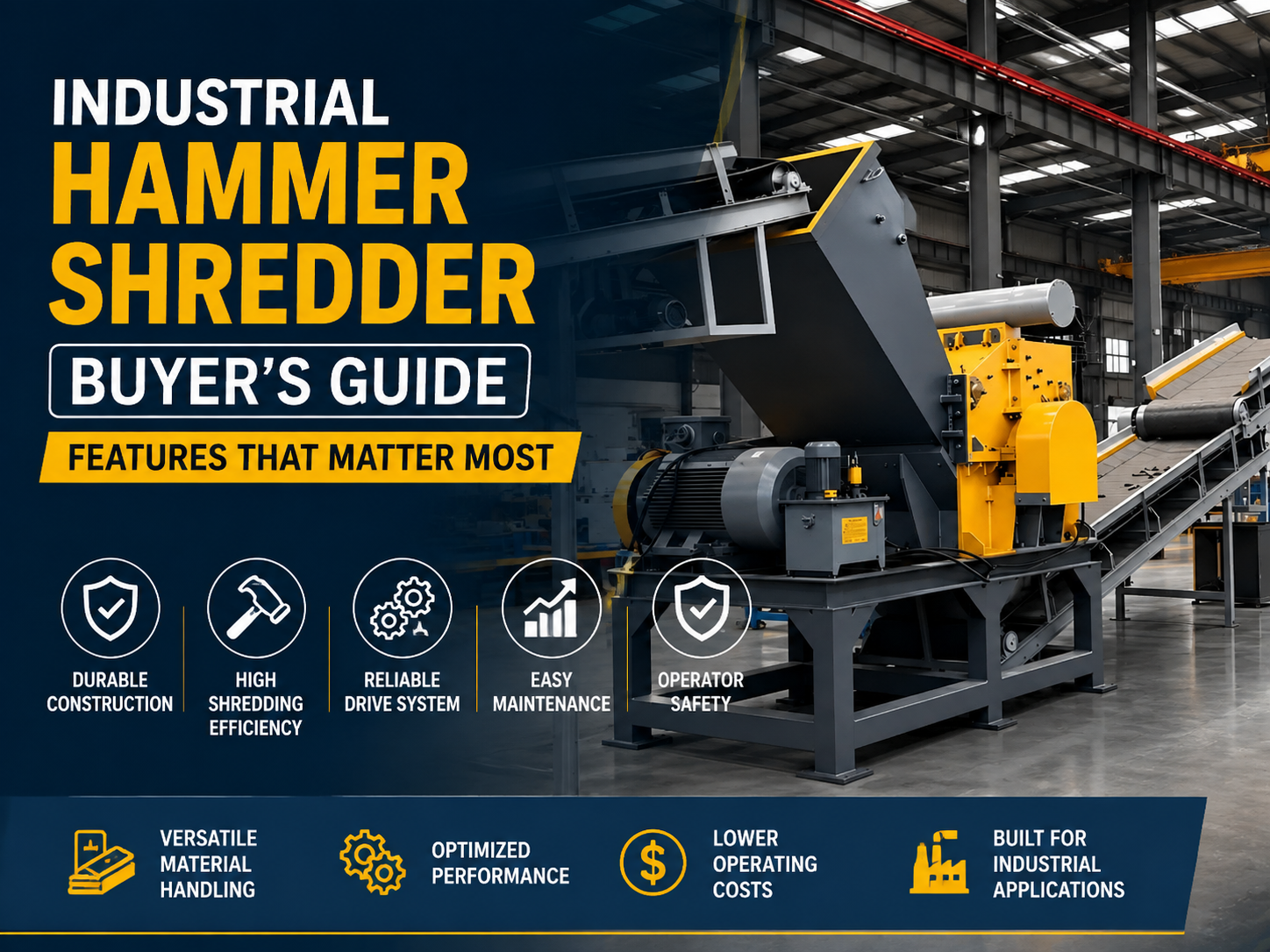
Industrial Hammer Shredder Buyer’s Guide: Features That Matter Most

Technical Overview of Industrial Hammer Shredders
The industrial hammer shredder, often referred to as a hammer mill in the recycling industry, is a high-torque, high-impact machine designed to reduce large, bulky materials into smaller, uniform pieces. At its core, the machine operates on the principle of kinetic energy transfer. A high-speed rotor, equipped with heavy-duty hammers, strikes the incoming material, shattering it against internal liners and grates. This process is essential in metal fabrication and recycling sectors where scrap metal, electronic waste, and industrial byproducts must be processed for secondary use.
Modern industrial hammer shredders, such as those engineered by HARSLE, are designed with a focus on durability and efficiency. The housing is typically constructed from reinforced steel plates to withstand the immense internal forces generated during operation. Inside, the rotor assembly is the heart of the machine. It consists of a central shaft, discs, and pins that hold the hammers in place. Depending on the application, these hammers can be fixed or allowed to swing freely, providing flexibility when encountering un-shreddable objects.
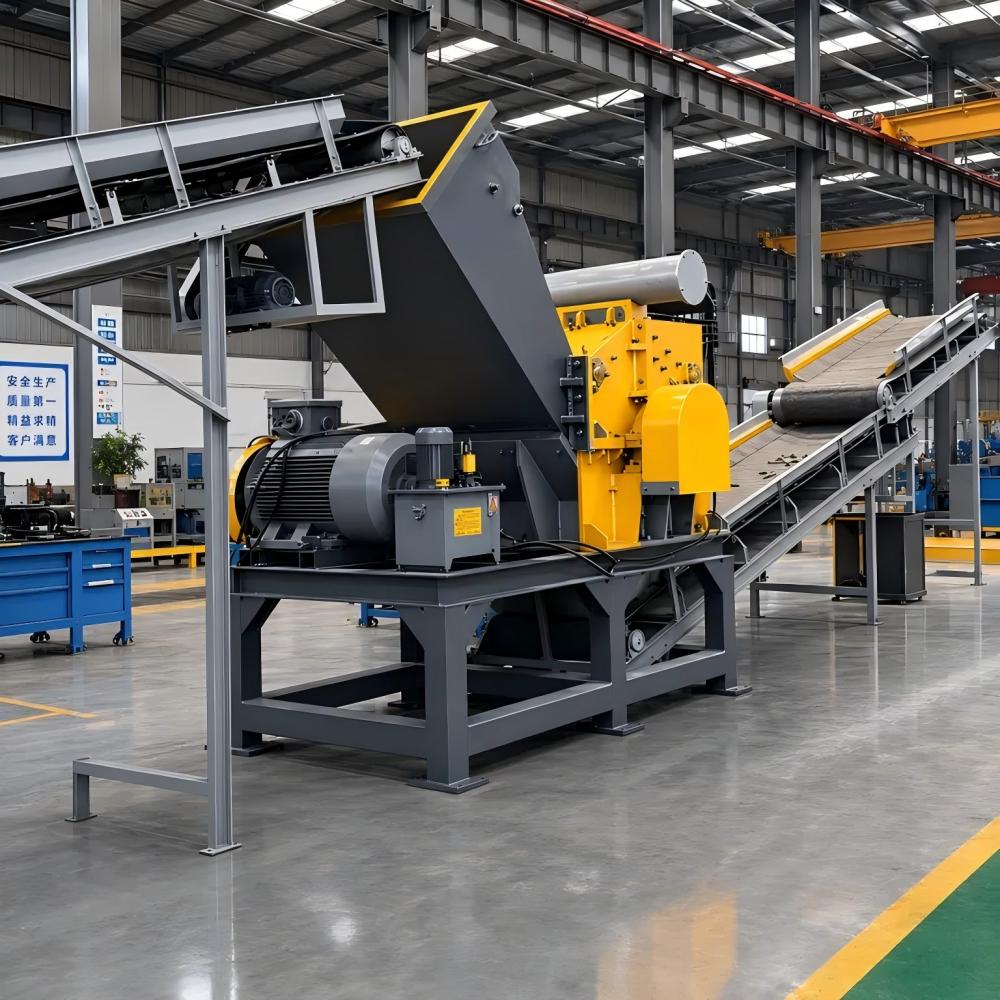
The shredding process involves three primary stages: impact, shear, and attrition. Initial impact occurs when the hammers strike the material. Shear happens as the material is forced against the breaker plates, and attrition occurs as the material grinds against itself and the bottom grates until it is small enough to pass through the discharge screen. This multi-stage reduction ensures a high-quality output with consistent particle size, which is critical for downstream processes like magnetic separation or smelting.
Furthermore, the integration of advanced control systems has revolutionized how these machines operate. Modern shredders feature PLC (Programmable Logic Controller) systems that monitor motor load, vibration levels, and bearing temperatures in real-time. This data-driven approach allows operators to optimize throughput while preventing catastrophic failures. For a buyer, understanding these technical nuances is the first step in selecting a machine that aligns with specific production goals and material requirements.
Core Parameters to Consider
When evaluating an industrial hammer shredder, several core parameters dictate the machine’s performance and suitability for your facility. The first and most critical parameter is the Motor Power (kW/HP). The power rating determines the machine’s ability to handle dense materials and maintain high throughput. For heavy-duty metal recycling, motors often range from 200kW to over 1000kW. Insufficient power leads to frequent stalling and increased wear on the drive system, while excessive power results in unnecessary energy costs.
The Rotor Diameter and Width are equally important. These dimensions define the “swept area” of the hammers and directly correlate to the maximum size of the input material. A larger rotor diameter provides higher tip speeds, which increases the kinetic energy of the hammers. This is vital for shattering tough alloys. The width of the rotor determines the volume of material that can be processed simultaneously. Buyers must match the rotor dimensions to the physical size of their largest scrap pieces to avoid bridging or clogging at the intake.
Hammer Weight and Metallurgy represent the primary wear components of the shredder. Hammers can weigh anywhere from 20kg to over 200kg each. Heavier hammers are used for primary shredding of thick steel, while lighter hammers are suitable for aluminum or e-waste. The material composition—typically manganese steel or high-chromium alloys—must be chosen based on the abrasiveness of the input. Manganese steel is preferred for its work-hardening properties, becoming tougher as it strikes hard objects, whereas chrome alloys offer superior wear resistance for abrasive but less impactful materials.
Lastly, the Discharge Screen Size determines the final product size. The screens are heavy-duty grates located at the bottom of the shredding chamber. The hole diameter or slot width in these screens dictates how long material stays in the chamber. Smaller holes produce a finer product but reduce overall throughput and increase hammer wear. Balancing screen size with production requirements is a key technical decision during the procurement phase.
Calculation Method for Shredder Performance
To ensure the selected hammer shredder meets production targets, engineers use specific calculation methods to estimate capacity and power requirements. The most fundamental calculation involves determining the Kinetic Energy (KE) of the hammers. The formula is KE = 1/2 * I * ω², where I is the moment of inertia of the rotor assembly and ω is the angular velocity. In simpler terms, the energy available for shredding is proportional to the mass of the hammers and the square of the rotor speed. Increasing the speed has a much greater impact on shredding force than increasing the mass.
To estimate the Throughput Capacity (Q), the following empirical formula is often used: Q = V * ρ * η. Here, V represents the volume of the shredding chamber, ρ is the bulk density of the input material, and η is the efficiency factor (usually between 0.4 and 0.7 depending on material type). For example, shredding loose aluminum scrap (low density) will result in a lower mass throughput compared to shredding dense steel turnings, even if the volume processed is the same.
Another vital calculation is the Specific Energy Consumption (SEC), measured in kWh per ton. This is calculated by dividing the total power consumed by the hourly throughput. SEC varies significantly: brittle materials like cast iron require less energy (approx. 5-10 kWh/t), while ductile materials like stainless steel require much more (20-40 kWh/t). By calculating the expected SEC, buyers can accurately forecast operational costs and ensure their electrical infrastructure can support the machine’s peak loads.
Finally, the Tip Speed of the hammers is calculated as v = π * D * n / 60, where D is the rotor diameter in meters and n is the RPM. For metal shredding, tip speeds typically range from 50 to 90 meters per second. If the speed is too low, the material will not shatter; if it is too high, the hammers will wear prematurely and the machine will produce excessive fines (dust), which can be a loss of material and a safety hazard.
Industrial Hammer Shredder Parameter Table
The following table provides a comparison of typical specifications for industrial hammer shredders used in metal fabrication and recycling. These values are representative of HARSLE’s high-efficiency product line.
| Model Series | Rotor Diameter (mm) | Motor Power (kW) | Hammer Quantity | Throughput (Tons/Hr) | Max Input Size (mm) |
|---|---|---|---|---|---|
| HARSLE-S800 | 800 | 110 – 160 | 12 – 16 | 3 – 6 | 400 x 400 |
| HARSLE-S1200 | 1200 | 250 – 315 | 20 – 24 | 8 – 15 | 800 x 600 |
| HARSLE-S1600 | 1600 | 450 – 630 | 28 – 36 | 20 – 35 | 1200 x 1000 |
| HARSLE-S2000 | 2000 | 800 – 1250 | 40 – 52 | 40 – 70 | 1500 x 1200 |
Common Engineering Mistakes in Selection
One of the most frequent mistakes in selecting an industrial hammer shredder is underestimating the feed material’s variability. Many buyers specify a machine based on their “average” scrap, but in reality, the machine must be able to handle the “worst-case” scenario. If a batch of heavy structural steel is fed into a machine designed for light tin, the resulting torque spikes can snap the rotor shaft or burn out the motor. Always size the machine for the densest and toughest material you expect to process.
Another common error is ignoring the importance of the vibration damping system. Hammer shredders generate massive vibrations due to the high-speed impact of heavy hammers. If the machine is not properly isolated from its foundation using heavy-duty spring mounts or rubber dampers, these vibrations will cause structural damage to the building and premature failure of nearby sensitive electronics. A cheap machine often lacks a robust damping system, leading to much higher long-term maintenance costs.
Poor maintenance access is a design flaw that often goes unnoticed until the machine is in operation. Hammers and liners are consumable parts that require regular replacement. If the shredder housing does not feature a hydraulic opening mechanism or easy-access doors, a simple hammer change that should take four hours might take two days. This results in significant downtime and lost revenue. When evaluating a buyer’s guide, prioritize machines that emphasize “serviceability” as a core feature.
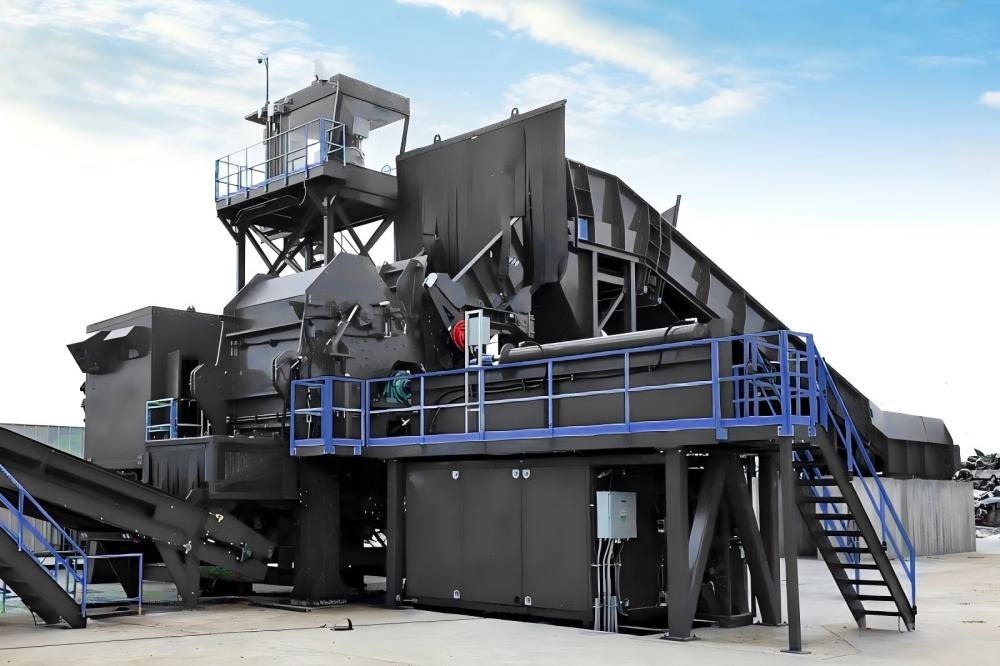
Finally, many engineers fail to account for the ancillary equipment requirements. A hammer shredder does not operate in a vacuum. It requires a consistent feed system (like a vibrating feeder or heavy-duty conveyor), a dust extraction system to manage particulates, and a magnetic separation system to sort the output. Buying a high-capacity shredder without upgrading the rest of the line creates a bottleneck, preventing the machine from ever reaching its rated capacity. Ensure the entire system is balanced for the shredder’s peak performance.
Selection Checklist for Buyers
- Material Analysis: Define the chemical composition, thickness, and bulk density of all materials to be shredded.
- Capacity Requirements: Determine both the average hourly throughput and the peak daily volume required.
- Output Specification: Specify the required particle size and the tolerance for fines/dust in the final product.
- Power Supply: Verify that your facility’s electrical grid can handle the high starting current and operating loads of the shredder motor.
- Wear Part Availability: Confirm that the manufacturer (like HARSLE) provides easy access to replacement hammers, pins, and liners.
- Safety Features: Ensure the machine includes emergency stops, vibration sensors, and an automatic “reject” door for un-shreddable items.
- Hydraulic Systems: Check for hydraulic housing opening and hydraulic pin removal tools to simplify maintenance.
- Control System: Look for PLC integration with remote monitoring capabilities for real-time performance tracking.
- Environmental Compliance: Assess the need for sound enclosures and dust collection systems based on local regulations.
- Total Cost of Ownership (TCO): Calculate the cost of energy, wear parts, and labor over a 5-year period, rather than just the initial purchase price.
Frequently Asked Questions (FAQ)
What is the difference between a hammer shredder and a shear shredder?
A hammer shredder uses high-speed impact to shatter material, making it ideal for brittle materials and creating a dense, “nuggetized” product. A shear shredder (dual-shaft) uses low-speed, high-torque cutting blades to slice material, which is better for tires, plastics, and long pieces of metal that need to be reduced in size without necessarily being shattered.
How often do the hammers need to be replaced?
Hammer life depends entirely on the material being processed. When shredding clean aluminum, hammers may last for several hundred hours. When processing abrasive scrap steel or e-waste with high glass content, they may need to be rotated or replaced every 40 to 80 hours. Using high-quality manganese steel hammers from HARSLE can significantly extend these intervals.
Can a hammer shredder handle “un-shreddables” like engine blocks?
Heavy-duty industrial hammer shredders are designed to handle large items, but “un-shreddables” (solid steel shafts or large chunks of hardened tool steel) can cause damage. Most high-end shredders feature a “reject door” or “ejection gate.” When the rotor hits an object it cannot break, the kinetic energy pushes the object against a spring-loaded gate, which opens to eject the item before it causes internal damage.
What is the role of the flywheel in a hammer shredder?
The flywheel (or the mass of the rotor itself acting as a flywheel) stores kinetic energy. When a particularly tough piece of material enters the chamber, the flywheel provides the extra torque needed to maintain rotor speed, preventing the motor from stalling. It smooths out the power consumption peaks, protecting the electrical system and the motor.
Is water injection necessary during the shredding process?
Water injection is often used in metal shredding for two reasons: dust suppression and cooling. The friction and impact generate significant heat, which can melt certain plastics or lead to fires in the dust collection system. A controlled mist of water helps keep temperatures down and prevents airborne dust from becoming an explosion hazard.