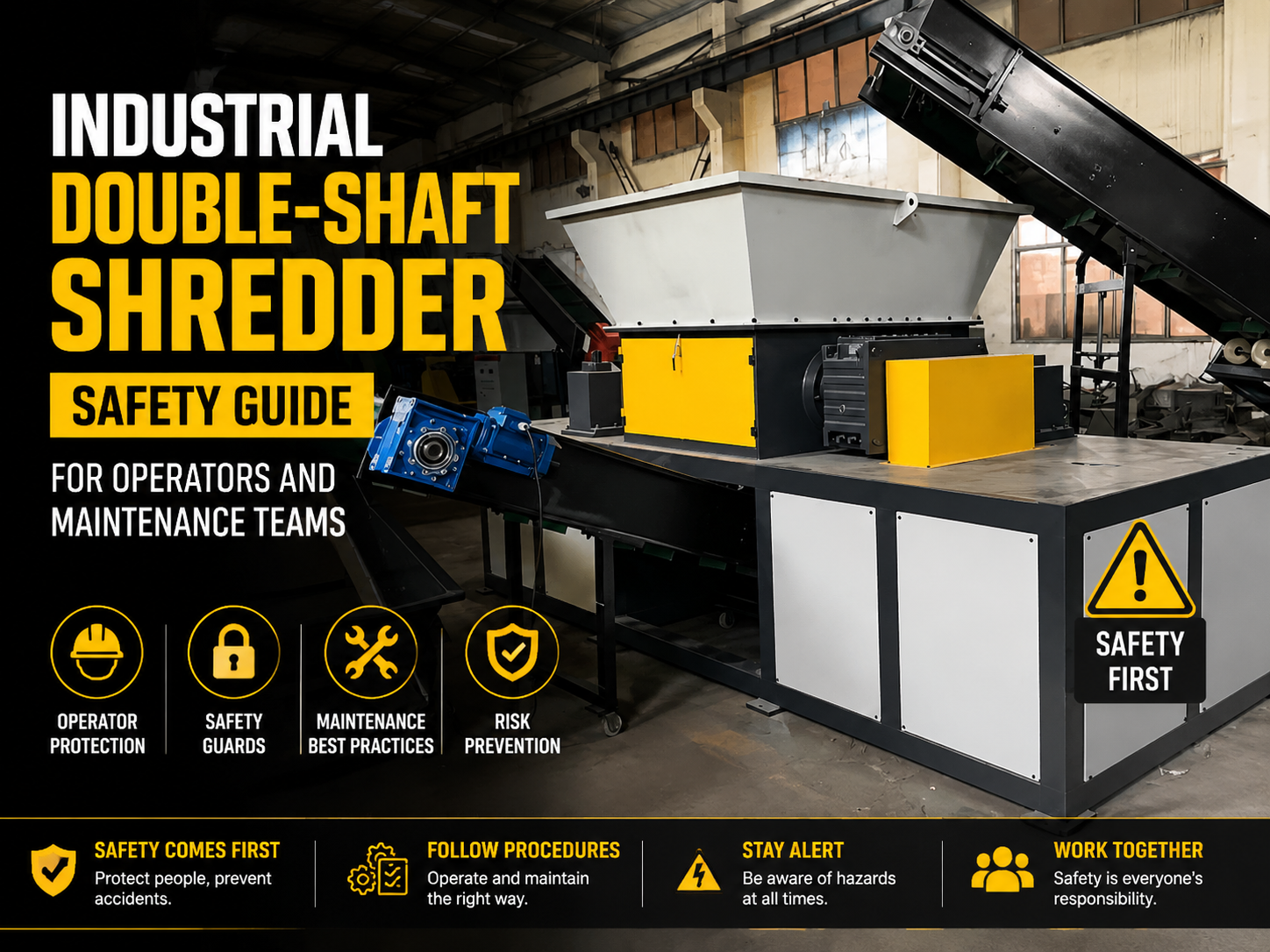
Industrial Double-Shaft Shredder Safety Guide for Operators and Maintenance Teams

Technical Overview of Industrial Double-Shaft Shredders
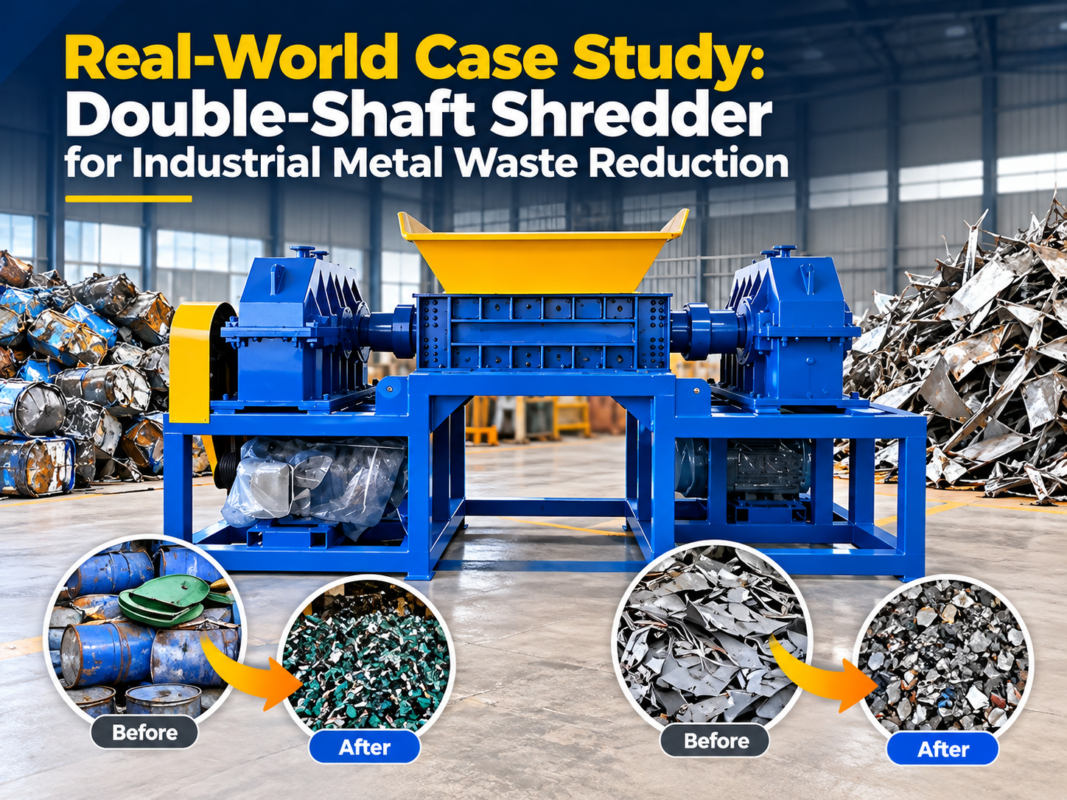
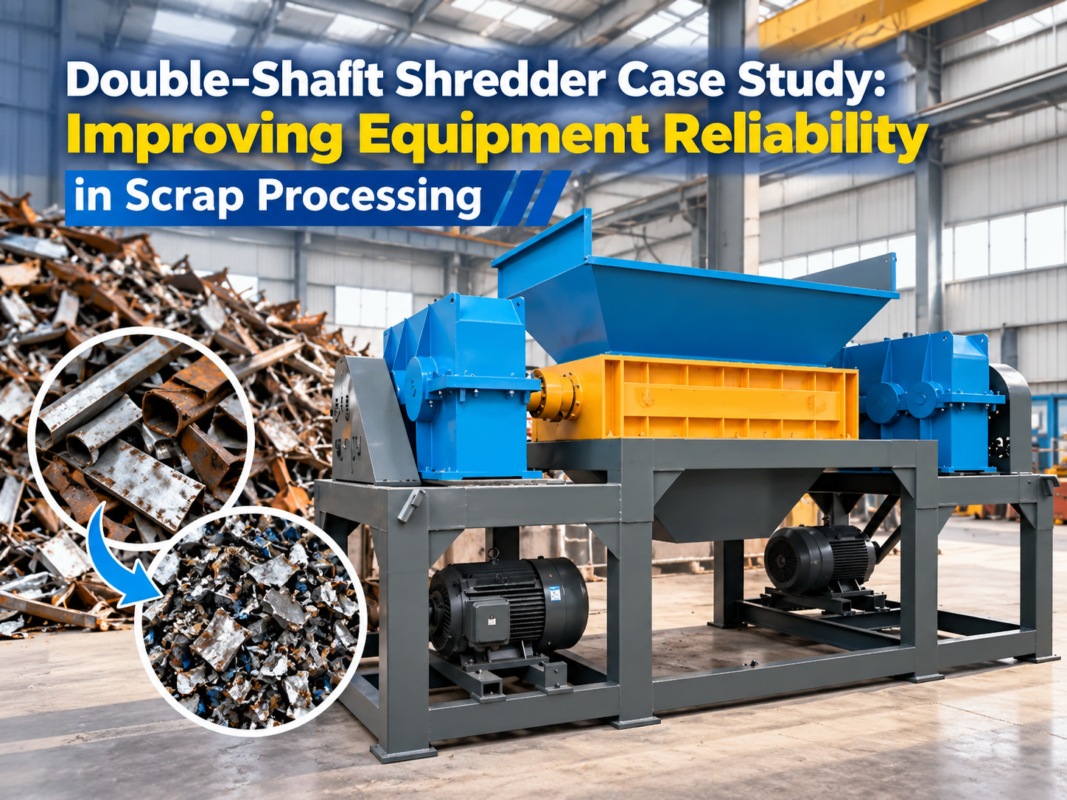
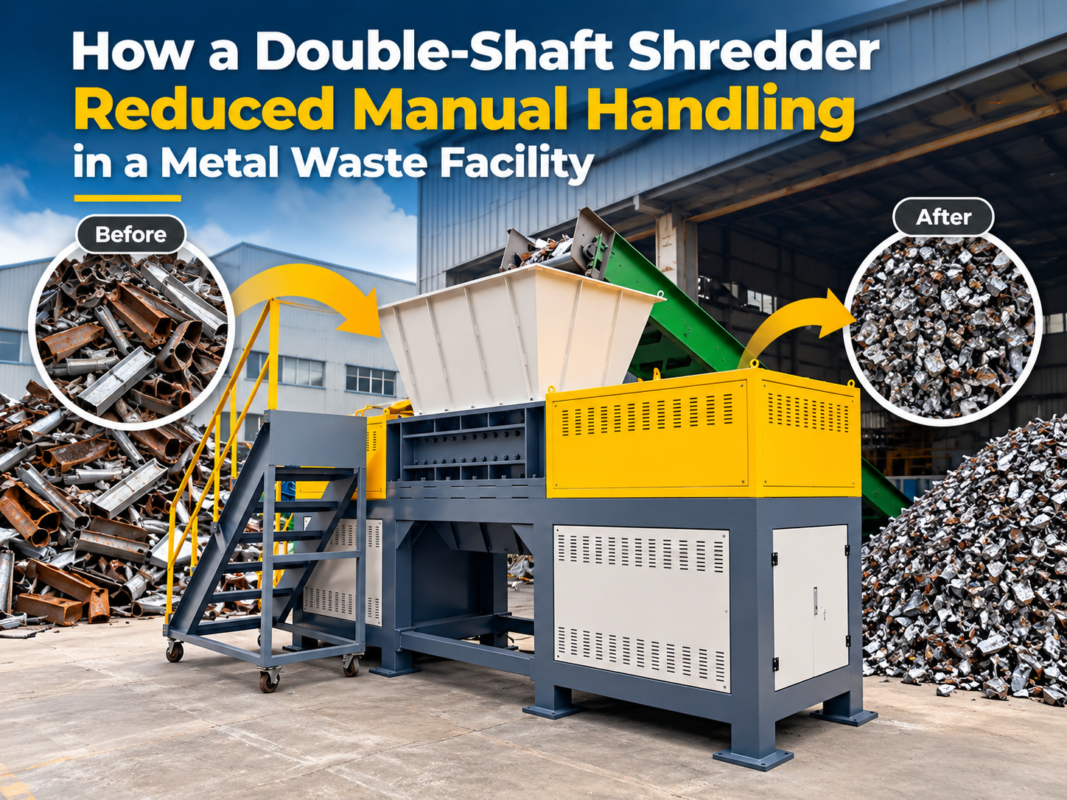
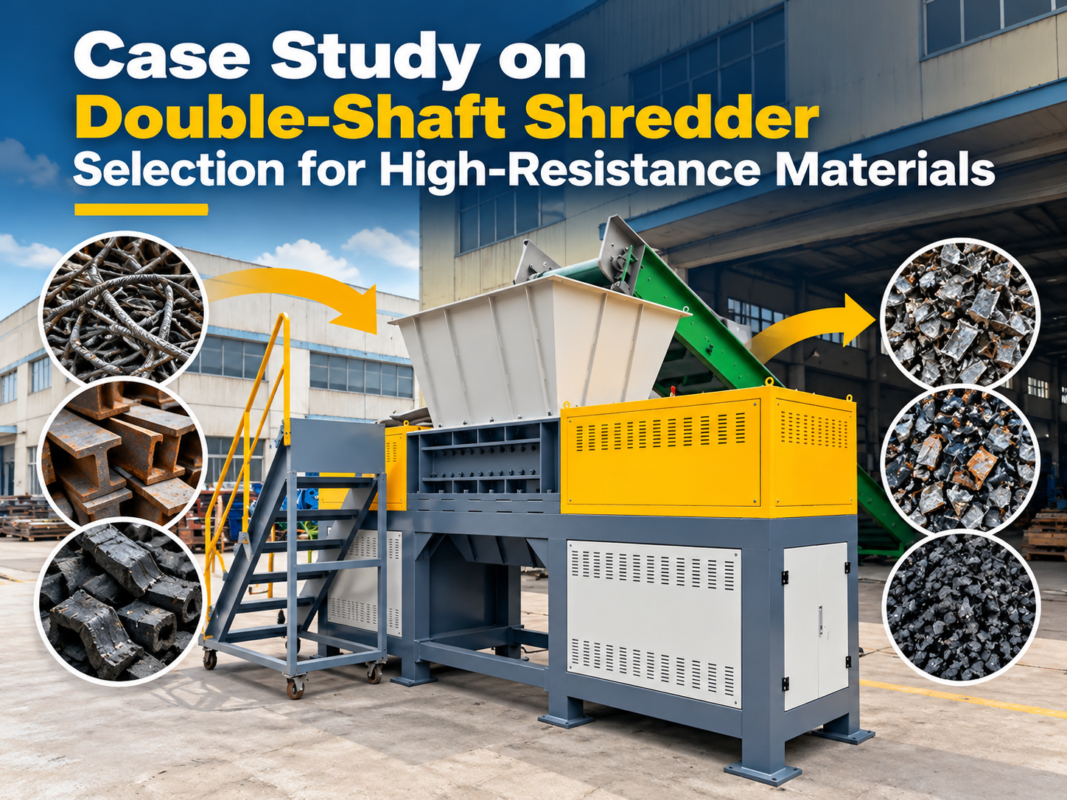
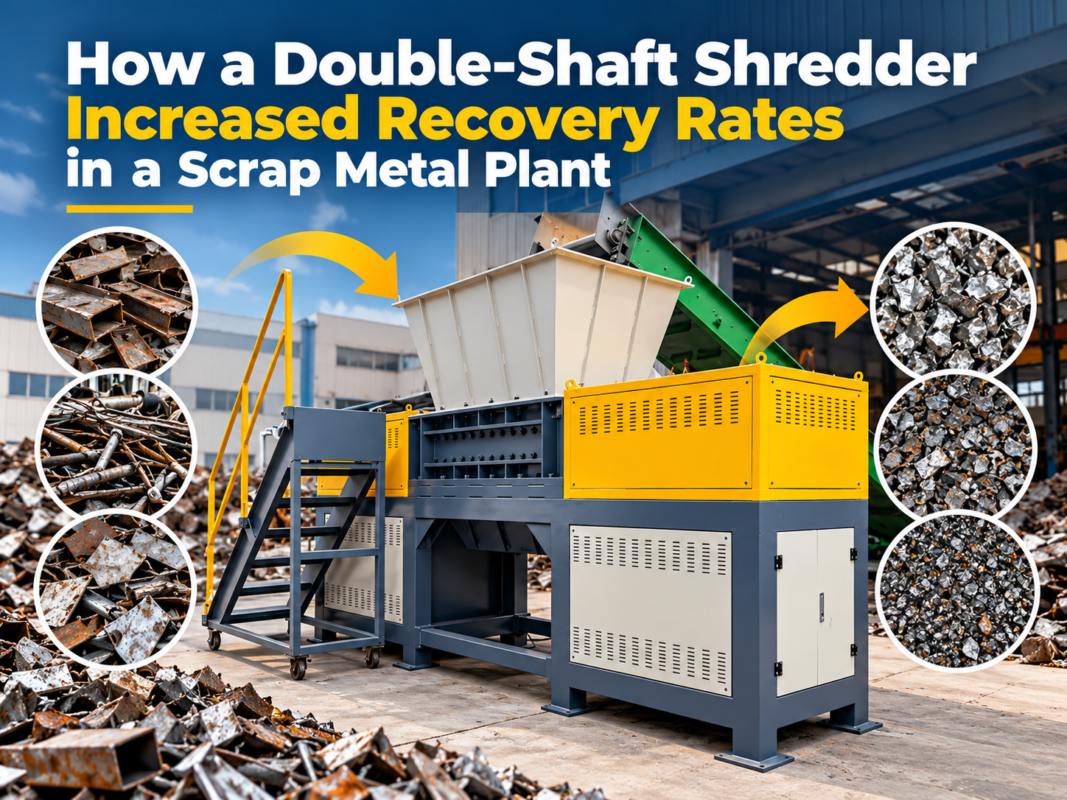
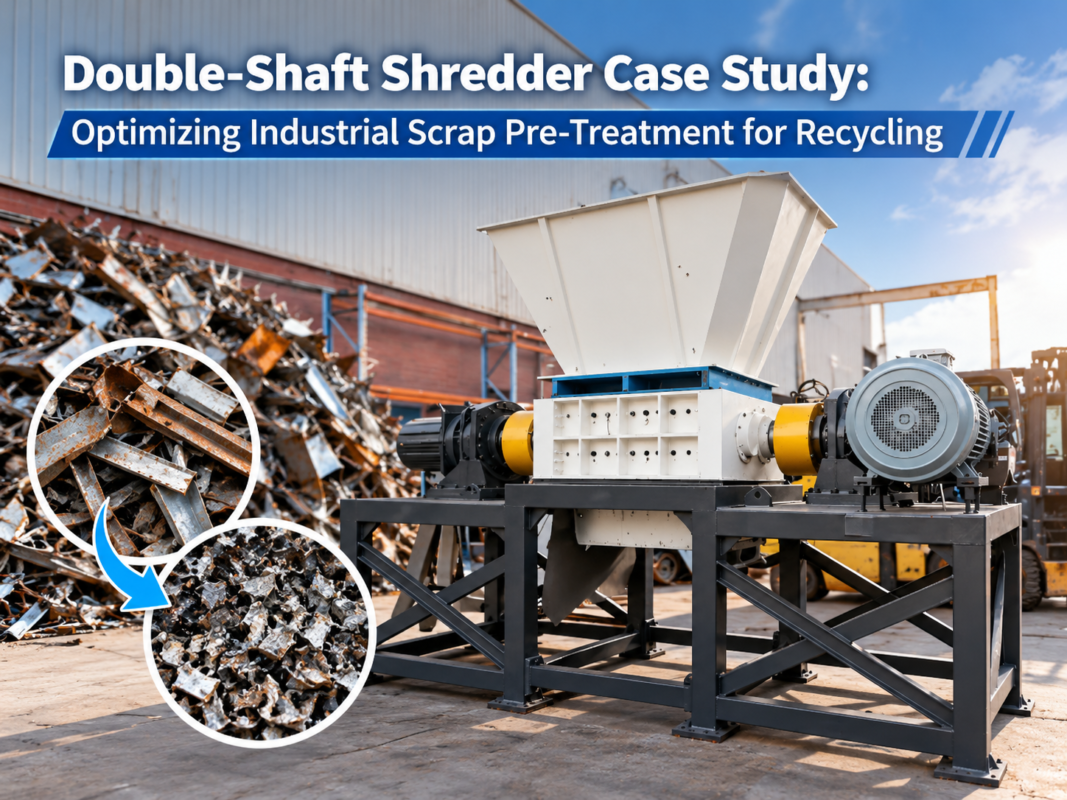
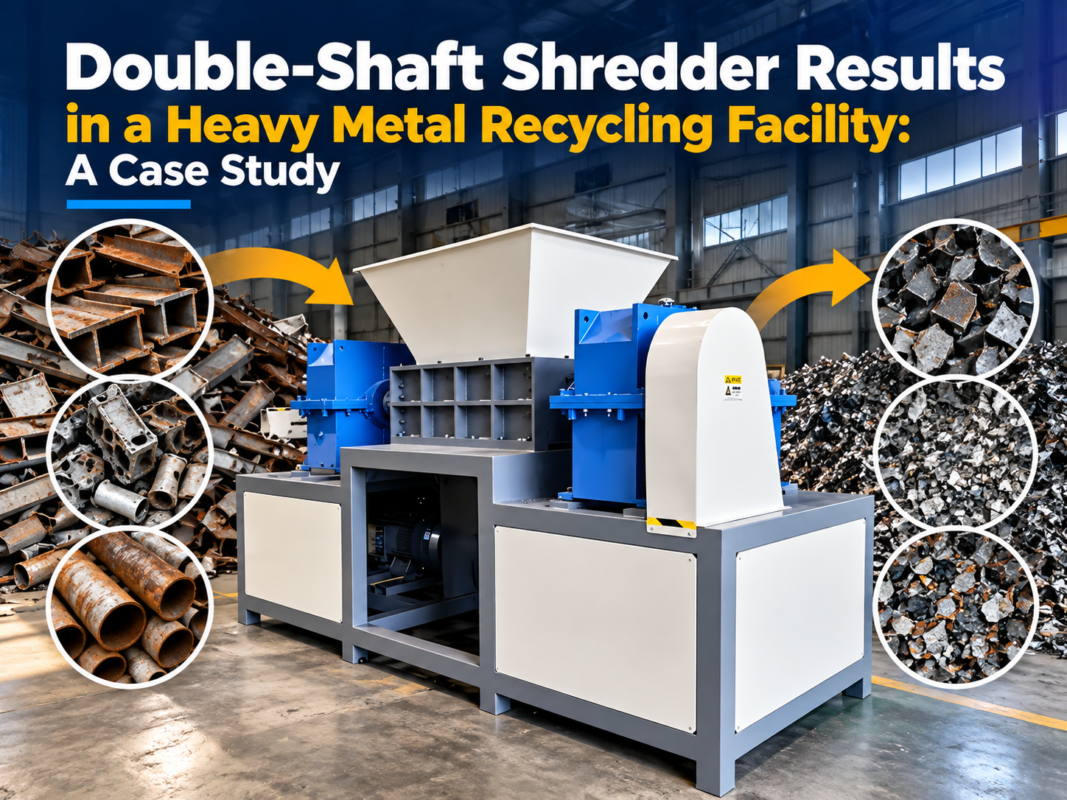
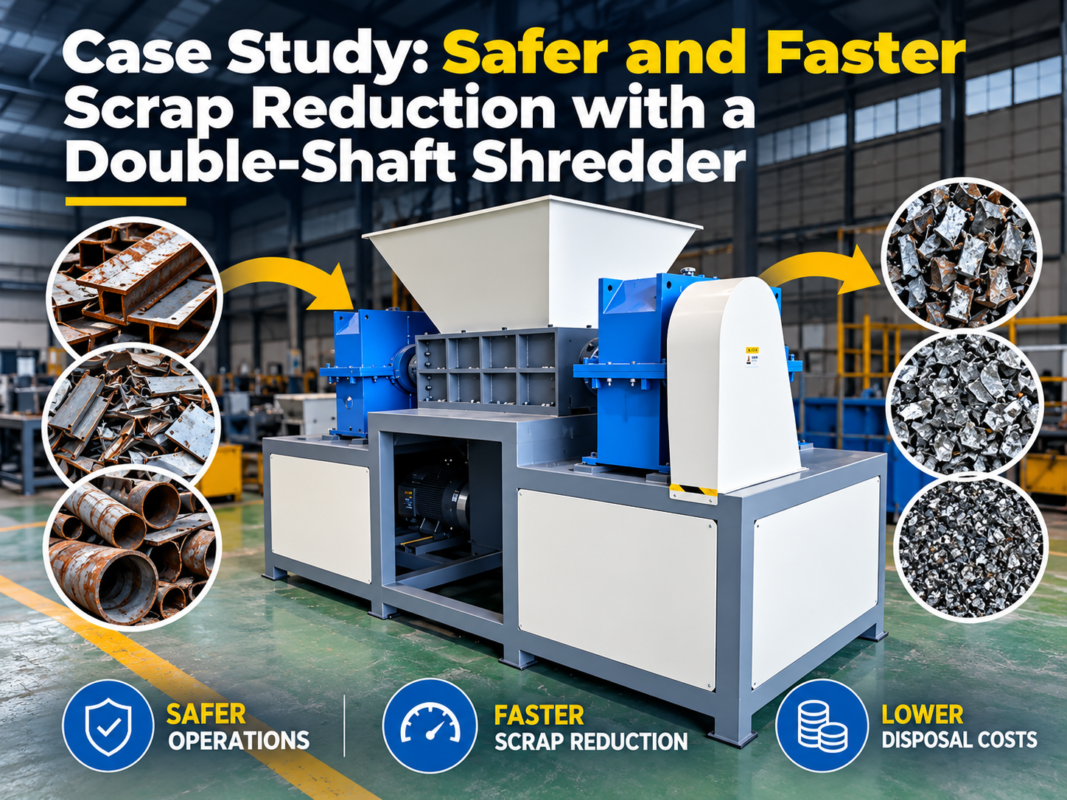
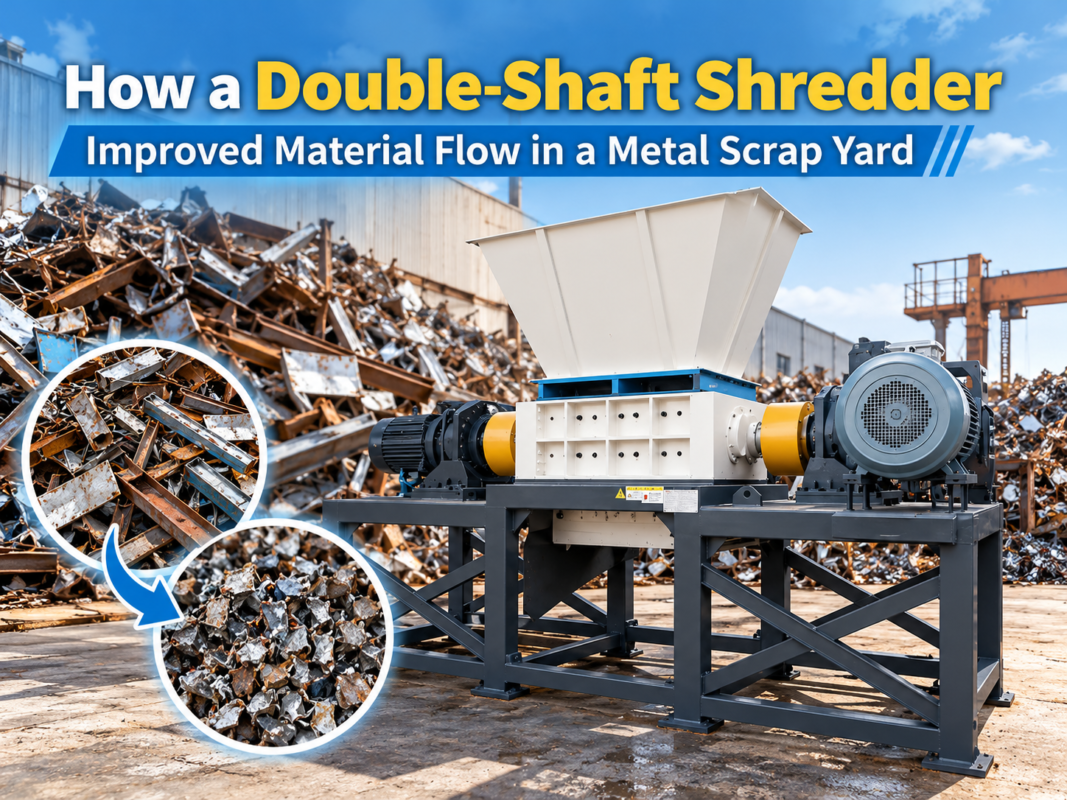
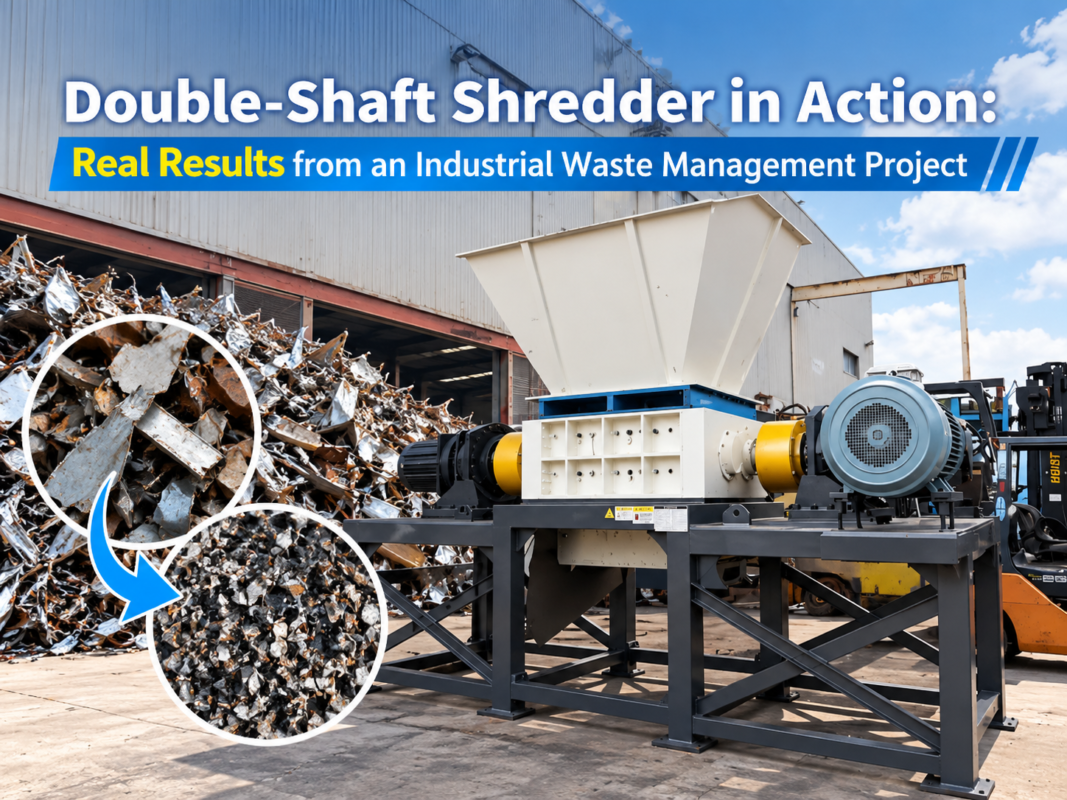
The industrial double-shaft shredder is a cornerstone of modern waste management and material recycling. These machines are engineered to handle high-volume, high-torque shredding tasks, ranging from plastic and wood to heavy-duty metal scrap and electronic waste. At its core, the double-shaft shredder operates on a low-speed, high-torque principle. Unlike high-speed granulators, these machines use two counter-rotating shafts equipped with hooked blades that pull material into the cutting chamber, shearing it between the blade edges and spacers.
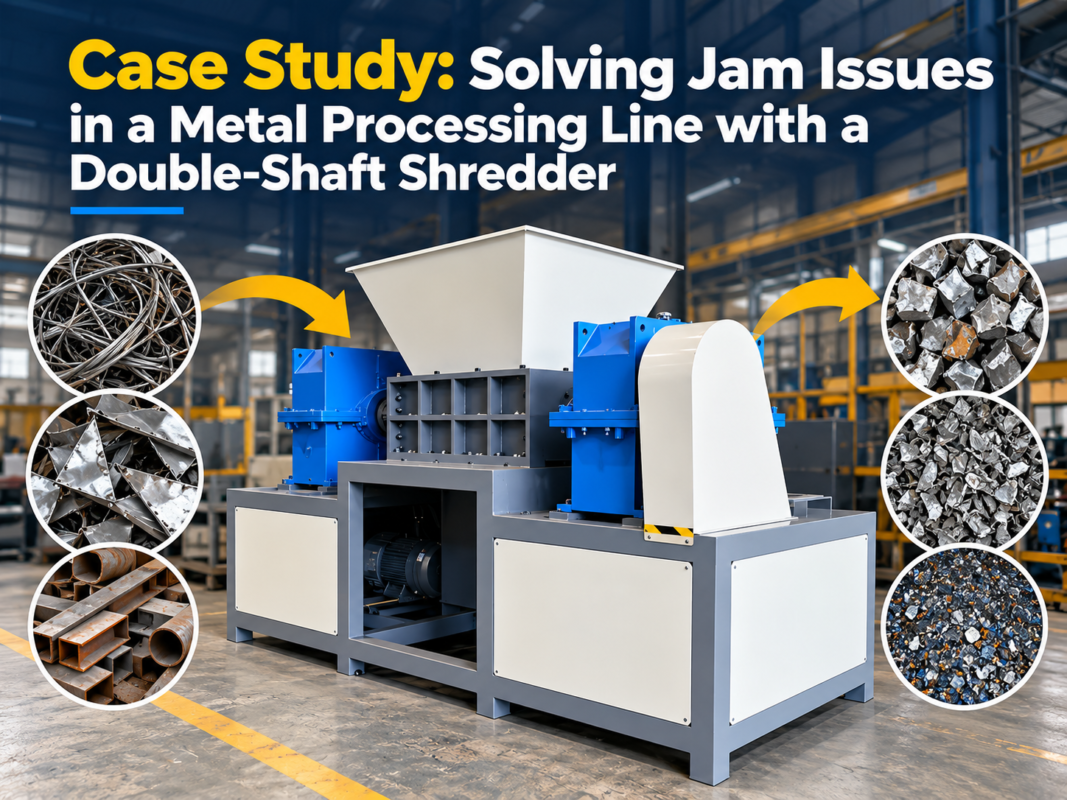
From a safety perspective, the technical complexity of these machines necessitates a deep understanding of their mechanical and electrical architecture. HARSLE double-shaft shredders are designed with integrated PLC (Programmable Logic Controller) systems that monitor motor load in real-time. This is critical because when the machine encounters an unshreddable object or an overload condition, the PLC triggers an automatic reversal of the shafts to clear the jam. Understanding this automated behavior is the first step in ensuring Industrial Double-Shaft Shredder Safety for Operators and Maintenance Teams.
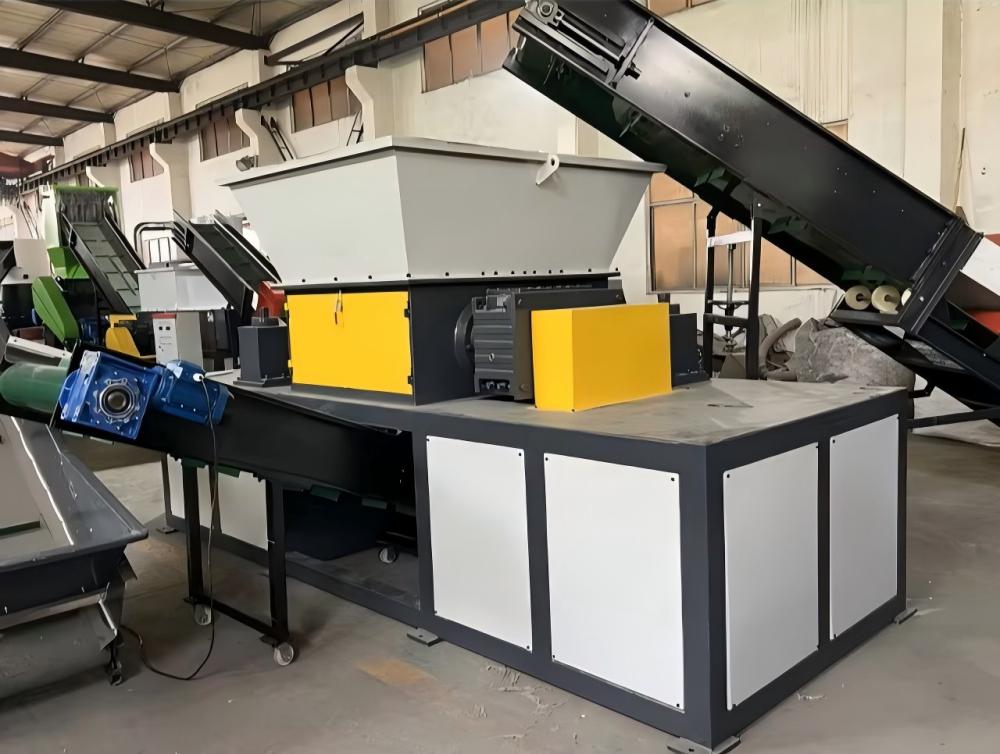
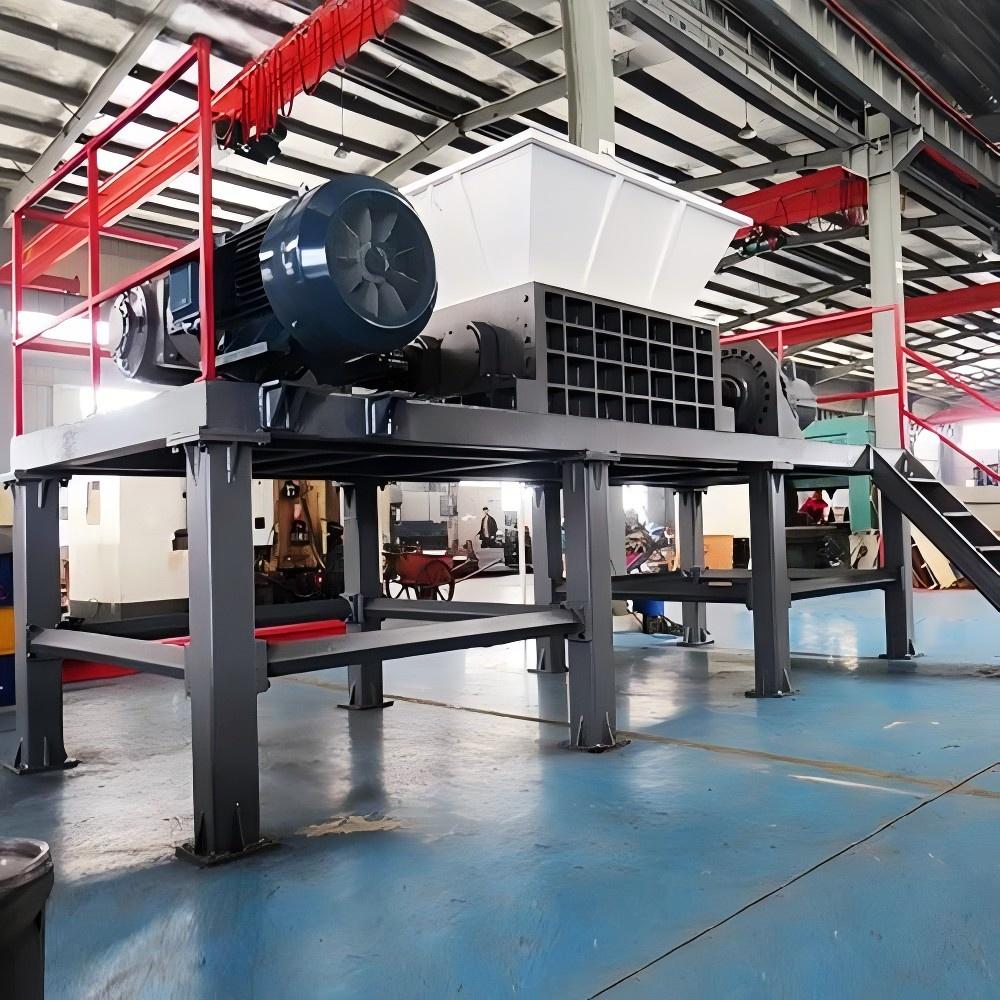
The structural integrity of the machine relies on heavy-duty bearings, high-ratio gearboxes, and precision-machined shafts. For operators, the primary hazards involve the in-feed zone and the discharge area. For maintenance teams, the risks shift toward stored energy, sharp blade edges, and heavy component handling. A robust safety culture requires both teams to understand the machine’s limits, including its maximum shear force and the thermal limits of the drive system.
Furthermore, the modular design of modern shredders allows for specific blade configurations tailored to the material being processed. Whether it is a “point-to-point” or “point-to-flat” cutting geometry, the physics of the shear remain the same. Safety protocols must be adapted to the specific material density; for instance, shredding reinforced tires presents different kinetic risks than shredding hollow plastic drums. This guide serves as a technical manual to bridge the gap between operational efficiency and uncompromising safety.
Core Parameters Influencing Safety and Performance
When discussing Industrial Double-Shaft Shredder Safety for Operators and Maintenance Teams, we must look at the core parameters that define the machine’s operational envelope. These parameters are not just performance metrics; they are safety boundaries. Exceeding these limits often leads to catastrophic mechanical failure or operator injury.
- Torque (Nm): This is the rotational force generated by the motor and multiplied by the gearbox. High torque allows the machine to shear through thick metals, but it also means that any foreign object (like a maintenance tool left in the chamber) will be crushed with immense force, potentially causing shrapnel or machine damage.
- Shaft Speed (RPM): Typically ranging from 10 to 40 RPM. While low speed is generally safer than high speed, it creates a false sense of security. The slow movement is deceptive; the force behind that movement is enough to crush structural steel.
- Blade Thickness and Diameter: The geometry of the blades determines the size of the output and the “bite” the machine takes. Thicker blades are more robust but require more power. Maintenance teams must monitor blade wear, as dull blades increase friction and heat, leading to fire risks in certain materials.
- Motor Power (kW): The total energy available to the system. Over-motoring a shredder without proper structural reinforcement can lead to shaft snapping, while under-motoring leads to frequent stalls and electrical overheating.
Operators must be trained to recognize when the machine is operating outside its nominal parameter range. Unusual vibrations, excessive heat from the gearbox, or a change in the acoustic signature of the shredding process are all indicators that safety margins are being compromised. Maintenance teams, on the other hand, use these parameters to calibrate the PLC’s overload protection settings, ensuring the machine shuts down before a mechanical fuse (like a shear pin or electronic trip) is triggered.
Calculation Method for Shredder Force and Safety Margins
To ensure Industrial Double-Shaft Shredder Safety for Operators and Maintenance Teams, engineers must calculate the required cutting force versus the machine’s structural capacity. The fundamental formula for calculating the torque required for a specific material is:
T = (P × 9550) / n
Where:
T = Torque in Newton-meters (Nm)
P = Power in Kilowatts (kW)
n = Rotational speed in Revolutions per Minute (RPM)
9550 = Constant for metric units
However, for safety, we must also calculate the Specific Cutting Force (Ks), which is the force required to shear a unit area of material. The total force (F) exerted by the blade is F = T / r, where r is the radius of the blade. If F exceeds the shear strength of the shaft material or the yield strength of the blade bolts, a mechanical failure will occur. Maintenance teams should use these calculations when replacing blades with non-OEM parts to ensure the new configuration doesn’t overstress the drive train.
Another critical calculation is the Throughput Safety Factor. If a machine is rated for 5 tons per hour of plastic, attempting to process 5 tons per hour of scrap metal will result in a 400% overload of the torque requirements. Operators should always calculate the bulk density of the feed material to ensure the volumetric capacity of the hopper does not lead to a “bridging” effect, which can cause sudden, violent surges in motor current.
Industrial Double-Shaft Shredder Parameter Table
The following table outlines typical parameters for various industrial applications. These values are essential for maintenance teams to verify during routine inspections and for operators to understand the limits of their specific equipment.
| Material Type | Typical Motor Power (kW) | Shaft Speed (RPM) | Blade Thickness (mm) | Safety Torque Limit (Nm) |
|---|---|---|---|---|
| Plastic Drums/Crates | 30 – 45 | 20 – 30 | 20 – 40 | 15,000 |
| Wood Pallets/Timber | 45 – 75 | 15 – 25 | 30 – 50 | 25,000 |
| Electronic Waste (E-waste) | 55 – 90 | 12 – 20 | 15 – 30 | 40,000 |
| Light Metal Scrap | 90 – 160 | 10 – 15 | 40 – 60 | 75,000 |
| Tires (TDF Production) | 110 – 200 | 10 – 18 | 50 – 80 | 100,000+ |
Common Engineering and Operational Mistakes
In the realm of Industrial Double-Shaft Shredder Safety for Operators and Maintenance Teams, certain mistakes recur across the industry. Identifying these early can prevent costly downtime and injuries.
1. Bypassing Safety Interlocks: Perhaps the most dangerous mistake is the intentional bypassing of hopper limit switches or emergency stop circuits. Operators sometimes do this to clear jams quickly without powering down. This is a leading cause of severe accidents. Modern HARSLE machines utilize tamper-resistant sensors, but the culture of safety must start with the team.
2. Neglecting Blade Gap Calibration: As blades wear, the gap between the counter-rotating knives increases. This leads to material “wrapping” around the shafts rather than being sheared. This increases the lateral load on the bearings and can lead to shaft deflection. Maintenance teams must regularly shim or replace blades to maintain the manufacturer’s specified tolerances.
3. Improper Lubrication of the Gearbox: The gearbox is the heart of the shredder’s torque delivery. Using the wrong viscosity oil or failing to change oil after the initial break-in period leads to gear pitting. A seized gearbox can cause a sudden stop that snaps the drive coupling, creating a projectile hazard.
4. Feeding Unshreddable Objects: While shredders are tough, they are not indestructible. Feeding massive solid steel shafts or large concrete blocks into a machine designed for plastics will eventually fatigue the metal. Operators must be trained in material sorting to identify “non-shreddables” before they reach the hopper.
5. Ignoring Thermal Signatures: Heat is the first sign of trouble. If the motor housing or the bearing blocks are too hot to touch, the machine is being over-stressed. Maintenance teams should use infrared thermography during operation to identify hot spots that indicate misalignment or lack of lubrication.
Selection Checklist for Safe Shredder Procurement
When selecting a new machine, prioritize features that enhance Industrial Double-Shaft Shredder Safety for Operators and Maintenance Teams. Use this checklist during the procurement phase:
- Automatic Reversal System: Does the PLC detect an amp-spike and reverse the shafts automatically? This is non-negotiable for modern safety.
- Lockout/Tagout (LOTO) Points: Are the main isolators easily accessible and clearly marked? Can the hydraulic system (if applicable) be depressurized and locked?
- Hopper Design: Is the hopper tall enough to prevent an operator from reaching the blades? Does it have a safety curtain or lid?
- Bearing Protection: Are the bearings isolated from the cutting chamber with seals and spacers to prevent material ingress?
- Ease of Maintenance: Can the shafts be removed easily for blade changes, or does it require a complete teardown? Machines that are hard to maintain are often neglected, leading to safety risks.
- Emergency Stop Placement: Are there E-stops on all four sides of the machine and at the control console?
- Structural Certification: Is the frame made of heavy-duty welded steel plate, and has it been stress-relieved?
Maintenance Protocols for Safety Teams
Maintenance of a double-shaft shredder is a high-risk activity that requires strict adherence to protocol. The following steps should be the foundation of any maintenance program:
Daily Inspection: Check for loose bolts on the blade assemblies and the motor mounts. Inspect the hydraulic hoses for leaks or abrasions. Ensure the discharge conveyor is clear of debris that could cause a fire.
Weekly Blade Assessment: Visually inspect the cutting edges. If the “hooks” on the blades are rounded, the machine’s efficiency drops, and the risk of material kickback increases. Check the tension of the drive belts or the alignment of the fluid coupling.
Monthly Electrical Audit: Test all emergency stops and interlocks. Check the motor current draw under load and compare it to the baseline. High current draw in an empty machine indicates bearing drag or gearbox internal friction.
Lockout/Tagout (LOTO) Procedure: Before any person enters the hopper or opens the cutting chamber, the main power must be disconnected, the key held by the lead technician, and a “Danger: Do Not Operate” tag applied. If the machine has a hydraulic pusher, the accumulator must be bled to zero pressure.
Frequently Asked Questions (FAQ)
1. What is the most common cause of shredder failure?
The most common cause is “slugging” or overloading the machine with material that exceeds its torque capacity. This leads to shaft fatigue and gearbox failure. Regular training on material sorting can prevent this.
2. How often should blades be sharpened or replaced?
This depends entirely on the material. Shredding abrasive materials like glass-filled plastics or contaminated wood requires more frequent maintenance. Generally, blades should be inspected every 500 hours of operation.
3. Can a double-shaft shredder handle wet materials?
Yes, but it requires special considerations. Wet materials can wash away lubricant from the seals and cause corrosion. If you are shredding wet waste, ensure the machine has IP65-rated electrical components and stainless steel or coated shafts.
4. Why does my shredder keep reversing?
Frequent reversal usually means the material is too tough for the current blade configuration, the blades are dull, or the hopper is being overfed. Check the blade condition and reduce the feed rate.
5. Is it safe to hand-feed a shredder?
Hand-feeding is extremely dangerous and should only be done if the hopper is specifically designed with a long reach-in distance and safety sensors. Whenever possible, use a conveyor or a mechanical loader to maintain a safe distance from the cutting zone.
By following this guide, operators and maintenance teams can ensure that their HARSLE double-shaft shredder remains a productive and safe asset in their facility. Safety is not just a set of rules; it is a technical discipline that requires constant vigilance and a deep understanding of the machine’s capabilities.