Industrial Briquetting Machine Application Guide for CNC Chip Recycling: Maximizing Efficiency and Profitability

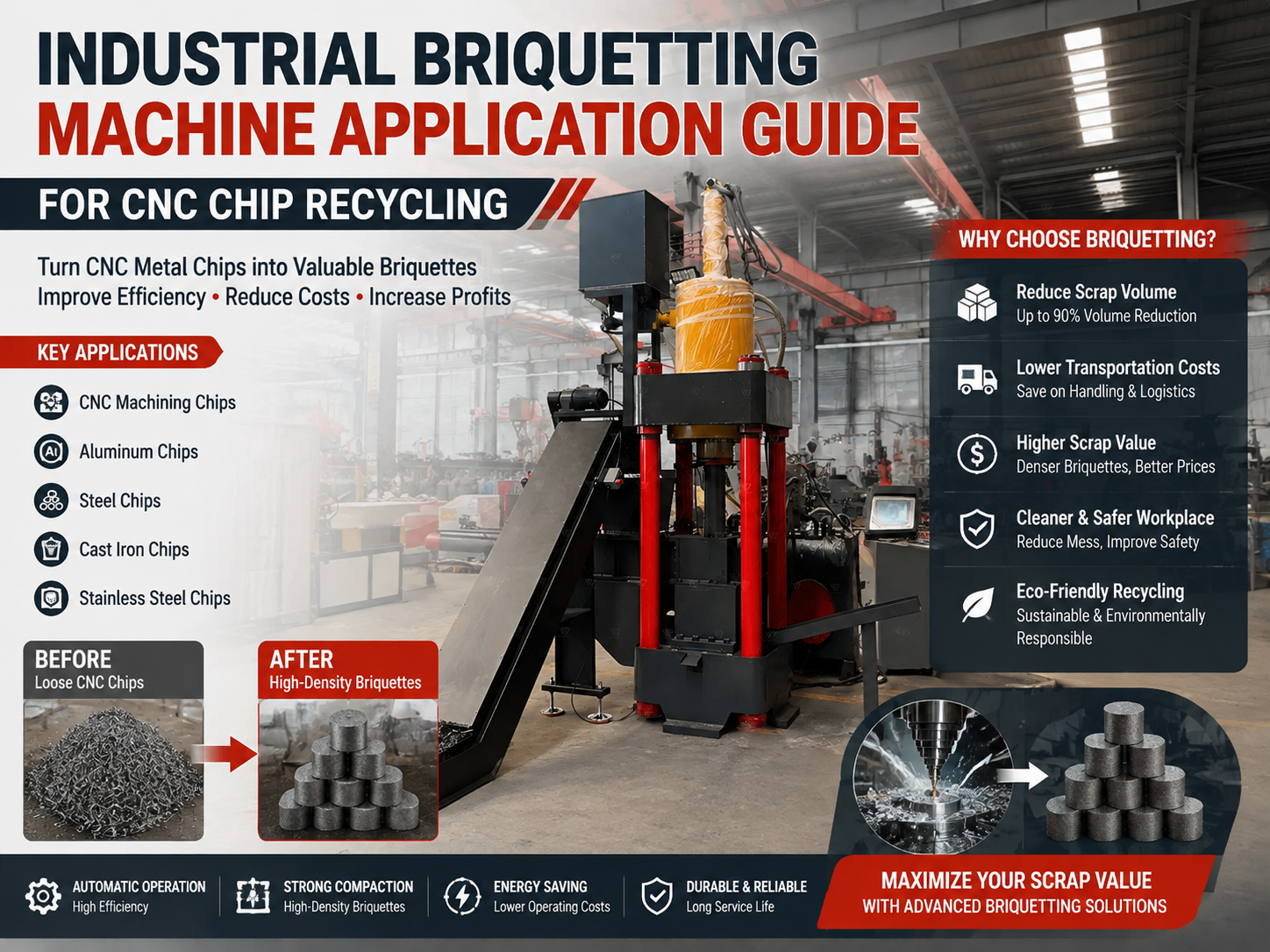
Technical Overview: The Role of Briquetting in Modern Manufacturing
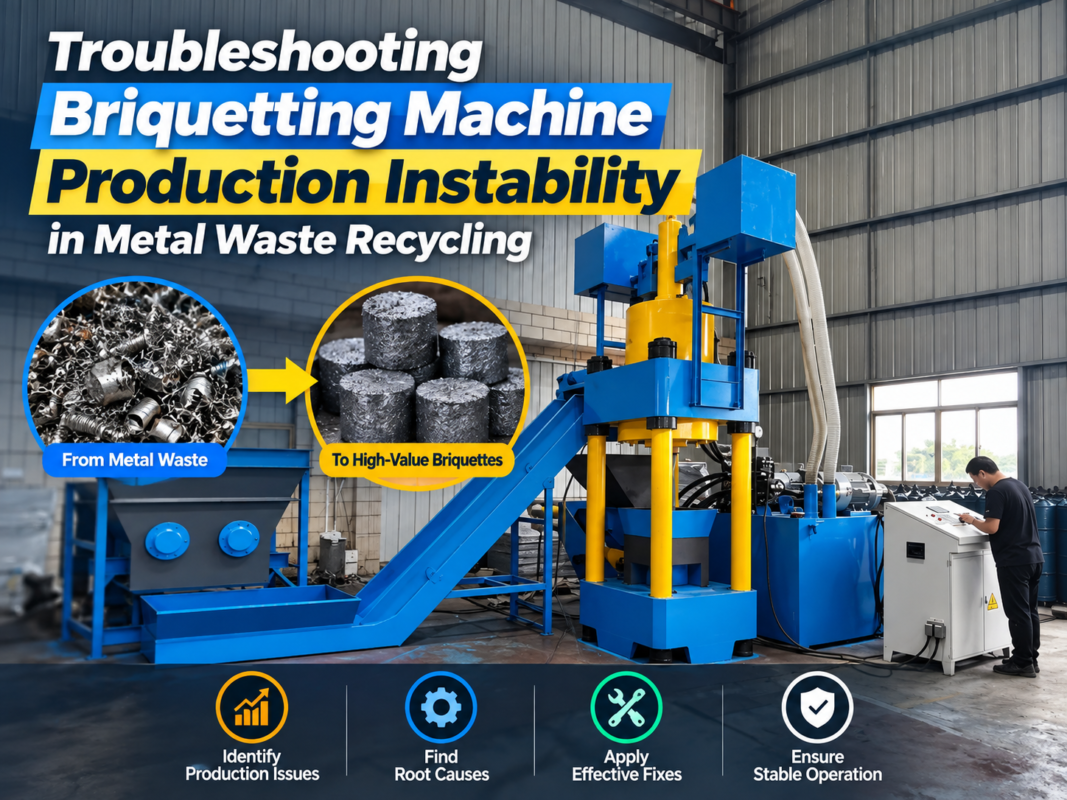
In the high-precision world of CNC machining, the generation of metal chips, turnings, and swarf is an unavoidable byproduct. For many metal fabrication facilities, these loose chips represent a significant logistical burden, occupying vast amounts of floor space and complicating waste management. An industrial briquetting machine serves as the critical link in transforming this low-density waste into high-density, manageable briquettes. By applying extreme hydraulic pressure, these machines compress loose metal scrap into solid forms, effectively removing cutting fluids and reducing volume by up to 90%.
The process of CNC chip recycling via briquetting is not merely about waste disposal; it is a strategic move toward a circular economy within the factory floor. When chips are left in their raw state, they are porous and saturated with expensive coolants. A HARSLE industrial briquetting machine extracts these fluids, allowing for their filtration and reuse, which significantly lowers procurement costs for lubricants. Furthermore, the resulting briquettes are much easier to transport and command a higher market price from scrap metal recyclers due to their purity and reduced surface area.
Technologically, these machines utilize a multi-stage compression cycle. The loose chips are fed into a hopper, where an agitator ensures consistent flow into the compression chamber. Once the chamber is filled, a hydraulic ram exerts force to compact the material. The structural integrity of the briquette is achieved through cold-welding, where the pressure causes the metal particles to bond without the need for binders. This process is highly automated, allowing for seamless integration into existing CNC production lines.
Implementing an industrial briquetting machine application for CNC chip recycling also addresses environmental compliance and safety. Loose metal chips are sharp, hazardous, and prone to fire risks when saturated with oil. By compacting them, you eliminate the risk of oil leakage and reduce the physical footprint of the scrap storage area. This transition from a messy, hazardous waste stream to a clean, organized material handling process is a hallmark of modern, lean manufacturing facilities.
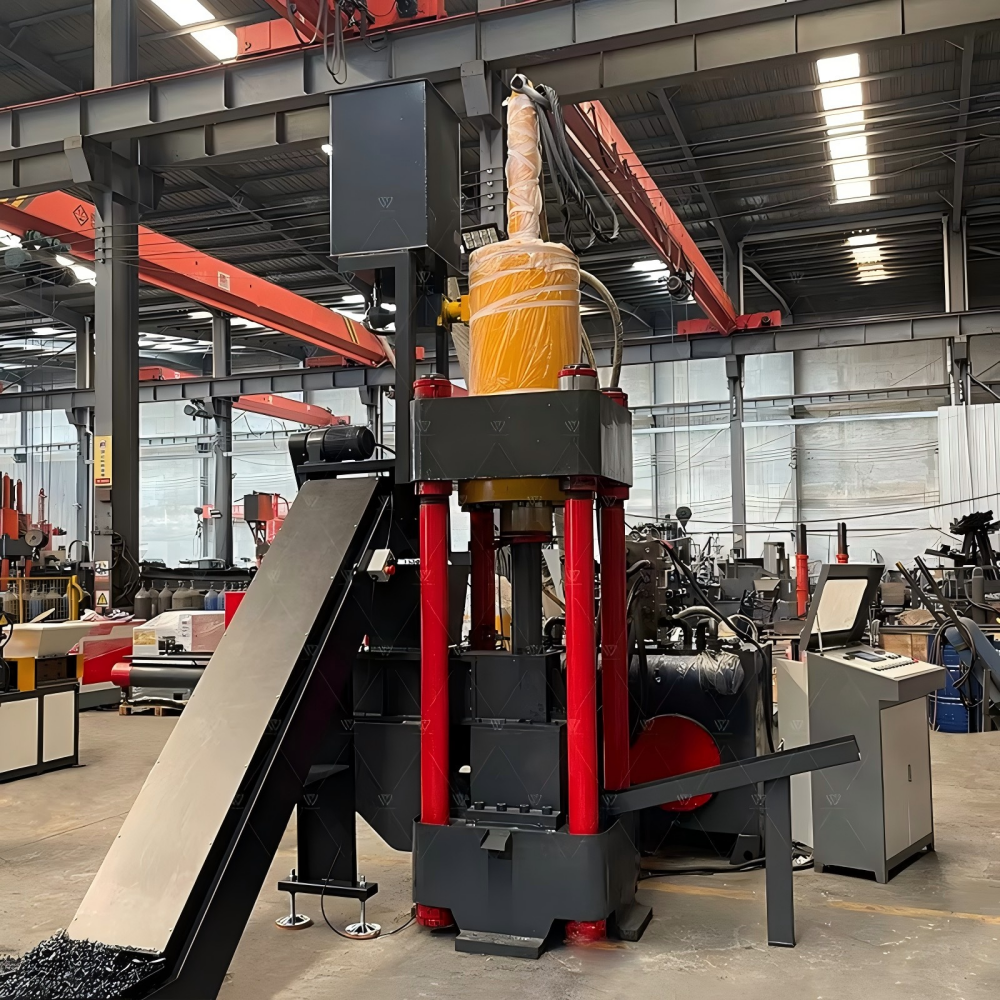
Core Parameters: Understanding Machine Specifications
When evaluating an industrial briquetting machine, several core parameters dictate its performance and suitability for your specific CNC chip recycling needs. The primary metric is the compression force, measured in tons. This force determines the density of the final briquette and the machine’s ability to handle different types of metals, such as aluminum, steel, brass, or cast iron. Higher force is generally required for harder, more resilient materials to ensure a solid, non-crumbling briquette.
Another critical parameter is the throughput capacity, typically measured in kilograms per hour (kg/h). This must be matched to the volume of chips generated by your CNC machines. If the briquetting machine cannot keep up with the rate of chip generation, you will face bottlenecks. Conversely, an oversized machine leads to unnecessary capital expenditure and higher energy consumption. HARSLE engineers recommend conducting a thorough audit of your daily chip output before finalizing the model selection.
The briquette diameter and shape are also vital. Standard machines produce cylindrical briquettes, which are ideal for melting in furnaces as they have a predictable surface-area-to-volume ratio. The diameter should be chosen based on the requirements of your downstream processes, such as the size of the melting crucible or the specifications of the scrap buyer. Some applications may require specific shapes or sizes to optimize the charging process in induction furnaces.
Finally, the hydraulic system specifications—including pump pressure, oil cooling capacity, and cycle time—are essential. A robust hydraulic system ensures longevity and consistent performance under continuous operation. Advanced HARSLE models feature intelligent control systems that monitor pressure and temperature, adjusting the cycle time automatically to maintain optimal briquette density while protecting the machine from overload conditions.
Calculation Method: ROI and Efficiency Metrics
Calculating the return on investment (ROI) for an industrial briquetting machine requires a systematic approach. First, determine the volume reduction ratio. By comparing the bulk density of loose chips to the density of the briquettes, you can calculate the space savings. For example, if your loose chips have a bulk density of 200 kg/m³ and your briquettes reach 4,000 kg/m³, you are achieving a 20:1 volume reduction. This directly translates to lower storage and transportation costs.
Next, calculate the value of recovered coolant. Measure the volume of oil extracted from a specific weight of chips. If your facility processes 1,000 kg of chips per day and you recover 50 liters of coolant, calculate the cost per liter of that coolant. Over a year, this recovery can amount to thousands of dollars in savings. This is a key component of the industrial briquetting machine application for CNC chip recycling that often goes overlooked during initial budgeting.
The third factor is the scrap value premium. Metal recyclers pay significantly more for briquetted scrap compared to loose chips because the briquettes are easier to handle, have less surface oxidation, and are cleaner. Contact your local scrap metal buyers to determine the price difference per ton. Multiply this premium by your annual tonnage to estimate the additional revenue generated by the briquetting process.
Lastly, factor in labor and maintenance costs. While the machine requires power and periodic maintenance, it significantly reduces the labor hours spent manually handling, shoveling, and cleaning up loose chips. By automating the chip management process, you reallocate human resources to higher-value tasks, further enhancing the overall efficiency of your CNC production environment.
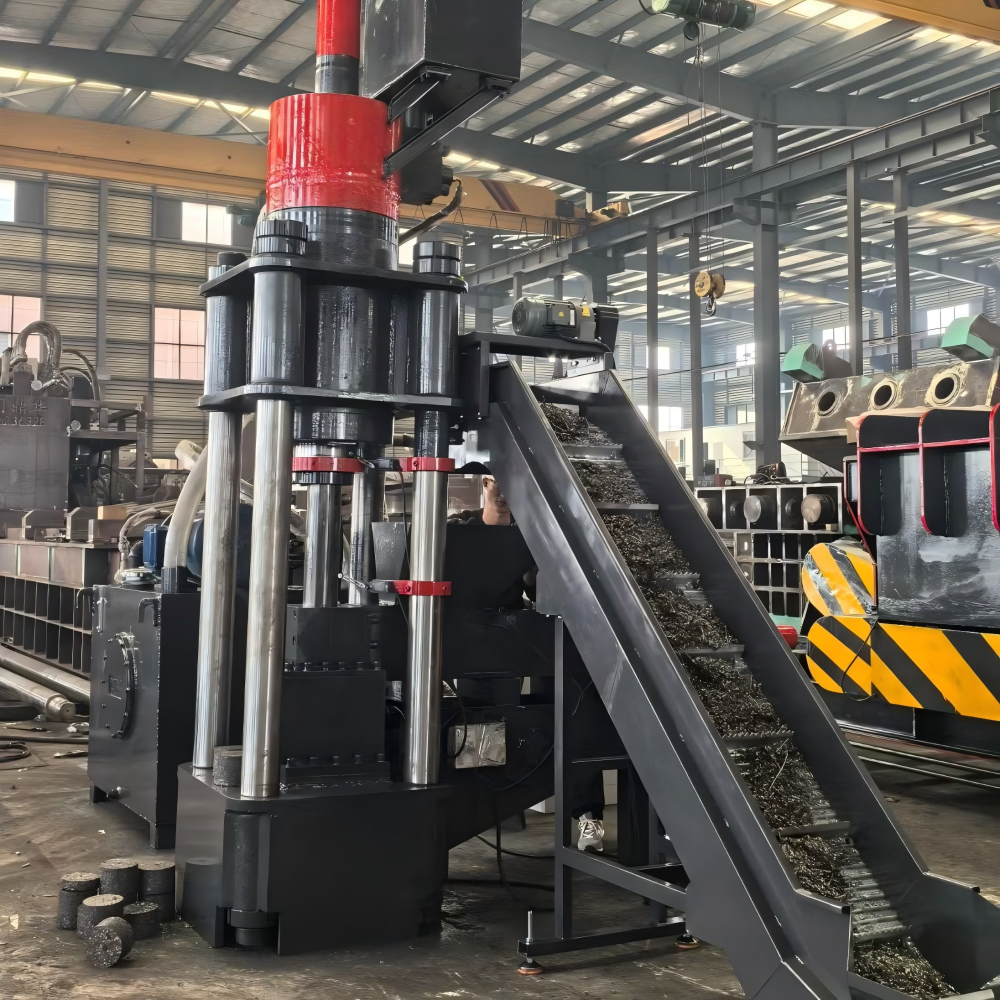
Parameter Table: HARSLE Briquetting Series
| Model | Compression Force (Tons) | Throughput (kg/h) | Briquette Diameter (mm) | Power (kW) |
|---|---|---|---|---|
| HBS-100 | 100 | 150-200 | 60 | 11 |
| HBS-200 | 200 | 300-400 | 80 | 18.5 |
| HBS-300 | 300 | 500-600 | 100 | 30 |
| HBS-500 | 500 | 800-1000 | 120 | 45 |
Common Engineering Mistakes in Chip Recycling
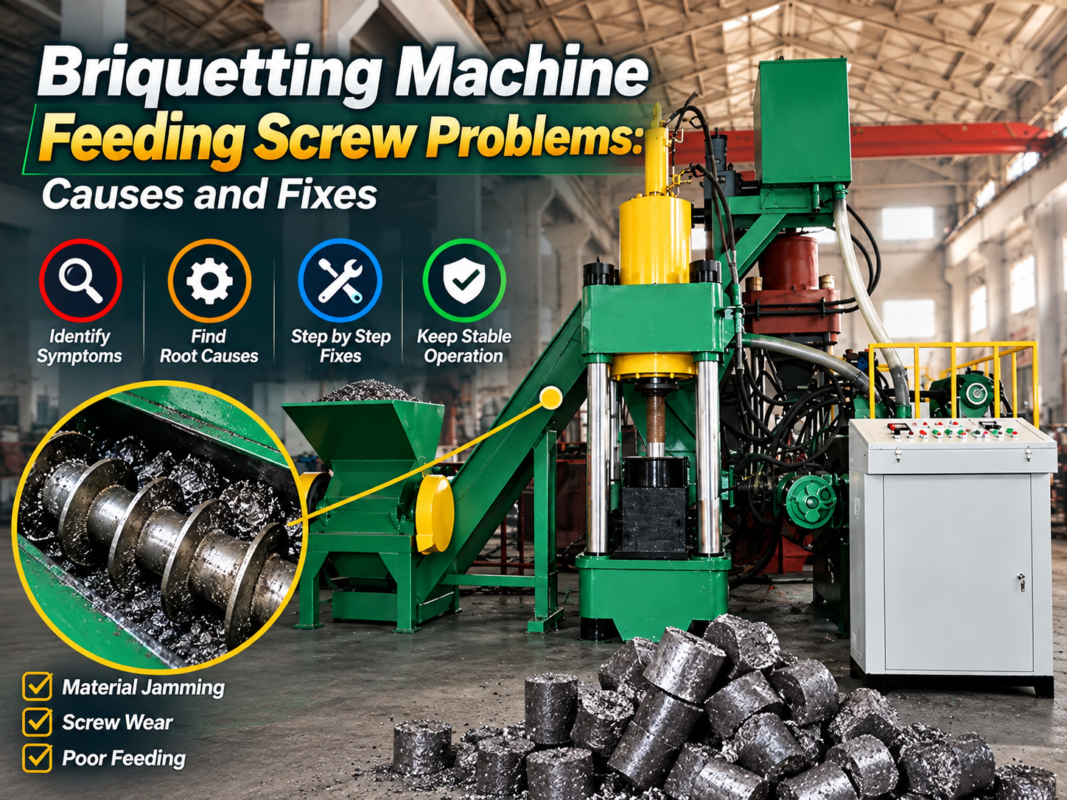
One of the most frequent mistakes in implementing an industrial briquetting machine is failing to account for chip morphology. Not all chips are created equal; long, stringy turnings behave very differently from short, broken chips. If your CNC process produces long, tangled turnings, you must incorporate a chip shredder or crusher before the briquetting stage. Attempting to feed long turnings directly into a standard briquetting machine will lead to frequent jams and mechanical strain.
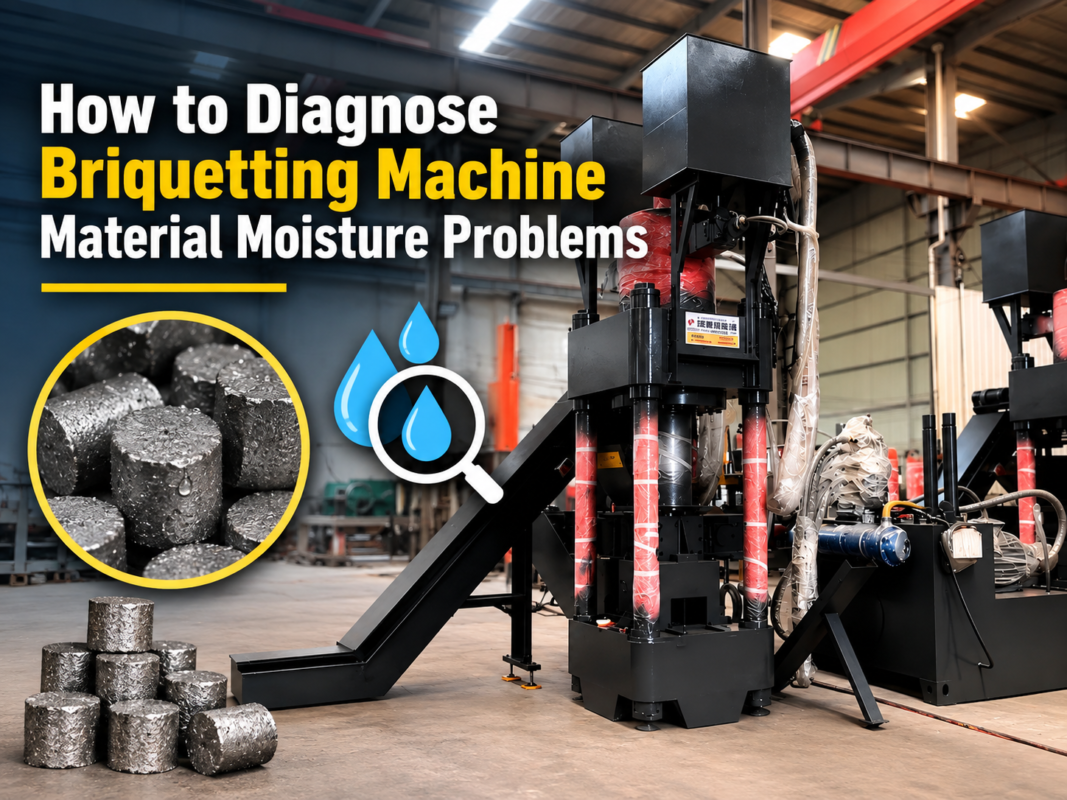
Another common error is ignoring the moisture content of the chips. While briquetting machines are designed to extract fluid, excessive amounts of coolant or sludge can overwhelm the drainage system. If your chips are excessively wet, you may need a pre-centrifuge or a drainage conveyor to remove the bulk of the liquid before the chips enter the briquetting chamber. Failure to manage this will result in poor-quality, “mushy” briquettes that fall apart during handling.
Inadequate site preparation is also a recurring issue. Briquetting machines are heavy and generate significant vibration during the compression cycle. Installing the machine on an uneven or thin concrete floor can lead to structural damage over time. Ensure that the floor is reinforced and that the machine is properly leveled using high-quality anti-vibration mounts. Furthermore, ensure there is sufficient space around the machine for maintenance access and material handling equipment like forklifts or conveyors.
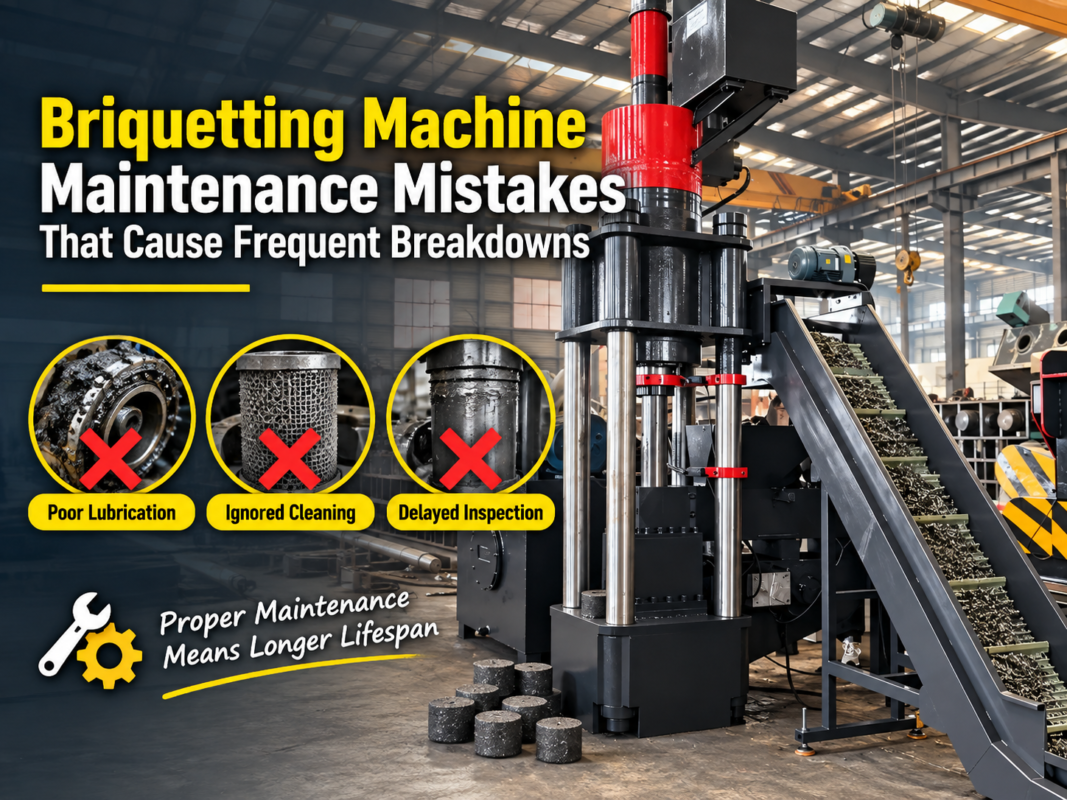
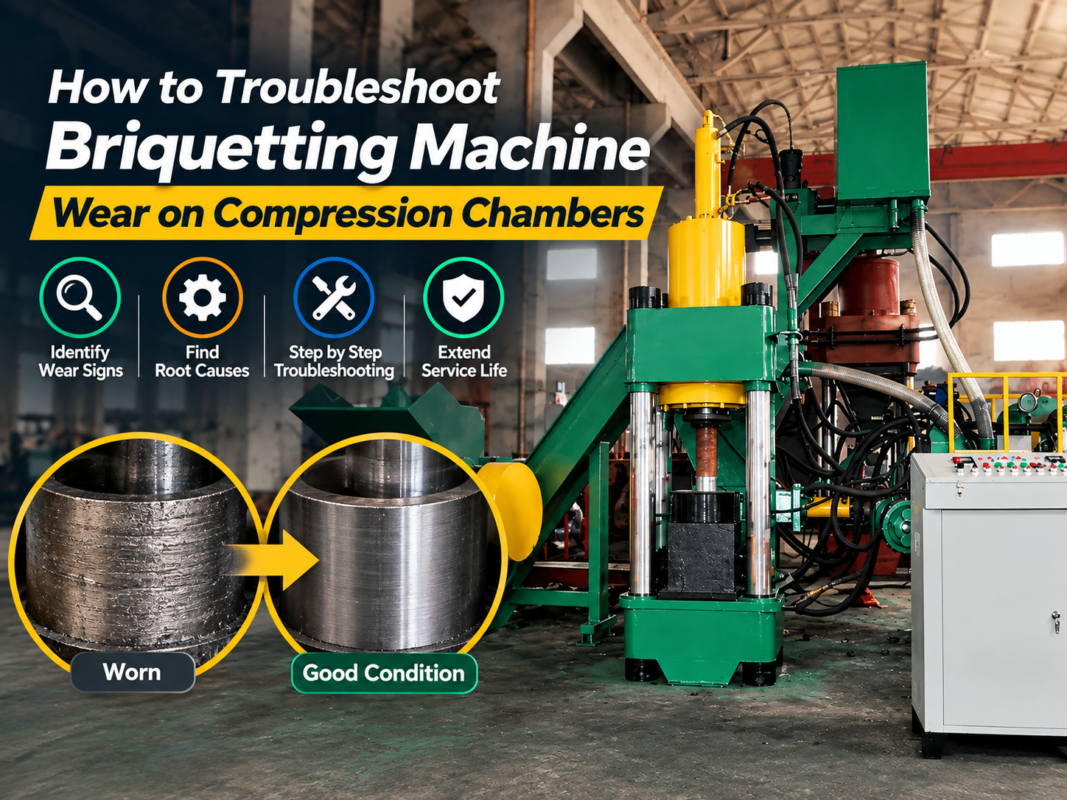
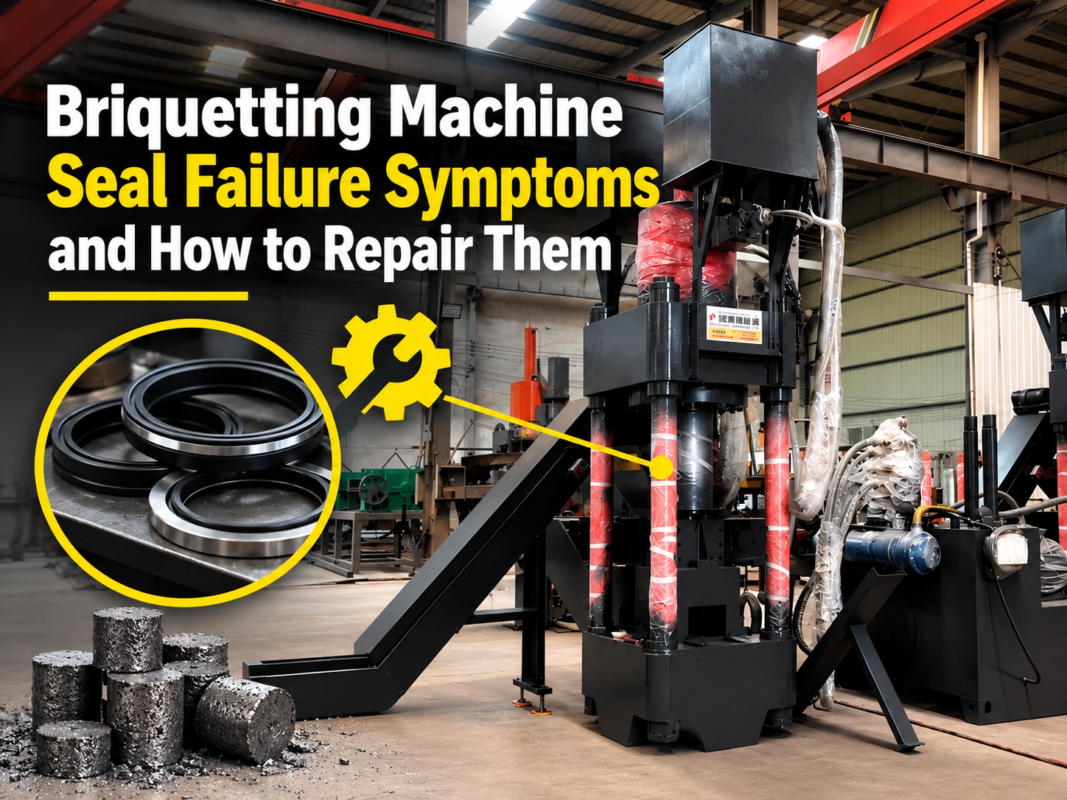
Finally, many facilities underestimate the importance of operator training. An industrial briquetting machine is a sophisticated piece of hydraulic equipment. Operators must understand how to adjust settings for different metal types, how to perform daily inspections, and how to troubleshoot minor issues. Neglecting training leads to improper machine usage, increased downtime, and premature wear of critical components like the compression die and ram seals.
Selection Checklist: Choosing the Right Equipment
- Material Compatibility: Does the machine handle the specific alloy you are machining (e.g., aluminum, steel, titanium)?
- Throughput Requirements: Does the machine’s hourly capacity exceed your peak chip generation rate?
- Space Constraints: Do you have the necessary floor space for the machine, the hopper, and the output conveyor?
- Integration Potential: Can the machine be integrated with your existing CNC coolant filtration system?
- Maintenance Support: Does the manufacturer provide local technical support and readily available spare parts?
- Energy Efficiency: Does the machine feature energy-saving modes or variable frequency drives?
- Briquette Quality: Can the machine produce the density required by your specific scrap metal buyer?
FAQ: Frequently Asked Questions
Can I mix different types of metal chips in the briquetting machine?
It is generally not recommended to mix different types of metal chips. Mixing alloys significantly reduces the value of the scrap, as the resulting briquettes will be considered contaminated. It is best to process one alloy type at a time and clean the machine between batches.
How often does the briquetting machine require maintenance?
Routine maintenance should be performed every 500 to 1,000 operating hours. This includes checking hydraulic oil levels, inspecting seals, cleaning the drainage system, and checking the wear on the compression die. A strict maintenance schedule is essential for long-term reliability.
What is the typical lifespan of a HARSLE briquetting machine?
With proper maintenance and correct usage, an industrial briquetting machine can last 10 to 15 years or more. The longevity depends heavily on the abrasiveness of the material being processed and the adherence to the recommended maintenance intervals.
Does the briquetting process remove all the coolant?
The briquetting process is highly effective at removing the majority of the coolant, typically leaving less than 2-3% moisture in the briquette. This is sufficient for most industrial recycling standards and significantly reduces the weight and environmental impact of the scrap.
Is it possible to automate the entire chip handling process?
Yes, HARSLE offers fully automated chip handling systems that include conveyors, shredders, briquetting machines, and briquette storage silos. This creates a “lights-out” recycling process that requires minimal human intervention.