How Temperature and Moisture Affect Briquetting Machine Results: A Technical Guide

Technical Overview: The Physics of Briquetting
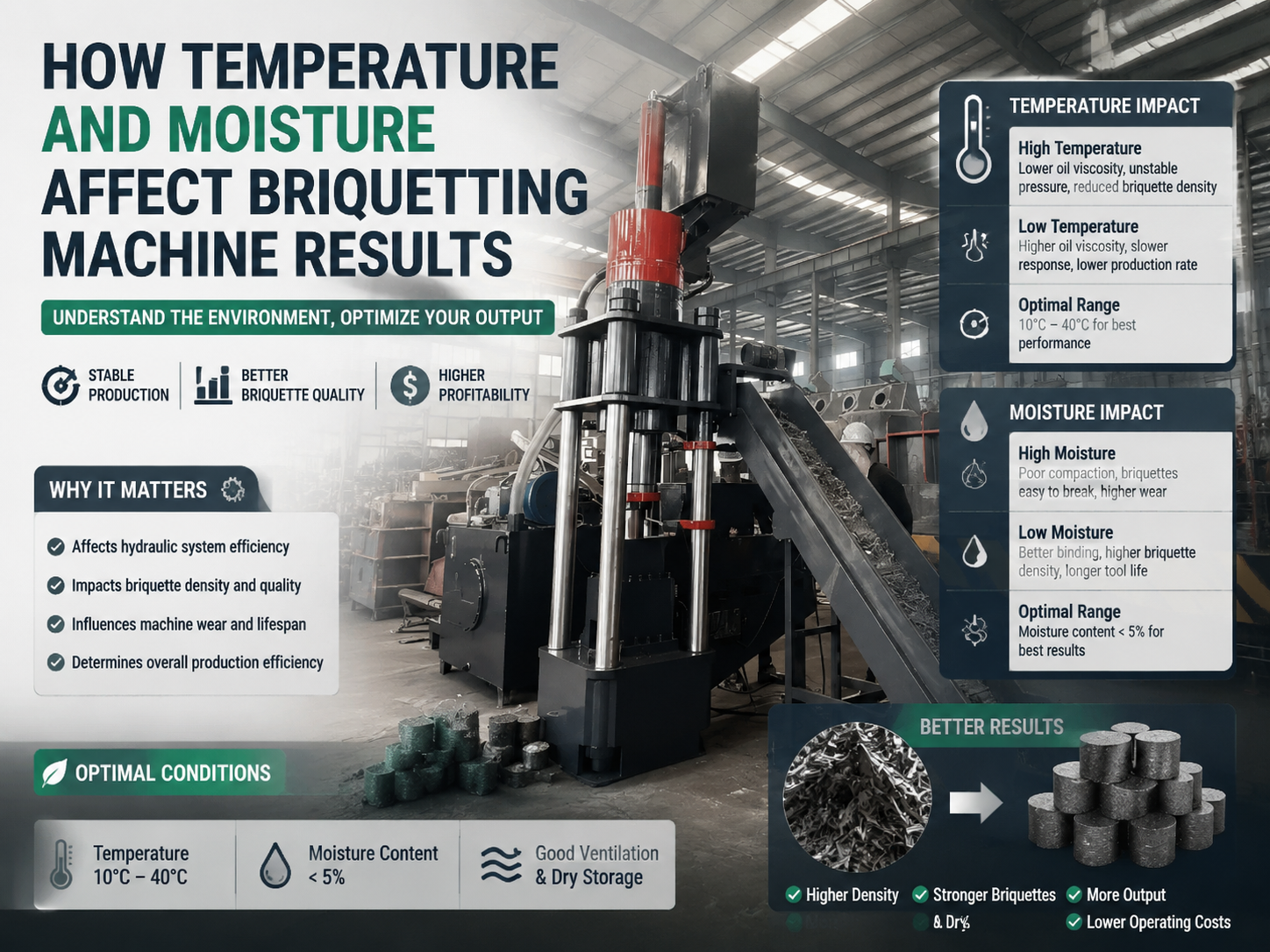
In the modern metal fabrication industry, the efficiency of scrap management is a critical factor in operational profitability. HARSLE briquetting machines are engineered to transform loose metal chips, turnings, and swarf into dense, manageable briquettes. However, the mechanical process of compaction is not merely a function of hydraulic pressure; it is deeply influenced by the physical state of the material being processed. Specifically, how temperature and moisture affect briquetting machine results is a fundamental consideration for any facility manager aiming to maximize density and minimize coolant loss.
At its core, a briquetting machine operates by applying extreme pressure to metal particles, forcing them to overcome their elastic limit and bond together through mechanical interlocking and cold welding. When material enters the compression chamber, the presence of moisture—often in the form of residual cutting fluids or oils—acts as both a lubricant and a potential barrier to high-density compaction. Similarly, the temperature of the material influences the ductility of the metal, which directly dictates how easily the chips deform under the force of the hydraulic ram.
Understanding the interplay between these variables allows operators to calibrate their HARSLE equipment for optimal throughput. If the material is too cold, the metal may remain brittle, leading to briquettes that crumble upon ejection. Conversely, excessive moisture can lead to hydraulic instability or poor structural integrity of the final product. By mastering these environmental and material factors, manufacturers can significantly improve the recovery rate of expensive cutting fluids and increase the market value of their scrap metal.
This guide explores the technical nuances of these variables, providing actionable insights for industrial applications. Whether you are processing aluminum, steel, or copper, the principles of material preparation remain consistent. We will delve into the specific thresholds that define successful compaction and how HARSLE technology is designed to mitigate the challenges posed by fluctuating environmental conditions.
Core Parameters: The Impact of Moisture and Thermal Energy
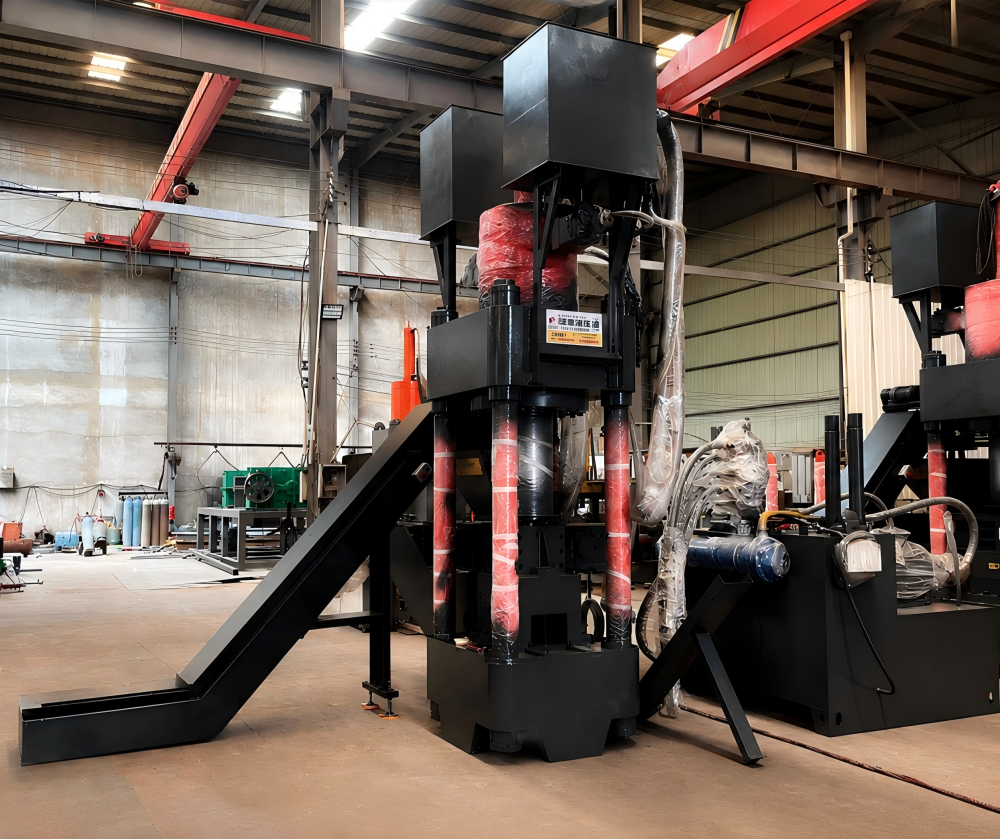
Moisture content is perhaps the most significant variable in the briquetting process. In most metal fabrication environments, chips are coated in coolant or lubricant. While a small amount of moisture can assist in the initial binding of particles, excessive liquid creates a hydraulic cushion within the die. This cushion prevents the metal chips from achieving the necessary metal-to-metal contact required for a solid briquette. When the ram descends, the liquid is trapped, potentially leading to “spring-back” where the briquette expands and cracks once the pressure is released.
Temperature plays a secondary but equally vital role. Metal chips that are processed immediately after machining are often warm due to the friction of the cutting process. This elevated temperature can be advantageous, as it slightly increases the ductility of the metal, allowing for better deformation and interlocking. However, if the material is too hot, it may affect the viscosity of the residual oils, potentially leading to smoking or excessive vapor generation during the compaction cycle, which necessitates advanced ventilation systems.
The interaction between these two factors is complex. For instance, high moisture content combined with low ambient temperatures can lead to the freezing of coolants or the formation of sludge, which can clog the feeding mechanisms of the briquetting machine. HARSLE machines are designed with robust feeding augers and drainage systems to handle these variations, but understanding the baseline requirements is essential for long-term machine health and consistent output quality.
Furthermore, the type of metal being processed dictates how sensitive the results are to these parameters. Ferrous metals, such as steel and cast iron, generally require higher pressures and are less sensitive to minor moisture fluctuations compared to non-ferrous metals like aluminum or magnesium. Aluminum, in particular, is highly sensitive to moisture, as excessive fluid can lead to porous briquettes that are difficult to transport and store without degradation.
Calculation Method: Determining Optimal Compaction
To quantify how temperature and moisture affect briquetting machine results, engineers utilize a specific calculation method based on the density ratio. The goal is to achieve a briquette density that is at least 70-85% of the solid metal density. The formula involves measuring the mass of the briquette (M) and its volume (V), then comparing it to the density of the parent material (ρ). The formula is expressed as: D = (M / V) / ρ.
When moisture is a factor, the calculation must be adjusted to account for the mass of the liquid. The “Dry Mass” of the metal must be isolated to determine the true compaction ratio. If the moisture content exceeds 5-10% by weight, the briquetting machine may require a pre-processing stage, such as a centrifuge or a chip wringer, to reduce the fluid content before the material enters the hopper. Failure to account for this moisture leads to inaccurate density readings and poor machine performance.
Temperature adjustments are calculated based on the thermal expansion coefficient of the metal. While this is negligible for small-scale operations, in high-volume industrial settings, the thermal state of the chips affects the volume (V) in the die. A warmer chip occupies slightly more space initially but compresses more efficiently. Operators should monitor the “Briquette Expansion Rate” (BER) after ejection to determine if the temperature-moisture balance is correct. If the BER is high, it indicates that the material was not sufficiently compacted, likely due to excessive moisture or insufficient pressure.
HARSLE recommends maintaining a log of these variables alongside the final briquette weight. By tracking the ambient temperature of the workshop and the moisture content of the incoming chips, operators can establish a baseline for their specific material mix. This data-driven approach allows for the fine-tuning of hydraulic pressure settings, ensuring that the machine operates at peak efficiency regardless of seasonal changes in the factory environment.
Parameter Table: Recommended Operating Ranges
| Parameter | Optimal Range | Impact of Deviation |
|---|---|---|
| Moisture Content | 2% – 5% | High: Poor density; Low: Excessive wear |
| Material Temperature | 20°C – 50°C | High: Vapor/Smoke; Low: Brittle chips |
| Hydraulic Pressure | 200 – 300 bar | High: Die damage; Low: Loose briquettes |
| Chip Size | < 50mm | High: Feeding jams; Low: Dust issues |
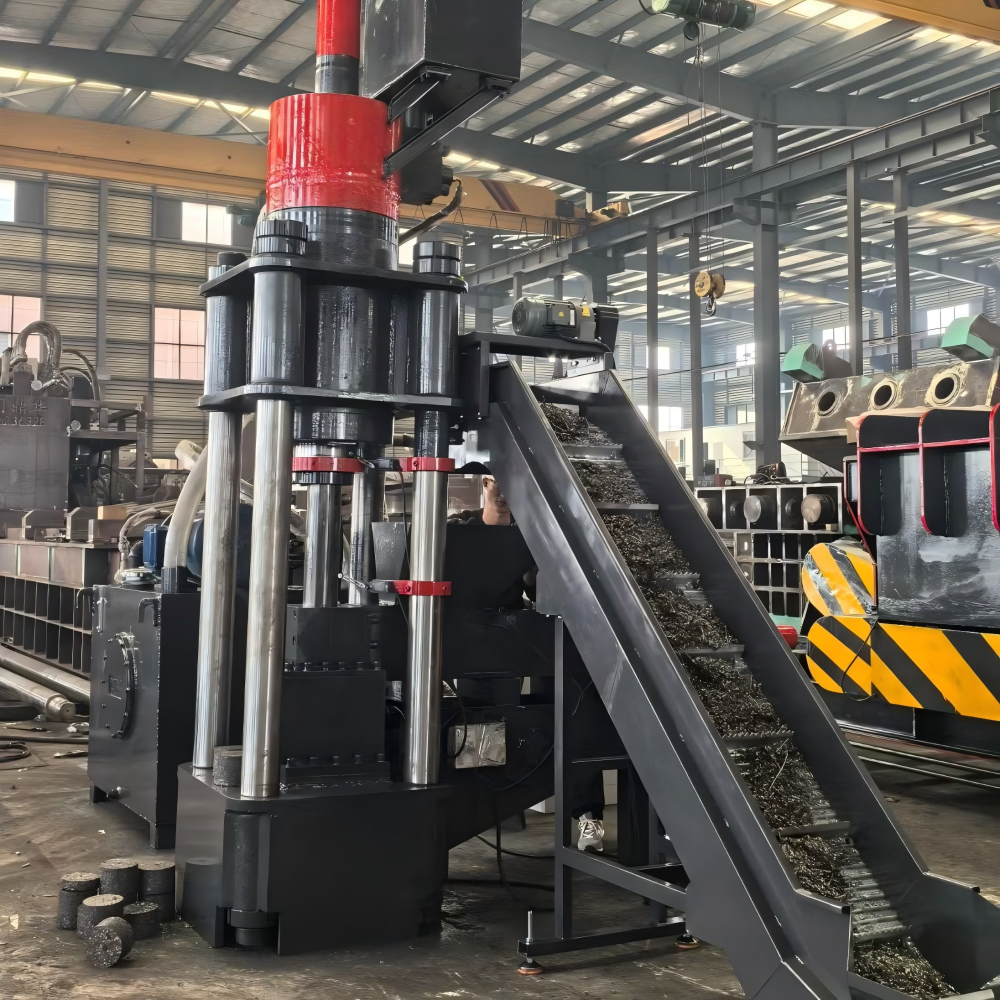
The table above provides a general guideline for HARSLE briquetting machines. It is important to note that these values can vary based on the specific alloy being processed. For example, cast iron chips are typically dry and require different pressure profiles than oily steel turnings. Always consult your specific machine manual for the recommended pressure settings for your material type.
Common Engineering Mistakes
One of the most frequent mistakes in briquetting operations is the failure to manage moisture consistency. Many facilities treat all scrap as equal, ignoring the fact that a batch of chips from a high-speed milling process will have a significantly different moisture profile than chips from a slow-speed turning operation. This inconsistency leads to erratic machine behavior, where the hydraulic system struggles to maintain a constant pressure, resulting in briquettes of varying density and quality.
Another common error is ignoring the ambient temperature of the facility. In colder climates, hydraulic oil viscosity can change, affecting the speed and force of the ram. If the machine is not allowed to reach its operating temperature before processing begins, the initial briquettes may be substandard. HARSLE recommends a warm-up cycle for the hydraulic system, especially during winter months, to ensure that the pressure delivery is consistent from the first cycle to the last.
Neglecting the maintenance of the drainage system is a critical oversight. If the moisture removed from the chips is not properly evacuated, it can back up into the compression chamber, leading to contamination of the hydraulic seals and potential electrical shorts. Regular cleaning of the coolant collection tray and the drainage ports is essential to prevent these issues. Operators should also inspect the die and punch for signs of corrosion, which can occur if acidic coolants are left in contact with the machine components for extended periods.
Finally, overloading the hopper with oversized or tangled turnings can cause mechanical stress. While briquetting machines are powerful, they are not shredders. If the material is not properly prepared or pre-broken, the feeding auger may jam, leading to downtime and potential damage to the drive motor. Ensuring that the material is within the recommended size range is a simple but effective way to improve the longevity of your HARSLE equipment.
Selection Checklist: Choosing the Right Machine
When selecting a briquetting machine, consider the following criteria to ensure it can handle the moisture and temperature conditions of your facility:
- Material Compatibility: Does the machine support the specific alloys you process?
- Moisture Handling: Does the unit include an integrated coolant recovery system?
- Pressure Capacity: Is the hydraulic system rated for the density requirements of your scrap?
- Automation Level: Do you require an automated feeding system to handle high-volume, high-moisture scrap?
- Thermal Management: Does the machine have an oil cooler to maintain hydraulic stability?
- Space and Installation: Is the footprint suitable for your current shop layout?
- Support and Service: Does the manufacturer provide local technical support and spare parts?
By evaluating these factors, you can select a HARSLE briquetting machine that is perfectly suited to your operational needs. Investing in the right equipment from the start will save significant costs in maintenance and downtime over the life of the machine.
FAQ: Frequently Asked Questions
How does moisture affect the briquette density?
Excessive moisture creates a hydraulic cushion that prevents the metal chips from interlocking, resulting in lower density and structural instability. Proper moisture management is key to achieving high-density briquettes.
Can I process hot metal chips directly from the machine?
Yes, but within limits. While warm chips can improve compaction, excessive heat can cause oil vapor and affect the machine’s hydraulic seals. Ensure your ventilation system is adequate.
How often should I clean the coolant drainage system?
It is recommended to inspect and clean the drainage system daily, especially when processing high-moisture materials, to prevent sludge buildup and machine contamination.
What is the ideal pressure for steel chips?
Steel chips typically require higher pressure than aluminum. Refer to your HARSLE manual, but generally, pressures between 250 and 300 bar are standard for achieving high-density steel briquettes.
Why do my briquettes fall apart after ejection?
This is usually caused by “spring-back,” which occurs when the material is not sufficiently compacted or if the moisture content is too high. Check your hydraulic pressure settings and ensure the chips are not excessively oily.