How to Identify and Fix Lubrication Problems in an Aluminium Extrusion Press

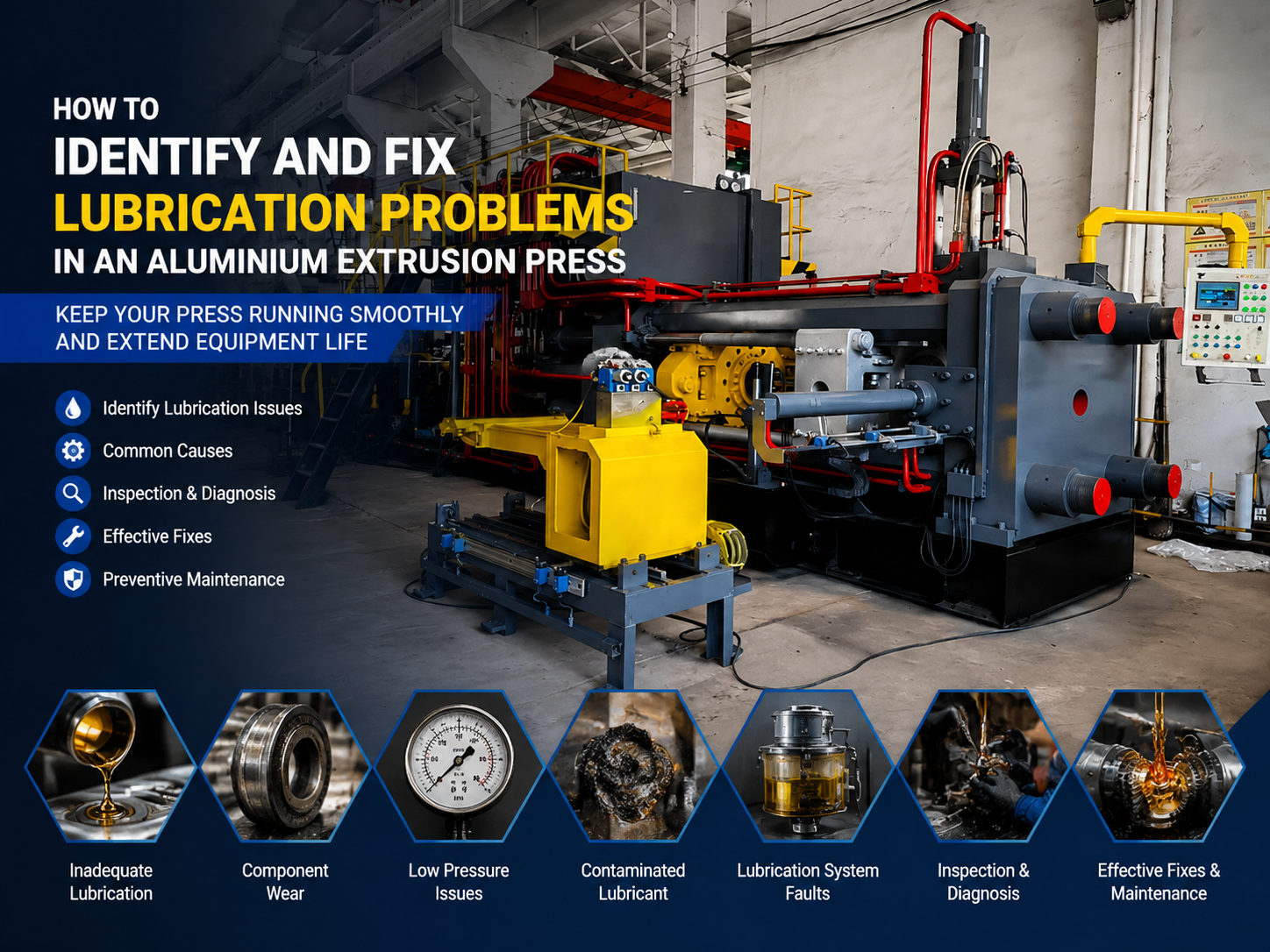
Introduction to Lubrication in Aluminium Extrusion Presses
In the world of heavy industrial manufacturing, the aluminium extrusion press stands as a titan of productivity. These machines, capable of exerting thousands of tons of pressure, transform solid aluminium billets into complex profiles used in everything from aerospace components to window frames. However, the sheer force and heat involved in this process create a punishing environment for mechanical components. This is where lubrication becomes the lifeblood of the operation. To maintain peak performance and prevent catastrophic failure, operators must know how to Identify Fix Lubrication Problems In An Aluminium Extrusion Press.
Proper lubrication is not merely about reducing friction; it is about heat dissipation, sealing against contaminants, and preventing the oxidation of critical surfaces. When lubrication fails, the consequences are immediate and costly: increased energy consumption, poor surface finish on profiles, accelerated wear on expensive components like the main ram and container, and ultimately, unplanned downtime. HARSLE, a leader in metal fabrication machinery, emphasizes that a proactive approach to lubrication is the single most effective way to extend the service life of an extrusion press.
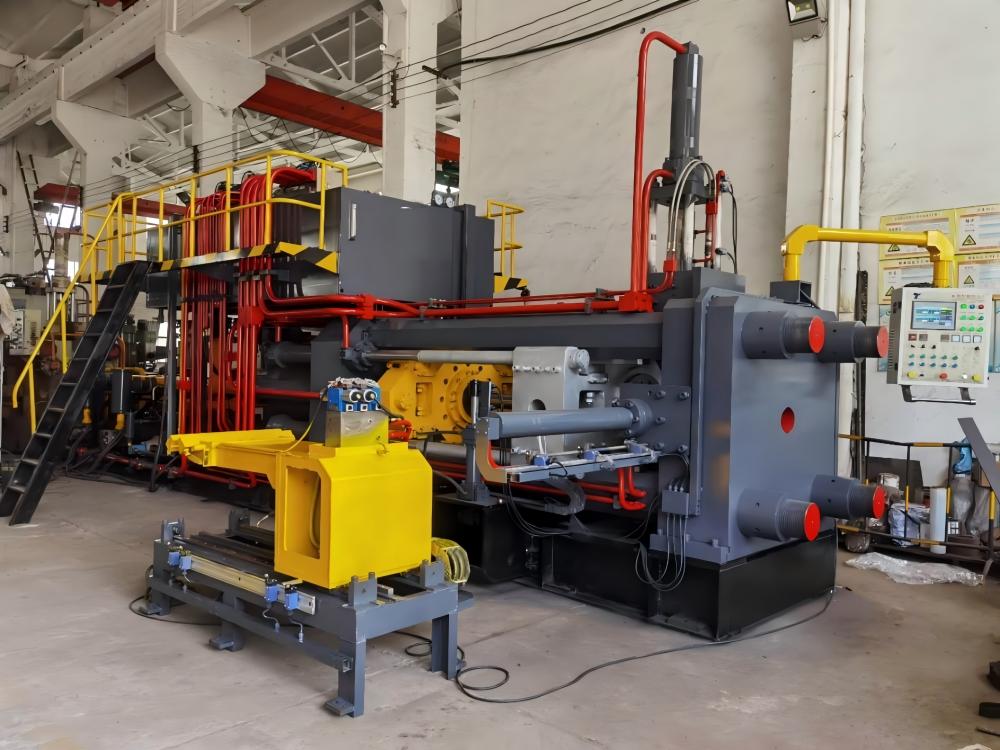
This guide is designed to provide maintenance managers and machine operators with a technical roadmap. We will explore the common symptoms of lubrication failure, the underlying causes, and the step-by-step procedures required to rectify these issues. By mastering the ability to identify and fix lubrication problems in an aluminium extrusion press, facilities can ensure their HARSLE equipment operates at maximum efficiency for decades.
Key Considerations for Extrusion Press Lubrication
Before diving into troubleshooting, it is essential to understand the unique demands placed on an aluminium extrusion press. Unlike standard hydraulic presses, extrusion presses operate under extreme thermal cycles. The container and die are often heated to temperatures exceeding 400°C (750°F). This heat radiates throughout the machine, affecting the viscosity and chemical stability of lubricants. Therefore, the first consideration is the selection of high-temperature resistant lubricants that do not carbonize or break down under intense heat.
Another critical factor is the environment. Aluminium extrusion facilities are often dusty, with fine particles of aluminium oxide and graphite (used in die lubrication) floating in the air. These particles can act as abrasives if they enter the lubrication system. A robust filtration system and sealed lubrication points are vital. Operators must also consider the difference between manual and automated lubrication systems. While automated systems offer consistency, they can also mask problems if sensors fail or lines become clogged without triggering an alarm.
Furthermore, the type of lubricant used varies by component. The main hydraulic system requires high-quality hydraulic oil with anti-wear additives, while the guide rails (ways) and the container shifting cylinders require heavy-duty grease or specialized way-lube. Using the wrong lubricant in the wrong application is a leading cause of premature wear. Understanding the manufacturer’s specifications, such as those provided by HARSLE, is the first step in a successful maintenance strategy.
Technical Details: How to Identify Lubrication Problems
1. Visual Indicators and Surface Inspection
The most immediate way to identify lubrication problems is through regular visual inspections. Look for “bleeding” or discoloration of grease at the joints. If the grease appears black or contains metallic flakes, it is a sign of extreme friction and component wear. On the main ram, look for scoring marks or uneven wear patterns. A well-lubricated ram should have a thin, consistent film of oil; if it appears dry or has localized dry spots, the lubrication delivery system is likely failing.
Another visual cue is the presence of oil mist or leaks around hydraulic fittings. While a small amount of weeping might seem minor, it indicates a loss of pressure and potential contamination entry points. In the container area, check for excessive buildup of carbonized lubricant. This “crust” can prevent the container from sealing properly against the die, leading to “flash” or material leakage during the extrusion stroke.
2. Auditory Signs of Friction
An experienced operator can often “hear” a lubrication problem before they see it. High-pitched squealing during the container shift or the main ram’s forward movement usually indicates metal-on-metal contact due to a lack of lubricant. Grinding or chattering sounds often point to contaminated grease in the guide rails. These sounds are the result of stick-slip friction, where the surfaces momentarily weld together and then tear apart under the force of the hydraulic cylinders.
If the hydraulic pump itself is noisier than usual, it may be experiencing cavitation or aeration, often caused by degraded hydraulic oil or a clogged suction filter. These issues are indirectly related to lubrication health, as the oil serves as both a power transmission fluid and a lubricant for the pump’s internal rotating groups.
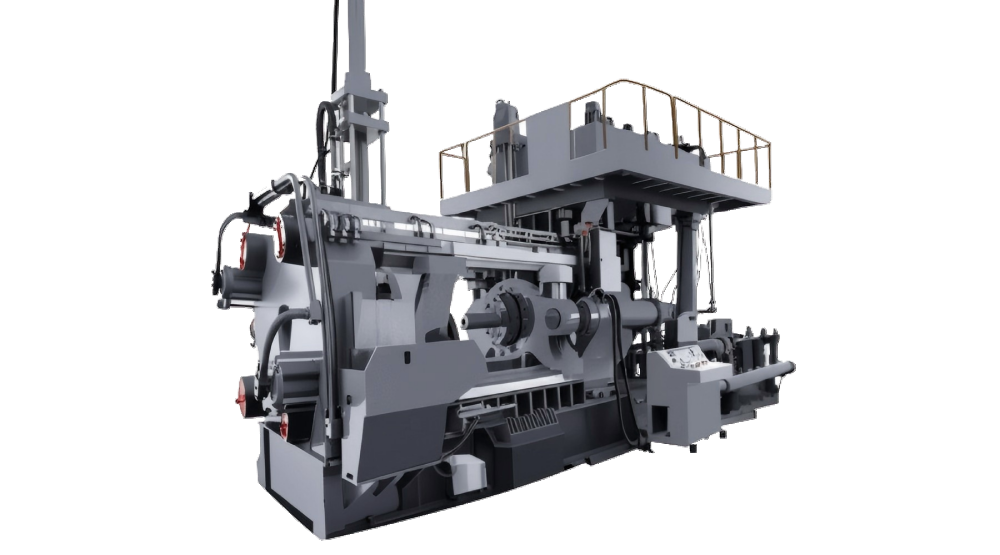
3. Thermal Anomalies
Heat is both a requirement and an enemy in aluminium extrusion. Using infrared thermography, maintenance teams can identify “hot spots” on the machine. If a bearing or a guide rail is significantly hotter than its counterparts, it is almost certainly under-lubricated. Excessive heat in the hydraulic reservoir is another red flag. If the oil temperature consistently exceeds 60°C (140°F), the oil’s viscosity will drop, reducing its lubricating effectiveness and leading to a vicious cycle of heat and wear.
Technical Details: How to Fix Lubrication Problems
1. Purging and Cleaning the System
Once a problem is identified, the first step in fixing it is often a thorough cleaning. If grease has become contaminated or carbonized, simply adding more grease will not solve the problem. The old, degraded lubricant must be purged. For guide rails, this involves cleaning the ways with a suitable solvent and manually applying a fresh layer of high-temperature grease. For automated systems, the lines should be flushed to ensure no blockages exist.
In the case of hydraulic oil contamination, a partial oil change or “kidney loop” filtration may be necessary. If the oil shows signs of oxidation (dark color and burnt smell), a full system flush and replacement are required. It is critical to clean the reservoir and replace all filters during this process to prevent the new oil from being immediately contaminated by residual sludge.
2. Adjusting and Repairing Delivery Systems
If the lubricant is reaching the components but in insufficient quantities, the delivery system must be adjusted. For automated lubrication pumps, check the cycle timer in the PLC settings. Increasing the frequency or duration of the lubrication pulse can often resolve dry spots on the ram or container slides. However, be careful not to over-lubricate, as excess grease can attract dust and create a messy, hazardous work environment.
If a specific point is not receiving lubricant, inspect the distribution blocks and injectors. These small components can easily become clogged by thickened grease or debris. Replacing a faulty injector is a quick and inexpensive fix that can prevent the failure of a much more expensive component like a bronze wear plate or a hydraulic seal.
3. Upgrading Lubricant Quality
Sometimes the problem isn’t the delivery system, but the lubricant itself. If you are experiencing frequent carbonization near the container, consider switching to a synthetic, non-carbonizing lubricant specifically designed for extrusion environments. These products are engineered to withstand temperatures up to 600°C without leaving abrasive residues. While the initial cost is higher, the reduction in maintenance labor and component replacement costs provides a significant return on investment.
Selection Advice for Extrusion Press Lubricants
Choosing the right lubricant is a technical decision that should be based on the machine’s operating parameters. When selecting hydraulic oil, look for a high Viscosity Index (VI). A high VI means the oil’s thickness remains relatively stable across a wide range of temperatures, which is crucial for the consistent operation of the extrusion press’s valves and pumps. For HARSLE machines, we typically recommend ISO VG 46 or 68 hydraulic oils with robust anti-foam and anti-wear packages.
For the lubrication of the dummy block and the die, specialized lubricants are required. Traditionally, graphite-based lubricants were the standard, but many modern plants are moving toward boron nitride or other “white” lubricants. These alternatives are cleaner, reduce the risk of inclusions in the aluminium profile, and provide superior release properties at high temperatures. When selecting these, ensure they are compatible with your application method (spray vs. manual swab).
Finally, consider the environmental impact. Many regions now require the use of biodegradable or non-toxic lubricants, especially in facilities that produce food-grade packaging or medical components. Always consult with your lubricant supplier and the machine manufacturer to ensure that any “green” alternatives meet the necessary load-carrying and thermal stability requirements of an aluminium extrusion press.
Maintenance Checklist for Lubrication Systems
| Frequency | Task | Component |
|---|---|---|
| Daily | Check hydraulic oil level and temperature | Main Reservoir |
| Daily | Visual check of ram and guide rail lubrication film | Main Ram / Ways |
| Weekly | Inspect lubrication pump operation and grease levels | Auto-Lube System |
| Monthly | Sample hydraulic oil for laboratory analysis | Hydraulic System |
| Quarterly | Clean and grease container shifting mechanisms | Container Housing |
| Annually | Flush and replace hydraulic filters; inspect all hoses | Full Machine |
FAQ: Troubleshooting Lubrication in Extrusion Presses
Why is my extrusion press ram chattering during the return stroke?
Chattering is often caused by “stick-slip” friction. This happens when the lubrication film on the ram or the guide rails is insufficient or contaminated. It can also be caused by air trapped in the hydraulic cylinders. First, check the lubrication delivery to the ram seals and ways. If the problem persists, you may need to bleed the hydraulic system or check for worn wear-strips.
How often should I perform oil analysis?
For a high-production aluminium extrusion press, oil analysis should be performed at least every three months. This “blood test” for your machine can detect microscopic metal particles, water contamination, and chemical breakdown of the oil long before a mechanical failure occurs. It is a critical component of a predictive maintenance program.
Can I mix different brands of grease?
It is generally not recommended to mix different brands or types of grease. Different thickeners (e.g., lithium vs. polyurea) can be chemically incompatible, causing the grease to either harden or become excessively thin and run out of the bearing. If you are switching brands, it is best to thoroughly purge the old grease from the system first.
What are the signs of a clogged lubrication injector?
The most common sign is a specific area of the machine appearing dry or showing signs of overheating while other areas are well-lubricated. In some automated systems, a clogged injector will cause a pressure spike in the lubrication line, which may trigger a system fault or alarm. Manual inspection of the grease flow at each point is the most reliable way to confirm a clog.
Conclusion
The ability to Identify Fix Lubrication Problems In An Aluminium Extrusion Press is a fundamental skill for any maintenance team dedicated to operational excellence. By paying close attention to visual, auditory, and thermal cues, operators can catch minor issues before they evolve into expensive repairs. Whether it is through the selection of superior synthetic lubricants, the diligent cleaning of contaminated systems, or the implementation of a rigorous maintenance schedule, proper lubrication ensures that your aluminium extrusion press remains a productive asset for years to come.
At HARSLE, we understand that the longevity of our machinery depends on the care it receives in the field. We encourage all our clients to treat lubrication not as a chore, but as a strategic investment in their facility’s future. By following the technical advice and selection criteria outlined in this guide, you can minimize downtime, improve product quality, and maximize the return on your industrial machinery investment. Remember, a well-lubricated machine is a profitable machine.