Hydraulic System Guide for Aluminium Extrusion Press Efficiency and Reliability

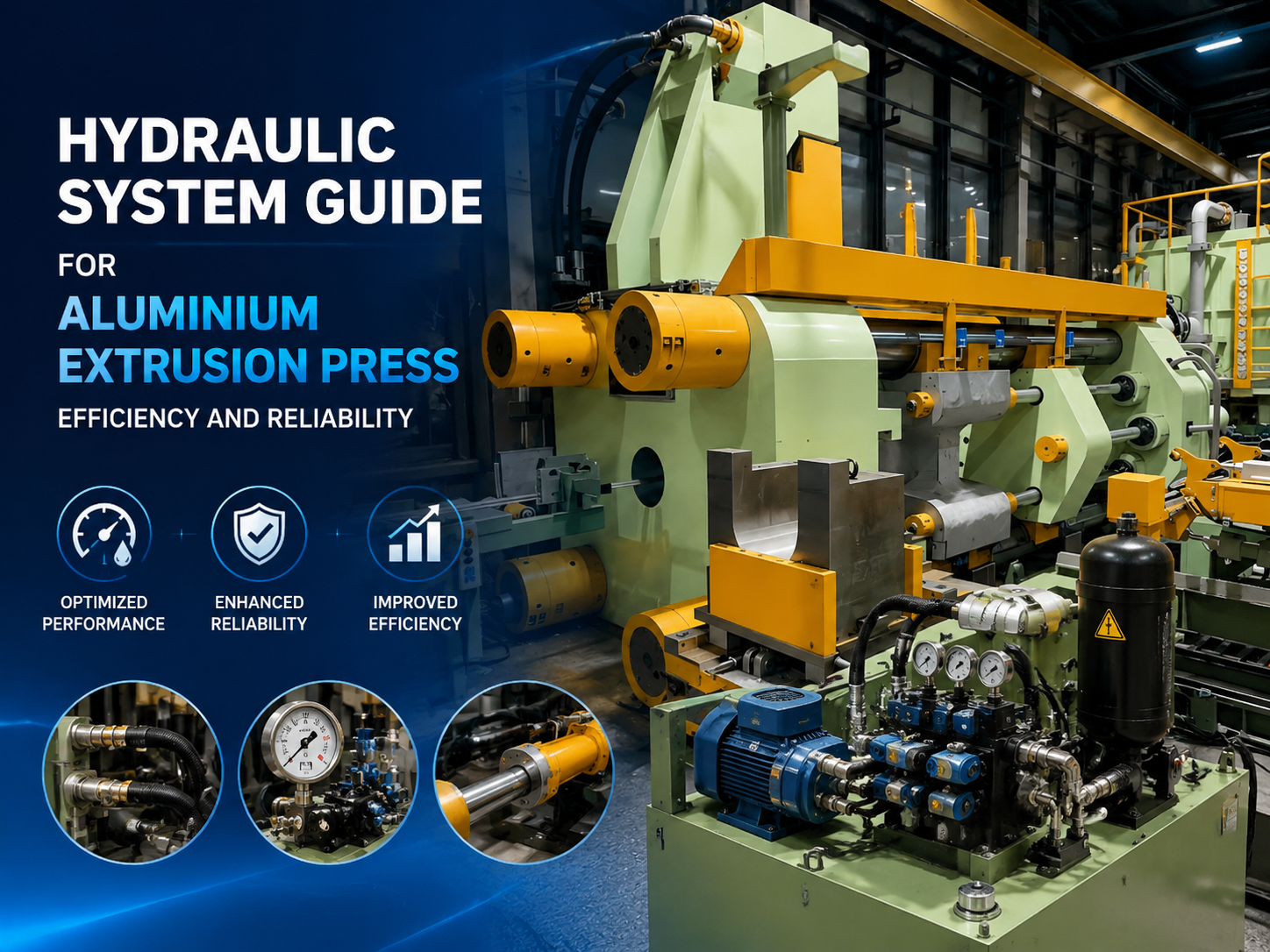
Technical Overview: The Heart of the Aluminium Extrusion Press
The hydraulic system is the lifeblood of any aluminium extrusion press. It is responsible for converting electrical or mechanical energy into the immense force required to push a heated aluminium billet through a die, creating complex profiles. In the context of modern metal fabrication, the hydraulic system aluminium extrusion press efficiency reliability is not just a performance metric; it is a critical factor in the overall profitability and operational longevity of the facility. A well-engineered hydraulic system ensures that the press operates with precision, speed, and minimal downtime.
At its core, the hydraulic system consists of a reservoir, pump, control valves, actuators (cylinders), and a complex network of piping and cooling systems. In an extrusion press, the main cylinder must exert thousands of tons of force. This requires high-pressure fluid power, typically utilizing mineral-based hydraulic oils or fire-resistant fluids. The efficiency of this system is determined by how effectively it manages fluid flow, pressure drops, and heat dissipation throughout the extrusion cycle.
Reliability in these systems is achieved through the integration of high-quality components and proactive monitoring. Modern HARSLE extrusion presses utilize proportional valve technology and variable displacement pumps to match the power output to the specific requirements of the extrusion profile. By reducing unnecessary energy consumption during idle or low-load phases, these systems significantly improve the overall energy footprint of the manufacturing plant.
Furthermore, the integration of digital sensors and PLC-based monitoring allows operators to track pressure fluctuations, oil temperature, and filtration status in real-time. This transition from reactive maintenance to predictive maintenance is the cornerstone of modern industrial reliability. Understanding the interplay between fluid dynamics and mechanical load is essential for any plant manager looking to optimize their production line.
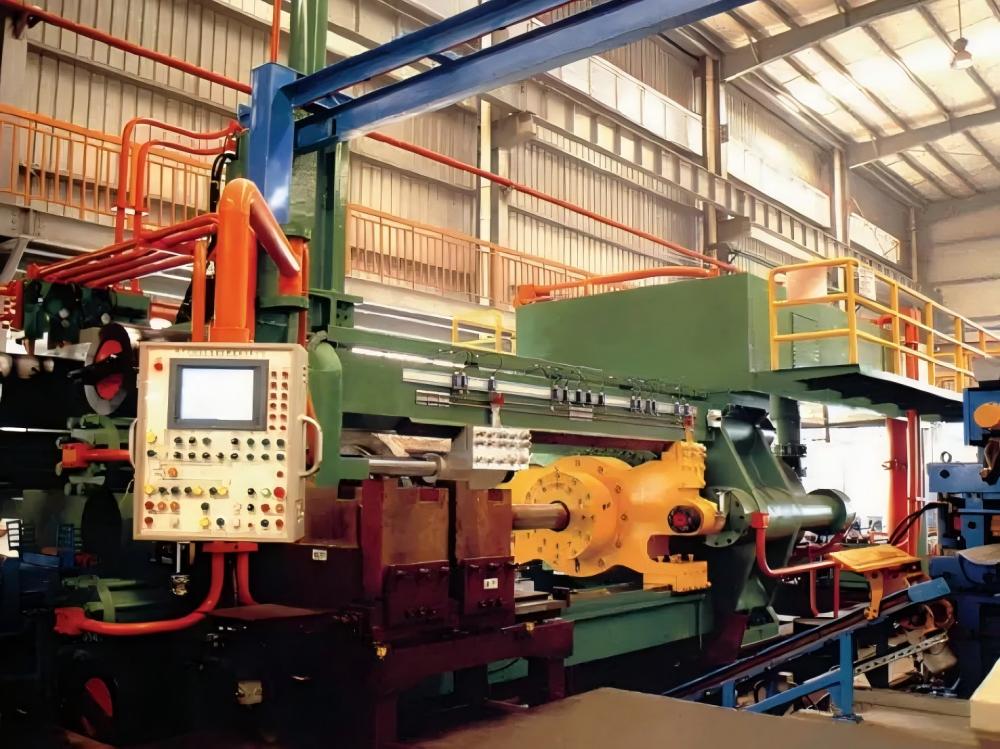
Core Parameters for Hydraulic Performance
To achieve maximum hydraulic system aluminium extrusion press efficiency reliability, one must first understand the core parameters that govern the system. The primary parameter is the system operating pressure, which is typically measured in bar or MPa. For heavy-duty extrusion, pressures often reach 250 to 315 bar. Maintaining this pressure consistently without excessive ripple or cavitation is vital for the structural integrity of the extruded aluminium.
Flow rate is the second critical parameter. It dictates the speed of the ram and, consequently, the extrusion speed. The flow rate must be carefully managed to ensure that the aluminium is extruded at the correct temperature and speed to prevent surface defects such as tearing or grain coarseness. Variable displacement pumps are the industry standard here, as they allow for precise control over the flow volume based on the specific extrusion profile requirements.
Oil temperature management is perhaps the most overlooked parameter. Hydraulic oil viscosity changes significantly with temperature. If the oil becomes too hot, it loses its lubricating properties, leading to increased wear on pumps and valves. Conversely, if it is too cold, the system becomes sluggish and inefficient. Maintaining an optimal operating temperature range, usually between 40°C and 55°C, is essential for system longevity.
Filtration efficiency, measured in microns, is the final core parameter. Contamination is the leading cause of hydraulic failure. By utilizing high-efficiency return-line filters and kidney-loop filtration systems, operators can ensure that the fluid remains clean, preventing abrasive wear on the precision-machined surfaces of the hydraulic valves and cylinders.
Calculation Method for System Optimization
Optimizing the hydraulic system requires a systematic approach to calculating power requirements and energy losses. The fundamental formula for hydraulic power is P = (Q × p) / 600, where P is power in kilowatts (kW), Q is flow rate in liters per minute (L/min), and p is pressure in bar. By calculating the power required for each stage of the extrusion cycle—billet loading, upsetting, extrusion, and return—engineers can size the motor and pump for maximum efficiency.
Energy loss calculation is equally important. Losses primarily occur due to friction in pipes, pressure drops across valves, and internal leakage within pumps. These losses manifest as heat. By calculating the pressure drop across the entire circuit, operators can identify bottlenecks where energy is being wasted. Reducing these drops through optimized piping layouts and the use of high-flow valves can lead to significant energy savings.
Another critical calculation involves the cycle time analysis. By measuring the time taken for each phase of the extrusion process, engineers can determine if the hydraulic system is underperforming. If the extrusion speed is lower than the theoretical limit, it may indicate a restriction in the hydraulic circuit or an undersized pump. Adjusting the system parameters based on these calculations ensures that the press operates at its peak potential.
Finally, the cooling capacity calculation must be performed to ensure the heat exchanger is sized correctly. The heat generated by the system must be dissipated at a rate equal to or greater than the heat input. This involves calculating the total power loss and determining the required cooling water flow rate and temperature differential to maintain the oil within the target operating range.
Parameter Table for Hydraulic Systems
| Parameter | Typical Range | Impact on Efficiency |
|---|---|---|
| Operating Pressure | 200 – 315 bar | High pressure increases force but requires robust sealing. |
| Oil Temperature | 40°C – 55°C | Optimal viscosity for pump and valve longevity. |
| Filtration Level | 5 – 10 microns | Prevents valve sticking and pump wear. |
| Flow Rate | Variable (L/min) | Directly controls extrusion speed and cycle time. |
| Fluid Viscosity | ISO VG 46 – 68 | Ensures proper lubrication under high load. |
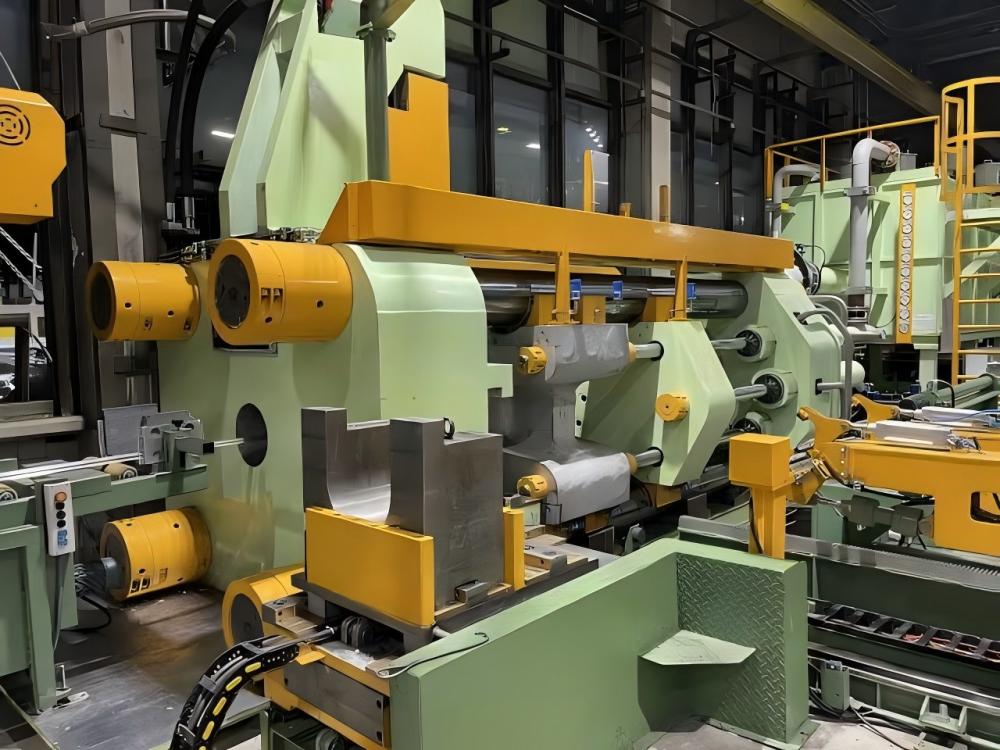
Common Engineering Mistakes in Hydraulic Design
One of the most common mistakes in designing or maintaining a hydraulic system for an aluminium extrusion press is the improper sizing of suction lines. If the suction line is too small or has too many bends, it creates a vacuum at the pump inlet, leading to cavitation. Cavitation is devastating to hydraulic pumps, causing rapid erosion of internal components and significant noise, which is a clear indicator of a failing system.
Another frequent error is the neglect of fluid cleanliness. Many operators assume that hydraulic oil does not need regular testing. However, moisture, oxidation, and particulate matter accumulate over time. Failing to implement a regular oil analysis program means that contaminants can reach critical levels, causing the spool valves to stick and the pump to lose efficiency, ultimately leading to a catastrophic system failure.
Inadequate heat dissipation is also a major issue. In high-output extrusion environments, the hydraulic system generates significant heat. If the cooling system is undersized or if the heat exchanger is clogged with debris, the oil temperature will spike. This leads to thermal degradation of the oil, which then forms sludge and varnish, further clogging the system and reducing the efficiency of the entire press.
Finally, the lack of proper pressure relief valve settings is a dangerous oversight. If the relief valves are set too high, the system is at risk of structural damage during a pressure spike. If they are set too low, the press will not be able to achieve the force required for challenging extrusion profiles. Regular calibration of these valves is mandatory for both safety and performance.
Selection Checklist for Hydraulic Components
When selecting components for your aluminium extrusion press, prioritize quality over initial cost. The following checklist will help ensure you choose the right parts for your hydraulic system:
- Pump Type: Choose variable displacement axial piston pumps for high efficiency and energy savings.
- Valve Quality: Opt for proportional valves with high-response times to ensure precise control over extrusion speed.
- Sealing Materials: Ensure all seals are compatible with the specific hydraulic fluid used, especially if using fire-resistant fluids.
- Filtration: Install redundant filtration systems with differential pressure indicators to monitor filter health.
- Cooling System: Select a heat exchanger with a capacity 20% higher than the calculated maximum heat load.
- Monitoring: Integrate pressure transducers and temperature sensors that can be connected to the main PLC for real-time data logging.
- Piping: Use high-pressure rated seamless steel tubing with proper clamping to minimize vibration and leakage.
FAQ: Hydraulic System Aluminium Extrusion Press Efficiency Reliability
Q: How often should I change the hydraulic oil in my extrusion press?
A: Oil change intervals depend on the operating environment and oil analysis results. Generally, a full change is recommended every 2,000 to 4,000 operating hours, but regular testing can extend this interval significantly.
Q: Why is my hydraulic system making a high-pitched whining noise?
A: This is often a sign of cavitation, usually caused by a restricted suction line, low oil level, or air entering the system. Check your filters and suction lines immediately.
Q: Can I use a different grade of hydraulic oil than what the manufacturer recommends?
A: It is strongly advised to stick to the manufacturer’s recommended viscosity grade. Using the wrong oil can lead to poor lubrication, increased wear, and reduced efficiency.
Q: What is the most important factor for hydraulic system reliability?
A: Fluid cleanliness is the single most important factor. Over 70% of hydraulic system failures are caused by contaminated fluid.
Q: How can I improve the energy efficiency of my older extrusion press?
A: Upgrading to a variable frequency drive (VFD) for the pump motor and replacing outdated fixed-displacement pumps with modern variable-displacement units can drastically improve energy efficiency.
In conclusion, achieving high hydraulic system aluminium extrusion press efficiency reliability requires a combination of high-quality components, rigorous maintenance, and a deep understanding of the system’s operational parameters. By following the guidelines outlined in this article, HARSLE customers can ensure their extrusion presses remain productive, reliable, and cost-effective for years to come.