How Extrusion Speed Affects Product Quality In Aluminium Extrusion Press Lines: A Technical Guide

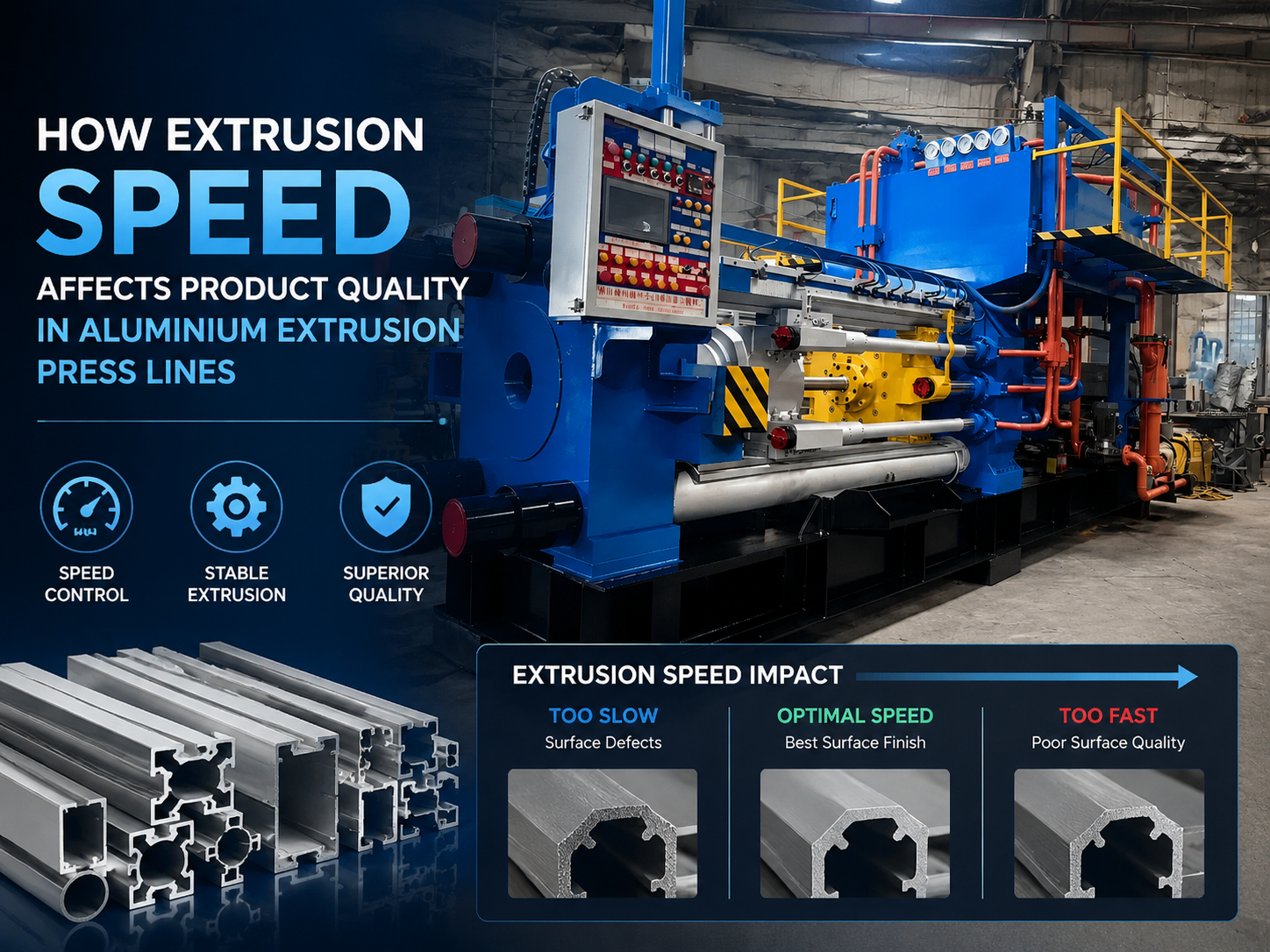
Technical Overview: The Dynamics of Aluminium Extrusion
In the high-precision world of metal fabrication, the aluminium extrusion process stands as a cornerstone for producing complex profiles used in automotive, aerospace, and construction industries. At the heart of this process lies the aluminium extrusion press, a machine designed to force heated aluminium billets through a shaped die. One of the most critical variables in this operation is the ram speed, or extrusion speed. Understanding how extrusion speed affects product quality in aluminium extrusion press lines is essential for manufacturers aiming to minimize scrap rates and maximize structural integrity.
Extrusion speed is defined as the velocity at which the aluminium alloy exits the die orifice. This speed is not merely a production throughput metric; it is a thermodynamic and mechanical variable that dictates the internal grain structure, surface finish, and dimensional accuracy of the final product. When the speed is too high, the material experiences excessive shear stress and frictional heat, leading to surface tearing. Conversely, if the speed is too low, the temperature of the billet may drop below the optimal range, causing increased extrusion pressure and potential stalling of the press.
The relationship between speed and quality is governed by the ‘isothermal extrusion’ principle. As the ram pushes the billet, the deformation energy generates heat. If this heat is not managed through precise speed control, the exit temperature of the profile can exceed the solidus temperature of the alloy, resulting in ‘hot shortness’ or surface cracking. Therefore, modern HARSLE extrusion lines utilize advanced PLC-controlled hydraulic systems to modulate ram speed in real-time, ensuring that the material remains within its optimal plastic deformation window throughout the entire stroke.
Achieving the perfect balance requires a deep understanding of alloy composition, billet temperature, and die geometry. Each alloy grade, such as the 6000 series, has a specific critical speed threshold. Exceeding this threshold triggers a transition from laminar flow to turbulent flow within the die bearing, which manifests as surface defects. By mastering the relationship between speed and quality, operators can ensure that every profile meets the stringent mechanical requirements demanded by modern engineering standards.
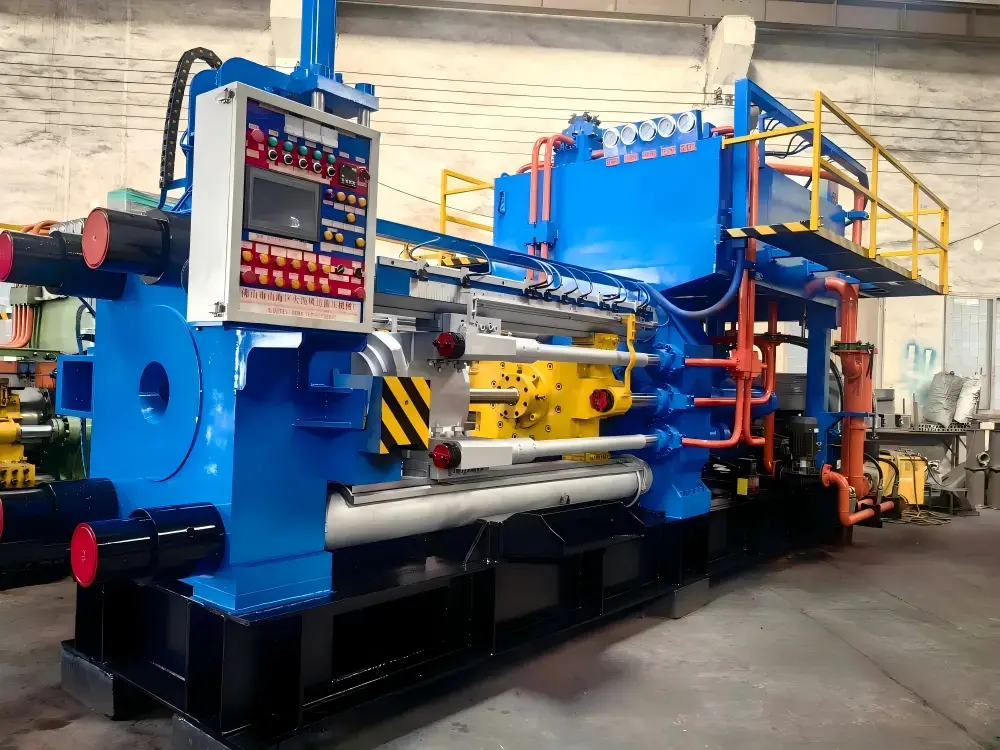
Core Parameters Influencing Extrusion Quality
To fully grasp how extrusion speed affects product quality in aluminium extrusion press lines, one must consider the interplay of several core parameters. The first is the billet temperature. Before the extrusion begins, the billet is heated to a range typically between 400°C and 500°C. As the extrusion progresses, the friction between the billet and the container wall generates additional heat. If the ram speed is constant, the exit temperature will rise as the billet length decreases. This phenomenon necessitates a ‘tapered’ speed profile, where the speed is gradually reduced to maintain a constant exit temperature.
Die design is the second critical parameter. The complexity of the profile—measured by the extrusion ratio and the thickness of the thinnest wall—dictates the maximum allowable speed. Profiles with thin walls or high surface-area-to-volume ratios are more susceptible to surface tearing at high speeds. The die bearing length also plays a role; longer bearings provide more resistance, which can help stabilize the flow but also increase the heat generated by friction, requiring a slower ram speed to compensate.
Alloy chemistry is the third pillar. Alloys containing higher concentrations of magnesium and silicon (like 6063 or 6061) have different flow characteristics compared to high-strength 7000 series alloys. The 7000 series, for instance, is significantly more sensitive to heat and requires much slower extrusion speeds to prevent cracking. Understanding the specific flow stress of the alloy is vital for setting the initial speed parameters on the press control panel.
Finally, lubrication and container condition cannot be overlooked. A well-lubricated container reduces the frictional heat generated at the billet-container interface. If the container is worn or poorly lubricated, the friction increases, forcing the operator to reduce the ram speed to prevent overheating. Regular maintenance of the container liner and the dummy block is therefore a prerequisite for maintaining consistent extrusion speeds and, by extension, high product quality.
Calculation Method for Optimal Extrusion Speed
Calculating the optimal speed is a blend of empirical data and theoretical fluid dynamics. The fundamental equation for extrusion speed involves the relationship between the ram velocity (v_ram) and the exit velocity (v_exit), which is determined by the extrusion ratio (R). The extrusion ratio is the ratio of the cross-sectional area of the container to the cross-sectional area of the profile. Mathematically, v_exit = v_ram * R. However, this assumes a perfectly plastic material and ignores the thermal effects.
To calculate the safe operating speed, engineers often use the Zener-Hollomon parameter, which relates the strain rate (directly proportional to extrusion speed) to the temperature of the material. The goal is to keep the Zener-Hollomon parameter within a range that ensures dynamic recrystallization without causing grain coarsening or melting. In practical terms, this is often managed through a ‘speed-temperature’ map developed during the commissioning of the HARSLE press line.
Operators should follow these steps to establish a baseline speed:
- Determine the alloy’s maximum allowable exit temperature.
- Measure the initial billet temperature and the container temperature.
- Perform a test run at a conservative speed (e.g., 5-10 mm/s) to observe the exit temperature trend.
- Use the press’s data logging system to record the pressure-speed curve.
- Adjust the speed profile using the PLC to maintain a constant exit temperature as the billet shortens.
By utilizing automated speed control, the press can dynamically adjust the ram velocity based on real-time feedback from thermocouples located at the die exit. This closed-loop system is the most effective way to ensure that the extrusion speed remains optimized throughout the entire cycle, regardless of the billet length or the heat generated during the process.
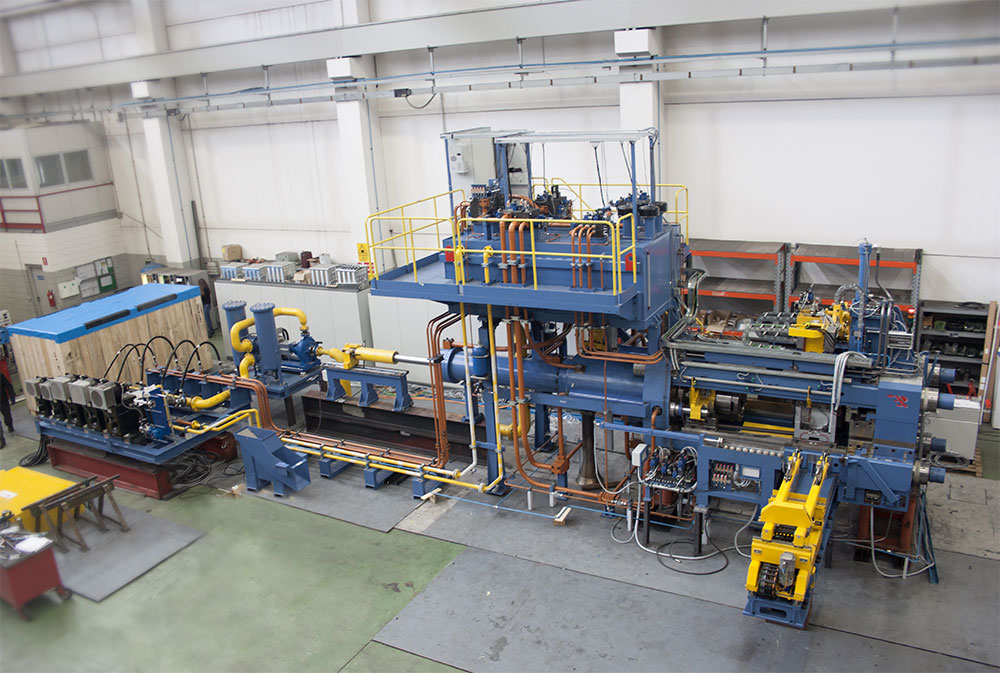
Parameter Table: Speed vs. Quality Indicators
| Parameter | Low Speed Impact | High Speed Impact | Optimal Range |
|---|---|---|---|
| Surface Finish | Potential for ‘cold’ defects | Risk of tearing/cracking | Alloy-dependent |
| Dimensional Accuracy | High stability | Risk of distortion | Stable flow |
| Mechanical Properties | Coarse grain structure | Potential for overheating | Refined grain |
| Extrusion Pressure | High (risk of stall) | Low (risk of instability) | Balanced |
Common Engineering Mistakes in Speed Management
One of the most frequent mistakes in aluminium extrusion is the ‘set and forget’ approach to ram speed. Operators often set a single speed for the entire billet, ignoring the fact that the material temperature rises as the billet is consumed. This leads to inconsistent quality, where the beginning of the profile may be perfect, but the end exhibits surface defects due to overheating. Implementing a variable speed profile is the industry standard for high-quality production.
Another common error is failing to account for die wear. As a die wears, the bearing surfaces become rougher, increasing friction. If the operator does not adjust the speed to compensate for this increased friction, the exit temperature will rise, potentially ruining the product. Regular inspection of the die and adjusting the speed parameters based on the die’s life cycle is a critical maintenance task that is often overlooked.
Ignoring the importance of billet preheating uniformity is also a major pitfall. If the billet has a temperature gradient (e.g., the core is hotter than the surface), the material will flow unevenly through the die. This uneven flow creates internal stresses that can cause the profile to twist or bow upon exiting the press. Ensuring that the billet heating furnace provides a uniform temperature distribution is just as important as controlling the ram speed itself.
Finally, many facilities fail to utilize the data logging capabilities of their HARSLE extrusion press. Modern presses generate vast amounts of data regarding pressure, speed, and temperature. Failing to analyze this data means missing out on opportunities to optimize the process. By reviewing the logs, engineers can identify trends that lead to scrap and make data-driven adjustments to the extrusion speed profiles, significantly improving overall equipment effectiveness (OEE).
Selection Checklist for Extrusion Press Lines
When selecting an aluminium extrusion press line, it is crucial to prioritize systems that offer advanced speed control capabilities. Use this checklist to ensure your equipment is capable of maintaining the high standards required for modern metal fabrication:
- PLC Control System: Does the press feature a high-speed PLC capable of real-time adjustments to ram velocity?
- Closed-Loop Feedback: Are there integrated thermocouples at the die exit to provide real-time temperature data for speed modulation?
- Variable Speed Profiles: Can the operator program multiple speed stages (e.g., breakout speed, main extrusion speed, and end-of-billet deceleration)?
- Data Logging and Analytics: Does the machine software allow for the export of process data for quality analysis and optimization?
- Hydraulic Response Time: Is the hydraulic system responsive enough to handle rapid changes in speed without pressure spikes?
- Billet Heating Integration: Does the press communicate with the billet furnace to ensure synchronized temperature and speed settings?
FAQ: Frequently Asked Questions
How does extrusion speed affect product quality in aluminium extrusion press lines?
Extrusion speed directly influences the exit temperature and the shear stress applied to the aluminium. If the speed is too high, the material can overheat, leading to surface tearing. If it is too low, the material may cool, increasing pressure and risking structural defects.
What is the ideal extrusion speed for 6063 aluminium?
The ideal speed depends on the profile complexity and the die design. Generally, 6063 can be extruded at higher speeds than 6061, but it must be carefully monitored to avoid surface ‘pick-up’ or tearing. Always refer to the alloy manufacturer’s technical data sheet.
Can I automate the speed control on my existing HARSLE press?
Yes, most HARSLE extrusion presses can be retrofitted or upgraded with advanced PLC modules and sensors to enable automated, closed-loop speed control based on real-time temperature feedback.
Why does the profile twist when I increase the extrusion speed?
Twisting is often caused by uneven material flow through the die. When the speed is increased, any minor imbalances in the die design or temperature distribution are amplified, resulting in asymmetrical flow and subsequent twisting of the profile.
How often should I calibrate my speed sensors?
Speed sensors should be calibrated as part of your annual preventative maintenance schedule to ensure that the actual ram velocity matches the programmed setpoint, maintaining the integrity of your quality control processes.