Hydraulic Briquetting Machine Not Compressing Properly? Common Causes and Fixes

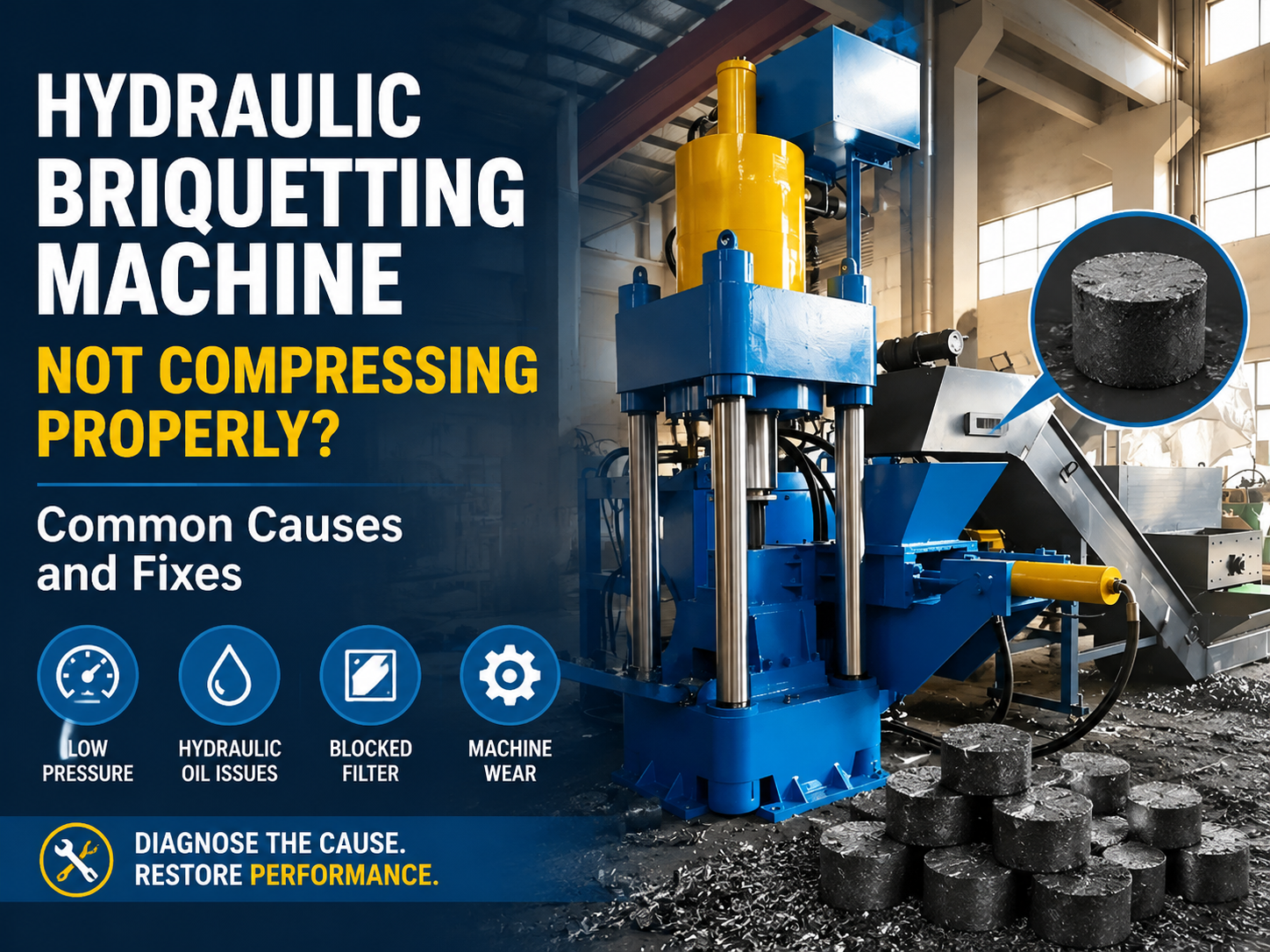
Introduction to Hydraulic Briquetting Machine Performance
In the world of metal recycling and waste management, the hydraulic briquetting machine stands as a cornerstone of efficiency. By transforming loose metal chips, shavings, and turnings into dense, manageable blocks, these machines significantly reduce storage space, lower transportation costs, and increase the melt yield during smelting. However, like any heavy-duty industrial equipment, they are subject to wear and operational hiccups. One of the most frustrating issues operators face is when a Hydraulic Briquetting Machine Not Compressing Properly. This loss of compression density not only compromises the quality of the briquettes but also impacts the overall ROI of the recycling process.
When a briquetting press fails to reach its target density, the resulting blocks are often crumbly, oversized, or structurally weak. This can lead to significant material loss during handling and may even cause damage to the melting furnace if the briquettes disintegrate prematurely. Understanding the root causes of these compression issues is essential for any facility manager or maintenance engineer. At HARSLE, we recognize that uptime is critical, and diagnosing these problems quickly can save thousands of dollars in lost productivity and repair costs.
This comprehensive guide will delve into the technical nuances of hydraulic briquetting machines, exploring why they might lose their compression force and providing actionable fixes. Whether you are dealing with hydraulic pressure drops, material inconsistencies, or mechanical wear, this article serves as a definitive resource for restoring your machine to peak performance. We will cover everything from basic checks to advanced technical troubleshooting, ensuring your metal fabrication equipment remains a reliable asset in your production line.
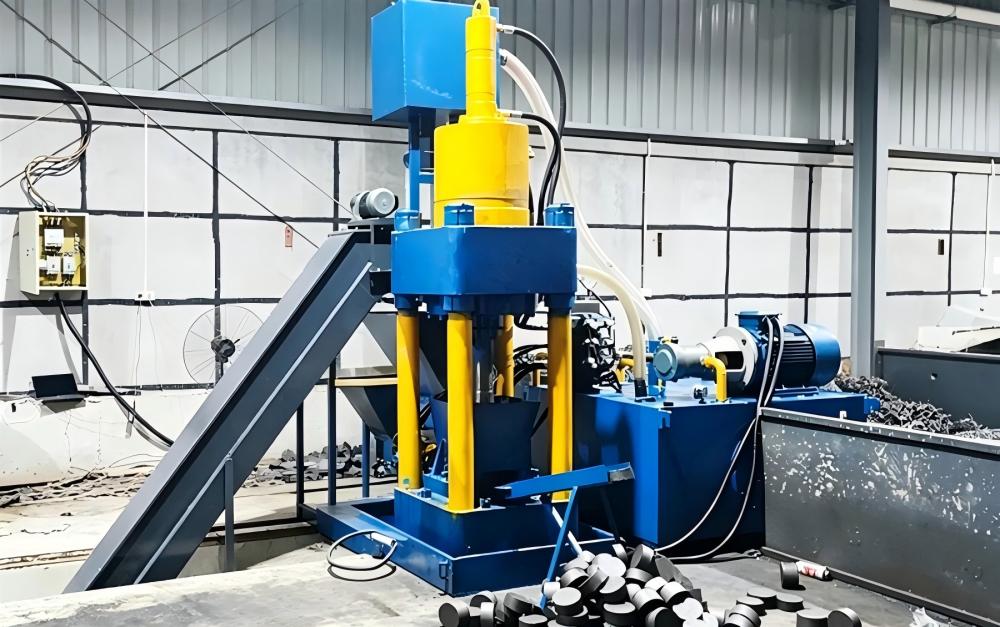
Key Considerations: Why Compression Fails
Before diving into the mechanical guts of the machine, it is vital to consider the external factors that influence compression. Often, the issue is not with the machine itself but with the variables surrounding the material being processed. The first key consideration is the moisture content of the material. In biomass briquetting, moisture is critical for binding; however, in metal briquetting, excessive moisture (usually from cutting fluids or coolants) can act as a lubricant that prevents the particles from interlocking effectively. Conversely, if the material is too dry and lacks any residual oil, the friction against the mold walls might increase, leading to incomplete compression.
Another critical factor is particle size and distribution. Hydraulic briquetting machines are designed to handle specific ranges of scrap. If the input material consists of excessively long, curly turnings without being pre-shredded, the machine may struggle to pack the material into the compression chamber uniformly. This creates air pockets and uneven density. A consistent feed of uniform material is the foundation of a high-quality briquette. If your machine is suddenly underperforming, check if there has been a change in the scrap source or the pre-processing stage.
Furthermore, the temperature of the hydraulic oil plays a massive role in system efficiency. Hydraulic systems rely on the incompressibility of oil to transmit force. As oil heats up beyond its optimal operating range (typically 40°C to 55°C), its viscosity drops. Thinner oil is more prone to internal leakage within the pump and valves, which directly translates to a loss of pressure at the cylinder. If your machine starts the day strong but loses compression after a few hours of operation, an overheating hydraulic system is likely the culprit.
Technical Details: Troubleshooting the Hydraulic System
When the material is correct but the machine still fails to compress, the problem usually lies within the hydraulic circuit. The hydraulic system is the heart of the briquetting machine, and several components must work in perfect harmony to generate the thousands of tons of force required. The most common technical failure point is the pressure relief valve. This valve is designed to protect the system by diverting oil back to the tank when a certain pressure is reached. If the valve is stuck open due to contamination or a broken spring, the system will never reach the pressure needed for full compression.
Common Hydraulic Faults and Solutions
| Component | Potential Issue | Fix/Action |
|---|---|---|
| Hydraulic Pump | Internal wear or cavitation | Check for unusual noise; replace pump if flow rate is low. |
| Main Cylinder Seals | Internal bypassing of oil | Perform a drift test; replace piston seals if pressure drops under load. |
| Directional Valve | Spool not shifting fully | Check solenoids and clean the valve body of debris. |
| Oil Filter | Clogging causing starvation | Replace filter elements and check for metal shavings in the oil. |
Internal leakage in the main hydraulic cylinder is another frequent cause of poor compression. Over time, the seals on the piston can wear down, allowing high-pressure oil to leak into the low-pressure side of the cylinder. This reduces the effective force exerted by the ram. To diagnose this, a technician can dead-head the cylinder and monitor the pressure gauge. If the pressure slowly bleeds off without any external leaks visible, the internal seals are likely compromised. Replacing these seals is a standard maintenance task that can restore the machine to like-new performance.
The hydraulic pump itself may also be the source of the problem. If the pump is worn, it may be able to move oil at low pressure but fail to maintain the flow required as the resistance (compression) increases. This is often accompanied by increased noise or vibration. Regular oil analysis is recommended to detect early signs of pump wear, such as the presence of fine metallic particles in the hydraulic fluid. Ensuring that the oil is clean and the filters are changed according to the manufacturer’s schedule is the best way to prevent pump failure.
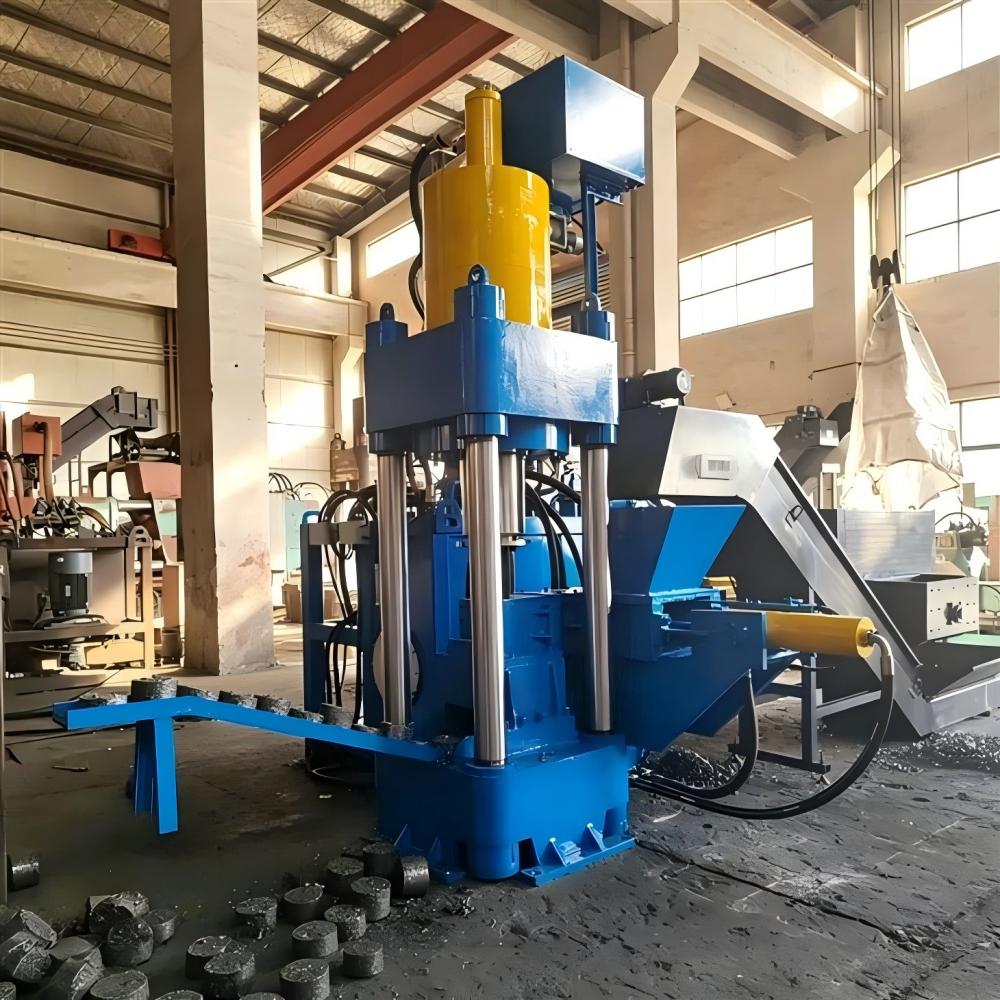
Mechanical Wear and Mold Integrity
Beyond the hydraulics, the physical components that interact with the metal scrap are subject to extreme stress. The compression chamber and mold are designed to withstand immense pressure, but they are not invincible. Over thousands of cycles, the abrasive nature of metal chips (especially steel and cast iron) can wear down the inner walls of the mold. As the mold diameter increases due to wear, the clearance between the piston and the mold wall grows. This allows material to “blow back” past the piston head, preventing the machine from reaching the necessary density.
The piston head or ram face is also a wear item. If the face of the ram becomes pitted or uneven, it will not apply pressure uniformly across the material. In some cases, the ram may even become slightly misaligned, leading to uneven wear on one side of the mold. Regular inspection of the mold’s internal dimensions using a bore gauge can help identify when it is time to reline or replace the compression chamber. Many HARSLE machines feature replaceable liners made from high-hardened steel to make this maintenance more cost-effective.
Another mechanical factor is the feeding mechanism. If the screw feeder or gravity hopper is not delivering a consistent volume of material into the chamber, the piston will stroke against an under-filled chamber. This results in a “short” briquette that lacks density. Ensuring that the sensors controlling the feed cycle are clean and properly calibrated is essential. If the PLC (Programmable Logic Controller) receives a false signal that the chamber is full, it will initiate the compression stroke prematurely, leading to poor results.
Selection Advice: Choosing the Right Machine to Avoid Issues
Preventing compression issues often starts at the time of purchase. Selecting a machine that is underpowered for your specific material is a recipe for long-term frustration. When choosing a hydraulic briquetting machine, consider the specific gravity and hardness of your scrap. For example, aluminum chips require less force to compress than stainless steel turnings. If you intend to process a variety of materials, opt for a machine with adjustable pressure settings and a robust frame that can handle the maximum required tonnage without flexing.
Look for machines with integrated cooling systems. As mentioned earlier, oil temperature is a major factor in pressure loss. A machine equipped with an air or water-cooled heat exchanger will maintain consistent oil viscosity even during multi-shift operations. Additionally, consider the control system. Modern machines with PLC interfaces and digital pressure monitoring allow operators to see real-time data. This makes it much easier to spot a drop in performance before it becomes a critical failure. HARSLE’s range of briquetting presses includes advanced diagnostics that alert operators to pressure inconsistencies immediately.
Finally, evaluate the build quality of the hydraulic manifold. A well-designed manifold reduces the number of hoses and fittings, which are common points of external leakage. High-quality valves from reputable brands ensure that the hydraulic logic remains precise over millions of cycles. Investing in a machine with premium components may have a higher upfront cost, but it significantly reduces the total cost of ownership by minimizing downtime and repair needs. Always ask the manufacturer about the availability of spare parts and the ease of seal replacement for the main cylinders.
Maintenance Checklist for Optimal Compression
To ensure your hydraulic briquetting machine continues to compress properly, a rigorous maintenance schedule is non-negotiable. Industrial machinery thrives on consistency. Below is a recommended checklist for maintenance teams:
- Daily: Check hydraulic oil levels and look for any visible external leaks around hoses and cylinders. Monitor the oil temperature gauge during peak operation.
- Weekly: Inspect the piston head and the entrance of the compression chamber for material buildup or scoring. Clean the sensors and limit switches to ensure accurate cycle timing.
- Monthly: Check the tightness of all hydraulic fittings. Vibration can loosen connections over time. Inspect the air filters on the oil cooler.
- Quarterly: Perform a hydraulic pressure test to ensure the pump and relief valves are hitting their rated specifications. Take an oil sample for laboratory analysis to check for contamination and additive depletion.
- Annually: Replace the hydraulic oil and all filters. Inspect the internal walls of the mold for wear and measure the clearance between the piston and the liner.
Frequently Asked Questions (FAQ)
1. Why is my briquette falling apart as soon as it is ejected?
This is usually due to insufficient pressure or incorrect material moisture. If the hydraulic pressure is at the correct level, check if the material contains too much lubricant or if the particle size is too large to allow for proper interlocking. In some cases, increasing the “dwell time” (the time the piston stays at maximum pressure) can help the briquette set.
2. Can I use any hydraulic oil in my briquetting machine?
No. You should use the oil viscosity grade recommended by the manufacturer, typically ISO VG 46 or 68. Using oil that is too thin will lead to internal leaks and poor compression, while oil that is too thick can cause pump cavitation, especially in colder environments.
3. How do I know if my hydraulic pump is failing?
Common signs include a high-pitched whining noise (cavitation), increased cycle times, and the inability to reach maximum pressure even when the relief valve is adjusted. If the pump housing feels excessively hot to the touch, it is likely experiencing internal friction and wear.
4. Does the shape of the mold affect compression?
Yes. Round molds generally provide the most uniform pressure distribution. Square or rectangular molds can have “dead zones” in the corners where material is not compressed as densely. If you are experiencing issues with square briquettes, ensure the material is being fed evenly into the chamber.
5. How often should I replace the mold liners?
This depends entirely on the abrasiveness of the material you are processing. For aluminum, liners may last for years. For cast iron or contaminated steel, you may need to replace them every 6 to 12 months. Monitor the diameter of the briquettes; if they are getting larger, the mold is wearing out.
6. What should I do if the machine stops mid-stroke?
This is often an electrical or sensor issue. Check the limit switches or proximity sensors that tell the PLC the position of the ram. If a sensor is covered in oil or metal dust, it may send a false signal, causing the machine to halt for safety or logic reasons.
Conclusion: Maintaining Peak Briquetting Efficiency
A Hydraulic Briquetting Machine Not Compressing Properly is a challenge that requires a systematic approach to solve. By distinguishing between material-related issues and mechanical or hydraulic failures, operators can quickly pinpoint the problem and implement the correct fix. Whether it is a simple matter of changing a clogged filter, adjusting the moisture content of the scrap, or a more complex task like replacing cylinder seals, timely intervention is key to maintaining the productivity of your metal fabrication facility.
At HARSLE, we are committed to providing not just high-quality machinery, but also the knowledge and support needed to keep that machinery running at its best. Regular maintenance, proper operator training, and choosing the right equipment for the job are the three pillars of successful briquetting. By following the guidelines outlined in this guide, you can ensure that your briquetting press remains a powerful tool in your recycling arsenal, delivering high-density blocks and maximum value for years to come. If you continue to experience issues, always consult with a professional technician or reach out to our support team for a detailed diagnostic evaluation.