
How to Improve Extrusion Precision with an Aluminium Extrusion Press: A Comprehensive Technical Guide

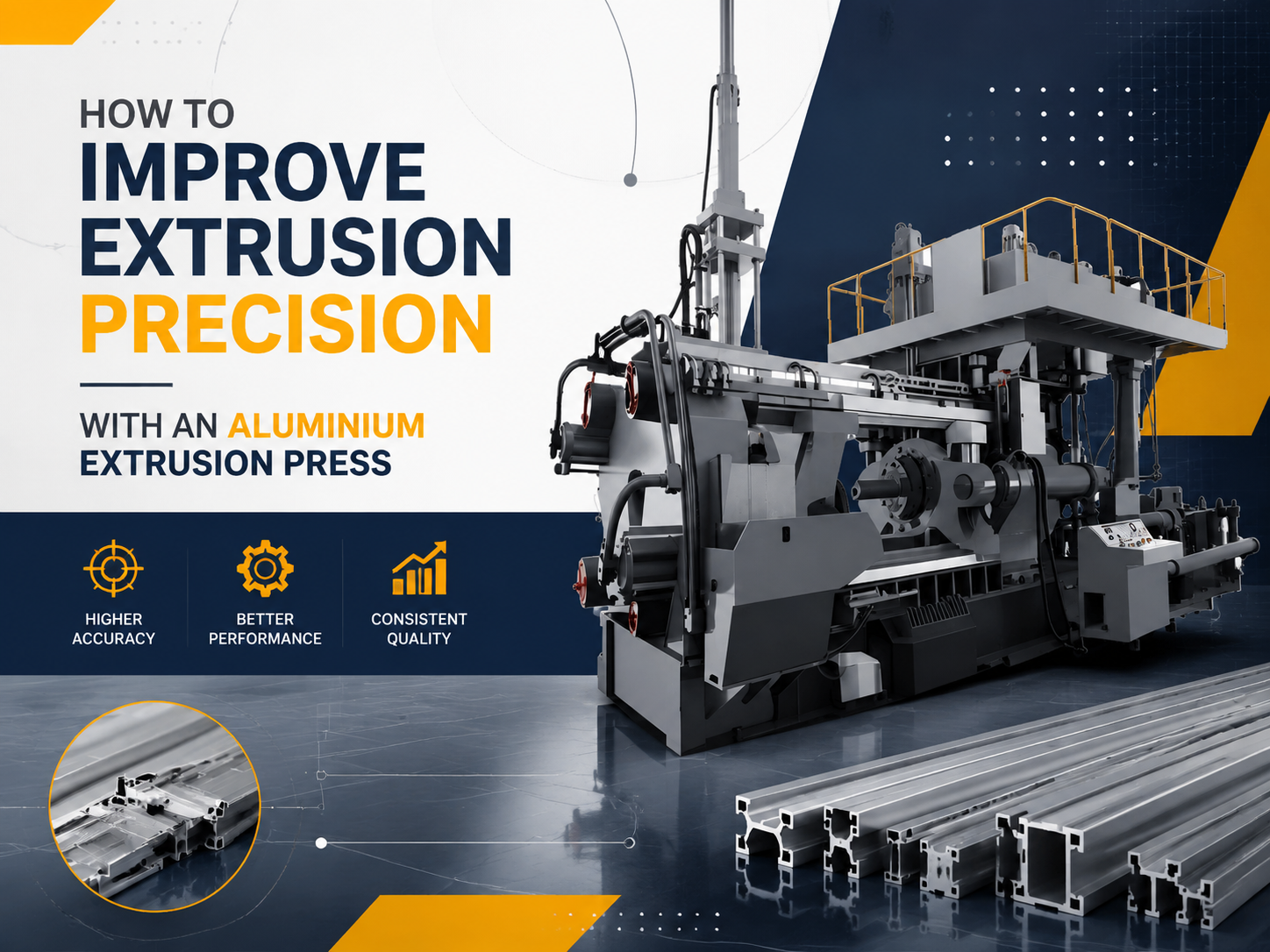
Technical Overview: The Mechanics of Precision Extrusion
Achieving high-level accuracy in the metal fabrication industry requires a deep understanding of how an aluminium extrusion press functions. At its core, the process involves forcing a heated aluminium billet through a shaped die to create a specific cross-sectional profile. To improve extrusion precision with an aluminium extrusion press, operators must manage the complex interplay between thermal expansion, hydraulic pressure, and material flow dynamics. Precision is not merely a result of machine quality but a culmination of calibrated variables that ensure the final product meets tight dimensional tolerances.
The structural integrity of the press frame plays a pivotal role in maintaining alignment. If the main cylinder and the die assembly are not perfectly coaxial, the resulting profile will exhibit wall thickness variations and geometric distortion. HARSLE extrusion presses are engineered with high-rigidity frames to minimize deflection under extreme load. Understanding the mechanical stiffness of your equipment is the first step toward achieving consistent, high-precision output.
Furthermore, the extrusion speed and temperature profile are critical technical factors. Aluminium is a highly sensitive material; even minor fluctuations in billet temperature can lead to significant changes in flow stress. When the material flows unevenly, it creates internal stresses that manifest as warping or twisting upon cooling. By controlling the extrusion speed through advanced PLC systems, operators can maintain a steady state that prevents surface defects and dimensional instability.
Advanced cooling systems are also essential for precision. As the profile exits the die, it must be cooled at a controlled rate to prevent thermal shock. If the cooling is inconsistent across the profile, the differential contraction will cause the metal to bow or bend. Modern aluminium extrusion presses integrate air and water quenching systems that are synchronized with the extrusion speed, ensuring that the profile maintains its intended shape from the moment it leaves the die until it reaches the puller.
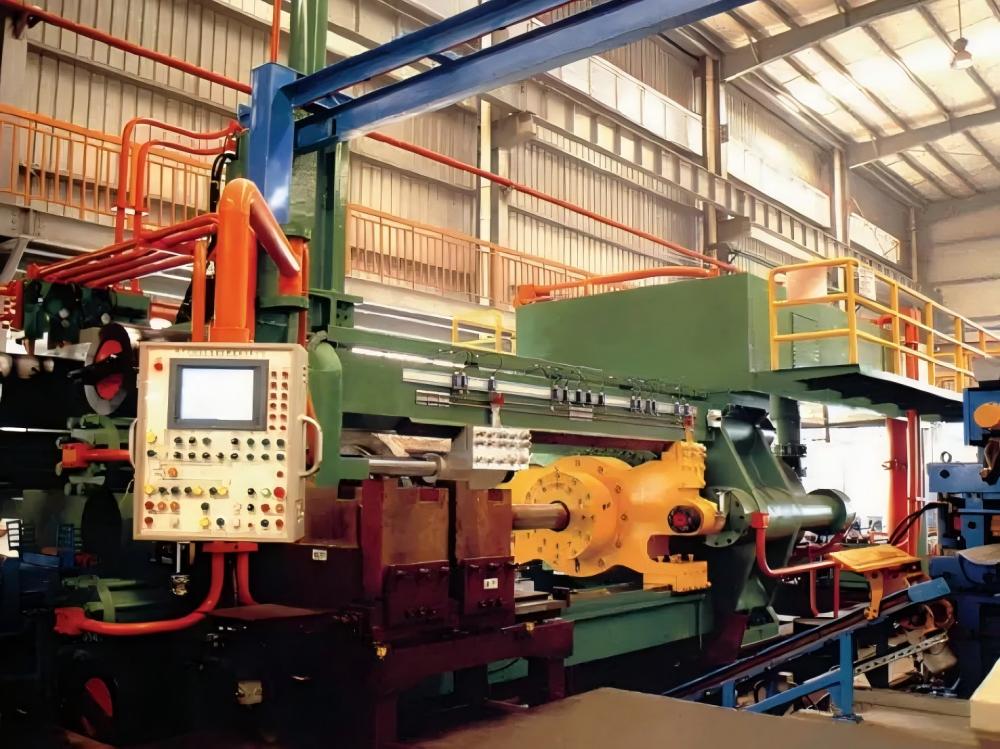
Core Parameters Influencing Extrusion Accuracy
To improve extrusion precision with an aluminium extrusion press, one must master the core parameters that dictate the physical transformation of the metal. The first parameter is the billet temperature. Aluminium alloys typically require preheating to between 400°C and 500°C. If the temperature is too low, the pressure required to force the metal through the die increases, potentially causing die deflection. If it is too high, the material becomes too soft, leading to surface tearing and loss of dimensional control.
The second core parameter is the extrusion ratio, which is the ratio of the cross-sectional area of the container to the cross-sectional area of the profile. A higher extrusion ratio generally requires more force and generates more heat due to friction. Managing this ratio is vital for maintaining structural homogeneity. When the ratio is too high, the metal flow becomes turbulent, which can lead to internal voids or surface defects that compromise the precision of the final part.
Die design and maintenance constitute the third pillar of precision. The die is the heart of the extrusion process. Precision-engineered dies with optimized bearing lengths ensure that the metal flow is balanced across the entire cross-section. Over time, dies experience wear, which changes the dimensions of the extruded profile. Regular inspection and re-polishing of the die bearing surfaces are necessary to maintain the tight tolerances required by modern industrial standards.
Finally, the lubrication of the dummy block and the container liner must be strictly controlled. Excessive lubrication can lead to surface contamination and inclusions, while insufficient lubrication increases friction and heat generation. By utilizing automated lubrication systems, operators can ensure a consistent friction coefficient, which is essential for maintaining the uniform pressure required for high-precision extrusion.
Calculation Method for Extrusion Force and Flow
Calculating the required extrusion force is a fundamental step in ensuring that your press operates within its optimal range. The basic formula for extrusion force (F) is F = A * P, where A is the area of the ram and P is the hydraulic pressure. However, to achieve precision, one must account for the flow stress of the alloy, the friction between the billet and the container, and the geometry of the die.
The flow stress (σ) is dependent on the strain rate and the temperature. The calculation for the required pressure (p) is often represented as p = σ * ln(R), where R is the extrusion ratio. By calculating this value, engineers can determine if the press has sufficient capacity to handle the specific profile without overloading the hydraulic system, which would otherwise lead to pressure fluctuations and loss of precision.
Another critical calculation involves the ‘dead zone’—the area of stagnant metal that forms in the corners of the container. By calculating the optimal billet length and taper, operators can minimize the size of the dead zone, ensuring that the metal flow remains laminar. Laminar flow is the prerequisite for uniform grain structure and dimensional stability in the extruded profile.
Finally, thermal expansion calculations must be applied to the die design. Because the die expands when heated, the dimensions of the die orifice must be slightly smaller than the desired final dimensions of the profile. By applying the coefficient of thermal expansion for the specific die steel used, engineers can predict the exact size of the orifice at operating temperature, ensuring that the final product meets the required specifications.
Parameter Table: Optimizing Extrusion Variables
| Parameter | Optimal Range | Impact on Precision |
|---|---|---|
| Billet Temperature | 420°C – 480°C | High: Affects flow stress and surface finish |
| Extrusion Speed | 5 – 25 m/min | High: Affects thermal stability and grain structure |
| Container Temperature | 380°C – 420°C | Medium: Prevents premature cooling of the billet |
| Die Bearing Length | 3mm – 15mm | High: Controls metal flow and profile straightness |
| Hydraulic Pressure | 15 – 25 MPa | High: Dictates force consistency |
Common Engineering Mistakes in Extrusion
One of the most common mistakes in the extrusion process is neglecting the maintenance of the container liner. Over time, the liner can become ovalized due to uneven pressure distribution. When the liner is not perfectly cylindrical, the billet does not sit flush, leading to uneven metal flow and significant dimensional errors in the extruded profile. Regular laser alignment checks are essential to prevent this issue.
Another frequent error is the improper handling of the billet. If the billet is not preheated uniformly, it will have a temperature gradient from the center to the surface. This gradient causes the metal to flow at different speeds, resulting in a ‘camber’ or ‘twist’ in the profile. Utilizing induction heating systems that provide uniform heating across the entire billet is a critical step to improve extrusion precision with an aluminium extrusion press.
Many operators also fail to monitor the die bearing wear effectively. As the die wears, the bearing surface becomes rounded, which changes the friction characteristics of the die. This leads to a gradual drift in the profile dimensions. Implementing a strict die-change schedule based on the number of billets processed, rather than waiting for visible defects, is a proactive approach to maintaining precision.
Finally, the lack of tension control on the puller can cause significant issues. The puller must be synchronized perfectly with the extrusion speed. If the puller exerts too much tension, it will stretch the profile, reducing its cross-sectional area. If it exerts too little, the profile may buckle. Modern HARSLE presses feature closed-loop control systems that automatically adjust puller speed to maintain constant tension, ensuring the profile remains straight and dimensionally accurate.
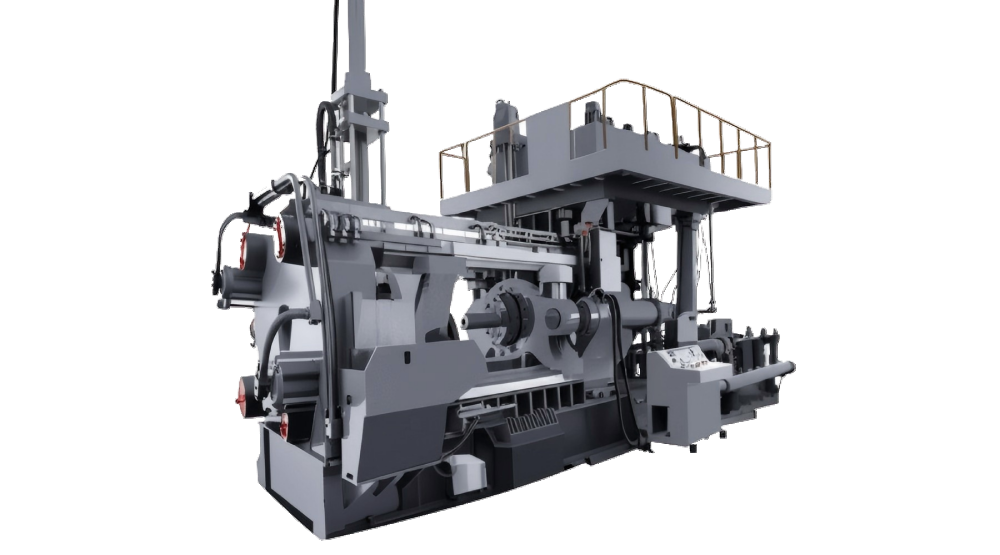
Selection Checklist for High-Precision Presses
When selecting an aluminium extrusion press, prioritize machines that offer advanced PLC control. The ability to program and store specific extrusion recipes for different alloys and profiles is invaluable for repeatability. Look for systems that allow for real-time monitoring of pressure, speed, and temperature, as these are the primary drivers of precision.
Evaluate the rigidity of the press frame. A press that flexes under load will never produce high-precision parts. Check the specifications for the tie-rod design and the alignment of the main ram. A high-quality press should have a robust guiding system that ensures the ram remains perfectly centered throughout the entire stroke, regardless of the pressure applied.
Consider the integration of the cooling system. A press that is paired with a sophisticated, multi-zone cooling table will provide better results than one with a basic fan system. The ability to control the cooling rate of different sections of the profile independently is a major advantage for complex, thin-walled shapes that are prone to warping.
Lastly, look for a manufacturer that provides comprehensive support and training. Precision is a skill that requires both the right equipment and the right knowledge. HARSLE provides extensive technical documentation and training programs to help your team understand how to improve extrusion precision with an aluminium extrusion press, ensuring that you get the most out of your investment.
FAQ: Frequently Asked Questions
How often should I calibrate my aluminium extrusion press?
Calibration should be performed at least annually, or whenever there is a significant change in the types of profiles being produced. However, daily checks of pressure sensors and temperature probes are recommended to ensure ongoing precision.
Can I improve precision on an older extrusion press?
Yes, by upgrading the control system to a modern PLC, installing high-precision sensors, and ensuring the mechanical alignment of the ram and container, you can significantly improve the performance of an older machine.
What is the most important factor for profile straightness?
Profile straightness is primarily determined by the balance of the metal flow through the die and the tension applied by the puller. Ensuring the die is correctly designed and the puller is synchronized with the extrusion speed is critical.
How does alloy selection affect extrusion precision?
Different alloys have different flow stresses and thermal expansion coefficients. High-strength alloys generally require higher pressures and are more sensitive to temperature fluctuations, making them more challenging to extrude with high precision.
Why is the dummy block important for precision?
The dummy block acts as the interface between the ram and the billet. A well-maintained dummy block prevents metal from leaking back into the container, ensuring that all the force is directed toward the die, which is essential for consistent extrusion.
By following these technical guidelines and maintaining a rigorous approach to process control, you can significantly improve extrusion precision with an aluminium extrusion press. Whether you are producing architectural profiles or complex industrial components, the combination of high-quality machinery and disciplined operational practices is the key to success in the competitive world of metal fabrication.












