Aluminium Extrusion Press Maintenance Guide for Better Uptime and Consistent Output

Technical Overview
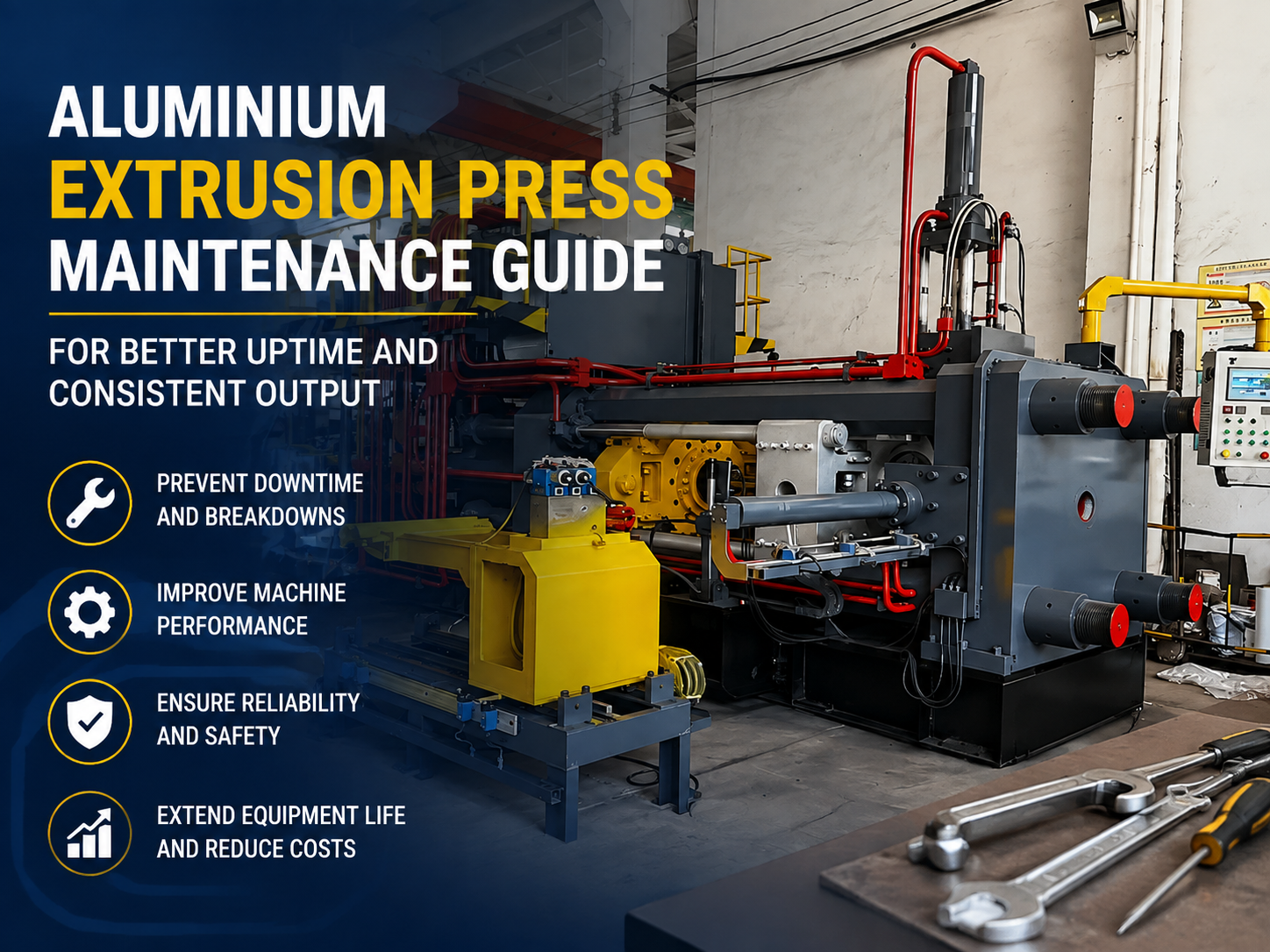
The aluminium extrusion process is a cornerstone of modern manufacturing, transforming aluminium billets into complex profiles used in construction, automotive, and aerospace industries. At the heart of this operation lies the aluminium extrusion press, a sophisticated piece of hydraulic machinery that requires rigorous care to maintain peak performance. Achieving Aluminium Extrusion Press Maintenance Better Uptime Consistent Output is not merely about reactive repairs; it is about implementing a proactive, data-driven maintenance strategy that addresses the mechanical, hydraulic, and electrical integrity of the system.
An extrusion press operates under immense pressure and high temperatures, subjecting its components to significant thermal and mechanical stress. The main ram, container, die assembly, and hydraulic power unit are the primary areas of concern. When these systems are neglected, the result is often inconsistent profile dimensions, surface defects, and costly unplanned downtime. By understanding the technical nuances of these machines, operators can extend the lifespan of critical components and ensure that every billet processed meets stringent quality standards.
HARSLE designs its extrusion presses with modularity and durability in mind, but even the most robust equipment requires a structured maintenance regimen. This guide explores the essential aspects of maintaining your press, from daily inspections to long-term overhaul cycles. We will delve into the core parameters that dictate machine health, the calculations necessary for monitoring efficiency, and the common pitfalls that lead to premature component failure.
Effective maintenance is an investment in the longevity of your capital equipment. By prioritizing preventative measures, manufacturers can reduce the total cost of ownership while maximizing throughput. Whether you are operating a 600T or a 12000T press, the principles of maintenance remain consistent: cleanliness, lubrication, monitoring, and timely intervention are the pillars of industrial success.
Core Parameters
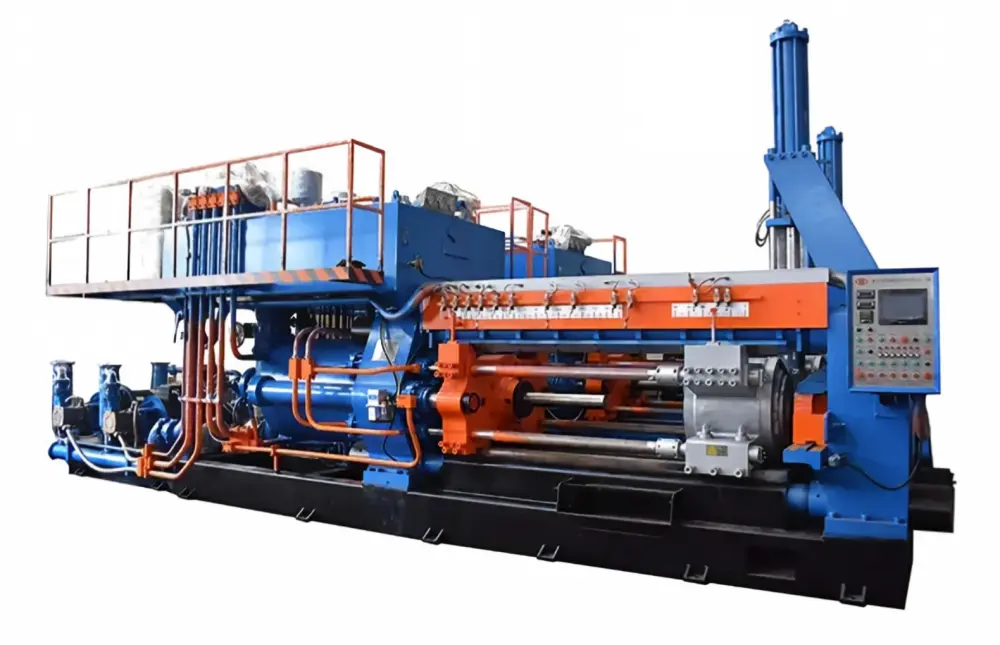
To achieve consistent output, operators must monitor several core parameters that define the operational health of the press. The first is hydraulic system pressure. The hydraulic fluid acts as the lifeblood of the press, and fluctuations in pressure can indicate leaks, pump wear, or valve malfunctions. Maintaining the correct pressure profile during the extrusion cycle is critical for ensuring uniform material flow through the die.
Temperature control is the second pillar of performance. The billet temperature, container temperature, and die temperature must be precisely managed. If the billet is too cold, the extrusion force spikes, potentially damaging the press; if it is too hot, the surface finish of the profile will suffer. Monitoring these thermal parameters via integrated sensors allows for real-time adjustments that prevent defects before they occur.
The extrusion speed and ram velocity are also vital. Consistent ram speed ensures that the material is deformed at a rate that allows for proper grain structure formation. Variations in speed can lead to inconsistent wall thickness and mechanical properties in the final product. Advanced control systems on HARSLE presses allow for precise speed ramping, which must be calibrated regularly to ensure the machine adheres to the programmed extrusion profile.
Finally, the alignment of the press components—specifically the ram, the container, and the die—must be checked periodically. Even a minor misalignment can cause uneven pressure distribution, leading to premature wear on the container liner and the die. Regular laser alignment checks are essential to ensure that the force is applied perfectly along the central axis of the extrusion path.
Calculation Method
Calculating the required extrusion force and monitoring efficiency is essential for predictive maintenance. The basic formula for extrusion force (F) is F = A * P, where A is the area of the main cylinder and P is the hydraulic pressure. However, to understand the health of the machine, we must calculate the ‘Efficiency Factor’ (E). E = (Actual Output / Theoretical Output) * 100. If the efficiency factor drops over time, it is a clear indicator of internal leakage or mechanical resistance.
Another critical calculation involves the ‘Specific Pressure’ (Ps) required for the alloy being extruded. Ps = F / Ab, where Ab is the cross-sectional area of the billet. By comparing the actual pressure used against the theoretical specific pressure required for a specific alloy, maintenance teams can identify if the press is working harder than it should. An increase in required pressure for the same alloy often signals that the container liner is worn or that the die is becoming clogged.
Thermal expansion calculations are also necessary for long-term maintenance. As the press heats up, the clearance between the ram and the container changes. Maintenance teams should calculate the expected thermal expansion based on the machine’s material properties and operating temperatures. If the measured clearance deviates from these calculations, it indicates that the cooling system or the heating elements are not functioning within the specified parameters.
Finally, calculating the ‘Mean Time Between Failures’ (MTBF) for critical components like seals and valves provides a roadmap for proactive replacement. By tracking the number of cycles between seal replacements, you can schedule maintenance during planned downtime rather than waiting for a catastrophic failure. This data-driven approach is the key to achieving Aluminium Extrusion Press Maintenance Better Uptime Consistent Output.
Parameter Table
| Parameter | Recommended Range | Monitoring Frequency |
|---|---|---|
| Hydraulic Oil Temperature | 45°C – 55°C | Continuous |
| Main Ram Alignment | < 0.05mm deviation | Quarterly |
| Billet Temperature | 400°C – 500°C (Alloy dependent) | Per Cycle |
| System Pressure | Max 25-30 MPa | Continuous |
| Filter Differential Pressure | < 0.2 MPa | Weekly |
| Lubrication Oil Level | Within Sight Glass | Daily |
Common Engineering Mistakes
One of the most frequent mistakes in extrusion press maintenance is the neglect of hydraulic fluid quality. Many operators assume that as long as the oil level is sufficient, the machine is fine. However, hydraulic oil degrades over time due to oxidation, moisture contamination, and particulate buildup. Failing to perform regular oil analysis can lead to the accelerated wear of pumps and valves, which are the most expensive components to replace.
Another common error is ignoring the ‘small’ leaks. A minor hydraulic drip may seem insignificant, but it often indicates a seal that is beginning to fail under pressure. Over time, these leaks lead to pressure drops, increased energy consumption, and potential fire hazards. Addressing these leaks immediately is a fundamental requirement for maintaining consistent output and ensuring a safe working environment.
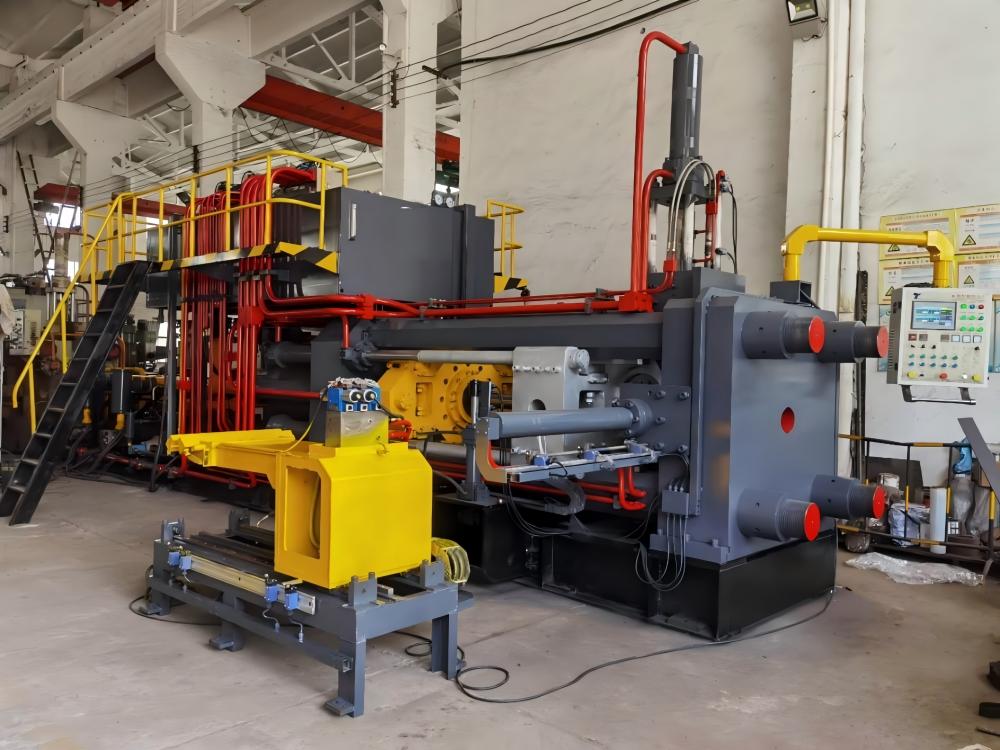
Overloading the press is a critical mistake that stems from a lack of understanding of the machine’s capacity. Attempting to extrude billets that are too large or too cold for the press’s tonnage rating puts excessive strain on the main cylinder and the frame. This not only causes immediate mechanical damage but also accelerates the fatigue of the structural steel, significantly shortening the machine’s operational life.
Finally, failing to calibrate sensors and control systems is a silent killer of productivity. Over time, sensors can drift, providing inaccurate data to the PLC. If the PLC receives incorrect temperature or pressure readings, it will adjust the machine parameters incorrectly, leading to poor quality parts. Regular calibration of all feedback loops is essential for maintaining the precision required in modern aluminium extrusion.
Selection Checklist
When selecting or upgrading your aluminium extrusion press, consider the following checklist to ensure long-term maintainability:
- Robust Hydraulic Design: Does the press feature high-quality, easily accessible hydraulic valves and pumps?
- Advanced Diagnostics: Does the control system provide real-time alerts for pressure, temperature, and cycle time anomalies?
- Modular Construction: Are the critical components, such as the container and die slide, designed for quick and easy replacement?
- Cooling Capacity: Is the cooling system sized appropriately for your maximum production volume to prevent overheating?
- Support and Spares: Does the manufacturer provide reliable access to spare parts and technical support?
- Energy Efficiency: Does the press utilize variable frequency drives or energy-saving hydraulic circuits to reduce operational costs?
- Safety Features: Are there redundant safety systems, such as light curtains and emergency stop circuits, that are easy to maintain?
FAQ
How often should I change the hydraulic oil in my extrusion press?
Hydraulic oil should be analyzed every 1,000 to 2,000 operating hours. Based on the analysis results, you should change the oil if there is significant oxidation, water contamination, or particulate buildup. Typically, a full change is recommended every 5,000 to 8,000 hours.
What is the most common cause of surface defects on extruded profiles?
Surface defects are often caused by improper billet temperature, worn die surfaces, or inconsistent extrusion speeds. Regular maintenance of the die and precise control of the heating system are the best ways to mitigate these issues.
Why is my press losing pressure during the extrusion cycle?
Pressure loss is usually caused by internal leakage in the hydraulic valves, a worn pump, or a failing seal in the main cylinder. Perform a pressure decay test to isolate the source of the leak.
Can I use a different brand of hydraulic oil than what was originally supplied?
It is highly recommended to use the oil specified by the manufacturer. If you must switch, ensure the new oil meets or exceeds the viscosity, anti-wear, and thermal stability requirements of the original specification.
How do I ensure better uptime for my HARSLE press?
Focus on a preventative maintenance schedule that includes daily inspections, weekly filter checks, monthly lubrication, and annual alignment audits. Keeping the machine clean and monitoring the core parameters mentioned in this guide will significantly improve your uptime.