How Briquetting Machines Improve Coolant Recovery In Machining Operations: A Technical Guide

Technical Overview: The Role of Briquetting in Modern Machining
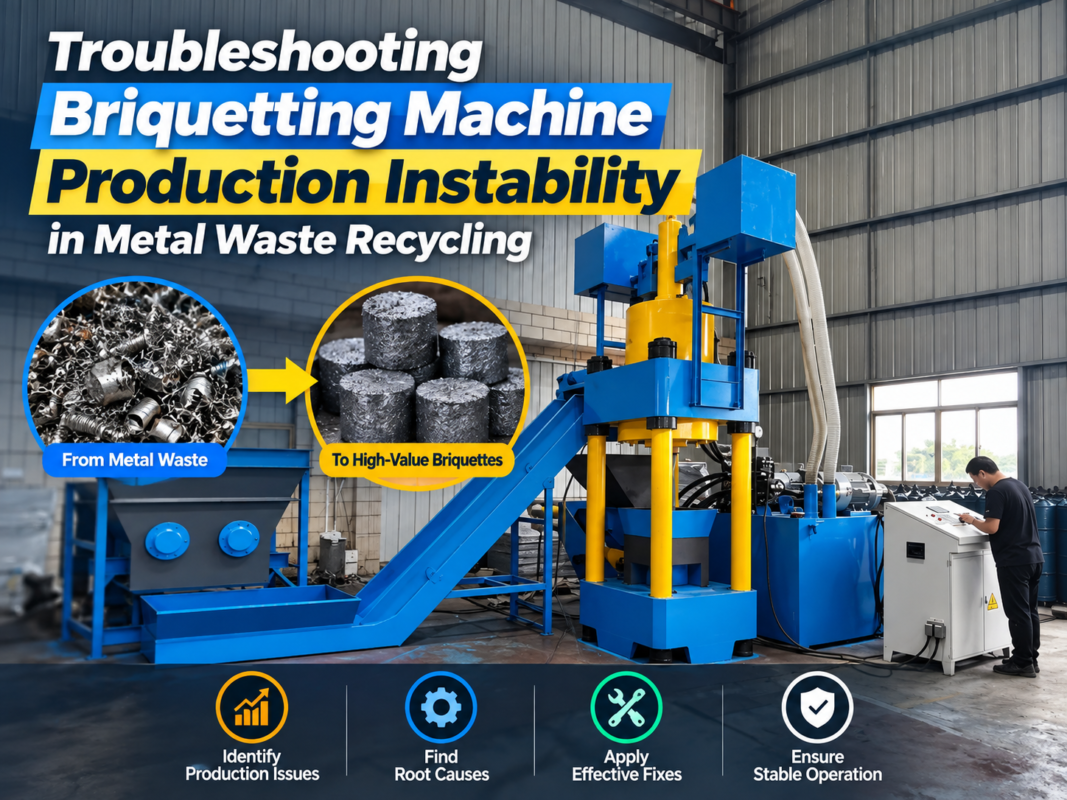
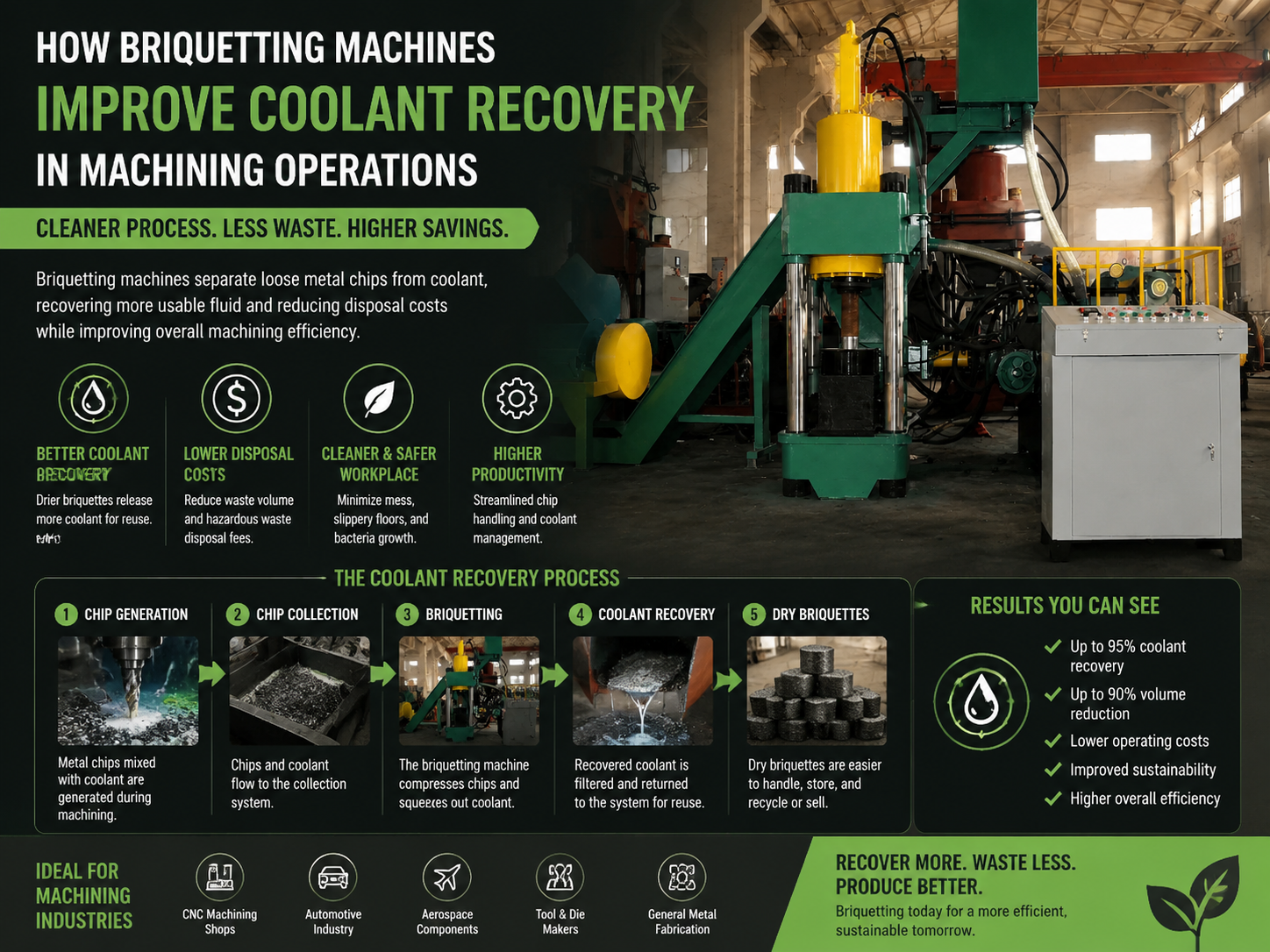
In the high-precision world of metal fabrication, the management of metal chips and swarf is often an overlooked aspect of operational efficiency. As machining centers operate at high speeds, they generate significant volumes of metal chips saturated with expensive cutting fluids or coolants. Traditionally, these chips are treated as waste, leading to environmental hazards and the loss of valuable chemical resources. HARSLE briquetting machines improve coolant recovery in machining operations by transforming loose, porous metal chips into dense, solid briquettes through high-pressure mechanical compression.
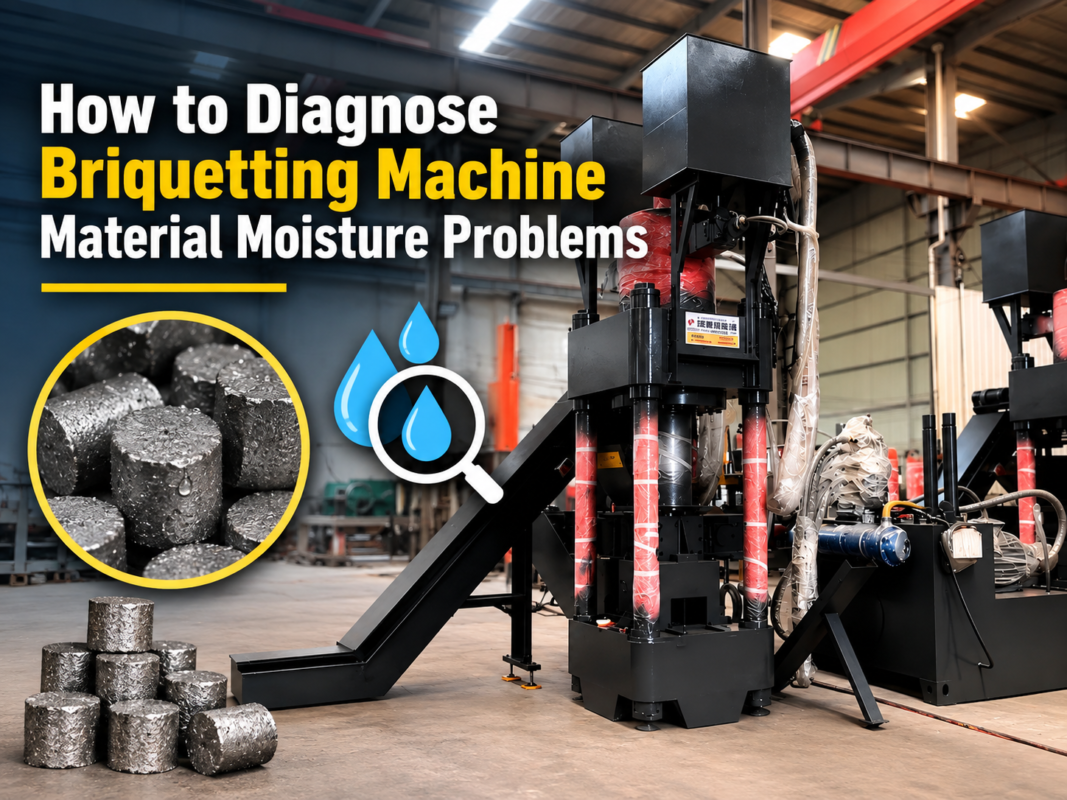
The fundamental principle behind this technology is the reduction of surface area and the mechanical extraction of fluids trapped within the interstitial spaces of the metal scrap. When chips are loose, they act like sponges, holding onto significant percentages of coolant. By applying extreme hydraulic pressure, the briquetting process forces the liquid out of the metal matrix, allowing it to be collected, filtered, and recirculated back into the machining process. This closed-loop approach is essential for modern sustainable manufacturing.
Beyond fluid recovery, the briquetting process significantly alters the physical state of the scrap. Loose chips are bulky, difficult to transport, and prone to oxidation. Briquettes, conversely, are compact, easy to handle, and possess a higher market value due to their purity and ease of melting in foundry furnaces. This transformation turns a disposal cost into a revenue stream, fundamentally changing the economics of the machine shop floor.
HARSLE engineering focuses on the integration of these systems directly into the production line. By placing a briquetting unit near the source of chip generation, manufacturers can minimize the logistics of moving wet, heavy scrap. This proximity ensures that the coolant is recovered while it is still fresh, preventing the degradation of chemical properties that often occurs during long-term storage or exposure to ambient contaminants.
Core Parameters of High-Performance Briquetting Systems
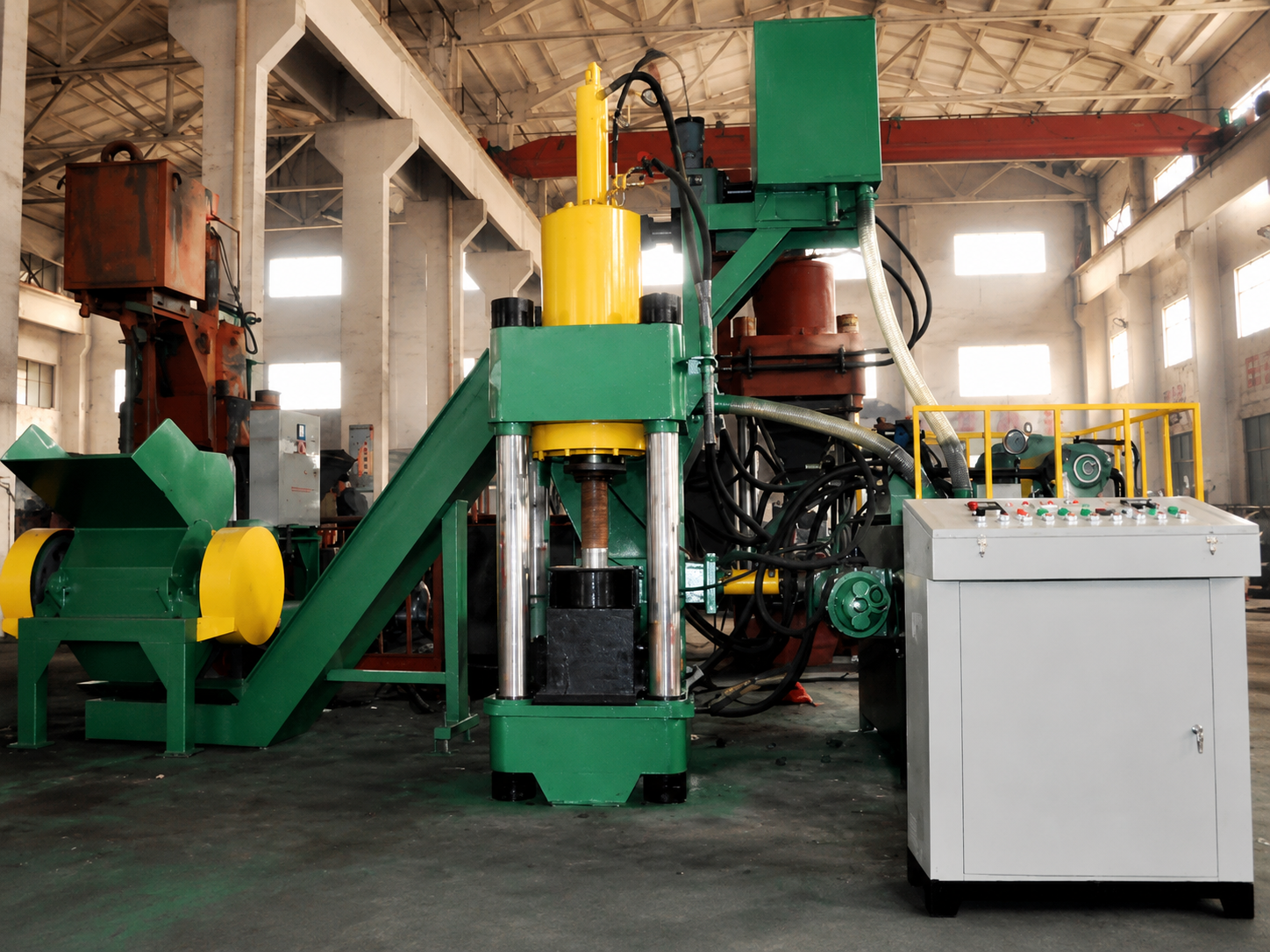
To understand how briquetting machines improve coolant recovery in machining operations, one must look at the technical specifications that define performance. The primary parameter is the specific pressure exerted by the hydraulic cylinder. High-density briquetting requires pressure levels often exceeding 200 MPa. This force is necessary to overcome the yield strength of the metal chips, ensuring that the resulting briquette is dense enough to prevent re-absorption of fluids.
Another critical parameter is the cycle time. In a high-volume machining environment, the briquetting machine must keep pace with the chip output of the CNC machines. HARSLE systems utilize advanced PLC controls to optimize the compression cycle, ensuring that the machine operates at maximum throughput without compromising the structural integrity of the briquettes. The integration of automated feeding systems, such as screw conveyors or magnetic separators, is vital for maintaining a continuous flow.
The filtration system integrated into the briquetting unit is equally important. Once the coolant is pressed out of the chips, it must be separated from fine metal particles and contaminants. HARSLE machines incorporate multi-stage filtration units that ensure the recovered fluid meets the cleanliness standards required for high-speed machining. This prevents the premature wear of cutting tools and maintains the surface finish quality of the machined parts.
Finally, the material compatibility of the machine is a core parameter. Different metals—such as aluminum, steel, brass, and cast iron—have different compression ratios and fluid retention characteristics. A robust briquetting machine must feature adjustable pressure settings and interchangeable die sets to accommodate these variations. This versatility ensures that the machine remains a long-term asset, regardless of changes in the shop’s production mix.
Calculation Method: Quantifying the Return on Investment
Calculating the efficiency of coolant recovery requires a systematic approach. First, determine the total volume of chips generated per shift. Second, measure the percentage of coolant by weight in the raw chips. A typical loose chip pile can contain anywhere from 10% to 30% coolant by weight. By applying the HARSLE briquetting process, this can be reduced to less than 2%, effectively recovering the vast majority of the fluid.
To calculate the annual savings, use the following formula: (Total Annual Chip Weight) × (Initial Coolant Percentage – Final Coolant Percentage) × (Cost of Coolant per Liter). This calculation often reveals that the briquetting machine pays for itself within 12 to 18 months. Furthermore, you must factor in the reduction in disposal costs. Briquettes are classified as high-quality scrap, which commands a higher price from recyclers compared to loose, wet swarf, which is often subject to heavy deductions for moisture content.
Energy consumption is another factor in the calculation. While the hydraulic pump requires electricity, the reduction in the need for coolant replenishment and the lower logistics costs for scrap transport create a net positive energy balance. Manufacturers should also consider the environmental compliance savings, as reducing the amount of hazardous waste leaving the facility lowers the burden of regulatory reporting and potential environmental liability.
Lastly, consider the tool life extension. By using recovered, filtered coolant, the machining process remains more stable. The consistency of the fluid chemistry prevents the buildup of bacteria and the degradation of lubricity, which are common issues in systems using low-quality, contaminated fluids. This leads to fewer tool changes and less downtime, which should be factored into the overall operational efficiency calculation.
Parameter Table: Typical Performance Metrics
| Parameter | Typical Value | Impact on Recovery |
|---|---|---|
| Compression Force | 150 – 300 Tons | Determines density and fluid extraction rate |
| Cycle Time | 15 – 45 Seconds | Ensures synchronization with machining output |
| Coolant Recovery Rate | 90% – 98% | Directly impacts fluid cost savings |
| Briquette Density | 3.5 – 6.0 g/cm³ | Reduces storage volume and oxidation |
| Filtration Precision | 50 – 100 Microns | Ensures fluid quality for reuse |
Common Engineering Mistakes in Briquetting Implementation
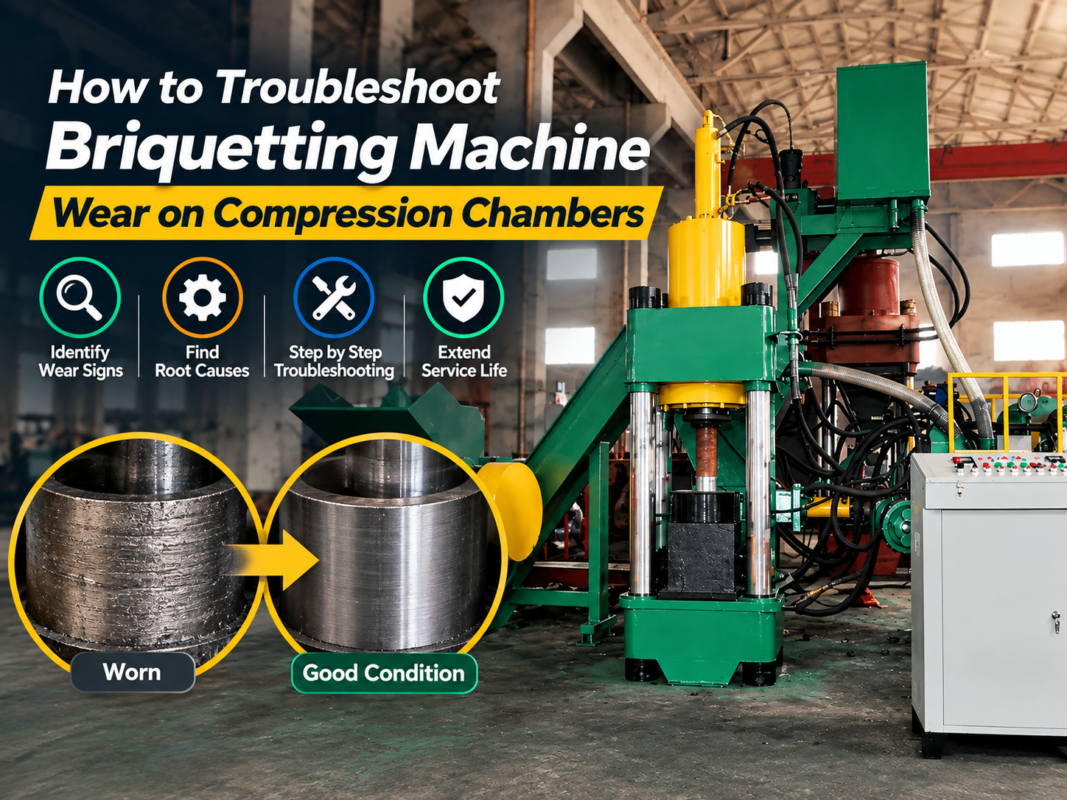
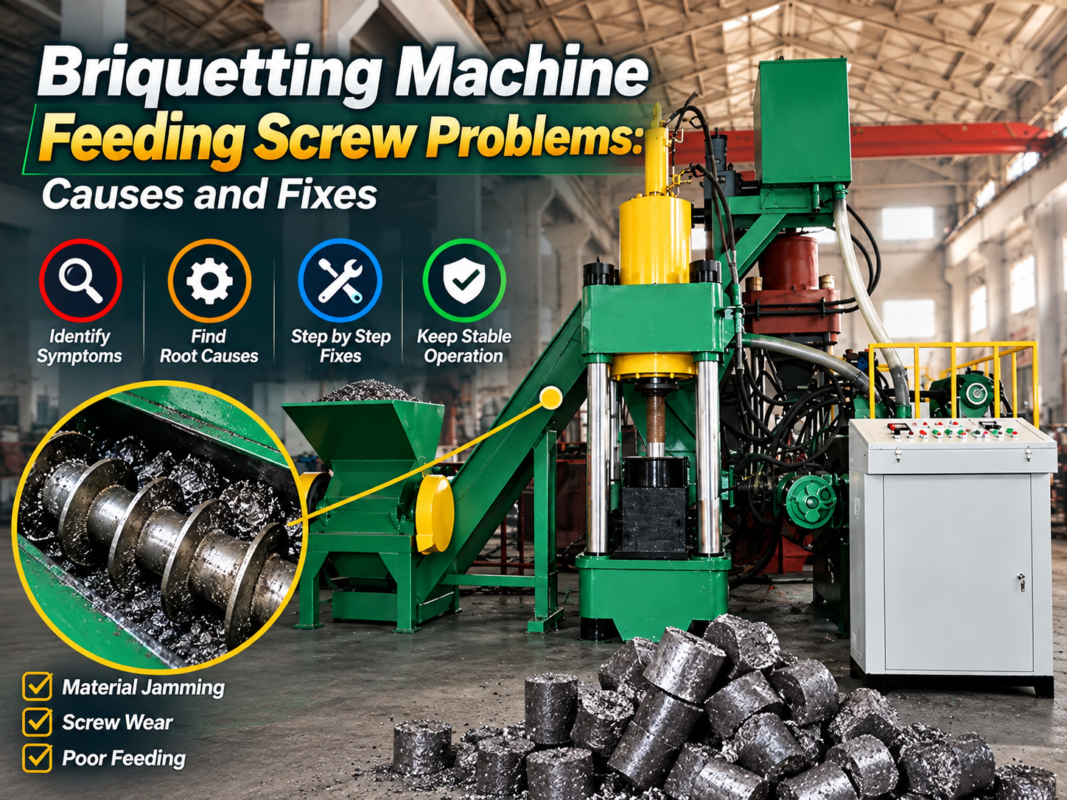
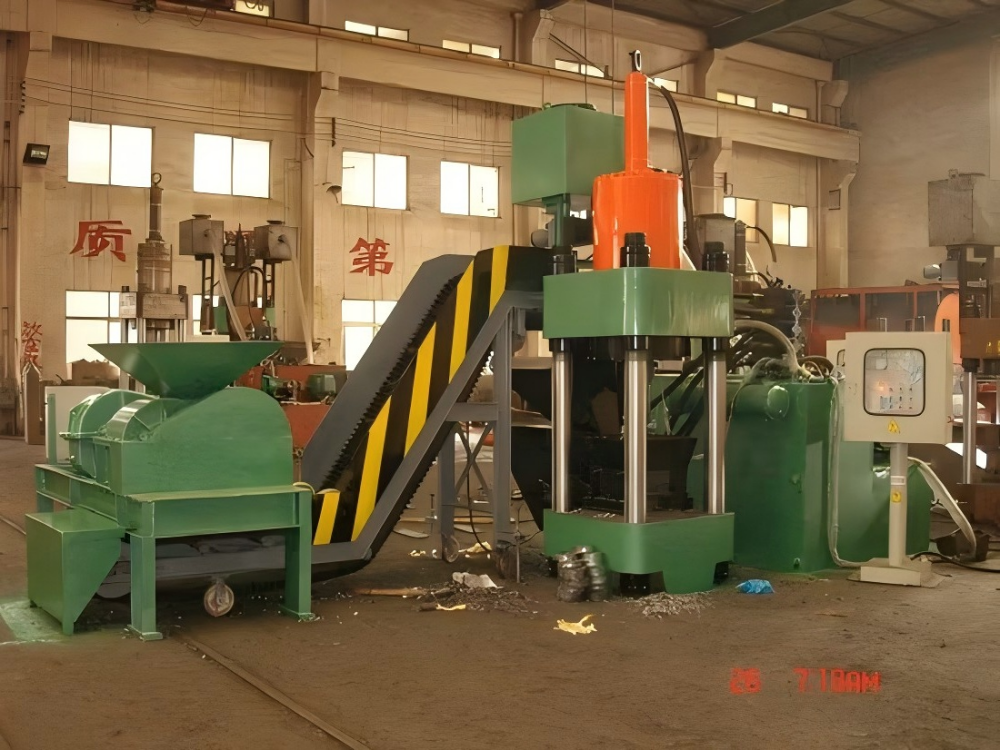
One of the most frequent mistakes is failing to account for the physical characteristics of the chips. For instance, long, stringy steel chips can clog the feeding mechanism of a standard briquetting machine. Without a pre-shredder or a chip breaker, the machine will experience frequent jams, leading to downtime. HARSLE recommends a comprehensive assessment of the chip morphology before selecting a model to ensure the feeding system is appropriately configured.
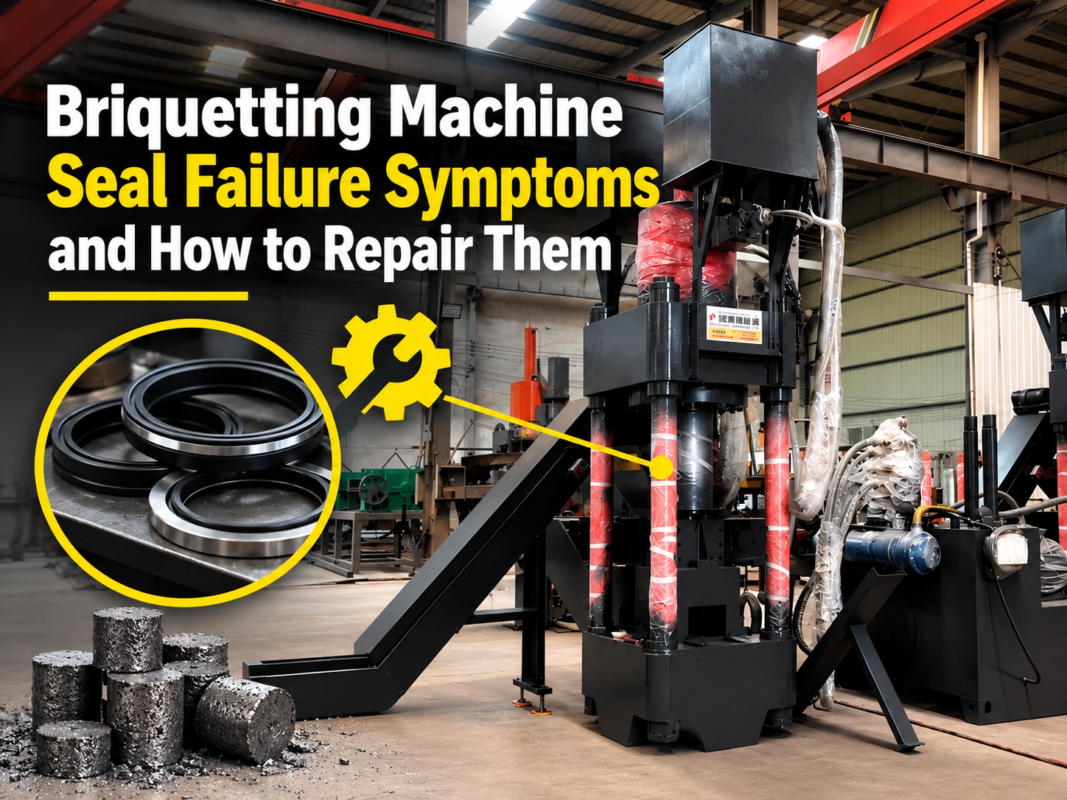
Another common error is the neglect of coolant chemistry. Not all coolants are compatible with the seals and hydraulic components of a briquetting machine. Using a highly corrosive or chemically aggressive fluid without proper material selection for the machine’s internal components can lead to premature failure. Always consult with HARSLE technical support to ensure that the machine’s seals and gaskets are rated for the specific coolant chemistry used in your facility.
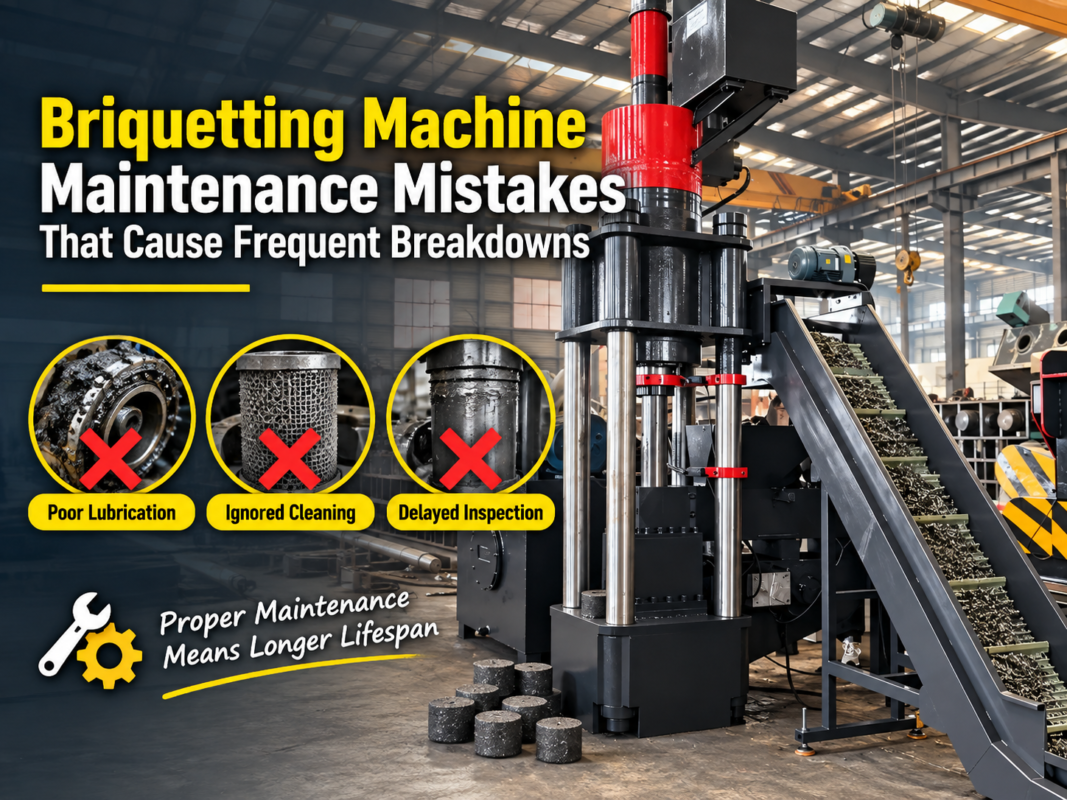
Improper maintenance of the filtration system is a critical oversight. If the filters are not cleaned or replaced according to the schedule, the recovered coolant will remain contaminated with fine metal dust. This contaminated fluid, when returned to the CNC machine, can cause abrasive wear on pumps and valves. Establishing a strict preventive maintenance schedule is essential for the long-term success of any coolant recovery initiative.
Finally, many shops fail to integrate the briquetting machine into the overall workflow. Placing the machine in an isolated area far from the machining centers increases the labor cost of transporting chips. The most successful implementations involve a centralized or semi-centralized system where chips are transported via conveyors directly from the CNC machines to the briquetting unit, minimizing human intervention and maximizing the efficiency of the recovery process.
Selection Checklist for Briquetting Equipment
- Material Analysis: Identify the primary metals being machined (e.g., aluminum, steel, titanium).
- Throughput Requirements: Calculate the hourly chip generation rate to size the hydraulic system correctly.
- Space Constraints: Measure the available floor space and consider the integration of conveyors.
- Coolant Type: Verify compatibility between the coolant chemistry and machine seals.
- Automation Level: Determine if you need a manual, semi-automatic, or fully automated feeding system.
- Maintenance Support: Ensure the manufacturer provides local technical support and spare parts availability.
- Regulatory Compliance: Check if the system meets local environmental standards for waste handling.
- Return on Investment: Request a detailed ROI analysis based on your specific scrap volume and coolant costs.
Frequently Asked Questions (FAQ)
How do briquetting machines improve coolant recovery in machining operations specifically?
They improve recovery by applying high pressure to squeeze out the liquid trapped in the voids of the metal chips. This process is significantly more effective than centrifugal spinning or gravity drainage, allowing for the recovery of up to 98% of the fluid.
Can a briquetting machine handle different types of metal?
Yes, HARSLE briquetting machines are designed to be versatile. However, settings such as pressure and cycle time may need to be adjusted when switching between materials like aluminum and steel to ensure optimal density and fluid extraction.
What is the typical lifespan of a HARSLE briquetting machine?
With proper maintenance and adherence to the recommended service intervals, a HARSLE briquetting machine can provide 10 to 15 years of reliable service in an industrial environment.
Does the briquetting process affect the quality of the recovered coolant?
The process itself does not degrade the coolant. In fact, by incorporating a filtration stage, the machine often improves the quality of the coolant by removing fine metal particles that would otherwise circulate through the machining system.
Is it necessary to shred chips before briquetting?
For long, stringy chips, a pre-shredder is highly recommended to prevent blockages and ensure a consistent feed into the compression chamber. For small, granular chips, a shredder may not be necessary.
How much space does a typical briquetting system require?
The footprint varies depending on the capacity and the inclusion of auxiliary equipment like conveyors and hoppers. HARSLE offers compact designs suitable for smaller shops as well as larger, integrated systems for high-volume production facilities.