Horizontal Baler Technical Guide: How It Works, Key Components, and Industrial Uses

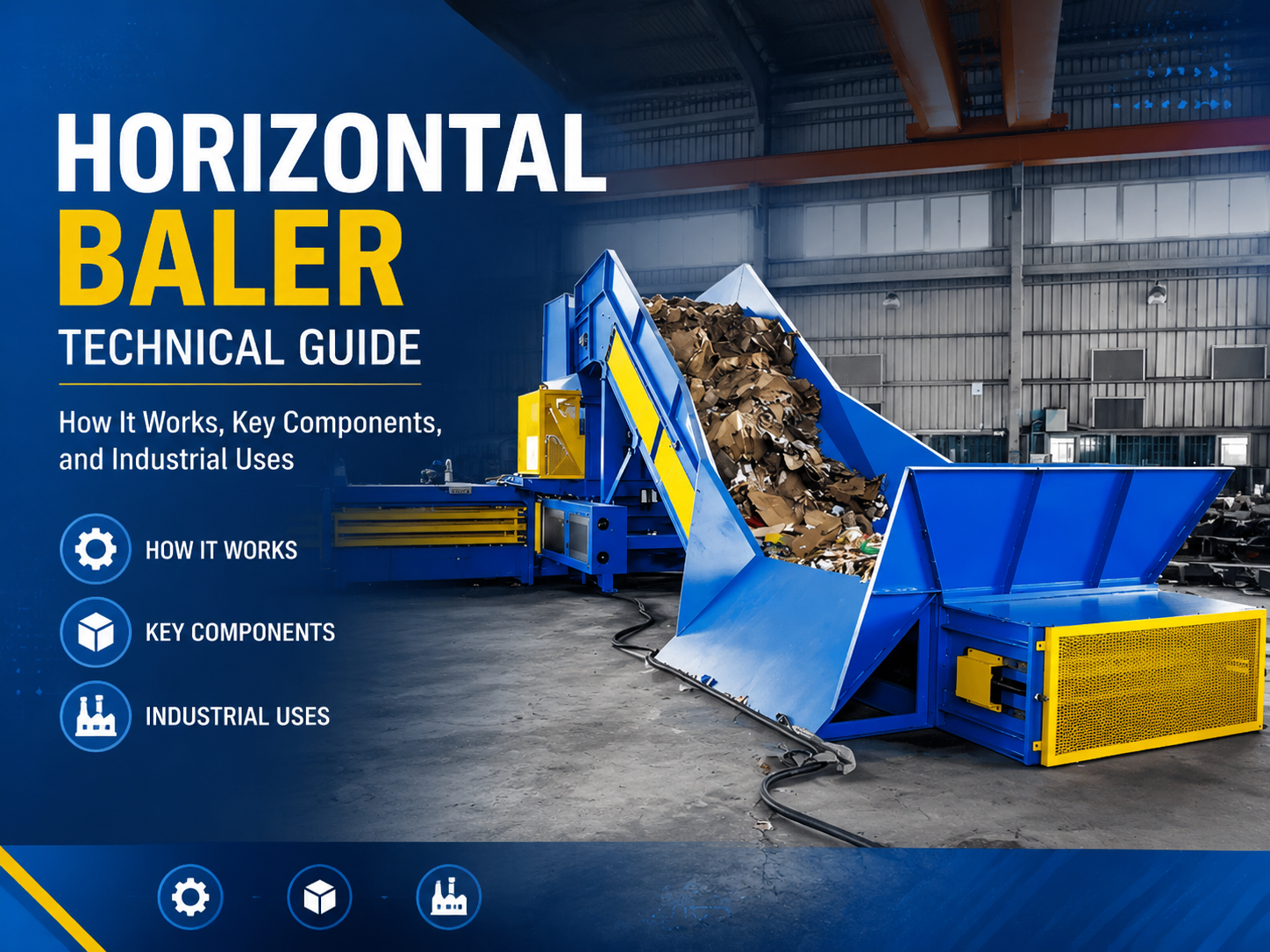
Technical Overview of Horizontal Balers
In the modern landscape of industrial waste management and recycling, the horizontal baler stands as a cornerstone of efficiency. Unlike its vertical counterpart, which is often limited by manual loading and smaller throughput, the horizontal baler is designed for high-volume, continuous operation. At its core, a horizontal baler is a massive hydraulic press that compresses loose materials—such as cardboard, plastics, paper, and non-ferrous metals—into dense, manageable rectangular blocks known as bales. This process is critical for reducing storage space, lowering transportation costs, and preparing materials for secondary processing in the circular economy.
The technical evolution of horizontal balers has moved toward increased automation and energy efficiency. Modern HARSLE horizontal balers utilize advanced PLC (Programmable Logic Controller) systems to manage the entire compression cycle. These machines are typically fed by conveyors, air-sort systems, or forklifts, allowing for a seamless integration into large-scale production lines. The horizontal orientation allows for a longer compression chamber, which facilitates the creation of consistent bale lengths and densities, regardless of the material type being processed.
From a mechanical engineering perspective, the horizontal baler must withstand immense structural stress. The frame is usually constructed from heavy-duty reinforced steel to prevent warping under the hundreds of tons of pressure exerted by the hydraulic ram. Furthermore, the integration of shear blades at the top of the compression chamber allows the machine to cut through overhanging material, ensuring a clean stroke and preventing jams. This technical sophistication makes the horizontal baler an indispensable tool for distribution centers, recycling facilities, and manufacturing plants worldwide.
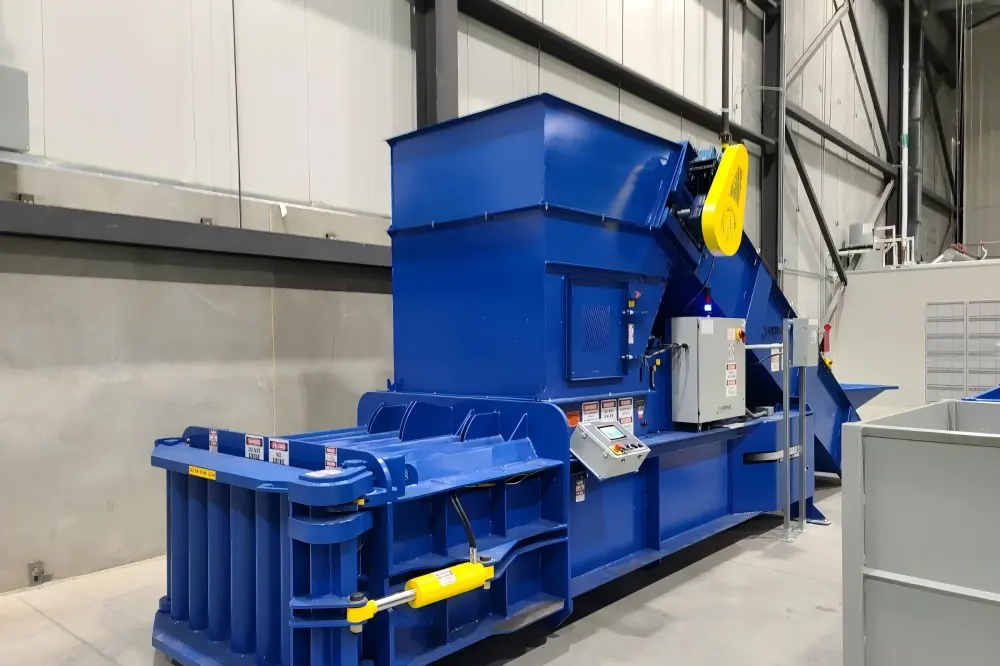
Core Components of a Horizontal Baler
To understand the Horizontal Baler Technical : It Works, Key Components, Industrial Uses, one must first look at the individual systems that make the machine function. The most critical component is the Hydraulic Power Unit (HPU). This unit consists of the motor, pump, and oil reservoir. The HPU converts electrical energy into hydraulic pressure, which is then used to drive the main ram. High-efficiency motors are now standard, often paired with variable frequency drives (VFDs) to reduce energy consumption during idle periods.
The Compression Ram and Cylinder are the workhorses of the machine. The cylinder’s bore size and the pump’s pressure rating determine the total force (tonnage) the baler can apply. The ram face is often equipped with replaceable wear plates made of high-carbon steel to extend the machine’s lifespan. Behind the ram, the Shear Blade system plays a vital role. As the ram moves forward, the blades shear off any material protruding from the hopper, ensuring the bale chamber is perfectly sealed for the next compression stroke.
Another essential component is the Bale Chamber and Tensioning System. In many horizontal balers, the exit of the chamber features hydraulic tensioning cylinders. These cylinders squeeze the sides or top of the chamber to create resistance against the moving bale. This resistance is what allows the material to be compressed to such high densities. Finally, the Automatic Tier (Auto-Tie) or manual tying station secures the bale with wire or plastic strapping. Auto-tie systems are complex mechanical assemblies that thread, twist, and cut the wire without operator intervention, significantly increasing throughput.
Core Parameters and Technical Specifications
When evaluating a horizontal baler, several core parameters dictate its performance and suitability for specific industrial applications. The first is Pressing Force (Tonnage). This is the total amount of pressure the ram can exert on the material. For light materials like paper, 40-60 tons may suffice, while heavy-duty applications involving plastics or light metals may require 100 tons or more. Higher tonnage directly correlates to higher bale density, which is a key factor in maximizing shipping container weights.
Cycle Time is another critical parameter. This refers to the time it takes for the ram to move from its home position to full extension and back again. A faster cycle time means the machine can process more material per hour. In high-volume environments, a cycle time of 20 to 40 seconds is common. This is influenced by the pump’s flow rate (measured in GPM or liters per minute) and the motor’s horsepower. A well-balanced system ensures that the motor is not overloaded while maintaining a rapid pace.
Bale Size and Weight are the final outputs that matter most to the end-user. Standard export-size bales (e.g., 1100mm x 1100mm x variable length) are designed to fit perfectly into shipping containers. The weight of the bale depends on the material’s density and the baler’s pressing force. For instance, a standard horizontal baler might produce a cardboard bale weighing between 600kg and 1000kg. Understanding these parameters allows facility managers to calculate their daily throughput capacity and expected ROI.
Calculation Method for Baler Performance
To optimize the operation of a horizontal baler, engineers use specific calculations to determine efficiency and density. The most fundamental calculation is the Specific Pressure, which is the force applied per square inch of the ram face. The formula is:
Specific Pressure (PSI) = Total Force (lbs) / Area of Ram Face (sq. in)
This value determines how well the material will stay compressed once the wires are applied. If the specific pressure is too low, the bale may expand significantly (spring back), leading to broken wires or oversized bales that don’t fit in trucks.
Another vital calculation is Throughput Capacity. This helps in planning the logistics of the facility. To calculate the theoretical hourly throughput, use the following formula:
Throughput (m³/hr) = (Chamber Volume x 3600) / Cycle Time (seconds)
Note that actual throughput is usually 60-80% of theoretical throughput due to loading delays and material inconsistencies. Finally, Bale Density is calculated by dividing the final bale weight by its volume. High density is the goal for any recycling operation, as it reduces the number of trips required to transport the material, thereby reducing the carbon footprint and logistics costs.
Horizontal Baler Parameter Table
| Parameter | Small-Scale (HBA-40) | Mid-Range (HBA-80) | Heavy-Duty (HBA-120) |
|---|---|---|---|
| Pressing Force | 40 Tons | 80 Tons | 120 Tons |
| Motor Power | 15 kW | 37 kW | 75 kW (Dual Motor) |
| Cycle Time | 45 Seconds | 30 Seconds | 20 Seconds |
| Bale Size (W*H) | 800 x 700 mm | 1100 x 1100 mm | 1100 x 1300 mm |
| Throughput (Est.) | 1-2 Tons/hr | 4-6 Tons/hr | 10-15 Tons/hr |
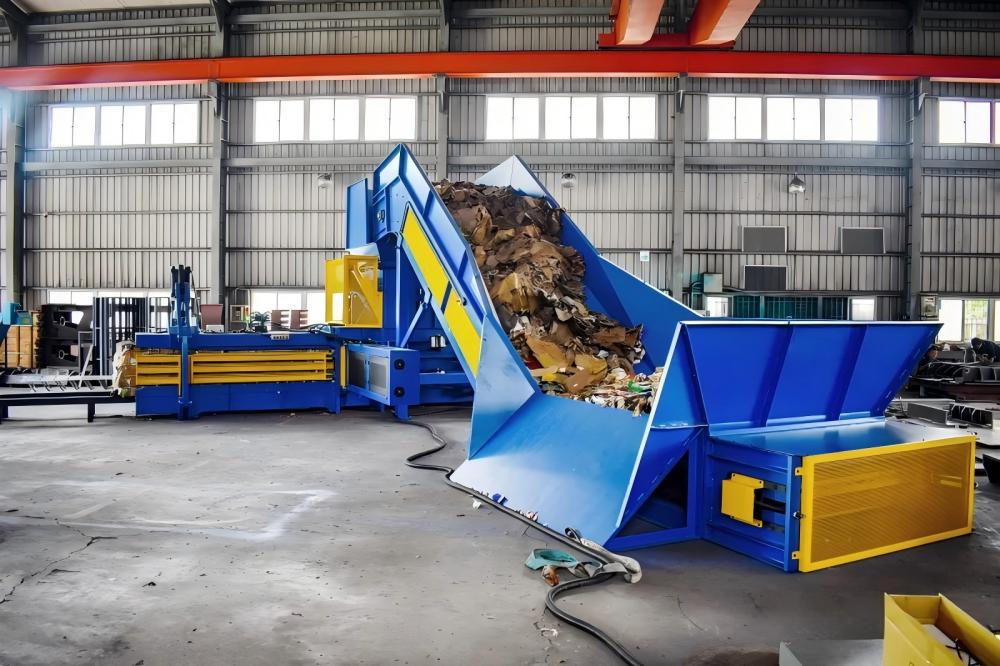
Common Engineering Mistakes in Baler Operation
One of the most frequent mistakes in horizontal baler engineering and operation is undersizing the hydraulic cooling system. Horizontal balers often run 24/7 in demanding environments. As the hydraulic oil is pumped at high pressure, it generates significant heat. If the oil temperature exceeds 60°C (140°F), it begins to lose its lubricating properties, leading to seal failure and pump damage. Engineers must ensure that the air or water cooling systems are appropriately rated for the ambient temperature of the facility.
Another common error is neglecting shear blade maintenance. When the blades become dull, they no longer cut cleanly through the material. Instead, they drag the material down into the gap between the ram and the chamber floor. This causes “wedging,” which increases friction, consumes more power, and can eventually lead to structural damage to the ram guides. Regular sharpening and maintaining the correct gap (clearance) between the moving and stationary blades is essential for smooth operation.
Furthermore, incorrect material feeding can lead to inefficient baling. If a conveyor drops a massive clump of material directly in front of the ram during its forward stroke, it can cause a “bridge” or a jam. Modern systems use photo-eye sensors to manage the feed rate, but if these sensors are poorly positioned or dirty, the baler may cycle empty or overfill. Ensuring that the material is distributed evenly across the hopper width is a simple but often overlooked aspect of maximizing baler performance.
Lastly, ignoring the hydraulic oil quality is a recipe for disaster. Contaminated oil can cause micro-abrasions in the precision valves of the PLC-controlled manifold. This leads to erratic ram movement or the inability to hold pressure. Implementing a strict oil filtration and sampling schedule is a hallmark of a well-engineered maintenance program. Many operators wait for a failure to change filters, but proactive maintenance is far more cost-effective in the long run.
Selection Checklist for Industrial Horizontal Balers
Choosing the right horizontal baler is a significant capital investment. To ensure you select a machine that meets your long-term needs, consider the following checklist:
- Material Type and Volume: Are you processing OCC (Old Corrugated Containers), HDPE plastics, or aluminum cans? Different materials require different tonnages and shear blade configurations.
- Space Constraints: Horizontal balers have a large footprint. Ensure you have enough room for the machine, the infeed conveyor, and the bale storage area.
- Automation Level: Do you need a manual-tie, semi-automatic, or fully automatic system? Fully automatic systems reduce labor costs but have a higher initial price point.
- Power Requirements: Ensure your facility’s electrical grid can handle the high startup current of large hydraulic motors. Soft-starters or VFDs may be necessary.
- Bale Weight Requirements: Check with your material buyers or recyclers. They often have specific weight and size requirements to maximize their own processing efficiency.
- Safety Features: Ensure the machine complies with local safety standards (such as CE or ANSI). Look for emergency stops, safety interlocks on access doors, and proper guarding.
- After-Sales Support: Does the manufacturer provide remote diagnostics, readily available spare parts, and on-site technician support?
Frequently Asked Questions (FAQ)
1. What is the difference between an open-end and a closed-end horizontal baler?
An open-end baler allows for continuous extrusion of bales. The tension is created by hydraulic walls at the end of the chamber. This is ideal for high-volume, automated operations. A closed-end baler has a solid door at the end of the chamber. The ram compresses the material against this door. Once the bale is finished, the door opens to eject it. Closed-end balers generally produce higher density bales but at a slower rate.
2. How often should the hydraulic oil be changed?
Typically, hydraulic oil should be changed every 2,000 to 4,000 hours of operation, or once a year, whichever comes first. However, it is highly recommended to perform oil analysis every six months to check for oxidation and particulate contamination. Keeping the oil clean is the single most important factor in extending the life of the hydraulic pump and valves.
3. Can one horizontal baler handle multiple types of materials?
Yes, most horizontal balers are versatile. However, the PLC settings (like pressure and timing) may need to be adjusted when switching from, say, cardboard to plastic film. Some materials, like shredded paper, may require a “pet-flap” or specific hopper configurations to prevent the material from blowing back out of the chamber.
4. What causes the tie-wire to break during the baling process?
Wire breakage is usually caused by one of three things: excessive bale expansion (spring back) due to high moisture content in the material, incorrect wire gauge for the bale weight, or a malfunction in the auto-tie unit that creates a weak twist. Ensuring the material is dry and using the manufacturer-recommended wire grade will solve most issues.
5. How long does a HARSLE horizontal baler typically last?
With proper maintenance, a high-quality horizontal baler can last 15 to 20 years or more. Many machines from the 1990s are still in operation today. The key to longevity is regular lubrication of moving parts, timely replacement of wear liners, and keeping the hydraulic system free of contaminants.