
Hammer Shredder Buying Guide: How to Choose the Right Machine for Your Scrap Processing Line

Introduction to Hammer Shredder Selection
In the rapidly evolving world of metal recycling, the efficiency of your scrap processing line often dictates your bottom line. A hammer shredder is the workhorse of this industry, designed to pulverize, densify, and clean various types of metal scrap, from aluminum extrusions to end-of-life vehicles. However, the process of Hammer Shredder Buying: Choose Machine Scrap Processing Line is not as simple as picking the largest motor available. It requires a deep understanding of material science, mechanical engineering, and economic forecasting.
Choosing the right machine involves balancing initial capital expenditure with long-term operational costs. A machine that is too small will suffer from frequent breakdowns and high wear-and-tear, while an oversized machine will lead to unnecessary energy consumption and underutilized capacity. This guide is designed to walk you through every critical decision point, ensuring that your investment in HARSLE technology yields the highest possible return.
Price Range Overview: What to Expect
The price of a hammer shredder varies significantly based on its throughput capacity, the thickness of the materials it can handle, and the level of automation integrated into the system. Generally, the market is divided into three primary tiers: entry-level/small-scale, mid-range industrial, and high-capacity heavy-duty systems.
Entry-Level Systems ($20,000 – $60,000): These machines are typically designed for light scrap, such as aluminum cans (UBC), thin-gauge sheet metal, and electronic waste (e-waste). They usually feature motors ranging from 30kW to 75kW. While affordable, they lack the structural reinforcement necessary for heavy steel scrap or engine blocks. These are ideal for specialized recycling centers focusing on non-ferrous metals.
Mid-Range Industrial Systems ($60,000 – $180,000): This is the most popular category for regional scrap yards. These machines can handle light-to-medium ferrous scrap, including bicycles, household appliances (white goods), and thin structural steel. With motor sizes between 90kW and 250kW, these shredders offer a balance of power and efficiency. They often include basic conveyor systems and magnetic separation units as part of the package.
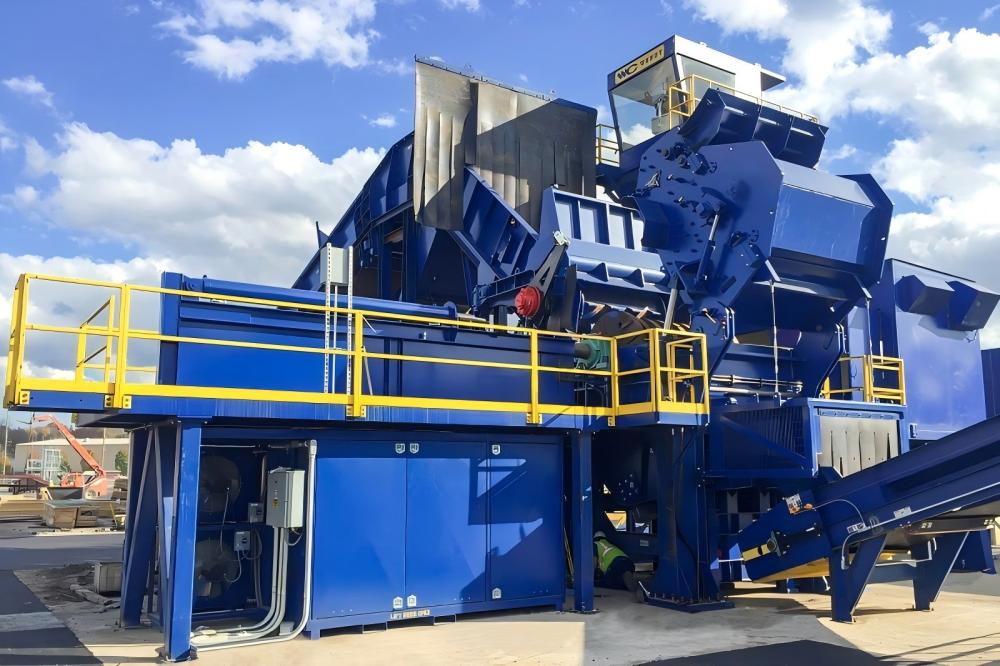
High-Capacity Heavy-Duty Systems ($200,000 – $500,000+): These are the giants of the industry, capable of processing car bodies, heavy structural beams, and large industrial castings. They feature massive rotors, high-torque motors (400kW+), and sophisticated PLC control systems. These units are built for 24/7 operation and are designed to produce high-density “shredded scrap” that commands premium prices at steel mills.
Main Cost Drivers in Hammer Shredder Procurement
When evaluating the cost of a hammer shredder, it is essential to look beyond the sticker price. Several technical factors drive the manufacturing cost and, consequently, the purchase price. Understanding these will help you determine if a machine is fairly priced for its specifications.
1. Rotor Design and Weight
The rotor is the heart of the hammer shredder. A heavier rotor provides more kinetic energy, allowing the machine to crush tougher materials with less strain on the motor. Rotors made from high-strength forged steel are more expensive than cast versions but offer significantly better fatigue resistance. The number of hammer pins and the thickness of the rotor discs also contribute to the overall cost.
2. Motor and Drive System
The motor is often the single most expensive component after the main frame. High-efficiency motors (IE3 or IE4 ratings) carry a premium but save thousands in electricity costs over the machine’s lifespan. Additionally, the drive system—whether it uses a direct drive, fluid coupling, or a sophisticated frequency inverter (VFD)—impacts the price. VFDs are more expensive but allow for soft starts and variable speed control, which protects the mechanical components from shock loads.
3. Material Quality of Wear Parts
The hammers and internal liners are subjected to extreme abrasion and impact. Machines equipped with high-manganese steel (Mn13 or Mn18Cr2) or specialized alloy hammers will cost more upfront. However, these materials work-harden during use, meaning they become tougher as they strike the scrap, leading to longer intervals between replacements.
4. Structural Reinforcement
A hammer shredder’s housing must withstand immense internal pressure. Thicker steel plates, heavy-duty ribbing, and hydraulic opening mechanisms for maintenance all add to the manufacturing cost. A “lightweight” shredder might look the same in photos, but it will vibrate excessively and develop structural cracks much sooner than a heavy-duty HARSLE model.
Configuration Impact: Customizing for Your Line
The “standard” machine is rarely enough for a professional scrap processing line. The configuration you choose during the Hammer Shredder Buying: Choose Machine Scrap Processing Line process will determine the purity of your output and the labor required to run the plant.
Feeding Systems
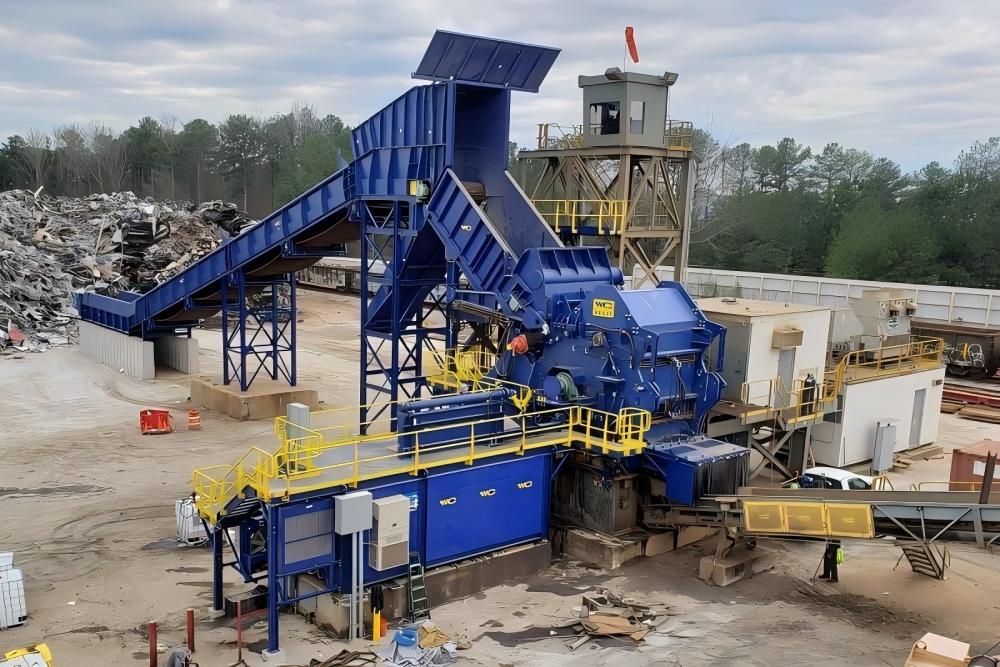
How you get material into the shredder matters. A simple gravity hopper is cheap but can lead to bridging (material getting stuck). A vibrating feeder or a heavy-duty slat conveyor provides a consistent flow of material, preventing the motor from surging and stalling. For car shredding, a hydraulic feed roller is essential to flatten the scrap before it hits the hammers.
Discharge and Separation
The value of shredded scrap lies in its purity. A basic configuration might just have a discharge conveyor. However, a professional line should include:
- Magnetic Separators: Over-belt magnets or magnetic drums to pull ferrous metals away from non-ferrous and waste.
- Eddy Current Separators: Essential for recovering valuable aluminum and copper from the non-magnetic stream.
- Air Classification (Z-Box): Uses air flow to remove light “fluff” (plastics, foam, fabric) from the metal, increasing the density and value of the final product.
Control Systems
Modern HARSLE shredders come with PLC (Programmable Logic Controller) systems. These systems monitor motor load in real-time. If the motor nears a stall condition, the PLC can automatically slow down the feeder or reverse it momentarily to clear the jam. This automation reduces the need for a highly skilled operator and prevents catastrophic mechanical failure.
Hidden Costs of Ownership
The purchase price is only the beginning. To accurately Choose Machine Scrap Processing Line, you must account for the following “hidden” expenses:
- Foundation and Installation: Hammer shredders generate significant vibration. You will likely need a reinforced concrete pad with vibration-dampening mounts. Electrical infrastructure upgrades (transformers and switchgear) can also be costly if your facility isn’t rated for high-kilowatt machinery.
- Wear Parts Inventory: You cannot afford to wait for a shipment of hammers when your machine is down. You should budget for an initial stock of hammers, pins, liners, and grates, which can add 5-10% to your initial investment.
- Energy Consumption: A 200kW motor running 8 hours a day consumes a massive amount of power. In regions with high electricity rates, the energy bill can exceed the monthly machine payment.
- Maintenance Labor: Hammer shredders require daily inspections and frequent welding/hard-facing of wear parts. Ensure you have the staff or a service contract to handle this.
ROI Calculation: Is the Investment Worth It?
Calculating the Return on Investment (ROI) for a hammer shredder involves comparing the “Spread”—the difference between the price of raw scrap and the price of processed, clean, shredded scrap.
Example Calculation:
Assume you buy mixed light scrap at $150/ton. After shredding and magnetic separation, you produce “HMS 1/2 Shredded” which sells for $300/ton.
If your machine processes 5 tons per hour, your gross value add is $750 per hour.
Subtract operating costs (Electricity: $50/hr, Wear parts: $40/hr, Labor: $30/hr, Maintenance: $20/hr), and your net profit is $610 per hour.
If the machine cost $150,000, you would reach the break-even point in approximately 246 operating hours—less than two months of single-shift operation!
Of course, this assumes a steady supply of scrap and a consistent buyer for the output. The ROI is also boosted by the recovery of non-ferrous metals (copper and aluminum) which are often hidden inside ferrous scrap and can only be recovered through shredding.
Buying Advice: Step-by-Step Selection
To ensure you make the right choice, follow this checklist during your procurement process:
- Analyze Your Feedstock: Take a representative sample of the scrap you intend to process. Is it mostly aluminum? Thin sheet? Heavy plate? Show this to the HARSLE engineers so they can recommend the correct hammer weight and motor torque.
- Define Your Target Output: Do you need a specific density for a local steel mill? The size of the discharge grate holes determines the final particle size and density.
- Check the Rotor Bearings: Inquire about the brand and type of bearings used. Spherical roller bearings from reputable brands like SKF or NSK are essential for the high-impact environment of a shredder.
- Evaluate the Hydraulic System: Ensure the machine has a robust hydraulic power unit for opening the housing. This turns a 4-hour hammer change into a 1-hour job.
- Request a Video Test: Before shipping, have the manufacturer run a test with material similar to yours. Watch for vibration levels and how the motor handles peak loads.
Frequently Asked Questions (FAQ)
What is the typical lifespan of a hammer shredder?
The main frame and rotor of a high-quality HARSLE shredder can last 15-20 years with proper maintenance. However, wear parts like hammers may need replacement every 40 to 200 hours of operation, depending on the abrasiveness of the scrap.
Can a hammer shredder process stainless steel?
While it can, stainless steel is much harder and more abrasive than carbon steel. It will wear down hammers significantly faster. If you plan to process large volumes of stainless, you may need specialized alloy hammers and a more powerful motor.
How do I reduce the noise levels of the shredding line?
Hammer shredders are inherently noisy. To mitigate this, you can install sound-dampening enclosures, use rubber-lined chutes, and ensure the machine is mounted on high-quality vibration isolators. Proper lubrication of the bearings also helps reduce mechanical whine.
What is the difference between a hammer shredder and a twin-shaft shredder?
A twin-shaft shredder uses high torque and low speed to shear material (like scissors). It is better for volume reduction of bulky items. A hammer shredder uses high speed and kinetic energy to pulverize and densify material. Hammer shredders are superior for cleaning scrap and creating a high-density product for smelting.
Is it better to buy a diesel-powered or electric-powered shredder?
Electric shredders are generally more efficient, easier to maintain, and have lower operating costs. Diesel-powered units are only recommended for mobile operations or sites where the electrical grid cannot support the high-current draw of a large motor.
How often should I grease the rotor bearings?
In a heavy-duty scrap environment, rotor bearings should be greased every 4-8 hours of operation. Many modern HARSLE systems offer an automatic lubrication system to ensure this critical task is never missed.
Conclusion
The journey of Hammer Shredder Buying: Choose Machine Scrap Processing Line is a strategic move toward industrial maturity. By focusing on the quality of the rotor, the efficiency of the motor, and the completeness of the separation line, you transform a simple scrap yard into a high-value processing facility. HARSLE remains committed to providing the technical expertise and robust machinery needed to turn your scrap into profit. Remember, the cheapest machine is rarely the most profitable; the most profitable machine is the one that stays running, produces clean scrap, and minimizes your cost per ton.


