
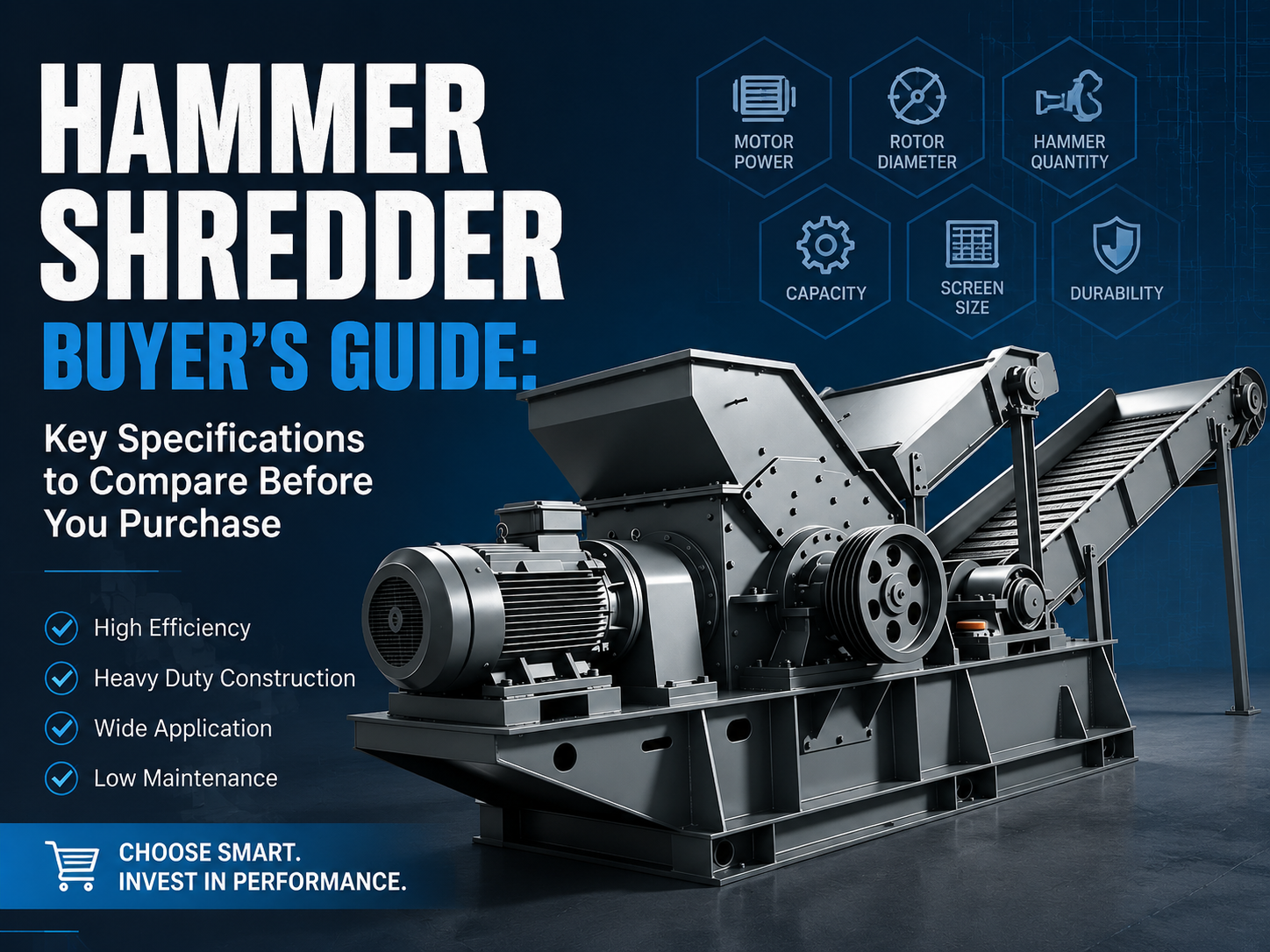
Hammer Shredder Buyer’s Guide: Key Specifications to Compare Before You Purchase

Introduction to Industrial Hammer Shredders
In the modern landscape of metal fabrication and scrap recycling, the hammer shredder stands as a cornerstone of efficiency. Whether you are processing end-of-life vehicles, industrial scrap, or electronic waste, selecting the right machinery is a high-stakes decision. A hammer shredder, often referred to as a hammer mill in specific contexts, utilizes high-speed rotating hammers to impact and fracture materials into smaller, denser, and more manageable pieces. This process not only facilitates easier transport but also significantly increases the purity and value of the recycled output.
However, the market is flooded with various models, ranging from compact units for light aluminum to massive industrial plants capable of crushing several tons of steel per hour. For a procurement manager or business owner, understanding the technical nuances is the difference between a profitable investment and a costly operational bottleneck. This Hammer Shredder Buyer’s Guide: Key Specifications to Compare Before You Purchase is designed to navigate the complexities of machine selection, ensuring you prioritize the metrics that directly impact your bottom line.
Price Range Overview: Understanding the Market Tiers
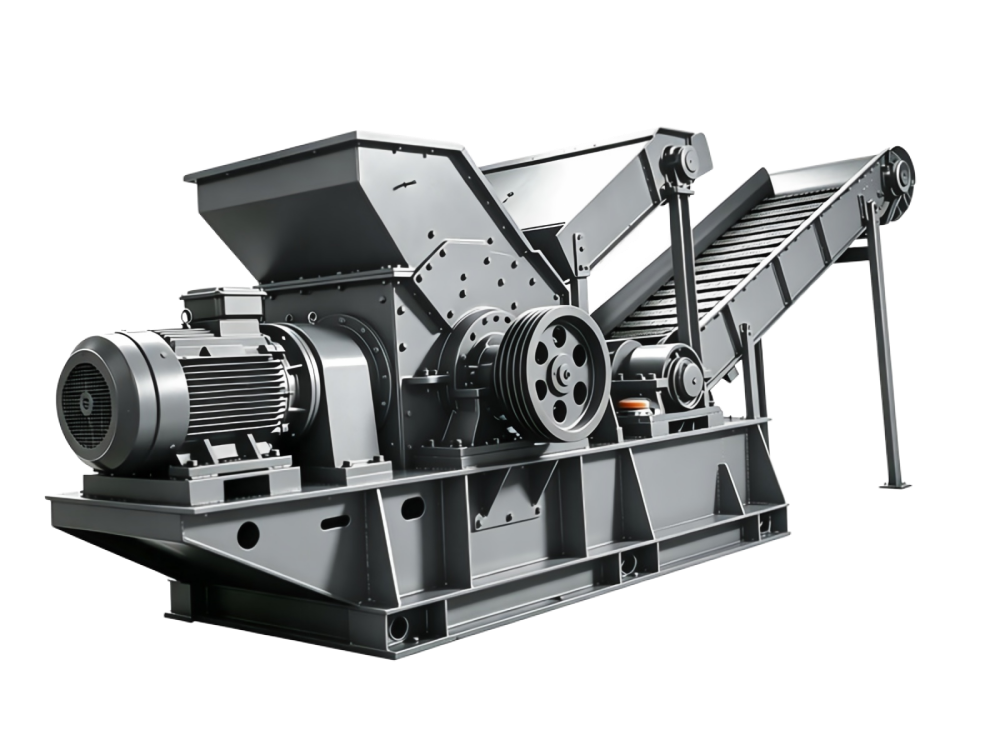
The financial commitment for a hammer shredder varies wildly based on capacity and build quality. Generally, the market can be segmented into three primary tiers. Entry-level or small-scale shredders typically range from $15,000 to $45,000. These machines are often used for light materials like aluminum cans, thin-gauge sheet metal, or electronic scrap. While affordable, they lack the structural reinforcement required for continuous heavy-duty steel processing.
Mid-range industrial shredders, which are the most common in professional recycling yards, fall between $60,000 and $180,000. These units offer a balance of power and footprint, usually featuring motors between 75kW and 200kW. They are capable of handling mixed scrap and light structural steel. At this price point, buyers should expect hydraulic opening mechanisms and advanced wear-resistant liners as standard features.
High-capacity, heavy-duty shredding plants can exceed $300,000, reaching into the millions for fully automated systems. These are massive installations designed for car crushing and heavy industrial demolition scrap. When comparing prices, it is vital to look beyond the initial sticker price. A lower-priced machine might use inferior alloys for the hammers, leading to higher frequency of replacements and increased downtime, which ultimately makes it more expensive over a five-year lifecycle.
Main Cost Drivers in Hammer Shredder Procurement
Several technical factors dictate the final cost of a hammer shredder. The most significant is the Motor Power and Drive System. High-torque motors, especially those with variable frequency drives (VFD), command a premium because they allow the machine to handle surges in material density without stalling. A 150kW motor from a reputable brand like Siemens or ABB will cost more than a generic equivalent but offers better energy efficiency and longevity.
The Metallurgy of Wear Parts is another critical driver. The hammers and internal liners are subjected to extreme abrasion and impact. Machines equipped with high-manganese steel (Mn13 or Mn18Cr2) or specialized chrome alloys are more expensive. However, these materials work-harden under impact, meaning they actually become tougher as they work. Investing in superior metallurgy reduces the “cost per ton” of processed material by extending the intervals between maintenance shutdowns.
Furthermore, the Rotor Design and Weight play a massive role. A heavier rotor acts as a flywheel, storing kinetic energy that helps the hammers smash through thick sections of metal. Precision-balanced rotors that utilize high-strength forged shafts are more expensive to manufacture but prevent vibration-related damage to the bearings and frame. Finally, the inclusion of Advanced Control Systems, such as PLC-based automation with remote monitoring, adds to the initial cost but significantly reduces the risk of operator error and machine overload.
Configuration Impact: Tailoring the Machine to Your Material
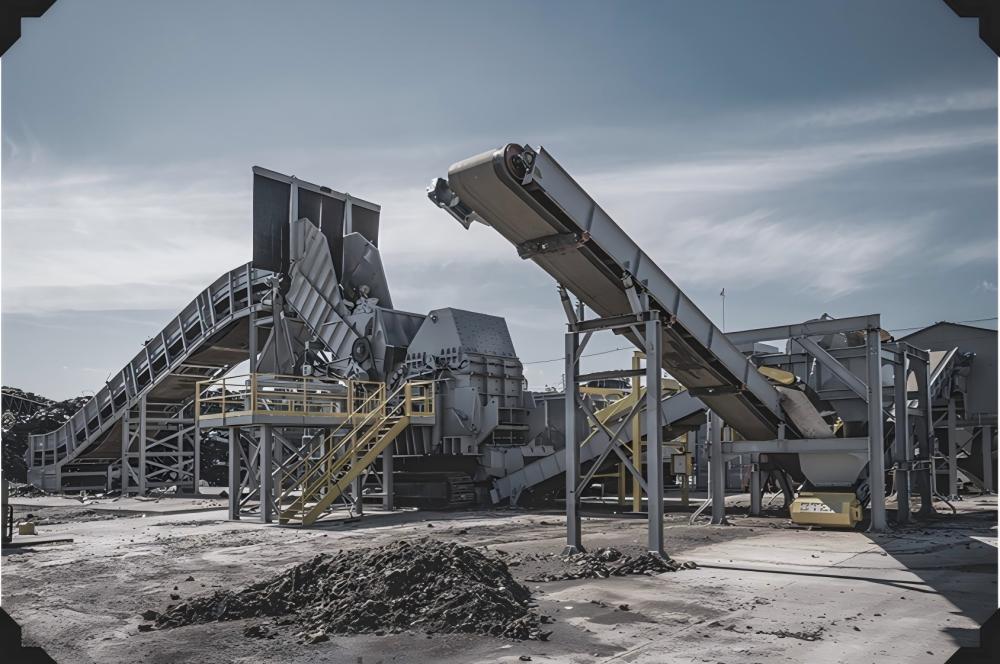
The configuration of a hammer shredder must align with the specific type of scrap you intend to process. One of the first choices is between a Vertical and Horizontal Feed. Horizontal shredders are excellent for long pieces of scrap, such as pipes or profiles, as they can be fed continuously. Vertical shredders, or top-feed mills, are often better for bulky items that need to be gravity-fed into the striking zone.
The Grate and Screen Size configuration determines the final output size. If you are selling to a foundry that requires “shredded steel” of a specific density, your grate openings must be precisely sized. Smaller holes produce a finer, denser product but reduce the overall throughput (tons per hour). Some modern shredders offer interchangeable grates, allowing you to switch between different output specifications depending on current market demand for specific scrap grades.
Another configuration detail often overlooked is the Discharge System. Will the material fall onto a vibrating conveyor, or does it require a magnetic separator to remove ferrous from non-ferrous metals? Integrating a magnetic drum or an eddy current separator directly into the shredder’s discharge line increases the machine’s footprint and cost but dramatically increases the value of the sorted output. For aluminum processing, a dust extraction and filtration system is also a mandatory configuration to prevent explosive atmospheres and ensure environmental compliance.
Hidden Costs: What the Sales Brochure Might Not Mention
When evaluating a Hammer Shredder Buyer’s : Key Specifications Compare Before You Purchase, you must account for the “hidden” costs of ownership. The most prominent is Consumable Replacement. Hammers are designed to wear out. Depending on the abrasiveness of your scrap, you might need to rotate or replace hammers every 40 to 100 hours of operation. If a machine requires 24 hammers at $150 each, the operational cost adds up quickly. Buyers should ask for a guaranteed wear-life estimate based on their specific material type.
Energy Consumption is another ongoing expense. A shredder running a 200kW motor for 8 hours a day consumes a massive amount of electricity. Machines without power-saving features or those with inefficient drive trains can cost thousands more in utility bills annually. Additionally, consider the Installation and Foundation Requirements. Heavy shredders generate significant vibration. You may need to pour a reinforced concrete pad with vibration-damping mounts, which can add 10-15% to your total project budget.
Finally, consider Labor for Maintenance. Is the machine designed for easy access? Some shredders feature a hydraulic “clamshell” opening that allows a technician to change hammers in two hours. Older or cheaper designs might require a full day of disassembly. The labor cost and the opportunity cost of that downtime are significant factors in the total cost of ownership (TCO).
ROI Calculation: Measuring the Value of Your Investment
Calculating the Return on Investment (ROI) for a hammer shredder involves more than just looking at throughput. The primary value proposition is the Value-Add of Processed Scrap. Unprocessed mixed scrap might sell for $200 per ton, whereas clean, shredded, and magnetically separated steel could fetch $350 per ton. If your machine processes 5 tons per hour, that is an additional $750 in revenue per hour.
To find the true ROI, use the following formula:
(Increased Revenue per Ton – Operational Cost per Ton) x Annual Volume = Annual Profit.
Operational costs must include electricity, labor, replacement hammers, and scheduled maintenance. For many medium-sized yards, a well-chosen hammer shredder can pay for itself within 12 to 18 months, provided there is a consistent supply of raw scrap and a reliable buyer for the processed material.
Furthermore, consider the Logistical Savings. Shredded metal is significantly denser than loose scrap. This means you can fit more weight into a single truck or shipping container, reducing your transport costs by up to 50%. In an industry where margins are often thin, these logistical efficiencies can be the deciding factor in a company’s profitability.
Buying Advice: How to Vet Suppliers and Specifications
Before signing a purchase agreement, perform a rigorous vetting process. First, Request a Material Test. Any reputable manufacturer, such as HARSLE, should be willing to process a sample of your specific scrap material to demonstrate the output quality and throughput. Do not rely on theoretical data; see the machine in action with the material you actually handle.
Second, Check the Component Pedigree. Ensure that the bearings, hydraulics, and electrical components are from globally recognized brands. This ensures that if a sensor fails or a seal leaks, you can source a replacement locally rather than waiting weeks for an international shipment from the OEM. Ask specifically about the bearing housing design—heavy-duty spherical roller bearings are the industry standard for high-impact shredding.
Third, Evaluate After-Sales Support. A hammer shredder is a machine that *will* eventually need repair due to the violent nature of its work. Does the supplier offer remote diagnostic support? Do they keep a stock of hammers and liners in a local warehouse? A cheaper machine from a supplier with no local presence is a high-risk gamble. Lastly, verify the warranty terms—specifically what is covered under “normal wear and tear” versus “mechanical failure.”
Frequently Asked Questions (FAQ)
What is the difference between a hammer shredder and a shear shredder?
A hammer shredder uses high-speed impact to shatter material, making it ideal for brittle metals and creating dense, nugget-like output. A shear shredder (dual-shaft) uses low-speed, high-torque cutting blades to slice material, which is better for tires, plastics, and long strips of metal where density is less of a concern than size reduction.
How often do the hammers need to be replaced?
This depends entirely on the material. For clean aluminum, hammers may last 150+ hours. For contaminated steel scrap or E-waste with glass, they may need rotation every 40 hours. Using high-manganese or hard-faced alloys can extend this life significantly.
Can a hammer shredder handle stainless steel?
Yes, but with caution. Stainless steel is much harder and more abrasive than carbon steel. It will wear down hammers and liners much faster. If you plan to process large volumes of stainless, you must specify a machine with upgraded motor torque and premium alloy wear parts.
What safety features should I look for?
Essential safety features include an emergency stop system, an automatic reverse function to clear jams, vibration sensors to detect rotor imbalance, and a ballistic trap. A ballistic trap is a heavy-duty chamber that catches un-shreddable items (like a solid steel shaft) that the hammers might eject at high speed.
Does the machine require a special foundation?
Most industrial-grade hammer shredders require a reinforced concrete foundation to absorb the kinetic energy and vibrations. Smaller, mobile units may come with integrated sub-frames, but for permanent installations, a dedicated foundation is highly recommended to protect the building and the machine itself.


