Choosing A Hammer Shredder Industrial Recycling: Capacity, Power, Durability

Introduction to Industrial Hammer Shredders
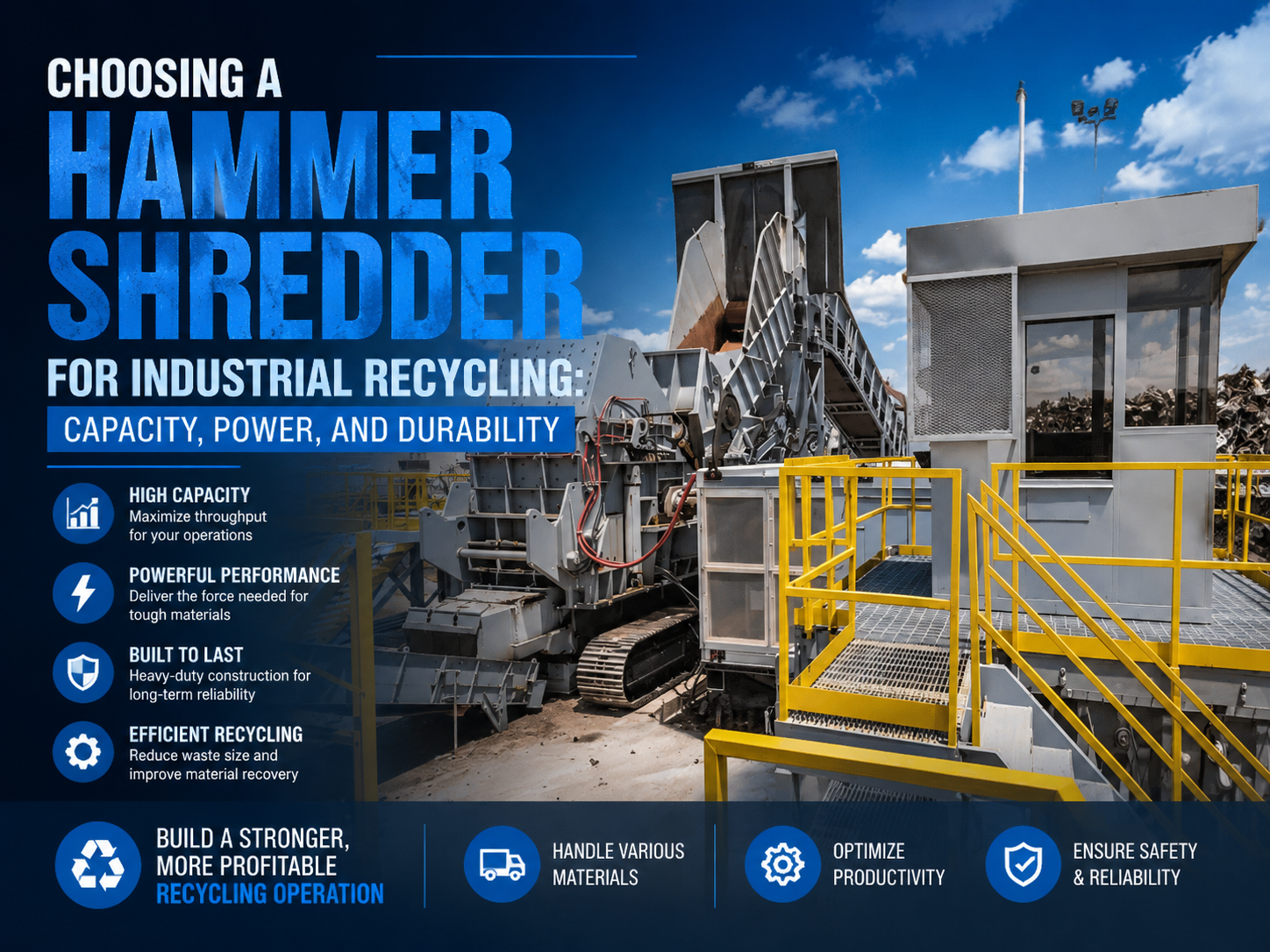
In the rapidly evolving landscape of global waste management and resource recovery, the hammer shredder stands as a cornerstone of industrial recycling. These robust machines are designed to reduce large volumes of scrap material—ranging from aluminum extrusions and electronic waste to end-of-life vehicles—into manageable, high-density fragments. Choosing a hammer shredder for industrial recycling: capacity, power, and durability are the three pillars that determine not only the efficiency of your operation but also its long-term profitability. At HARSLE, we understand that selecting the right machinery is a high-stakes decision that requires a deep dive into technical specifications and operational requirements.
The fundamental principle of a hammer shredder involves high-speed rotating hammers that strike the incoming material, shattering it against internal liners and grates. This process is essential for liberating different materials in a complex assembly, such as separating plastic from metal in E-waste or removing contaminants from scrap steel. As the circular economy gains momentum, the demand for high-purity recycled secondary raw materials has never been higher. Consequently, the equipment used must be capable of consistent performance under grueling conditions. This guide provides an exhaustive analysis of how to evaluate these machines to ensure your investment yields the highest possible return.
Price Range Overview: Aligning Budget with Performance
When investigating the market for industrial hammer shredders, the price spectrum is broad, reflecting the vast differences in engineering complexity and material throughput. Understanding where a machine sits on this spectrum is the first step in the procurement process. Generally, industrial hammer shredders can be categorized into three primary price tiers based on their intended application and scale.
Entry-Level and Small-Scale Shredders ($15,000 – $45,000)
Small-scale hammer mills are typically designed for light-duty applications such as glass crushing, wood waste processing, or thin-gauge non-ferrous metal recycling. These units often feature motors ranging from 20kW to 55kW. While they offer a lower barrier to entry, they are limited by their feed opening size and the thickness of the material they can process. For a startup recycling facility focusing on specific, uniform waste streams, these machines provide a cost-effective entry point without the massive overhead of heavy-duty systems.
Mid-Range Industrial Shredders ($50,000 – $150,000)
The mid-range category is where most professional recycling centers operate. These machines are built for versatility, capable of handling mixed scrap, electronic waste (WEEE), and heavier aluminum scrap. With power ratings between 75kW and 200kW, these shredders offer a balance of throughput and energy efficiency. They often include more sophisticated features such as hydraulic opening mechanisms for easy maintenance and advanced alloy hammers that extend the service life between replacements. This tier represents the sweet spot for businesses looking to scale their operations significantly.
Heavy-Duty and Custom Integrated Systems ($160,000 – $500,000+)
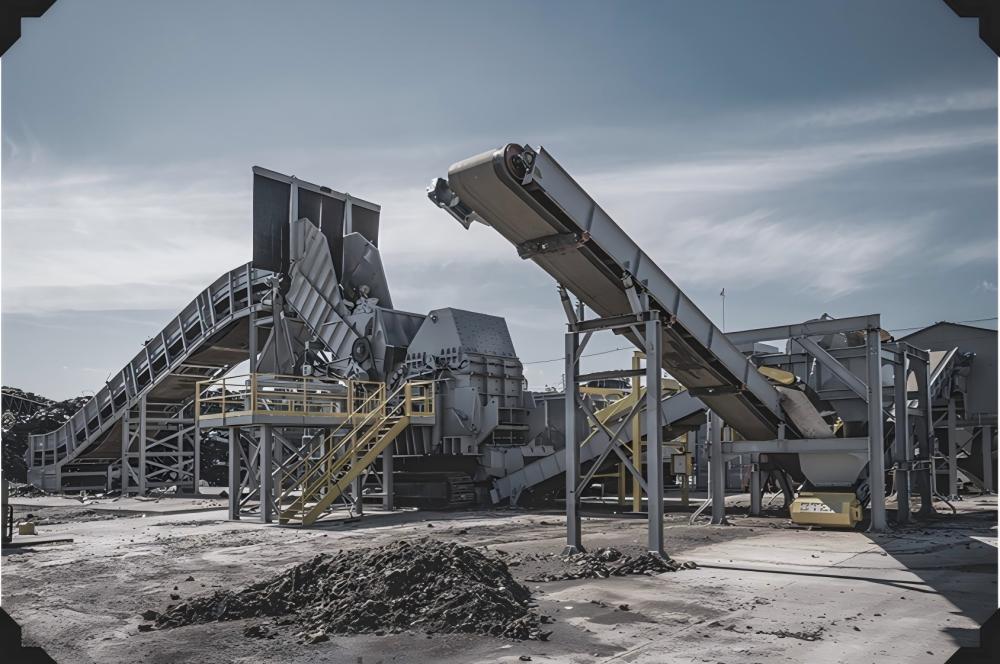
At the top end of the market are the heavy-duty shredders designed for 24/7 operation in high-volume environments. These machines are capable of processing whole car bodies (after pre-shredding), heavy structural steel, and massive quantities of municipal solid waste. Power requirements can exceed 400kW, and the machines are often part of a larger automated line including magnetic separators, eddy current separators, and air classification systems. The price reflects the massive amount of high-grade steel used in the frame, the sophisticated control systems, and the sheer kinetic energy these machines can generate.
Main Cost Drivers in Hammer Shredder Manufacturing
Understanding why one machine costs significantly more than another requires looking beneath the surface at the engineering and material choices. Several key factors drive the manufacturing cost and, by extension, the market price of a hammer shredder.
- Motor and Drive System: The heart of the shredder is its motor. High-torque, high-efficiency motors (IE3 or IE4 rated) are more expensive but reduce long-term energy costs. Additionally, the use of Variable Frequency Drives (VFDs) allows for controlled startup and speed adjustment, which protects the electrical grid and the machine’s mechanical components but adds to the initial capital expenditure.
- Rotor Assembly: The rotor is the most stressed component of the machine. A rotor machined from a single solid forging of high-strength alloy steel is far more durable and expensive than a fabricated or cast rotor. The precision of the balancing also impacts the price; a perfectly balanced rotor minimizes vibration, extending the life of the bearings and the frame.
- Hammer Material Science: Not all hammers are created equal. Standard manganese steel hammers are excellent for impact hardening but may wear quickly in abrasive environments. Premium hammers made from chrome-moly alloys or featuring tungsten carbide inserts significantly increase the cost but can last 3-5 times longer, reducing downtime.
- Frame Construction: A heavy-duty shredder requires a frame that can absorb massive shocks. Using thick, high-tensile steel plates (often 40mm to 100mm thick) and specialized welding techniques increases the material and labor costs but ensures the machine won’t crack under the stress of processing heavy scrap.
Configuration Impact: Capacity, Power, and Durability
When choosing a hammer shredder for industrial recycling: capacity, power, and durability are inextricably linked to the machine’s configuration. Each technical choice made during the specification phase will impact these three critical metrics.
Optimizing Capacity through Rotor Design
Capacity is not just about the size of the machine; it is about the efficiency of the material flow. The diameter and width of the rotor determine the “swept area,” which directly correlates to how much material can be processed per revolution. Furthermore, the arrangement of the hammers—whether in a staggered or inline pattern—affects how the material is grabbed and shattered. A staggered pattern often provides a smoother power draw and more consistent throughput, especially with bulky materials that might otherwise cause the rotor to slug.
The Power Equation: Torque vs. Speed
In shredding, power is the product of torque and angular velocity. For brittle materials like glass or certain plastics, high-speed impact is preferred. However, for tough metallic scrap, high torque is essential to prevent the rotor from stalling when a particularly thick piece of metal enters the chamber. Modern HARSLE shredders utilize optimized gear ratios or direct-drive systems that ensure the maximum amount of motor power is converted into shredding force at the hammer tips. This ensures that the machine can maintain its rated capacity even when the feed material varies in density.
Ensuring Durability with Wear Liners and Bearings
Durability is often found in the details. The internal chamber of a hammer shredder must be lined with replaceable wear plates. Choosing high-Brinell hardness liners (such as Hardox 500 or 600) ensures that the main housing is protected from the constant bombardment of shredded fragments. Furthermore, the choice of bearings is critical. Spherical roller bearings housed in heavy-duty, dust-sealed blocks are the industry standard for absorbing the radial and axial loads generated during the shredding process. Without these high-quality components, the machine’s lifespan would be measured in months rather than decades.
Hidden Costs of Operating a Hammer Shredder
The purchase price is only the beginning of the total cost of ownership (TCO). Savvy buyers must account for the hidden costs that can erode profit margins if not properly managed.
| Cost Category | Description | Impact on ROI |
|---|---|---|
| Wear Parts Replacement | Hammers, grates, and liners are sacrificial components. | High – Requires regular budget allocation. |
| Energy Consumption | Large motors draw significant amperage, especially during peak loads. | Medium to High – Depends on local utility rates. |
| Maintenance Labor | Routine inspections, lubrication, and part swaps. | Medium – Can be reduced with easy-access designs. |
| Downtime | Lost production time during repairs or part changes. | Critical – High-quality machines minimize this. |
| Waste Disposal | Disposing of non-recyclable residues (fluff). | Low to Medium – Depends on material purity. |
One of the most overlooked hidden costs is the “fines” generation. If a shredder is not configured correctly, it may over-shred the material, creating a large amount of dust or very small particles that are difficult to recover and may be lost as waste. This reduces the overall yield of the recycling process. Choosing a machine with adjustable screen sizes and rotor speeds allows the operator to fine-tune the output, maximizing the recovery of valuable materials.
ROI Calculation: Turning Scrap into Profit
Calculating the Return on Investment (ROI) for a hammer shredder involves more than just looking at the throughput. You must consider the value-add of the shredded material. For example, loose aluminum scrap might sell for a certain price per ton, but shredded, cleaned, and densified aluminum fetches a significantly higher premium from smelters because it is easier to melt and has fewer impurities.
To calculate ROI, use the following formula: ROI = (Annual Increased Revenue – Annual Operating Costs) / Total Investment Cost. Increased revenue comes from higher throughput and higher material value. Operating costs include electricity, labor, and wear parts. A well-chosen HARSLE hammer shredder typically sees an ROI within 12 to 24 months, depending on the volume of material processed and local market conditions for scrap metal. Furthermore, the ability to process diverse waste streams allows a facility to pivot as market prices fluctuate, providing a hedge against economic volatility.
Buying Advice: A Checklist for Industrial Buyers
When you are ready to move forward with a purchase, keep this checklist in mind to ensure you are choosing a hammer shredder for industrial recycling that meets your specific needs for capacity, power, and durability:
- Define Your Feedstock: Be specific about what you are shredding. The requirements for E-waste are vastly different from those for heavy steel scrap. Request a test shredding of your specific material if possible.
- Verify Throughput Requirements: Don’t just look at the maximum rated capacity. Ask for the “average hourly throughput” for your specific material type.
- Check Maintenance Accessibility: How long does it take to change the hammers? Does the machine have a hydraulic tilt-open housing? Ease of maintenance is the difference between a 2-hour stop and a 2-day stop.
- Evaluate the Control System: Does the machine include an auto-reverse function to prevent jams? Is there a PLC that monitors motor temperature and vibration levels?
- Assess After-Sales Support: Does the manufacturer stock wear parts locally? What is the lead time for a new set of hammers? HARSLE prides itself on robust global support to keep your machines running.
- Consider Future Expansion: Is the shredder part of a modular system? Can you add conveyors or separators later as your business grows?
Frequently Asked Questions (FAQ)
What is the difference between a hammer shredder and a shear shredder?
A hammer shredder uses high-speed impact to shatter material, making it ideal for brittle materials and for liberating mixed components. A shear shredder (or twin-shaft shredder) uses high-torque, low-speed cutting to slice through material, which is better for bulky items like tires or large plastic drums that need to be reduced in size without significant shattering.
How often do the hammers need to be replaced?
Hammer life depends entirely on the material being processed. In clean aluminum recycling, hammers might last several hundred hours. In abrasive applications like glass or contaminated scrap, they may need to be rotated or replaced every 40-80 hours. Using hard-facing welding can sometimes extend this life.
Can a hammer shredder handle “unshreddables”?
Most industrial hammer shredders are equipped with a “reject door” or a safety mechanism. If a massive piece of solid steel that cannot be shredded enters the chamber, the kinetic energy of the hammers will knock it into a separate collection area or trigger an emergency stop to prevent catastrophic damage to the rotor.
What power supply is required for an industrial hammer shredder?
Most industrial units require a 3-phase power supply. Because of the high starting current required by large motors, it is often necessary to install a soft-starter or a VFD to avoid tripping the facility’s main breakers or incurring peak-demand charges from the utility company.
Is noise and dust a major concern?
Yes, hammer shredders are inherently noisy and generate dust. Industrial installations typically require acoustic enclosures and integrated dust extraction systems (cyclones or baghouses) to meet environmental and workplace safety regulations. HARSLE machines can be configured with these features to ensure compliance with local standards.
Conclusion
Choosing a hammer shredder for industrial recycling: capacity, power, and durability are not just technical specs—they are the foundation of your business’s operational capability. By focusing on high-quality engineering, understanding the total cost of ownership, and selecting a machine tailored to your specific material stream, you can ensure a productive and profitable recycling operation. At HARSLE, we are committed to providing the heavy-duty machinery and technical expertise required to turn the challenges of waste management into opportunities for resource recovery. Whether you are processing non-ferrous metals, electronic scrap, or industrial waste, the right hammer shredder is the key to unlocking the value hidden in the world’s scrap.