
Hammer Shredder Applications in Metal Scrap Recycling: A Complete Industry Guide

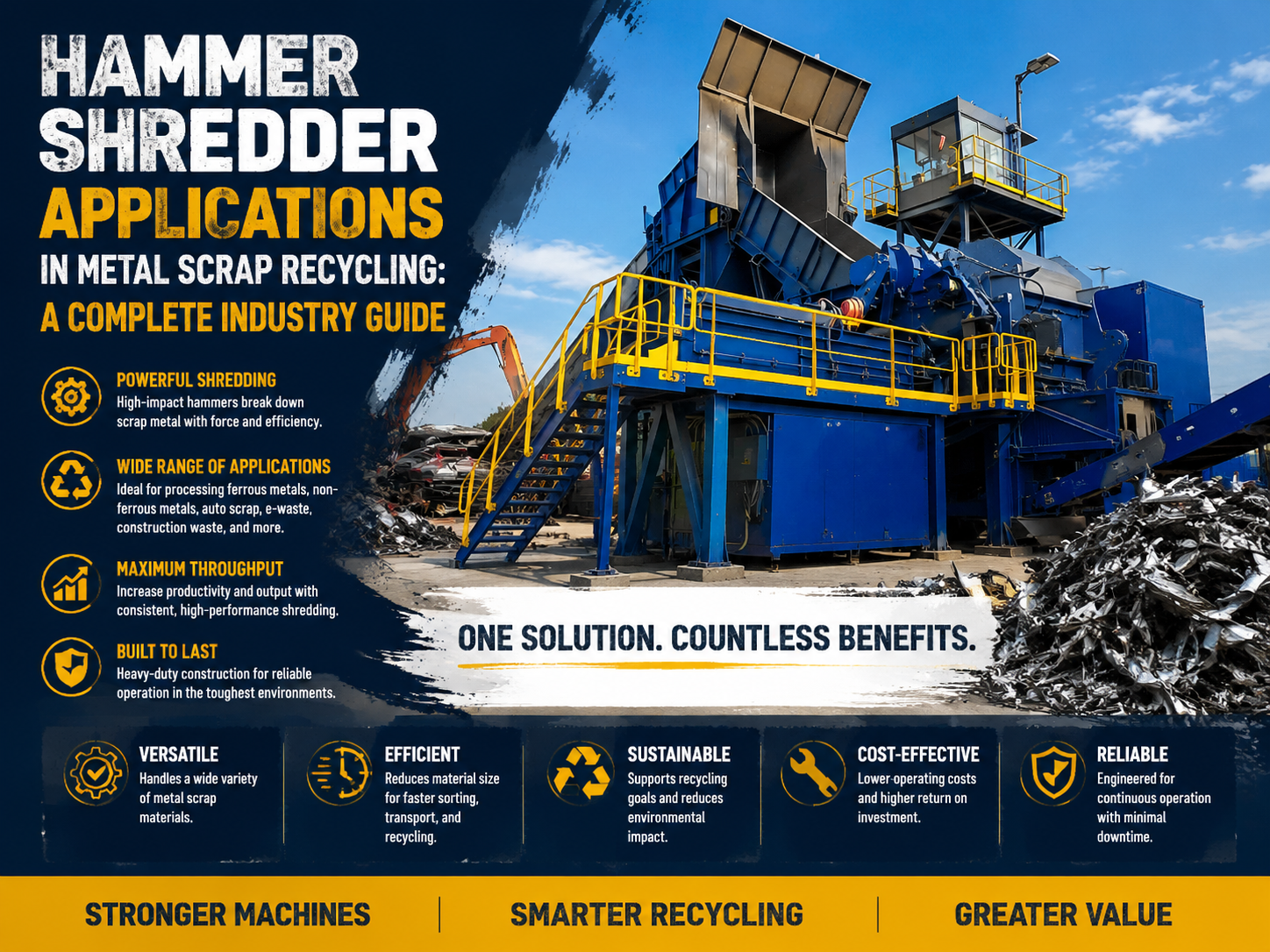
Introduction to Hammer Shredder Applications In Metal Scrap Recycling: A Complete Industry Perspective
In the modern industrial landscape, the circular economy is no longer just a buzzword; it is a fundamental pillar of sustainable manufacturing. At the heart of this movement lies the metal recycling industry, which relies heavily on robust, high-performance machinery to transform bulky, heterogeneous waste into high-quality raw materials. Among these machines, the hammer shredder stands out as the most versatile and efficient tool for heavy-duty processing. This guide explores the depth of Hammer Shredder Applications In Metal Scrap Recycling: A Complete Industry overview, detailing how these machines function, where they are applied, and why they are indispensable for modern scrap yards.
HARSLE has long been at the forefront of providing advanced metal fabrication and recycling equipment. Our hammer shredders are engineered to handle the most demanding environments, offering a combination of high torque, massive kinetic energy, and metallurgical precision. Whether it is processing end-of-life vehicles (ELVs), industrial aluminum scrap, or electronic waste, understanding the nuances of hammer shredder technology is essential for any facility looking to optimize its throughput and output purity. This article serves as a comprehensive resource for professionals seeking to understand the technical and operational aspects of these powerful machines.
The primary goal of a hammer shredder in a recycling context is twofold: size reduction and material liberation. By reducing large metal objects into smaller, uniform fragments, the shredder increases the bulk density of the scrap, making it more economical to transport and melt. Simultaneously, the violent impact of the hammers strips away contaminants such as paint, plastics, and rubber, allowing downstream separation technologies to recover pure ferrous and non-ferrous metals with high efficiency.
Key Considerations for Hammer Shredder Implementation
When integrating a hammer shredder into a recycling line, several critical factors must be evaluated to ensure long-term profitability and operational stability. The first consideration is the nature of the input material. Not all scrap is created equal; the thickness, tensile strength, and alloy composition of the metal significantly impact the wear rate of the hammers and the energy consumption of the motor. For instance, shredding light-gauge aluminum requires a different rotor speed and hammer configuration than processing heavy structural steel or engine blocks.
Throughput requirements are another vital consideration. Industrial facilities must balance the initial capital expenditure (CAPEX) with the desired tons-per-hour (TPH) output. A machine that is undersized for the volume of scrap will lead to frequent jams and premature wear, while an oversized machine may result in unnecessary energy costs. HARSLE recommends a thorough analysis of daily scrap intake to select a motor power and rotor diameter that aligns with the facility’s growth projections.
Environmental and safety regulations also play a major role in modern shredder applications. High-speed shredding generates significant noise, dust, and potential sparks. Therefore, a complete industry-standard setup must include advanced dust suppression systems, acoustic enclosures, and explosion-proof venting where necessary. Furthermore, the integration of smart monitoring systems allows operators to track vibration levels and bearing temperatures in real-time, preventing catastrophic failures before they occur.
Technical Details: The Engineering Behind the Power
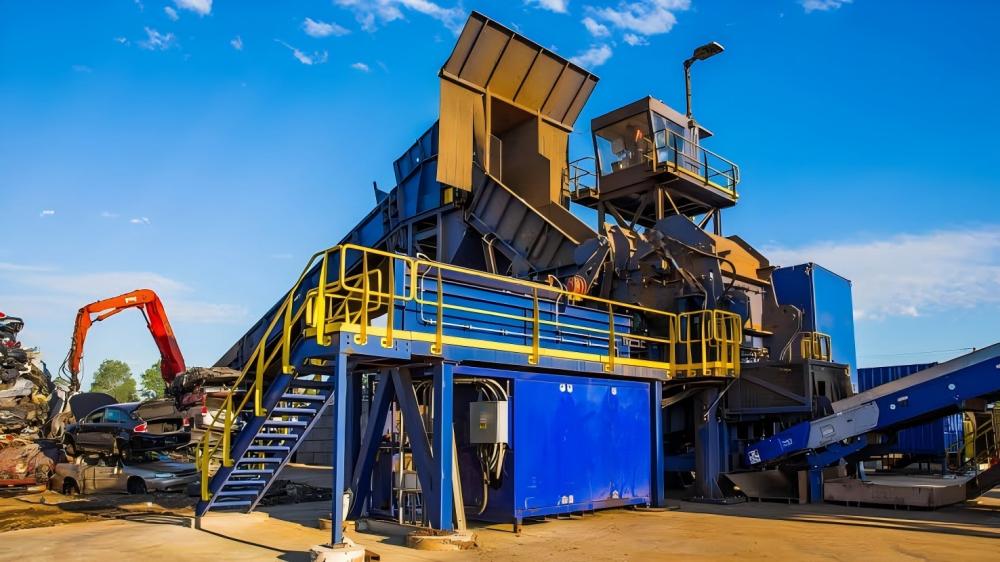
The efficiency of a hammer shredder is derived from the principle of kinetic energy. Unlike shear shredders that use high torque at low speeds to cut material, hammer shredders utilize high-speed rotors equipped with free-swinging hammers. The kinetic energy ($E_k = 1/2 mv^2$) delivered by the hammers upon impact is what shatters the metal. This requires a rotor assembly that is perfectly balanced and constructed from high-strength forged steel to withstand the immense centrifugal forces.
The Role of Hammer Metallurgy
The hammers are the primary wear components of the machine. In Hammer Shredder Applications In Metal Scrap Recycling: A Complete Industry, the choice of material for these hammers is critical. Most high-performance hammers are cast from manganese steel (often referred to as Hadfield steel). This material possesses a unique property called work-hardening: the more it is struck by hard scrap, the harder its surface becomes, while the core remains tough and ductile to prevent snapping. HARSLE utilizes specialized heat-treatment processes to ensure our hammers provide the longest possible service life between rotations.
Grate and Screen Design
Below the rotor lies the grate or screen. This component determines the final size of the shredded output. As the hammers break the metal, the fragments are forced against the grate. Only when the pieces are small enough to pass through the grate openings do they exit the shredding chamber. The geometry of these openings—whether circular, square, or slotted—can be customized based on the specific requirements of the secondary smelter or the next stage in the separation process. Adjustable grates allow for flexibility in processing different grades of scrap within the same machine.
Hydraulic Power Units and Drive Systems
Modern hammer shredders are often equipped with sophisticated hydraulic systems. These systems serve multiple purposes: they power the feed rollers that force scrap into the path of the hammers, and they allow for the easy opening of the shredder housing for maintenance. The drive system, typically a large electric motor connected via a fluid coupling or a V-belt drive, must be capable of handling sudden load spikes. The fluid coupling is particularly important as it acts as a shock absorber, protecting the motor from the violent mechanical shocks inherent in metal shredding.
Selection Advice: Choosing the Right Shredder for Your Facility
Selecting the appropriate machinery requires a deep understanding of the specific Hammer Shredder Applications In Metal Scrap Recycling: A Complete Industry standards. For facilities focusing on End-of-Life Vehicles (ELVs), a large-scale shredder with a wide feed opening and a motor exceeding 1000 HP is often necessary. These machines are capable of swallowing entire car bodies and reducing them to clean “proler” (shredded scrap) in seconds.
For smaller operations or those specializing in non-ferrous metals like aluminum extrusions or copper radiators, a mid-sized hammer mill is often more cost-effective. These units offer higher precision and lower energy consumption while still providing the necessary impact force to liberate different materials. When evaluating a machine, buyers should look for features such as easy-access wear plates, heavy-duty spherical roller bearings, and a robust vibration-damping foundation.
| Scrap Type | Recommended Shredder Size | Key Objective |
|---|---|---|
| Whole Car Bodies | Large (2000+ HP) | Volume reduction & Steel recovery |
| Aluminum UBC/Cans | Small to Medium | De-coating & Densification |
| Electronic Waste (WEEE) | Medium (High Speed) | Precious metal liberation |
| Industrial Turnings | Medium | Breaking long “birds nests” |
Maintenance and Operational Excellence
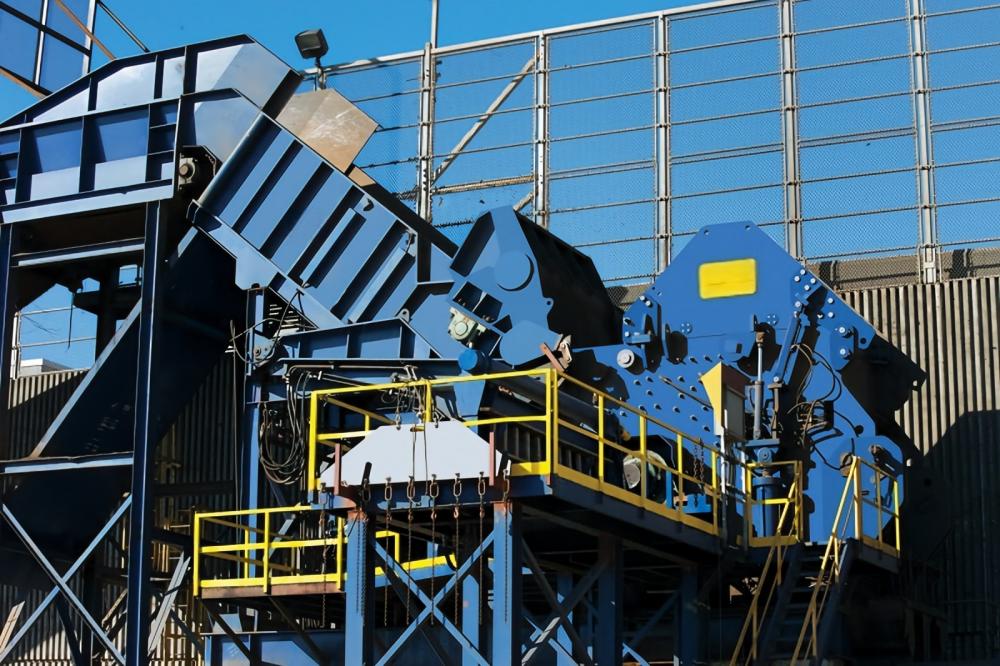
The longevity of a hammer shredder is directly proportional to the quality of its maintenance program. Because these machines operate in a high-impact environment, wear is inevitable. A proactive approach includes daily inspections of the hammer edges. Most hammers are designed to be rotated four times (using all four corners) before they need to be replaced or rebuilt using hard-facing welding techniques. Neglecting hammer rotation leads to decreased efficiency and increased strain on the motor.
Lubrication is another critical aspect. The main rotor bearings are subjected to extreme heat and pressure. Utilizing automated lubrication systems ensures that the bearings receive the correct amount of grease at the right intervals, preventing overheating and premature failure. Additionally, the internal liners of the shredder housing—made from abrasion-resistant steel—should be checked for thinning. Replacing a liner is significantly cheaper than repairing the structural frame of the machine.
Finally, operator training is paramount. An experienced operator can “hear” the health of the machine. They can identify the sound of an unshreddable object (like a heavy shaft or a large piece of manganese steel) entering the chamber and can trigger the emergency reject door before damage occurs. HARSLE provides comprehensive training and support to ensure that your team can operate the equipment at peak performance safely.
Frequently Asked Questions (FAQ)
What is the difference between a hammer shredder and a shear shredder?
A hammer shredder uses high-speed impact to shatter and densify material, making it ideal for brittle metals and liberating mixed materials. A shear shredder uses low-speed, high-torque blades to cut material, which is better for bulky items that need to be sized down without the intense noise and dust of a hammer mill.
How long do the hammers typically last?
Hammer life varies greatly depending on the material being processed. When shredding clean aluminum, hammers may last several weeks. However, when processing heavy ferrous scrap or contaminated ELVs, hammers might need rotation every 20-40 hours of operation. Using high-quality manganese steel from HARSLE significantly extends this interval.
Can a hammer shredder process non-metallic materials?
Yes, hammer shredders are often used to process wood, plastics, and tires. However, in the context of metal recycling, non-metallic materials are usually considered contaminants. The shredder’s job is to break the bond between the metal and these materials so they can be separated downstream by air zig-zag separators or water tables.
What safety features are essential for a metal shredder?
Essential safety features include an emergency reject door (to eject unshreddable items), vibration sensors, fire suppression systems (especially for magnesium or oily scrap), and strict lockout-tagout (LOTO) protocols for maintenance. HARSLE machines integrate these features as standard to protect both the equipment and the personnel.
How does shredding improve the value of scrap metal?
Shredding increases the value by improving the purity and density. Smelters prefer shredded scrap because it has a consistent size, which allows for automated charging of furnaces, and it has fewer contaminants, which leads to a higher yield of pure metal and less slag production.
Conclusion: The Future of Hammer Shredder Technology
As we look toward the future of Hammer Shredder Applications In Metal Scrap Recycling: A Complete Industry, the focus is shifting toward digitalization and even greater energy efficiency. The integration of AI-driven sorting at the discharge end of the shredder is becoming more common, allowing for the near-perfect separation of different alloy grades. Furthermore, advancements in motor technology, such as permanent magnet motors and variable frequency drives (VFDs), are reducing the carbon footprint of the shredding process itself.
HARSLE remains committed to driving these innovations forward. By combining rugged mechanical engineering with smart technology, we provide our clients with the tools they need to thrive in a competitive global market. Whether you are a small local recycler or a large-scale industrial processor, the right hammer shredder is an investment in the future of your business and the planet. By following the guidelines and technical advice provided in this guide, you can ensure that your recycling operations are efficient, safe, and highly profitable for years to come.


