
Comprehensive Guide to Hammer Shredder Applications for Car Scrap and Auto Parts Recycling

Introduction to Hammer Shredder Applications in the Automotive Recycling Industry
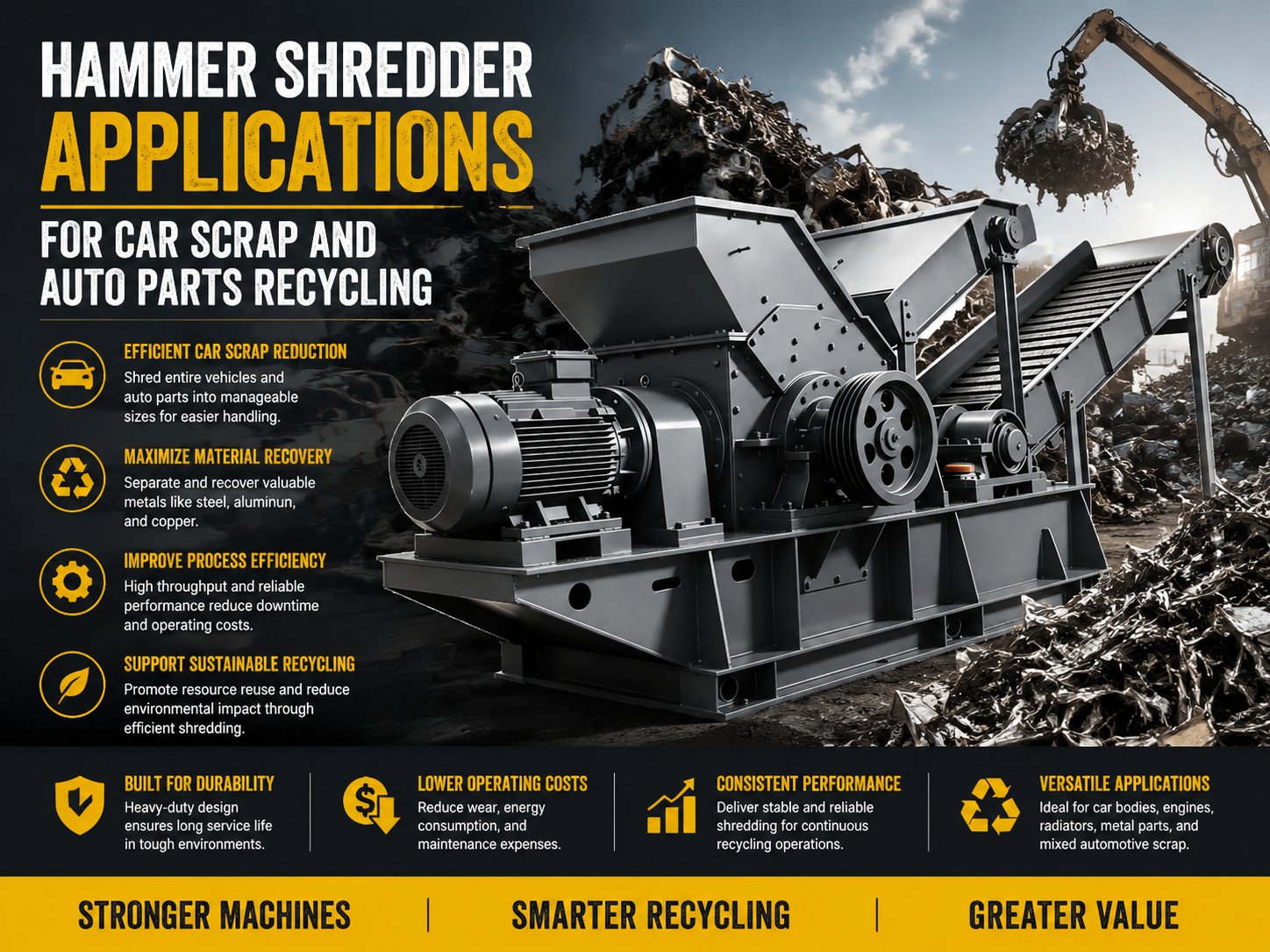
The global automotive industry produces millions of vehicles annually, and eventually, these vehicles reach the end of their operational life. Managing End-of-Life Vehicles (ELVs) is a critical challenge for environmental sustainability and resource recovery. This is where the Hammer Shredder Applications Car Scrap Auto Parts Recycling come into play. A hammer shredder, often referred to as a hammermill, is a heavy-duty industrial machine designed to pulverize, crush, and shred complex metal assemblies into smaller, manageable pieces. In the context of car scrap, these machines are essential for separating ferrous metals from non-ferrous metals, plastics, and glass.
HARSLE has been at the forefront of providing high-performance metal fabrication and recycling equipment. The application of hammer shredders in the automotive sector is not just about waste reduction; it is about high-purity material recovery. By utilizing high-velocity impact forces, these machines break down car bodies, engine blocks, and various auto parts into a high-density scrap known as “shredded scrap” or “proler.” This material is highly sought after by steel mills because of its purity and ease of melting.
As the circular economy gains momentum, the demand for efficient recycling technology grows. Hammer shredders offer a robust solution for processing large volumes of automotive waste. Whether it is a complete car shell or specific components like transmissions and suspension parts, the hammer shredder ensures that the maximum value is extracted from every ton of scrap. This guide explores the intricate details of how these machines operate and why they are the backbone of modern auto parts recycling.
Key Considerations for Hammer Shredder Applications in Car Scrap
When implementing Hammer Shredder Applications Car Scrap Auto Parts Recycling, several critical factors must be considered to ensure operational efficiency and profitability. The first consideration is the material composition of the input. Modern vehicles are a complex mix of high-strength steel, aluminum alloys, copper wiring, and various polymers. A hammer shredder must be versatile enough to handle these varying hardness levels without excessive wear on the internal components.
Throughput and capacity are equally important. Large-scale recycling facilities require machines that can process dozens of car shells per hour. This necessitates a powerful motor and a robust rotor design. Furthermore, the density of the output material is a key metric. Steel mills prefer scrap that is dense and free of contaminants. The hammer shredder’s ability to “clean” the metal by knocking off paint, rust, and non-metallic attachments during the shredding process is a significant advantage.
Environmental and safety regulations also play a major role. Shredding automotive scrap can release dust, noise, and potentially hazardous fluids if the vehicles are not properly pre-treated (depolluted). Modern hammer shredder installations often include sophisticated dust suppression systems and soundproofing enclosures. Additionally, the safety of the operators is paramount, requiring advanced control systems that can detect unshreddable items—such as heavy structural steel or gas cylinders—and eject them before they cause catastrophic damage to the machine.
Finally, the economic viability of the operation depends on the maintenance cycle. Hammers, liners, and grates are sacrificial parts that endure extreme stress. Choosing a machine with easy access for maintenance and high-quality wear parts is essential for minimizing downtime. The cost per ton of processed material is the ultimate benchmark for success in the scrap recycling industry.
Technical Details of Hammer Shredder Technology
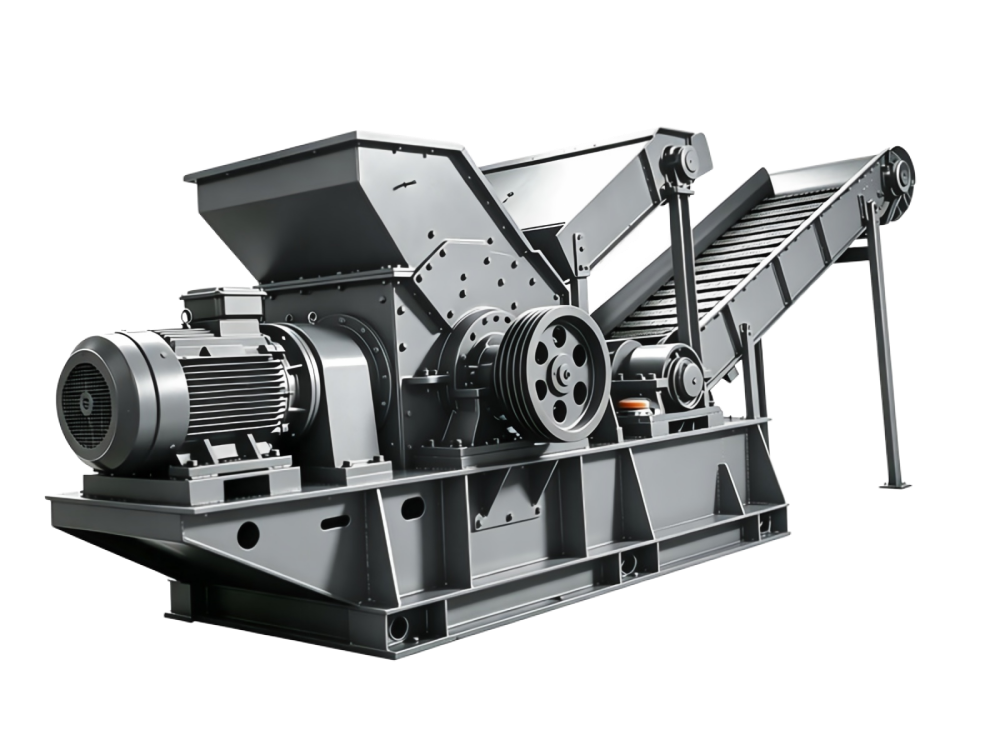
The technical superiority of a hammer shredder lies in its rotor assembly and the physics of impact. Unlike shear shredders that use a cutting action, hammer shredders rely on kinetic energy. The rotor, spinning at high speeds, carries a series of heavy manganese steel hammers. When these hammers strike the car scrap, the impact energy shatters the material along its natural grain or weak points. This process is repeated until the pieces are small enough to pass through the discharge grates located at the bottom of the shredding chamber.
Rotor and Hammer Design
The rotor is the heart of the machine. It must be dynamically balanced to prevent vibrations that could damage the bearings and the frame. Hammers are typically made from manganese steel or specialized alloys that work-harden under impact. This means the more the hammer strikes hard metal, the harder its surface becomes. For Hammer Shredder Applications Car Scrap Auto Parts Recycling, the weight and shape of the hammer are optimized to provide the maximum striking force while maintaining energy efficiency.
Grate Sizing and Output Control
The size of the holes in the grate bars determines the final size of the shredded scrap. Smaller holes result in a more uniform and denser product but may reduce the overall throughput. In automotive recycling, a balance is struck to produce scrap that meets the specifications of secondary smelters. The grates also act as a secondary crushing surface, where material is further refined as it is forced through the openings by the rotating hammers.
Separation and Downstream Processing
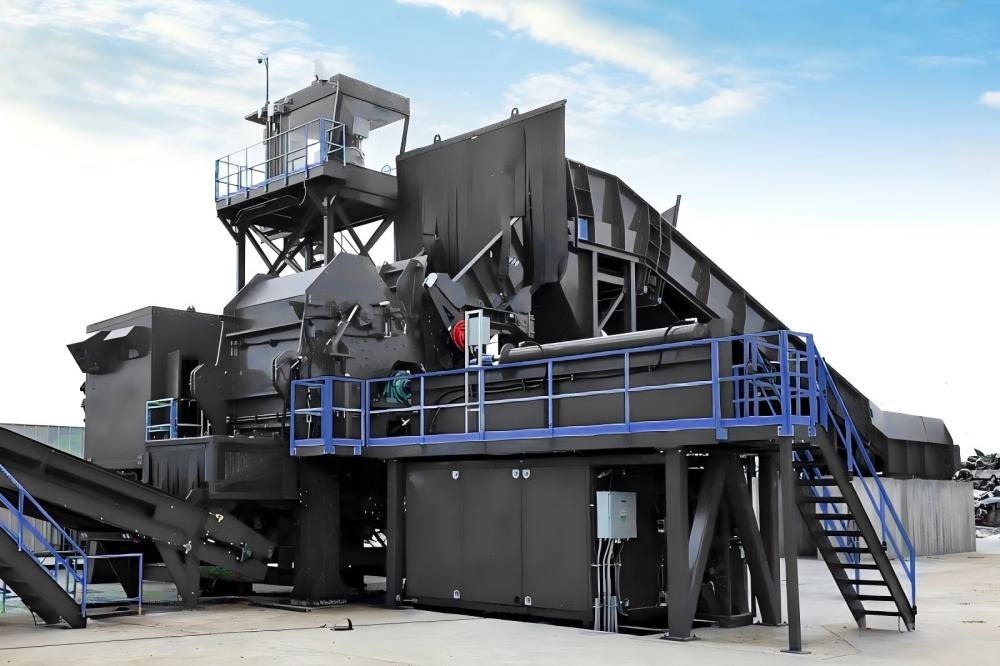
A hammer shredder is rarely a standalone unit. To maximize the value of car scrap, it is integrated into a complete recycling line. After the material leaves the shredder, it typically passes through a series of separation stages:
- Magnetic Separators: These remove ferrous metals (iron and steel) from the shredded mix.
- Eddy Current Separators: These are used to recover valuable non-ferrous metals like aluminum and copper from the remaining waste stream.
- Air Classification (Z-Box): This system uses air flow to separate light materials (foam, plastic, fabric) from heavier metallic pieces.
- Induction Sorting: Advanced sensors can identify and sort specific stainless steel or alloy fragments.
Technical Specifications Table
| Feature | Specification Range | Application Benefit |
|---|---|---|
| Motor Power | 500 HP – 5000+ HP | Determines the ability to shred heavy engine blocks and frames. |
| Rotor Speed | 400 – 700 RPM | Optimizes kinetic energy for different material types. |
| Hammer Weight | 50 kg – 250 kg per hammer | Provides the necessary impact force for thick automotive steel. |
| Throughput | 10 – 150 Tons Per Hour | Scales with the size of the recycling facility. |
| Grate Opening | 50mm – 150mm | Controls the final density and size of the scrap. |
Selection Advice for Car Scrap Hammer Shredders
Choosing the right equipment for Hammer Shredder Applications Car Scrap Auto Parts Recycling requires a deep understanding of your business goals. The first step is to define your primary input. If you are mostly processing whole car shells (baled or flattened), you need a large-feed opening and a high-horsepower motor. If your focus is on specific auto parts like aluminum wheels or transmissions, a mid-sized shredder with specialized grates might be more cost-effective.
Consider the “Total Cost of Ownership” (TCO). While the initial purchase price is important, the costs of electricity, replacement hammers, and downtime will dictate your long-term profitability. Look for machines that offer “quick-change” rotor designs or hydraulic housing openings, which significantly reduce the time required for maintenance. HARSLE machines are designed with these operational efficiencies in mind, ensuring that the machine spends more time shredding and less time in the workshop.
Another factor is the level of automation. Modern shredders come with PLC (Programmable Logic Controller) systems that monitor motor load and automatically adjust the feed rate. This prevents the machine from choking and ensures it operates at peak efficiency. If the motor load spikes, the conveyor can momentarily stop or reverse, allowing the shredder to clear the excess material. This level of intelligence is vital for handling the unpredictable nature of automotive scrap.
Finally, evaluate the supplier’s support network. Hammer shredders are subject to extreme mechanical stress. Having access to genuine spare parts and expert technical advice is crucial. Ensure that your supplier provides comprehensive training for your operators, covering both the mechanical aspects of the machine and the safety protocols required for high-speed shredding operations.
Frequently Asked Questions (FAQ)
1. What is the difference between a hammer shredder and a shear shredder?
A hammer shredder uses high-speed impact to pulverize material into small chunks, which also helps in cleaning the metal. A shear shredder uses low-speed, high-torque blades to cut material into strips or pieces. For car scrap, hammer shredders are preferred for producing high-density, clean scrap for steel mills.
2. Can a hammer shredder process entire car engines?
Yes, high-capacity hammer shredders are capable of processing engine blocks. However, engines should ideally be drained of fluids first. The heavy hammers and high-torque rotors are designed to shatter cast iron and aluminum engine components effectively.
3. How often do the hammers need to be replaced?
The lifespan of hammers depends on the material being shredded and the hammer’s metallurgy. Typically, in a high-volume car scrap operation, hammers may need to be rotated or replaced every few hundred to a thousand tons of processed material.
4. What is “Proler” scrap?
Proler is a term used for high-quality, shredded, and magnetically separated ferrous scrap. It is characterized by its small size, high density, and low level of impurities, making it ideal for electric arc furnaces (EAF).
5. How does the machine handle unshreddable items?
Most industrial hammer shredders feature an “ejection gate” or “reject door.” If an item that cannot be shredded (like a solid steel shaft) enters the chamber, the impact forces or sensors trigger the door to open, allowing the object to be thrown out safely without damaging the rotor.
6. Is water used during the shredding process?
Yes, many systems use water injection. This helps in cooling the hammers, reducing dust emissions, and preventing fires that might be caused by sparks igniting residual upholstery or fluids in the scrap.
7. What are the power requirements for a car scrap shredder?
These machines are power-intensive. Depending on the capacity, they can require anywhere from 500 kW to over 3000 kW. Efficient motor management and power factor correction are important for managing energy costs.
8. Can aluminum auto parts be shredded in the same machine?
Yes, but for maximum value, many recyclers run batches of aluminum separately or use downstream eddy current separators to pull the aluminum out of the mixed scrap stream after shredding.
9. What safety features are essential?
Essential safety features include emergency stop buttons, vibration sensors, temperature monitors for bearings, explosion-proof vents (if processing potentially volatile scrap), and heavy-duty housing to contain any flying debris.
10. How does HARSLE ensure the durability of its shredders?
HARSLE utilizes high-grade structural steel for the frames and premium manganese alloys for wear parts. Our rotors undergo rigorous dynamic balancing, and our control systems are designed to protect the machine from overloads and improper feeding.
Conclusion: The Future of Car Scrap and Auto Parts Recycling
The role of Hammer Shredder Applications Car Scrap Auto Parts Recycling will only become more prominent as the world shifts toward a more sustainable industrial model. The ability to transform a bulky, contaminated end-of-life vehicle into high-purity raw materials is a cornerstone of modern manufacturing. By investing in advanced hammer shredder technology, recycling facilities can increase their recovery rates, reduce their environmental footprint, and improve their bottom line.
As automotive designs evolve—incorporating more aluminum, composites, and electric vehicle batteries—shredding technology must also adapt. The next generation of hammer shredders will likely feature even more sophisticated sensor integration and AI-driven sorting to handle these complex material streams. HARSLE remains committed to innovating in this space, providing the tools necessary for the recycling industry to thrive in a changing landscape.
In summary, the hammer shredder is more than just a machine; it is a vital link in the global supply chain. It ensures that the steel and non-ferrous metals used in today’s cars can be reborn in the products of tomorrow. For any professional in the scrap metal or automotive recycling industry, understanding and leveraging the power of hammer shredders is the key to long-term success and environmental stewardship.


