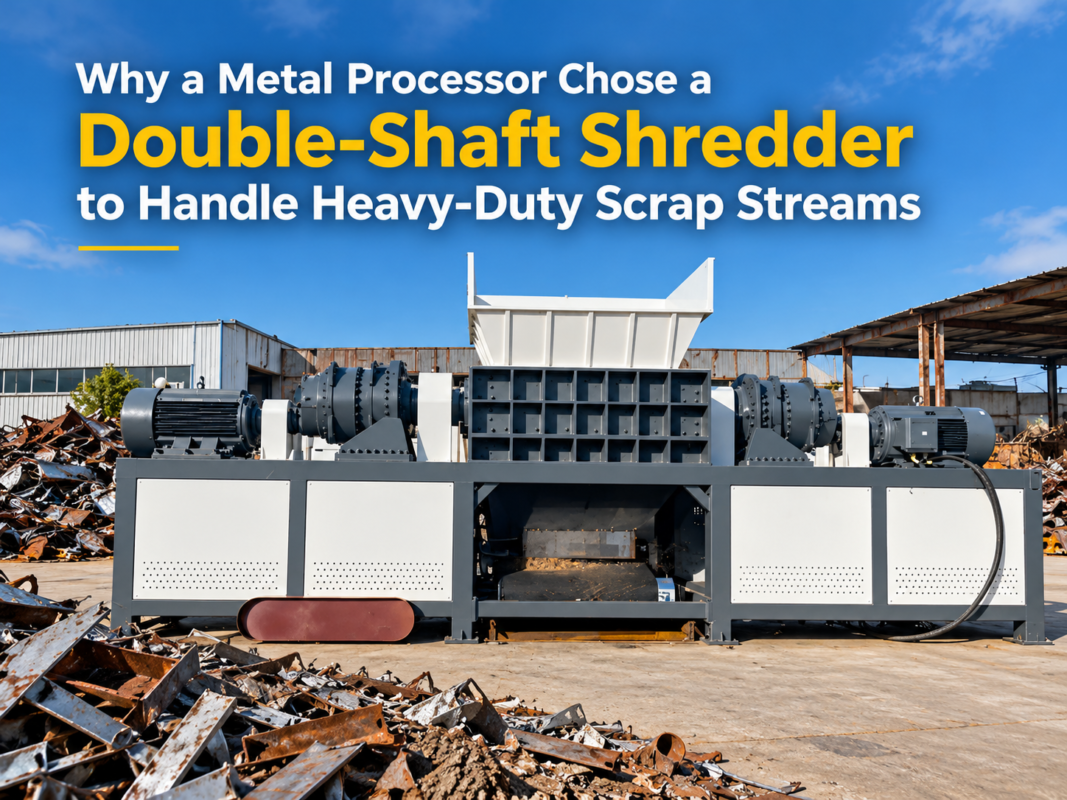
Energy Saving Tips Hammer Shredder Operation In Industrial Workshops

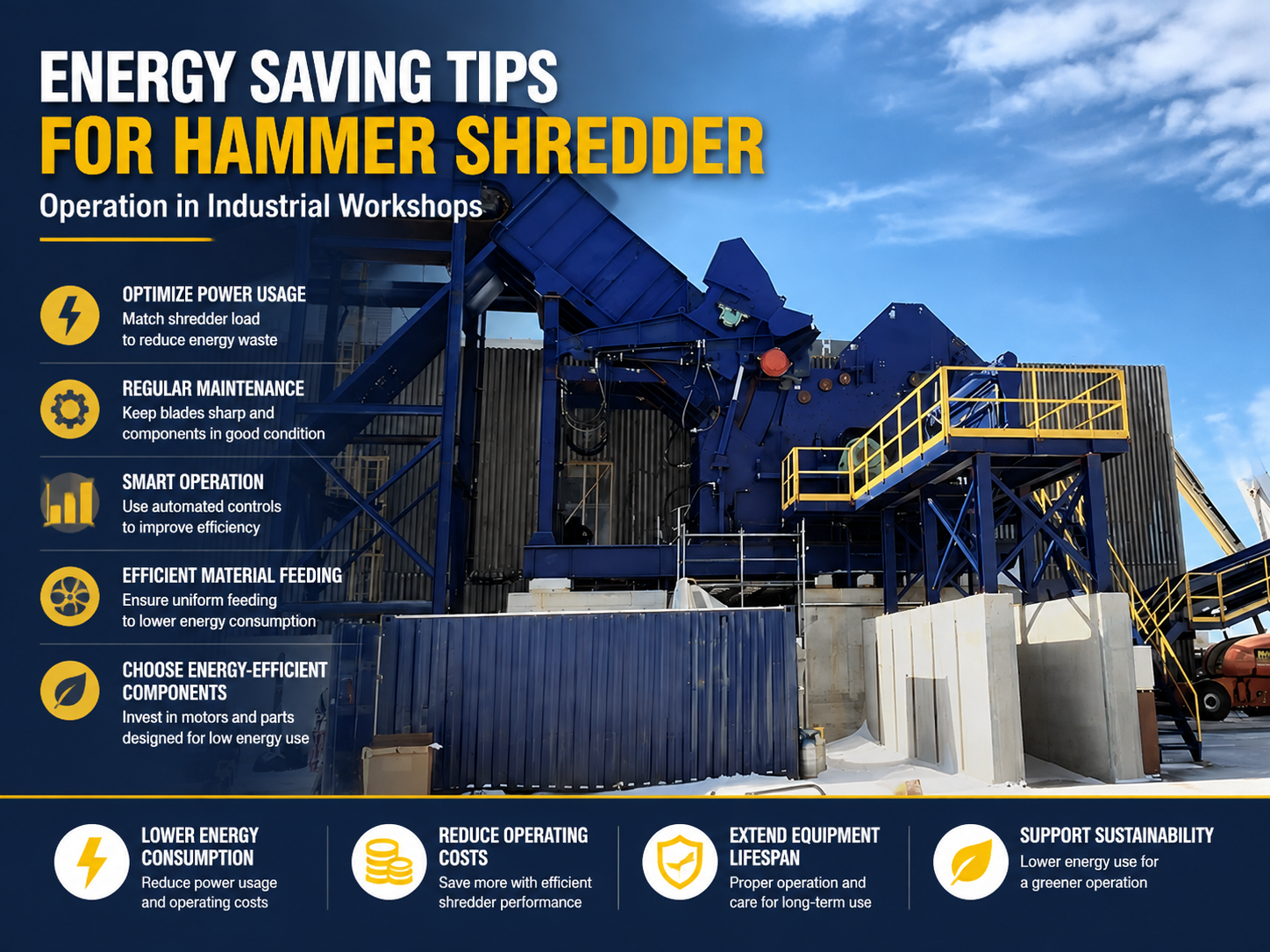
Technical Overview of Hammer Shredder Efficiency
In the modern industrial landscape, energy efficiency is no longer just a buzzword; it is a critical component of operational profitability and environmental stewardship. Hammer shredders, the workhorses of the metal recycling and fabrication industry, are notorious for their high energy consumption. These machines utilize high-speed rotors equipped with heavy hammers to pulverize materials through kinetic impact. Understanding the physics behind this process is the first step in implementing effective Energy Saving Tips Hammer Shredder Operation In Industrial Workshops.
The efficiency of a hammer shredder is primarily determined by the transfer of kinetic energy from the rotating mass to the target material. When a shredder operates at suboptimal levels, a significant portion of the electrical energy drawn by the motor is wasted as heat, vibration, and noise rather than being used for material fracture. HARSLE engineering focuses on optimizing the rotor geometry and hammer distribution to ensure that every revolution contributes effectively to the shredding process. By minimizing air drag within the shredding chamber and ensuring precise hammer-to-grate clearances, operators can significantly reduce the ‘no-load’ power consumption of the machine.
Furthermore, the technical design of the shredder’s drive system plays a pivotal role. Traditional direct-drive systems often suffer from high start-up currents and mechanical stress during peak loads. Modern energy-efficient shredders utilize advanced coupling mechanisms and electronic control systems to smooth out these power spikes. In an industrial workshop setting, where multiple machines may be running simultaneously, managing these peak loads is essential for maintaining a stable power factor and avoiding expensive demand charges from utility providers.
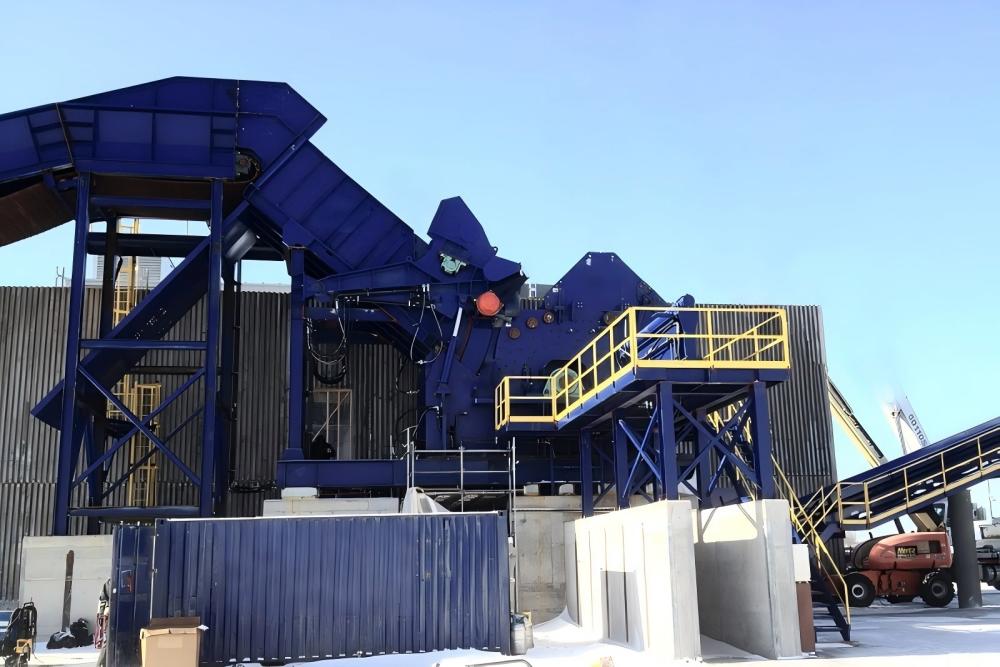
The Role of Kinetic Energy and Inertia
The core principle of a hammer shredder is the accumulation of kinetic energy in a heavy, rotating assembly. This energy is then released upon impact with the scrap material. To optimize energy usage, the rotor must maintain a consistent angular velocity. Frequent deceleration and acceleration cycles, caused by uneven feeding or oversized material, are the primary culprits of energy waste. When the rotor slows down significantly, the motor must draw excessive current to bring it back to operating speed, leading to thermal losses in the motor windings.
Core Parameters for Energy-Efficient Operation
To achieve the best results with Energy Saving Tips Hammer Shredder Operation In Industrial Workshops, operators must monitor and adjust several core parameters. These parameters are interconnected; changing one often necessitates adjustments in others to maintain the equilibrium of the system. The primary variables include rotor speed (RPM), hammer weight, grate opening size, and the moisture content of the input material.
- Rotor Speed (RPM): Operating at the lowest possible RPM that still achieves the desired fragmentation is a key energy-saving strategy. Higher speeds increase air resistance and mechanical wear without necessarily increasing throughput proportionally.
- Hammer Configuration: The weight and aerodynamic profile of the hammers affect the ‘windage’ losses. Using hammers that are specifically designed for the material type can reduce the energy required per ton of output.
- Feed Rate Consistency: A steady, controlled feed is far more efficient than ‘slug’ feeding. Modern sensors can help automate the conveyor speed to match the shredder’s current draw, ensuring the motor operates within its most efficient load range (typically 75-85% of rated capacity).
- Grate Clearance: The distance between the hammers and the discharge grates determines how long material stays in the chamber. Tight clearances produce finer output but require more energy. Finding the ‘sweet spot’ for your specific product requirements is essential.
In addition to these mechanical parameters, the electrical environment of the workshop must be considered. Power factor correction capacitors can be installed to ensure that the reactive power required by the large induction motors does not result in penalties on the electricity bill. HARSLE recommends a holistic approach where the machine’s mechanical state is synchronized with the workshop’s electrical infrastructure.
Calculation Method for Specific Energy Consumption (SEC)
To accurately implement Energy Saving Tips Hammer Shredder Operation In Industrial Workshops, you must be able to measure your current efficiency. The most effective metric is Specific Energy Consumption (SEC), which measures the kilowatt-hours (kWh) required to process one metric ton (t) of material. The formula is as follows:
SEC (kWh/t) = (Total Power Consumed in kWh) / (Total Mass of Processed Material in Tons)
To calculate this over a specific shift, follow these steps:
- Record the initial reading on the shredder’s dedicated energy meter.
- Process a known quantity of material (e.g., 50 tons of mixed light scrap).
- Record the final energy meter reading.
- Subtract the initial reading from the final reading to get the total kWh used.
- Divide the total kWh by the tonnage processed.
For example, if a shredder consumes 1,200 kWh to process 40 tons of scrap, the SEC is 30 kWh/t. By tracking this number daily, operators can identify when efficiency is dropping—perhaps due to dull hammers or a change in material density—and take corrective action before energy costs spiral out of control. Benchmarking your SEC against industry standards for different material types (e.g., aluminum vs. steel) allows for more precise operational goals.
Parameter Table: Energy Profiles for Different Shredder Capacities
| Model Capacity (HP) | Typical Throughput (t/h) | Optimal RPM Range | Target SEC (kWh/t) | Recommended Hammer Weight (kg) |
|---|---|---|---|---|
| 500 HP | 10 – 15 | 720 – 900 | 25 – 35 | 40 – 60 |
| 1000 HP | 25 – 40 | 600 – 750 | 20 – 30 | 80 – 120 |
| 2000 HP | 60 – 90 | 450 – 600 | 18 – 25 | 150 – 250 |
| 4000 HP+ | 120+ | 400 – 500 | 15 – 22 | 300+ |
Note: These values are estimates based on standard scrap steel processing. Actual results will vary based on material density, moisture, and the presence of non-metallic contaminants. Larger machines generally offer better energy efficiency per ton due to the higher inertia of the rotor assembly, which handles fluctuations in material resistance more effectively.
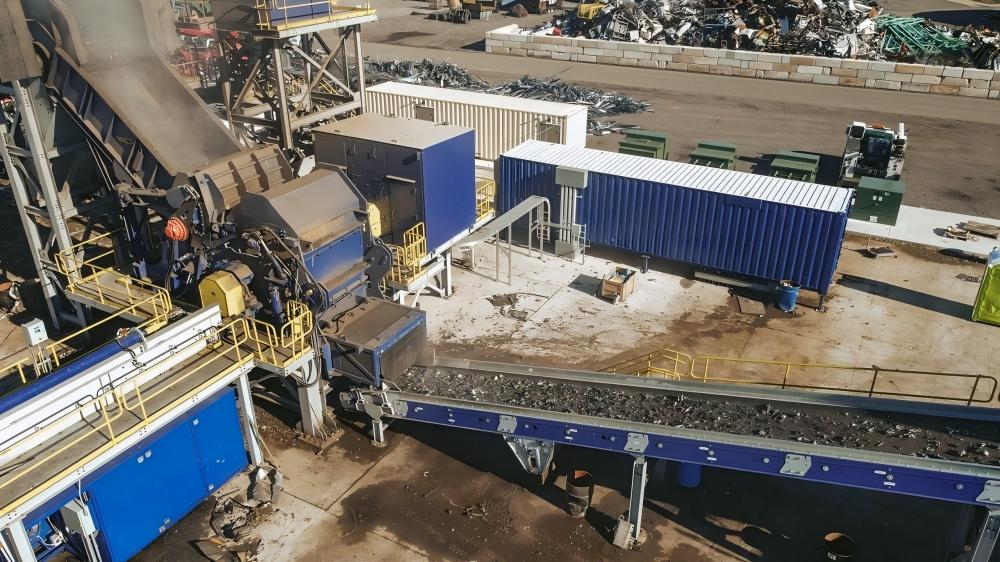
Common Engineering Mistakes in Shredder Operation
Even with the best equipment, poor operational habits can lead to massive energy waste. One of the most common mistakes is over-shredding. This occurs when the discharge grates are too small for the required end-product size. The material remains in the chamber longer than necessary, being struck repeatedly by the hammers and consuming energy without adding value. Always use the largest grate size that meets your customer’s specifications.
Another frequent error is neglecting hammer maintenance. As hammers wear down, they lose their sharp edges and their mass decreases. A dull, light hammer is less efficient at fracturing material, requiring more strikes and more time to process the same amount of scrap. This increases the ‘dwell time’ in the shredder, leading to higher energy consumption per ton. Furthermore, unevenly worn hammers can cause rotor imbalance, leading to vibrations that dissipate energy and damage bearings.
Improper motor alignment and belt tension are often overlooked. If the drive belts are too loose, they slip, converting electrical energy into heat through friction. If they are too tight, they put excessive load on the motor and rotor bearings, increasing mechanical resistance. Regular laser alignment and tension checks are simple yet highly effective Energy Saving Tips Hammer Shredder Operation In Industrial Workshops. Finally, failing to manage the ‘no-load’ time—leaving the shredder running while waiting for material—is a direct waste of power. Implementing an auto-idle or auto-shutdown feature can save significant amounts of energy over a year.
Selection Checklist for Energy-Efficient Hammer Shredders
When purchasing a new shredder or upgrading an existing one, use this checklist to ensure the machine is designed for maximum energy efficiency:
- Variable Frequency Drive (VFD) Compatibility: Does the system support VFDs to control start-up current and allow for speed optimization based on material type?
- High-Efficiency Motors: Is the machine equipped with IE3 or IE4 rated premium efficiency motors?
- Rotor Design: Is the rotor a ‘closed’ or ‘capped’ design to minimize air turbulence and drag?
- Intelligent Feeding System: Does the shredder include an automated feed controller that adjusts conveyor speed based on motor amperage?
- Advanced Metallurgy: Are the hammers made from high-manganese or alloy steels that retain their edge and mass for longer periods?
- Easy Grate Access: Can grates be changed quickly to match different production runs, preventing over-shredding?
- Vibration Monitoring: Does the machine have integrated sensors to detect imbalances that lead to energy-wasting vibrations?
Frequently Asked Questions (FAQ)
1. How much energy can a VFD actually save in a hammer shredder?
While a VFD doesn’t save much energy during full-load operation, it can save 10-20% of total energy costs by reducing start-up spikes, allowing the motor to run at slower speeds during light-load periods, and optimizing the speed for different materials. It also significantly reduces mechanical wear, lowering long-term maintenance costs.
2. Does the moisture content of the scrap affect energy consumption?
Yes, significantly. Wet material, especially when mixed with dirt or fines, tends to ‘clump’ and stick to the grates. This creates a ‘pumping’ effect where the hammers are moving a heavy, sludge-like mass instead of fracturing clean metal. This can increase energy consumption by 15-30%. Whenever possible, store scrap in a dry area before shredding.
3. Why is my shredder consuming more power even though the throughput is the same?
This is usually a sign of mechanical inefficiency. Check for dull hammers, clogged grates, or worn bearings. It could also be due to a change in the scrap mix; denser or harder materials require more energy to fracture. If the mechanics are fine, check your power factor; a low power factor means you are drawing more current for the same amount of work.
4. What is the ‘sweet spot’ for motor load?
For most industrial induction motors used in shredders, the peak efficiency is between 75% and 85% of the rated load. Running a motor at 50% load is inefficient because the fixed losses (like magnetizing current) become a larger percentage of the total power draw. Conversely, running at 100% or into the service factor increases heat and reduces the lifespan of the insulation.
5. How often should I rotate or change my hammers to save energy?
Hammers should be rotated as soon as the leading edge shows significant rounding. In high-volume industrial workshops, this might be every few days. Using a ‘staggered’ replacement schedule—where only some hammers are changed at a time—can help maintain a consistent rotor weight and balance, which is better for energy stability than changing the entire set only when they are completely worn out.
By following these Energy Saving Tips Hammer Shredder Operation In Industrial Workshops, facilities can not only reduce their carbon footprint but also see a direct and substantial improvement in their bottom line. HARSLE remains committed to providing the technical expertise and high-quality machinery needed to thrive in a competitive, energy-conscious market.