How to Diagnose Scrap Metal Baler Cylinder Failure and Prevent Downtime: A Comprehensive Guide

Introduction to Scrap Metal Baler Reliability
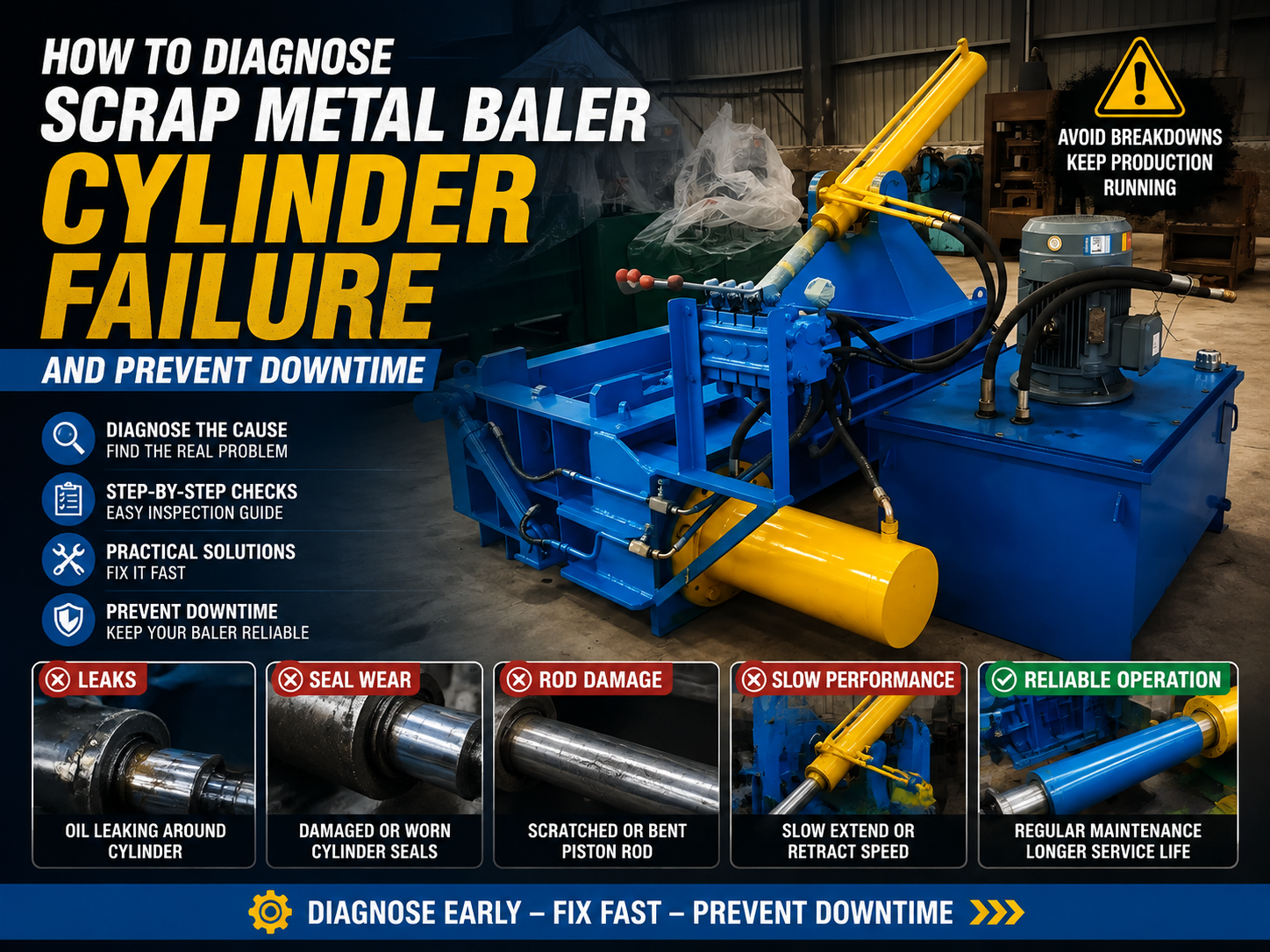
In the high-pressure environment of metal recycling and fabrication, the scrap metal baler serves as the backbone of operational efficiency. When this equipment functions optimally, it transforms loose scrap into dense, transportable bales, maximizing logistics and revenue. However, the hydraulic cylinder is the heart of this process, and its failure can bring an entire production line to a grinding halt. Understanding how to diagnose scrap metal baler cylinder failure and prevent downtime is not just a maintenance task; it is a critical business strategy for any facility manager.
HARSLE recognizes that downtime is the enemy of profitability. A failed cylinder often manifests as slow cycle times, leaking fluid, or a complete loss of compression force. By identifying the early warning signs of hydraulic degradation, operators can transition from reactive, emergency repairs to proactive, scheduled maintenance. This guide explores the technical intricacies of hydraulic systems, providing a roadmap for long-term equipment reliability.
The complexity of modern scrap metal balers requires a systematic approach to diagnostics. Whether you are dealing with internal bypass issues or external seal degradation, the ability to pinpoint the root cause quickly saves thousands of dollars in lost productivity. This article will walk you through the diagnostic process, maintenance best practices, and the selection criteria for high-performance replacement components.
Ultimately, the goal is to extend the service life of your machinery. By integrating these diagnostic steps into your daily and weekly checklists, you ensure that your HARSLE equipment continues to deliver the force and precision required for demanding industrial applications. Let us delve into the technical aspects of maintaining your hydraulic infrastructure.
Key Considerations for Hydraulic System Health
The hydraulic system of a scrap metal baler is a closed-loop environment that relies on clean, pressurized fluid to generate immense force. The first consideration for any operator is fluid quality. Contamination is the leading cause of premature cylinder failure. Even microscopic metal shavings or dust particles can act as an abrasive, scoring the cylinder walls and destroying the internal seals. Maintaining a rigorous oil filtration schedule is the most effective way to prevent downtime.
Temperature management is another critical factor. Hydraulic fluid that operates consistently above its recommended temperature range will lose its viscosity, leading to increased friction and seal degradation. If your baler is running hot, it is a clear indicator that the system is working harder than it should, likely due to internal bypass or pump inefficiency. Monitoring the heat exchanger and cooling fans should be a standard part of your daily routine.
Pressure stability is the third pillar of hydraulic health. If the pressure gauge fluctuates wildly during a compression cycle, it suggests air in the system or a failing pump. Air entrapment, or cavitation, can cause internal damage that is often mistaken for seal failure. Ensuring that all hydraulic lines are tight and that the system is properly bled after any maintenance is vital for long-term stability.
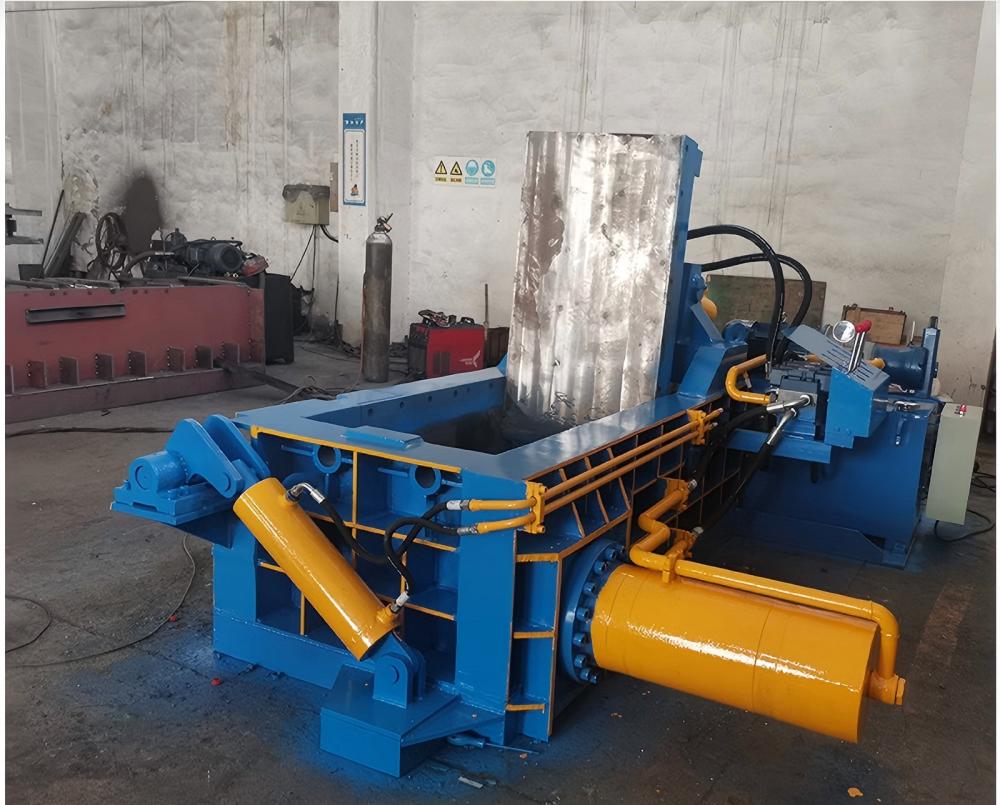
Finally, consider the mechanical alignment of the cylinder. If the cylinder is not perfectly aligned with the ram or the compression chamber, it will experience side-loading. Side-loading places uneven stress on the rod and the gland, leading to rapid wear of the guide rings and eventual leakage. Regular checks of the mounting pins and alignment brackets can prevent these mechanical stresses from damaging the cylinder internals.
Technical Details: Diagnosing Cylinder Failure
To diagnose scrap metal baler cylinder failure and prevent downtime, you must be able to distinguish between external and internal leaks. An external leak is obvious—you will see hydraulic fluid pooling around the gland or the rod. This is usually a sign of a worn rod seal or a damaged wiper. Replacing these seals is a standard maintenance procedure, but it must be done in a clean environment to prevent further contamination.
Internal leakage is more insidious. This occurs when the piston seals fail, allowing high-pressure oil to bypass the piston and move to the low-pressure side of the cylinder. This results in a loss of force and slow cycle times. To test for this, you can perform a ‘drift test.’ By extending the cylinder and shutting off the hydraulic supply, you can observe if the ram retracts under its own weight or the weight of the material. If it drifts, the piston seals are likely compromised.
Another technical diagnostic method involves checking the temperature of the cylinder barrel while the machine is under load. If one side of the cylinder is significantly hotter than the other, it may indicate internal bypass, as the energy from the high-pressure fluid is being converted into heat as it leaks past the piston seals. Using an infrared thermometer can provide quick, non-invasive data on the health of your hydraulic components.
You should also inspect the cylinder rod for scoring or pitting. Even minor imperfections on the rod surface can tear the seals as they pass through the gland. If you find scoring, the rod may need to be re-chromed or replaced. Ignoring these surface defects will lead to a cycle of constant seal failure, as no amount of new rubber can compensate for a damaged metal surface.
Selection Advice for Replacement Cylinders
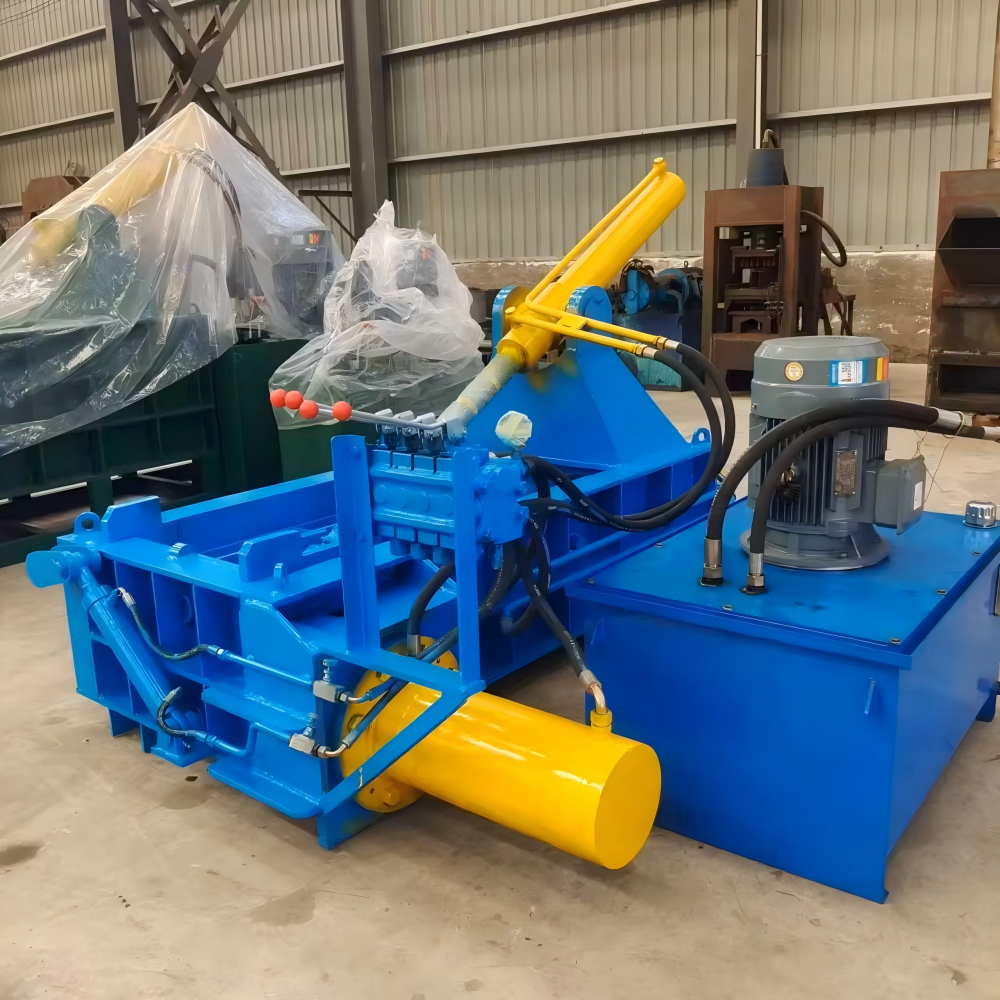
When the time comes to replace a cylinder, choosing the right component is just as important as the diagnostic process. Not all cylinders are created equal, especially in the high-impact world of scrap metal processing. You must prioritize cylinders that feature heavy-duty construction, including induction-hardened rods and high-grade steel barrels. These features provide the necessary resistance to the shock loads common in baling operations.
Seal material selection is equally vital. Standard nitrile seals may not be sufficient for the high-temperature, high-pressure environment of a scrap baler. Consider upgrading to Viton or specialized polyurethane seals that offer better chemical resistance and durability. Discussing your specific material throughput with your HARSLE representative can help you select a cylinder configuration that is optimized for your specific workload.
Consider the mounting style and stroke length carefully. While it might be tempting to opt for a generic replacement, a custom-engineered cylinder that matches the original specifications of your HARSLE baler will ensure perfect alignment and performance. Avoid the temptation to ‘over-spec’ or ‘under-spec’ the cylinder; the hydraulic system is designed to operate within a specific pressure range, and deviating from this can cause damage to other components like hoses, valves, and pumps.
Finally, look for manufacturers that provide comprehensive documentation and support. A high-quality cylinder should come with clear installation instructions and a warranty that covers manufacturing defects. Investing in a reputable brand ensures that you have access to spare parts and technical support when you need it most, which is the ultimate key to preventing long-term downtime.
Preventive Maintenance Checklist
- Daily: Check hydraulic fluid levels and inspect for visible leaks around the cylinder gland.
- Weekly: Clean the cylinder rod and check for signs of scoring or pitting.
- Monthly: Perform a drift test to check for internal seal bypass.
- Quarterly: Analyze hydraulic fluid for contamination and check the condition of filters.
- Annually: Inspect mounting pins and brackets for wear or misalignment.
FAQ: Common Questions About Baler Maintenance
How often should I change the hydraulic fluid in my scrap metal baler?
Generally, hydraulic fluid should be changed every 2,000 to 4,000 operating hours, or sooner if the fluid shows signs of contamination or degradation. Always follow the manufacturer’s recommendations for your specific model.
What are the signs that my cylinder seals are failing?
Common signs include visible fluid leaks, a noticeable drop in compression force, slow cycle times, or the cylinder ‘drifting’ when under load.
Can I repair a scored cylinder rod?
Minor scratches can sometimes be polished, but deep scoring usually requires the rod to be re-chromed or replaced to prevent immediate failure of the new seals.
Why is my baler running hot?
Overheating is often caused by internal leakage (bypass), a failing pump, or a clogged cooling system. It is a critical warning sign that requires immediate investigation.
Conclusion: Sustaining Operational Excellence
Learning how to diagnose scrap metal baler cylinder failure and prevent downtime is an essential skill for maintaining a profitable metal fabrication facility. By staying vigilant about fluid quality, monitoring for early signs of seal wear, and performing regular diagnostic tests, you can avoid the high costs associated with emergency repairs and production stoppages. HARSLE is committed to providing the equipment and knowledge necessary to keep your operations running smoothly.
Remember that maintenance is not a one-time event but a continuous process of observation and adjustment. When you treat your hydraulic system with the care it requires, it will reward you with years of reliable, high-performance service. If you encounter issues that fall outside your internal maintenance capabilities, do not hesitate to reach out to professional technicians who can provide the specialized support needed to get your baler back to peak condition.
As you continue to optimize your scrap metal processing, keep these diagnostic principles at the forefront of your maintenance strategy. By prioritizing the health of your hydraulic cylinders, you are not just fixing a machine—you are securing the future of your production capacity and ensuring that your facility remains a leader in the competitive metal fabrication industry.