Container Shear Hydraulic Oil Leakage: Common Failure Points and Repair Tips

Introduction to Container Shear Hydraulic Systems
The container shear is a cornerstone of modern metal recycling and fabrication facilities. Designed to process bulky scrap metal into manageable sizes, these machines rely heavily on high-pressure hydraulic systems to generate the immense force required for shearing. However, the complexity of these systems means that Container Shear Hydraulic Oil Leakage: Common Failure Points Repair Tips are essential knowledge for any maintenance team or facility manager. When a hydraulic system loses fluid, it doesn’t just create a messy work environment; it compromises the structural integrity of the shearing process and risks catastrophic pump failure.
At HARSLE, we emphasize that hydraulic integrity is the lifeblood of your metal fabrication equipment. A leak, no matter how small, acts as a gateway for contaminants, air, and moisture to enter the system, leading to accelerated wear on internal components. Understanding the root causes of these leaks is the first step toward proactive maintenance. By identifying failure points early, operators can prevent costly downtime and extend the operational lifespan of their container shear machines.
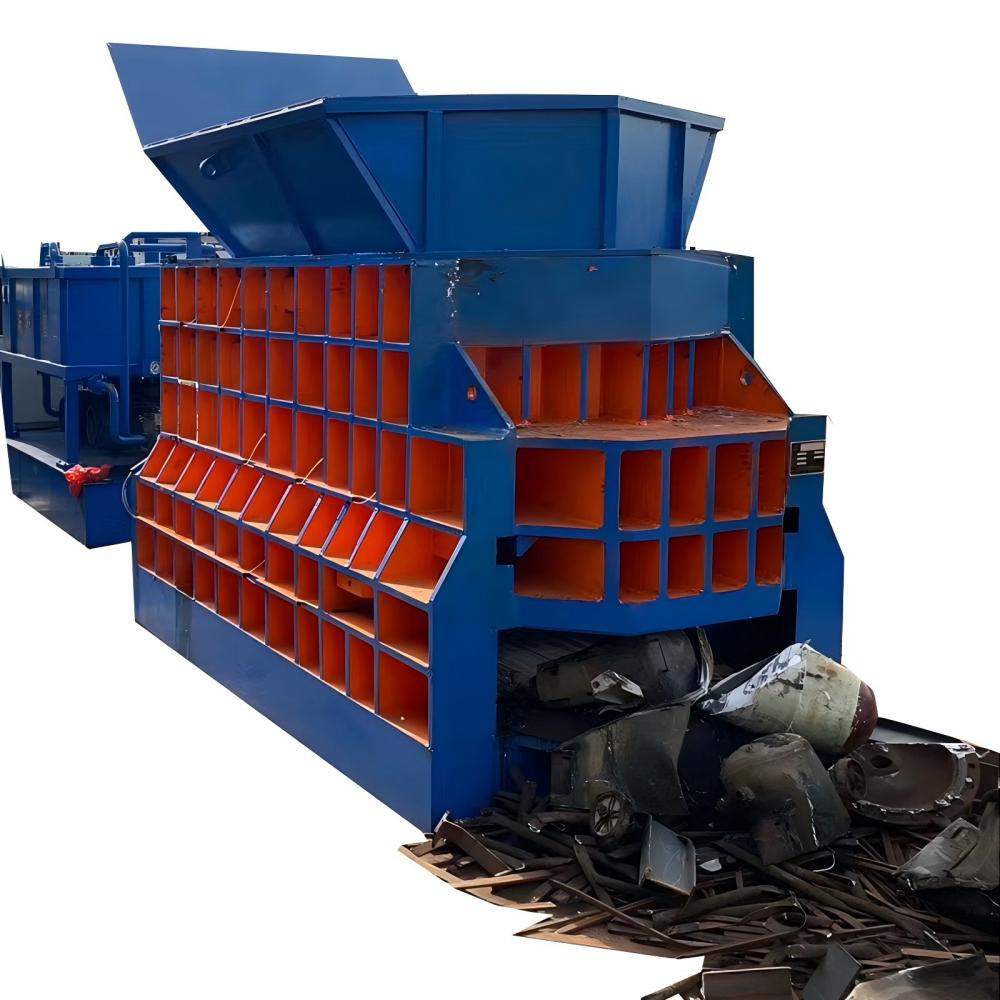
This guide provides a comprehensive look at the hydraulic architecture of container shears. We will explore why leaks occur, where they are most likely to manifest, and how to implement a systematic repair strategy. Whether you are operating a 500t unit or a larger custom-built shear, the principles of hydraulic maintenance remain consistent. Let us dive into the technical nuances of keeping your system leak-free and highly productive.
Key Considerations for Hydraulic System Integrity
Maintaining a leak-free hydraulic system requires a holistic approach that goes beyond simply tightening bolts. The first consideration is the quality of the hydraulic fluid itself. Using the wrong viscosity or low-grade oil can lead to excessive heat generation, which in turn causes seals to harden and crack. When seals lose their elasticity, they can no longer maintain a tight interface between moving parts, leading to the very leaks we aim to avoid. Always adhere to the manufacturer’s specifications regarding oil grade and temperature ranges.
Another critical factor is the operating pressure of the container shear. These machines often operate at pressures exceeding 250 bar. At such high levels, even a microscopic scratch on a cylinder rod or a slightly misaligned fitting can result in a high-pressure spray. Operators must ensure that pressure relief valves are calibrated correctly. If a valve is stuck or set too high, the system will experience pressure spikes that exceed the burst rating of hoses and seals, leading to sudden and potentially dangerous failures.
Environmental factors also play a significant role in hydraulic health. Metal fabrication environments are inherently dusty and filled with metallic debris. If this debris settles on exposed cylinder rods, it acts like sandpaper every time the cylinder retracts. Over time, this scores the rod surface, creating a path for oil to bypass the wiper seal. Implementing protective bellows or regular cleaning schedules is a simple yet effective way to mitigate this risk. Furthermore, temperature fluctuations in the facility can cause thermal expansion and contraction of metal components, which may loosen threaded connections over time.
Finally, the human element cannot be ignored. Proper operator training is the best defense against hydraulic failure. Operators should be trained to perform daily visual inspections, looking for “weeping” joints or unusual noises from the pump. A proactive culture where minor leaks are reported and repaired immediately—rather than being ignored until they become major spills—is the hallmark of a well-managed facility. By prioritizing these key considerations, you create a foundation of reliability for your heavy-duty machinery.
Technical Details: Common Failure Points
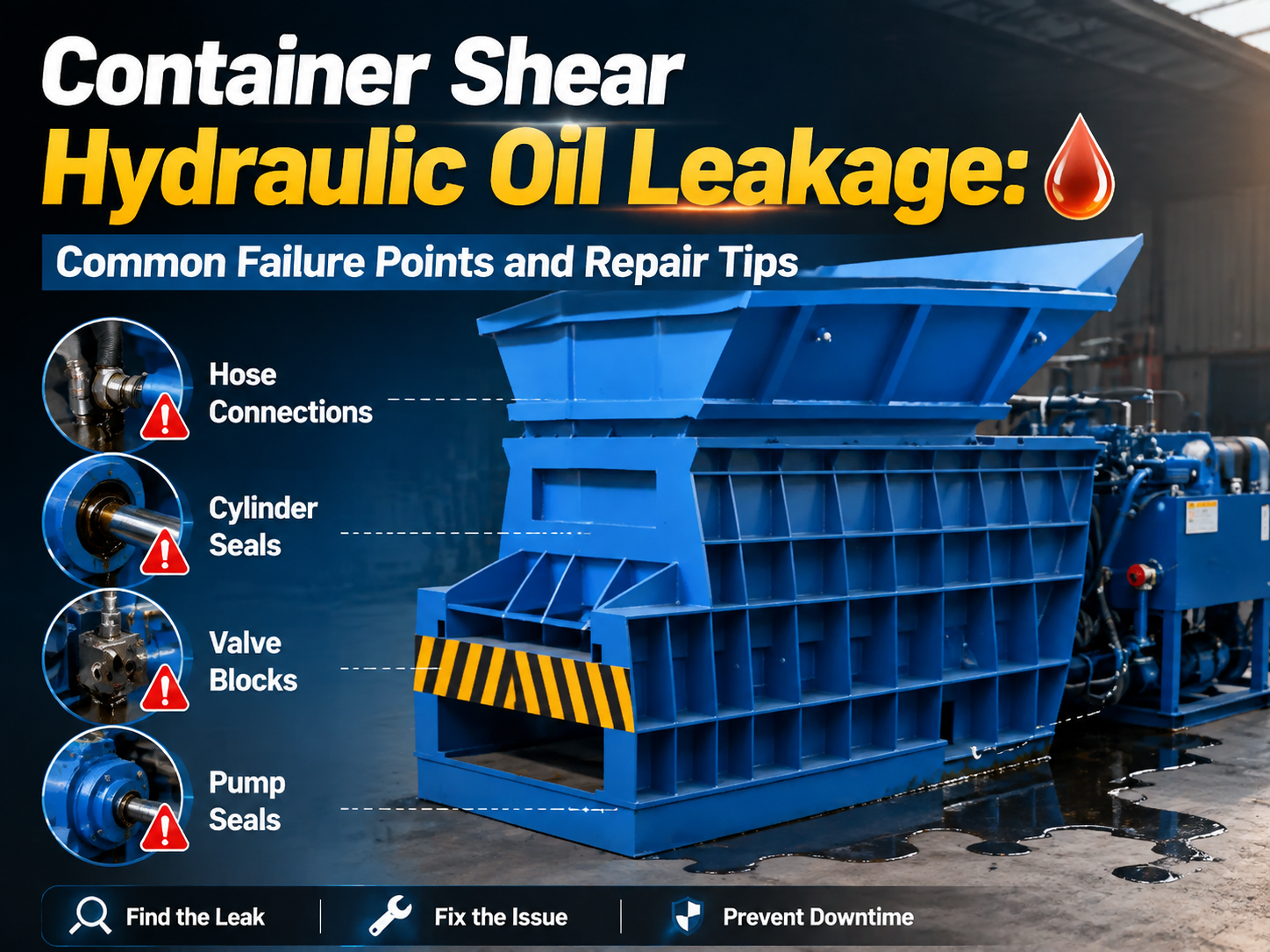
When investigating Container Shear Hydraulic Oil Leakage: Common Failure Points Repair Tips, it is vital to know exactly where to look. The most common failure point is the hydraulic hose assembly. Hoses are subject to constant vibration, flexing, and pressure cycling. Over time, the rubber compound degrades, and the crimped fittings can develop micro-fractures. Inspecting hoses for signs of bulging, cracking, or dampness at the fitting crimp is a mandatory maintenance task. If a hose shows any sign of external damage, it should be replaced immediately rather than patched.
Cylinder seals represent the second most frequent failure point. The main shearing cylinder undergoes immense stress. The piston seals and rod seals are designed to contain high-pressure oil while allowing for smooth linear motion. When these seals wear out, you will notice oil leaking from the cylinder head or, in the case of internal bypass, a noticeable drop in shearing force. Internal leakage is often harder to detect because it doesn’t leave a puddle on the floor, but it is just as damaging to the machine’s efficiency.
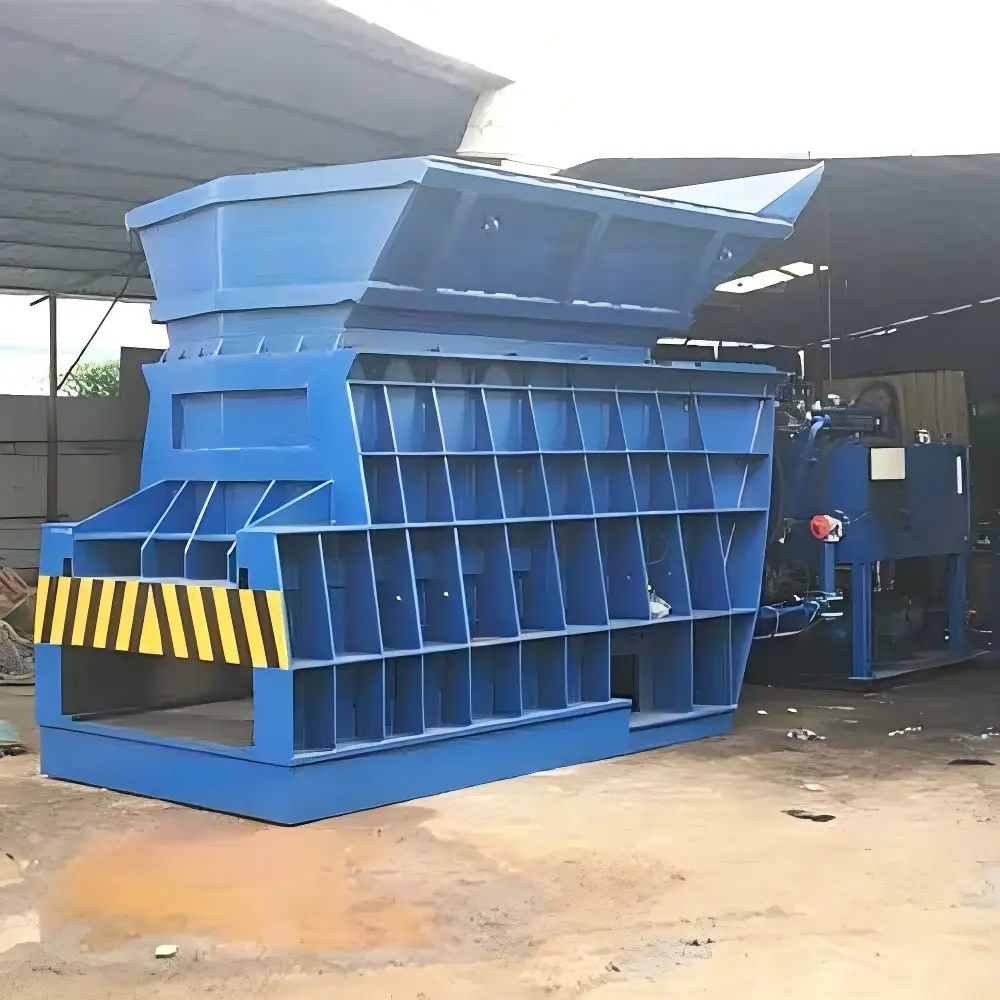
Threaded connections and manifold blocks are also prone to leakage. In a container shear, the vibration from the shearing action can cause pipe fittings to loosen. Using high-quality O-ring face seal (ORFS) fittings is recommended, as they provide a superior seal compared to traditional NPT threads. If you find a leak at a fitting, do not simply tighten it further. Often, the O-ring has been pinched or flattened and needs to be replaced. Over-tightening can crack the fitting or damage the threads, turning a minor leak into a major repair job.
The hydraulic pump and control valves are the heart of the system. Leaks here are often caused by failed gaskets or shaft seals. Because these components are complex, repairs should be handled by qualified technicians. A leaking pump shaft seal is a clear indicator that the pump is either nearing the end of its service life or is experiencing excessive case pressure. Monitoring the case drain line for excessive flow can help diagnose these internal issues before they lead to a total system shutdown.
Repair Tips and Maintenance Strategies
When a leak is identified, the first step is to safely depressurize the system. Never attempt to tighten a fitting or replace a hose while the system is under pressure; high-pressure hydraulic fluid can penetrate the skin and cause severe injury. Once the system is locked out and tagged out, clean the area thoroughly. It is impossible to diagnose the source of a leak if the machine is covered in layers of grease and dirt. Use a degreaser and compressed air to expose the exact point of failure.
For hose replacements, always use hoses that meet or exceed the original equipment manufacturer (OEM) specifications. Ensure that the hose routing is correct—hoses should not be twisted during installation, as this introduces torsional stress that will cause the hose to fail prematurely. Use proper clamps to secure hoses and prevent them from rubbing against the machine frame or other components. A well-organized hose layout not only looks professional but also makes future inspections much easier.
When replacing seals in cylinders, cleanliness is paramount. Even a tiny speck of dust or metal filing inside the cylinder can ruin a new seal in minutes. Work in a clean environment and use lint-free cloths. Inspect the cylinder rod for any nicks or scratches. If the rod is damaged, it will continue to tear up new seals regardless of how high-quality they are. In such cases, the rod may need to be re-chromed or replaced entirely to ensure a long-lasting repair.
Finally, implement a regular oil analysis program. By testing your hydraulic fluid for viscosity, water content, and metallic particles, you can predict component failure before it happens. If the oil analysis shows high levels of iron or chrome, it is a sign that internal components are wearing down and a leak or failure is imminent. This data-driven approach allows you to schedule repairs during planned downtime, avoiding the massive costs associated with emergency breakdowns.
Selection Advice for Container Shears
Choosing the right container shear is the first step in minimizing hydraulic issues. When evaluating equipment, look for machines that utilize high-quality hydraulic components from reputable global brands. A machine built with premium valves, pumps, and hoses will inherently have a lower failure rate. At HARSLE, we prioritize the integration of robust hydraulic systems that are designed for the harsh realities of the metal fabrication industry.
Consider the accessibility of the hydraulic components. A well-designed machine will have a centralized manifold and easily accessible hoses. If a machine requires the removal of heavy structural panels just to check a fitting, maintenance will likely be neglected. Look for designs that prioritize serviceability, such as hinged access doors and clear labeling of hydraulic lines. This design philosophy directly impacts the long-term maintenance costs of the equipment.
Evaluate the cooling system. Heat is the enemy of hydraulic seals. A container shear should be equipped with an appropriately sized oil cooler to maintain the fluid at an optimal operating temperature. If the machine is intended for high-duty cycles, consider an active cooling system with a thermostat. Keeping the oil cool will significantly extend the life of every seal and hose in the system, reducing the frequency of leaks.
Lastly, consider the support provided by the manufacturer. A container shear is a long-term investment. Ensure that the supplier provides comprehensive documentation, including detailed hydraulic schematics and a clear list of spare parts. Having access to genuine replacement parts ensures that repairs are performed correctly and that the machine maintains its original performance specifications. Partnering with a manufacturer like HARSLE ensures that you have the technical support needed to keep your equipment running at peak efficiency for years to come.
FAQ: Addressing Common Concerns
- Q: How often should I check for hydraulic leaks?
A: A visual inspection should be part of your daily pre-start checklist. A more thorough inspection of hoses, fittings, and cylinder seals should be conducted monthly. - Q: Can I use any hydraulic oil in my container shear?
A: No. Always use the oil grade specified in your machine’s manual. Using the wrong viscosity can lead to overheating and seal failure. - Q: Why does my hydraulic system get so hot?
A: Excessive heat is often caused by low oil levels, a clogged filter, or a failing pump. Check your oil level and filter condition first. - Q: What should I do if I see a small “weeping” leak?
A: Do not ignore it. A small leak is a sign of a failing seal or loose connection. Schedule a repair as soon as possible to prevent it from becoming a major spill. - Q: Are there specific safety precautions for hydraulic repairs?
A: Yes. Always depressurize the system, use lockout/tagout procedures, and wear appropriate personal protective equipment (PPE) like safety glasses and gloves.
Conclusion
Container Shear Hydraulic Oil Leakage: Common Failure Points Repair Tips are vital for maintaining the productivity and safety of your metal fabrication facility. By understanding the common failure points—such as hoses, seals, and fittings—and implementing a proactive maintenance strategy, you can significantly reduce the risk of unexpected downtime. Remember that a well-maintained hydraulic system is not just about preventing leaks; it is about ensuring the longevity and performance of your investment.
At HARSLE, we are committed to providing high-quality metal fabrication equipment that stands the test of time. By following the guidelines outlined in this article, you can ensure that your container shear remains a reliable workhorse in your production line. If you encounter persistent issues or require specialized parts, always reach out to your manufacturer for expert guidance. Consistent care, proper training, and high-quality components are the keys to a successful and profitable operation.